
Have a question about Bonding?
In this article
- What is dental bonding and when is it a good choice?
- What affects the price of bonding in Turkey?
- How long does bonding last and what can you realistically expect?
- What is recovery like after bonding and how long should you stay in Turkey?
- Is bonding in Turkey safe?
- How does bonding compare with veneers, crowns, and whitening?
- How do you choose the right clinic and dentist for bonding in Turkey?
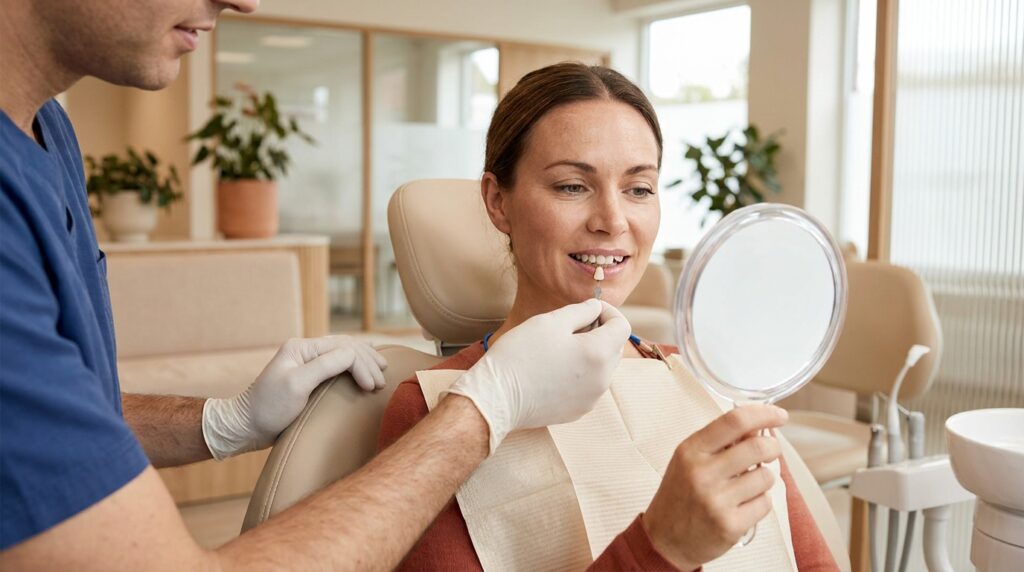
Bonding Turkey treatment is usually a quick, minimally invasive way to improve chipped, uneven, stained, or slightly gapped teeth, with little to no downtime for most people. The main caveat is that bonding is not the longest-lasting cosmetic option, so it suits some smiles very well and is the wrong choice for others depending on bite, habits, and the amount of shape change you want.
What is dental bonding and when is it a good choice?
Dental bonding uses a tooth-coloured composite resin to reshape or repair a tooth without the lab-made process used for veneers or crowns. It is often a good choice for small cosmetic changes, but it is less durable than porcelain and not ideal for every bite or every staining problem.
Dental bonding is a cosmetic dental treatment where the dentist applies a tooth-coloured resin directly to the tooth, shapes it, and hardens it with a curing light. In simple terms, it is a way to add or refine tooth structure rather than remove a lot of it.
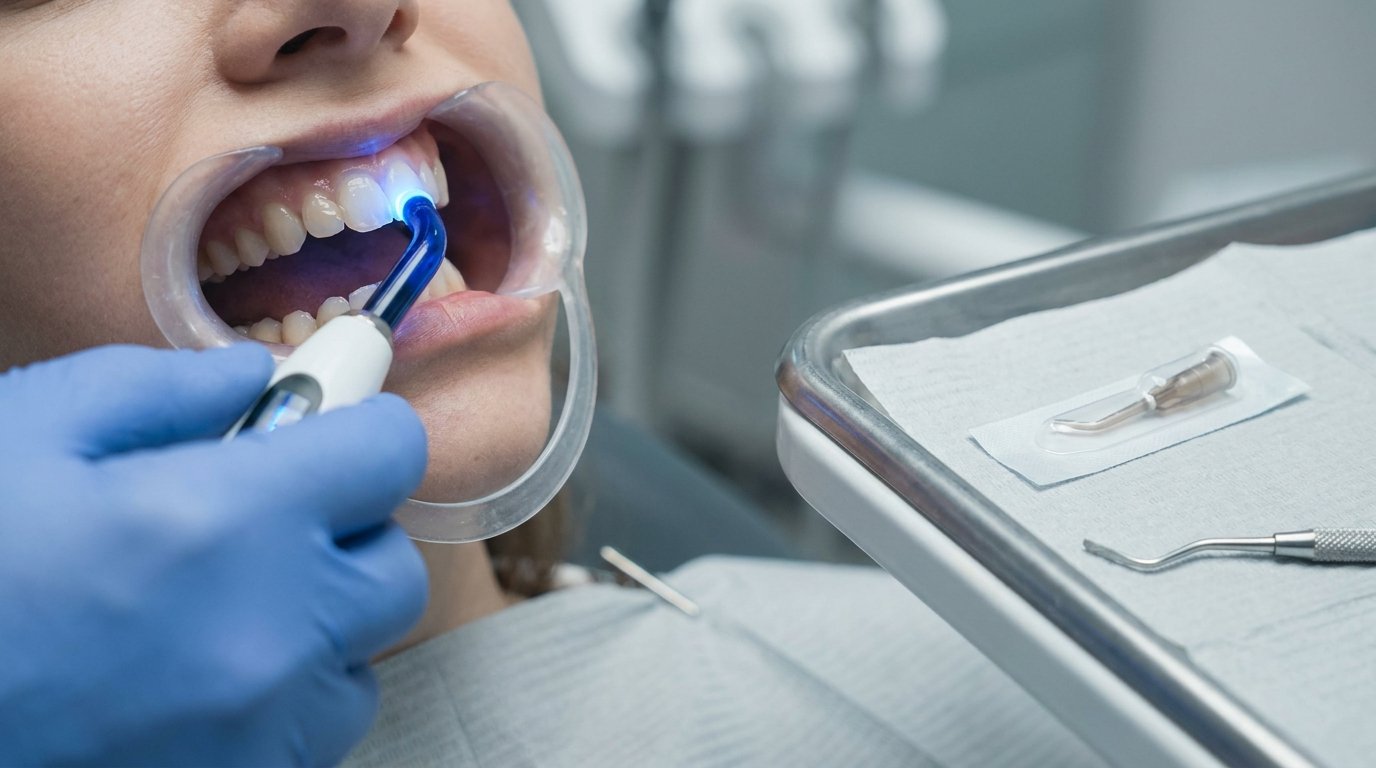
It is commonly used for:
- ✓Small chips or worn edges
- ✓Minor gaps between teeth
- ✓Slightly uneven tooth shapes
- ✓Limited lengthening of short teeth
- ✓Masking some surface staining that does not respond well to whitening
Bonding can be appealing because it is usually more conservative than veneers. In many cases, little or no drilling is needed. That matters if you want a visible change without committing to a more extensive treatment.
That said, bonding works best when the changes are modest. If a tooth is heavily damaged, badly positioned, or very dark underneath, another option may make more sense. Patients comparing bonding with veneers often also look at teeth veneers in Turkey because veneers can give a bigger colour and shape change.
The NHS explains that cosmetic dental procedures may improve appearance, but they are not always clinically necessary. That is a useful way to think about bonding too: it can be very effective for the right problem, but it should match your goals and your bite, not just your budget.
You want subtle shape changes, you do not grind your teeth heavily, and your teeth and gums are otherwise healthy.
You want a major colour change, have a very strong bite, or need a larger rebuild on several teeth.
- ✓Best for smaller cosmetic corrections
- ✓Usually completed quickly
- ✓Often needs little tooth preparation
- ✓Can be repaired more easily than porcelain if a small area chips
What affects the price of bonding in Turkey?
There is no one fixed price for bonding in Turkey because quotes depend on how many teeth are treated, how much reshaping is needed, and whether any other dental work is required first. A personalised quote is usually confirmed after consultation, photos, scans, and bite assessment.
For this topic, it is more useful to understand what changes the quote than to look for a headline figure. Bonding is often priced per tooth or according to the complexity of the smile design, but the final plan can change after the dentist checks your bite, tooth wear, gum health, and the shade match needed.
The main cost drivers usually include:
- ✓Number of teeth treated: one chipped tooth is different from a full smile refinement.
- ✓Complexity of shaping: closing a tiny gap is simpler than redesigning several edges.
- ✓Need for preparatory treatment: you may need cleaning, gum treatment, whitening, or decay treatment first.
- ✓Dentist experience and planning level: detailed smile design and highly aesthetic anterior work usually take more time.
- ✓Material choice and finishing: careful layering and polishing can affect the aesthetic result.
- ✓Whether bonding is combined with other treatment: some patients compare it with teeth whitening, teeth reshaping, or dental crowns depending on the problem.
A good clinic should explain not just the quote, but also what is included. Ask whether the plan covers consultation, digital photos, X-rays if needed, polishing, follow-up checks, and any small early adjustments.
If you are travelling, ask for a written treatment plan before you book flights. You can usually start that process through an online dental consultation request.
📋 Price should be personalised A trustworthy clinic will usually confirm the final fee after reviewing your case, rather than giving a one-size-fits-all number.
How long does bonding last and what can you realistically expect?
Bonding can last well for years, but it is more prone to staining, chipping, and wear than porcelain. Real-life longevity depends heavily on your bite, whether you clench or grind, what you eat and drink, and how well the bonded edges are maintained over time.
This is where expectations matter. Bonding can look very natural, especially for edge repairs and subtle contour changes, but it is not a fit-and-forget treatment.
Composite resin is strong enough for many cosmetic uses, yet it is generally less hard-wearing than porcelain. That means bonded areas may pick up stain over time, lose some polish, or chip at the edges, especially if you bite nails, chew ice, open packaging with your teeth, or grind at night.
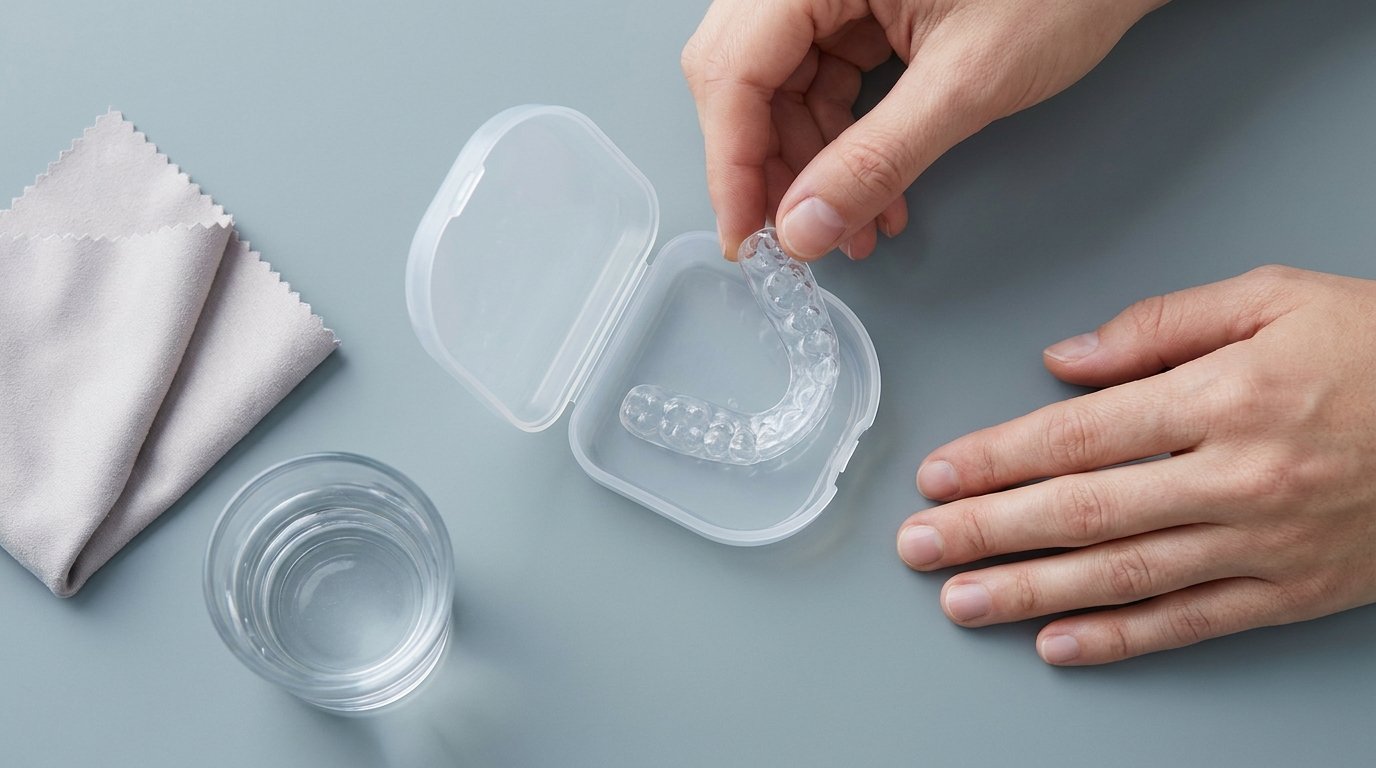
A realistic way to think about bonding is this:
- ✓It is often gentler on the tooth than more invasive options
- ✓It is often easier to adjust or repair if a small area chips
- ✓It usually needs more maintenance over the years than porcelain veneers
If your main concern is a tiny chip on one front tooth, bonding can be an excellent option. If you want a full, very bright, uniform smile and you drink a lot of coffee or smoke, you should discuss whether veneers would hold their appearance better.
According to the NHS, good oral hygiene and regular dental check-ups are important for keeping restorations and teeth healthy. In practical terms, that means brushing twice daily with fluoride toothpaste, cleaning between the teeth, and having professional reviews so small issues can be caught early.
Ask the dentist very direct questions:
- ✓How likely is staining in my case?
- ✓Is my bite likely to chip the bonded edges?
- ✓Would a night guard help if I clench?
- ✓If one area chips later, can it be repaired without redoing everything?
What is recovery like after bonding and how long should you stay in Turkey?
Recovery after bonding is usually straightforward because the treatment is minimally invasive. Most patients return to normal activity the same day, but you may need a short stay in Turkey for assessment, treatment, and a review visit, especially if several front teeth are being reshaped.
Bonding is different from surgery. There is usually no long physical recovery period, no visible swelling, and no time off work in the way you would expect after an operation. That is one reason international patients often choose it when they want a quicker cosmetic dental change.
Still, you should allow enough time for proper planning and checking. For one small bonded area, the visit may be very short. For several front teeth, it is wiser to leave time for shade matching, shaping, bite adjustment, and a review before you fly home.
A practical timeline often looks like this:
- ✓Day 1: consultation, photos, examination, and treatment planning
- ✓Day 1 or 2: bonding treatment
- ✓Day 2 or 3: review, polishing, and small bite adjustments if needed
For larger smile cases, the dentist may want a little more time. Rushing cosmetic dentistry is rarely a good idea, especially on front teeth where tiny shape changes are very visible.
Right after treatment, you may notice:
- ✓Slight sensitivity to cold in some cases
- ✓An unfamiliar feeling on the edges for a day or two
- ✓Advice to avoid very staining foods and drinks for a short time after polishing
If you are planning dental travel, ask the clinic not only about treatment time but also about review policy if you need a small adjustment later. You can also read about the provider and team on the clinic about page and doctor information page before deciding.
⚠️ Do not book the last possible flight Leave enough time for a review appointment. Even small bite adjustments can make a big difference to comfort.
Is bonding in Turkey safe?
Bonding in Turkey can be safe when it is planned and carried out by a qualified dentist after proper examination, with clear consent and realistic case selection. The bigger risk is not the country itself, but overtreatment, poor bite planning, or choosing based only on a cheap-looking offer.
Safety in cosmetic dentistry is mostly about diagnosis, planning, and limits. Bonding is conservative compared with crowns, but it can still go wrong if the teeth are not assessed properly first.
The main safety and quality points to look for are:
- ✓A full dental examination, not just a photo quote
- ✓Discussion of your bite and grinding habits
- ✓Clear explanation of alternatives, including doing nothing for now
- ✓Honest limits on what bonding can and cannot achieve
- ✓A written plan and consent process
- ✓Clear aftercare advice
According to the NHS, it is important to understand the benefits, risks, costs, and possible need for future maintenance before choosing cosmetic treatment. That matters even more when you are travelling for care.
Potential issues with bonding include:
- ✓Staining over time
- ✓Edge chipping or wear
- ✓Roughness if polish degrades
- ✓Bite discomfort if the shape is slightly off
- ✓Disappointment if expectations were too high for what resin can do
A careful provider should tell you when bonding is not the best answer. For example, if you have heavy tooth grinding, very dark teeth, untreated decay, or gum disease, those issues may need addressing first.
If you are considering treatment abroad, check how easy it is to contact the clinic before and after travel through the official contact page.
🚨 Be cautious with very big smile changes by bonding alone Large cosmetic changes can look good at first but may be harder to maintain if your bite, habits, or tooth colour make resin a poor long-term choice.
The dentist asks for clear photos, explains limits, checks your bite, and discusses maintenance rather than promising a perfect result.
You are offered instant treatment without proper assessment, pressured into more teeth than you wanted, or given vague answers about aftercare.
How does bonding compare with veneers, crowns, and whitening?
Bonding is usually the least invasive option for small cosmetic changes, but it is not always the most durable or the best at masking deep colour problems. Veneers, crowns, and whitening each solve different issues, so the right choice depends on the tooth condition and your goals.
Many people search for bonding when they are really trying to solve one of three problems: colour, shape, or damage. The best treatment depends on which of those matters most.
If your teeth are healthy but simply stained, whitening may be enough. If the shape change needed is bigger and you want a more stable surface finish, veneers may be discussed. If a tooth is structurally weak or heavily filled, a crown may be the more protective option.
The useful question is not “Which treatment is best overall?” It is “Which treatment fits my teeth with the least unnecessary intervention?”
- →Choose bonding if the change is modest and tooth preservation matters most.
- →Choose veneers if you want a broader smile makeover and accept a more committed treatment path.
- →Choose crowns when strength and coverage matter more than minimal intervention.
- →Choose whitening if colour is the real problem and shape is already good.
How do you choose the right clinic and dentist for bonding in Turkey?
For a treatment that looks simple, the details matter a lot. Front-tooth bonding is part dentistry and part design. Tiny differences in edge length, symmetry, and polish are easy to see in everyday life.
When comparing clinics, focus on these points:
- ✓Who will assess and treat you? Ask about the dentist’s experience with aesthetic bonding.
- ✓Can they show cases similar to yours? Not just dramatic smile makeovers.
- ✓Do they discuss alternatives? A good consultation should compare bonding with veneers, whitening, reshaping, or no treatment yet.
- ✓How do they manage follow-up? Especially important for international patients.
- ✓Do they explain maintenance clearly? Bonding is not a forever treatment.
It also helps to ask practical questions before you travel:
- ✓How many days should I stay?
- ✓Will I have a review before departure?
- ✓What happens if I need a small adjustment after I go home?
- ✓Will I receive aftercare instructions in writing?
If you are at the enquiry stage, using the official online consultation page is usually the simplest way to start with photos and your treatment goals.
- ✓Ask for a full treatment plan, not only a marketing quote
- ✓Make sure your bite is discussed
- ✓Check that aftercare and review are built into the plan
- ✓Choose experience and communication over speed alone
Frequently Asked Questions
References
- 📎NHS – Cosmetic dental treatment
Related Articles

You Might Also Like



Related articles
Our specialists
 Clineca SpecialistErkan PinegözPlastic & Reconstructive Surgery
 Clineca SpecialistHakan AktaşPlastic & Reconstructive Surgery
 Clineca SpecialistOrkun UzuneyüpoğluPlastic & Reconstructive Surgery
 Clineca SpecialistSalim İskenderPlastic & Reconstructive Surgery
 Clineca SpecialistEngin SelamioğluPlastic & Reconstructive Surgery
 Clineca SpecialistCem AydınPlastic & Reconstructive Surgery
 Clineca SpecialistAlperen ÖnalEar, Nose & Throat (ENT)