
Have a question about Dental Crowns?
In this article
- What should you know first about crowns in Turkey?
- How does the dental crown process in Turkey usually work?
- What affects the cost of dental crowns in Turkey?
- Is it safe to get dental crowns in Turkey?
- How long do you need to stay in Turkey for dental crowns?
- What is recovery like after crown treatment?
- How do crowns compare with veneers, bonding and implants?
- How do you choose a clinic for dental crowns in Turkey?
If you are researching dental crowns in Turkey cost safety and process guide topics, you are usually trying to answer three real questions at once: is it safe, how long will I need to stay, and what will actually be included in the treatment plan. Those answers depend less on marketing claims and more on the condition of your teeth, the crown material, and whether the clinic plans carefully before touching any tooth.
What should you know first about crowns in Turkey?
For most international patients, dental crowns in Turkey involve a short treatment trip rather than a long stay, but the exact timeline depends on whether you only need crowns or also need gum treatment, fillings, root canal treatment, or bite adjustments first. In straightforward cases, patients are often in Turkey for several days so the dentist can prepare the tooth, fit a temporary if needed, check the laboratory-made crown, and make final adjustments before cementing it.
The main safety issues are usually not the flight or the hotel. They are over-preparation of healthy teeth, crowns being placed on teeth that first needed gum or root treatment, poor bite design, and treatment plans that focus on how many teeth can be crowned rather than which teeth actually should be crowned. The NHS guidance on dental treatments and oral health is clear that keeping as much healthy tooth structure as possible matters, and that is a useful principle when comparing clinics.
Cost is shaped most by the crown material, the number of teeth involved, whether the work is medically necessary or cosmetic, the amount of preparation each tooth needs, and whether extra treatment is required before the crown stage begins. A personalised quote is normally confirmed after photographs, x-rays, and often an in-person examination. If you are still deciding whether crowns are the right option, it helps to compare the treatment scope with the clinic’s page on dental crowns in Turkey and related options such as veneers, bonding, or root canal treatment.
⚠️ Be cautious with full-mouth sales pressure A plan to place crowns on many healthy front teeth may be excessive if a more conservative option could solve the problem.
The dentist explains which teeth need crowns, which could be treated more conservatively, and why.
You receive a fast quote for many crowns before anyone has reviewed x-rays, gum health, or your bite.
How does the dental crown process in Turkey usually work?
A proper crown process starts with diagnosis, not drilling. The dentist should check the tooth itself, the nerve, the gums, and your bite. A crown is a cap that covers a damaged or heavily restored tooth, but it should not be used as a shortcut when a simpler option would do. The General Dental Council in the UK sets standards around valid consent and clear treatment planning, and those principles matter just as much abroad as they do at home.
In practical terms, the process usually begins with consultation, photographs, and x-rays. If the tooth has deep decay, a crack, or an old large filling, the dentist may recommend a crown because the remaining tooth needs more support. If the nerve is infected, root canal treatment may need to come first. If the gums are inflamed, cleaning and stabilising gum health may be necessary before the final crown is made.
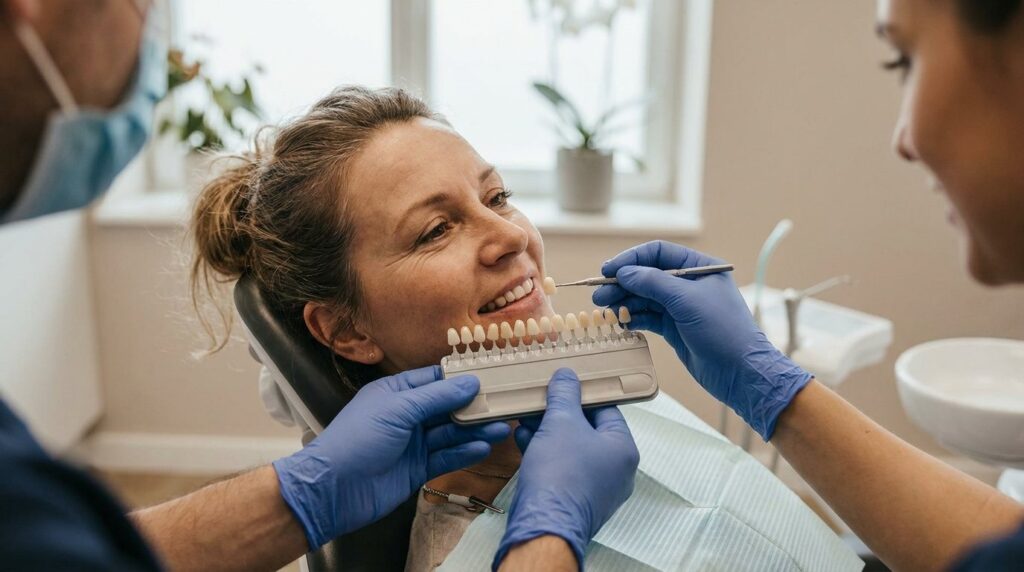
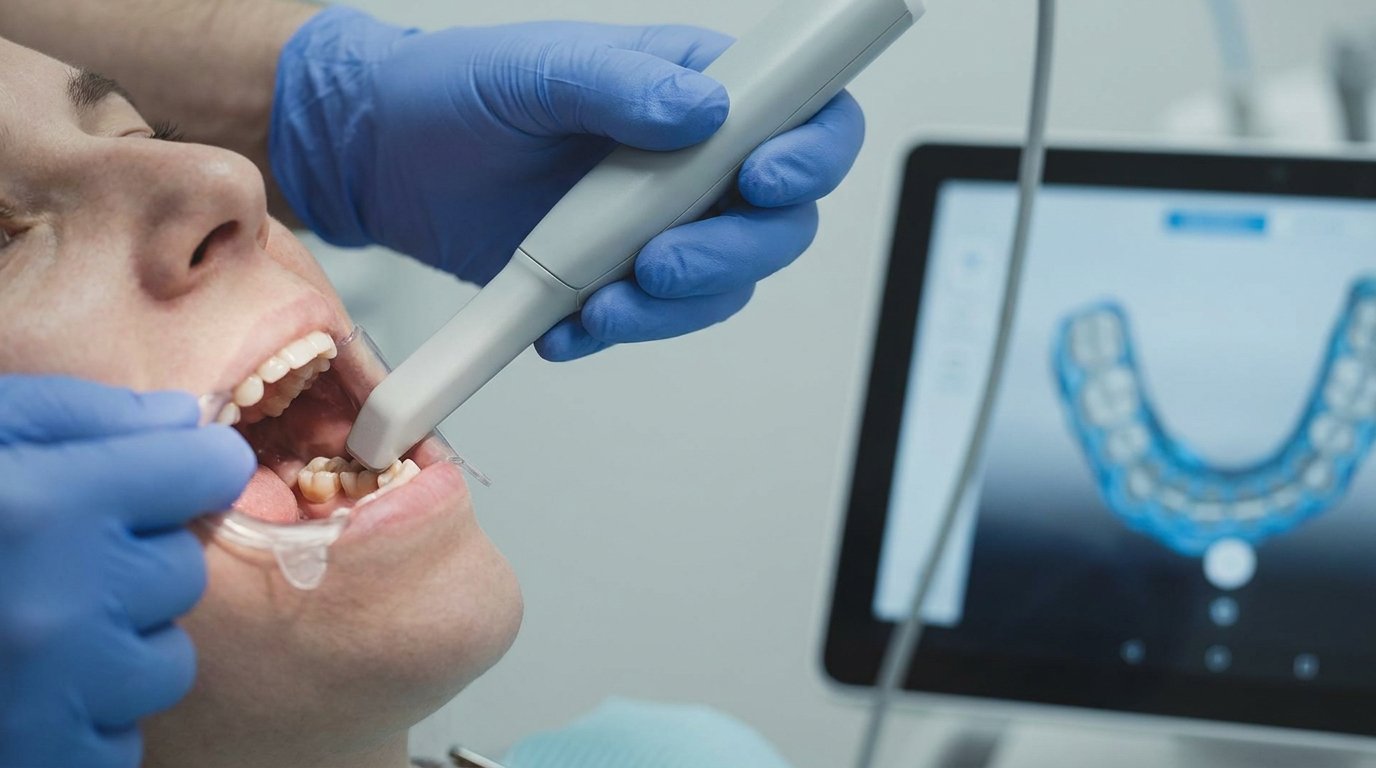
After planning, the tooth is shaped so the crown can fit securely. Impressions or a digital scan are taken and sent to a lab, or produced in-house depending on the clinic setup. A temporary crown may be used while the final one is made. At the fitting visit, the dentist checks the colour, edge fit, and bite before cementing the final crown.
Which materials are commonly used?
Material choice changes both appearance and durability. All-ceramic and zirconia crowns are often chosen for visible teeth because they can look very natural. Porcelain-fused-to-metal crowns may still be used in some cases, especially where strength or budget is part of the discussion, but some patients prefer metal-free options.
A good dentist should explain why one material suits your case better than another. That explanation should include where the tooth sits in the mouth, whether you grind your teeth, how much natural tooth remains, and what sort of finish you want. Aesthetic goals matter, but function matters just as much.
- →Assessment and x-rays
- →Decision on whether a crown is the right treatment
- →Treatment of any decay, infection, or gum disease first
- →Tooth preparation and digital scan or impression
- →Temporary crown if needed
- →Final fit, bite adjustment, and cementation
What affects the cost of dental crowns in Turkey?
Because pricing must be tailored, the most useful way to think about cost is by understanding what changes the quote. Two people asking for the same number of crowns may receive very different plans. One may have healthy gums and straightforward teeth. The other may need old fillings replaced, root canal treatment, gum care, or more time in the chair to correct bite problems.
Material is one of the biggest drivers. So is complexity. Front teeth often need more detailed shade matching and shape design than back teeth, while heavily damaged teeth may need more build-up before a crown can be placed safely. A quote can also change if temporaries, digital smile planning, sedation, or additional review appointments are included.
What matters just as much as the fee itself is what the quote covers. Some treatment plans include consultation, x-rays, temporaries, final fitting, and follow-up checks. Others appear cheaper until you add imaging, medication, airport transfers, or revision work. Always ask for the full treatment scope in writing before you travel.
The table below is not a price list. It is a planning guide to the factors that usually push a quote up, keep it simpler, or add uncertainty.
📋 Ask for a treatment plan, not just a quote The safest comparison is not crown against crown. It is diagnosis, material, lab quality, and aftercare against diagnosis, material, lab quality, and aftercare.
Is it safe to get dental crowns in Turkey?
It can be safe, but safety comes from standards and decision-making, not the country alone. A careful provider should assess whether a crown is clinically justified, explain the alternatives, obtain informed consent, and document the risks. The GDC’s standards for dental professionals emphasise putting patients’ interests first and giving clear information they can understand. Those are good benchmarks when you are evaluating any clinic serving international patients.
From a clinical point of view, common crown risks include tooth sensitivity, gum irritation, bite discomfort, nerve inflammation, crown loosening, chipping, or a crown margin that is hard to keep clean. These are not unique to Turkey. They are known risks of crown treatment anywhere. NICE guidance on oral health and prevention, although not written specifically for dental tourism, supports the wider principle that good oral hygiene and long-term maintainability should guide treatment decisions.
Peer-reviewed dental literature also matters here. Reviews indexed on PubMed covering zirconia crowns, all-ceramic restorations, and crown survival generally show that well-made crowns can perform well over time, but success depends heavily on case selection, tooth preparation, bonding or cementation method, and follow-up care. In plain terms, the crown is only as good as the planning and the tooth underneath it.
If you want another practical check, look at whether the clinic explains who will examine you, what records they require before treatment, and how they handle adjustments if your bite feels wrong after placement. You can also review the clinic’s doctors page, about page, and consultation page to see how clearly the process is described.
You are asked for x-rays or recent dental records, the dentist discusses alternatives, and the plan includes time for bite checks.
You are promised a perfect smile quickly, pressured into many crowns, or not told what happens if a tooth later needs root canal treatment.
Bonding, veneers, inlays or onlays, orthodontic care, or replacing a single damaged tooth more conservatively may be better in some cases.
How long do you need to stay in Turkey for dental crowns?
For a simple crown case, most patients should expect more than a single quick visit and less than a long recovery holiday. The real issue is not healing time in the same way it would be after surgery. It is whether there is enough time to assess the teeth properly, prepare them carefully, receive the lab work, and make final bite adjustments before you fly home.
If your treatment is limited to a small number of straightforward crowns, a shorter stay may be possible. If you are having several crowns, changing the shape of front teeth, or combining treatment with gum work, root canal treatment, or bridges, you may need more time or even a second phase. Rushing this stage is one of the common reasons patients later struggle with speech changes, an uneven bite, or crowns that feel bulky.
Before booking flights, ask how many appointments are planned, on which days the lab work is done, whether temporary crowns will be used, and what happens if a final crown needs remaking. If there is any uncertainty, build in extra time rather than the shortest possible trip. That is usually a better trade-off than flying home with a bite that still feels off.
What is recovery like after crown treatment?
Recovery after crowns is usually manageable, but that does not mean nothing happens. It is common to have mild sensitivity to cold or pressure for a short period after tooth preparation, especially if the tooth was already heavily filled or close to the nerve. The gums can also feel tender around the crown edges for a few days.
What should gradually improve is comfort while chewing and the feeling that the crown belongs in your bite. If a crown feels high, catches your floss badly, causes ongoing throbbing pain, or makes it hard to bite evenly, that is not something to ignore. Contact the treating dentist promptly. Small adjustments can make a big difference.
Long-term success depends on maintenance. Crowns still need brushing, flossing, and routine checks because the tooth underneath can still develop problems at the margin where the crown meets the tooth. NHS oral health advice consistently stresses daily cleaning between teeth and good plaque control, and that applies just as much to crowned teeth as to natural ones.
🚨 Get reviewed urgently if symptoms worsen Severe pain, swelling, a loose crown, or a bite that feels very wrong should be assessed rather than watched for days.
How do crowns compare with veneers, bonding and implants?
Crowns are often compared with veneers, bonding, and implants, but they solve different problems. A crown covers most of the visible tooth and is usually used when a tooth is weakened, heavily restored, cracked, or cosmetically compromised beyond what a lighter treatment can manage. Veneers cover mainly the front surface of a tooth and are generally better suited to cosmetic reshaping where enough healthy enamel remains. Bonding is more conservative still, but it may not be strong enough for every case.
Implants are different again. They replace a missing tooth rather than cover an existing one. If your tooth can be saved predictably, preserving it is often worth discussing before moving to extraction and implant treatment. That is a treatment-planning conversation, not a one-size-fits-all rule.
How do you choose a clinic for dental crowns in Turkey?
Start by looking for clarity rather than hype. You want to know who the dentist is, what records they need before treatment, how they decide between crowns and alternatives, and what aftercare support looks like once you return home. If a clinic cannot explain that clearly, the sales process may be stronger than the clinical one.
It also helps to ask very direct questions. Will the same dentist assess and fit the work? Which lab makes the crowns? How are bite problems handled? What happens if a tooth later needs root canal treatment? How many review appointments are planned before final cementation? Strong answers tend to be calm and specific rather than vague and reassuring.
For international patients, practical logistics matter too. Ask whether airport transfers, local transport, and hotel support are included, but keep those separate from the clinical decision. Convenience is useful. It is not a substitute for sound treatment planning.
- ✓Ask for x-rays or scans to be reviewed before you travel if possible
- ✓Request a written treatment plan with inclusions and exclusions
- ✓Confirm the crown material and why it suits your teeth
- ✓Check whether any teeth may need root canal or gum treatment first
- ✓Leave enough days in Turkey for fitting and bite adjustment
- ✓Ask how follow-up is handled if you have sensitivity or a high bite after returning home
Frequently Asked Questions
References
- 📎NHS: Cosmetic procedures and dental treatment guidance
- 📎General Dental Council: Standards for the Dental Team
- 📎NICE guidance and advice on oral health
- 📎PubMed search: zirconia crowns all-ceramic crowns survival review

You Might Also Like



Related articles


Our specialists
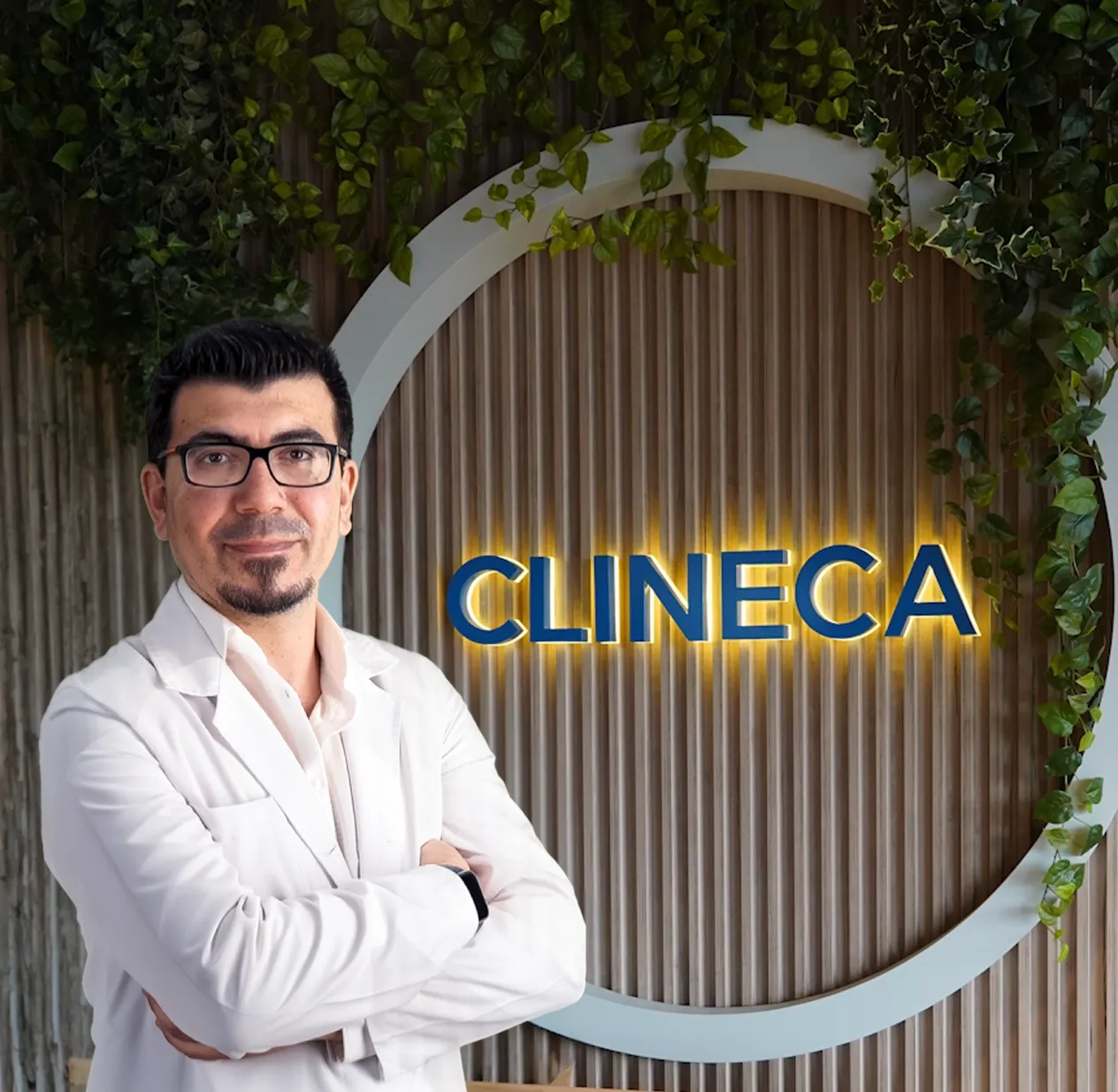 Clineca SpecialistErkan PinegözPlastic & Reconstructive Surgery
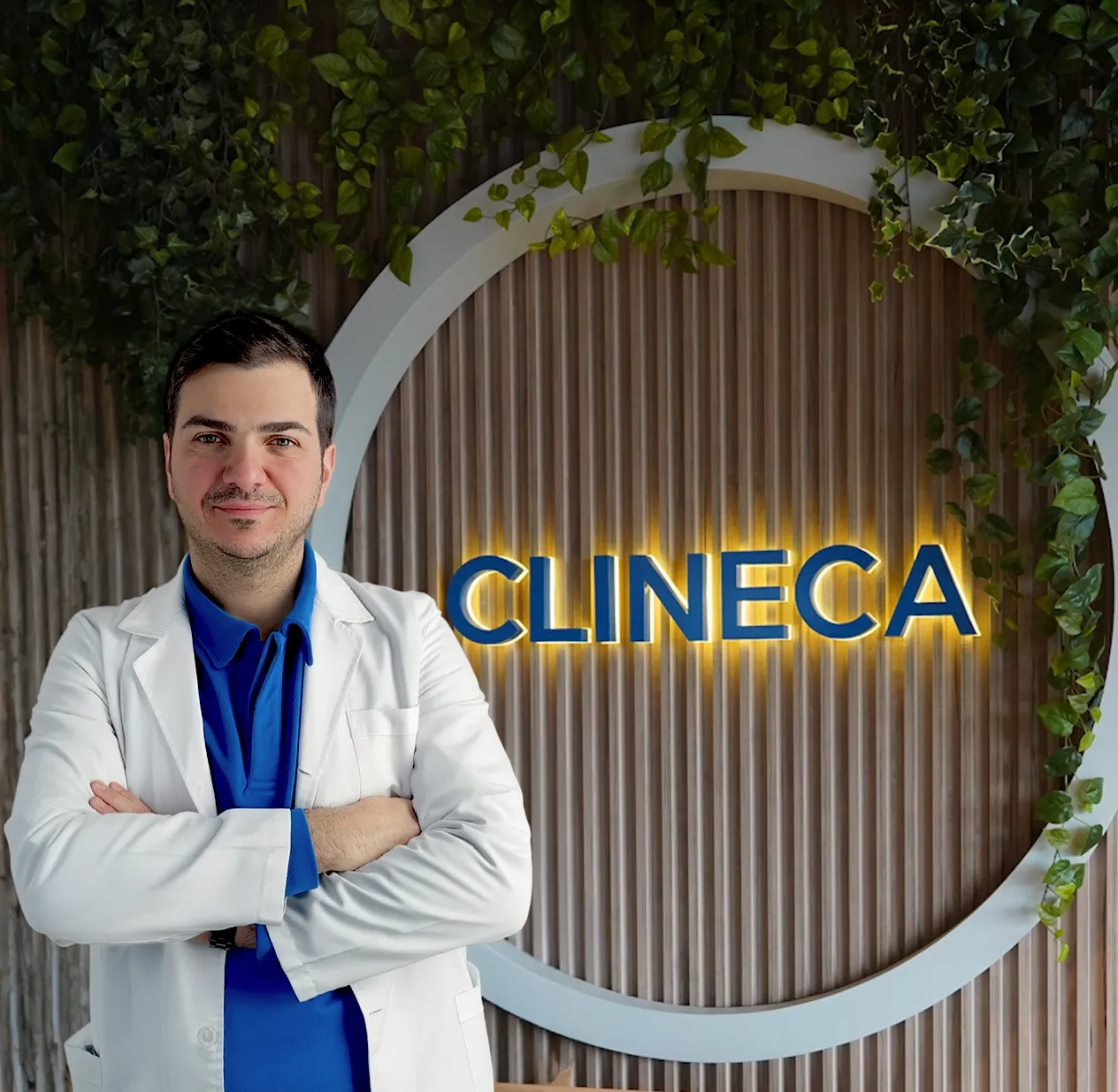 Clineca SpecialistHakan AktaşPlastic & Reconstructive Surgery
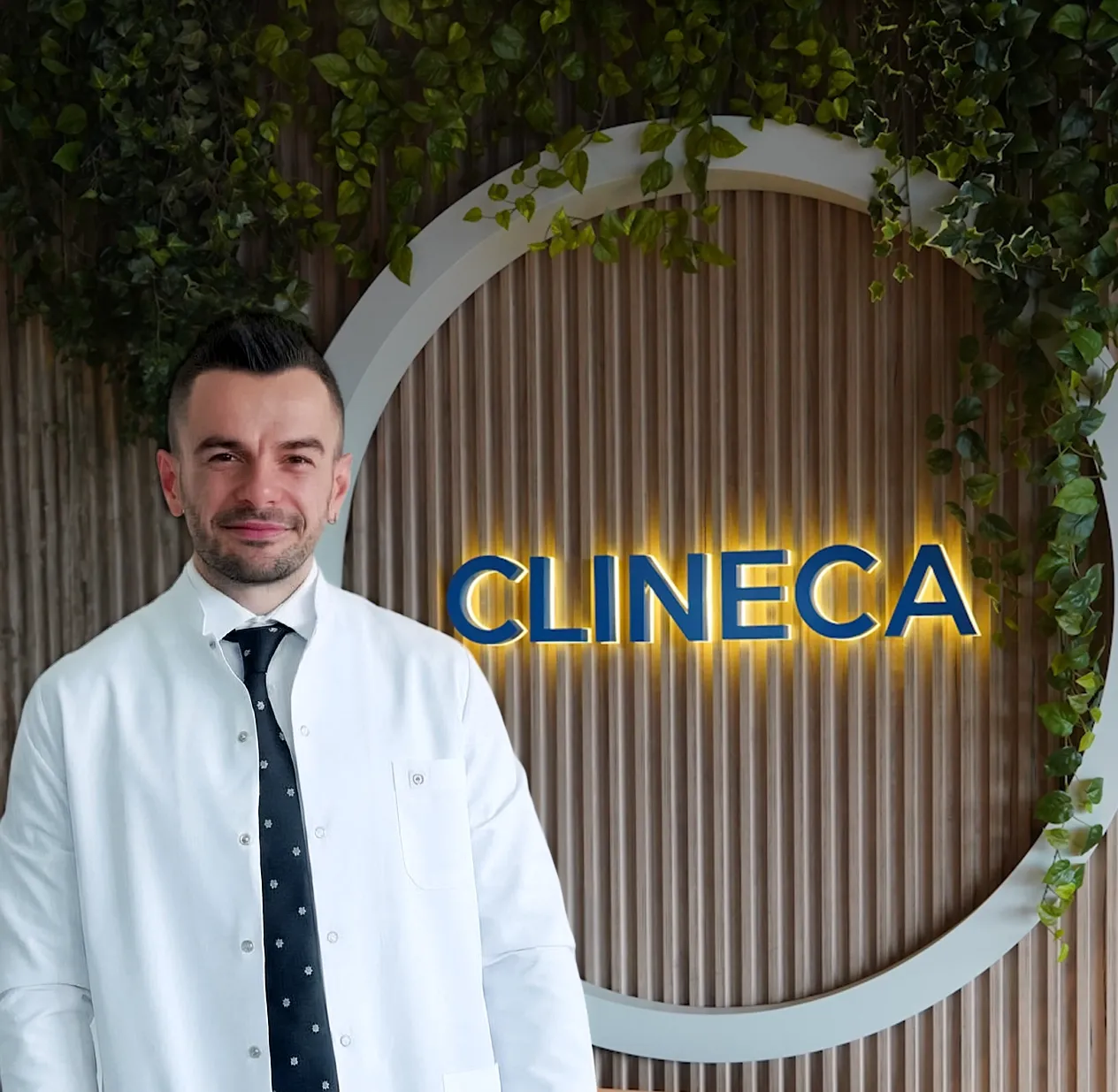 Clineca SpecialistOrkun UzuneyüpoğluPlastic & Reconstructive Surgery
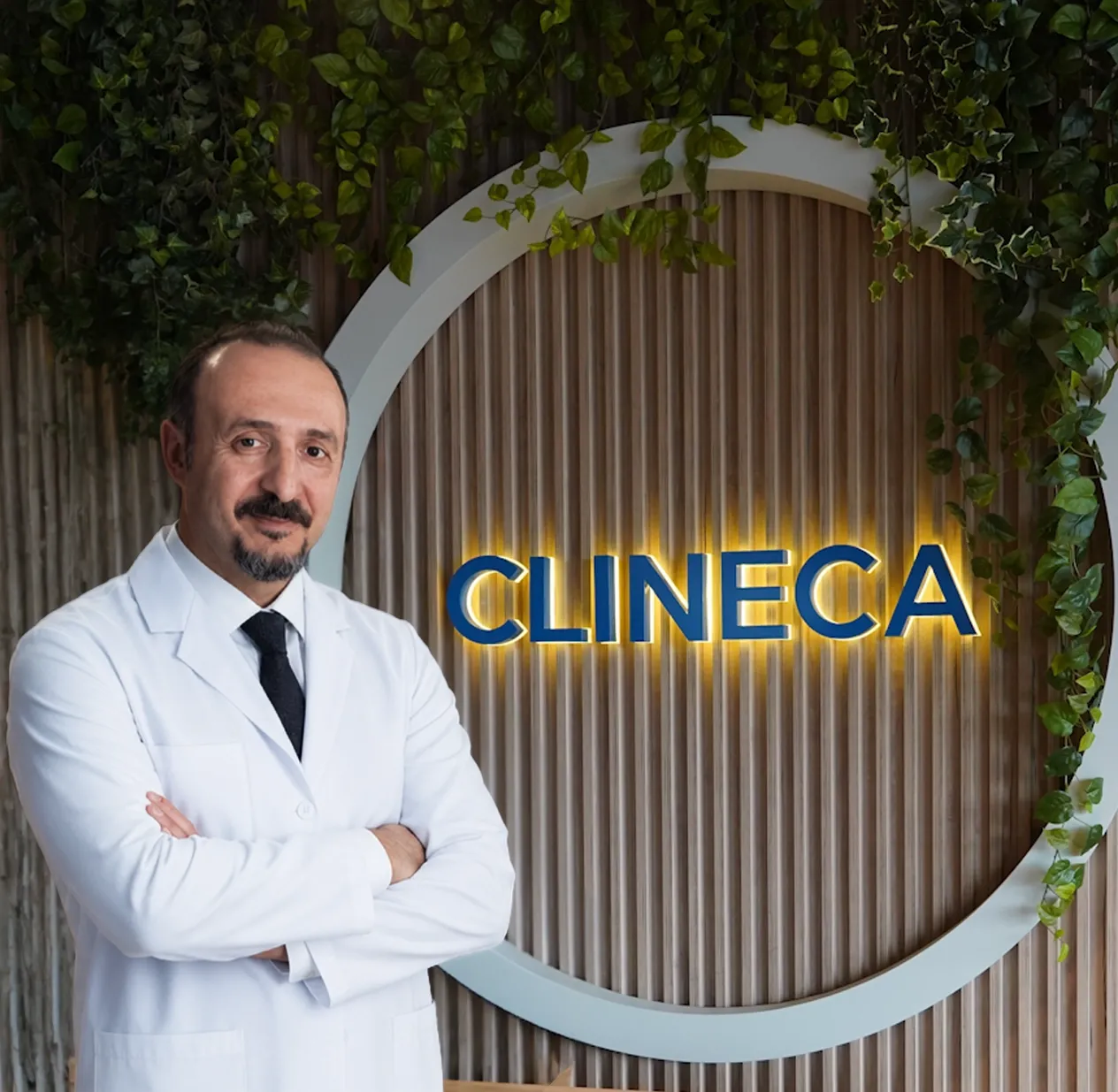 Clineca SpecialistSalim İskenderPlastic & Reconstructive Surgery
 Clineca SpecialistEngin SelamioğluPlastic & Reconstructive Surgery
 Clineca SpecialistCem AydınPlastic & Reconstructive Surgery
 Clineca SpecialistAlperen ÖnalEar, Nose & Throat (ENT)