
Have a question about Rhinoplasty?
In this article
- How long does it take to breathe normally after rhinoplasty?
- Why does your nose feel blocked after a nose job?
- What is normal during the first few weeks of rhinoplasty recovery?
- When should you worry about blocked breathing after rhinoplasty?
- How long does it take to recover from rhinoplasty overall?
- How much does rhinoplasty cost, and what should travel patients plan for?
- How do you choose a safe clinic and surgeon for rhinoplasty?
If you are asking how long does it take to breathe normally after rhinoplasty, the short answer is that most people notice breathing improve gradually over the first 2 to 6 weeks, while full internal healing can take several months. The caveat is that early stuffiness is very common after a nose job, and the exact timeline depends on swelling inside the nose, whether the septum was corrected, and how much internal work was done.
How long does it take to breathe normally after rhinoplasty?
Breathing through your nose after rhinoplasty is usually a gradual recovery, not a switch that flips overnight. In the first few days, many people feel as if they have a heavy cold. That blocked feeling is often caused by swelling inside the nose, dried blood, mucus, and sometimes internal splints if they were used during surgery inside the nose.
By the end of the first week, some patients feel a little more open, especially once packing or splints are removed if their surgeon used them. Even then, it is normal to still feel congested. The inside of the nose heals more slowly than the outside looks.
A common pattern is this: week 1 feels quite blocked, weeks 2 to 3 feel better but still uneven, and by weeks 4 to 6 many patients feel much closer to normal. If the rhinoplasty for nose shape also included septoplasty, which means straightening the nasal septum to improve airflow, breathing may improve more clearly after the early swelling settles.
The NHS notes that recovery after cosmetic surgery varies by person, and that swelling is expected after nasal surgery. Mayo Clinic also explains that the nose changes during healing for months, which matters because internal tissues heal on that same longer timeline. So if your breathing is improving slowly rather than perfectly, that can still be part of a normal recovery.
If you are researching a rhinoplasty procedure, it helps to think about two separate timelines: how soon you can function day to day, and how long it takes for the nose to fully settle. Those are rarely the same.
📋 A blocked nose right after surgery is expected Early congestion does not automatically mean something went wrong. Swelling inside the nose is one of the main reasons breathing feels worse before it feels better.
Most patients do not breathe normally straight after rhinoplasty. The nose usually feels blocked for at least the first 1 to 2 weeks, then improves steadily over 2 to 6 weeks. If swelling inside the nose is heavier, or septum work was done, normal breathing may take a few months.
Why does your nose feel blocked after a nose job?
This is one of the biggest surprises for patients. They expect the nose to look swollen, but they do not always expect the inside to feel so tight. The reason is simple: rhinoplasty nose job recovery affects delicate breathing passages as well as the outer shape.
After nose surgery, the lining inside the nose becomes inflamed. That swelling narrows the airway for a while. On top of that, you may have crusts, old blood, and thick mucus sitting where air needs to pass. If the procedure involved work on the septum or turbinates, which are the structures that help humidify and direct airflow, the blocked feeling can be stronger at first.
It can also feel uneven. One side may seem open while the other side stays stubbornly stuffy. That does not always mean a problem. Swelling is rarely perfectly symmetrical.
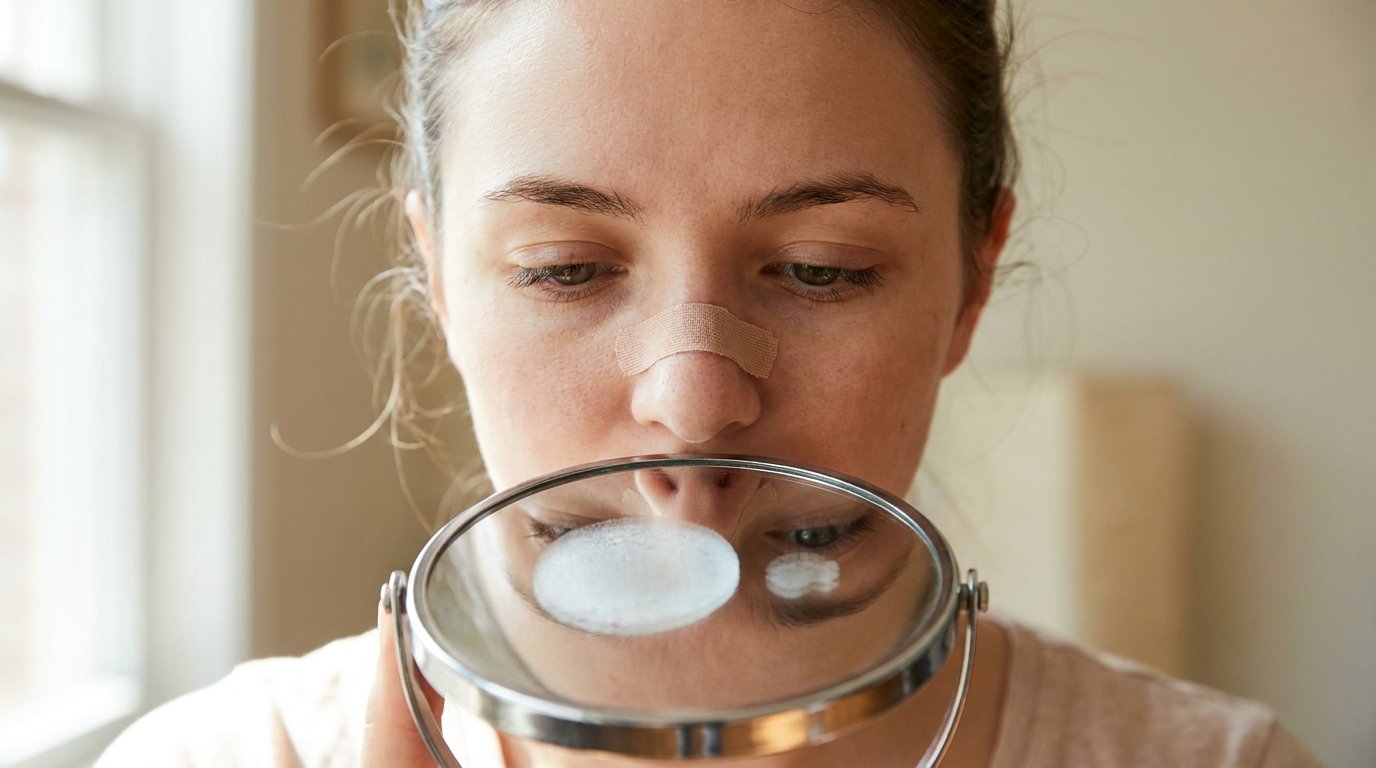
The American Society of Plastic Surgeons, or ASPS, describes rhinoplasty as surgery that can change the nose’s shape, structure, and sometimes function. In real life, that means the early healing phase is not only cosmetic. The nose jobs procedure can temporarily disrupt normal airflow before recovery settles it.
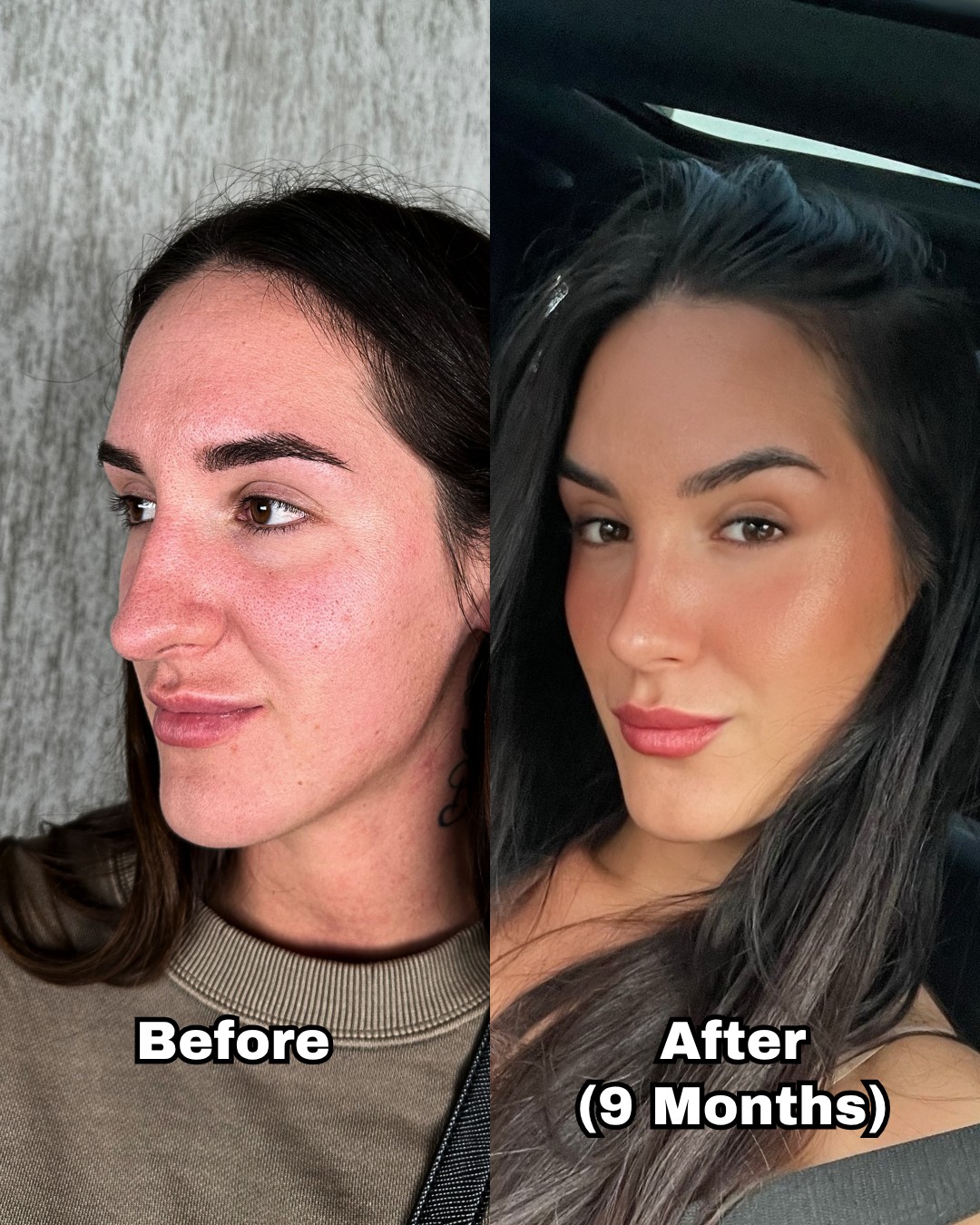
If you have seen rhinoplasty before and after photos online, remember they only show the outside. They do not show the weeks of internal swelling, cleaning, and patience that come with surgery inside nose tissues.
Stuffy breathing, dryness, crusting, and a feeling of pressure are all common in the first few weeks.
Severe worsening pain, heavy bleeding, fever, or breathing that suddenly becomes much harder should be reported to your surgeon promptly.
A blocked feeling after a nose job is usually caused by internal swelling, crusting, mucus, dried blood, and sometimes splints. This is common even when the operation was meant to improve breathing. In the early stage, the tissues are swollen, so airflow can feel worse before it gets better.
What is normal during the first few weeks of rhinoplasty recovery?
The first two weeks can feel frustrating because your breathing may not improve in a straight line. One day you feel clearer, the next day more blocked. That up-and-down pattern is common.
You may also notice that your sleep feels different. Many patients sleep with a dry mouth because they are breathing through it more often, especially during the first few nights. Smell can seem reduced too, not because it is permanently damaged in normal healing, but because airflow and swelling affect how well scents reach the top of the nasal passages.

Crusting is another common issue. That can make the nose feel blocked even if the deeper swelling is improving. This is why aftercare matters. Gentle saline care, following your surgeon’s cleaning instructions, and avoiding nose blowing too early all make a practical difference.
A realistic week-by-week recovery picture
In week 1, most patients are focused on pressure, swelling, and sleeping upright. In week 2, the nose often starts to feel less packed, although it can still be stuffy. Weeks 3 and 4 are when many people say they can breathe more comfortably in daily life, though exercise and night-time breathing may still lag behind. Over the next few months, subtle internal swelling continues to settle.
The NHS advises patients considering cosmetic procedures to understand recovery fully before going ahead. That is especially relevant for rhinoplasty near me style searches, because the decision should not be based only on before and after images or travel deals. Recovery is part of the result.
During the first few weeks, it is normal to have congestion, mouth breathing at night, a reduced sense of smell, crusting, and day-to-day changes in airflow. Most people feel better after splint removal and gradual swelling reduction, but the inside of the nose often remains sensitive for longer.
When should you worry about blocked breathing after rhinoplasty?
A slow recovery is common. A worsening recovery deserves attention. The key question is not whether you feel blocked at all, but whether the pattern fits normal healing.
Contact your surgical team if you have heavy bleeding, a fever, severe pain that is not settling, a bad smell from the nose, or a sudden increase in swelling that makes breathing much harder. Those symptoms do not always mean a serious complication, but they do need proper review.
It is also worth asking for follow-up if months pass and your airflow still feels poor on one or both sides. Sometimes persistent blockage is related to internal scar tissue, a remaining septum issue, valve collapse, or turbinate swelling. These are problems that need examination, not guesswork.
NHS advice on cosmetic procedures stresses the importance of knowing who to contact if something feels wrong after surgery. For international patients, that matters even more because you may be flying home while swelling is still changing.
⚠️ Seek prompt advice if symptoms are escalating A nose that stays stuffy can be normal. A nose that becomes more painful, more swollen, feverish, or much harder to breathe through needs medical review.
- ✓Heavy or persistent bleeding
- ✓Fever or feeling unwell
- ✓A strong bad smell from the nose
- ✓Sudden worsening of breathing after initial improvement
- ✓No meaningful improvement as the weeks pass
You should contact your surgeon if breathing is suddenly worse, one side becomes sharply painful, bleeding is heavy, fever develops, or there is no meaningful improvement as healing progresses. Slow improvement is common, but deterioration or signs of infection should not be brushed off.
How long does it take to recover from rhinoplasty overall?
This is where expectations need to be practical. If you mean, “When can I go out, work on a laptop, and look fairly normal?” the answer is often around 1 to 2 weeks. If you mean, “When is everything fully healed, including breathing, swelling, and the final shape?” that is much longer.
Rhinoplasty is one of those procedures where the public recovery is shorter than the private one. The cast may come off early, but the nose keeps healing under the surface. That is why a rhinoplasty before and after result at one month is not the final result.
For medical travel, patients usually need to plan enough time in Turkey for surgery, early checks, and the first stage of healing before flying home. The exact stay depends on the surgeon’s protocol, but you should expect to remain long enough for the initial follow-up and to be cleared for travel. If you are at the planning stage, you can use the clinic’s consultation page to ask how long the stay is likely to be for your case.
That matters because breathing can still feel blocked when you travel back. You do not need a fully normal nose before flying home in every case, but you do need clear aftercare instructions and a reliable way to contact the team once you leave.
Think in stages: first week for immediate recovery, first month for noticeable improvement, and several months for deeper healing.
Ask whether functional nasal surgery or septoplasty is part of the plan, rather than assuming all rhinoplasty improves airflow in the same way.
Most people are socially presentable in about 1 to 2 weeks, but full rhinoplasty recovery takes much longer than that. Bruising and visible swelling settle first, while the inside of the nose and the final shape continue healing over several months and sometimes up to a year.
How much does rhinoplasty cost, and what should travel patients plan for?
Cost is usually being worked out at the same time as breathing and recovery. That makes sense, because you are planning the whole experience, not only the operation.
A typical indicative rhinoplasty price is Varies by case, with the final price confirmed after consultation. The exact figure varies depending on how complex the surgery is, whether it is a primary or revision nose job, and whether the operation includes functional work as well as cosmetic changes.
For international patients, the smarter question is not only “how much is a nose job” but also “what support comes with it?” A lower fee is less attractive if follow-up is weak, the surgeon’s background is unclear, or you are sent home without clear advice about congestion, cleaning, and warning signs.
If you are comparing clinics, check who performs the operation, what follow-up is included, and how to contact the team after you return home. You can also review the provider background on the about page and surgeon information on the doctors page before deciding.
📋 Price should be treated as indicative The price is individual and depends on your case. The final price is confirmed after consultation once the surgeon understands your anatomy, goals, and whether functional correction is needed.
Rhinoplasty cost varies by surgeon, complexity, and whether functional work inside the nose is included. The final price is individual and confirmed after consultation. For travel patients, cost is only one part of the decision; recovery time, follow-up, and surgeon credentials matter just as much.
For a full breakdown of prices, packages and safety checks, see our rhinoplasty in Turkey cost and safety guide.
How do you choose a safe clinic and surgeon for rhinoplasty?
Rhinoplasty is not only about what are nose jobs in a cosmetic sense. It is also about breathing, healing, and judgment. A well-shaped nose that does not function well is not a good outcome.
Look for a surgeon who regularly performs rhinoplasty nose job procedures and can explain what is realistic for your nose, skin, and airway. Ask whether your breathing concerns are caused by a deviated septum, valve narrowing, turbinate issues, allergies, or mainly post-surgery swelling. These are different problems, and they should not all be bundled into one vague promise.
A good consultation should cover the likely breathing timeline, the possibility of temporary worsening before improvement, how aftercare works if you travel home, and what happens if healing is slower than expected. Mayo Clinic and ASPS both emphasise that patients should understand risks, recovery, and expected outcomes before going ahead with cosmetic surgery.
You should also know exactly who your point of contact is after surgery. If you are considering treatment abroad, make sure the handover plan is clear before you book.
Clear surgeon credentials, a thorough consultation, honest discussion of swelling and breathing recovery, and a practical follow-up plan.
Guaranteed results, pressure to book quickly, unclear surgeon details, or no clear answer about who helps if breathing problems continue.
Choose a clinic and surgeon by looking at qualifications, accreditation, realistic consultation advice, and clear follow-up arrangements. Good providers explain limits, risks, breathing recovery, and revision possibilities honestly. Be cautious if the process feels rushed or if only sales staff answer medical questions.
Frequently Asked Questions
References
- 📎NHS: Cosmetic procedures
- 📎ASPS: Cosmetic procedures
- 📎Mayo Clinic: Tests and procedures
- 📎PubMed search: rhinoplasty nasal obstruction recovery
Related Articles



You Might Also Like

Related articles


Our specialists
 Clineca SpecialistErkan PinegözPlastic & Reconstructive Surgery
 Clineca SpecialistHakan AktaşPlastic & Reconstructive Surgery
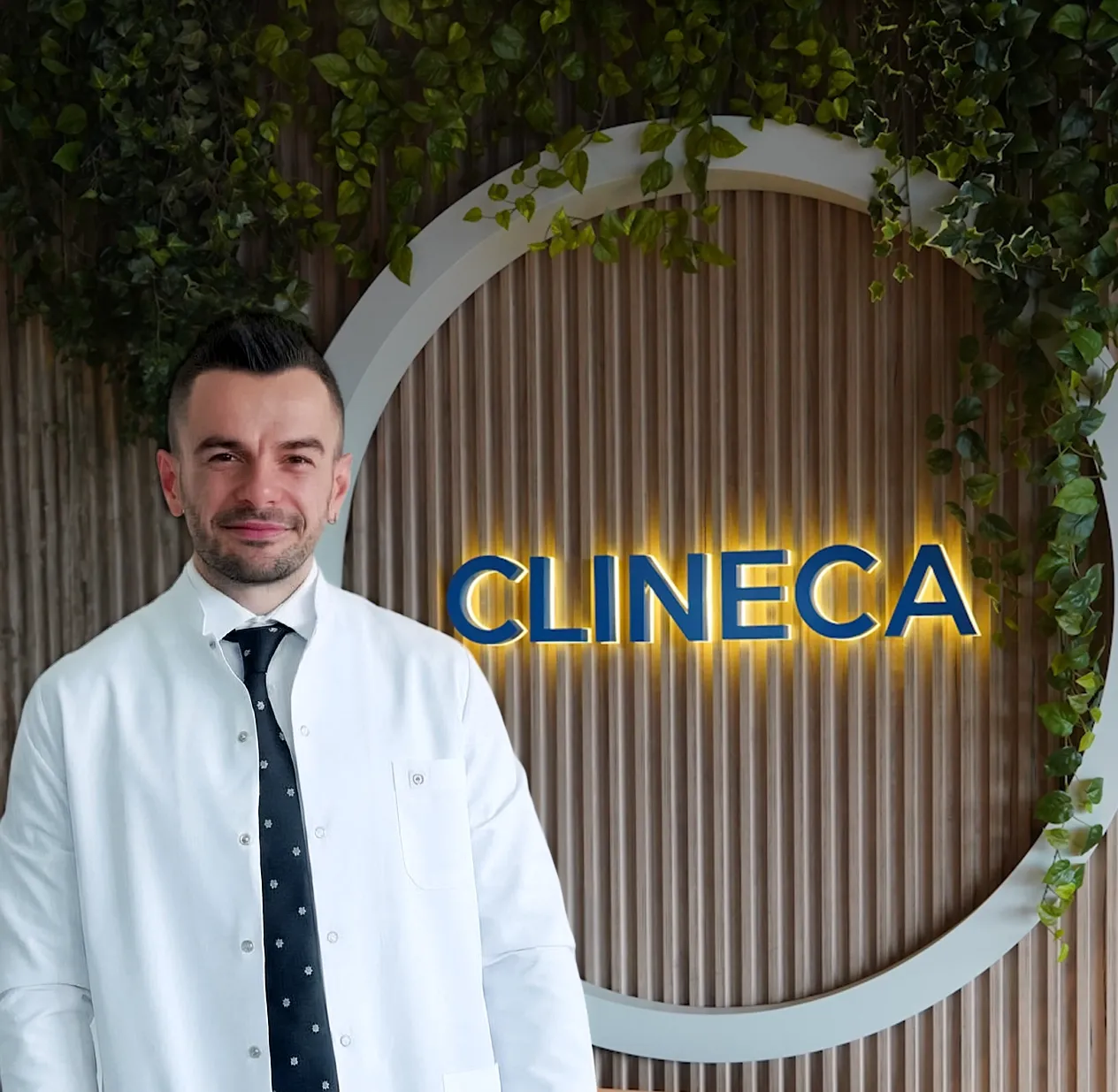 Clineca SpecialistOrkun UzuneyüpoğluPlastic & Reconstructive Surgery
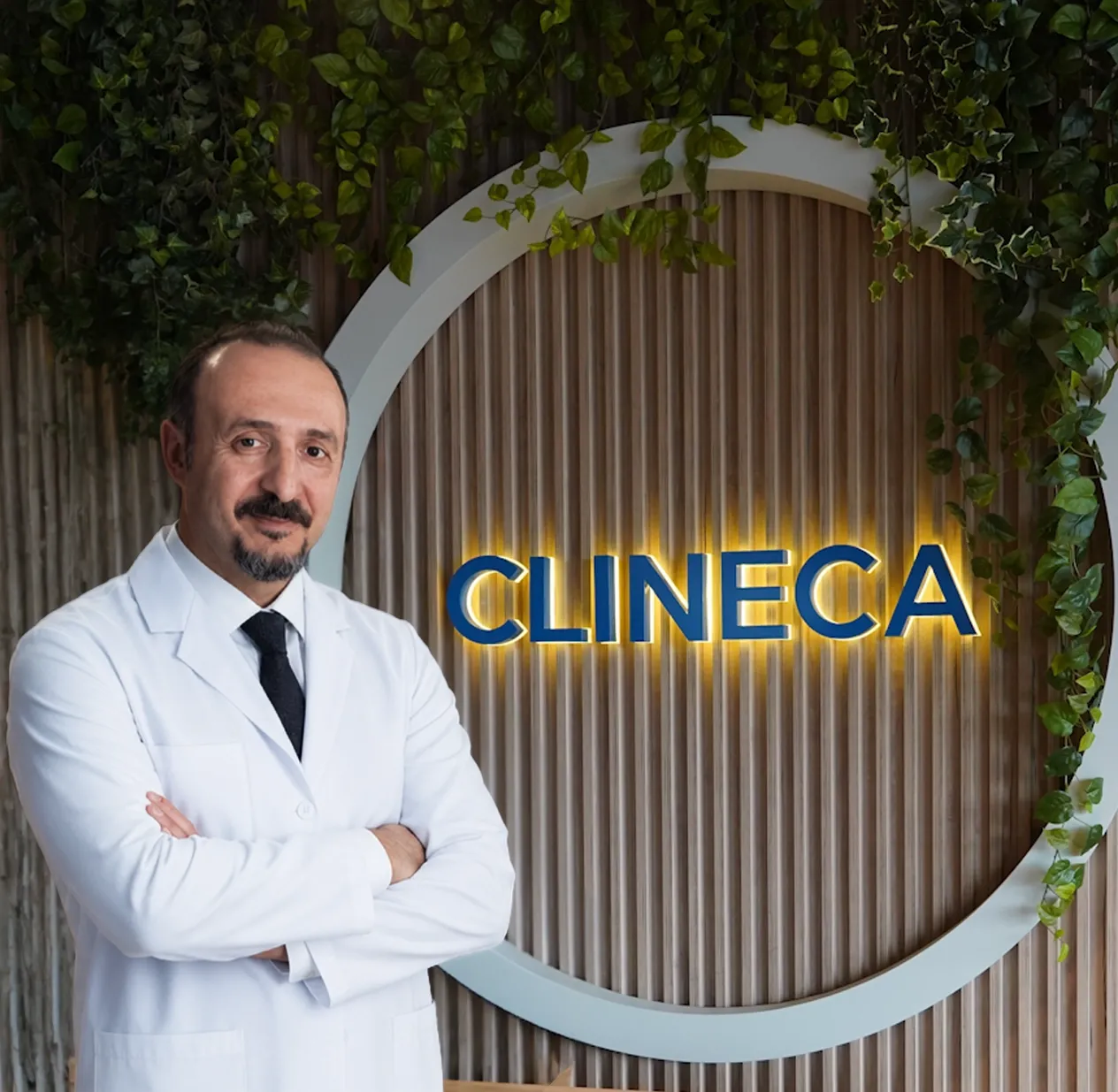 Clineca SpecialistSalim İskenderPlastic & Reconstructive Surgery
 Clineca SpecialistEngin SelamioğluPlastic & Reconstructive Surgery
 Clineca SpecialistCem AydınPlastic & Reconstructive Surgery
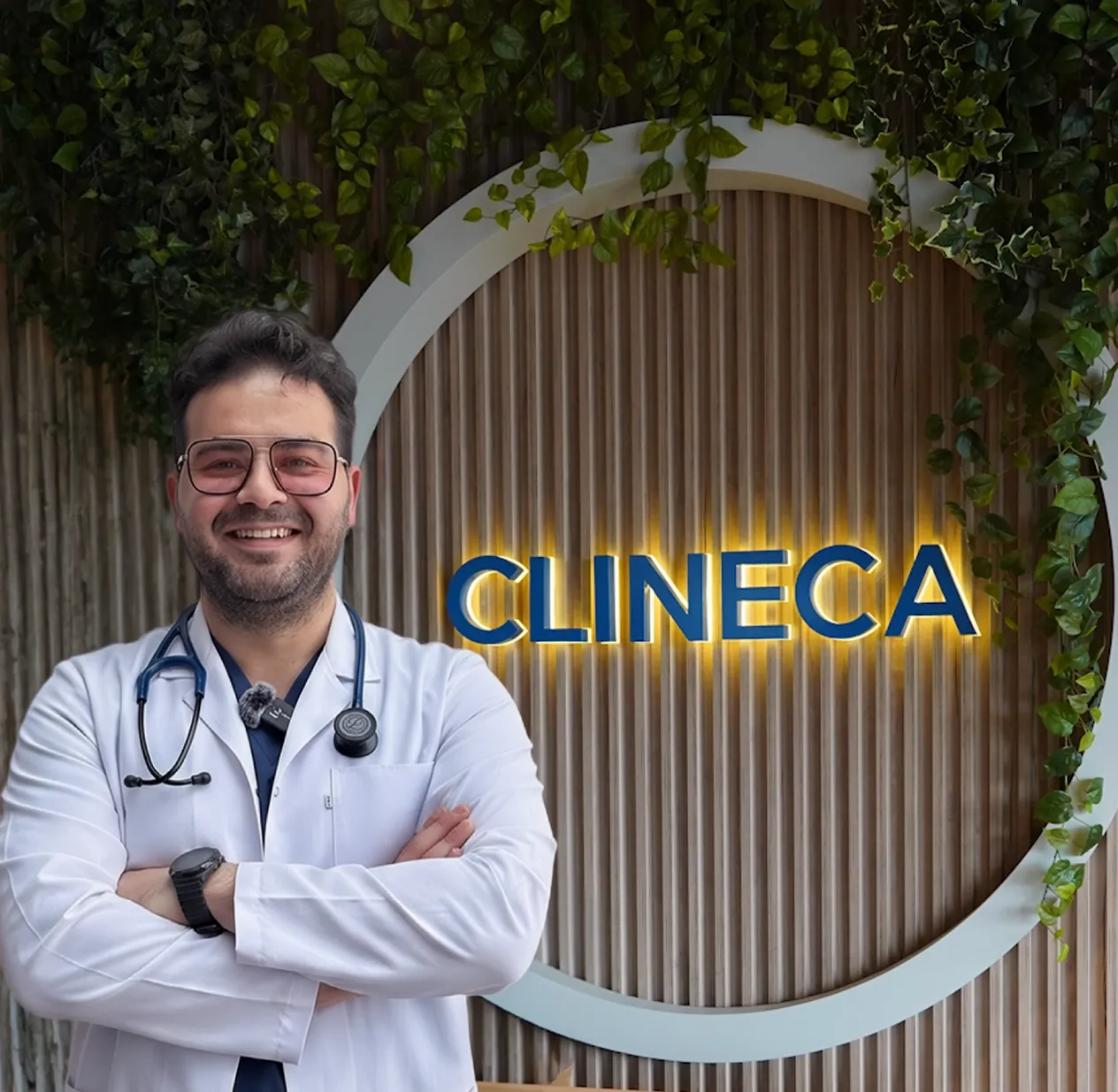 Clineca SpecialistAlperen ÖnalEar, Nose & Throat (ENT)