

Have a question about Back Lift?
In this article
- What is the realistic lifespan of back lift results?
- What affects how long a back lift lasts?
- How long is recovery, and when do results settle?
- Is a back lift safe, and what are the trade-offs?
- What shapes the cost of a back lift in Turkey?
- How long should you stay in Turkey for a back lift?
- How can you help your back lift results last longer?
Back lift results usually last for many years, and in many patients the improvement is long term if body weight stays fairly stable. When people ask how long do back lift results last, the honest answer is that the surgery removes excess skin permanently, but ageing, weight change, pregnancy and lifestyle can still alter the shape over time.
What is the realistic lifespan of back lift results?
A back lift is designed to remove loose skin and reshape the upper or lower back. Because that extra skin is surgically removed, the change is not temporary in the way a non-surgical treatment is temporary. This is why the result is generally considered long lasting.
That said, long lasting does not mean fixed forever. Your body keeps changing after surgery. Skin continues to age, collagen gradually declines, and weight fluctuations can stretch tissues again. If you maintain a steady weight and good overall health, the contour usually holds up much better over time.
Patients who have had major weight loss often ask this question for a good reason. Their skin has already been stretched for a long period, so final skin quality matters. Even after a well-planned operation, thinner or less elastic skin may soften again sooner than thicker, firmer skin.
A back lift also has limits. It can improve rolls, overhanging skin and bra-line fullness caused by loose tissue, but it does not stop future fat gain. If fullness later returns because of weight gain, the back can look heavier even though the removed skin itself has not returned.
If you are comparing body contouring procedures, it can help to look at broader body reshaping surgery such as a body lift procedure, because the same rule applies: surgery can create a strong starting point, but long-term maintenance depends a lot on weight stability and skin behaviour.
📋 Think in years, not weeks A back lift is meant to create a durable contour change. The final shape settles over months, and how it looks years later depends largely on weight stability and natural ageing.
A back lift can give long-lasting improvement because removed skin does not grow back. In practical terms, results often last for years rather than months. The main limit is not the surgery wearing off, but later body changes such as weight gain, major weight loss, natural ageing and skin quality.
What affects how long a back lift lasts?
The single biggest factor is weight change. If your weight remains close to your post-surgery baseline, the result is more likely to stay consistent. Large weight gain can stretch the skin and add fullness. Major weight loss after surgery can create new looseness.
Skin quality matters almost as much. Younger patients or those with better natural elasticity often keep a tighter contour for longer, though age on its own does not decide the outcome. Some patients simply have skin that rebounds better than others.
The starting point matters too. A patient with mild bra-line skin laxity may keep a crisp result for a very long time. Someone with heavier, more extensive loose tissue after major weight loss may still get a big improvement, but the tissues may not behave as firmly over the years.
The way the procedure is planned also plays a part. Some patients need a back lift alone. Others benefit from combining it with nearby contouring, such as arm lift surgery, liposuction or abdominoplasty when there is wider trunk skin laxity. Combining procedures can improve overall balance, but it also means a bigger recovery and should only be advised after proper assessment.
Lifestyle matters more than many people expect. Smoking can reduce blood flow to healing tissues. The NHS notes that smoking increases surgical risks and can impair healing. Good nutrition, enough protein, sensible activity and scar care all support better healing, which helps the result mature as well as possible.
- ✓Stable weight before and after surgery supports longer-lasting contour.
- ✓Better skin elasticity usually helps the back stay firmer over time.
- ✓Post-weight-loss patients may have thinner, more stretched skin to begin with.
- ✓Smoking, poor nutrition and weak aftercare can affect healing quality.
The biggest factors are weight stability, skin elasticity, the extent of loose tissue before surgery, and whether the operation is part of post-weight-loss body contouring. Smoking, sun exposure, nutrition and general health also affect healing quality, which can influence how well the result holds over time.
How long is recovery, and when do results settle?
Recovery has two timelines: getting through the first healing stage, and waiting for the final shape to settle. Those are not the same thing. You may notice an immediate improvement in loose skin, but swelling, tightness and scar healing mean the early look is not the final look.
In the first days, it is common to feel tight, sore and less mobile, especially when reaching, twisting or sleeping. If drains are used, they are usually temporary. You will also need to protect the incision line from tension while the tissues are knitting together.
Many patients feel more independent after the first couple of weeks, but this is still the stage where overdoing activity can make swelling worse. A return to desk-based work may be possible earlier than a return to heavy exercise, lifting or gym training. Your surgeon gives the safest timeline for your case.
The American Society of Plastic Surgeons explains that swelling after body contouring surgery can take time to resolve, and scars mature gradually rather than quickly. That is why surgeons often ask patients to judge the result over months, not days.
A simple recovery timeline
The outline below is a practical guide, not a substitute for your own surgical advice.
Most patients need several weeks before they feel comfortably back to normal daily movement, and longer before swelling fully settles. Early improvement appears straight away, but the back usually looks more natural over the following months. Final scar maturation and tissue softening take considerably longer than the first recovery phase.
Is a back lift safe, and what are the trade-offs?
The safest way to think about a back lift is to balance benefit against trade-offs. The benefit can be substantial for patients bothered by hanging skin, back rolls or clothing fit after weight loss. The trade-off is that the operation leaves a scar, and recovery is more involved than many people first expect.
No ethical surgeon should present it as minor or effortless. According to the NHS, cosmetic surgery carries risks such as bleeding, infection, scarring and problems linked to anaesthesia. Some body contouring procedures also carry a risk of delayed wound healing because the incision can be long and under tension.
Scar placement is an important part of the decision. Surgeons usually try to place the scar where it can sit under a bra line or clothing line when possible, but exact scar position depends on your anatomy and the amount of skin that needs to be removed. A longer scar can be an acceptable trade for a smoother back contour, but it is still a trade.
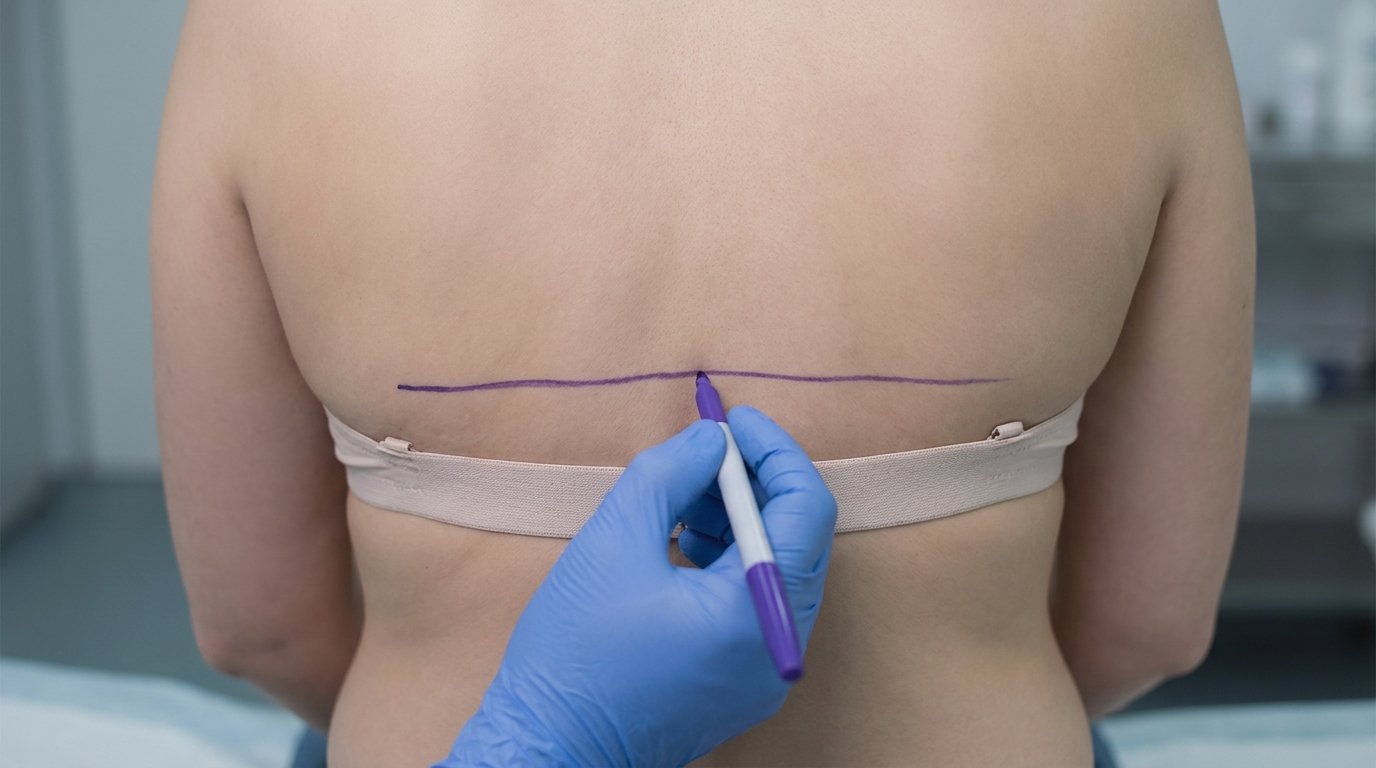
If you are travelling for surgery, safety also includes practical planning. You want a proper consultation, clear written aftercare, a named surgeon, and a plan for who reviews you before you fly home. It is sensible to ask whether your quote includes garments, medication, transfers, hotel support and follow-up appointments, because unclear logistics can create stress during recovery.
⚠️ A scar is part of the procedure A back lift improves contour by removing skin, so a permanent scar is expected. Good placement can help, but no surgeon should suggest a scar-free result.
⚠️ Travel needs planning Do not book surgery based on before-and-after photos alone. Ask who performs the operation, where it takes place, how complications are handled and when it is safe for you to fly.
The clinic arranges a proper consultation, shares surgeon credentials, explains risks clearly and gives a realistic recovery timeline.
You are rushed to book, promised an easy recovery, or given vague answers about who operates and what aftercare includes.
A back lift can be safe when it is planned and performed by an appropriately qualified surgeon in a regulated hospital setting, but it is still real surgery. The trade-offs are scars, downtime and the usual surgical risks, including bleeding, infection, delayed healing, fluid build-up and asymmetry.
What shapes the cost of a back lift in Turkey?
Cost is best understood as a package rather than a single label. A straightforward back lift is not priced in the same way as a more complex post-weight-loss case, and combined surgery changes both planning and aftercare.
When you compare quotes, ask what is actually included. Some packages cover hospital care, pre-op tests, anaesthesia, medication, hotel stay, transfers and follow-up. Others look cheaper at first glance but leave out parts that matter once you arrive.
Turkey is popular for body contouring because many international patients can access experienced cosmetic surgery teams and organised travel support. Even so, the right decision is not the lowest quote. It is the option that is medically appropriate, transparent and well planned.
If you are at the information-gathering stage, it makes sense to request a personalised assessment through an online consultation and review the surgical team on the doctors page before discussing travel dates.
Back lift pricing depends on the complexity of the surgery, hospital fees, anaesthesia, the surgeon’s experience, whether liposuction or other contouring is added, and what travel support is included. A personalised quote is normally confirmed after consultation and photos or an examination.
How long should you stay in Turkey for a back lift?
You should plan to stay long enough for pre-operative assessment, surgery and the early follow-up period before flying home. In most cases, that means more than just a few days. The aim is not tourism first; it is giving your body time to get through the most closely watched part of recovery.
A back lift can make sitting, standing and moving around more awkward in the first days, so travel comfort matters. You need to be well enough for transfers, able to walk short distances, and checked by the surgical team before you leave. If dressings need changing or drains need removal, those steps should happen before departure unless there is a very clear handover plan.
Ask in advance who you can contact after you return home. Good aftercare does not stop at the airport. You should know how to send photos, how quickly concerns are answered, and what happens if your local doctor needs information.
For general background on the clinic and patient support process, readers often review the about page and use the contact page to ask practical travel questions before they commit.
How can you help your back lift results last longer?
The best way to protect your result is to treat surgery as the start of maintenance, not the end of it. The operation can remove the loose skin you already have, but it cannot protect you from future stretching if your weight changes a lot.
Try to reach a weight you feel able to maintain before surgery. After recovery, regular movement, a balanced diet and avoiding smoking all help support your tissues and overall healing. Sun protection matters for scars too, especially in the first phase when scar pigment can change more easily.
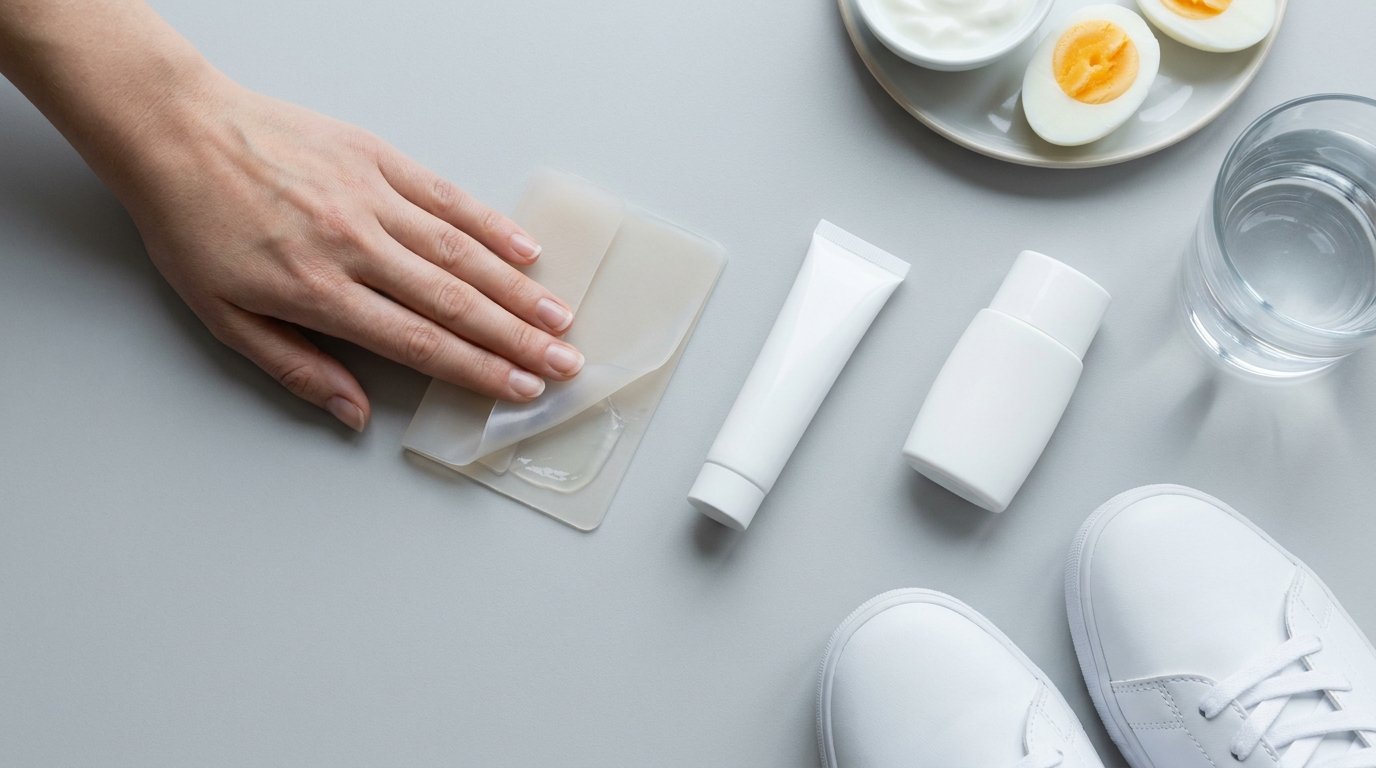
It is also worth being realistic about life events. If you are planning major weight loss after surgery, or pregnancy, it may make sense to delay body contouring until your body is more stable. That does not mean you can never have a back lift sooner, but it is a key timing discussion to have with your surgeon.
Most importantly, follow the aftercare plan even once you feel better. Patients often get into trouble when pain drops and energy returns before the deeper healing is complete.
- →Aim for a stable weight before booking surgery.
- →Follow wound care, garment and activity advice closely.
- →Avoid smoking and support healing with good nutrition.
- →Protect scars from sun and give the final result time to settle.
Frequently Asked Questions
References
- 📎NHS: Cosmetic procedures
- 📎ASPS: Cosmetic procedures
- 📎PubMed search: body contouring surgery weight loss skin excision outcomes
You Might Also Like


Related articles



Our specialists
 Clineca SpecialistErkan PinegözPlastic & Reconstructive Surgery
 Clineca SpecialistHakan AktaşPlastic & Reconstructive Surgery
 Clineca SpecialistOrkun UzuneyüpoğluPlastic & Reconstructive Surgery
 Clineca SpecialistSalim İskenderPlastic & Reconstructive Surgery
 Clineca SpecialistEngin SelamioğluPlastic & Reconstructive Surgery
 Clineca SpecialistCem AydınPlastic & Reconstructive Surgery
 Clineca SpecialistAlperen ÖnalEar, Nose & Throat (ENT)