Have a question about Body Lift?
In this article
- What does body lift recovery usually look like week by week?
- What should you expect in the first week after a body lift?
- How do weeks 2, 3, 4, 5 and 6 usually progress?
- When can you shower, work, exercise and fly after a body lift?
- What are normal swelling, numbness and scar changes during recovery?
- How long should medical tourists stay, and what should a safe recovery plan include?
A body lift can change how clothing fits and how your body feels after major weight loss, but the recovery is the part many patients underestimate. If you are searching for what to expect during body lift recovery week by week, it helps to look past general advice and focus on how healing usually unfolds in real life, including movement, swelling, drains, scar care, travel, and the slower return to normal routines.
What does body lift recovery usually look like week by week?
Most people feel the biggest jump in discomfort, tightness, and fatigue during the first several days. After that, recovery usually improves in steps rather than in a straight line. You may feel noticeably better by week 2, more independent by weeks 3 and 4, and more like yourself by weeks 5 and 6, but swelling, scar changes, and tiredness can continue for longer.
The American Society of Plastic Surgeons (ASPS) notes that body contouring procedures after major weight loss involve a real recovery period, and surgeons generally stress early walking, careful wound care, and avoiding strain while tissues heal. Peer-reviewed plastic surgery literature also shows that body-contouring recovery is not only about pain control. Swelling, fluid build-up, wound healing, and blood clot prevention all matter.
A practical week-by-week view looks like this:
📋 Recovery is not identical for every body lift A lower body lift done after major weight loss is usually a bigger recovery than a smaller skin-tightening procedure. If liposuction, a tummy tuck, thigh work, or arm surgery are added, healing often takes longer.
What should you expect in the first week after a body lift?
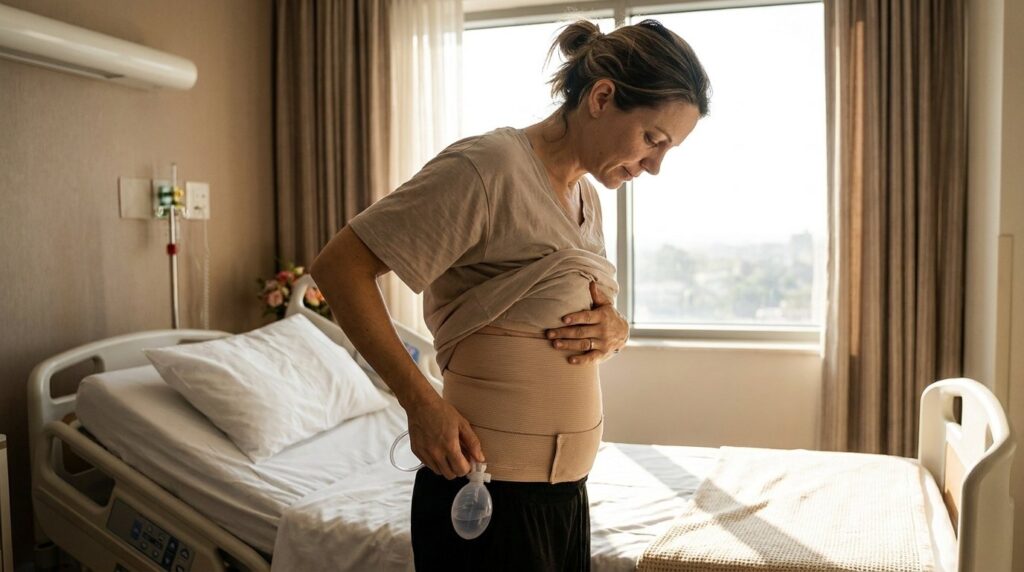
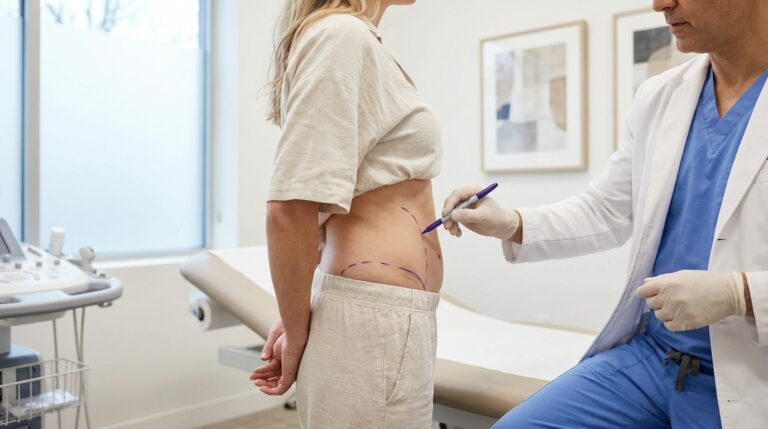
The first week is usually the hardest part. You will likely feel tight across the waist and lower torso, especially when getting in and out of bed, standing up, or trying to walk upright. Many patients are surprised by how tiring even simple movement feels in the first few days.
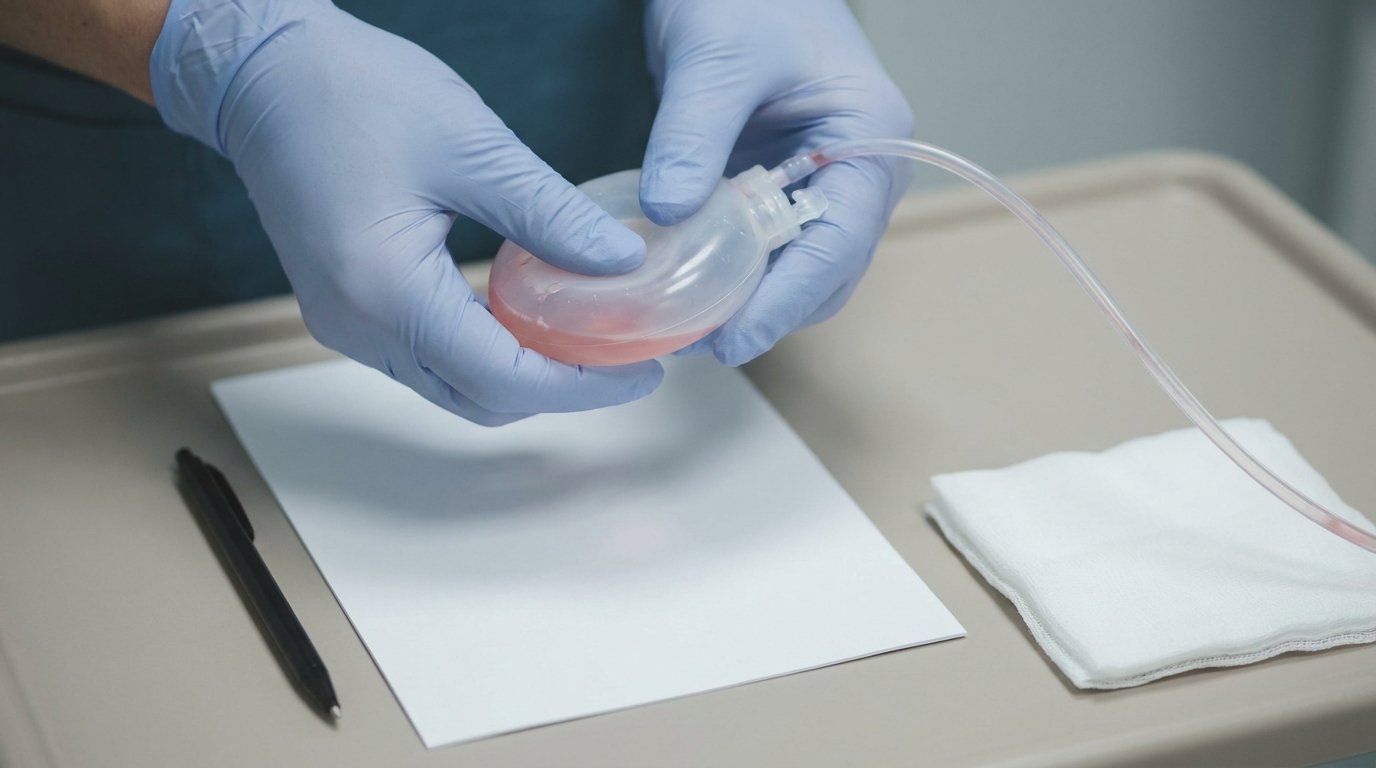
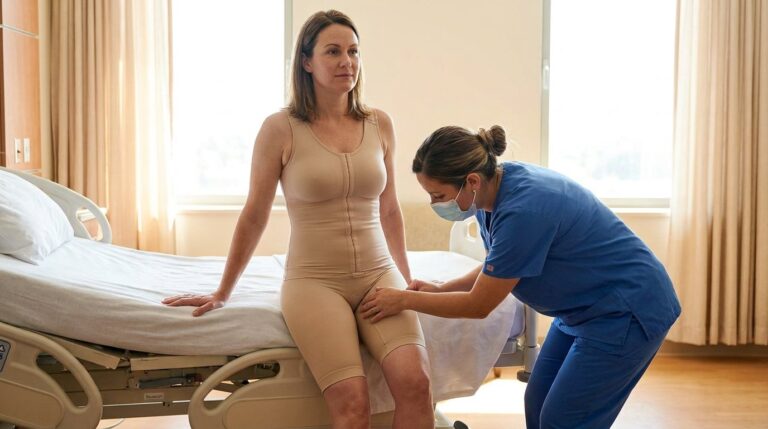
Swelling starts early and can make the treated area feel firm or heavy. Bruising is common. If drains are used, they often stay in place during this stage to reduce fluid build-up. You may also wear a compression garment, which can help support the tissues and limit swelling, though it does not make swelling disappear overnight.
Early walking matters. The NHS and plastic surgery guidance widely support gentle mobilisation after surgery because staying still too long raises the risk of complications such as blood clots in the legs or lungs. This risk is especially relevant after longer body-contouring operations and in patients with a history of obesity, reduced mobility, or combined procedures.
What a normal day often looks like
In the first few days, most of the day is a cycle of resting, walking short distances, taking medicines on time, eating small meals, drinking fluids, and checking dressings or drains. You may need help standing up, showering, preparing food, and keeping track of drain output.
Sleep can be awkward. Many patients are more comfortable in a slightly bent position with pillows supporting the knees and back, especially if the body lift includes a tummy tuck element. Straightening fully too soon can pull on the incision line and feel sharp or overly tight.
Signs that need quick medical advice
Some discomfort, drainage, swelling, and tiredness are expected. What should prompt urgent contact with your surgical team is different: worsening one-sided leg swelling, chest pain, shortness of breath, fever, rapidly increasing redness, a bad smell from the wound, or sudden severe pain. Those can point to infection, fluid collection, or venous thromboembolism, which is the medical term for a blood clot in the veins. Guidance from NICE and the wider surgical literature treats that risk seriously after major operations.
⚠️ Do not stay in bed all day Rest is important, but regular short walks are part of recovery, not a sign that you are pushing too hard.
How do weeks 2, 3, 4, 5 and 6 usually progress?
This is the part many articles rush through, yet it is where patients start asking practical questions. You may look better in clothes after the first couple of weeks, but that does not mean the internal healing is finished.
Week 2
Week 2 is often the turning point from acute recovery to early healing. Pain usually settles into soreness, pulling, numbness, or a strong feeling of tightness instead of the sharper discomfort of the first few days. If you have drains, this is a common time for removal, but only if the output is low enough and your surgeon is happy with how healing is progressing.
You can usually move around the room and home more easily by now. That said, you may still tire quickly, and swelling often remains obvious. Many people also have a dip in mood during this stage because they expected to feel “normal” sooner.
Week 3
By week 3, bruising is often fading. You may be standing straighter and walking more naturally, though the incision line can still feel tight. This is also a common week for patients to overdo it because they feel better than they did in week 1. The risk is not only pain. Too much strain can increase swelling, delay wound healing, or contribute to fluid pockets called seromas.
Some patients can return to desk-based work around this point, especially if they can avoid long commutes, heavy lifting, and tight clothing. Jobs that involve standing all day, bending, or physical effort usually need more time.
Week 4
Week 4 often brings better day-to-day function. You may be walking outside more comfortably, sleeping better, and relying less on strong pain relief. Many patients still feel swollen by the evening, and the lower abdomen, flanks, or buttock area may feel oddly firm or numb.
This stage can be frustrating because you look more healed than you feel. The outside improves faster than the deeper tissue layers. Plastic surgery journals discussing post-body-contouring healing repeatedly show that wound care and fluid management remain important beyond the first fortnight.
Week 5
By week 5, many patients are doing normal home tasks with more confidence. Swelling often starts to look less dramatic, but it has not vanished. Scar lines may become more noticeable in this phase. That does not automatically mean something is wrong. Scar maturation is a long process, and organizations such as the NHS and Mayo Clinic note that scars often change color, firmness, and texture over many months.
Exercise is still a case-by-case decision. Some patients are cleared for light cardio or lower-impact movement around this time, while others are told to wait longer, especially after large circumferential lifts or combined surgery.
Week 6
At week 6, many people feel substantially more independent and functional. You may be driving comfortably, sleeping in a more normal position, and easing back into a wider routine. Still, “better” is not the same as “fully healed.” Swelling can linger, scar care is often just getting started, and numb patches may remain for quite a while.
This is a common review point for discussing the next stage: broader exercise, scar treatment, and when to expect a more settled result. If your procedure was combined with abdominal contouring, a page on abdominoplasty can also help explain why core tightness may last longer than patients expect.
- →Week 2 usually feels easier than week 1, but you are still early in recovery.
- →Week 3 is when many patients feel better enough to accidentally do too much.
- →Week 4 often brings steadier mobility, but swelling is still normal.
- →Week 5 is commonly when scars start becoming more noticeable before they later soften.
- →Week 6 is a milestone for function, not the finish line for healing.
When can you shower, work, exercise and fly after a body lift?
These are some of the most important planning questions for medical travellers. The answer depends on the exact surgery, whether drains are still in place, how your wound is healing, and whether other procedures were done at the same time.
Showering is often allowed once your surgeon feels the incisions are protected enough and drain management is practical, but you should follow your own instructions rather than a generic timeline online. Bathing, pools, and hot tubs usually need longer because soaking fresh incisions can raise the risk of wound problems.
Returning to work depends on the job. A computer-based role may be possible earlier than a job that involves lifting, twisting, carrying, or standing for long periods. Exercise returns in stages. Gentle walking begins early, but gym training, abdominal work, running, and heavy lifting usually need surgeon clearance.
Flying is more nuanced than many people expect. Long travel soon after surgery can be difficult because of swelling, immobility, dehydration, and clot risk. NICE guidance on venous thromboembolism prevention and broader surgical advice support individual risk assessment for travel after major surgery rather than one blanket rule for everybody. For international patients, this is why a proper stay plan matters.
⚠️ Do not book a tight return flight plan After a body lift, it is safer to leave room for an extra review or a delayed journey if swelling, drains, or wound care need more time.
What are normal swelling, numbness and scar changes during recovery?
Body lift recovery is not just about the incision closing. The treated area can stay swollen, firm, numb, itchy, or uneven for weeks and sometimes longer. This can be unsettling if you expected a smooth result very early.
Swelling often shifts during the day. Many patients feel better in the morning and more swollen by evening, especially after walking more or sitting upright for long periods. A compression garment may help support the area, but it is not a substitute for time.
Numbness is also common because small skin nerves are stretched or cut during surgery. Sensation often improves gradually, but not always evenly. Some areas may stay less sensitive for quite a while.
Scar maturation is slow. The Mayo Clinic and NHS both note that scars can look pink, raised, darker, or firmer before they settle. In other words, a scar can seem more obvious at several weeks than it did at first, then soften over months. That pattern causes anxiety, but it is often part of normal healing rather than a sign that the result is worsening.
If you want to understand how a circumferential lift differs from more localised body contouring, the overview on body lift surgery may help with the procedure side, while recovery still needs to be personalised to your operation.
Firmness, tightness, uneven swelling, pink scars, itching, and numb patches that gradually improve.
Rapid swelling on one side, wound opening, foul-smelling drainage, spreading redness, calf pain, chest pain, or breathlessness.
How long should medical tourists stay, and what should a safe recovery plan include?
For international patients, recovery planning matters almost as much as the surgery itself. A body lift is not a procedure where you want to rush from operating theatre to airport. You need enough time for early checks, drain management if used, wound review, and a realistic buffer in case healing is slower than expected.
A safe stay plan usually includes local support for the first days, transport that does not require awkward lifting or twisting, easy access to your clinical team, and accommodation where you can rest and walk short distances. If you are comparing providers, look for clear information about who performs the operation, where surgery takes place, what aftercare is included, and how problems are handled after hours.
Surgeon credentials matter. For plastic surgery, patients often look for specialist training, hospital operating rights where relevant, and recognised standards from bodies such as EBOPRAS or national specialist systems. A proper consultation should also cover clot risk, smoking, weight stability, previous abdominal surgery, and whether a staged plan is safer than combining many procedures at once.
The quote itself should be read carefully. Rather than focusing only on the headline figure, ask what is included: surgeon and anaesthesia fees, hospital stay, compression garments, routine medicines, follow-up visits, translation support, transfers, and what happens if you need extra dressings or a longer stay. A personalised plan and price are usually confirmed after consultation and review of your medical history and photos. If you are still at the research stage, a surgical consultation request should help you ask more specific recovery and travel questions rather than only asking about price.
- ✓Stay long enough for review: Do not plan to leave before your team is satisfied with mobility, wounds, and drain management if drains are used.
- ✓Ask about clot prevention: This should cover walking, hydration, compression, and any medicine advised for your risk profile.
- ✓Check aftercare access: You should know who to contact during evenings or weekends if pain, swelling, or wound concerns change suddenly.
- ✓Read the quote line by line: A lower headline price can look less attractive once you factor in garments, follow-up, hotel nights, or changes to travel dates.
Frequently Asked Questions
References
- 📎American Society of Plastic Surgeons: Cosmetic Procedures
- 📎NHS: Cosmetic procedures
- 📎PubMed search: body contouring recovery seroma wound healing
- 📎PubMed search: venous thromboembolism body contouring surgery
Related Articles
You Might Also Like



Related articles
Our specialists
 Clineca SpecialistErkan PinegözPlastic & Reconstructive Surgery
 Clineca SpecialistHakan AktaşPlastic & Reconstructive Surgery
 Clineca SpecialistOrkun UzuneyüpoğluPlastic & Reconstructive Surgery
 Clineca SpecialistSalim İskenderPlastic & Reconstructive Surgery
 Clineca SpecialistEngin SelamioğluPlastic & Reconstructive Surgery
 Clineca SpecialistCem AydınPlastic & Reconstructive Surgery
 Clineca SpecialistAlperen ÖnalEar, Nose & Throat (ENT)