
Have a question about Thigh Lift?
In this article
- Am I a candidate for a thigh lift after major weight loss?
- What makes someone a good or poor candidate?
- How is candidacy assessed before surgery?
- What recovery is typical after a thigh lift?
- When is it safe to fly home after a thigh lift?
- How much does a thigh lift cost, and what affects the quote?
- What are the main risks and trade-offs?
- How do you choose a safe clinic and surgeon in Turkey?
If you are asking, am i a candidate for a thigh lift after major weight loss, the short answer is: possibly, if your weight has stabilised, your general health and nutrition are good, and loose inner or outer thigh skin is causing functional or cosmetic concerns. Recovery usually takes weeks rather than days, safety depends heavily on proper assessment, and final candidacy can only be confirmed by a qualified plastic surgeon after an examination and review of your medical history.
Am I a candidate for a thigh lift after major weight loss?
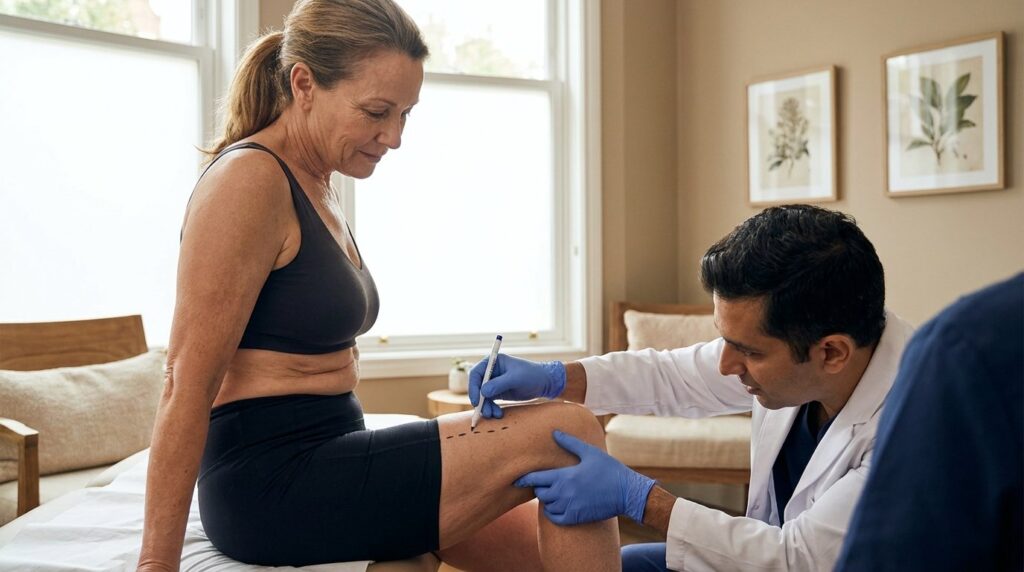
A thigh lift can help when the main problem is hanging or rubbing skin rather than leftover fat alone. This is common after major weight loss, especially when the inner thighs feel heavy, chafe during walking, make exercise uncomfortable, or make clothes difficult to fit. In that situation, liposuction on its own may not give the result you want because it removes fat, not loose skin.
Most surgeons look for a few basics. Your weight should be reasonably stable, ideally not still moving up and down. You should also be well enough for surgery, with medical conditions such as diabetes, blood pressure problems, or smoking-related risks discussed honestly. If you have had bariatric surgery, your team will usually pay extra attention to protein intake and vitamin levels because poor nutrition can affect healing.
NICE guidance on obesity and post-bariatric care supports ongoing nutritional monitoring after weight-loss surgery, and that matters here because body-contouring surgery places real demands on healing. In plain terms, if your body is short on protein, iron, vitamin B12, folate, or other key nutrients, the risk of slow healing can rise. That does not automatically rule you out, but it does mean a proper pre-operative work-up is important.
A good consultation should also separate what bothers you most. Some people need a thigh lift alone. Others have looser skin across the abdomen, buttocks, or arms as well, and may discuss related procedures such as an lower body lift, abdominoplasty, or arm lift surgery. That plan should be based on safety and priorities, not on trying to do everything at once.
The final point is the most important: online checklists can help you prepare, but they cannot diagnose candidacy. A qualified plastic surgeon needs to examine skin quality, scar pattern, areas of friction, residual fat, swelling risk, and your overall health before saying yes, no, or not yet.
📋 Good sign You are often a stronger candidate when your weight has been stable for a while and your main concern is excess skin, not ongoing rapid weight loss.
⚠️ Important limitation Final candidacy cannot be confirmed from photos or general advice alone. A surgeon must review your medical history and examine you in person or through a structured consultation process.
Stable weight, good nutrition, realistic goals, and loose thigh skin causing rubbing, hygiene issues, or shape concerns.
Active smoking, unstable weight, uncontrolled medical conditions, or signs of poor healing or nutritional deficiency after bariatric surgery.
If the issue is mostly localised fat with good skin tone, liposuction may be discussed instead of a skin-removal procedure.
You may be a good candidate if you have stable weight, persistent loose thigh skin, realistic expectations, and no uncontrolled medical issues. After major weight loss, nutrition and wound-healing ability matter as much as skin excess. A surgeon can only confirm candidacy after examining your skin, scars, circulation, and full medical history.
What makes someone a good or poor candidate?
The best candidates are usually people who have reached a plateau after major weight loss and feel held back by skin rather than body weight itself. This may be physical, such as rashes, rubbing, difficulty running, or trouble finding clothes that fit properly. It may also be emotional, especially when the thighs do not match the effort you have put into losing weight.
What tends to make surgeons cautious is not one single issue, but the overall picture. Ongoing smoking or nicotine use matters because it can reduce blood flow to healing tissues. Large weight changes after surgery can also affect the result. If you are still actively losing weight, many surgeons prefer to wait until things settle.
Nutrition deserves special attention after bariatric surgery. Protein intake, iron, folate, vitamin B12, vitamin D, and albumin are common discussion points because deficits can affect recovery. If your appetite has been low, or if you have had trouble maintaining supplements, mention that early rather than hoping it will not matter.
Skin quality matters too. Some thighs have mostly loose skin high in the groin area, while others have heavy skin extending down the inner thigh or around the outer thigh. That affects scar placement, likely contour, and whether a limited thigh lift or a more extensive lift is being considered.
How is candidacy assessed before surgery?
A proper assessment is more detailed than many patients expect, and that is a good thing. The surgeon will usually ask when your major weight loss happened, whether it came from lifestyle change, medication, or bariatric surgery, and how stable your weight has been since then. They will also ask about blood clots, wound problems, diabetes, medications, and any previous abdominal or body-contouring surgery.
Examination of the thighs matters because the pattern of loose tissue changes the operation. Some people have skin excess mainly at the top inner thigh, where a shorter scar may be possible. Others need more vertical tightening down the inner thigh. If there is still a noticeable fat layer under the skin, liposuction may be considered as part of the plan, but only if the blood supply and healing risk look acceptable.
For post-bariatric patients, blood tests are often part of responsible planning. NICE highlights the need for long-term nutritional follow-up after bariatric procedures, and this links directly to plastic surgery recovery. A surgeon may want signs that your protein and vitamin status are adequate before operating.
This is also when you should talk about scars honestly. A thigh lift trades loose skin for a tighter contour and visible scars. For many people after major weight loss, that trade-off is worth it. For others, especially if their skin laxity is mild, it may not be.
- ✓Weight has been broadly stable rather than still dropping quickly
- ✓Loose skin is the main concern, with or without some remaining fat
- ✓Smoking and nicotine risks have been discussed honestly
- ✓Nutrition, supplements, and any history of bariatric surgery have been reviewed
- ✓You understand that scars are part of the operation
Assessment usually covers weight stability, nutrition, smoking status, circulation, scars, skin quality, and your ability to recover safely. After major weight loss, surgeons often request blood tests and a fuller history than they might for smaller cosmetic procedures. The aim is not just shape improvement, but safe healing and realistic planning.
What recovery is typical after a thigh lift?
A thigh lift is not usually the sort of surgery you bounce back from in a few days. The first part of recovery often involves swelling, drainage, bruising, and a feeling of tightness when you stand straight, sit, or walk. Most people can move around gently quite early, which is important for circulation, but normal comfort takes longer.
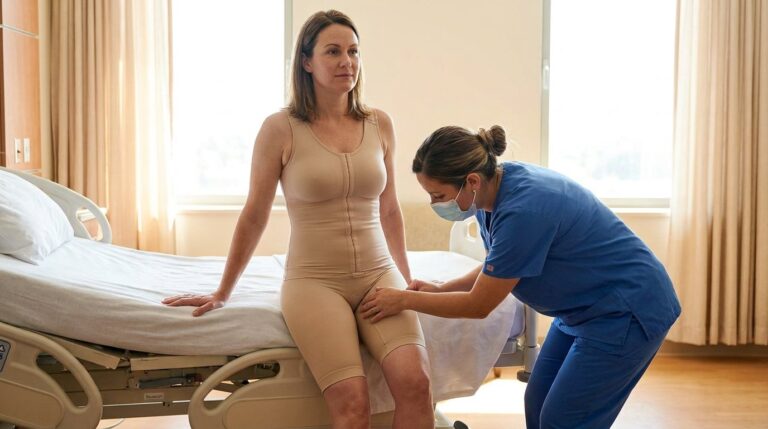
The American Society of Plastic Surgeons describes thigh lift recovery as a process that includes swelling and activity limits rather than an instant result. In practice, many patients need help with basic logistics at first: getting in and out of bed, keeping pressure off the incisions, showering safely once cleared, and wearing supportive garments if advised.
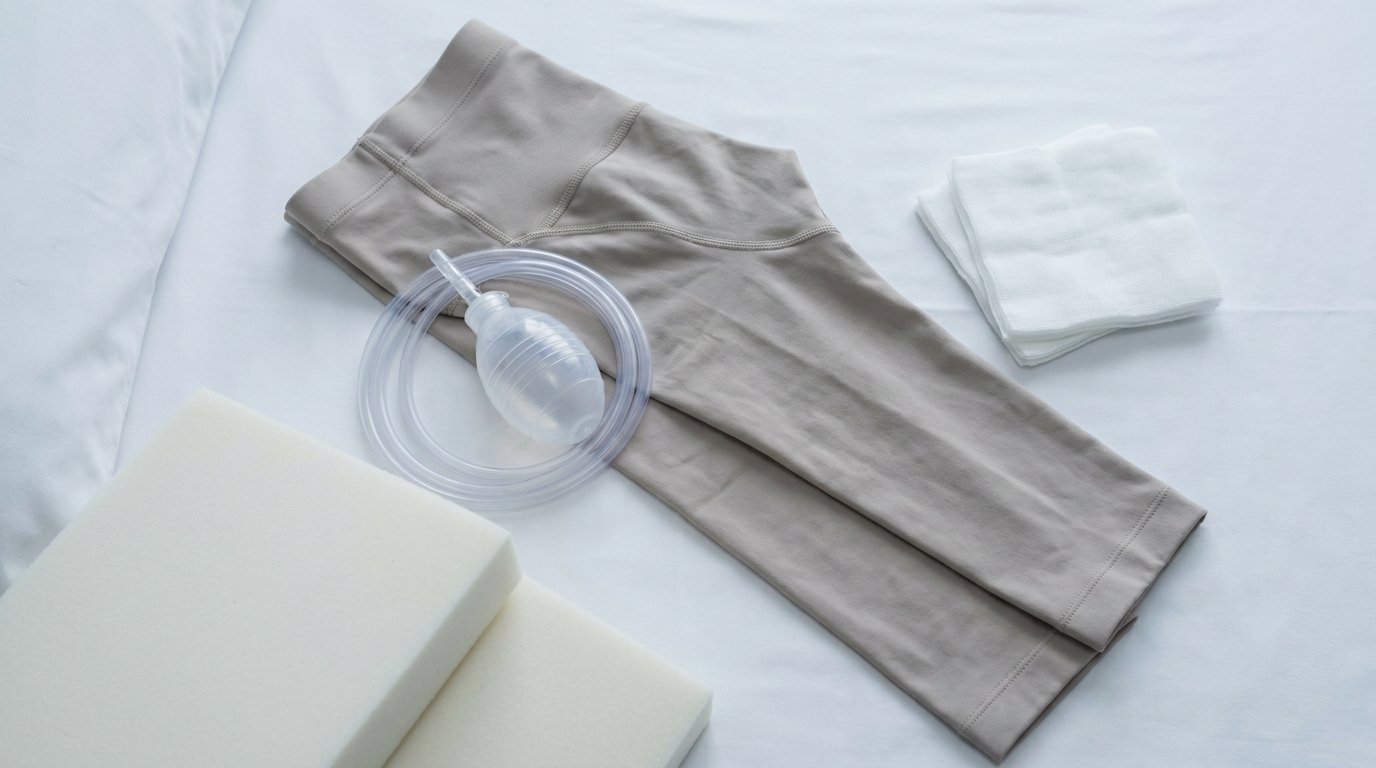
Your surgeon will tell you when you can return to desk work, driving, and exercise, because that depends on incision length, how much tissue was removed, and whether another procedure was done at the same time. A short-scar inner thigh lift is usually easier to recover from than a more extensive vertical thigh lift after massive weight loss.
The part many patients underestimate is scar maturation. The shape settles before the scars fully do. Swelling improves in the early weeks, but scars continue to soften and fade over a much longer period.
A realistic recovery timeline
The timeline below is general, not a substitute for your own post-op plan. It is meant to show the pace most people should prepare for rather than promise a fixed schedule.
⚠️ Recovery varies If your thigh lift is combined with other body-contouring surgery, expect a slower and more demanding recovery than for a thigh lift alone.
Recovery is usually measured in stages over several weeks. You can expect soreness, swelling, tightness, and limited mobility early on, with a gradual return to normal walking and daily routine. The NHS notes that recovery after cosmetic surgery takes time, and body-contouring procedures are not quick weekend recoveries.
When is it safe to fly home after a thigh lift?
For medical travellers, this question matters as much as the operation itself. After a thigh lift, the issue is not only comfort on the plane. It is also swelling, wound care, drain management if used, and the risk of venous thromboembolism, which means dangerous blood clots in the legs or lungs.
The NHS advises people to be aware that long periods of immobility can increase the risk of deep vein thrombosis, and surgery itself is also a recognised risk factor. That is why a careful clinic will not treat flying as an afterthought. They should talk you through when you are likely to be mobile enough, whether compression or blood-thinning measures are needed, and what warning signs to watch for before you travel.
For many patients, staying in Turkey long enough for the first checks, dressing changes, and early wound review is the practical choice. If there are drains, healing concerns, or a combined procedure such as a body lift after weight loss, the stay may need to be longer. A personalised travel plan is safer than booking flights based on guesswork.
Before you travel, ask who reviews you, how you contact the team after discharge, and what happens if swelling, wound separation, fever, calf pain, or shortness of breath develops. Those details matter more than a very short itinerary.
🚨 Get urgent help for clot symptoms Severe calf pain, sudden shortness of breath, chest pain, or one-sided leg swelling after surgery need urgent medical assessment.
You should not assume you can fly home immediately after a thigh lift. Flying too soon may be uncomfortable and may add to clot risk, especially after longer operations. The exact timing depends on your surgery, mobility, drains, and clot-risk profile, and should be cleared by your surgeon before travel.
How much does a thigh lift cost, and what affects the quote?
It makes more sense to think about thigh-lift cost in terms of what drives the quote rather than hunting for a generic figure online. After major weight loss, the price can vary because the surgery itself varies. A limited inner thigh lift is different from a more extensive vertical thigh lift, and combining surgery changes both operative time and recovery planning.
You should also check what the quote actually covers. Some estimates include only the surgery itself, while others also cover hospital stay, garments, medications, follow-up visits, transfers, or accommodation support. If you are travelling for treatment, this distinction matters because the cheapest-looking quote is not always the most complete one.
A careful consultation should explain whether you are being quoted for a thigh lift alone, a thigh lift with liposuction, or a broader post-weight-loss body contouring plan. If you are comparing providers, compare the scope of care, not just the headline figure.
If you want to ask about your own case, using a structured plastic surgery consultation is the sensible next step.
The cost of a thigh lift is shaped by the extent of skin removal, whether liposuction or other procedures are added, the facility and anaesthesia arrangement, and how long aftercare is needed. A meaningful quote should explain what is included, and the final personalised price is confirmed after consultation.
What are the main risks and trade-offs?
The biggest trade-off is simple: you get less loose skin, but you accept scars. For people after major weight loss, that is often a reasonable exchange because the skin can be heavy, uncomfortable, and hard to hide in clothing. Still, it should be your informed choice, not a surprise discovered after surgery.
Other risks include wound opening, delayed healing in areas of tension, fluid build-up, infection, numbness, contour irregularity, and asymmetry. Body-contouring surgery after massive weight loss can carry higher healing demands than smaller cosmetic operations, partly because tissue quality and nutrition may be different.
This is where clinic and surgeon choice matters. Look for clear information on who performs the operation, where it is performed, how aftercare is organised, and what happens if healing is slower than expected. If you want to learn more about the team and background, start with the clinic’s about page and surgeon information, then ask direct questions in consultation.
The aim is a better thigh contour and less skin-related discomfort, not a flawless leg shape.
Be cautious if a provider downplays scars, claims recovery is very easy, or rushes you past questions about nutrition and clot risk.
A thigh lift can improve contour and reduce skin-related discomfort, but it comes with real trade-offs: scars, swelling, asymmetry, wound-healing problems, and clot risk. The goal is improvement, not perfection. Safety depends on good patient selection, realistic planning, and close follow-up in the early healing period.
How do you choose a safe clinic and surgeon in Turkey?
Start with qualifications, not marketing. You want a surgeon who regularly performs body-contouring surgery after major weight loss, not just general cosmetic procedures. Ask how often they perform thigh lifts, how they decide between a groin-based scar and a vertical scar, and how they assess post-bariatric nutritional risk.
The clinic should be clear about the patient journey: consultation, pre-op checks, hospital setting, early follow-up, and travel timing. You should know who sees you after surgery, how dressings are changed, and how to get help if a wound concern appears after you return home.
It is also worth asking practical questions that international patients often forget. How long should you stay locally? What happens if you are not fit to fly as early as planned? Will your quote clearly separate the procedure from travel-related support? Transparent answers are usually a good sign.
If you are at the stage of gathering options, a direct enquiry through the clinic’s contact page can help you understand how structured and realistic their process is.
- →Ask who will assess your nutrition and wound-healing risk after major weight loss
- →Ask where surgery takes place and what accreditation or standards apply
- →Ask how long you should stay before flying home
- →Ask what support is available if healing is slower than planned
Frequently Asked Questions
References
- 📎NHS cosmetic procedures guidance
- 📎PubMed search: thigh lift body contouring massive weight loss
- 📎PubMed search: post bariatric body contouring nutritional assessment
- 📎PubMed search: air travel venous thromboembolism surgery
Related Articles

You Might Also Like



Related articles
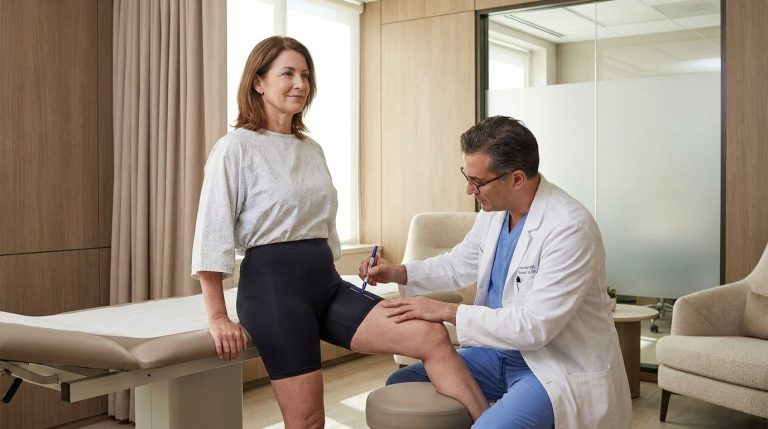

Our specialists
 Clineca SpecialistErkan PinegözPlastic & Reconstructive Surgery
 Clineca SpecialistHakan AktaşPlastic & Reconstructive Surgery
 Clineca SpecialistOrkun UzuneyüpoğluPlastic & Reconstructive Surgery
 Clineca SpecialistSalim İskenderPlastic & Reconstructive Surgery
 Clineca SpecialistEngin SelamioğluPlastic & Reconstructive Surgery
 Clineca SpecialistCem AydınPlastic & Reconstructive Surgery
 Clineca SpecialistAlperen ÖnalEar, Nose & Throat (ENT)