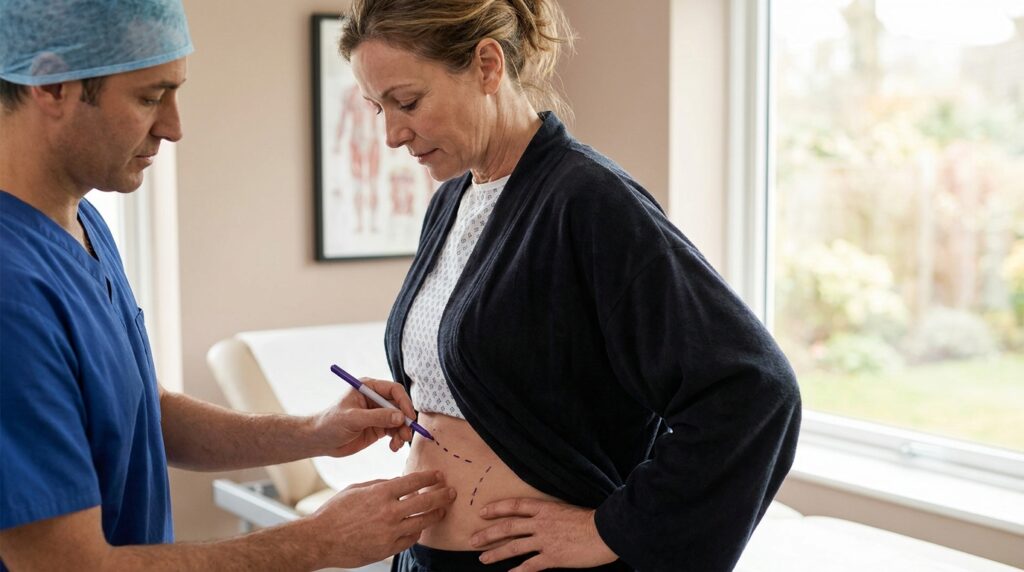
Have a question about Abdominoplasty?
In this article
- What is abdominoplasty and who is it for?
- How is the cost of abdominoplasty in Turkey worked out?
- Is abdominoplasty in Turkey safe?
- How can you verify surgeon qualifications and clinic standards?
- Who should postpone or avoid a tummy tuck?
- What is recovery like and how long should you stay in Turkey?
- What are the main risks and trade-offs to think about?
- How does abdominoplasty compare with liposuction or a body lift?
- How should you choose a clinic and plan your trip?
Abdominoplasty Turkey usually costs less than in the UK or US, but the final price is not fixed in advance and should only be confirmed after a personal consultation. In practical terms, safety depends far more on patient selection, surgeon credentials, hospital standards and aftercare than on country alone, and most people need around 10 to 14 days in Turkey plus several weeks of staged recovery at home.
What is abdominoplasty and who is it for?
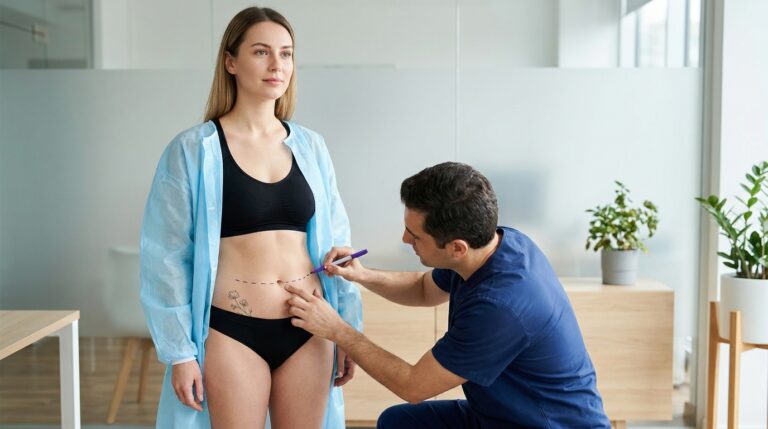
Abdominoplasty, often called a tummy tuck, removes loose lower-abdominal skin and tightens the abdominal wall when needed. It is usually best for people with stretched skin after pregnancy or major weight loss, not as a substitute for weight-loss treatment. The right candidate is medically fit, near a stable weight, and realistic about scars and recovery.
Abdominoplasty Turkey is usually considered by people who are bothered by loose skin, a hanging lower tummy, or abdominal muscle separation after pregnancy or significant weight change. The operation can improve body contour, but it is not a treatment for obesity and it does not replace healthy weight management.
A surgeon may suggest different versions of the operation depending on your anatomy:
- ✓Mini abdominoplasty for excess skin mainly below the navel
- ✓Full abdominoplasty when both skin excess and muscle laxity need correction
- ✓Abdominoplasty with liposuction when there is also localised fat to shape around the waist or upper abdomen
- ✓Extended procedures when skin laxity reaches the flanks or lower back
If you are comparing body contouring options, it helps to understand that a tummy tuck and liposuction do different jobs. Liposuction removes fat, while abdominoplasty mainly treats loose skin and muscle looseness. Some patients also compare it with a broader body lift after major weight loss, or as part of a mommy makeover after pregnancy.
The NHS describes abdominoplasty as major surgery with a meaningful recovery period, which is worth keeping in mind if your main goal is a modest change rather than a large one.
- ✓You are close to a weight you can maintain
- ✓Your main issue is loose skin, muscle separation, or an overhanging lower abdomen
- ✓You understand that there will be a scar low on the abdomen
- ✓You can take enough time off work and arrange help at home
How is the cost of abdominoplasty in Turkey worked out?
A full tummy tuck in Turkey starts from around €3,900. That is a starting point, not a guaranteed quote — your own figure is confirmed after consultation, once the surgeon has assessed how much loose skin you have, whether the abdominal muscles need repair, and whether liposuction is added to shape the waist. A mini tummy tuck, which treats only the area below the navel, starts lower at around €3,150.
Beyond those starting points, there is no single standard price for abdominoplasty in Turkey because the quote depends on the operation plan, hospital setting, surgeon’s experience, anaesthesia, overnight stay, compression garments, tests and aftercare. A useful comparison is not the headline fee alone, but exactly what is included, excluded and medically appropriate for your case.
Because no verified clinic-wide figure is available here, the safest way to think about cost is by what drives it rather than by a headline number. That matters more than many patients expect. Two people asking for a “tummy tuck” may need very different operations.
The main cost drivers are usually:
- ✓Type of surgery: mini, full, extended, or tummy tuck with liposuction
- ✓Complexity of repair: whether muscle tightening is needed and how much skin is removed
- ✓Hospital and anaesthesia fees: these can vary by facility and length of stay
- ✓Pre-op tests: blood work, heart checks if needed, and specialist clearance for some patients
- ✓Aftercare: dressings, garments, follow-up visits, medication, drains and nursing support
- ✓Revision risk: more complex cases may need a more cautious plan and longer monitoring
- ✓Travel logistics: hotel nights, companion support, airport transfers, and timing of flights
If you are comparing Turkey with the UK or US, you will usually see lower package quotes in Turkey. Even so, that does not make one offer automatically better value. A lower quote may leave out important parts of care, such as a proper hospital stay, thrombosis prevention, or enough in-person follow-up before you fly home.
A careful quote should tell you:
- ✓Whether surgery is in an accredited hospital
- ✓Whether the anaesthetist is separate or included
- ✓How many nights of admission are planned
- ✓Whether garments, drains and medications are included
- ✓What happens if your stay needs to be extended for medical reasons
- ✓Whether revision surgery is excluded, partly covered, or assessed case by case
If you want a personalised plan, the practical next step is a medical review and photo assessment through the consultation page. That is the stage where a surgeon can say whether you need a mini or full abdominoplasty and what should realistically be included in your quote.
📋 A low headline price can be misleading For a major operation, the better question is what level of hospital care, monitoring and aftercare is included. Ask for an itemised explanation rather than comparing one-line package prices.
Is abdominoplasty in Turkey safe?
Abdominoplasty in Turkey can be safe when the patient is suitable, the surgery is done in a properly equipped hospital, and the surgeon is appropriately qualified for body-contouring surgery. The real safety issues are major-surgery risks such as blood clots, wound problems, fluid build-up and poor healing, especially when screening and aftercare are weak.
Country alone does not make surgery safe or unsafe. The more useful question is whether your care pathway is built around proper screening, a qualified surgeon, hospital-based surgery, anaesthesia standards, and realistic follow-up.
The NHS notes that tummy tuck surgery carries risks including blood clots, infection, bleeding, scarring and delayed healing. The American Society of Plastic Surgeons (ASPS) also highlights fluid collection, poor wound healing, numbness and anaesthetic risk as recognised concerns after abdominoplasty.
Safety is stronger when:
- ✓Your BMI and general health are assessed honestly
- ✓Smoking status is taken seriously
- ✓Your surgeon discusses clot prevention and early mobilisation
- ✓Surgery is done in an accredited hospital rather than a basic office setting
- ✓You have enough time in Turkey for checks before flying home
- ✓Your aftercare plan includes who to contact if swelling, fever, pain or wound issues develop
Be cautious if any provider treats this as a quick beauty treatment rather than major surgery. A tummy tuck may create a cosmetic result, but the operation itself is still major and needs proper medical judgement.
⚠️ Red flag Be careful with clinics that approve every patient from photos alone, minimise risks, or encourage very early flights home after a full tummy tuck.
Clear pre-op screening, named surgeon, hospital-based surgery, written aftercare, and honest discussion of scar placement, drains, clot risk and recovery limits.
Pressure to book quickly, vague answers about qualifications, no clear plan for complications, or no explanation of what happens if you are found unsuitable on arrival.
How can you verify surgeon qualifications and clinic standards?
Do not rely on marketing alone. Ask for the surgeon’s full name, specialty, where they operate, and whether they are registered with the Turkish Medical Association and recognised plastic-surgery bodies. Verify the hospital, not just the agency, and check that your operation is planned in a licensed hospital with anaesthesia and overnight monitoring.
This is one of the most important parts of the decision, and it deserves more than a quick social media check.
Start with the surgeon. Ask for:
- ✓Full name and medical specialty
- ✓Whether they are a plastic, reconstructive and aesthetic surgeon rather than a general cosmetic doctor
- ✓Their training background and how often they perform abdominoplasty
- ✓Where the surgery will actually take place
- ✓Who gives the anaesthetic
- ✓Who reviews you after surgery and before you fly home
Then verify those details independently where possible. For Turkey, patients commonly ask for confirmation of medical registration and hospital licensing. You can also ask whether the surgeon is a member of recognised specialty associations in plastic surgery. Membership alone is not proof of quality, but reluctance to provide verifiable details is a concern.
For the facility, ask whether surgery is performed in a licensed hospital with:
- ✓Operating theatre standards
- ✓Anaesthesia support
- ✓Overnight observation when needed
- ✓Access to ultrasound, blood tests and emergency care if a complication develops
A provider should also be willing to explain the patient pathway from arrival to discharge. If you want background on the team and medical network, you can review the doctors page and about page, but use these as a starting point rather than your only source of reassurance.
Questions worth asking before you book
- ✓Who is the operating surgeon, by full name?
- ✓Is abdominoplasty done in a hospital or clinic procedure room?
- ✓What pre-op tests are routine for my age and health profile?
- ✓How is clot risk reduced during and after surgery?
- ✓How many days should I stay before the final check?
- ✓If I am not a good candidate after examination, what happens next?
Who should postpone or avoid a tummy tuck?
Abdominoplasty is often a poor choice if you have uncontrolled diabetes, significant obesity, active smoking, a high risk of blood clots, or plans for future pregnancy soon. It may also need to be delayed if you have unstable weight, poor nutrition, untreated hernias or medical problems that raise anaesthetic or healing risk.
A good surgeon does not say yes to everyone. In some cases, the safest advice is to wait, optimise your health, or choose a different plan.
Important risk factors and contraindications include:
- ✓High BMI or unstable weight: higher body weight can increase wound, anaesthetic and clot risks, and results are less predictable if weight is still changing
- ✓Uncontrolled diabetes: poor blood sugar control can slow healing and increase infection risk
- ✓Smoking or nicotine use: nicotine reduces blood flow and raises the chance of wound breakdown and poor scar healing
- ✓Previous blood clots or strong VTE risk: VTE means venous thromboembolism, which includes deep vein thrombosis and pulmonary embolism
- ✓Future pregnancy plans: pregnancy can stretch the skin and muscles again, which may undo part of the result
- ✓Large untreated hernia or complex abdominal surgery history: some patients need a more tailored plan or another specialist involved
- ✓Poor nutrition or low protein intake: healing may be weaker if the body does not have what it needs
If a provider brushes past these points, that is not reassuring. Careful screening is not a barrier to treatment; it is part of safer treatment.
The best timing is usually when:
- ✓Your family plans are settled or pregnancy is not expected soon
- ✓Your weight has been stable for several months
- ✓Chronic conditions are well managed
- ✓You can stop smoking and nicotine products for the period your surgeon advises
🚨 Do not hide medical history Previous clots, smoking, diabetes, use of weight-loss injections, and past abdominal surgery can all change your risk level and your operation plan.
What is recovery like and how long should you stay in Turkey?
Most patients need around 10 to 14 days in Turkey after abdominoplasty, though complex cases may need longer. Walking starts early, but standing fully upright, driving, lifting, exercise and comfortable sleep all return in stages. Recovery is usually measured in weeks, not days, and swelling can take months to settle.
This is where realistic planning matters most. You may be mobile within a day, but that does not mean you are ready for normal life.
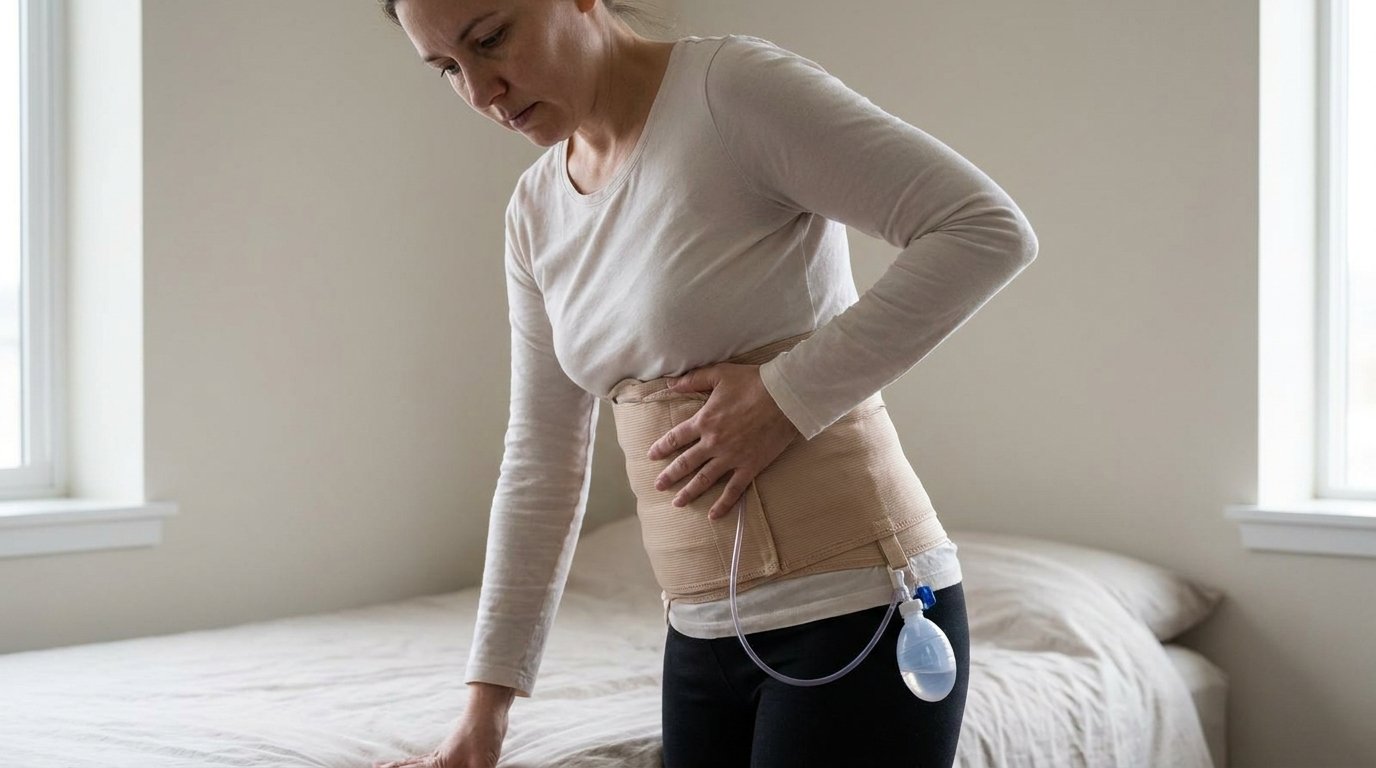
In the first week, you can expect:
- ✓Tightness across the abdomen
- ✓A bent posture at first, especially after muscle repair
- ✓Tiredness when walking
- ✓Support garments
- ✓Possible drains for a few days, depending on technique
- ✓Help needed for getting in and out of bed, standing up, and carrying bags
By week two, many patients feel more independent, but they are still healing. Flying home too early is not ideal after major surgery because swelling, wound issues or fluid collection can show up after the first few days.
The NHS advises that returning to normal activities after abdominoplasty can take several weeks. ASPS patient guidance also notes that swelling can persist and strenuous activity should be resumed only when your surgeon says it is safe.
If you are travelling for surgery, plan for a support person if possible, especially if you have children or will be recovering alone in a hotel.
A typical recovery pattern looks like this:
- →Book enough leave from work
- →Arrange help with children, luggage and housework
- →Choose flights with minimal walking and lifting
- →Ask who reviews you if you develop swelling after you get home
What are the main risks and trade-offs to think about?
The trade-off with abdominoplasty is simple: it can improve shape and reduce loose skin, but it leaves a permanent scar and requires a substantial recovery. Main risks include fluid build-up, wound healing problems, infection, blood clots, numbness and asymmetry, with higher risk in smokers and medically complex patients.
The decision is easier when you are honest about both sides of the surgery.
Potential benefits may include:
- ✓A flatter lower abdomen
- ✓Less loose skin after pregnancy or weight loss
- ✓Improved waistline shape when combined appropriately with liposuction
- ✓Better fit in clothing for some patients
The trade-offs include:
- ✓A long low scar, and often a scar around the navel in full abdominoplasty
- ✓Weeks of activity limits
- ✓Temporary numbness or tightness
- ✓Possible drains and garments
- ✓No guarantee that scars heal faintly or evenly
Some problems are not dramatic emergencies, but still matter. Seroma, which is a collection of fluid under the skin, can require repeat checks or drainage. Small wound openings can also delay recovery. These issues are one reason aftercare access matters.
A balanced consultation should cover both your likely improvement and the ways the operation can fall short of your ideal image.
How does abdominoplasty compare with liposuction or a body lift?
Choose the operation based on the problem you want solved. Abdominoplasty is mainly for loose skin and abdominal wall laxity; liposuction is for local fat; a body lift treats wider skin excess after major weight loss. The wrong operation can leave you disappointed even if it is technically well done.
Patients often ask whether they can avoid the scar of a tummy tuck and have liposuction instead. Sometimes they can, but only if skin quality is good and there is little muscle looseness.
If the problem is mostly fat, liposuction may be enough. If the problem is skin and muscle stretch, liposuction alone can make looseness look worse. After major weight loss, the looseness may go beyond the front of the abdomen, making a broader body lift more logical.
The best procedure is the one that matches the anatomy, not the one with the easiest recovery.
If your skin still retracts well and your abdomen is mainly full from fat rather than loose skin, a surgeon may suggest liposuction instead of a tummy tuck.
If loose skin continues onto the flanks or lower back after weight loss, a body lift may address the real problem more fully than a standard tummy tuck.
How should you choose a clinic and plan your trip?
A sensible decision process is slower than many online ads suggest.
Start with medical fit, not travel deals. Ask for a proper remote assessment, then expect some decisions to remain provisional until an in-person examination. Good planning usually includes enough time before surgery for review, and enough time after surgery for dressing checks and a final fitness-to-fly assessment.
Practical points to sort out early:
- ✓Where you will stay after discharge
- ✓Whether someone can travel with you
- ✓How many stairs are involved at your accommodation
- ✓Who will help with luggage and airport transfers
- ✓What pain relief and blood-thinning plan has been prescribed, if indicated
- ✓Who your point of contact is once you return home
Use internal pages as information sources, not as a substitute for detailed medical answers. For procedure basics, you can read the abdominoplasty page or start from the home page, but the more important step is asking case-specific questions and getting written answers.
A provider should be comfortable if you ask direct, practical questions. That is a good sign, not a difficult one.
Frequently Asked Questions
References
- 📎NHS – Cosmetic surgery – Abdominoplasty (tummy tuck)
- 📎American Society of Plastic Surgeons – Tummy tuck
Related Articles

You Might Also Like

Related articles
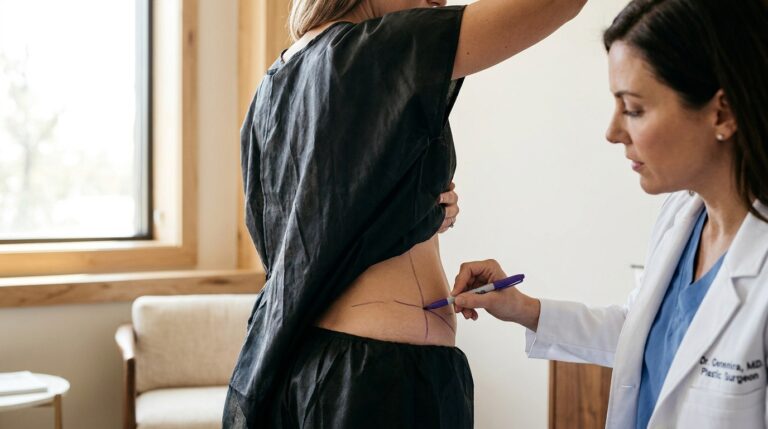
Our specialists
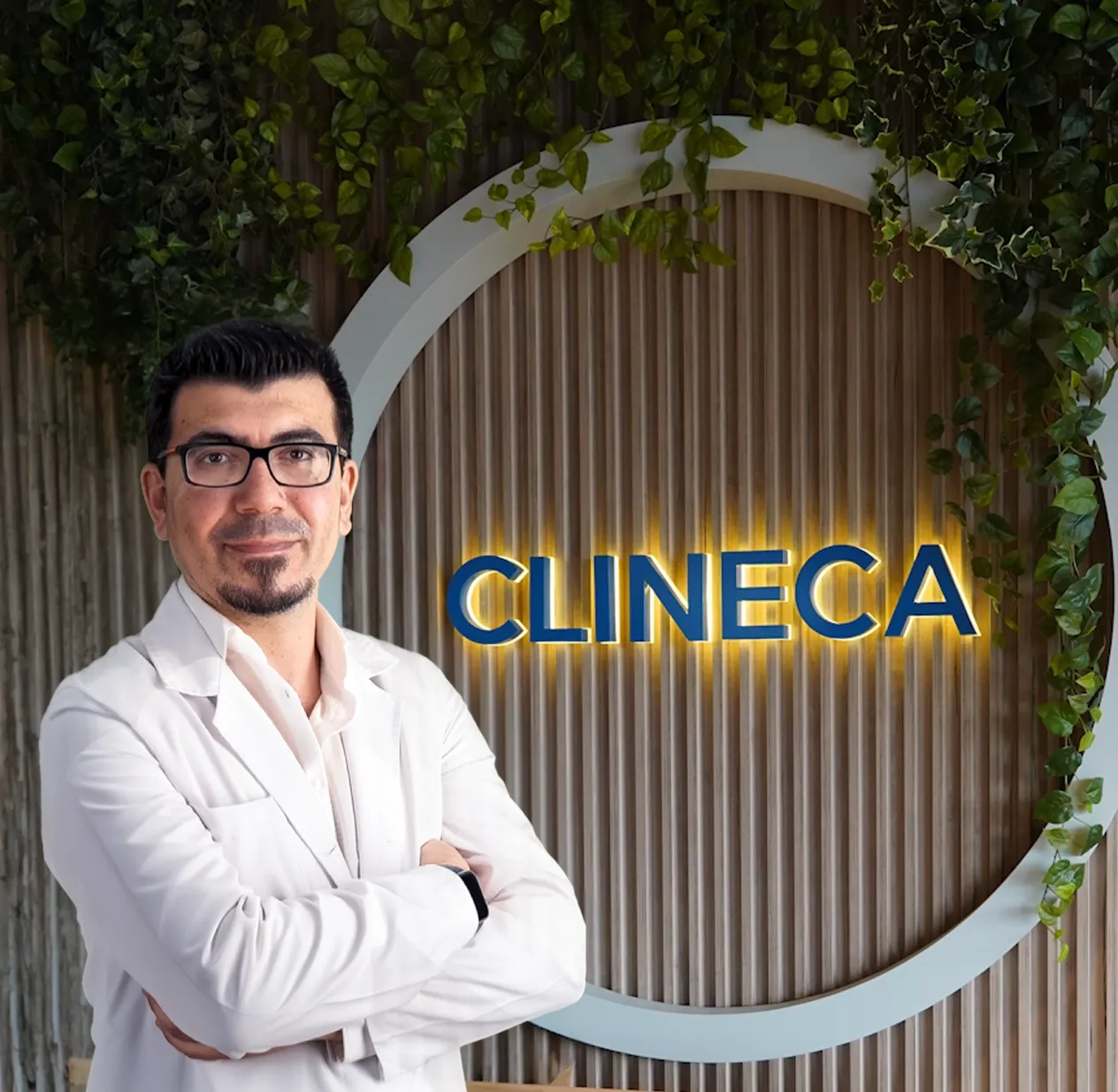 Clineca SpecialistErkan PinegözPlastic & Reconstructive Surgery
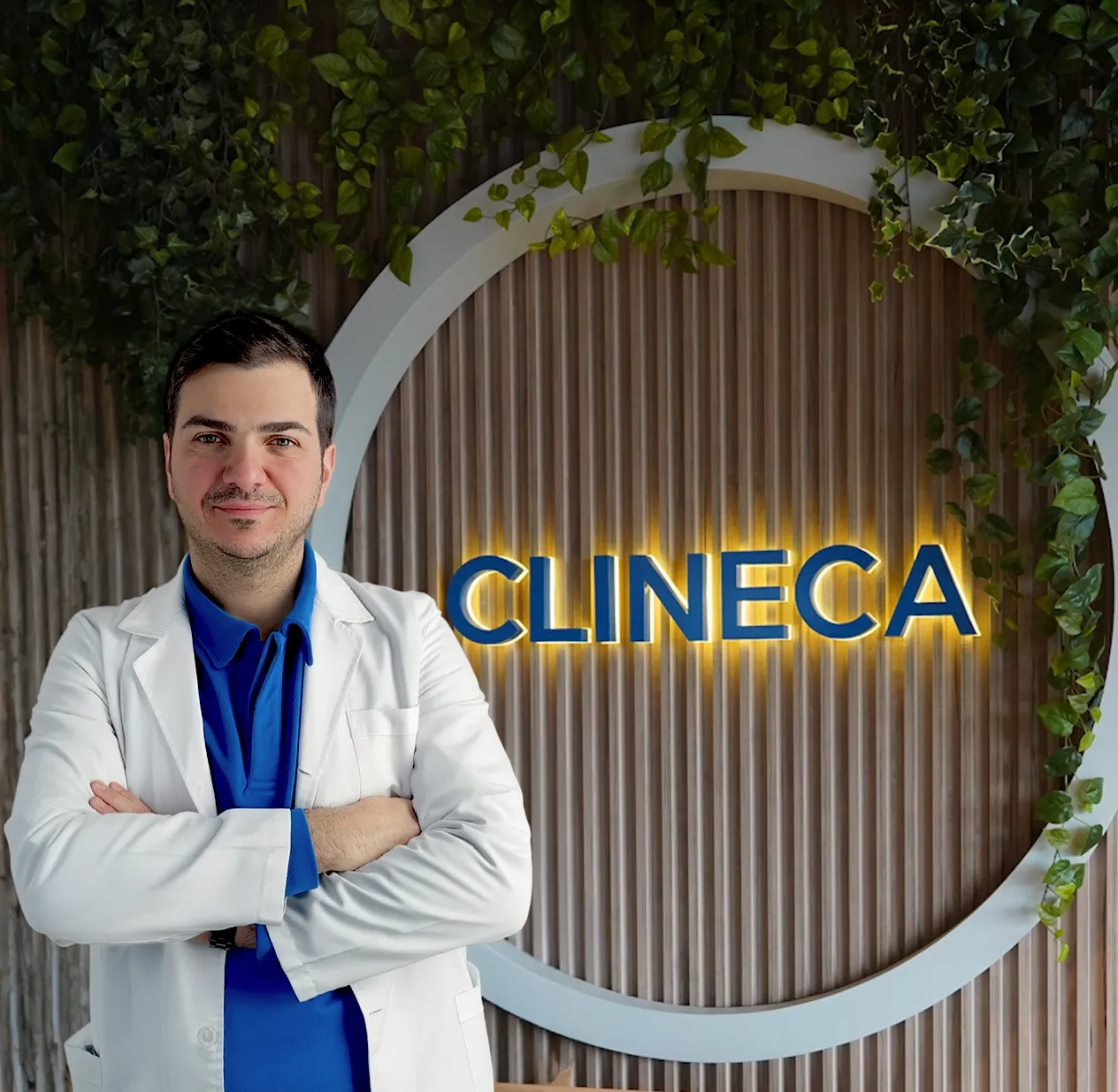 Clineca SpecialistHakan AktaşPlastic & Reconstructive Surgery
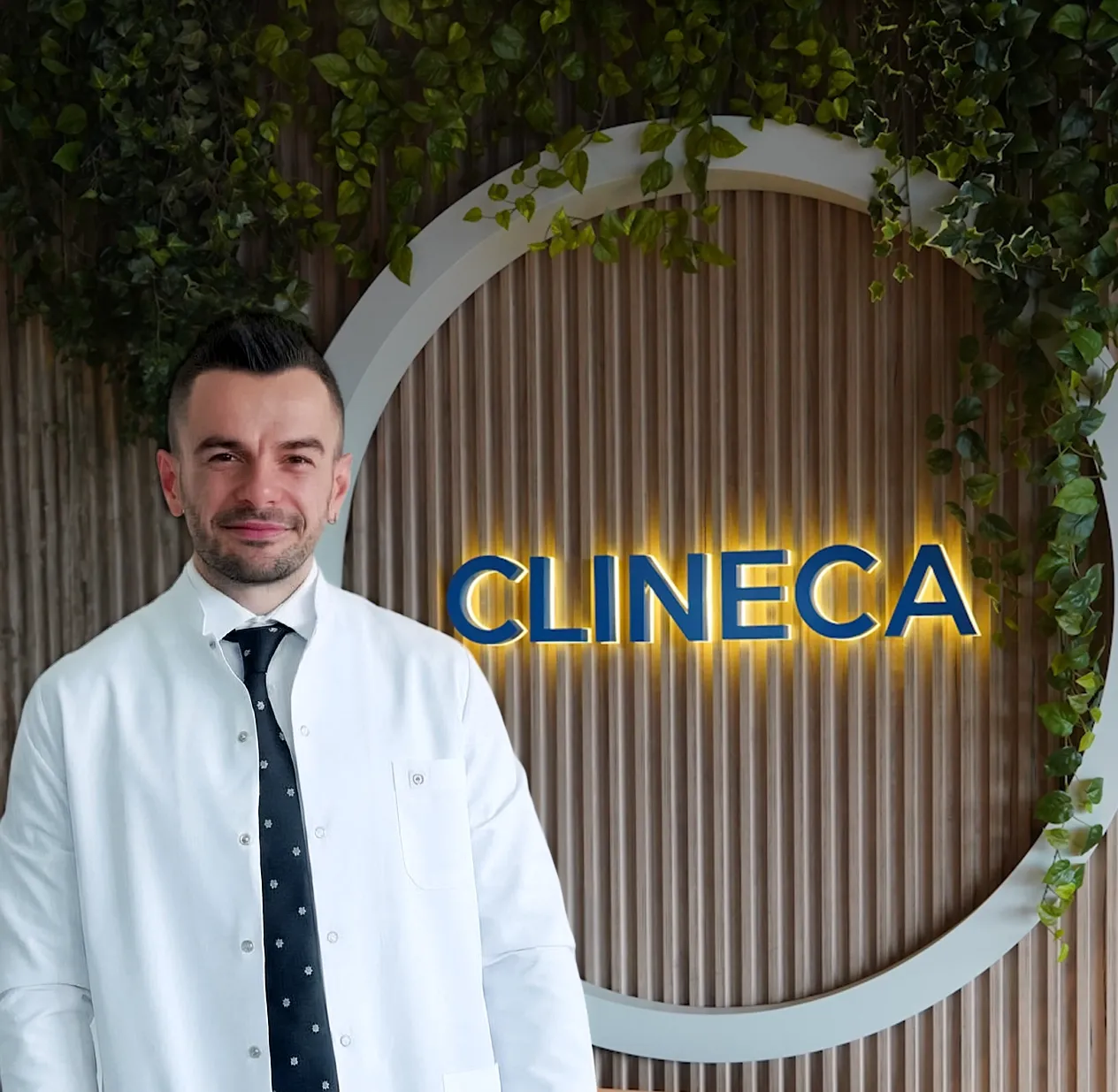 Clineca SpecialistOrkun UzuneyüpoğluPlastic & Reconstructive Surgery
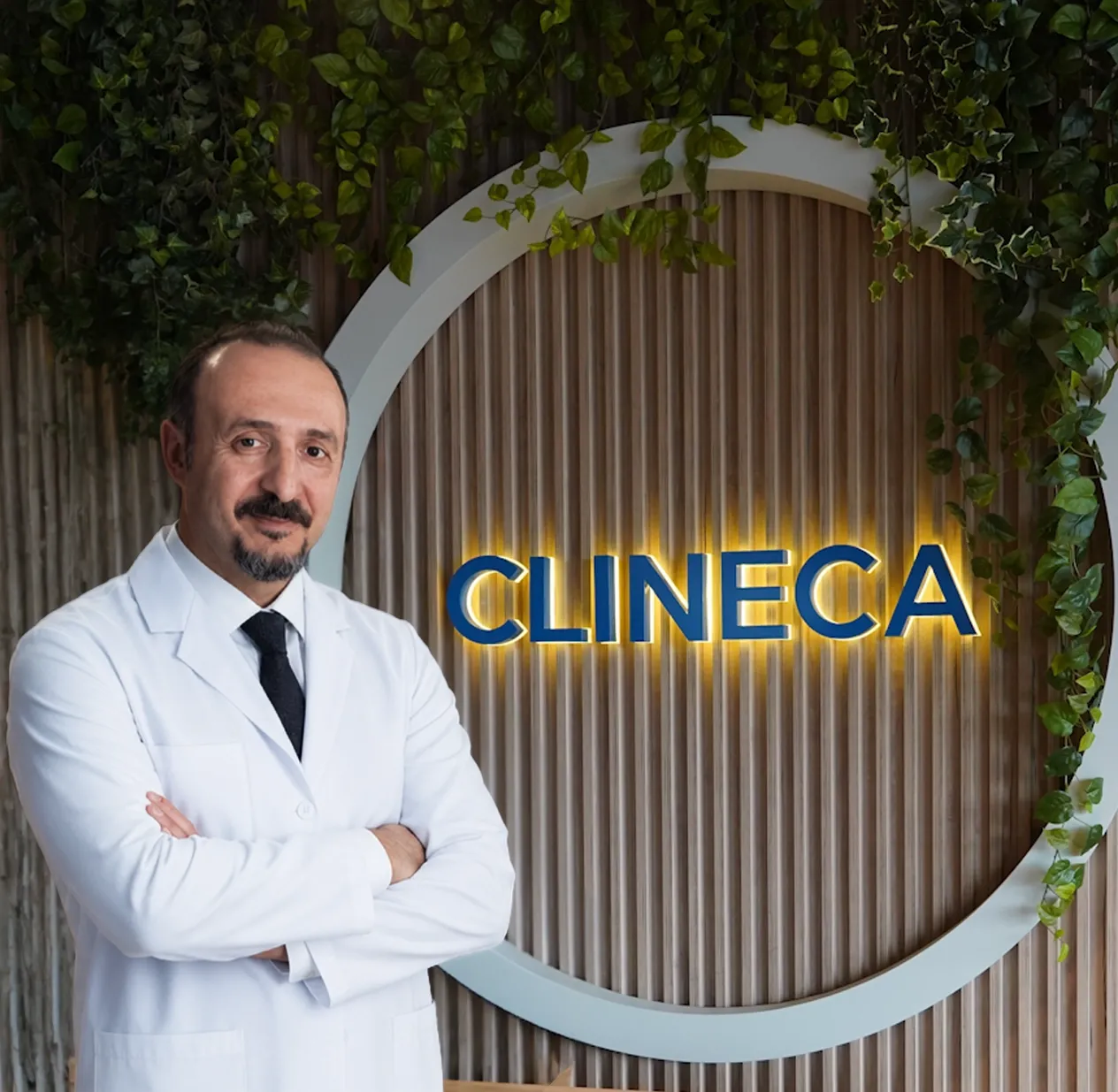 Clineca SpecialistSalim İskenderPlastic & Reconstructive Surgery
 Clineca SpecialistEngin SelamioğluPlastic & Reconstructive Surgery
 Clineca SpecialistCem AydınPlastic & Reconstructive Surgery
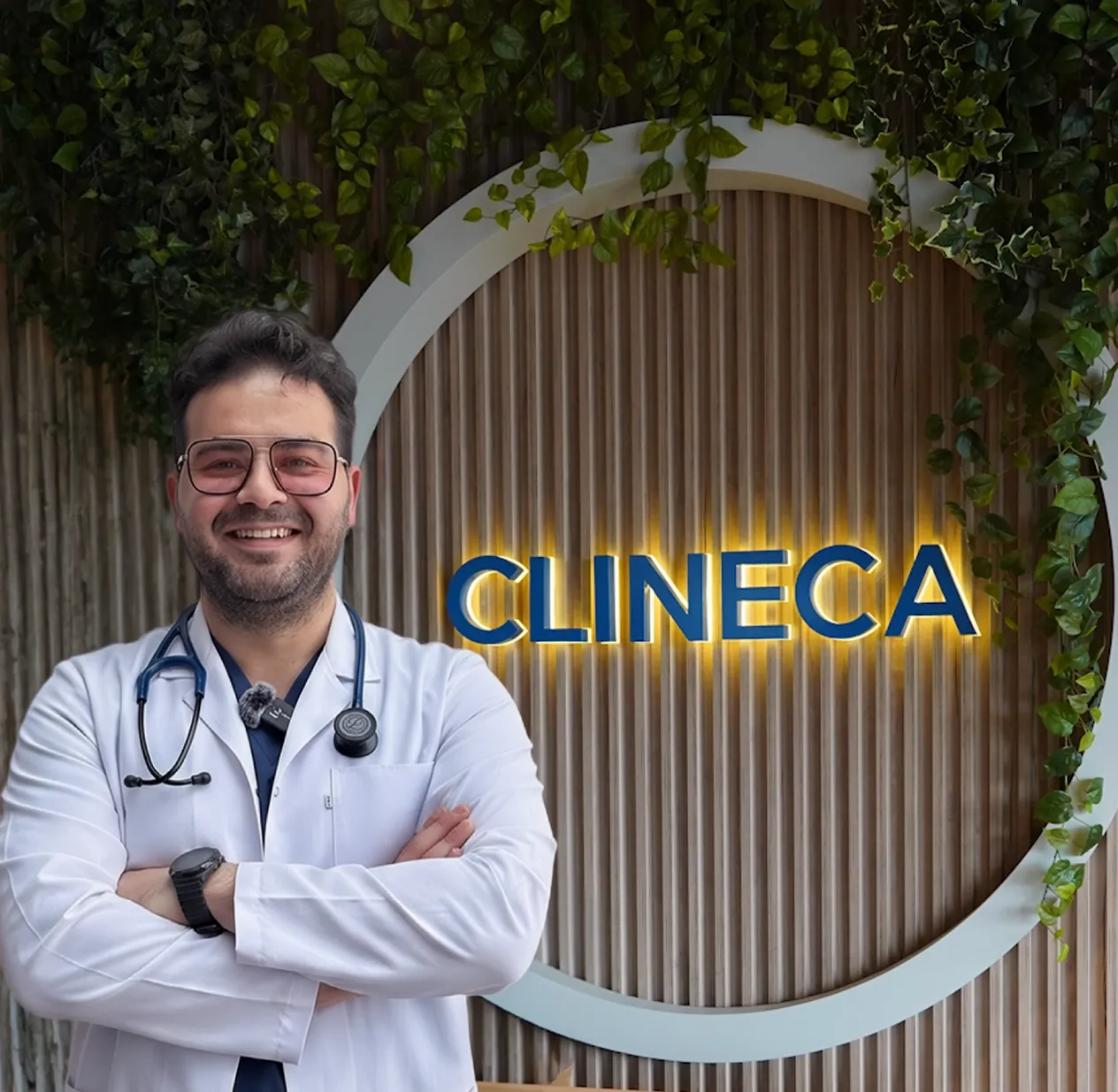 Clineca SpecialistAlperen ÖnalEar, Nose & Throat (ENT)