
Have a question about breast implant removal / replacement?
In this article
- What changes the recovery timeline after breast implant removal?
- What should you expect in the first 24 to 72 hours?
- What does breast implant removal recovery look like week by week?
- When can you shower, sleep normally, drive, fly, and exercise again?
- What is normal, and what are warning signs after explant surgery?
- How long should you stay in Turkey, and what follow-up should you arrange?
- How do clinics decide the price if there is no fixed cost?
- How can you choose a safer surgeon and clinic for implant removal or replacement?
What to expect during breast implant removal recovery week by week depends on exactly what surgery you have. A simple implant removal is often easier than removal with capsulectomy, implant replacement, or a breast lift, but most people should still plan for soreness, swelling, reduced arm movement at first, and several weeks before normal exercise feels realistic. Your own timeline can be shorter or longer depending on your surgeon’s technique, whether drains are used, your health, and how your body heals.
What changes the recovery timeline after breast implant removal?
The biggest mistake patients make is reading one recovery story and assuming it will match their own. Breast implant removal can mean several different operations, and they do not heal the same way.
A simple explant means the implants are removed, often through the old scar, without removing much or all of the scar tissue capsule around them. This may still feel uncomfortable, but it is often the least demanding version.
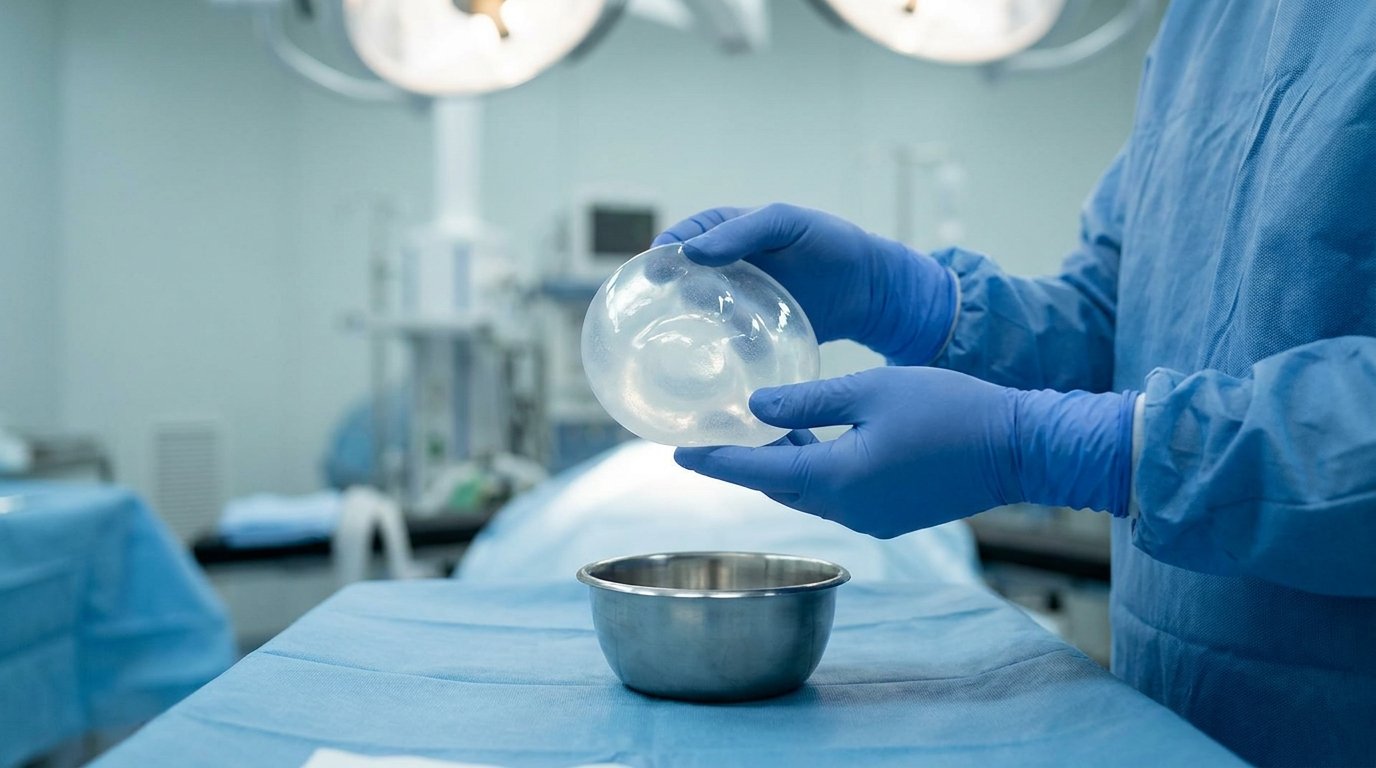
A capsulectomy means removing some or all of the capsule, which is the scar tissue your body formed around the implant. That usually creates more internal healing, and sometimes more swelling, drainage, and chest tightness.
An implant exchange means the old implants are removed and new implants are placed in the same operation. Recovery may feel closer to revision augmentation than to a straightforward removal, especially if the pocket is changed or internal support is added.
If a breast lift is added, the skin envelope is tightened and the nipple position may be adjusted. That often means more incision care, more swelling, and a longer period before the breasts settle into their final shape.
The American Society of Plastic Surgeons (ASPS) notes that recovery instructions after breast surgery vary by the exact procedure and surgeon. That matters here. Even details that patients think of as standard, such as when to wear a surgical bra, when to shower, or when to sleep flat or on your side, are often protocol-specific rather than universal.
Simple implant removal without a major capsulectomy or lift is often the quickest version to recover from.
Capsulectomy, implant exchange, and explant with lift usually involve more healing and stricter early activity limits.
Recovery after breast implant removal is not one fixed timeline. Simple explant surgery is usually the lightest recovery, while capsulectomy, implant exchange, or adding a breast lift usually means more swelling, tighter movement limits, and a slower return to driving, work, and exercise.
What should you expect in the first 24 to 72 hours?
Right after surgery, most people feel tightness across the chest, not just pain. That pressure can be stronger if the capsule was removed, the implant pocket was repaired, or new implants were placed. If a lift was added, the breasts may also feel heavy and more sensitive.
It is common to need prescription pain relief early on, then move to lighter pain medicine as advised by your surgeon. You may also feel groggy, constipated, or nauseated from anaesthesia or medication. Those issues are not unusual, but they should gradually improve.
Drains are sometimes used after capsulectomy or more complex revision surgery. They help remove fluid but can make movement awkward. You may need to empty and measure them, and your surgical team should show you exactly how. Not every patient needs drains, and not every surgeon uses them.
You will usually be told to walk gently around your room or home to keep circulation moving, but this is not the stage for chores, luggage, or overhead reaching. The NHS guidance on recovery after cosmetic procedures stresses following your surgeon’s aftercare plan and watching for signs of complications rather than pushing through discomfort.
📋 Arrange help in advance Plan for someone to take you home, stay with you at least the first night, and help with lifting, meals, and reaching during the first few days.
The first two to three days are usually the most restrictive. Expect soreness, pressure, swelling, tiredness, and limited arm movement. If you have drains, they can be more inconvenient than painful. You will need help with lifting, reaching, transport, and basic daily tasks at first.
What does breast implant removal recovery look like week by week?
A week-by-week guide is useful, but it is only a guide. Your own surgeon’s instructions come first, especially if you had drains, a full capsulectomy, implant replacement, or a lift.
Week 1
This is the tight, swollen stage. You may feel pulling in the chest, underarm tenderness, and fatigue that comes in waves. Some patients are surprised that simple tasks such as standing up from bed, washing hair, or opening a heavy door feel difficult.
If you have drains, they are often removed during this period, but timing varies. Driving is usually not advised while you are taking opioid pain medicine, while drains are in place, or while emergency steering and shoulder checks still hurt. Mayo Clinic advice on surgery recovery generally supports resuming activities only when you are off stronger pain medicines and can move safely.
Sleeping is usually on your back with your upper body slightly raised, but exact positioning rules vary by procedure and surgeon. Side sleeping is often delayed longer if a lift or implant exchange was done.
Week 2
For many people, week 2 is more manageable. Bruising may fade, swelling may begin to soften, and walking outside can feel easier. You may still tire quickly, and many people still feel “not ready” for normal life even if they look better in clothes.
If your job is desk-based, this is around the time some patients start thinking about work again. That said, a longer break may be needed after capsulectomy, physically demanding work, or combined surgery. ASPS aftercare information consistently advises avoiding strenuous activity until your surgeon clears you.
Weeks 3 to 4
This is often the transition period between early recovery and functional recovery. You may feel much better than in week 1, but still notice swelling at the end of the day, firmness in the breasts, or sensitivity along the scars.
Many patients can do routine daily tasks more comfortably now. Driving may be possible if you are no longer taking sedating pain medicine and can brake, turn, and check blind spots without pain. Some surgeons allow light lower-body exercise or longer walks in this window, while upper-body training usually still waits.
Weeks 5 to 6
By this point, many people feel more like themselves. Incisions are usually closed, swelling has started to settle further, and basic work and social activities are often easier. But “feeling fine” does not always mean the tissues are ready for impact exercise, chest training, or heavy lifting.
If you had a lift, implant exchange, or extensive capsulectomy, the breasts may still look high, firm, or uneven while they settle. That can be normal early on. Final shape and softness often take longer than patients expect.
After 6 weeks
Some patients are cleared for more normal exercise around this point, but not all. Return to running, gym training, swimming, underwire bras, and side sleeping should follow your own surgeon’s protocol. If you are having treatment abroad, make sure these milestones are clearly written down before you fly home.
Most patients improve in stages rather than all at once. Week 1 is usually about soreness, swelling, and rest. Weeks 2 to 3 often bring easier movement and less reliance on pain medicine. By weeks 4 to 6, many daily tasks feel more normal, but internal healing is still ongoing.
When can you shower, sleep normally, drive, fly, and exercise again?
Patients often ask for one universal timeline, but this is where recovery differs most between surgeons and procedures.
Showering may be allowed quite early in some cases, but delayed if drains are present or if your surgeon wants dressings kept dry longer. Sleeping on your back is common at first. Side sleeping may be delayed after exchange surgery or a lift because pressure can increase discomfort and may affect healing.
Driving is less about the calendar and more about safety. You should be able to wear a seatbelt, turn the steering wheel quickly, and perform an emergency stop without pain or hesitation. If you are taking sedating medicine, you should not drive.

Flying after surgery needs extra thought, especially for medical tourists. The NHS advises discussing travel plans with your surgeon after an operation because clot risk, swelling, drain care, and access to follow-up all matter. Short flights may be possible earlier than long-haul travel, but that does not automatically mean it is a good idea. If you have drains, recent complications, or significant swelling, flying may need to wait.
Exercise should return in layers. Walking comes first. Then longer walks. Then light lower-body or low-impact activity if approved. Chest training, yoga positions that load the arms, swimming, running, and heavy lifting usually come later. This is often slower after capsulectomy or a lift than after a simple explant.
⚠️ Do not plan flights too tightly If you are travelling for surgery, leave room for drain removal, swelling, and unexpected reviews. Recovery milestones are not guaranteed on a fixed day.
- →Simple explant often allows earlier comfort with movement than capsulectomy or lift surgery.
- →Drain use can delay showering, travel, and day-to-day convenience.
- →Implant exchange may require stricter bra and positioning rules to protect the new pocket.
- →A breast lift often means more incision care and more caution with stretching and upper-body motion.
These milestones vary more than many patients expect. Showering, bra use, sleeping position, driving, flying, and exercise all depend on the type of operation, drain use, wound healing, and your surgeon’s instructions. For travel surgery, get these rules in writing before you leave hospital.
What is normal, and what are warning signs after explant surgery?
Normal early recovery can still look alarming. One breast may swell more than the other at first. Scars may feel firm. The chest can feel numb in some spots and extra sensitive in others. If implants were removed without replacement, the breast shape may look deflated or uneven before tissues settle.
What should worry you is a clear change for the worse rather than slow improvement. A breast that rapidly expands, severe one-sided swelling, increasing heat and redness, bad-smelling fluid, or a fever can point to bleeding, infection, or a fluid collection. Sudden chest pain, shortness of breath, or calf pain need urgent medical attention because they can be signs of a serious complication.
The NHS advises patients recovering from surgery to seek urgent help for symptoms of infection or blood clot concerns. That matters even more if you had surgery abroad and are already back home. You should know before surgery who handles after-hours advice, what to do if you need emergency care locally, and how your operating surgeon will communicate with you if a problem appears after travel.
🚨 Get urgent help for clot or bleeding symptoms Shortness of breath, chest pain, fainting, calf swelling, or a breast that suddenly becomes much more swollen should not wait for a routine message reply.
Swelling, bruising, tightness, mild asymmetry, and fatigue can be normal early on. Rapid swelling, worsening redness, fever, pus, chest pain, shortness of breath, calf pain, or pain that suddenly increases need urgent medical advice. Early review matters more than trying to self-diagnose online.
How long should you stay in Turkey, and what follow-up should you arrange?
If you are travelling to Turkey for treatment, avoid planning your return around the shortest possible stay. A straightforward explant may need less in-person follow-up than a full capsulectomy, implant exchange, or explant with lift, but all of these procedures still need early review.
In practical terms, you want time for your first post-op check, dressing review, and drain removal if drains are used. You also want a buffer in case swelling is heavier than expected or travel feels too uncomfortable on the original date. This is especially important if you are travelling alone.
Before booking, ask who you will see after surgery, what emergency contact exists outside office hours, and how your surgeon handles questions once you are back home. If you are exploring options for breast implant revision in Turkey or want to request a personalised surgical review through the clinic’s consultation page, make sure the recovery plan is discussed in as much detail as the operation itself.
- ✓Ask whether your surgery is a simple explant, partial or total capsulectomy, implant exchange, or explant with lift.
- ✓Ask whether drains are likely and what would delay drain removal.
- ✓Get written instructions for showering, bra use, sleep position, driving, and exercise.
- ✓Confirm who to contact day or night if you develop fever, swelling, or wound problems after discharge.
- ✓Make sure you know when it is safer to fly and what would make the team advise postponing travel.
For travel surgery, the key issue is not just the operation but safe follow-up. You need enough time for early checks, drain removal if used, and a plan for unexpected swelling or wound concerns. Longer stays are often needed for more complex revision surgery than for simple implant removal.
How do clinics decide the price if there is no fixed cost?
It is sensible to ask about price early, but breast implant removal is not one standard operation. The cost is usually shaped by what needs to be done during surgery and how much aftercare is required.
A simple explant is different from an explant with total capsulectomy. Implant exchange may involve new implants and extra pocket work. Adding a lift increases surgical time and wound care. Pre-op tests, compression garments, overnight stay needs, and whether drains are expected can also affect the overall quote.
That is why many clinics do not give one fixed figure for every patient. A personalised quote is usually given after your consultation, once the surgeon understands your current implants, symptoms, breast tissue, goals, and whether any revision steps are needed.
Breast implant removal pricing is usually personalised because the operation can vary a lot in complexity. Simple removal, capsulectomy, implant replacement, and adding a lift all change theatre time, aftercare needs, and surgical planning. A final quote is normally confirmed after consultation.
Our breast implant revision in Turkey guide covers indicative prices, stay length and how to choose a surgeon.
How can you choose a safer surgeon and clinic for implant removal or replacement?
A good consultation should feel specific, not sales-led. You should be told what operation is being proposed, why that version is being recommended, what scars to expect, whether drains may be needed, and how recovery may differ if a lift or replacement is added.
If you are considering treatment abroad, check the surgeon’s training, the hospital setting, the anaesthesia arrangements, and how complications are handled. The NHS has long advised patients to think carefully before cosmetic surgery abroad because follow-up and complication management can be harder once you return home.
You should also ask for realistic recovery guidance rather than a best-case scenario. If a provider makes light of flying, says you will be back to everything in a few days, or does not clearly explain emergency follow-up, step back and ask more questions.
Your surgeon explains the exact procedure, likely restrictions, complication plan, and why your timeline may differ from someone else’s.
You are given a vague recovery promise without detail on drains, travel timing, or what happens if swelling or infection develops.
Look for a properly qualified plastic surgeon, clear hospital arrangements, written aftercare, and honest discussion of risks and limits. Good providers explain what happens if you need urgent review after discharge or after flying home. Vague promises and rushed planning are warning signs.
Frequently Asked Questions
References
- 📎NHS – Cosmetic procedures
- 📎ASPS – Cosmetic Procedures
- 📎Mayo Clinic – Tests and Procedures
- 📎WebMD – Cosmetic Surgery
Related Articles



You Might Also Like


Related articles


Our specialists
 Clineca SpecialistErkan PinegözPlastic & Reconstructive Surgery
 Clineca SpecialistHakan AktaşPlastic & Reconstructive Surgery
 Clineca SpecialistOrkun UzuneyüpoğluPlastic & Reconstructive Surgery
 Clineca SpecialistSalim İskenderPlastic & Reconstructive Surgery
 Clineca SpecialistEngin SelamioğluPlastic & Reconstructive Surgery
 Clineca SpecialistCem AydınPlastic & Reconstructive Surgery
 Clineca SpecialistAlperen ÖnalEar, Nose & Throat (ENT)