
Have a question about Breast Implant Removal or Replacement?
In this article
- What medical reasons make implant removal or replacement necessary?
- Do breast implants need routine replacement after a set number of years?
- What symptoms mean you should book an assessment soon?
- How is the decision made between removal only and replacement?
- What is recovery like after medically needed implant removal or replacement?
- Is it safe to travel to Turkey for implant revision or removal?
- What affects the cost if there is no fixed price?
- How do you choose the right surgeon and make a sensible plan?
when should breast implants be removed or replaced for medical reasons? In short, not on a fixed schedule for every patient, but when there is a confirmed rupture, significant capsular contracture, ongoing pain, infection, implant movement, or another medical concern that a qualified surgeon has assessed. The right timing depends on your symptoms, scan results, implant type, and whether you need removal only or a full replacement plan.
What medical reasons make implant removal or replacement necessary?
The most important point is that implants do not always need to be changed simply because a certain number of years has passed. A medical reason usually means there is a clear problem that affects health, comfort, breast shape, or implant safety.
Common reasons include a ruptured implant, especially if scans confirm a leak or if the breast changes shape, becomes firmer, or feels uncomfortable. Saline ruptures are often obvious because the breast deflates. Silicone ruptures can be less clear, which is why imaging may be needed.
Another frequent reason is capsular contracture. This means the scar tissue that naturally forms around the implant tightens too much. The breast may feel hard, look higher or rounder than before, become painful, or sit unevenly. If the contracture is mild, monitoring may be enough. If it causes pain or marked distortion, removal or replacement is often discussed.
Other medical reasons include infection, repeated fluid collection, implant rotation or displacement, thinning of the breast tissue, and ongoing pain that has not settled with time. Some patients also need revision because the implant no longer fits their body after weight changes, pregnancy, or ageing, although that is more of a functional and aesthetic issue than a strict medical one.
A more specific concern is BIA-ALCL, a rare cancer of the immune system linked mainly with textured implants. According to the NHS, symptoms can include swelling caused by fluid around the implant, a lump, or a change in breast shape, often years after surgery. That does not mean every textured implant must be removed automatically, but it does mean new swelling, a lump, or asymmetry needs prompt medical assessment.
A 2021 paper in Plastic and Reconstructive Surgery looked specifically at elective removal and replacement in patients with textured implants who did not have symptoms. The authors discussed how decisions in this group should be individual rather than automatic, weighing symptoms, imaging, patient anxiety, and the risks of another operation. That is a useful distinction: medical removal is strongest when there is a diagnosed problem or a concerning symptom, not just fear alone.
If you are exploring revision options, pages about breast implant revision, breast augmentation surgery, and breast lift surgery can help you understand what may be combined in one treatment plan.
⚠️ Do not ignore new swelling or a lump A sudden increase in breast size, fluid, a lump, redness, or ongoing pain needs assessment by a qualified surgeon or breast specialist, especially if you have textured implants.
- ✓Confirmed implant rupture on scan or strong clinical suspicion
- ✓Capsular contracture causing hardness, pain, or breast distortion
- ✓Infection that does not settle or returns
- ✓Implant displacement, rotation, or significant asymmetry
- ✓Persistent pain or tightness that affects daily life
- ✓Fluid collection, swelling, or a lump that needs investigation
Breast implants are usually removed or replaced for medical reasons when there is rupture, hard scar tissue around the implant, persistent pain, infection, visible distortion, implant displacement, or a concern linked to the implant surface. It is a symptom-and-diagnosis decision, not an automatic time-based rule.
Do breast implants need routine replacement after a set number of years?
This is where many patients get mixed messages. Implants are durable, but they are not guaranteed to last forever. That does not mean every patient should book routine replacement after ten years regardless of symptoms.
The more practical approach is regular follow-up, breast awareness, and imaging when needed. If your breasts feel normal, look stable, and scans do not show a problem, a surgeon may advise continued observation rather than surgery. If there is rupture, hardening, pain, or a shape change, then removal or exchange becomes more relevant.
The Mayo Clinic notes that silicone implant rupture can sometimes be “silent”, meaning you may not notice obvious symptoms straight away. That is one reason some patients are advised to have imaging surveillance. The exact schedule can vary by country, surgeon, implant type, and your own history, so it is worth asking for a written follow-up plan.
If your first operation was many years ago and you do not have your implant records, a consultation and scan can still move things forward. An experienced surgeon can often assess the likely implant pocket, current breast tissue, and what sort of revision may be needed even when paperwork is incomplete.
You have no pain, no shape change, no hardening, and imaging does not show rupture or another problem.
Your breast has become firm, swollen, uneven, painful, or has changed shape, especially if symptoms are new.
No. Modern implants are not treated as lifetime devices, but they also do not need routine replacement at a fixed date if you have no symptoms and imaging is reassuring. A surgeon usually recommends review based on symptoms, examination findings, and scan results rather than a calendar alone.
What symptoms mean you should book an assessment soon?
Some changes are more urgent than others. A breast that slowly softens or settles after recent surgery is one thing. A breast that becomes swollen years later is another.
Book an assessment soon if you notice new hardness, pain that persists, visible rippling that was not there before, a breast sitting much higher than the other side, sudden deflation, or a clear change in size or shape. Redness, warmth, fever, or discharge can point to infection and should not be watched at home for long.
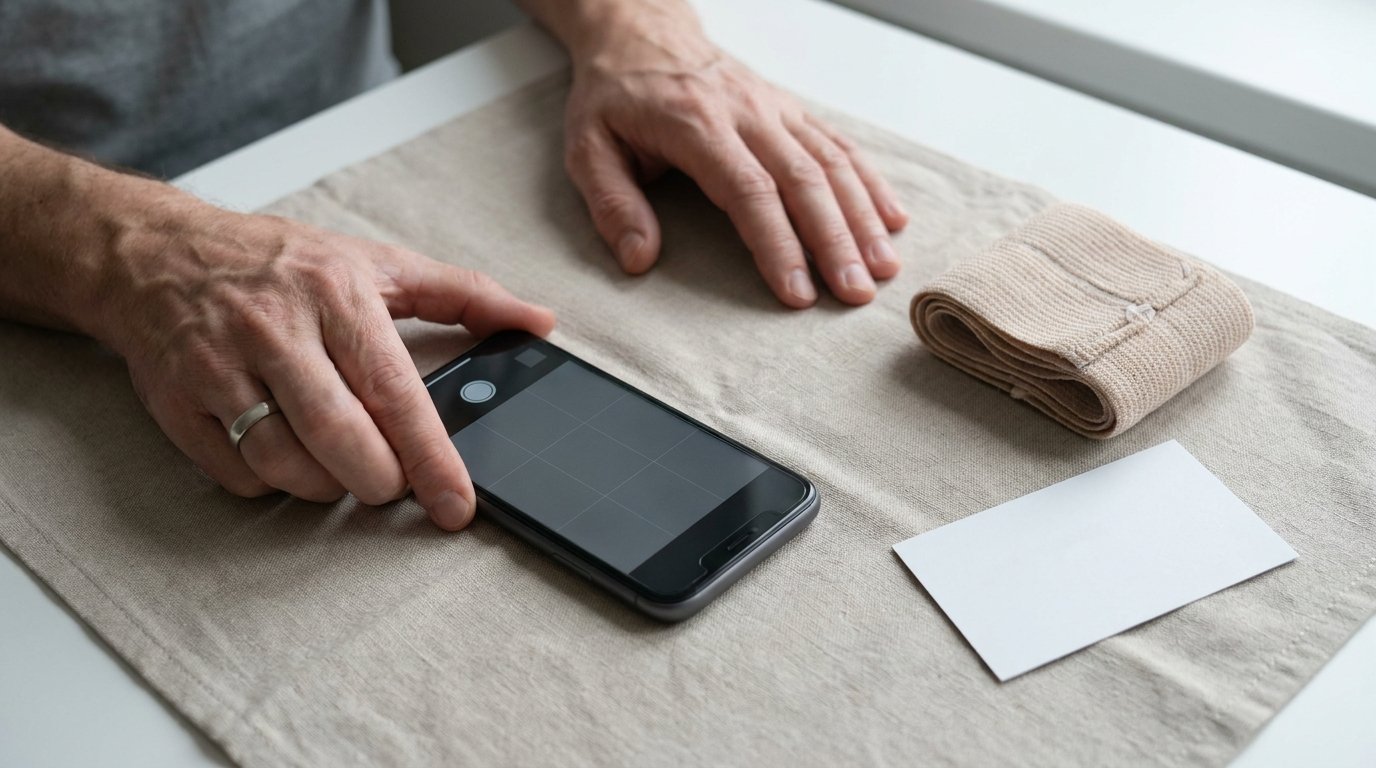
You should also seek review if you can feel a new lump in the breast or armpit, or if one breast develops delayed swelling. According to the NHS, these can be symptoms that need investigation in patients with implants, particularly when textured devices are involved.
A scan may include ultrasound, mammography in some settings, or MRI depending on the question the surgeon is trying to answer. The aim is not just to prove rupture. It is also to check for fluid, capsule problems, and the condition of the surrounding breast tissue.
🚨 Seek prompt care Rapid swelling, fever, redness, severe pain, or a new lump should be assessed promptly rather than left until your next routine appointment.
How is the decision made between removal only and replacement?
Removal only can be the right option if you no longer want implants, have enough natural breast tissue, or want to avoid another device. But it can leave the breast flatter, looser, or uneven, especially after large implants or long-term stretching.
Replacement may make more sense if you want to keep volume, correct asymmetry, or rebuild shape after rupture or contracture. In some patients, a breast lift is added because the skin has stretched and the nipple position has dropped over time. In others, the surgeon may suggest changing implant size, surface, or pocket position to reduce the chance of repeating the same problem.
The decision also depends on the capsule. The capsule is the scar tissue layer around the implant. Sometimes part of it is treated or removed. In other cases, full removal is not necessary. This is a surgical judgement based on symptoms, imaging, and what is found during the operation.
If you are travelling for treatment, it is important to know who is responsible for the medical decision. A health-tourism coordinator or clinic team may organise consultations, hospital bookings, and travel planning, but the diagnosis, consent, and operation plan should come from the qualified surgeon who will treat you. Before you travel, ask for the surgeon’s name, qualifications, and whether your case is expected to need implant exchange, lift, or capsule surgery.
The choice depends on your symptoms, breast tissue, implant position, skin quality, and your goals after surgery. Some patients want removal only. Others need replacement, a breast lift, or capsule surgery to restore shape and comfort. The safest plan is individual, not one-size-fits-all.
What is recovery like after medically needed implant removal or replacement?
Recovery depends heavily on what is actually done in theatre. A straightforward exchange is different from removal with capsulectomy, and both are different again from removal plus lift.
In the first few days, expect tightness, swelling, and tiredness. You may need help with luggage, overhead reaching, and anything that strains the chest. Most patients can walk around normally quite quickly, but they still need to take it easy. Driving, gym work, and lifting children usually need to wait until the treating surgeon says it is safe.
If a lift is part of the operation, scars and skin healing become a bigger part of the recovery picture. If the capsule is very thick or there is significant asymmetry to correct, the surgery may also be more involved.
For international patients, the practical question is how long to stay. In many cases, you should expect to remain in Turkey long enough for the early post-op checks, drain removal if used, and confirmation that healing is stable before flying home. The exact stay varies by the operation plan and by the treating surgeon’s advice. A simple exchange may allow a shorter stay than removal with lift or more extensive capsule surgery.
A realistic recovery guide looks like this:
📋 Travel planning matters Ask how many in-person checks the treating surgeon wants before you fly home. This is especially important if your surgery includes a lift, drains, or extensive capsule surgery.
Most patients need a lighter first week, with soreness, swelling, and reduced arm movement. Many can do desk-based tasks within one to two weeks, but full settling takes longer. If the surgery includes capsule work or a lift, recovery can be more demanding than a simple implant exchange.
Is it safe to travel to Turkey for implant revision or removal?
Travelling for breast implant removal or replacement can work well, but revision surgery is not something to treat like a quick city break. It needs proper records, good imaging if needed, and a clear plan for aftercare.
Ask whether the organisation you are speaking to is the treating medical provider or a coordinator arranging treatment with a surgeon and hospital. That difference matters. You want to know exactly who will assess you, who will operate, where the surgery will take place, and who handles complications if you need help after you return home.
A safe pathway usually includes a pre-travel review of your history, implant details if available, symptom photos when relevant, and scans when needed. It should also include written advice on flying, compression or support garments, medicines, and what to do if swelling, redness, fever, or one-sided enlargement happens after you get home.
If you are considering treatment, it is sensible to review the provider background on the about page, look at the listed medical team on the doctors page, and request a personalised plan through the consultation page. That helps you understand whether your case is suitable for travel and whether the proposed surgeon has relevant revision experience.
- →Ask for the treating surgeon’s full name and qualifications before you book.
- →Check whether your surgery will be done in a hospital and what aftercare is included.
- →Confirm how long you should stay in Turkey before flying home.
- →Ask what happens if you need urgent advice after you return to your own country.
It can be safe when the case is well selected, the surgery is performed by a qualified surgeon in an appropriate hospital setting, and you allow enough time for follow-up before flying. The biggest risks often come from rushed travel plans, poor assessment, and weak aftercare arrangements.
What affects the cost if there is no fixed price?
For this topic, a fixed public price would be misleading. Medical implant removal or replacement is too variable for that. One patient may need a simple removal. Another may need scan review, capsule treatment, new implants, a lift, and extra theatre time.
The main cost drivers are the complexity of the surgery, the hospital setting, the implant brand and type if you are replacing them, and whether there are added procedures such as a lift or asymmetry correction. Recovery needs can also affect the overall package, especially for international patients who need accommodation, transfers, and follow-up visits.
The safest way to compare quotes is not to look for the lowest figure. Instead, ask what is included, who the treating surgeon is, what hospital fees are covered, whether implants are included if replacement is planned, and how revision complexity may change the final quote after an in-person assessment.
A personalised quote should be confirmed only after consultation and review of your symptoms, examination findings, and any imaging.
There is no single standard price because implant revision can range from simple removal to complex reconstructive work. Cost usually depends on the surgeon’s plan, hospital fees, implant choice if replacement is needed, whether a lift is added, and how much capsule surgery is required. Final pricing is confirmed after consultation.
How do you choose the right surgeon and make a sensible plan?
Choose a surgeon who regularly deals with breast revision, not just straightforward first-time augmentation. Removal and replacement for medical reasons can be more complex because the surgeon may need to deal with scar tissue, stretched skin, asymmetry, or uncertain implant records.
Ask direct questions. How often does the surgeon perform revision breast surgery? What is the likely reason for your symptoms? Do you need imaging before travel? Is removal only realistic, or will your breast shape be poor without a lift? Who reviews you after surgery, and what happens if your recovery is slower than expected?
It also helps to be honest about your goal. Some patients mainly want the problem solved and do not mind losing volume. Others strongly want an aesthetic result as well. Neither is wrong, but the surgical plan changes depending on that priority.
This article is for informational purposes only and does not constitute medical advice. Always consult a qualified surgeon for personalised guidance.
Clear explanation of diagnosis, realistic discussion of shape after removal, written aftercare plan, and no pressure to book quickly.
A fixed one-size-fits-all plan, vague answers about who operates, or no clear advice on imaging, follow-up, and post-travel care.
Frequently Asked Questions
References
- 📎Elective Implant Removal and Replacement in Asymptomatic Aesthetic Patients with Textured Devices — Plastic and Reconstructive Surgery, 2021
- 📎Allergan’s silicone gel breast implants — Expert Review of Medical Devices, 2007
- 📎Breast implants
- 📎Breast implants: Saline vs. silicone
Related Articles


You Might Also Like



Related articles



Our specialists
 Clineca SpecialistErkan PinegözPlastic & Reconstructive Surgery
 Clineca SpecialistHakan AktaşPlastic & Reconstructive Surgery
 Clineca SpecialistOrkun UzuneyüpoğluPlastic & Reconstructive Surgery
 Clineca SpecialistSalim İskenderPlastic & Reconstructive Surgery
 Clineca SpecialistEngin SelamioğluPlastic & Reconstructive Surgery
 Clineca SpecialistCem AydınPlastic & Reconstructive Surgery
 Clineca SpecialistAlperen ÖnalEar, Nose & Throat (ENT)