Have a question about BBL?
In this article
- What is a BBL and what does BBL stand for?
- How is BBL surgery done step by step?
- How much is a BBL and what affects the price?
- How long is BBL recovery and how long do you need to stay in Turkey?
- Is BBL surgery safe and why does it need special caution?
- BBL vs butt implants vs buttock lift: which is the better option?
- What is BBL smell and how long does BBL smell last?
- How do you choose a safe surgeon and clinic for BBL abroad?
What is bbl surgery? A BBL, or Brazilian butt lift, is an operation that uses liposuction to remove your own fat from areas such as the abdomen, flanks or thighs and injects that fat into the buttocks to change shape and volume. In broad terms, patients should expect surgery-based recovery measured in weeks, not days; safety depends heavily on surgeon technique and assessment; and costs are variable and depend on the surgeon, the facility and what is included in the package. That said, suitability, final price, results and recovery time vary from person to person and need an in-person surgical assessment.
What is a BBL and what does BBL stand for?
BBL stands for Brazilian butt lift. It is a body contouring operation that combines liposuction with fat transfer: fat is taken from one part of your body, processed, and then injected into the buttocks to improve shape, projection or balance. It is surgery, not a simple beauty treatment, and not everyone is a suitable candidate.
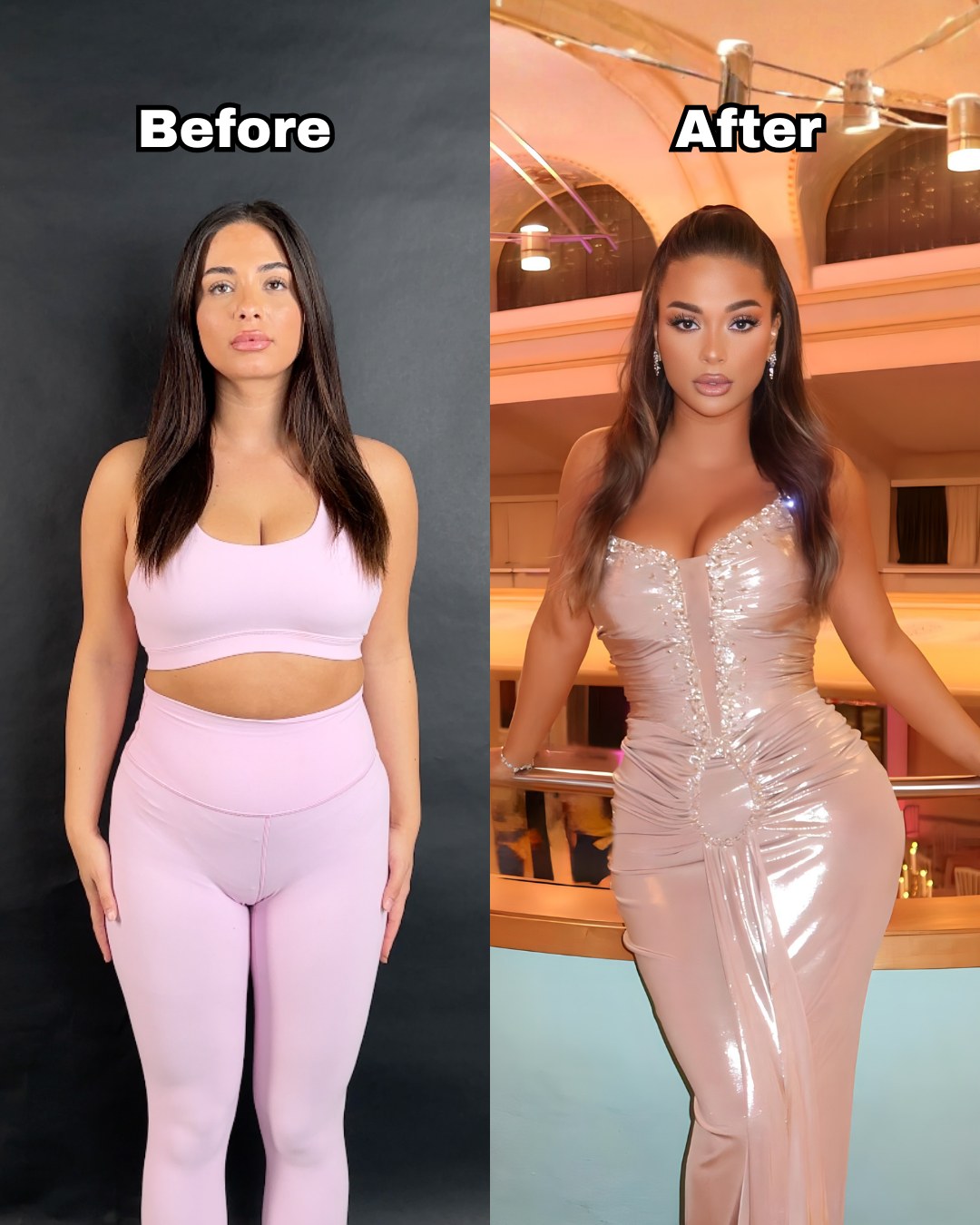
When people ask what is a BBL, they usually mean one specific procedure: a Brazilian butt lift. Despite the name, it does not usually involve lifting loose skin in the way a surgical face lift or buttock lift does. Instead, it reshapes the body by moving your own fat.
The basic idea is simple:
- ✓Fat is removed with liposuction
- ✓The fat is cleaned and prepared
- ✓Selected fat is injected into the buttocks and hips
This can make the waist look narrower and the buttocks look fuller at the same time. That is a big reason the procedure became popular.
A BBL is different from buttock implants. Implants use a silicone device placed surgically. A BBL uses your own tissue, so the feel can be softer and more natural for some patients, but the final volume depends on how much usable fat you already have.
If you want a simple overview of the procedure itself, this page on Brazilian butt lift surgery explains the treatment pathway: our full BBL in Turkey guide.
What a BBL can and cannot do
A BBL may help with:
- ✓Flatter or less projected buttocks
- ✓Poor waist-to-hip balance
- ✓Mild asymmetry
- ✓Shape changes after weight loss
It is less suitable if you:
- ✓Are very slim and do not have enough donor fat
- ✓Have major skin laxity that really needs a lift rather than fat transfer alone
- ✓Have health issues that increase anaesthetic or clotting risk
- ✓Expect a guaranteed cup-size style result, which fat transfer cannot promise
The American Society of Plastic Surgeons (ASPS) describes a Brazilian butt lift as fat grafting to the buttocks and notes that some transferred fat will not survive, which is why results are never completely predictable.
📋 Important wording point A BBL is mainly fat transfer and body contouring. It is not usually a true skin-tightening “lift” in the literal sense.
- ✓BBL = Brazilian butt lift
- ✓Uses your own fat, not filler
- ✓Includes liposuction plus fat injection
- ✓Needs proper surgical assessment, not just an online quote
How is BBL surgery done step by step?
BBL surgery usually has three main stages: liposuction, fat preparation and fat injection. The surgeon removes fat from donor areas, processes it, and reinjects it into the buttocks to improve contour. It is normally done under anaesthesia, and the exact plan depends on your body shape, skin quality and available fat.
Although techniques vary, the flow of surgery is fairly consistent.
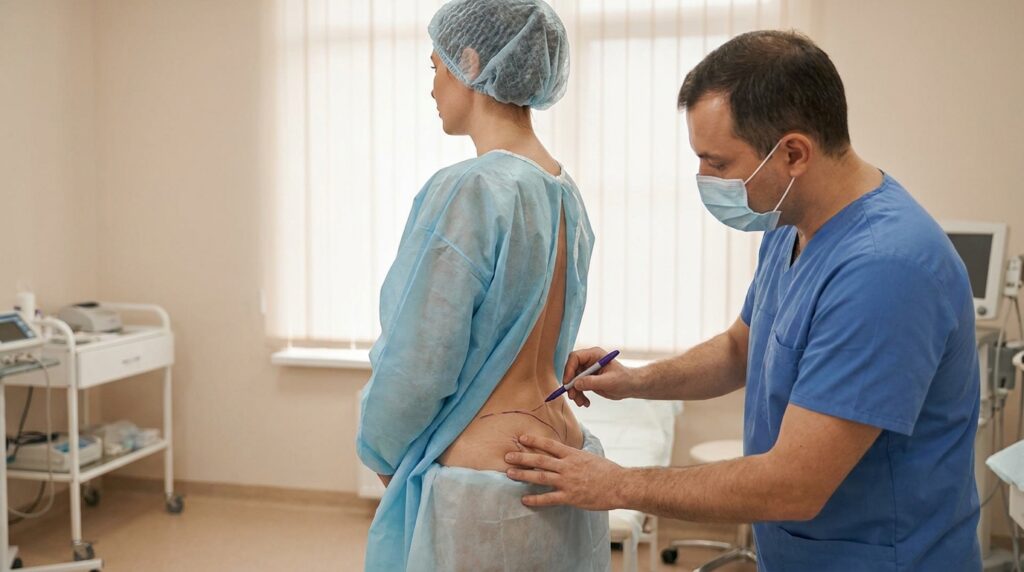
1) Marking and planning
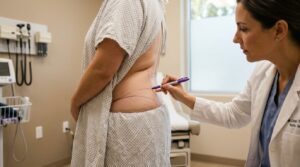
Before surgery, the surgeon marks the donor areas and the buttock zones to be shaped. This planning matters because a good BBL is not just about making the buttocks larger. It is also about proportion from the waist, lower back and hips.
2) Liposuction
Fat is usually taken from areas such as:
- ✓Abdomen
- ✓Flanks or “love handles”
- ✓Lower back
- ✓Thighs
- ✓Sometimes arms or other areas
The liposuction stage often contributes a lot to the final look. In many patients, the narrower waist and smoother transition into the hips are just as important as the added buttock volume.
3) Fat processing
The removed fat is filtered or separated so that the surgeon can use the healthiest fat cells possible. Not every bit of removed fat can be transferred back.
4) Fat injection
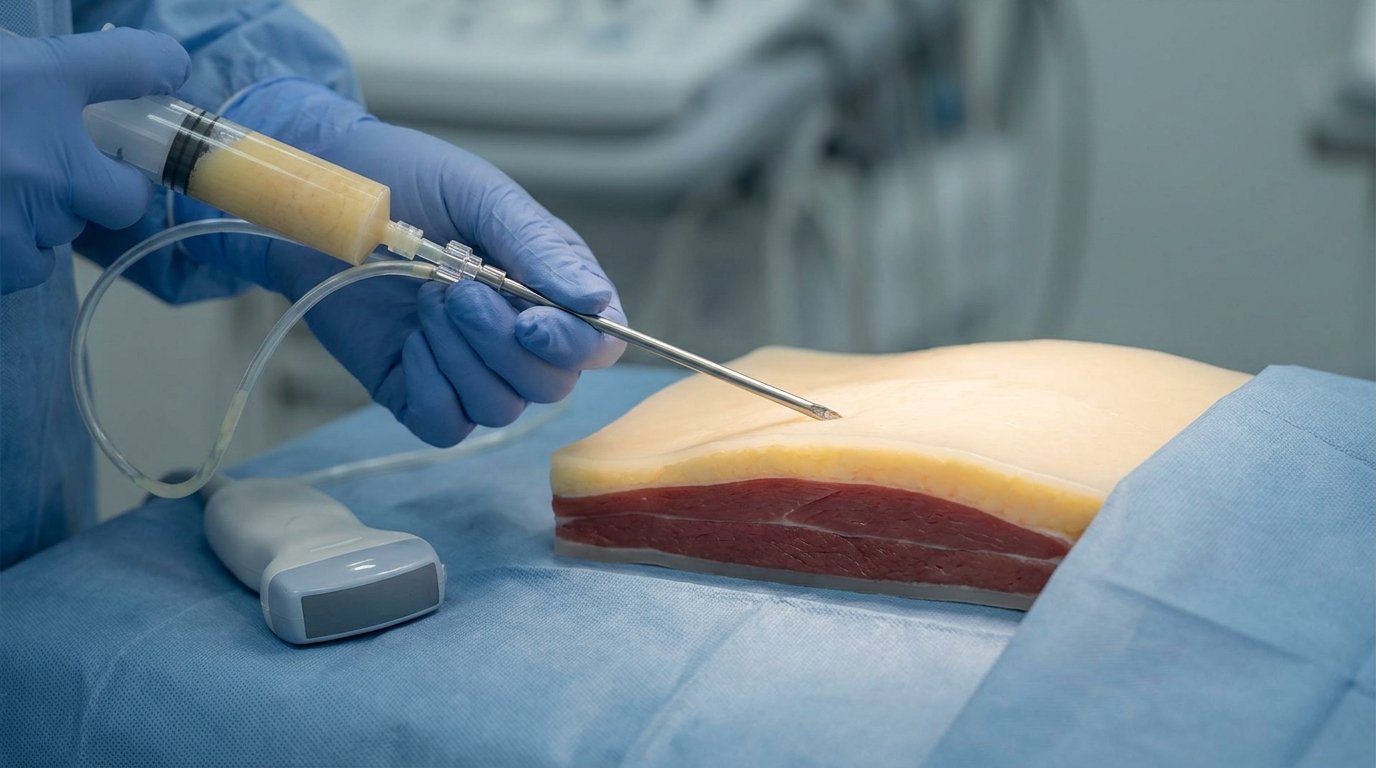
The prepared fat is injected in carefully planned layers to improve contour. This stage is where safety is critical. Multi-society safety guidance, including statements supported by plastic surgery organisations, has stressed that fat should be placed in the subcutaneous space above the gluteal muscle, not injected into the muscle, because of the risk of fat embolism.
5) Early recovery
Most patients go home the same day or after short observation, depending on the surgeon, facility and your medical status.
The NHS notes that cosmetic surgery abroad should be planned with the same care as surgery at home, including checking who will provide aftercare and what happens if complications arise once you return.
⚠️ Safety matters more than size The key modern safety issue in BBL surgery is where the fat is injected. Ask the surgeon how they avoid injection into the muscle and how they follow current gluteal fat grafting safety guidance.
How much is a BBL and what affects the price?
A BBL is a self-pay cosmetic procedure, and the final price varies widely. Every quote is individual — UK prices are often higher than international packages. The total depends on surgeon fees, hospital or clinic fees, anaesthesia, aftercare, garments, hotel needs and whether revision surgery is needed.
There is no one honest fixed number for a BBL. Prices change by country, surgeon experience, facility standards, the amount of liposuction needed, and what the package includes.
It is also worth separating headline surgery price from true total spend. Travel patients sometimes focus on the initial quote and forget flights, hotel nights, extra compression garments, prescription medicines, and the cost of staying longer if swelling, wound issues or anaemia slow recovery.
The figures below are indicative only, not guaranteed prices. A formal quote should only be confirmed after consultation and medical review.
📋 Price caveat A lower quote is not automatically better value. Ask exactly what is included, who provides aftercare, and what costs apply if you need urgent review or revision.
- ✓Ask whether blood tests, garments and medicines are included
- ✓Check if the quote includes one or more liposuction areas
- ✓Ask who covers costs if you need extra nights before flying home
- ✓Make sure there is a written aftercare plan
How long is BBL recovery and how long do you need to stay in Turkey?
Most people need at least two to three weeks before they feel more comfortable moving around normally, though swelling lasts longer and final shape takes months to settle. For medical travel, many surgeons advise staying around 7 to 14 days for early checks, but the exact stay depends on your operation, health and recovery progress.
Recovery is one of the parts patients underestimate most. You are healing in two places at once: the liposuction areas and the buttocks where fat was transferred.
The first week is usually the hardest. Expect soreness, swelling, bruising and limited comfort when changing position. Many patients are told to avoid direct pressure on the buttocks for a period advised by their surgeon. That can affect how you sit, sleep and travel.
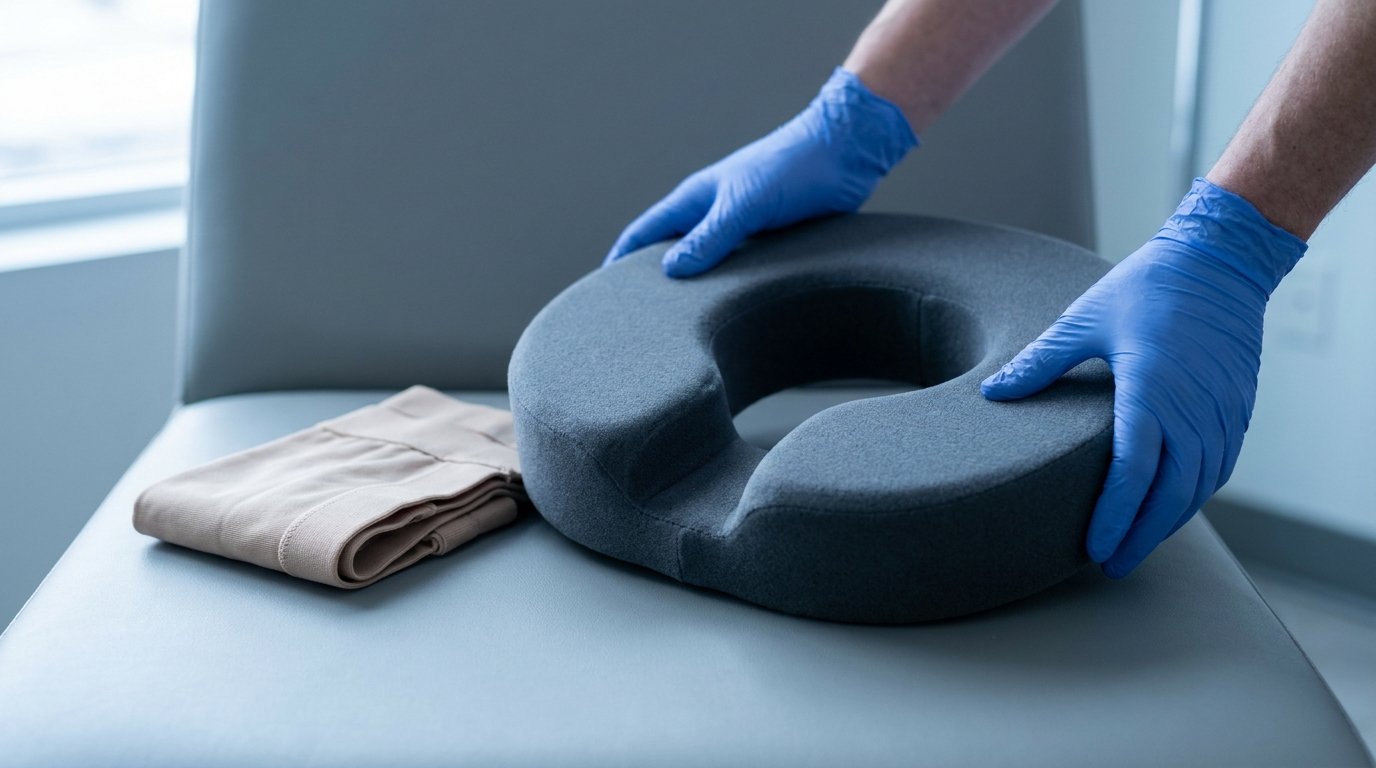
Below is a typical guide, but your surgeon’s plan comes first.
For health tourism, 7 to 14 days in Turkey is a common planning window for early checks, dressing changes and fit-to-fly review, but some people need longer. If you are combining BBL with other body surgery, recovery may be slower.
If you are also comparing contouring procedures, this guide to liposuction helps explain the donor-area part of recovery.
⚠️ Travel timing matters Do not assume you can have surgery and fly home a few days later. Recovery speed varies, and long flights can be uncomfortable and medically unwise too soon after surgery.
- →Plan help for the first few days
- →Do not book a rushed return flight
- →Expect compression garments and swelling
- →Ask when you can sit normally, exercise, drive and fly
Is BBL surgery safe and why does it need special caution?
BBL can be performed safely in the right setting, but it is widely recognised as a higher-risk cosmetic operation than many patients assume. The major concern is fat embolism if fat enters large blood vessels. Current safety guidance focuses on careful patient selection, appropriate facilities, and fat placement only in the subcutaneous layer above the muscle.
This is the most important section of the article.
A BBL is not just another “beauty procedure”. It has had serious safety concerns, and any honest guide should say that clearly. The main danger is fat embolism, where fat enters the bloodstream and travels to the lungs. That can be life-threatening.
The British Association of Aesthetic Plastic Surgeons (BAAPS) and international gluteal fat grafting safety statements have emphasised the same core point: fat should be injected only into the superficial, subcutaneous tissue and not into the gluteal muscles. Many surgeons also use real-time ultrasound guidance to help confirm where the cannula tip is during fat placement.
The NHS advises that anyone considering cosmetic surgery should make sure they understand the risks, possible complications and aftercare arrangements. That is especially relevant if you are travelling abroad.
Questions worth asking a surgeon
- ✓Are you a specialist plastic surgeon, and what is your training in BBL specifically?
- ✓Where exactly do you place the fat?
- ✓Do you use ultrasound guidance during fat injection?
- ✓What is your policy if I do not have enough donor fat?
- ✓What are the warning signs after surgery that mean I need urgent care?
- ✓Who reviews me if I have a problem after I go home?
Red-flag symptoms after surgery
Get urgent medical help if you develop:
- ✓Sudden shortness of breath
- ✓Chest pain
- ✓Fainting or collapse
- ✓Severe calf pain or one-sided leg swelling
- ✓Fever, spreading redness or foul-smelling discharge
Those symptoms do not always mean a life-threatening complication, but they should not be ignored.
🚨 Do not choose on social media photos alone Before-and-after images can be selective. Safety standards, emergency cover, operating environment and surgeon technique matter far more than a viral result.
The surgeon explains limits, talks about risk in plain language, and is willing to say no if you are not a suitable candidate.
You are pushed toward a very large volume result without proper examination or clear discussion of risk, aftercare and fit-to-fly timing.
BBL vs butt implants vs buttock lift: which is the better option?
The best option depends on your starting shape, skin quality and how much fat you have available. A BBL suits patients who want more volume and contour using their own fat. Implants may suit very slim patients with little donor fat. A buttock lift is more about loose skin than added fullness.
If you are slim, a BBL may simply not give the size increase you want because there is not enough donor fat. In that case, implants or a different body-contouring plan may be discussed. If loose skin is the main problem, a lift may address the issue better than fat alone.
For comparison reading, these pages cover buttock augmentation with implants and buttock lift surgery.
The better option is not the trendier one. It is the one that matches your anatomy and risk profile.
Implants may be discussed, but they come with a different set of risks and a different feel.
A buttock lift may be more appropriate than adding volume alone.
What is BBL smell and how long does BBL smell last?
“BBL smell” is not the surgery itself. Online, the phrase often refers either to an odour from healing garments, drainage fluid or poor wound hygiene after a Brazilian butt lift, or to an unrelated internet meaning of BBL. A strong, worsening or foul smell after surgery can be a warning sign and needs medical review.
This is one of those search terms that causes confusion.
In a cosmetic surgery context, BBL smell is not a normal named stage of the operation. People usually mean one of three things:
- ✓Odour from compression garments or body fluids in the first days after surgery
- ✓Smell from drainage, sweat or difficulty washing properly during recovery
- ✓A possible sign of infection or wound breakdown
A mild stale smell from dressings or garments can happen if there has been leakage from liposuction sites, especially early on. That is unpleasant, but not automatically dangerous. A foul, worsening or infected smell is different, especially if you also have fever, increasing pain, redness or discharge.
How long does BBL smell last? If it is simply from garments, sweat or temporary drainage, it often improves once wounds are checked, dressings are changed and you can clean the area more normally. If the smell persists or worsens, contact your surgical team or seek urgent local medical advice.
Do not rely on social media threads for this. Smell plus fever or spreading redness should be treated as a medical question, not a cosmetic nuisance.
⚠️ When smell is a red flag A bad odour with fever, increasing pain, swelling, pus or spreading redness may suggest infection and needs prompt assessment.
How do you choose a safe surgeon and clinic for BBL abroad?
Choose a surgeon and facility the way you would for any serious operation: verify qualifications, ask who provides anaesthesia and aftercare, and make sure emergency arrangements are clear. For BBL specifically, ask about subcutaneous-only fat placement and whether ultrasound guidance is used during injection.
This is where neutral planning matters more than marketing.
If you are travelling for surgery, look past package language and ask practical questions. You need to know who is operating, where you will be treated, and what happens if something goes wrong after you fly home.
A sensible checklist
- ✓Confirm the surgeon’s name and qualifications before paying a deposit.
- ✓Ask where the operation takes place and what level of facility it is.
- ✓Ask who gives the anaesthetic.
- ✓Ask whether there is overnight monitoring if clinically needed.
- ✓Ask for written aftercare instructions.
- ✓Ask who handles complications after you return home.
- ✓Avoid clinics that minimise the seriousness of BBL risk.
The NHS warns that if you have cosmetic surgery abroad, follow-up care may be difficult if complications arise after you return to the UK. That does not mean you should never travel. It means you should plan for that possibility before surgery.
If you want to check a provider’s background, these pages identify the organisation and medical team: about Clineca and how the clinic is organised and the surgeons who operate here.
- ✓Named surgeon with verifiable credentials
- ✓Clear explanation of BBL-specific safety technique
- ✓Transparent aftercare and emergency plan
- ✓Realistic discussion of limits, not just ideal results
Frequently Asked Questions
References
- 📎American Society of Plastic Surgeons – Brazilian Butt Lift
- 📎NHS – Cosmetic surgery abroad
- 📎British Association of Aesthetic Plastic Surgeons – Gluteal Fat Grafting Safety
Related Articles


You Might Also Like



Related articles

Our specialists
 Clineca SpecialistErkan PinegözPlastic & Reconstructive Surgery
 Clineca SpecialistHakan AktaşPlastic & Reconstructive Surgery
 Clineca SpecialistOrkun UzuneyüpoğluPlastic & Reconstructive Surgery
 Clineca SpecialistSalim İskenderPlastic & Reconstructive Surgery
 Clineca SpecialistEngin SelamioğluPlastic & Reconstructive Surgery
 Clineca SpecialistCem AydınPlastic & Reconstructive Surgery
 Clineca SpecialistAlperen ÖnalEar, Nose & Throat (ENT)