
Have a question about BBL?
In this article
- What BBL Stands For, and Why the Name Is a Little Misleading
- What Actually Happens During a BBL
- What a BBL Can Change, and What It Cannot
- Is a BBL Safe? The Honest Answer About Risk
- BBL Recovery: The Timeline Patients Are Rarely Warned About
- What Drives the Cost of a BBL, and How Long to Stay in Turkey
- Can a BBL Be Combined With Other Surgery?
- Choosing a Surgeon and Clinic You Can Actually Check
Three letters turn up in almost every conversation about body contouring, usually with very little explanation attached. Before you start comparing clinics, quotes or before-and-after photos, it is worth asking what does BBL stand for — and whether the name actually describes what happens in the operating room. The short version and the accurate version are not quite the same thing, and the difference matters for what you should expect.
What BBL Stands For, and Why the Name Is a Little Misleading
BBL stands for Brazilian Butt Lift. You will also see it written as Brazilian buttock lift, and in surgical notes it usually appears under a much drier name: gluteal fat grafting, autologous fat transfer to the buttocks, or fat transfer buttock augmentation.
The “Brazilian” part is a nod to the Brazilian surgeons who popularised body-contouring techniques that emphasise curve and proportion rather than simple size. It does not mean the operation is performed in Brazil, and it does not describe a single patented method. Every surgeon who performs it has their own approach to harvesting and placing the fat.
The word “lift” is the part that causes the most confusion. A BBL does not lift skin. Nothing is cut away and nothing is pulled upward. Volume is added in specific places so the buttocks look fuller and more projected, which can create the visual impression of a lift — but the mechanism is completely different from a surgical buttock lift, where loose skin is actually removed through an incision. If you want the full picture of the operation itself rather than just the terminology, our overview of what BBL surgery involves goes step by step.
So a more honest translation of the abbreviation would be something like: reshaping the buttocks using your own fat, moved from somewhere else on your body.
📋 Two different operations, similar names A Brazilian Butt Lift adds volume with your own fat. A buttock lift removes excess skin surgically and leaves a scar. Patients with significant skin laxity after major weight loss are often better suited to the second, or to a combination — a surgeon should tell you which group you fall into.
What Actually Happens During a BBL
A BBL is really two operations performed in one session, under general anaesthesia, and this is the part patients ask about most often.
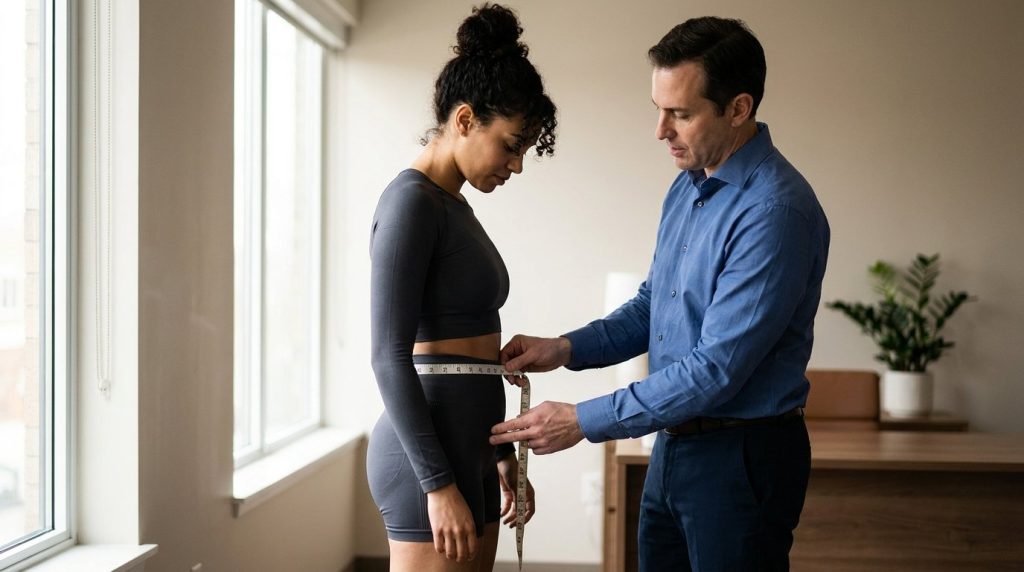
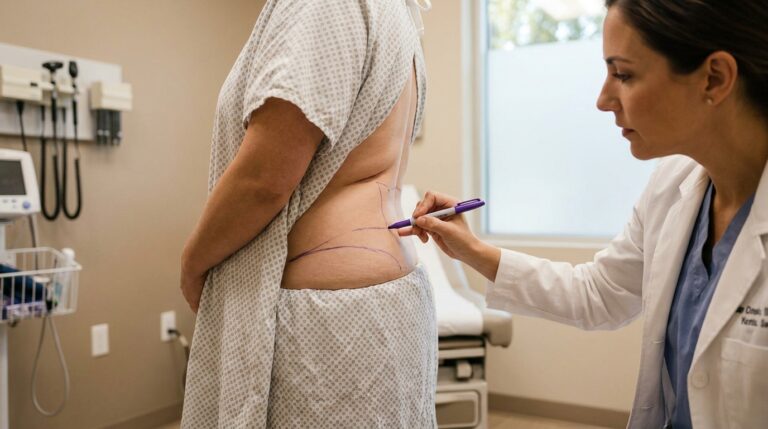
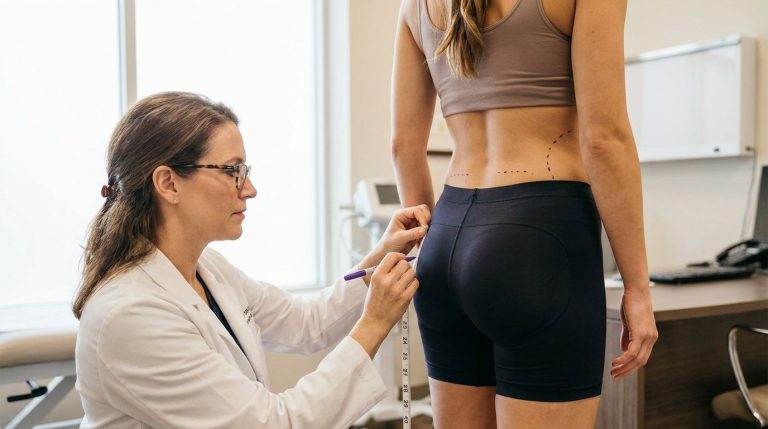
The first stage is liposuction. The surgeon removes fat from areas where you have a surplus — most commonly the abdomen, waist, flanks, lower back and sometimes the inner thighs or upper back. This stage is not just about collecting raw material. Slimming the waist and lower back is what creates the contrast that makes the buttocks read as fuller, which is why many patients are effectively buying a waist-to-hip change rather than a buttock enlargement alone.
The second stage is the transfer. The harvested fat is processed to separate usable fat cells from blood, fluid and anaesthetic solution. It is then injected back in very small amounts, through multiple passes and several tiny entry points, into the fatty layer of the buttocks. Volume is placed deliberately: upper outer fullness to soften hip dips, central projection, or a rounder lower curve, depending on what you and the surgeon agreed.
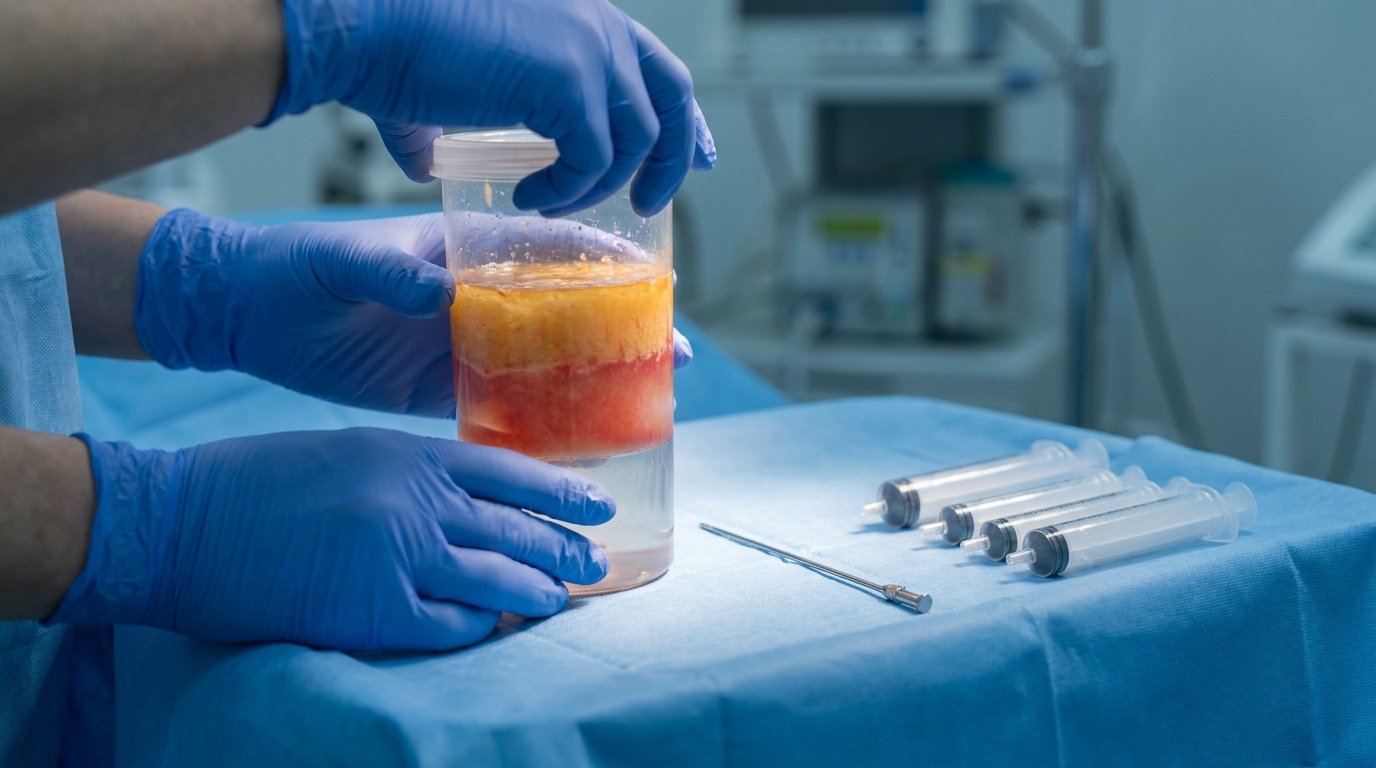
Not all of the transferred fat survives. A proportion is reabsorbed by the body in the first weeks and months, which is why surgeons over-transfer to a sensible degree and why the shape you see on day three is not the shape you keep. Patients who have had an energy-assisted version of the procedure often ask whether fat survival differs; technique names change, but the underlying principle of gentle handling and thin layering does not.
What a BBL Can Change, and What It Cannot
A BBL works well for adding projection, smoothing the transition between waist and hip, and improving symmetry between two sides that were never quite even. It can also soften the sharp indentation some people have at the upper outer buttock.
What it cannot do is create volume out of nothing. You need donor fat, and a genuinely slim patient may not have enough to reach the result they have in mind. This is one of the most common reasons a surgeon says no, or suggests a staged plan, or raises implants as an alternative — a trade-off we compare in detail in our piece on whether fat transfer or implants suit buttock augmentation better.
It also does not tighten skin. If the main issue is sagging rather than flatness, adding fat can make loose skin look heavier rather than firmer. And it does not treat cellulite, which sits in the fibrous bands under the skin rather than in the fat volume itself.
You have enough fat elsewhere to harvest, reasonably elastic skin, a stable weight, and you want shape and proportion rather than a dramatic size jump.
Very low body fat with no realistic donor site, significant loose skin, ongoing weight fluctuation, active smoking, or an expectation that photos of a different body type can be reproduced on yours.
Buttock implants for very slim patients, a surgical buttock lift where skin excess dominates, or 360-degree liposuction alone if the real goal is a smaller waist.
Is a BBL Safe? The Honest Answer About Risk
This is the question that deserves a straight answer, because the Brazilian Butt Lift has carried a worse safety reputation than most cosmetic procedures, and for a specific technical reason.
The serious risk is fat embolism: fat entering a damaged large vein in the gluteal region and travelling to the lungs or heart. This risk is strongly linked to injecting fat deep into or beneath the gluteal muscle, where the large veins run. The safety consensus in plastic surgery has moved firmly toward placing fat only in the layer above the muscle, keeping the cannula angled away from deep structures, and in many practices using ultrasound to confirm the depth in real time. A surgeon who cannot explain to you where the fat is going, and why, is not the right surgeon.
The more ordinary risks are the ones you are statistically far more likely to meet: asymmetry, uneven fat survival leaving small contour irregularities, firm lumps of fat that did not survive, prolonged swelling, seroma, infection, or a result that is simply smaller than you hoped once reabsorption is complete. General anaesthetic risk and the risk of blood clots also rise when a BBL is combined with other long procedures, which is part of why total operating time matters.
Risk also depends heavily on how much liposuction is performed at the same time, whether the clinic operates in a licensed hospital with overnight monitoring, and whether there is an anaesthetist who stays with you rather than moving between rooms.
⚠️ Questions that separate careful clinics from careless ones Ask which layer the fat will be injected into, whether ultrasound guidance is used, how much fat is planned for removal in total, where you will spend the first night, and who is responsible if something needs reviewing after you fly home. Vague answers are the red flag, not detailed ones.
BBL Recovery: The Timeline Patients Are Rarely Warned About
Recovery after a BBL is not especially painful for most people, but it is genuinely inconvenient, and the inconvenience lasts longer than a week. The liposuction sites often hurt more than the buttocks, with a deep bruised ache that responds well to simple painkillers.
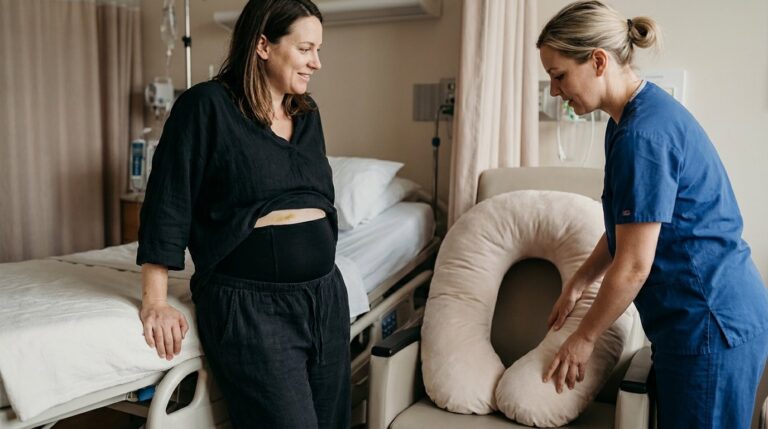
The sitting restriction is the part that reshapes your life for a while. Pressure on freshly transferred fat can reduce how much of it survives and can flatten the shape unevenly, so most surgeons ask patients to avoid sitting directly on the buttocks for the first weeks, then to sit on a cushion that shifts the load onto the thighs. Sleeping is on your front or side. Flying home means standing, kneeling on the seat or sitting on a specialist cushion, and it means planning walking breaks for clot prevention.
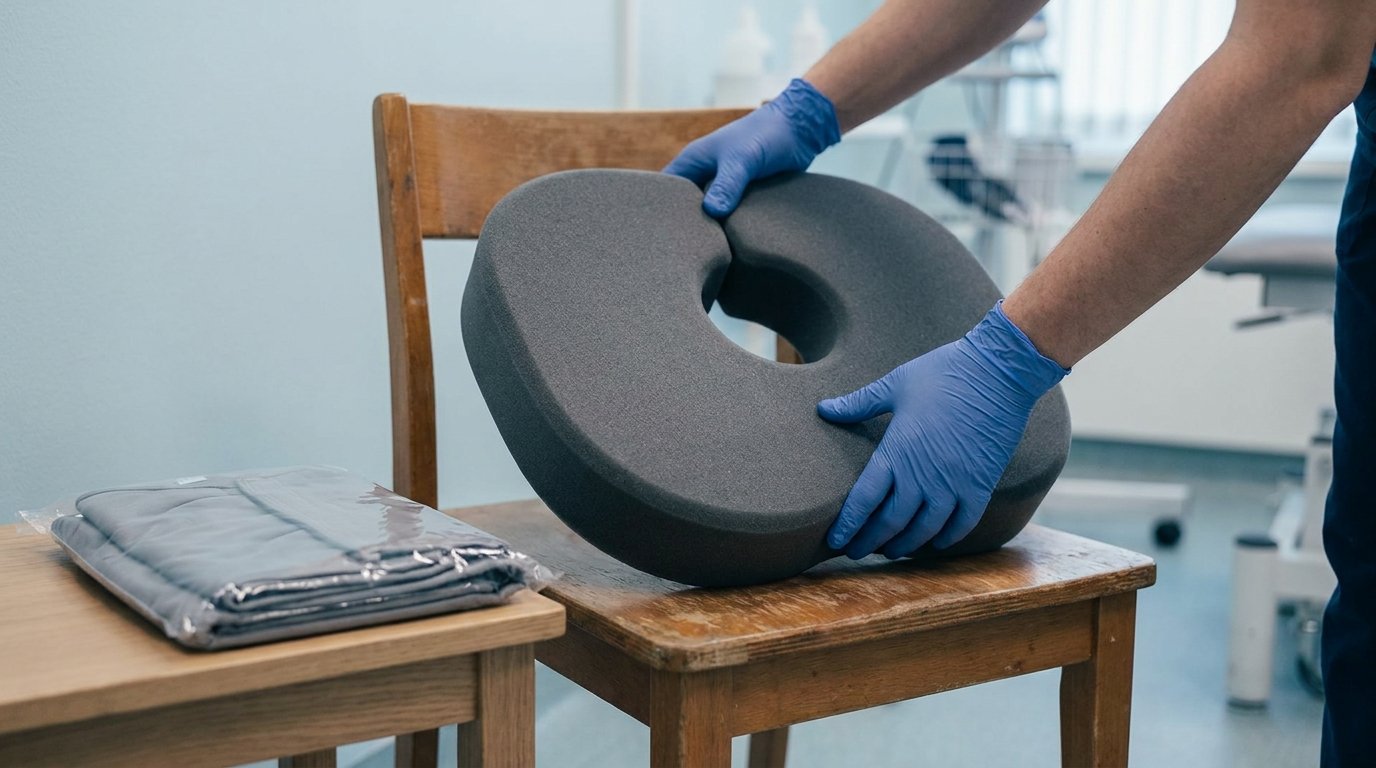
Swelling behaves in two directions at once, which confuses people. The buttocks look their biggest in the first days and then shrink as swelling settles and some fat is reabsorbed, while the liposuction areas look their worst in weeks two and three before slowly tightening. The true result usually declares itself somewhere around the three-to-six-month mark. Our week-by-week BBL recovery guide covers the day-to-day detail.
📋 Plan the flight home, not just the flight out The return journey is the harder one. A long-haul seat and a no-sitting instruction do not combine easily, so agree the timing and the seating arrangement with your surgeon before you book.
What Drives the Cost of a BBL, and How Long to Stay in Turkey
Cost is one of the two things patients ask about before anything else, and it is also where comparing figures across clinics goes wrong most easily. Two quotes can look wildly different simply because one includes far more surgery than the other.
The most important reason is that a BBL is very often not the whole plan. Among the BBL treatments we arrange, roughly 54% are booked alongside at least one other procedure — most commonly extended liposuction or a tummy tuck. If that is the shape of your plan too, the realistic budget to hold in your head is a combined one, and a price you saw quoted for a standalone BBL will not be the price you are offered. That is not an upsell; it is usually what makes anatomical sense, because slimming the waist is half of what creates the result.
The number of liposuction zones, total operating time, whether you stay in hospital overnight, the anaesthesia team, the grade of compression garment and whether revision policy is included all move the figure as well. A proper quote should say plainly what is covered, including hotel nights, airport transfers, translator support and post-operative checks. Our BBL in Turkey guide explains how these packages are normally assembled. A personalised price can only be confirmed after a consultation with photographs and a medical history, because the plan drives the price rather than the other way round.
For travel, most patients plan on staying around seven to ten nights in Turkey. That covers pre-operative tests, the surgery itself, the early recovery days when you should not be in the air, and at least one review before you leave. A combined plan with a tummy tuck usually sits at the longer end of that window, because the stay is set by the bigger operation, not the smaller one.
Can a BBL Be Combined With Other Surgery?
Yes, and it frequently is — liposuction of the abdomen and flanks is effectively built into the procedure, so the real question is what gets added on top.
The common pairings we see are a BBL with extended liposuction of the back and thighs, a BBL with a tummy tuck where pregnancy has left loose skin and separated muscles, and a BBL with breast surgery as part of a broader body plan. Some patients ask about adding rhinoplasty in the same trip. It is technically possible, but it stretches anaesthesia time and complicates positioning, since one procedure wants you face down and the other wants your head undisturbed.
The limits are practical rather than arbitrary. Total time under anaesthesia, total blood loss, total volume of fat removed and the safety of positioning all have to stay within sensible bounds. A surgeon who agrees to everything you ask for in one sitting is not being accommodating; staging over two trips is sometimes the safer plan, and a good clinic will say so even though it is the less commercially attractive answer.
Choosing a Surgeon and Clinic You Can Actually Check
Because the serious risk in a BBL is technique-dependent, surgeon selection carries more weight here than in many other cosmetic procedures. Start with verifiable credentials: a surgeon registered as a specialist in plastic, reconstructive and aesthetic surgery, working in a licensed hospital or surgical facility, with recognised board certification and ideally European or international accreditation.
Ask to see before-and-after photographs of patients with a similar starting body type to yours, not the most dramatic cases in the portfolio. Requests for realistic photos are among the most frequent things patients raise with us, and a clinic that can only show a handful of highly filtered images is telling you something. Equally, be wary of galleries that all look like the same body — good results should vary because bodies do.
Pay attention to how the conversation feels before you commit. Slow replies, a coordinator who cannot answer a clinical question or get one answered, and a plan that changes depending on who you speak to are all reasons to hesitate. Clear communication before surgery tends to predict clear communication afterwards, which is exactly when you will need it most.
Finally, agree the follow-up path in writing: who reviews you before you fly home, how you send photos if something worries you at week three, and what happens if a revision is ever discussed. Fat grafting results settle over months, so aftercare that ends at the airport is not aftercare.
This article is for informational purposes only and does not constitute medical advice. Always consult a qualified surgeon for personalised guidance.
- ✓Verifiable specialist registration: You can find the surgeon’s name on a national medical register or specialist board listing, not only on the clinic’s own website.
- ✓Licensed hospital setting: Surgery and the first night take place somewhere with resuscitation facilities and staff present overnight.
- ✓A written, itemised plan: Procedures, liposuction areas, hospital nights, garments and follow-up are all listed before you pay anything.
- ✓A named point of contact after you fly home: Someone specific answers post-operative questions, with a clear route back to the surgeon.
Frequently Asked Questions
References
Related Articles



You Might Also Like


Related articles
Our specialists
 Clineca SpecialistErkan PinegözPlastic & Reconstructive Surgery
 Clineca SpecialistHakan AktaşPlastic & Reconstructive Surgery
 Clineca SpecialistOrkun UzuneyüpoğluPlastic & Reconstructive Surgery
 Clineca SpecialistSalim İskenderPlastic & Reconstructive Surgery
 Clineca SpecialistEngin SelamioğluPlastic & Reconstructive Surgery
 Clineca SpecialistCem AydınPlastic & Reconstructive Surgery
 Clineca SpecialistAlperen ÖnalEar, Nose & Throat (ENT)