Have a question about Teeth Reshaping?
In this article
- What is teeth reshaping, and when is it a safe option?
- Who is a good candidate for reshaping instead of bonding or veneers?
- What are the risks and downsides of teeth reshaping?
- How does teeth reshaping compare with bonding for small chips?
- What is recovery like after teeth reshaping?
- What affects the cost, and what should a quote include?
- How long should you stay in Turkey, and how do you choose a safe clinic?
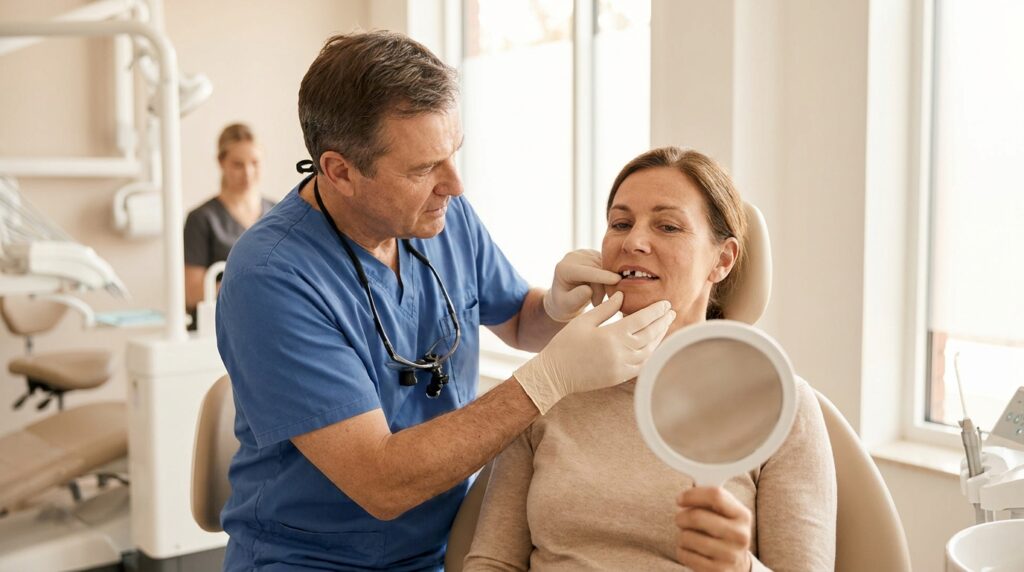
Yes, teeth reshaping can be safe for minor chips and uneven edges when a dentist confirms there is enough healthy enamel to work with, the bite is stable, and the problem is truly small. If you are asking is teeth reshaping safe for minor chips and uneven edges, the short answer is usually yes for the right candidate, but it is not the best choice for every chip, and the change is permanent because a thin layer of enamel is removed.
What is teeth reshaping, and when is it a safe option?
Teeth reshaping is a simple dental technique used to smooth rough edges, soften a pointy corner, or make front teeth look more even. The dentist removes a very small amount of enamel, which is the hard outer layer of the tooth. Because enamel does not grow back, the treatment needs careful planning.
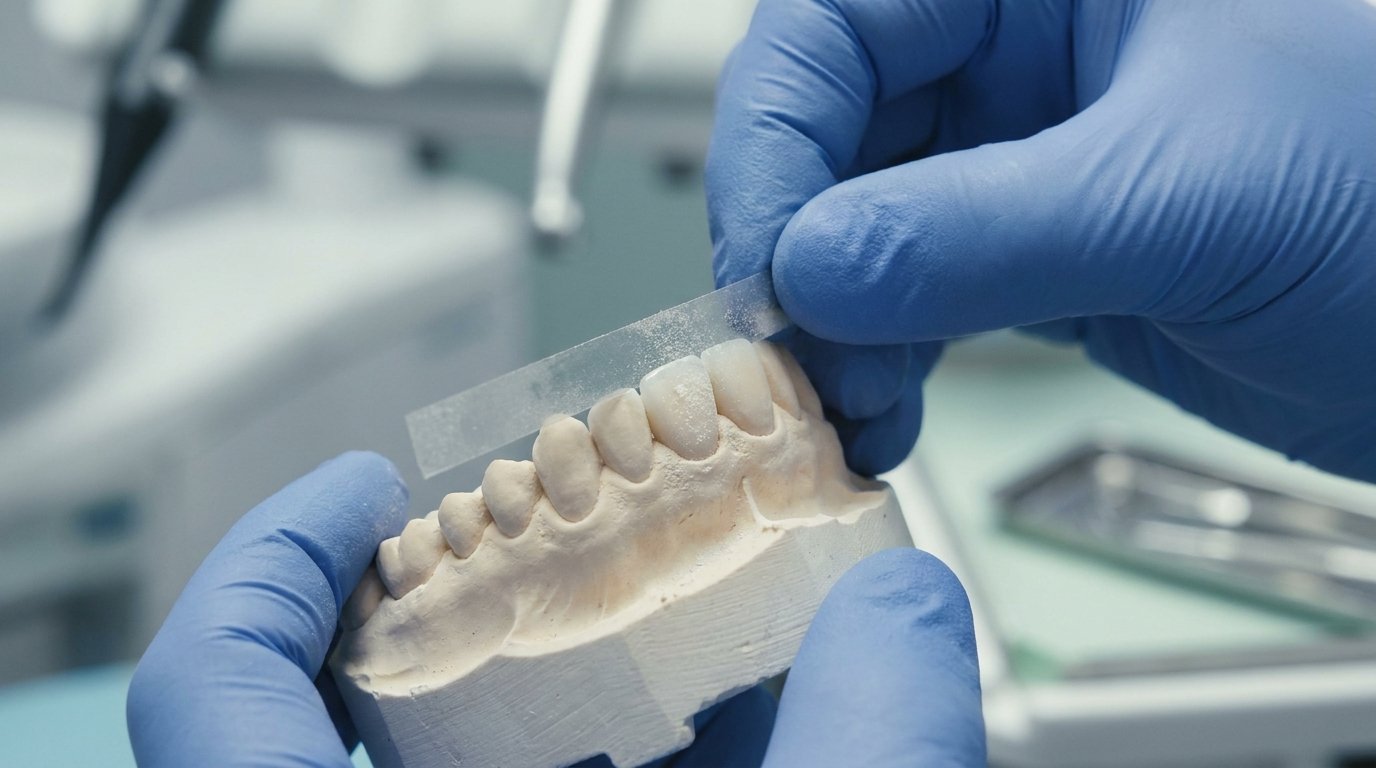
For the right person, reshaping is one of the least invasive cosmetic options. It does not usually involve injections, drilling deep into the tooth, or a long healing period. That is why it is often considered for tiny chips, slightly uneven front teeth, or edges that catch the light in an unflattering way.
Safety depends less on the name of the treatment and more on the starting tooth. A dentist should check for thin enamel, cracks, tooth decay, grinding, gum recession, and bite problems before doing anything cosmetic. The NHS advises that cosmetic dental work should only be carried out after teeth and gums are healthy, which is an important point for anyone thinking about treatment abroad.
If the flaw is very small, reshaping may be enough on its own. If the chip is deeper, if dentine is exposed, or if the tooth already feels sensitive, another treatment may protect the tooth better.
⚠️ It is permanent Even though only a tiny amount of enamel is removed, teeth reshaping is not reversible. A careful assessment matters more than speed.
Teeth reshaping, also called enamel contouring, is a conservative cosmetic dental treatment that smooths or shortens tiny irregularities in the outer tooth surface. It is usually safe for small chips and uneven edges if the enamel is thick enough, the tooth is healthy, and only a very limited adjustment is needed.
Who is a good candidate for reshaping instead of bonding or veneers?
A good candidate usually has a very small cosmetic issue rather than true damage. Think of a front tooth with a faintly jagged edge, a tiny chip that does not affect function, or one tooth that looks slightly longer than the one next to it. In those cases, removing a tiny amount of enamel may create a cleaner and more balanced look.
It is less suitable when the tooth needs to be built up rather than reduced. That often happens with a more visible chip, an edge that has broken unevenly, or a tooth that looks short and worn. In those situations, adding material with dental bonding can make more sense because bonding restores shape instead of taking more away.
Veneers may be discussed when the concern is broader than one edge. For example, if the patient also wants to change colour, width, or several front teeth at once, reshaping alone may not achieve the result they want. Veneers are more involved, though, and they remove more tooth structure than simple contouring.
A dentist should also be cautious if you clench or grind your teeth, have a history of chipped incisors, or have very translucent edges. Those teeth can already be under stress, and removing enamel may not be the wisest option unless the bite is managed first.
Tiny chips, slight unevenness, pointy corners, or one edge that is just a little longer than the others.
Larger chips, exposed dentine, weak enamel, worn teeth from grinding, or shape changes that require adding material.
What are the risks and downsides of teeth reshaping?
The biggest trade-off is simple: you are subtracting from the tooth, not adding to it. If the dentist removes too much enamel, the tooth can look flat, thin, or less natural in certain light. That is why the safest reshaping is usually the smallest reshaping.
Some people notice short-term sensitivity afterwards, especially if they already had sensitive teeth. According to the Mayo Clinic, tooth sensitivity can happen when the protective outer structure is reduced or when the tooth surface becomes more reactive. This does not mean contouring is unsafe, but it does mean a good pre-treatment exam matters.
There is also a cosmetic risk. A tiny chip can often be softened beautifully, but trying to correct a more obvious flaw with reshaping alone can leave the tooth looking shorter rather than better. In other words, the wrong treatment choice can create disappointment even if the procedure itself was technically done well.
Poor case selection is where safety problems usually start. If a chip is actually a crack, if decay is hidden near the edge, or if the tooth is breaking because of grinding, smoothing the edge does not solve the real issue. A proper dental exam, photos, and bite check are more important than a quick polish.
🚨 Do not treat unexplained chipping as purely cosmetic Repeated chipping can be a sign of grinding, bite trauma, or weakened tooth structure. The cause should be checked before any cosmetic smoothing.
- ✓Ask whether the chip is only in enamel or deeper into the tooth.
- ✓Ask how much enamel would be removed and why.
- ✓Ask whether grinding, clenching, or bite imbalance caused the damage.
- ✓Ask what the back-up plan is if reshaping alone will not look natural.
The main downside is that reshaping removes enamel permanently, so the treatment must stay conservative. Risks are usually low when the adjustment is small and the tooth is healthy, but over-reshaping can lead to sensitivity, unnatural edges, bite issues, or a result that is difficult to reverse.
How does teeth reshaping compare with bonding for small chips?
This is the comparison most patients actually need. If your issue is a tiny sharp edge, reshaping may be enough. If a piece of the tooth is missing and you want the original outline back, bonding often gives the dentist more control.
Bonding also has an advantage when the goal is to preserve enamel. Instead of removing more of the natural tooth, the dentist can add composite resin to rebuild the contour. That can be helpful if the chip is visible when you smile or if both front teeth need to match closely.
Reshaping, though, can be the cleaner option when the difference is very slight. There is no added material to maintain, and no colour matching issue between resin and enamel. For the smallest irregularities, that simplicity is part of its appeal.
If you are comparing options, it helps to look at the long game rather than just the chair time. A conservative dentist should explain not only what can be done today, but what will leave the tooth in the strongest position years from now.
Reshaping works by gently reducing a small area of enamel, while bonding rebuilds the tooth with tooth-coloured material. Reshaping is simpler and very conservative in the right case, but bonding is often safer for chips that need support, not just smoothing. The best option depends on whether the tooth needs less structure or more.
What is recovery like after teeth reshaping?
Recovery is one of the easier parts of this treatment. In many cases, you can eat, speak, and carry on with the day as normal once the appointment is over. There are no stitches, and there is usually no visible swelling.
The first thing you may notice is not pain but awareness. The edge feels different with your tongue because it has changed shape, even if only slightly. That feeling often settles once your mouth gets used to the new contour.
A few people get mild sensitivity to cold foods or drinks for a short period. If that happens, it is usually manageable by avoiding very icy drinks and using a toothpaste for sensitive teeth if your dentist advises it. If sensitivity is strong, lasts, or appears when biting, the tooth should be checked.
For international patients, this is one of the easier cosmetic dental treatments to fit into a short trip. Still, it is wise to leave enough time for an in-person review, especially if reshaping is combined with teeth whitening, bonding, or other smile treatments.
Recovery after minor enamel reshaping is usually short because there is no surgical wound and little disruption to daily life. Many people return to normal activities right away, although mild sensitivity or awareness of the edge can happen for a short time. The final feel usually settles quickly.
What affects the cost, and what should a quote include?
Because pricing varies by clinic, dentist experience, and treatment plan, the useful question is not just what it costs but what you are paying for. A simple one-edge polish is not the same as a smile design appointment that includes photos, planning, reshaping on several teeth, and follow-up checks.
In many clinics, the quote is influenced by how many teeth are involved, whether the problem is purely cosmetic, and whether another treatment is needed at the same visit. If the chip turns out to need bonding, crowns, or further restorative work, the plan changes.
For patients travelling to Turkey, ask what the quote includes before you book flights. It should be clear whether consultation, examination, X-rays if needed, polishing, bite adjustment, aftercare advice, and a review appointment are part of the package. It is also sensible to ask what happens if the dentist decides reshaping is not the safest choice once they examine the tooth in person.
A personalised price is normally confirmed after consultation, because good dental treatment depends on what the tooth looks like clinically, not just in a photo.
The cost of teeth reshaping depends on the complexity of the case, whether one tooth or several are treated, the need for scans or bite checks, and whether reshaping is combined with bonding or whitening. A proper quote should explain the treatment plan, what is included, and whether any follow-up review is part of the fee.
How long should you stay in Turkey, and how do you choose a safe clinic?
Teeth reshaping itself is often quick, but health-tourism planning should still be sensible. If this is the only treatment and the case is straightforward, some patients can be assessed and treated within a short stay. Even so, it is better to allow time for the dentist to examine the tooth properly rather than planning the whole trip around one rushed appointment.
If reshaping is part of a broader cosmetic plan, stay longer so there is time for reviews and any small adjustments. Teeth can look different in photos, under clinic lights, and in natural daylight. A little extra flexibility can make the experience smoother.
When choosing a clinic, look beyond marketing photos. Ask who will examine you, what qualifications and dental registrations the treating dentist holds, whether diagnostic imaging is available if needed, and how complications or dissatisfaction are handled. You can use the clinic’s consultation page or review the treating team through the doctors page before travelling.
The American Society of Plastic Surgeons, while focused on surgery rather than dentistry, consistently stresses the value of properly qualified practitioners and accredited settings for elective cosmetic care. The same common-sense principle applies here: choose a provider who assesses suitability carefully instead of treating every minor chip with the same cosmetic solution.
📋 Short trip does not mean no planning Even quick cosmetic dental work is safer when you allow time for assessment, treatment, and a simple review before flying home.
A full exam is offered, alternatives are explained, and the dentist is willing to say reshaping is too aggressive for your tooth.
A clinic promises a perfect result from photos alone or pushes treatment without checking enamel thickness, tooth health, or bite.
Frequently Asked Questions
References
- 📎NHS: Cosmetic procedures
- 📎Mayo Clinic: Cosmetic dentistry and related dental procedure information
- 📎ASPS: Cosmetic procedures
- 📎PubMed search: enameloplasty cosmetic dentistry tooth sensitivity
You Might Also Like



Related articles

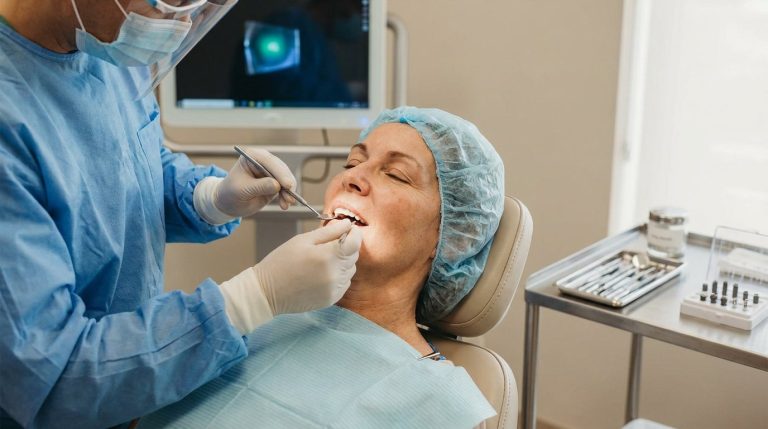
Our specialists
 Clineca SpecialistErkan PinegözPlastic & Reconstructive Surgery
 Clineca SpecialistHakan AktaşPlastic & Reconstructive Surgery
 Clineca SpecialistOrkun UzuneyüpoğluPlastic & Reconstructive Surgery
 Clineca SpecialistSalim İskenderPlastic & Reconstructive Surgery
 Clineca SpecialistEngin SelamioğluPlastic & Reconstructive Surgery
 Clineca SpecialistCem AydınPlastic & Reconstructive Surgery
 Clineca SpecialistAlperen ÖnalEar, Nose & Throat (ENT)