

Have a question about gynecomastia?
In this article
- Who is usually a good candidate for gynecomastia surgery?
- How do you tell whether it is fat, gland tissue, or something that needs medical checks first?
- What can make someone a poor candidate right now?
- What happens during a gynecomastia surgery consultation?
- What are the main risks and safety points to understand?
- What recovery is realistic, and how long should you stay in Turkey?
- How is price decided if no fixed cost is listed?
- How do you choose a surgeon or clinic with confidence?
If you are asking, “am I a candidate for gynecomastia surgery if diet and exercise have not helped,” the short answer is often yes—if the fullness is caused by persistent gland tissue or loose skin rather than body fat alone. The caveat is that candidacy depends on the cause of the chest enlargement, your general health, and whether a proper assessment has ruled out issues that need medical treatment first.
Who is usually a good candidate for gynecomastia surgery?
The people most likely to benefit are men whose chest shape has stayed enlarged despite diet and exercise, especially when the nipple area feels firm or puffy. That firmness often suggests gland tissue, which usually does not shrink much with training or fat loss alone. In other cases, there may be a mix of fat, gland, and stretched skin.
A surgeon will usually look at three practical things: what is causing the fullness, whether your weight is stable, and whether you are healthy enough for surgery. If your chest changes a lot with overall weight gain and loss, the main issue may be excess fat rather than true gynecomastia. If the chest remains prominent even when the rest of you has leaned down, surgery becomes more relevant.
According to the American Society of Plastic Surgeons, gynecomastia surgery can help men with excess breast tissue or overdeveloped breasts when self-consciousness or contour concerns persist. The NHS also notes that treatment depends on the cause, and not every enlarged male chest should go straight to surgery.
It also helps if you have realistic expectations. Surgery can flatten and reshape the chest, but it will not create a completely “perfect” chest wall, erase every asymmetry, or replace long-term weight management.
Your chest has stayed enlarged for a long time, you are near a stable weight, and the area feels firm or puffy under the nipple despite training.
If the fullness is mostly related to recent weight gain, certain medicines, steroid use, or a possible hormone issue, medical review should come first.
You may be a suitable candidate if your chest still looks enlarged after weight loss efforts, your weight is fairly stable, and the problem is causing physical or emotional discomfort. The key point is that surgery treats persistent breast gland tissue and excess skin; it is not a substitute for weight loss or treatment of an untreated hormone problem.
How do you tell whether it is fat, gland tissue, or something that needs medical checks first?
This is one of the most important parts of the process. Many men assume all chest fullness is the same, but it is not. Some have pseudogynecomastia, which means extra fat in the chest area. Others have true gynecomastia, where actual breast gland tissue has enlarged. Many have a combination.
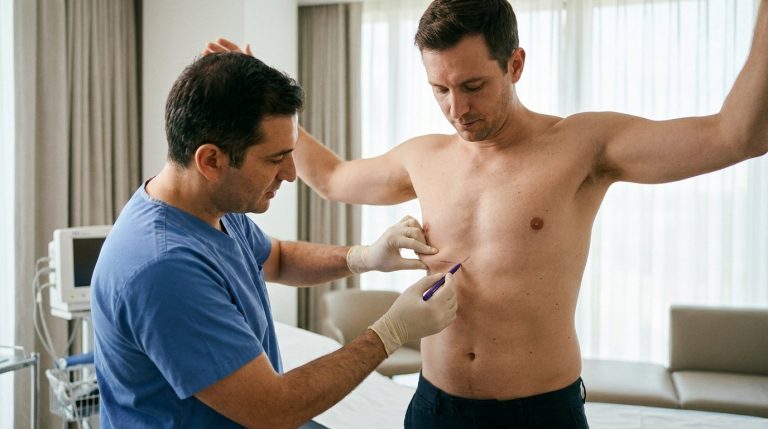
A good consultation should include your history, weight changes, medication and supplement use, anabolic steroid use, alcohol or cannabis use, and whether the change happened gradually or suddenly. The surgeon or assessing doctor will examine the chest, skin quality, nipple position, and how much firm tissue is present.
Medical precision matters here. If enlargement is new, painful, only on one side, associated with a lump that feels unusual, nipple discharge, or other symptoms, evaluation may need to go beyond a routine cosmetic consult. In clinically indicated cases, blood tests or imaging may be arranged to look for hormone problems or other causes. This reflects the approach described in major clinical reviews and endocrine guidance, where persistent or suspicious gynecomastia may warrant targeted investigation rather than immediate surgery.
If you are reading about the procedure itself, the clinic’s gynecomastia surgery page gives a useful overview, but candidacy is always individual. The aim is to understand what tissue is present and whether surgery is the right tool for your situation.
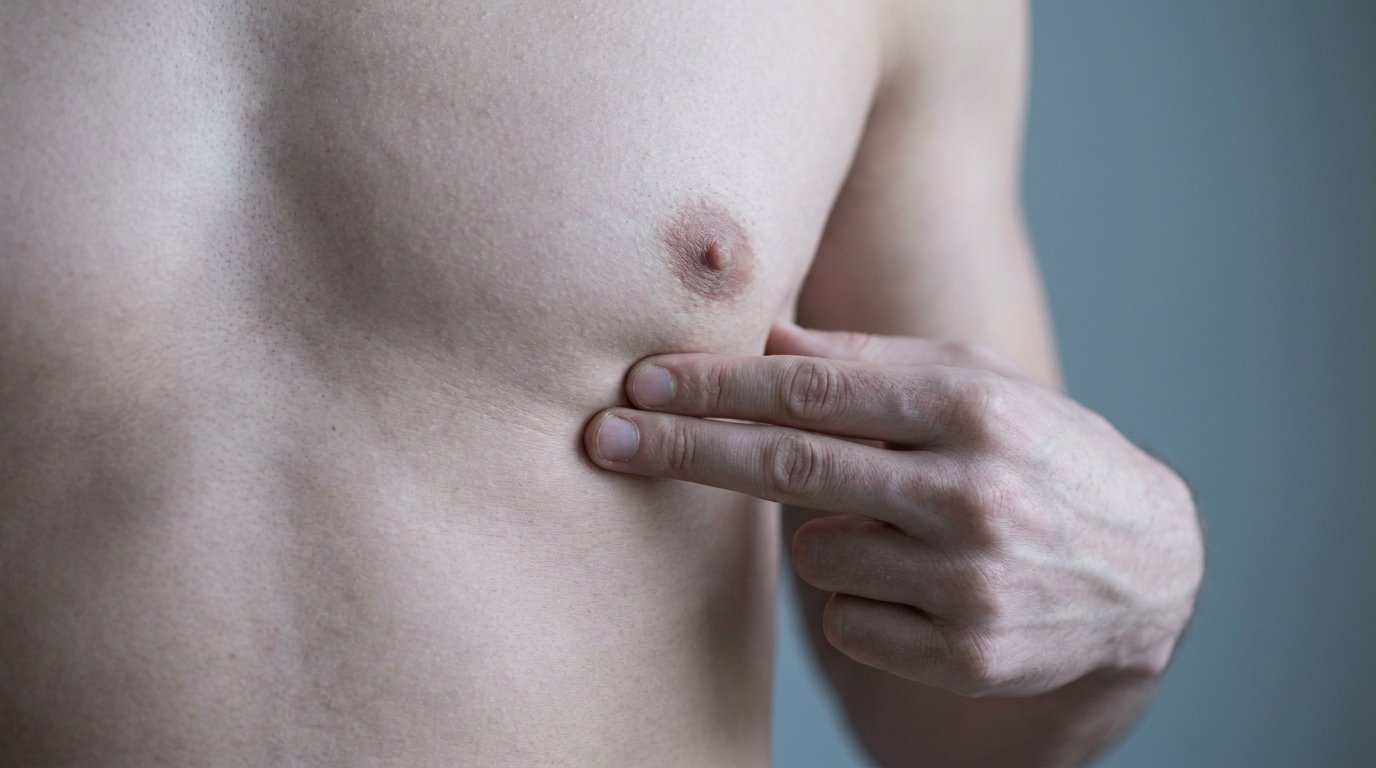
⚠️ Do not ignore sudden or one-sided changes A newly enlarged, painful, or clearly one-sided chest should be medically assessed. Surgery may still be an option later, but first the cause needs to be understood.
A proper assessment looks beyond appearance. Persistent gland tissue often feels rubbery or firm beneath the nipple, while fat tends to feel softer and more diffuse. New, painful, one-sided, or rapidly changing enlargement may need medical investigation first, sometimes including blood tests or imaging, before cosmetic surgery is considered.
What can make someone a poor candidate right now?
The word “candidate” does not just mean whether surgery is technically possible. It also means whether this is the right time. If your weight is actively dropping, results are harder to judge because the chest may continue to change. If you are still using steroids or medicines linked to gynecomastia, the problem can come back even after surgery.
Smoking matters too. Nicotine reduces blood flow and can slow wound healing. That is especially relevant in operations that involve skin tightening or repositioning the nipple area. The ASPS advises stopping smoking before surgery because it increases complication risk and can affect recovery.
You may also be advised to wait if you have poorly controlled health conditions, unrealistic expectations, or untreated body image concerns. A responsible surgeon should be willing to say “not yet” if the timing is wrong.
- ✓Weight is stable rather than rapidly changing
- ✓You have stopped smoking or vaping nicotine for the advised period
- ✓You are not using anabolic steroids or unprescribed hormone products
- ✓Any suspected medical cause has been reviewed and managed first
You may need to delay surgery if your weight is still changing, you smoke or vape nicotine, you use anabolic steroids, or you have an untreated medical cause for the chest enlargement. Poor candidacy is often temporary; fixing the underlying issue can make surgery safer and more worthwhile later.
What happens during a gynecomastia surgery consultation?
A useful consultation is specific, not sales-focused. You should expect questions about when the enlargement started, whether it is tender, what you have tried already, and whether your chest bothers you in fitted clothes, at the gym, or on holiday. Photos are often taken for planning.
The surgeon will usually explain whether the likely plan is liposuction, direct gland excision through a small cut around the areola, or a combination of both. If there is more loose skin, the conversation should also cover the chance of longer scars. That trade-off matters: a flatter chest may require more visible scar placement in some cases.
If you are travelling, it helps to arrange your questions before the appointment. The consultation page is the right place to ask about assessment steps, expected stay, and whether any pre-op tests are required in your case.
A strong consultation should also cover what surgery cannot fix. It may improve chest contour, but it will not change your underlying build, muscle shape, or skin quality beyond the limits of the procedure.
A thorough consultation should cover your goals, medical history, chest examination, skin quality, scar placement, likely technique, and realistic recovery. If the assessment is careful, you should leave knowing whether liposuction alone may help, whether gland removal is likely needed, and whether extra skin tightening may be part of the plan.
What are the main risks and safety points to understand?
Patients often focus on whether they qualify, but safety is just as important. The usual risks include bruising, swelling, infection, fluid collections called seromas, uneven contour, scar issues, and temporary or longer-lasting nipple numbness. Some patients also need a revision if a contour dip, residual fullness, or asymmetry becomes noticeable once swelling settles.
The NHS reminds patients that all cosmetic surgery carries risk, and that understanding possible complications is part of informed consent. The ASPS gives similar guidance and also stresses the value of following pre-op and aftercare instructions closely.
Choosing the right setting matters. Ask who will perform the operation, what their experience is with male chest contouring, where the procedure takes place, and what support you have after surgery if swelling or a fluid collection needs review. If you want to review credentials, the clinic’s doctor profiles and about page are sensible starting points.
🚨 Safety matters more than a fast booking If a clinic dismisses risks, avoids discussing scars, or pushes surgery without exploring the cause of your chest enlargement, treat that as a warning sign.
Gynecomastia surgery is commonly performed, but it is still real surgery with real risks. The main concerns include bleeding, fluid build-up, contour irregularity, asymmetry, scarring, changes in nipple sensation, and delayed healing. Safety improves when the cause is properly assessed and the procedure is planned by a qualified surgeon in an appropriate facility.
What recovery is realistic, and how long should you stay in Turkey?
Recovery is usually manageable, but it is not instant. The first few days are more about tightness, soreness, swelling, and limited arm movement than severe pain. Many people return to light daily tasks within a few days, but the chest shape you see early on is not the final result.
Compression garments are commonly used to control swelling and support the new contour. According to the ASPS and Mayo Clinic guidance on surgical recovery in general, swelling and bruising after body contouring procedures can take time to settle, and following aftercare instructions is a major part of reducing setbacks.
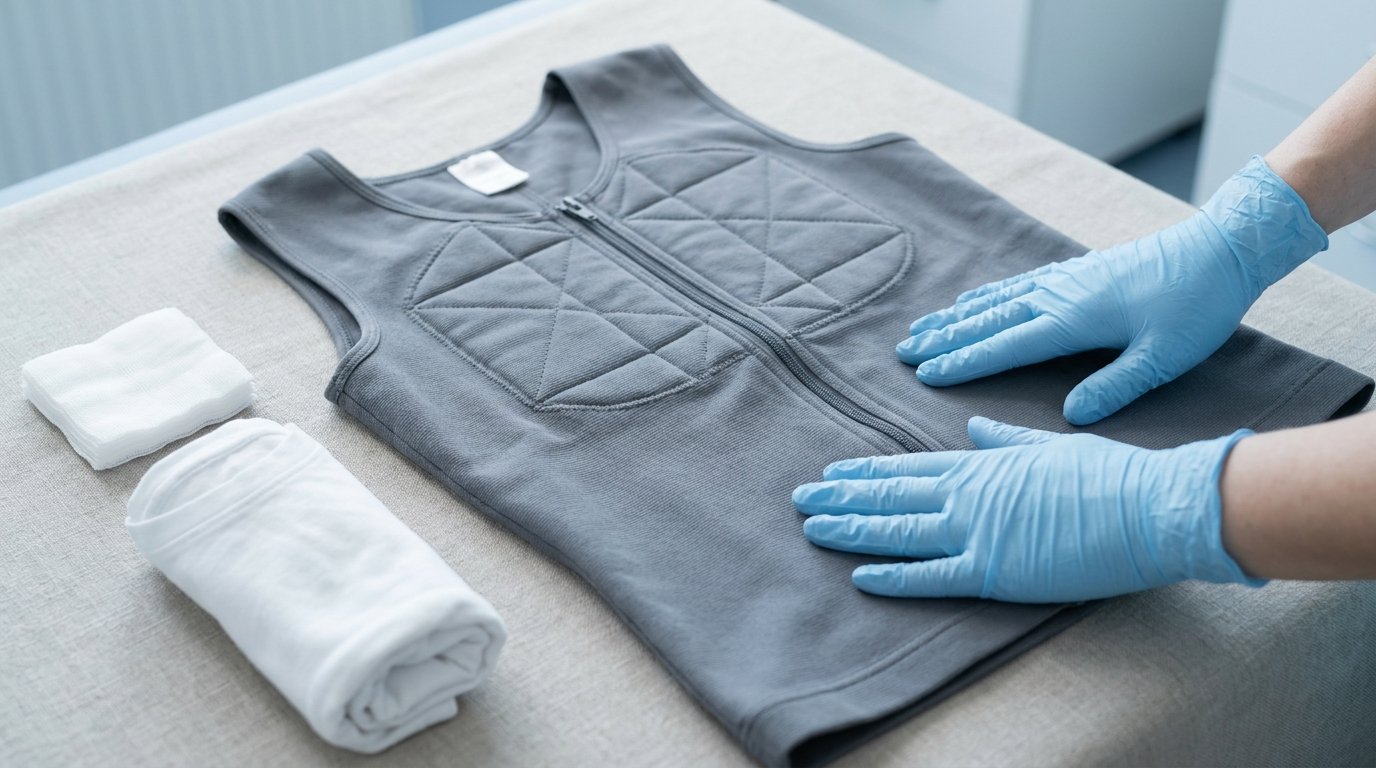
For travel planning, international patients usually need to stay long enough for the immediate post-op review and to make sure drains, dressings, or early swelling issues are handled properly if relevant. Exact timing varies by technique, but you should plan around medical clearance rather than booking the earliest possible flight.
📋 Travel planning tip Do not judge your result by the first week. Early swelling can make the chest look uneven or fuller than expected.
Most people can walk around the same day and do desk-based activity within several days, but the chest usually looks swollen and feels tight for weeks. You will typically need compression, time away from heavy training, and a sensible stay in Turkey long enough for early checks before flying home.
How is price decided if no fixed cost is listed?
It is sensible to ask about price, but for this procedure a flat headline figure is often misleading. One patient may need liposuction alone, while another needs gland removal plus skin tightening. Those are not the same operation, so quoting one number for everyone would not be very useful.
The most practical way to think about cost is to ask what drives it and what is included. That means the surgeon’s plan, anaesthesia, garments, medication, hotel or transfer arrangements if offered, and follow-up support after you go home. A personalised quote is normally confirmed after consultation and assessment of your chest.
There is no single standard price for gynecomastia surgery because the plan can vary a lot. Final cost is usually based on how much tissue needs removal, whether liposuction and gland excision are both needed, whether skin reduction is required, the surgical setting, and what is included in aftercare and travel support.
How do you choose a surgeon or clinic with confidence?
Look for a team that takes your history seriously and does not treat every enlarged male chest as identical. If a consultation includes discussion of medications, hormone history, weight stability, smoking, and whether tests may be needed in some cases, that is a better sign than a rushed conversation focused only on booking.
For overseas patients, logistics matter too. Ask who you contact after surgery, what happens if you develop swelling after flying home, and how follow-up is handled. It is reasonable to review the clinic’s care team and use the contact page to ask practical questions before you commit.
Clear discussion of cause, realistic scar and recovery advice, and no pressure to book before your questions are answered.
Guaranteed results, vague answers about who performs the surgery, or no discussion of why diet and exercise have not helped.
Choose a provider that assesses the cause of your chest enlargement properly, explains technique and scars clearly, and gives realistic recovery advice. Good decision-making is less about polished marketing and more about qualifications, transparent communication, proper follow-up, and a willingness to delay surgery when that is safer.
Frequently Asked Questions
References
- 📎American Society of Plastic Surgeons – Gynecomastia Surgery
- 📎NHS – Cosmetic Procedures
- 📎Mayo Clinic – Tests and Procedures
- 📎PubMed – Gynecomastia evaluation management review
Related Articles


You Might Also Like



Related articles

Our specialists
 Clineca SpecialistErkan PinegözPlastic & Reconstructive Surgery
 Clineca SpecialistHakan AktaşPlastic & Reconstructive Surgery
 Clineca SpecialistOrkun UzuneyüpoğluPlastic & Reconstructive Surgery
 Clineca SpecialistSalim İskenderPlastic & Reconstructive Surgery
 Clineca SpecialistEngin SelamioğluPlastic & Reconstructive Surgery
 Clineca SpecialistCem AydınPlastic & Reconstructive Surgery
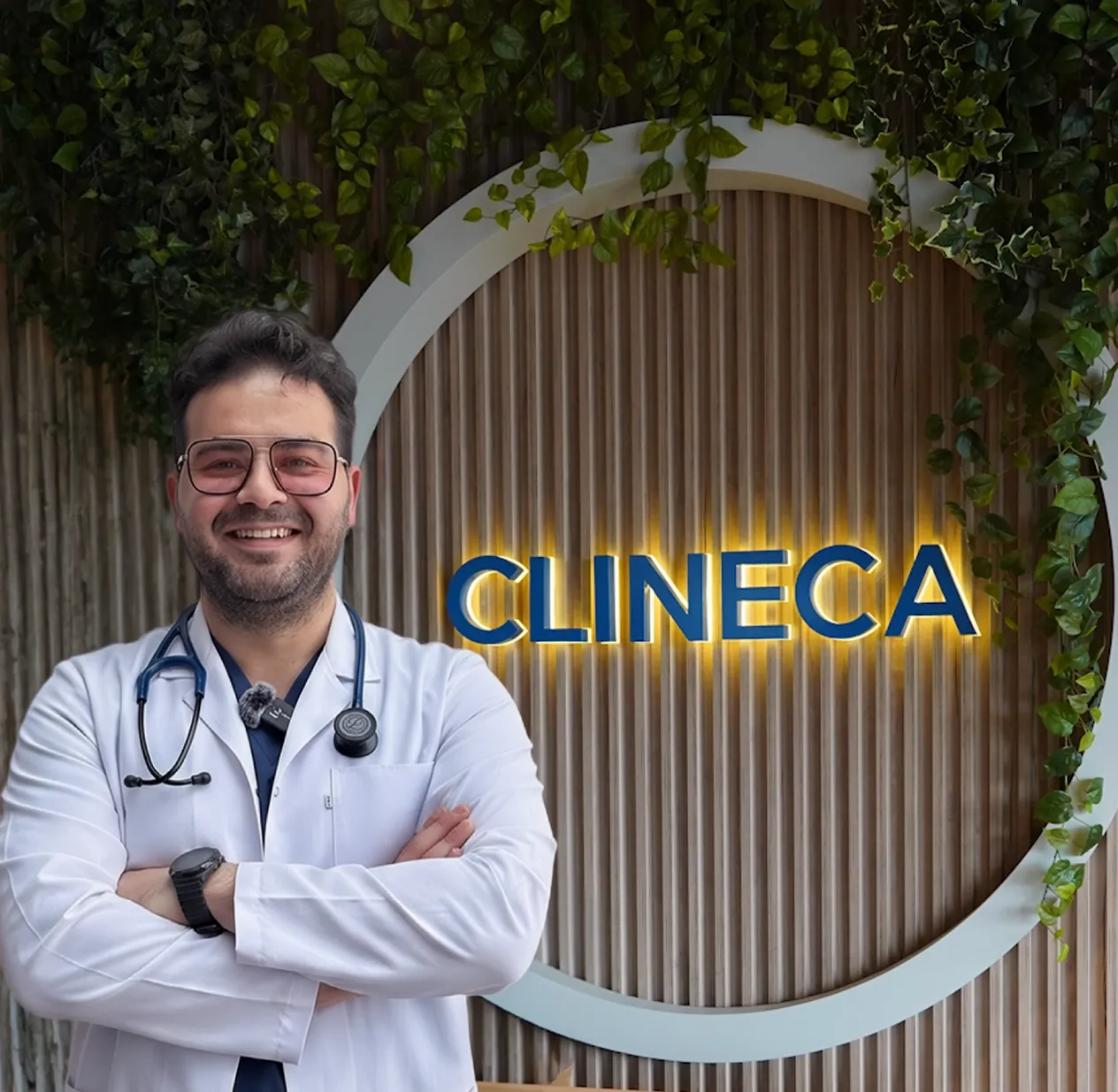 Clineca SpecialistAlperen ÖnalEar, Nose & Throat (ENT)