
Have a question about Buccal Fat Removal?
In this article
- What is the typical swelling and final-results timeline after buccal fat removal?
- Why can the cheeks still look puffy when the incisions feel healed?
- What does recovery usually look like week by week?
- When should you worry that swelling is not normal?
- How long should you stay in Turkey, and when is it sensible to fly home?
- What affects how long swelling lasts and how soon final results appear?
- Will swelling hide the result completely, or should you expect a subtle change even at the end?
- How should you think about quotes, packages, and clinic safety for this procedure?
If you are wondering how long does swelling last after buccal fat removal – when do you see final results, you are asking the right question. This procedure changes a small area of the face, but the healing can feel slower than patients expect because even mild swelling can blur definition for weeks.
What is the typical swelling and final-results timeline after buccal fat removal?
In most cases, swelling is most noticeable in the first few days, often peaking around day 2 to day 4. After that, it usually starts to settle gradually rather than disappearing all at once. Many patients look presentable for normal social activities after about 10 days to 2 weeks, but the cheeks can still look a little full or uneven during this stage.
A more realistic timeline is that the obvious swelling improves over the first 2 to 3 weeks, then finer changes continue for several more weeks. Final contour is usually judged later, often around 2 to 4 months, and sometimes a little beyond that if healing is slow or the face naturally holds fluid. That slower refinement matters because buccal fat removal is a contour procedure, not a dramatic overnight change.
This fits the wider pattern described by recognised surgical bodies such as the NHS and ASPS, which note that swelling after cosmetic surgery often improves in stages rather than on a fixed day. In facial surgery literature, including studies indexed on PubMed in journals such as Aesthetic Plastic Surgery and Facial Plastic Surgery & Aesthetic Medicine, authors also describe buccal fat pad reduction as a procedure where early recovery is fairly quick but final aesthetic assessment takes longer than the first week or two.
If you want a simple way to think about it, use this: first few days for peak swelling, first 2 weeks for social recovery, and the next few months for the sharper cheek contour to declare itself.
📋 The most common mistake Patients often judge the result too early. At 1 or 2 weeks, you are usually seeing a healing face, not the final contour.
Why can the cheeks still look puffy when the incisions feel healed?
This is one of the confusing parts of buccal fat removal. The cuts inside the mouth may seem to heal fairly quickly, but internal tissue swelling lasts longer. The cheek has delicate soft tissue, and even a small amount of fluid can hide contour in a visible area of the face.
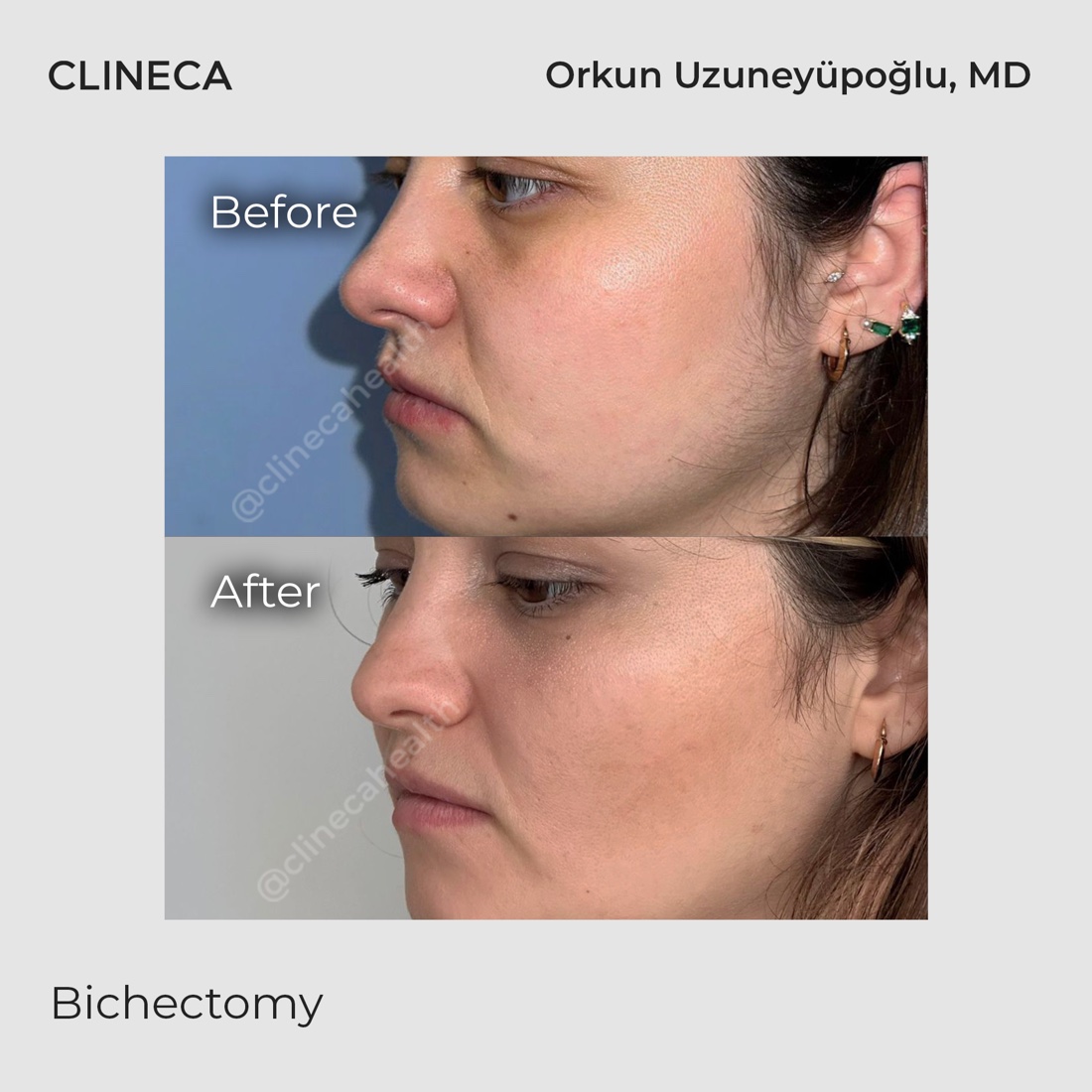
There is also a second issue: swelling is not always even. One side may settle a little faster than the other, which can make patients worry that the result is uneven. Mild asymmetry early on is common in many facial procedures and does not automatically mean something has gone wrong.
Another reason the result looks delayed is that buccal fat removal is subtle by design. Unlike a large body surgery, the change is measured in contour, not size. That means the last part of swelling matters a lot. A small amount of fullness can make the cheeks look almost unchanged at first, then noticeably more defined a few weeks later.
If you are comparing your healing to other facial procedures, it may help to read our article on double chin liposuction swelling and recovery timeline. It is a different operation, but the same principle applies: facial swelling often settles in layers, and the final shape appears later than patients expect.
What does recovery usually look like week by week?
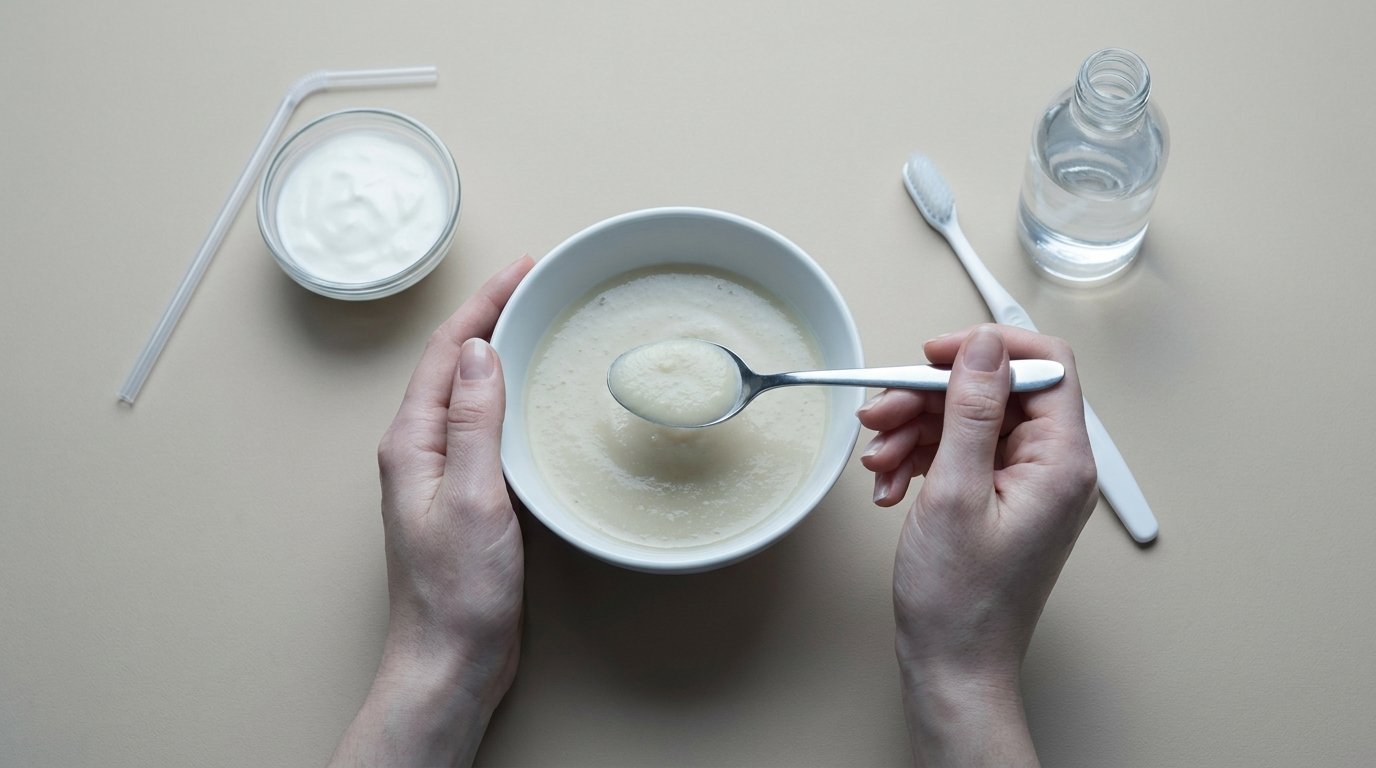
The first week is mostly about swelling, mouth care, and keeping things calm. Your cheeks may feel firm, puffy, and slightly sore, especially when chewing or smiling widely. Many surgeons advise a soft-food approach at first and careful oral hygiene because the incisions are inside the mouth.
By the second week, most people feel much more comfortable. Bruising, if it appears at all, is usually limited compared with larger facial procedures, but fullness in the cheeks can still be obvious to you. Friends or colleagues may not notice much, yet you may still feel that your face looks rounder than expected.
Around weeks 2 to 3, patients often ask whether the result is already visible. The honest answer is: partly. You may begin to see a slimmer transition below the cheekbone, but not the final sharpness. In published facial aesthetic literature indexed on PubMed, postoperative photographs and follow-up discussions commonly assess buccal fat removal results after a longer healing window, not in the immediate postoperative period.
From week 4 onward, recovery becomes less about discomfort and more about patience. This is the stage where people often say, “I suddenly noticed my face looked more sculpted.” That is not because the surgery started working late. It is because the last mild swelling finally stopped masking the contour.
If you are generally trying to understand how subtle facial swelling behaves after surgery, our article on how long swelling lasts after facial fat transfer gives a useful comparison point. It is not the same treatment, but it helps set realistic expectations for facial healing.
When should you worry that swelling is not normal?
Some swelling is expected. Increasing pain, expanding swelling, or new redness is not something to ignore. Because buccal fat removal incisions sit inside the mouth, good aftercare matters, and infection can present as worsening tenderness, heat, bad taste, pus, fever, or one cheek becoming much larger than the other.
You should also contact your surgical team if swelling seems to improve and then suddenly gets worse, if you have trouble opening your mouth, or if swallowing becomes difficult. These are not routine signs of normal recovery.
Recognised guidance from the NHS on cosmetic surgery aftercare is clear on the general principle: worsening symptoms, rather than gradual improvement, deserve review. A responsible clinic should tell you exactly who to contact after surgery, how quickly they respond, and what photos or video checks they may ask for if you are recovering in a hotel or after flying home.
⚠️ Do not self-diagnose from photos online Lighting, angle, and facial expression can make early swelling look worse or more uneven than it really is. If you are worried, ask your own surgical team to assess it.
Mild to moderate cheek fullness, slight side-to-side difference early on, tenderness when chewing, and gradual day-by-day improvement.
Rapidly increasing swelling, fever, foul taste or discharge, strong redness, one side becoming dramatically larger, or pain that is getting worse instead of better.
How long should you stay in Turkey, and when is it sensible to fly home?
Buccal fat removal usually does not require a very long stay compared with more invasive surgery, but international patients still need enough time for the first review and early monitoring. In practical terms, clinics often recommend staying long enough for the surgeon to check swelling, the inside-mouth incisions, and your ability to eat and drink comfortably before travel.
The right timing also depends on whether buccal fat removal is being done alone or combined with another facial procedure. If it is part of a broader plan, your stay may need to be longer because the combined recovery, not just the buccal fat removal, drives the schedule.
One thing patients often overlook is communication after discharge. A good package is not just airport transfer and a hotel. It should also make clear who answers recovery questions, how fast they reply, and whether remote follow-up is included once you are back home. If you are comparing packages, our article on what is included in an all-inclusive surgery package in Turkey helps you see what to ask before you book.
For a broader procedure context, you can also read buccal fat removal in Turkey: cost, safety and recovery. The key point here is that travel plans should fit your recovery, not the other way round.
What affects how long swelling lasts and how soon final results appear?
Healing speed is not identical from one person to another. Your natural facial anatomy plays a role, and so does how much swelling your body tends to produce after surgery. Patients with thicker soft tissue or naturally fuller cheeks may feel that the result takes longer to reveal itself.
Surgical technique matters too. Gentle tissue handling usually supports a smoother recovery. Combined procedures can also make swelling last longer, even if the buccal fat removal itself was straightforward.
Aftercare has an effect as well. Following the mouth-care plan, eating appropriate foods, staying hydrated, and avoiding smoking all support better healing. According to the NHS, smoking can delay healing and increase the risk of complications after surgery. That does not mean perfect aftercare removes all swelling quickly, but it does reduce avoidable setbacks.
If you are choosing a surgeon, ask practical questions rather than focusing only on before-and-after photos. These are the details that often matter most:
- ✓Whether the surgeon is appropriately qualified and whether the clinic can clearly explain credentials and accreditation
- ✓Whether your consultation includes a realistic discussion of subtle versus dramatic results
- ✓Whether you receive written aftercare instructions for oral hygiene, diet, travel, and warning signs
- ✓Whether postoperative support includes named contact points, response times, and follow-up after you return home
For European standards, patients often look for surgeons with recognised specialist training and board credentials, and may check bodies such as EBOPRAS where relevant.
Will swelling hide the result completely, or should you expect a subtle change even at the end?
Both can be true. Early swelling can hide the contour almost completely, especially in the first week. But even once the swelling has gone down, buccal fat removal is still a subtle facial contouring procedure. It does not suit every face, and it should not be sold as a way to create an extreme hollow-cheek look.
That is why good consultation matters so much. The right question is not just when do you see final results, but also whether the final result you are hoping for is anatomically realistic. In facial aesthetic practice, over-resection is a known concern because faces naturally lose volume with age. A careful surgeon aims for balance, not an exaggerated effect.
If you feel underwhelmed at first, wait until the full healing window has passed before judging the outcome. If you still feel the change is too subtle after that, the conversation should be about facial balance as a whole, not just one area. Sometimes cheek definition depends more on chin projection, skin quality, overall body-fat level, or other parts of the mid-face than on the buccal fat pad alone.
How should you think about quotes, packages, and clinic safety for this procedure?
One of the questions patients ask most often is what drives the price. For buccal fat removal, quotes usually vary based on the surgeon’s experience, whether the procedure is done alone or combined with another operation, the hospital or clinic setting, anaesthesia arrangements, hotel and transfers, and how much follow-up is included.
A proper quote should spell out what is and is not covered. That usually means the procedure itself, pre-op assessment, medicines, garments or mouth-care supplies if provided, accommodation, transfers if part of the package, and postoperative reviews. The final personalised price is confirmed after consultation, once the surgeon has assessed your anatomy and plan.
Safety matters more than chasing the lowest quote. Look for a clinic that explains accreditation clearly, gives realistic timelines for swelling and final results, and does not pressure you with edited photos or rushed booking deadlines. Good organisation also matters in health tourism. Fast, clear answers before surgery often predict better support during recovery.
Frequently Asked Questions
References
- 📎NHS cosmetic procedures guidance
- 📎ASPS cosmetic procedures
- 📎PubMed search: buccal fat pad excision aesthetic outcomes swelling recovery
- 📎EBOPRAS
Related Articles

You Might Also Like

Related articles
Our specialists
 Clineca SpecialistErkan PinegözPlastic & Reconstructive Surgery
 Clineca SpecialistHakan AktaşPlastic & Reconstructive Surgery
 Clineca SpecialistOrkun UzuneyüpoğluPlastic & Reconstructive Surgery
 Clineca SpecialistSalim İskenderPlastic & Reconstructive Surgery
 Clineca SpecialistEngin SelamioğluPlastic & Reconstructive Surgery
 Clineca SpecialistCem AydınPlastic & Reconstructive Surgery
 Clineca SpecialistAlperen ÖnalEar, Nose & Throat (ENT)