Have a question about Buccal Fat Removal?
In this article
- What is buccal fat removal and who is it really for?
- How is buccal fat removal done in Turkey?
- How much does buccal fat removal in Turkey cost and what affects the quote?
- What is recovery like after buccal fat removal?
- How long should you stay in Turkey for buccal fat removal?
- Is buccal fat removal safe and what are the main risks?
- What should you check before booking buccal fat removal abroad?
- What are the alternatives if buccal fat removal is not right for you?
Buccal fat removal Turkey can be a reasonable option for the right patient if you choose a properly qualified surgeon, plan for about a week in the country, and accept that final facial slimming takes time to show. The main caveat is that this is a permanent cheek-reduction surgery, so the best results depend less on finding the cheapest quote and more on careful patient selection, realistic expectations, and safe follow-up.
What is buccal fat removal and who is it really for?
Buccal fat removal is surgery to reduce the natural fat pad deep in the lower cheek. It suits a small group of adults who want less cheek fullness despite being near a stable weight. It is not the best choice for everyone, especially people with already slim faces or signs of facial volume loss.
Buccal fat removal reduces the buccal fat pad, which sits deeper in the cheek than the fat you can pinch near the skin. The aim is a more tapered lower face, often with slightly more definition beneath the cheekbones.
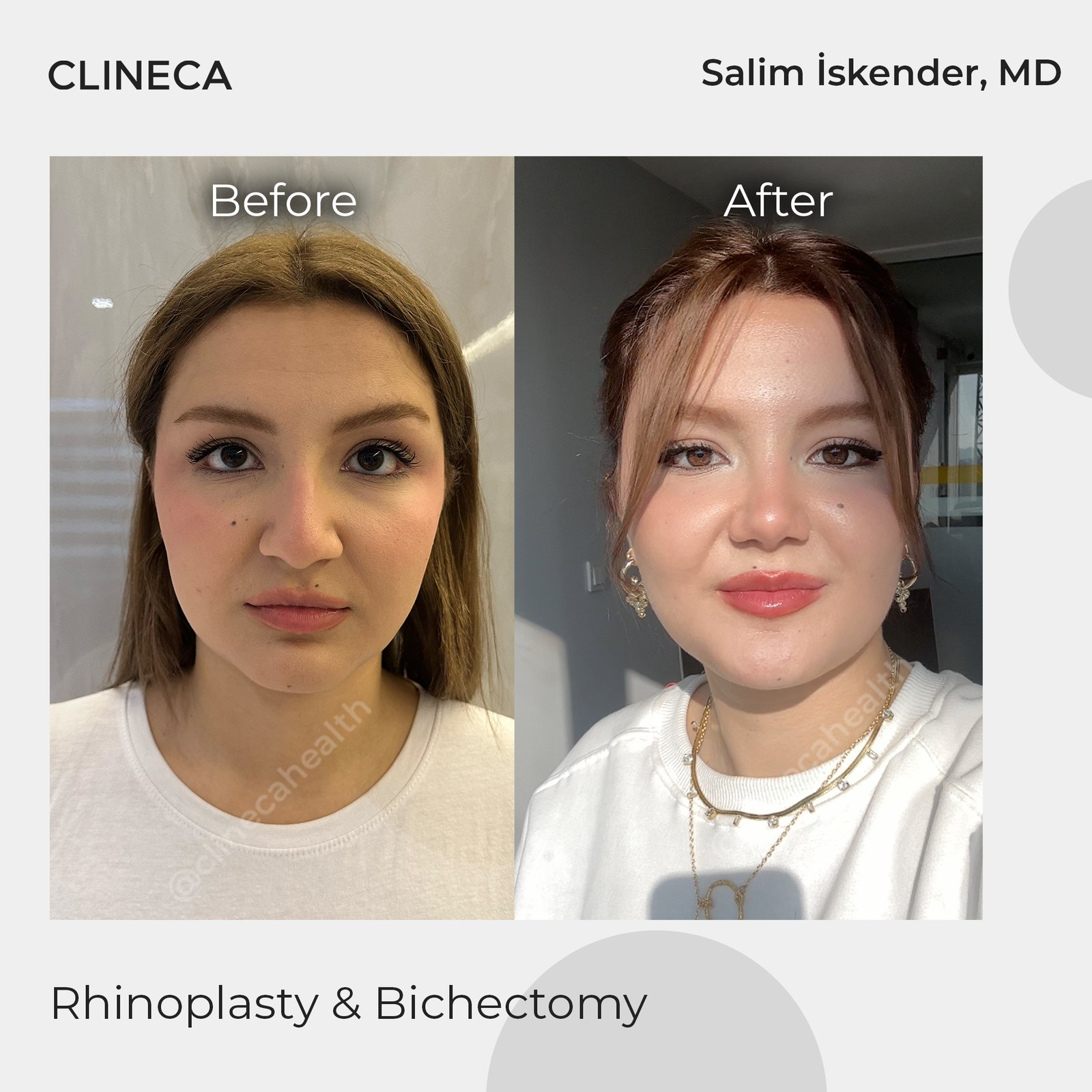
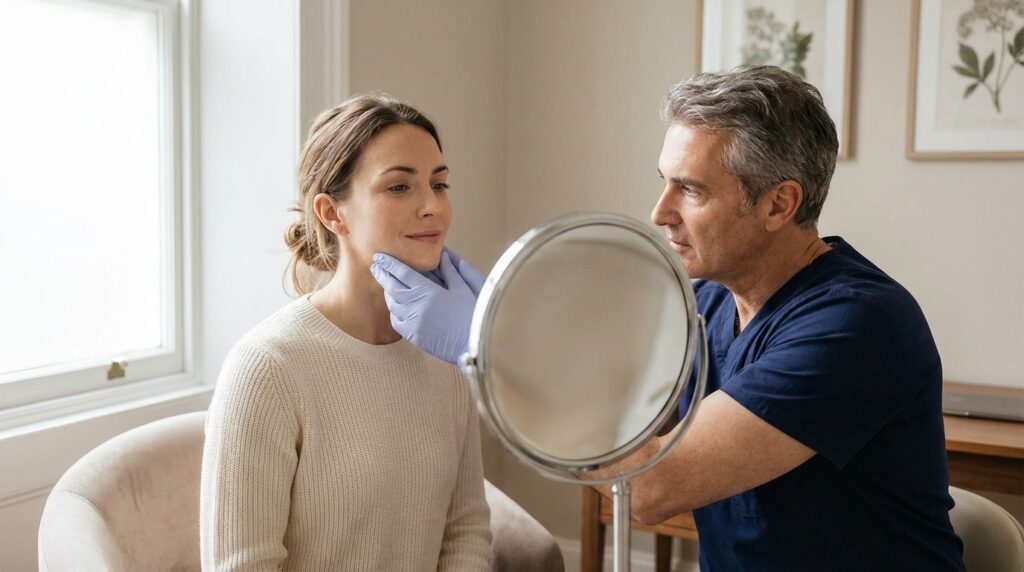
This is where many people need a more honest answer. A round face does not always mean you need buccal fat removal. Face shape also comes from bone structure, muscle size, skin thickness, age, and overall body fat. If cheek fullness mainly changes with weight, surgery may not be the best first step.
According to the American Society of Plastic Surgeons (ASPS), buccal fat pad removal is a cosmetic facial contouring procedure and good candidates should be healthy, not smoke, and have realistic expectations. That sounds basic, but it matters because this operation removes volume permanently.
People who may be better suited include:
- ✓Adults with persistent lower-cheek fullness
- ✓People at or near a stable weight
- ✓Patients with good skin tone
- ✓Those who want subtle contouring rather than a dramatic change
People who often need extra caution include:
- ✓Anyone with a naturally narrow or gaunt face
- ✓Older patients already losing facial volume with age
- ✓People hoping it will fix jowls, loose skin, or a weak chin
- ✓Patients who want a sharply sculpted look that anatomy may not support
In some cases, another option may fit the goal better. For example, chin shape can affect how defined the face looks, so some patients ask about chin augmentation instead, or alongside another plan discussed in consultation.
⚠️ Permanent volume loss matters Cheek fat does not grow back in a predictable way after removal. A result that looks balanced at 28 may look leaner at 40 as the face naturally loses volume with age.
Full lower cheeks, stable weight, good skin tone, and a goal of subtle contouring.
A slim face, loose skin, facial hollowing, or a wish for a very dramatic change.
How is buccal fat removal done in Turkey?
The operation is usually done through small cuts inside the mouth, so there is normally no visible outer scar. The surgeon gently exposes part of the buccal fat pad and removes a measured amount before closing the incision.
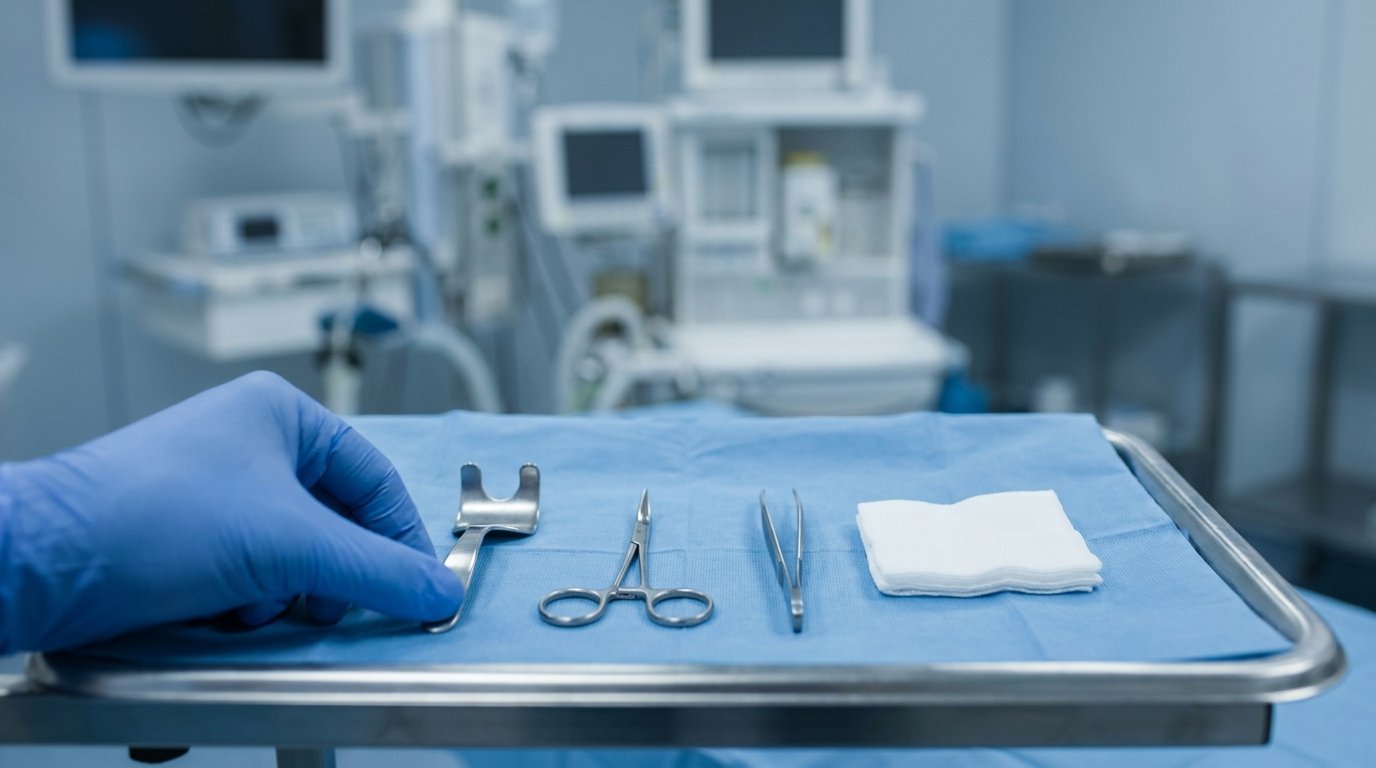
That sounds simple, but the key word is measured. Taking too much fat can leave the face looking hollow. Taking too little may leave little visible change. The best surgeons treat it as a balance procedure, not a race to make the cheeks as thin as possible.
In Turkey, as elsewhere, buccal fat removal may be offered as:
- ✓A standalone procedure
- ✓Part of wider facial contouring
- ✓Combined with another facial surgery such as facelift surgery or neck lift in selected patients
If it is combined with another operation, your recovery plan and length of stay may change. That is important for medical travellers, because a package that sounds convenient can also mean more swelling, more follow-up needs, and a slower return to normal eating and social activity.
You can read a general treatment page about buccal fat removal, but your own surgical plan should still come from a personal consultation rather than from before-and-after photos alone.
How much does buccal fat removal in Turkey cost and what affects the quote?
Buccal fat removal in Turkey starts from around €2,200 under general anaesthesia. That is a starting point, not a guaranteed quote — your own figure is confirmed after consultation, once the surgeon has assessed how much buccal fat you actually have, your facial proportions, and whether it is combined with other facial surgery.
Beyond that starting point, there is no single fixed price for buccal fat removal in Turkey. The total cost is usually confirmed after consultation and depends on the surgeon’s experience, hospital or clinic setting, anaesthesia plan, whether it is combined with other procedures, and what follow-up or travel support is included.
For this procedure, it is better to think in terms of what shapes the quote rather than chase one advertised figure. A very low headline price can leave out important parts of care.
Common cost drivers include:
- ✓Surgeon experience in facial contouring
- ✓Whether the procedure is done under local anaesthetic, sedation, or general anaesthetic
- ✓Hospital or day-surgery facility fees
- ✓Pre-operative tests and consultation
- ✓Medication, mouth-care products, and compression or aftercare items if advised
- ✓In-person follow-up visits in Turkey
- ✓Whether another procedure is done at the same time
- ✓Airport transfers, hotel, and interpreter support if included
The final quote is normally personalised after consultation and review of your face shape, medical history, and surgical plan.
A useful question is not only “What is the price?” but also “What exactly is included if I need an extra check, a longer stay, or treatment for a complication?” That answer often tells you more about value and safety than the headline cost.
📋 Price should be personalised A proper quote is usually confirmed after consultation. If a provider pushes a fixed bargain price before reviewing your face and health history, treat that as a warning sign.
What is recovery like after buccal fat removal?
Most patients can walk around the same day and feel socially better within about one to two weeks, but swelling can last longer and final cheek contour takes longer to settle. Soft foods, careful mouth hygiene, and follow-up checks matter because the cuts are inside the mouth.
Recovery after buccal fat removal is usually easier than after larger facial surgery, but it is still real recovery. The inside of the mouth heals quickly, yet swelling can make the face look puffier before it looks slimmer.
The American Board of Cosmetic Surgery notes that patients can expect swelling and bruising after buccal fat removal, with initial recovery over the first weeks and the final result appearing over the following months as swelling settles. That slower settling phase is worth understanding before you travel.
A practical timeline often looks like this:
- ✓First 24 to 72 hours: swelling, mild soreness, and a tight or puffy feeling are common
- ✓First week: soft foods are often easier; you may be asked to use an antiseptic mouth rinse and avoid vigorous exercise
- ✓Around 7 days: many patients are comfortable for a review and local sightseeing at a gentle pace, though still visibly swollen
- ✓Around 10 to 14 days: most social bruising and early swelling are improving, but not always gone
- ✓Following weeks to months: facial definition slowly becomes clearer as deeper swelling settles
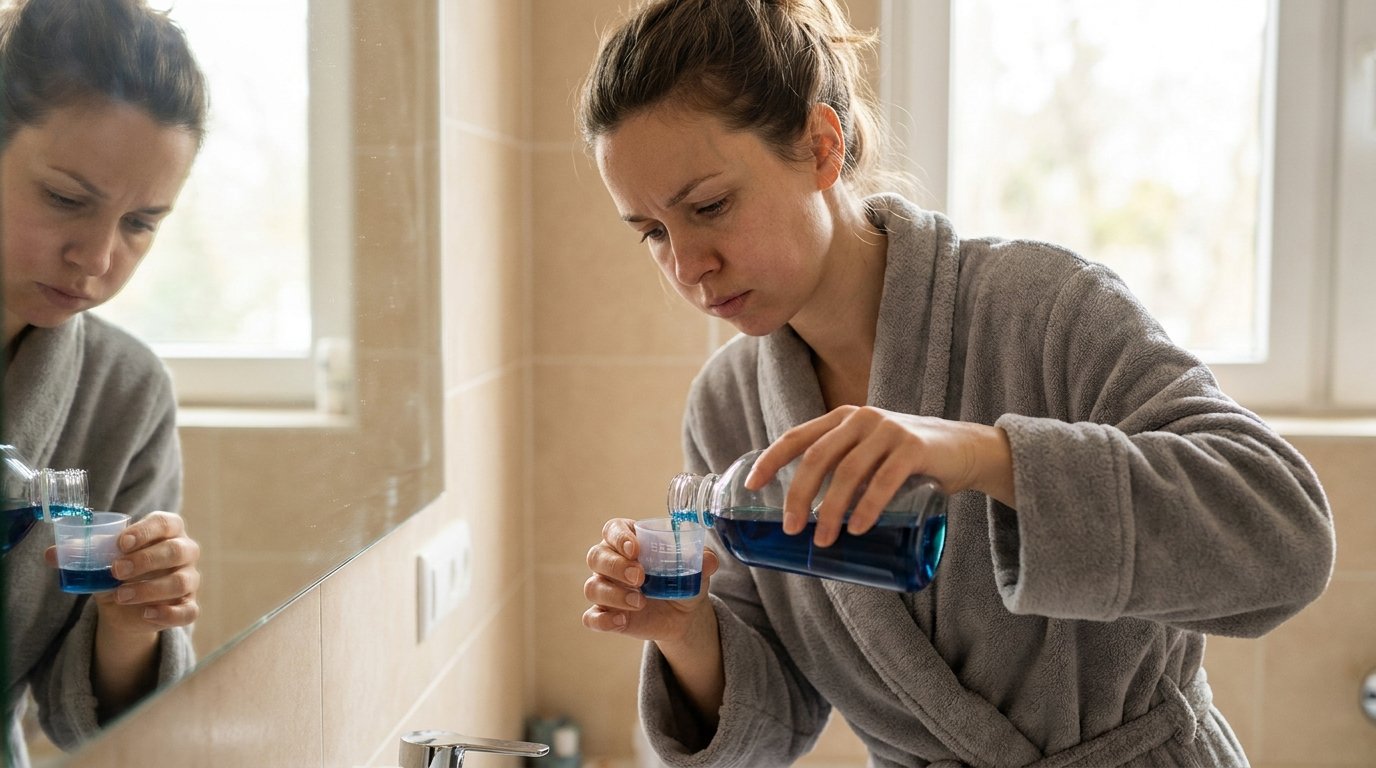
Eating usually needs a bit of planning. Think soft, non-spicy, non-crunchy foods at first. You are trying to avoid irritating the small wounds inside the mouth.
Helpful recovery habits include:
- ✓Sleeping with your head slightly raised for the first few nights
- ✓Sticking to the mouth-care instructions you are given
- ✓Avoiding smoking and nicotine, which can impair healing
- ✓Avoiding heavy workouts until your surgeon says it is fine
- ✓Being patient with swelling rather than judging the result too early
⚠️ Do not judge the result too early Early swelling can make the face look rounder before it looks slimmer. Final contour usually takes longer than the first week or two.
How long should you stay in Turkey for buccal fat removal?
For buccal fat removal in Turkey, a stay of about five to seven days is often sensible for most international patients. That usually allows time for the procedure, early swelling checks, and one follow-up visit before flying home, although combined surgery may require a longer stay.
This is one of the most important Turkey-specific questions, because the operation itself is short but follow-up still matters. For a straightforward standalone procedure, many patients plan to stay about five to seven days.
That window usually allows for:
- ✓An in-person assessment before surgery if needed
- ✓The procedure day
- ✓The period when swelling is most noticeable
- ✓At least one early follow-up visit before travel home
If you are combining buccal fat removal with another facial operation, you may need longer. The more procedures you add, the less sensible it becomes to book a quick weekend trip.
Before you fly, ask exactly when the surgeon wants to see you again. A sensible follow-up schedule often includes:
- ✓A check within the first few days
- ✓Another review around one week, if you are still in Turkey
- ✓Remote follow-up after you return home, with clear instructions on who to contact if you have concerns
Also check the basics of travel planning:
- ✓When it is safe for you to fly based on your own procedure and health history
- ✓Whether you will be comfortable eating during travel
- ✓Whether you need a travel companion for the first day or two
- ✓How to access urgent care if you have bleeding, infection, or significant swelling after returning home
If you want to ask about practical arrangements, a direct consultation request is more useful than relying on generic travel advice online.
Is buccal fat removal safe and what are the main risks?
Buccal fat removal can be safe in appropriate patients when performed by a qualified surgeon in a suitable surgical setting, but it still carries real risks. The main concerns include infection, bleeding, asymmetry, injury to nearby structures such as facial nerve branches or the salivary duct, and an over-hollowed look over time.
No cosmetic surgery is risk-free, and this procedure deserves more respect than social media sometimes gives it. The cheek contains important nearby structures, including branches of the facial nerve and the parotid duct, which carries saliva. That is why surgeon experience in facial anatomy matters.
The American Society of Plastic Surgeons lists general surgical risks such as bleeding, infection, poor healing, anaesthesia risks, and unsatisfactory cosmetic result for cosmetic procedures. For buccal fat removal specifically, patients should also discuss asymmetry, injury to nearby structures, prolonged swelling, numbness, and over-resection, which means too much fat is removed.
Call the treating team promptly if you develop:
- ✓Increasing pain rather than steady improvement
- ✓Fever
- ✓Foul taste or pus-like discharge inside the mouth
- ✓One-sided swelling that rapidly worsens
- ✓Trouble opening the mouth or swallowing beyond what you were told to expect
- ✓Bleeding that does not settle as instructed
A balanced point is this: the operation is often described as minor, but the decision is not minor because the change is permanent.
🚨 Low price should never override anatomy and safety A provider who treats buccal fat removal like a quick beauty add-on, without a proper facial assessment and risk discussion, may not be the right choice.
- ✓Ask who will actually perform the surgery
- ✓Ask what facility the procedure takes place in
- ✓Ask what happens if you need urgent review after hours
- ✓Ask how complications are handled once you are back home
What should you check before booking buccal fat removal abroad?
Before booking buccal fat removal abroad, verify the surgeon’s credentials, the facility standards, the aftercare plan, and who manages problems once you return home. For a permanent facial procedure, a careful consultation and transparent follow-up plan matter more than a fast booking process.
If you are comparing clinics in Turkey, keep your checklist practical. You are not only buying an operation. You are buying assessment, judgment, and follow-up.
What to verify before you book:
- ✓The surgeon’s training and experience in facial surgery
- ✓Whether your consultation includes a proper discussion of whether you are a good candidate
- ✓The facility where the operation will be done
- ✓What pre-operative tests are required
- ✓What happens if the surgeon advises against surgery
- ✓How many in-person checks are included before you fly home
- ✓Who answers messages after you return home
- ✓What the revision and complication policy is
Good signs include clear answers, realistic language, and a willingness to say no if your face is already slim. Poor signs include pressure to book quickly, vague answers about who operates, or promises of dramatic sculpting from a small-volume procedure.
If you want to verify the medical team, pages such as doctor profiles and clinic information can help, but they should support, not replace, a proper consultation.
The surgeon explains limits, discusses long-term hollowing risk, and gives a clear plan for follow-up in Turkey and after you return home.
Fixed bargain pricing before assessment, pressure to combine several facial procedures, or no clear answer about aftercare and complication handling.
What are the alternatives if buccal fat removal is not right for you?
A good consultation should not force one solution. If your goal is a more defined face, other approaches may fit better depending on your anatomy.
Possible alternatives include:
- ✓Weight stabilisation: if cheek fullness changes with body weight, surgery may be premature
- ✓Chin enhancement: a weak chin can make the face look softer overall; in selected cases, chin surgery changes balance more than cheek reduction
- ✓Cheek augmentation: some faces look better with added cheek structure rather than removed lower-cheek volume; see cheek augmentation
- ✓Neck or jawline-focused surgery: if the real concern is lower-face heaviness or skin laxity, a different treatment plan may fit better
- ✓Doing nothing for now: this is underrated, especially for very young patients whose face may naturally change over time
The best result is usually the one that still looks balanced years later, not just in filtered before-and-after photos.
Frequently Asked Questions
References
- 📎American Society of Plastic Surgeons – Buccal Fat Removal
- 📎American Board of Cosmetic Surgery – Buccal Fat Removal

You Might Also Like



Related articles

Our specialists
 Clineca SpecialistErkan PinegözPlastic & Reconstructive Surgery
 Clineca SpecialistHakan AktaşPlastic & Reconstructive Surgery
 Clineca SpecialistOrkun UzuneyüpoğluPlastic & Reconstructive Surgery
 Clineca SpecialistSalim İskenderPlastic & Reconstructive Surgery
 Clineca SpecialistEngin SelamioğluPlastic & Reconstructive Surgery
 Clineca SpecialistCem AydınPlastic & Reconstructive Surgery
 Clineca SpecialistAlperen ÖnalEar, Nose & Throat (ENT)