Have a question about Cheek Augmentation?
In this article
- What is cheek augmentation in Turkey and who is it for?
- Cheek implants vs fat transfer: which option usually suits which patient?
- How much does cheek augmentation in Turkey cost?
- How long do you need to stay in Turkey and what is recovery really like?
- Is cheek augmentation in Turkey safe?
- What happens if there is a complication after you return home?
Cheek augmentation Turkey can be a practical option for patients who want more facial definition, but the right choice depends on whether you need implants or fat transfer, how long you can stay for recovery, and how carefully the clinic plans follow-up. In most cases, people need around a week in Turkey for early checks, with swelling improving over the first two to three weeks, though final results take longer and not everyone is a suitable candidate.
What is cheek augmentation in Turkey and who is it for?
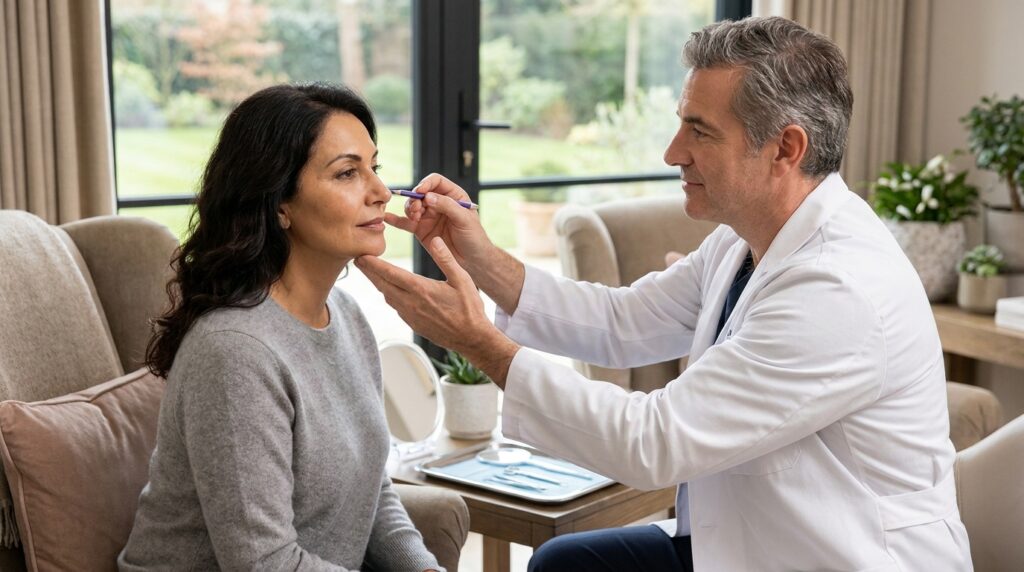
Cheek augmentation adds volume or structure to the mid-face, usually with a solid implant or with your own fat. In Turkey, it is often chosen by medical tourists who want stronger cheek definition or age-related volume restoration, but it suits only patients who are medically well, have realistic expectations, and can stay for proper aftercare.
Cheek augmentation means increasing the shape or projection of the cheeks. In practice, this is usually done in one of two ways:
- ✓Cheek implants: a shaped implant is placed over the cheekbone to create more structure.
- ✓Fat transfer: fat is taken from another area of the body, processed, and injected into the cheeks to add softer volume.
Patients looking into cheek augmentation Turkey are often trying to balance facial aesthetics with travel costs and access to experienced surgeons. The key point is that the treatment plan should fit your face, not a trend or a filtered photo.
Good candidates often include people who:
- ✓Naturally have flat or less defined cheeks
- ✓Have lost mid-face volume with age or weight loss
- ✓Want better balance between the nose, chin and cheek area
- ✓Are well enough for surgery or sedation
- ✓Do not smoke, or can stop before and after treatment as advised
It may not be suitable if you:
- ✓Have an active infection, including dental or sinus infection
- ✓Have uncontrolled medical conditions such as poorly controlled diabetes or blood pressure problems
- ✓Have severe bleeding or clotting issues
- ✓Have unrealistic expectations about symmetry or perfection
- ✓Cannot stay in Turkey long enough for review appointments
- ✓Are not prepared for swelling, bruising, and the chance of revision work later
If you are comparing facial procedures, some patients also look at chin augmentation, rhinoplasty, or buccal fat removal because facial balance matters more than one feature in isolation.
According to the NHS, all surgery carries risk, and cosmetic surgery should only be done after careful thought and proper consultation. That matters even more when treatment involves travel.
⚠️ A strong cheekbone look is not one-size-fits-all Overfilling or oversized implants can look unnatural, especially in slimmer faces. A careful plan is usually safer than chasing a dramatic online trend.
- ✓Ask whether your goal is better structure, softer volume, or age-related restoration
- ✓Ask if your surgeon recommends implant, fat transfer, or no procedure at all
- ✓Make sure your medical history, smoking status, and travel dates are reviewed before booking
Cheek implants vs fat transfer: which option usually suits which patient?
Cheek implants usually suit patients who want stronger bone-like definition and a more fixed result. Fat transfer usually suits patients who want softer volume using their own tissue. Implants can need revision for position or feel, while fat transfer may need repeat sessions because some of the transferred fat does not survive.
This is the decision that shapes almost everything else: your result, recovery, scars, and the chance of needing another procedure later.
Cheek implants
Cheek implants are designed to create more structure. They are usually placed through incisions inside the mouth, though some surgeons may use another route depending on the plan and whether the procedure is combined with other facial surgery.
Patients often prefer implants when they:
- ✓Want a sharper, more defined cheekbone look
- ✓Have naturally flatter facial bone structure
- ✓Want a result that does not depend on fat survival
Points to think about:
- ✓The result is usually more structural than soft
- ✓The implant can shift, feel too prominent, or need removal or exchange later
- ✓There is a small scar inside the mouth rather than on the outer skin in many cases
- ✓General anaesthesia is commonly used, especially when implants are placed surgically in a hospital setting
Fat transfer to the cheeks
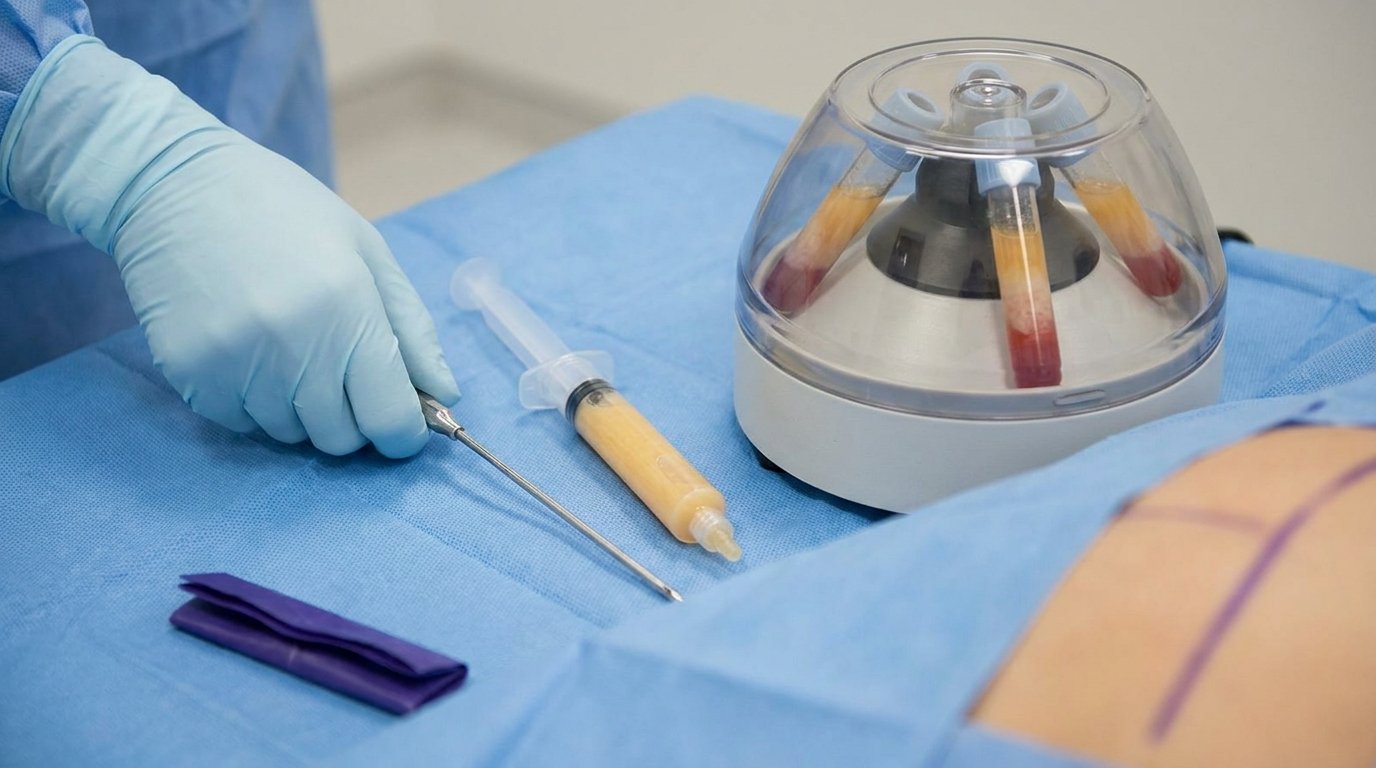
Fat transfer uses fat from your own body, often taken from the abdomen or thighs, then purified and injected into the face. This tends to create a softer, more natural-feeling volume.
Patients often prefer fat transfer when they:
- ✓Want subtle volume rather than a sharper cheekbone edge
- ✓Have age-related hollowing or a tired look in the mid-face
- ✓Prefer to avoid a permanent implant
Points to think about:
- ✓Some of the transferred fat is commonly reabsorbed by the body
- ✓A second session may be advised if more volume is needed later
- ✓There is no implant to remove, but the result can be less predictable than a solid implant
- ✓Anaesthesia may range from sedation to general anaesthesia, depending on the amount of liposuction and whether other procedures are done at the same time
A 2019 study in the Journal of Craniofacial Surgery discussed how harvesting and processing methods matter in facial fat grafting, because technique affects how well the transferred fat survives. That does not mean one method is always best, but it does show why surgeon technique matters more than simple before-and-after photos.
The American Society of Plastic Surgeons (ASPS) notes that fat grafting can improve facial volume, while results can vary because some fat is naturally absorbed by the body. That is useful for patients choosing between a fixed implant shape and a softer, less exact but often more natural-feeling option.
You want stronger cheek definition and understand that a permanent material may sometimes need revision or removal.
You prefer your own tissue and accept that volume can settle unevenly or reduce as some fat is absorbed.
How much does cheek augmentation in Turkey cost?
There is no fixed public price that suits every patient. The cost of cheek augmentation in Turkey varies by technique, surgeon experience, anaesthesia, hospital setting, and whether you combine it with other facial surgery. A personalised quote is usually confirmed only after consultation and review of your photos or in-person assessment.
For this topic, it is more useful to understand what changes the quote than to chase a headline price.
The total cost can vary based on:
- ✓Whether you choose implants or fat transfer
- ✓The surgeon’s experience with facial contouring
- ✓The hospital or clinic setting used for the procedure
- ✓Anaesthesia type and anaesthetist fees
- ✓Whether overnight stay is needed
- ✓Whether scans, blood tests, or extra reviews are required
- ✓Whether the procedure is combined with another facial surgery, such as a facelift or eyelid surgery
- ✓What is included in the package, such as transfers, hotel, medication, compression garments, or translation support
A lower quote is not automatically better value. In facial surgery, experience, planning, sterility, implant selection, and aftercare matter a great deal.
Ask for a written breakdown covering:
- ✓Surgeon fee
- ✓Anaesthesia fee
- ✓Hospital or theatre fee
- ✓Implant cost, if relevant
- ✓Tests and medication
- ✓Follow-up visits in Turkey
- ✓Remote follow-up after you return home
- ✓Revision policy if there is a problem later
The final price is usually confirmed after consultation, once the surgeon decides whether your goals are better met by implants, fat transfer, or another approach.
📋 Ask what happens if plans change on arrival Sometimes a surgeon may advise a different technique after examining you in person. Check whether this changes the quote and whether you can decline treatment if the plan no longer suits you.
How long do you need to stay in Turkey and what is recovery really like?
Most patients should plan to stay in Turkey for roughly 5 to 8 days after cheek augmentation, depending on whether they have implants or fat transfer and whether another procedure is combined. Early swelling and bruising are common. Many people feel presentable sooner than they feel fully healed, and final results can take months to settle.
This is where many medical tourists need clearer advice. The travel plan should fit the operation, not the cheapest flight home.
For cheek implants, many patients are advised to stay around 6 to 8 days so the surgeon can check early healing, swelling, and implant position before travel.
For fat transfer, a stay of around 5 to 7 days is often reasonable, but this can be longer if a larger amount of fat is taken or if another procedure is done at the same time.
You may need longer if you:
- ✓Are having combined facial surgery
- ✓Have a history of slow healing
- ✓Develop more swelling than expected
- ✓Need extra checks before flying
What recovery usually feels like
Early recovery is often manageable, but it is not instant. Expect swelling, tightness, tenderness, and some bruising. Implants can feel firm or unfamiliar at first. With fat transfer, both the face and the donor area can be sore.
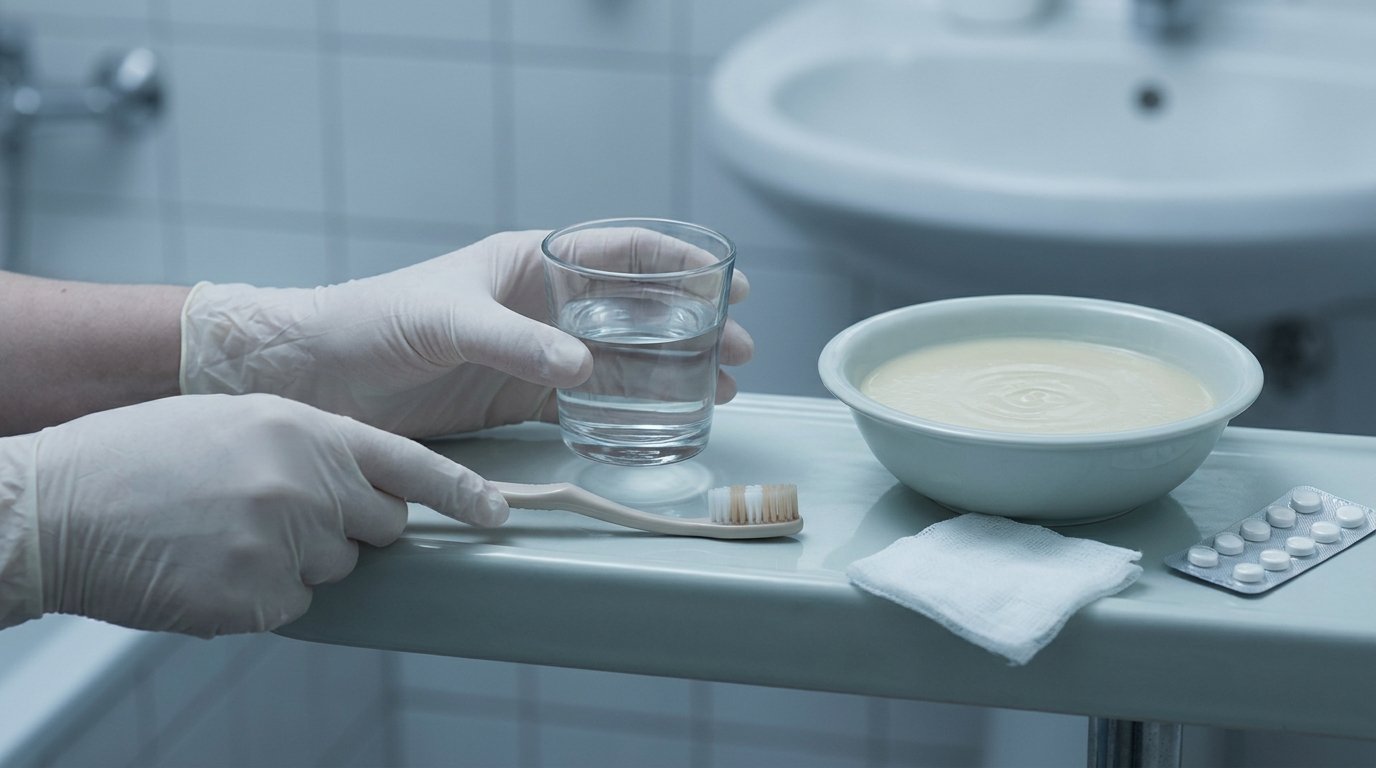
Inside-the-mouth incisions, often used for implants, mean careful mouth hygiene matters. Your surgeon may advise a softer diet for a short period, along with rinses and medication.
A realistic timeline
- →Plan your stay around the surgeon’s review schedule, not just airfare
- →Build in at least a small buffer in case swelling or travel clearance takes longer
- →Do not book major social events right after you return home
Is cheek augmentation in Turkey safe?
Cheek augmentation in Turkey can be safe when it is done by an appropriately trained surgeon in a regulated setting with proper assessment and follow-up. The main risks are not unique to Turkey; they relate to surgery itself, poor patient selection, rushed travel, and weak aftercare arrangements once you leave the country.
The honest answer is that safety depends more on who treats you, where you are treated, and how aftercare is handled than on the destination alone.
Possible risks include:
- ✓Infection
- ✓Bleeding or prolonged swelling
- ✓Asymmetry
- ✓Unsatisfactory size or shape
- ✓Implant movement or visibility in implant cases
- ✓Fat loss or uneven take in fat transfer cases
- ✓Numbness or altered sensation
- ✓Reaction to anaesthesia
The NHS warns that cosmetic procedures can have serious complications, especially if they are carried out by someone without the right training or if follow-up care is poor. Mayo Clinic also notes that soft tissue fillers and facial volume procedures carry risks such as swelling, bruising, asymmetry, and infection; while filler is not the same as cheek implant surgery, the broader point is relevant: facial volume procedures need careful technique and proper aftercare.
A good safety process should include:
- ✓A real medical history review, not just a sales chat
- ✓Clear discussion of implant vs fat transfer and why one is recommended
- ✓Consent that covers limits, risks, scars, and revision possibility
- ✓Named surgeon credentials you can verify
- ✓A hospital or clinic setting that is appropriate for the planned anaesthesia
- ✓A follow-up plan before and after you fly home
Safety is not just about the day of surgery. It is also about how the team responds if something looks wrong later.
🚨 Do not ignore worsening swelling after you go home If swelling rapidly increases, you develop fever, pus, severe pain, breathing trouble, or one side becomes much more swollen, seek urgent medical attention locally and contact your surgical team at once.
A clinic that gives the same plan to everyone, avoids naming the surgeon, or pushes you to book fast is not showing good clinical judgement.
A careful provider asks for photos, medical history, smoking status, previous facial surgery, and how long you can stay for review.
What happens if there is a complication after you return home?
Minor issues such as swelling questions can often be handled remotely at first, but signs of infection, implant problems, severe asymmetry, or sudden worsening pain may need urgent local medical care. Before booking, you should know exactly who to contact, how fast they respond, and whether revision or treatment costs are covered or excluded.
This is one of the most important questions for medical tourists, and many people ask it too late.
After you return home, the first step is usually to contact the clinic or surgeon with:
- ✓Clear photos in good light
- ✓A list of symptoms
- ✓Your temperature if you feel feverish
- ✓Details of your medicines and when symptoms started
Many clinics can help with routine recovery questions by message or video call. That works best for:
- ✓Normal swelling checks
- ✓Questions about bruising
- ✓Wound-care advice
- ✓When to restart exercise or work
But remote follow-up has limits. You may need urgent local care if you have:
- ✓Increasing redness, heat, pus, or fever
- ✓Sudden severe pain
- ✓Wound opening
- ✓New facial weakness or severe numbness
- ✓Suspected implant infection or implant displacement
Before surgery, ask these practical questions in writing:
- ✓Who is my named contact out of hours?
- ✓What response time should I expect?
- ✓If I need local treatment at home, who pays?
- ✓If a revision is advised later, what is covered and what is not?
- ✓Will the surgeon speak directly to my local doctor if needed?
The best clinics make this part clear before you travel. If you are still comparing providers, review the surgeon information on the doctors page, learn more about the clinic, and use the consultation page to ask detailed follow-up questions before committing.
This article is for informational purposes only and does not constitute medical advice. Always consult a qualified surgeon for personalised guidance.
- ✓Save the clinic’s emergency contact details before you fly
- ✓Keep copies of your operative notes and medication list
- ✓Know where you would seek urgent care in your home country if needed
Frequently Asked Questions
References
- 📎Cosmetic surgery – Overview — NHS
- 📎Fat transfer breast augmentation and facial fat grafting — American Society of Plastic Surgeons
- 📎Dermal fillers — American Society of Plastic Surgeons
- 📎Micro-Autologous Fat Transplantation Combined With Platelet-Rich Plasma for Facial Filling and Regeneration: A Clinical Perspective in the Shadow of Evidence-Based Medicine — Journal of Craniofacial Surgery, 2019
Related Articles

You Might Also Like

Related articles


Our specialists
 Clineca SpecialistErkan PinegözPlastic & Reconstructive Surgery
 Clineca SpecialistHakan AktaşPlastic & Reconstructive Surgery
 Clineca SpecialistOrkun UzuneyüpoğluPlastic & Reconstructive Surgery
 Clineca SpecialistSalim İskenderPlastic & Reconstructive Surgery
 Clineca SpecialistEngin SelamioğluPlastic & Reconstructive Surgery
 Clineca SpecialistCem AydınPlastic & Reconstructive Surgery
 Clineca SpecialistAlperen ÖnalEar, Nose & Throat (ENT)