Have a question about Nipple Correction?
In this article
- What does “safe” mean for nipple correction surgery?
- What are the main risks of nipple correction surgery?
- Who is a better candidate, and who needs extra caution?
- How long is recovery, and what can go wrong during healing?
- How do you choose a qualified surgeon and safer clinic setting?
- What affects the cost, stay, and planning for medical travel?
- When should you avoid rushing into surgery?
In most appropriately selected patients, nipple correction surgery is a small operation that can be performed safely by a qualified plastic surgeon, but it is not risk-free. If you are asking "is nipple correction surgery safe and what are the main risks", the honest answer is that safety depends on your anatomy, the exact technique used, your medical history, and whether you accept trade-offs such as scarring, altered sensation, difficulty breastfeeding, infection, or the need for revision.
What does “safe” mean for nipple correction surgery?
People often use one word, “safe”, as if the answer is simply yes or no. In practice, safety means something more specific: the operation is suitable for you, the expected benefits are realistic, the risks are clearly explained, and the procedure is performed by a properly trained surgeon in an appropriate clinical setting.
Nipple correction is not one single operation. It may mean correcting an inverted nipple, reducing an enlarged or long nipple, improving asymmetry, or revising changes after breastfeeding, weight change, trauma, or previous surgery. The risk profile changes depending on which of these is being treated.
For example, surgery for inverted nipples may involve releasing tight ducts or bands pulling the nipple inward. That can improve projection, but it may also affect future breastfeeding. A nipple reduction may remove skin and soft tissue to change shape or size, but that brings a different balance of scarring, sensation change, and healing issues.
Recognised medical bodies are useful here because they frame cosmetic surgery realistically. The NHS advises that all surgery carries risks such as bleeding, infection, scarring, and anaesthetic complications, and that cosmetic procedures should only be considered after understanding both benefits and downsides. The American Society of Plastic Surgeons (ASPS) also notes that outcomes vary between patients and depend on health, anatomy, and surgical technique.
That is why any honest surgeon should avoid blanket reassurance. A person who smokes, has poorly controlled diabetes, has a history of poor scarring, or wants to preserve breastfeeding as much as possible needs a more careful discussion than someone without those factors.
📋 A small procedure can still have meaningful downsides Because nipple correction is usually limited in size, patients sometimes underestimate it. Small-area surgery can still leave permanent changes in feeling, shape, and milk ducts.
Nipple correction surgery can be carried out safely when the right patient, surgeon, setting, and technique come together, but “safe” does not mean free of complications. The real question is whether the likely benefits outweigh known risks in your case, after a proper clinical assessment and informed consent.
What are the main risks of nipple correction surgery?
The most common risks are not dramatic, but they do matter because they affect comfort, appearance, and function.
Infection can happen after even minor surgery. It is usually treated with dressings, antibiotics, or sometimes drainage if fluid collects. Bleeding and bruising are also possible, especially in the first few days. A small amount of spotting may be expected, but more significant swelling, firmness, or fresh bleeding needs review.
Scarring is unavoidable because a cut is made, even if scars are usually small. Some scars heal neatly. Others widen, stay red for longer, or become raised. If you know you form thick scars or keloids, say so early.
Change in sensation is one of the most important trade-offs. Some people feel temporary numbness or oversensitivity that settles over weeks or months. For others, the change may be longer lasting or permanent. The risk may be higher if more tissue is altered.
Breastfeeding is another key point. This matters most in inverted nipple correction, because some techniques may cut or disturb milk ducts. If future breastfeeding is important to you, ask directly whether the planned method aims to preserve ducts or whether that cannot be promised. No surgeon should guarantee breastfeeding function after surgery.
Cosmetic dissatisfaction is also a real risk. The nipple may still look larger, flatter, less projected, more uneven, or more scarred than you expected. With inverted nipples, recurrence is a known issue. Some nipples pull inward again over time, especially if the inversion was strong to begin with.
Less common but more serious problems include poor blood supply to the nipple tissue, skin loss, or wound breakdown. These are uncommon, but the risk rises in smokers, people with circulation problems, and in patients having revision surgery or combined breast procedures.
The NHS and Mayo Clinic both emphasise that patients should seek urgent assessment if they develop increasing pain, worsening redness, fever, discharge with a bad smell, or skin that looks dark, dusky, or pale rather than simply bruised.
⚠️ Breastfeeding is a major decision point If you may want to breastfeed in the future, raise this before surgery. Technique choice can affect the chance of preserving milk ducts, and there is no guaranteed way to protect function in every case.
- ✓Infection
- ✓Bleeding or haematoma (a pool of blood under the skin)
- ✓Delayed healing or wound opening
- ✓Visible or raised scarring
- ✓Reduced, increased, or altered nipple sensation
- ✓Difficulty breastfeeding after some techniques
- ✓Recurrence of inversion
- ✓Asymmetry or an unsatisfactory cosmetic result
- ✓Rarely, compromised blood supply to the nipple tissue
The main risks are infection, bleeding, delayed healing, visible scars, asymmetry, loss or reduction of nipple sensation, recurrence of inversion, difficulty breastfeeding, and dissatisfaction with the cosmetic result. Less often, tissue damage or poor blood supply can affect healing, especially in smokers or after more extensive correction.
Who is a better candidate, and who needs extra caution?
A better candidate is someone in good general health, with stable expectations, who understands that the goal is improvement rather than perfection. It also helps if the concern has been stable for some time, rather than changing month by month.
Extra caution is needed if you smoke or vape nicotine, have diabetes, have a clotting or bleeding disorder, take blood-thinning medication, have had previous breast surgery, or have a history of poor wound healing. These factors do not always rule surgery out, but they can change both timing and risk.
If nipple inversion is new, one-sided, or associated with discharge, a lump, or skin changes, that needs medical assessment before cosmetic treatment is considered. New nipple inversion can occasionally be a sign of an underlying breast problem, so it should not automatically be treated as a cosmetic issue first.
Your surgeon may also suggest delaying surgery if you are pregnant, recently breastfeeding, or planning pregnancy soon. Hormonal and breast changes can affect both timing and final appearance.
Good general health, stable anatomy, realistic expectations, and a clear understanding of possible scarring, sensation change, and functional trade-offs.
Smoking, uncontrolled medical conditions, previous breast surgery, active infection, or a new nipple change that has not been properly assessed.
How long is recovery, and what can go wrong during healing?
Most nipple correction procedures are done as day surgery or a short outpatient procedure. Many patients are up and walking the same day. That said, “back to normal” and “fully healed” are not the same thing.
In the first few days, expect tenderness, swelling, and some tightness. Dressings may need to stay in place for a period advised by your surgeon, and the area needs protection from friction. Sleeping on your front, intense exercise, swimming, and sexual contact involving the chest are usually restricted for a while.
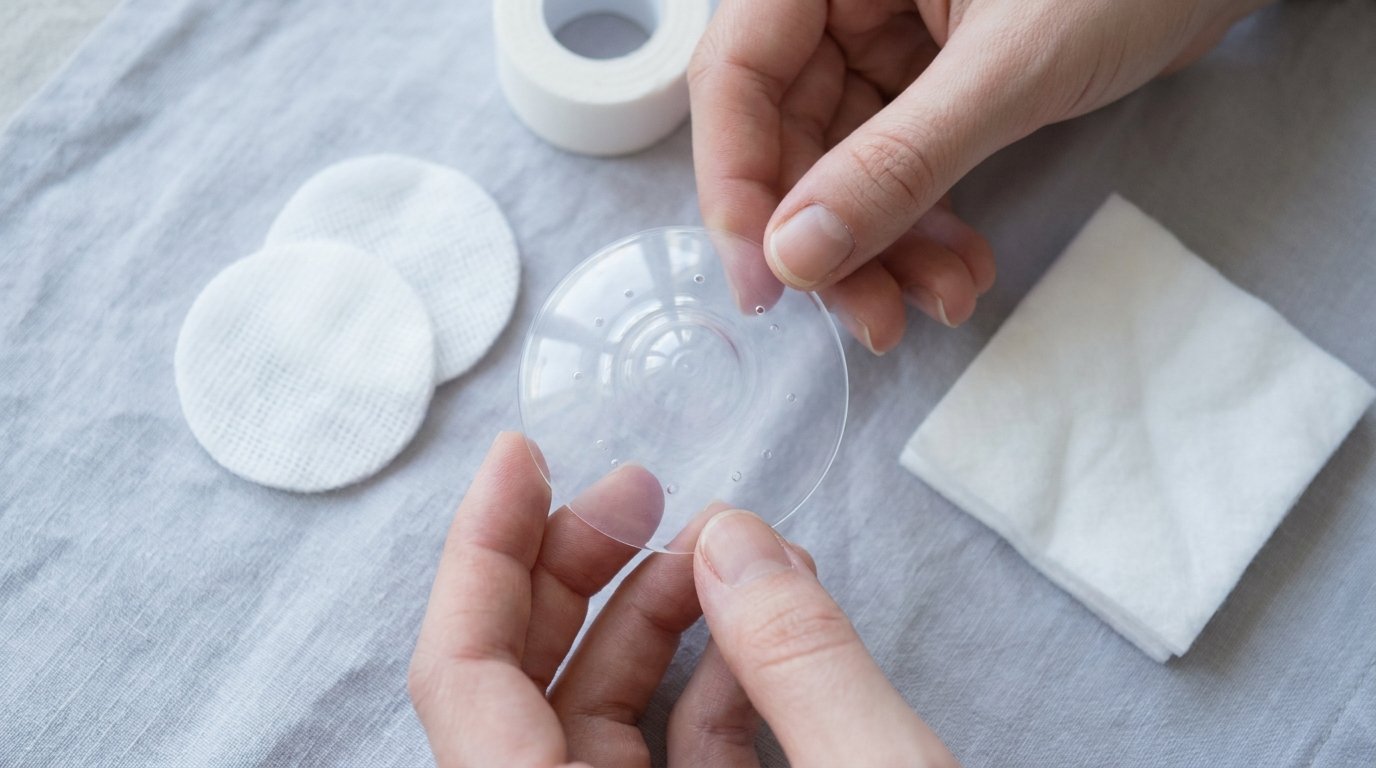
You may be able to return to desk-based work quite quickly, depending on comfort and whether you are having nipple correction alone or alongside another breast operation. If it is combined with a larger procedure, recovery follows the more extensive surgery rather than the nipple correction itself.
Problems during healing usually show up in the first one to two weeks. These include increasing redness, discharge, worsening swelling on one side, a wound edge starting to separate, or a nipple that looks unusually pale or dark. Some asymmetry can improve as swelling settles, but not every uneven result will self-correct.
Scars also change over time. They often look more noticeable before they look better. This can be frustrating if you expected the final result after only a couple of weeks.
⚠️ Travel planning matters If you are travelling for surgery, do not plan to fly home the next day without clear aftercare arrangements. Even a minor procedure needs wound checks, dressing advice, and a simple route back to your surgeon if healing is not going to plan.
Recovery is usually shorter than for larger breast surgery, but healing still takes weeks, not just days. Many patients feel reasonably comfortable within days, yet swelling, tenderness, scar maturation, and final shape continue to settle over several weeks to months, and problems such as infection or wound breakdown can appear early on.
How do you choose a qualified surgeon and safer clinic setting?
This is one of the biggest factors you can actually control. The NHS advises checking that anyone offering cosmetic surgery is appropriately qualified and registered. For patients travelling abroad, that means you need to look beyond marketing photos and ask practical questions.
Start with the surgeon’s training and scope of practice. You want a doctor whose work includes breast and nipple surgery, not someone offering every cosmetic treatment under the sun with no clear background. Ask who will examine you, who will perform the operation, what anaesthesia is planned, and where the procedure will take place.
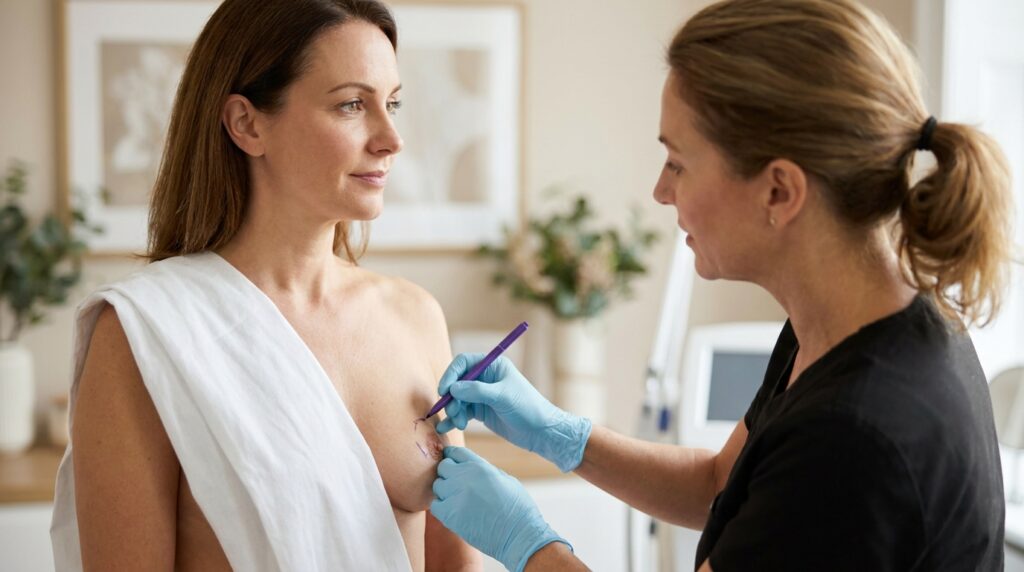
You should also ask how they assess suitability. A safer clinic does not jump straight to a date and price. It asks about smoking, medication, previous breast surgery, breastfeeding plans, scarring history, and any new nipple symptoms. If you want a starting point for provider information, you can review the clinic’s general background on the about page, see the medical team information, or request an individual review through the consultation page.
Clear aftercare is another trust signal. You should know who to contact after surgery, what happens if you develop a problem once back home, and whether your dressings or follow-up checks are included in the plan. If these answers are vague, treat that as a warning sign.
The ASPS and NHS both support informed consent as a process, not a form. You should come away understanding realistic outcomes, the chance of revision, whether breastfeeding may be affected, and what complications would be managed locally versus by the original surgeon.
Detailed consent, balanced discussion of risks, pressure-free consultation, and a clear plan for follow-up and complications.
Guaranteed results, minimised risks, no questions about breastfeeding or smoking, or pressure to book quickly with limited medical assessment.
- ✓Ask about the surgeon’s plastic-surgery credentials and experience with nipple correction specifically
- ✓Confirm where the procedure is performed and what emergency support exists if needed
- ✓Check that your medical history, smoking status, and breastfeeding plans are discussed properly
- ✓Ask to see realistic before-and-after examples of similar cases, not only ideal results
- ✓Make sure written aftercare and a contact pathway are in place before you travel
Choose a surgeon with recognised plastic-surgery credentials, clear experience in the exact nipple procedure you need, and a clinic that can explain aftercare, consent, infection control, and emergency arrangements. Safety improves when the provider assesses you properly, discusses limits honestly, and does not rush you into booking.
What affects the cost, stay, and planning for medical travel?
Because no verified price is available for this topic here, it is better to think about cost in terms of what changes the quote rather than looking for one number. The main drivers are the surgical technique, whether one or both nipples are treated, whether the operation is standalone or combined with another breast procedure, the surgeon’s experience, the facility used, and the aftercare package.
Anaesthetic choice matters too. A simple correction under local anaesthetic is a different resource level from a procedure done in theatre with sedation or general anaesthetic. Revision surgery can also cost more because tissue planes are less predictable and healing can be slower.
If you are travelling to Turkey, ask how long you are expected to stay before you book flights. For a minor standalone procedure, the stay is usually shorter than for major breast surgery, but you still need enough time for examination, the operation, and at least one early follow-up. Do not judge the trip only by the day of surgery.
It is also sensible to ask what is included in the quote: pre-op review, blood tests if needed, dressings, medication, follow-up checks, and support once you return home. A personalised quote after consultation is the right approach because suitability and complexity vary from one patient to another.
📋 A personalised quote is normal For this procedure, a tailored quote after consultation is more reliable than a public price because anatomy, goals, and technique vary widely.
There is no standard fixed price for nipple correction surgery. The final quote usually depends on the exact problem being treated, whether it is done under local or general anaesthetic, whether it is combined with other breast surgery, and how much follow-up care is included.
When should you avoid rushing into surgery?
You should slow down if the nipple change is new, especially if it is one-sided or linked to discharge, pain, a lump, or skin dimpling. Those symptoms need medical assessment first. Cosmetic correction comes after the cause is understood, not before.
It is also wise to pause if your main goal is perfection, if you are unsure about future breastfeeding, or if you feel pressured by a partner or by social media images. This is a small operation, but the changes can be permanent.
If you are still weighing options, take the consultation as information gathering rather than a commitment. A careful surgeon will usually respect that. If you need to ask questions directly, the clinic contact route should be clear on the contact page.
Frequently Asked Questions
References
- 📎NHS – Cosmetic surgery
- 📎American Society of Plastic Surgeons – Inverted Nipple Correction
- 📎Mayo Clinic – Surgical wound infection: Symptoms and causes
Related Articles


You Might Also Like


Related articles



Our specialists
 Clineca SpecialistErkan PinegözPlastic & Reconstructive Surgery
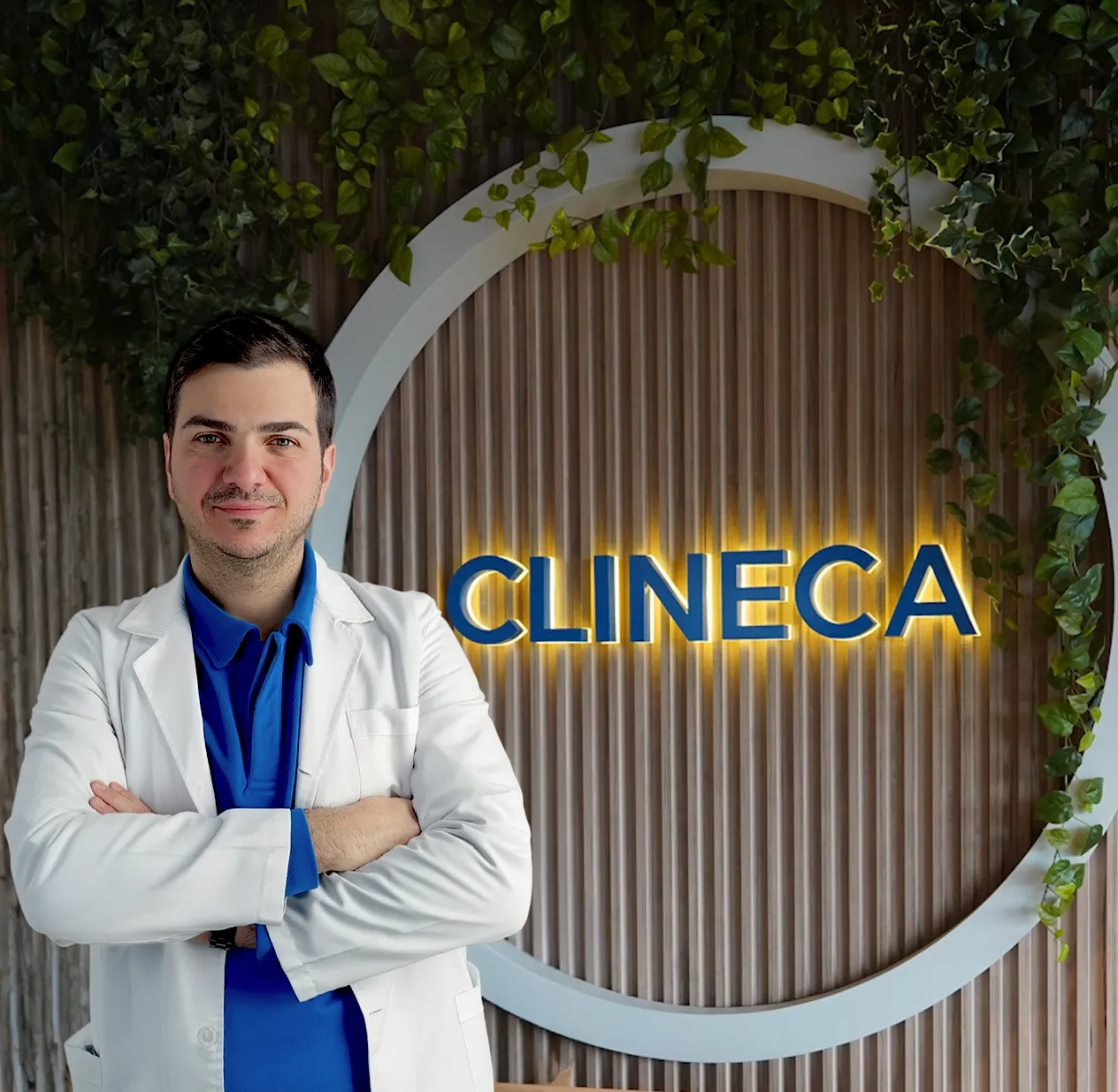 Clineca SpecialistHakan AktaşPlastic & Reconstructive Surgery
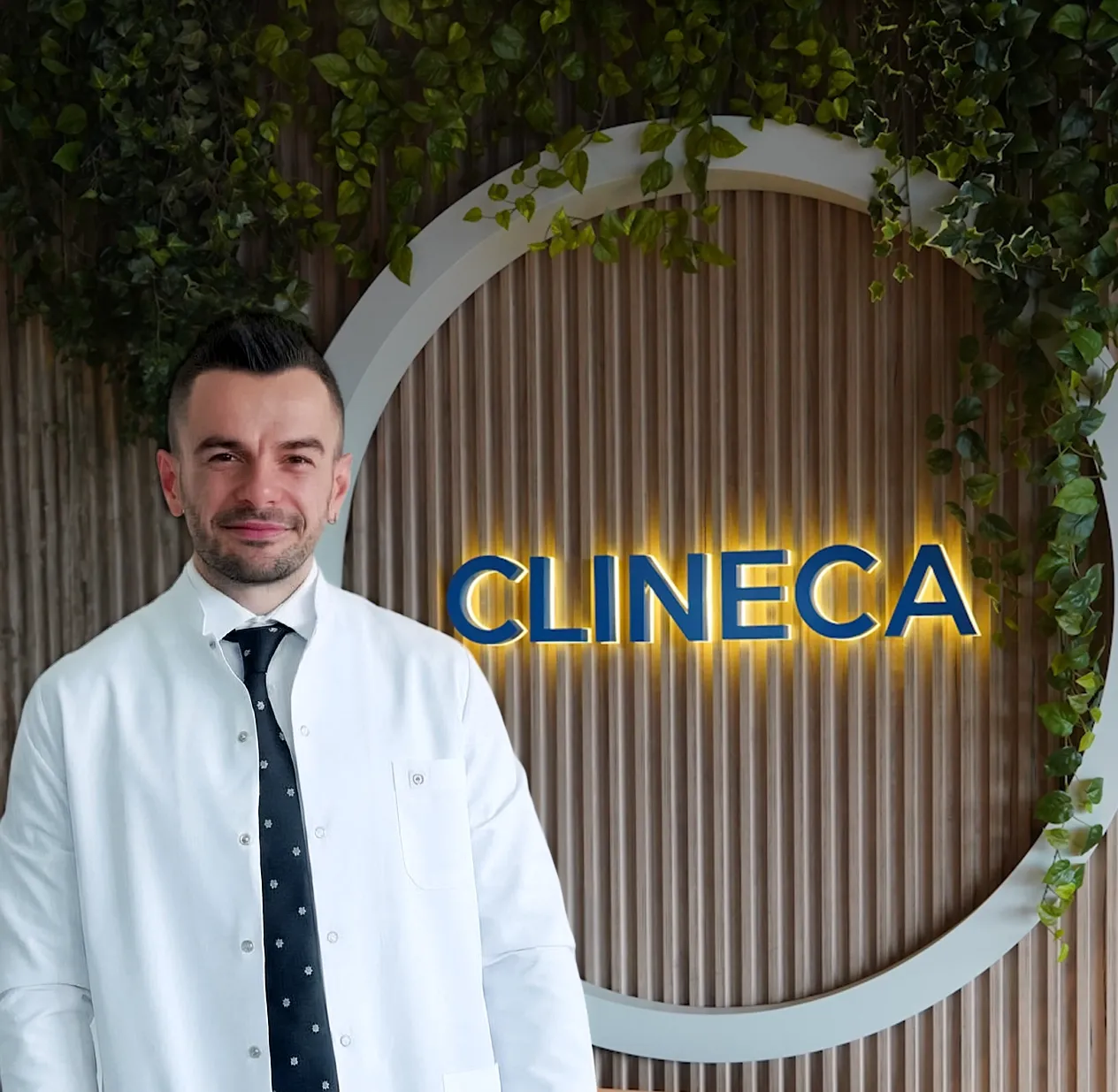 Clineca SpecialistOrkun UzuneyüpoğluPlastic & Reconstructive Surgery
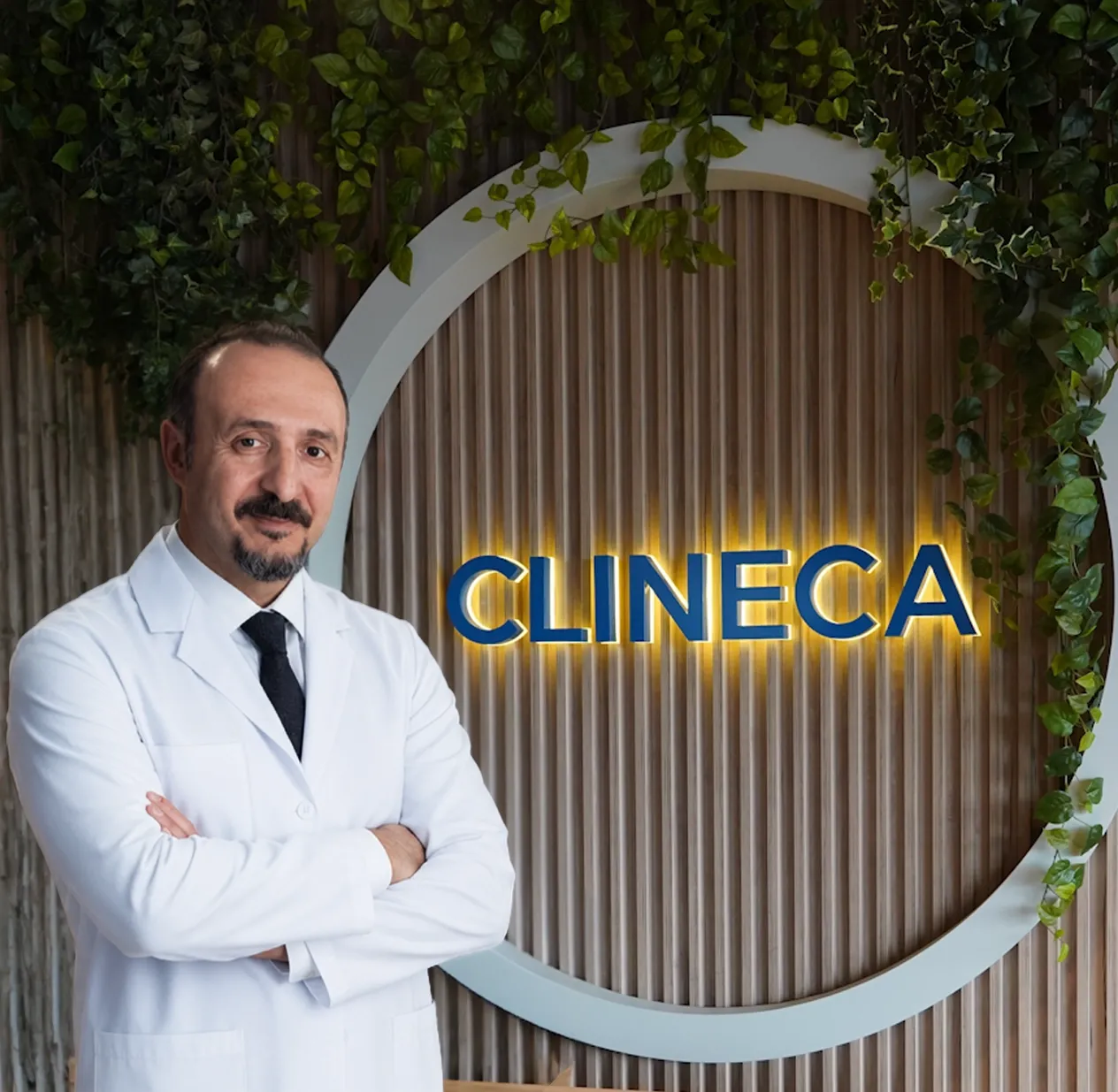 Clineca SpecialistSalim İskenderPlastic & Reconstructive Surgery
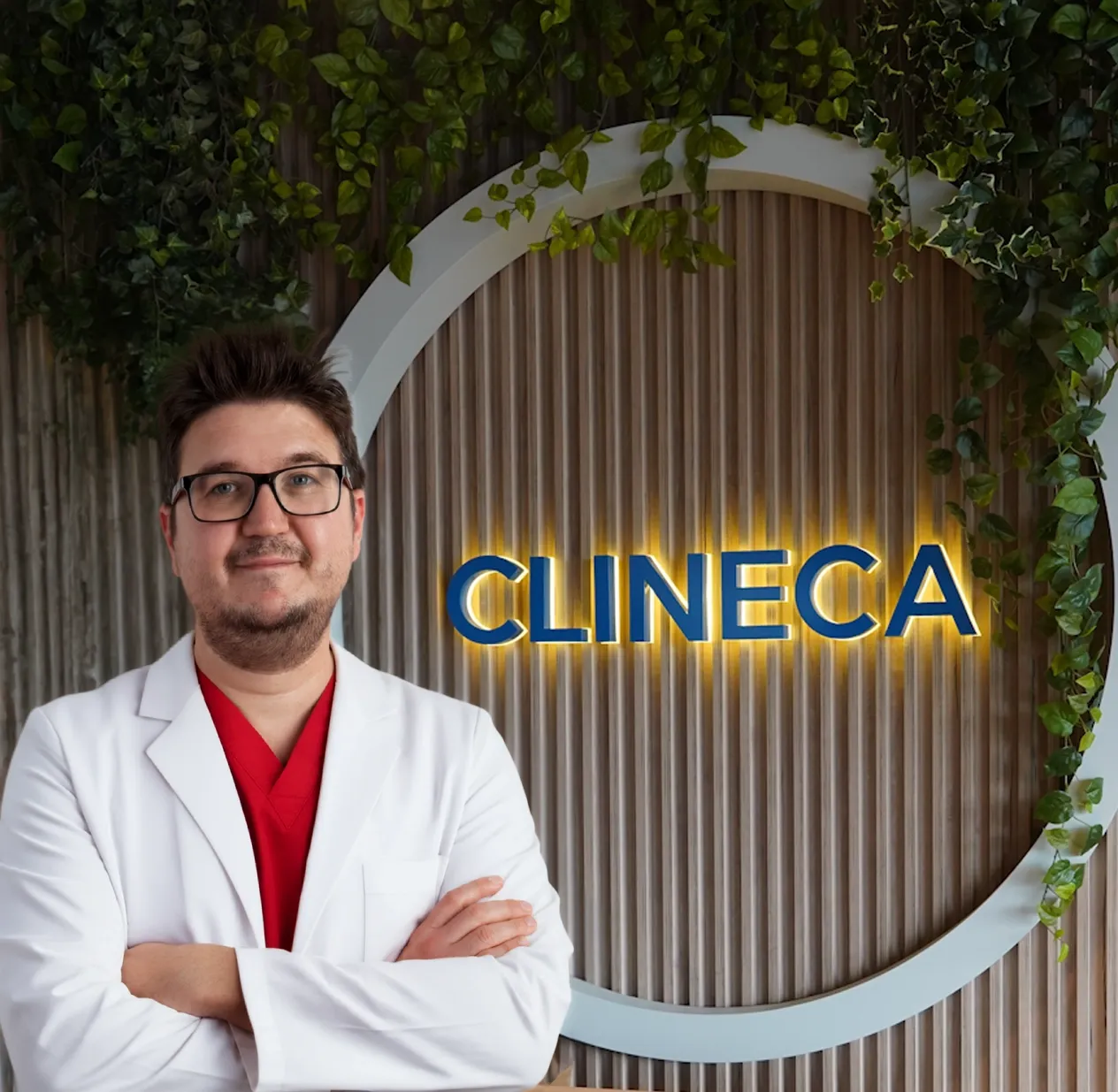 Clineca SpecialistEngin SelamioğluPlastic & Reconstructive Surgery
 Clineca SpecialistCem AydınPlastic & Reconstructive Surgery
 Clineca SpecialistAlperen ÖnalEar, Nose & Throat (ENT)