Have a question about Mini Face Lift?
In this article
- What a mini facelift actually lifts
- Are you the right candidate — and when you are not
- What drives the cost of a mini facelift in Turkey
- What a mini facelift package in Turkey usually includes
- How long should you stay in Turkey?
- Mini facelift recovery, week by week
- Mini facelift versus a full facelift, a neck lift and non-surgical options
- Safety, anaesthesia and the risks worth asking about
- How to choose a clinic and surgeon in Turkey
A mini facelift sits in an awkward but very popular gap: too much sagging for fillers to fix, not enough for a full lift. Searches for a mini facelift in Turkey have grown fast, partly because of price and partly because the operation is genuinely shorter and gentler than a traditional facelift. The useful questions, though, are the specific ones — what it actually lifts, how long you need to be in the country, and how to tell a serious surgical team from a slick sales page.
What a mini facelift actually lifts
A mini facelift is a short-scar operation. The incision runs in front of the ear and curves a short way behind the earlobe, rather than sweeping back into the hairline and down the neck the way a full facelift incision does. Through that shorter access, the surgeon tightens the SMAS — the sheet of muscle and fibrous tissue under the skin that carries much of the sagging — and then trims a modest amount of loose skin.
The target zone is the lower third of the face. Think of the soft fold that forms between the cheek and the mouth, the heaviness along the jawline, and the early jowl that shows up in photographs before you notice it in the mirror. Lifting that tissue back up and slightly backwards is what makes the jaw look cleaner and the cheek look supported again.
What it does not do matters just as much. A mini lift barely touches the neck below the jawline, does nothing for the brow, and will not fix hooded upper eyelids or under-eye bags. It also will not add volume — if your face has thinned as well as dropped, lifting alone can look tighter but still hollow, which is why fat transfer is sometimes discussed in the same consultation.
The approach is well described in the surgical literature. A 2011 paper in Dermatologic Therapy on the vertical vector face lift noted that mini and short-scar techniques, using shorter incisions and less tissue release, work well in younger patients with laxity in the lower face and relatively little loose neck skin. An earlier 2005 Dermatologic Surgery report on a transcutaneous technique made a similar point from another angle: less invasive lifting approaches are aimed at patients who need a mild to moderate lift, not a dramatic one.
📋 Names vary between clinics "Mini facelift", "short-scar lift", "S-lift" and "mini SMAS lift" often describe overlapping operations rather than one standardised procedure. Ask your surgeon exactly which layer is tightened and where the scar will sit, not just what the operation is called.
Are you the right candidate — and when you are not
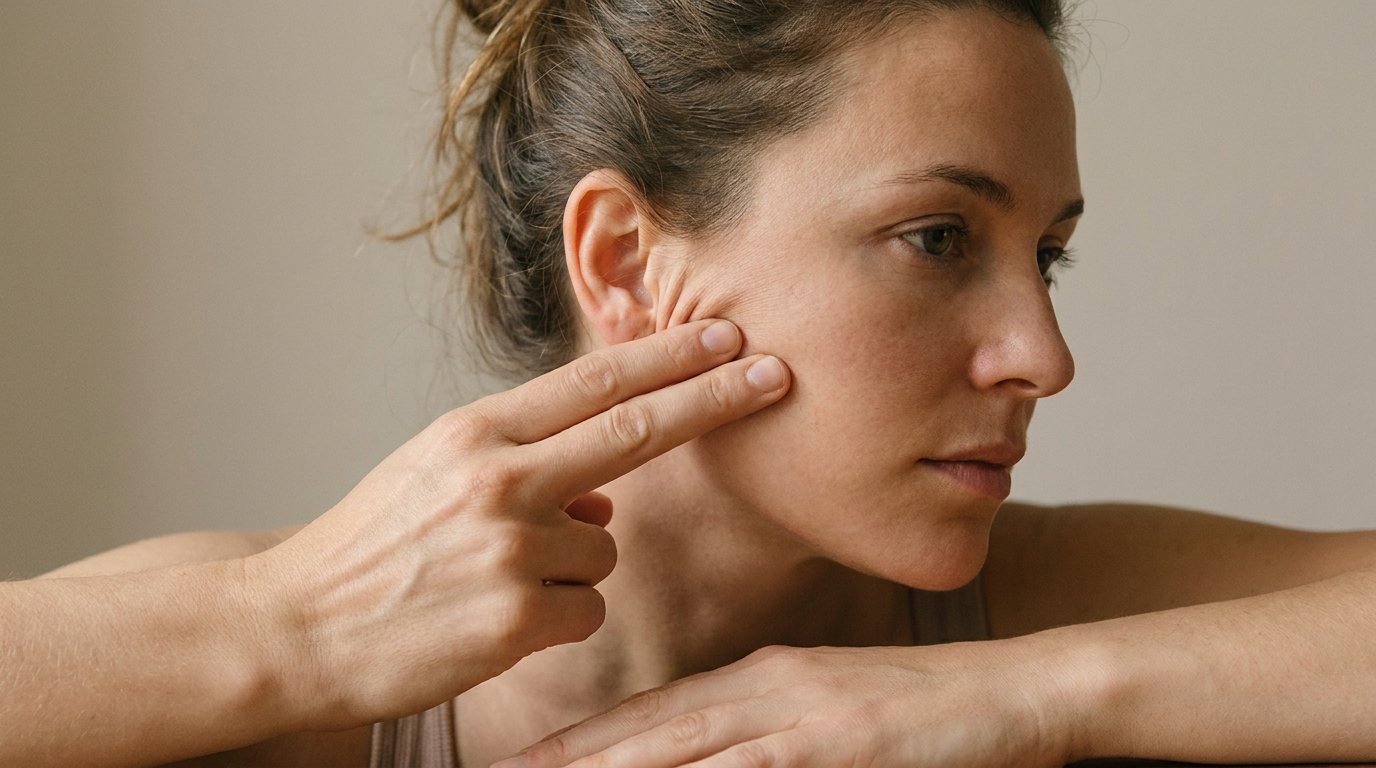
Most good candidates are somewhere between their late thirties and late fifties, with skin that still has reasonable elasticity and sagging that is early rather than advanced. If you pull the skin in front of your ear gently upwards and backwards and like what you see, that preview is roughly what the operation delivers. If you have to pull hard, or you need to pull the neck as well, a mini lift will probably underdeliver.
Two other factors change the plan more than age does. Weight stability comes first — losing a lot of weight after surgery tends to leave new looseness. Smoking comes second, because nicotine narrows the small vessels that keep the lifted skin healthy, and most surgeons ask for a firm stop several weeks before and after surgery.
If you are weighing this up in your early forties, our piece on whether a mini facelift is right for you at 40 goes deeper into that decade specifically, and there is a companion article on candidacy for a mini face lift in your 40s. If injectables used to work and now barely register, the article on becoming a facelift candidate when fillers stop helping is the closest match to that experience.
Early jowling, a softening jawline, mild cheek descent, decent skin quality, stable weight, realistic expectations about a modest and natural change.
Heavy neck banding or a lot of loose neck skin, deep sagging in the midface, very thin crepey skin, or a hope that one short operation will reverse fifteen years.
Facial hollowing, tired upper eyelids or a dropped brow sit outside the mini lift’s reach, so these are usually addressed with an added procedure rather than a bigger lift.
What drives the cost of a mini facelift in Turkey
Turkey’s pricing advantage is mostly structural: lower staffing, facility and insurance overheads, plus high surgical volume in a competitive market. That is why a like-for-like comparison with the UK, Germany or the Netherlands usually favours Turkey, as we break down in our overview of plastic surgery prices in Turkey versus the UK, Germany and the Netherlands. What it does not mean is that every quote reflects the same operation.
Two quotes can differ substantially because the surgery itself differs. A mini lift under local anaesthesia with sedation, performed in an outpatient unit, costs less to deliver than a lift under general anaesthesia in a full hospital with an overnight stay. Neither is automatically better — but you need to know which one you are buying.
The other common gap is scope creep in the plan. Adding a neck lift, fat transfer, eyelid surgery or a brow lift changes theatre time, anaesthesia time and recovery, and therefore the price. A sensible quote itemises the procedures rather than bundling everything under one headline figure. Final pricing is confirmed after a consultation and a review of your photographs or an in-person assessment, because the honest answer depends on what your face actually needs.
⚠️ Treat an unusually cheap quote as a question, not a bargain If a price sits far below everything comparable, ask what has been removed: surgeon seniority, anaesthetist cover, hospital licensing, follow-up visits or revision terms. The answer is usually one of those.
What a mini facelift package in Turkey usually includes
Most international patients are quoted an all-inclusive package rather than a line-by-line hospital bill. That is convenient, but the word “inclusive” carries no fixed definition, so it is worth asking for the list in writing before you pay a deposit. Our general explainer on what an all-inclusive surgery package in Turkey includes covers the structure in more detail.
A reasonable package for a mini facelift normally covers the surgery itself and the care around it, while flights and anything elective stay outside.
- ✓Pre-operative assessment: Blood tests, ECG where indicated, anaesthetist review and a face-to-face consultation with the operating surgeon.
- ✓Surgery and anaesthesia: Theatre fees, the surgical team, anaesthesia and any required observation or overnight stay.
- ✓Hospital or clinic aftercare: Dressings, prescribed medication, drain removal if used, and scheduled follow-up checks before you fly.
- ✓Accommodation and transfers: Hotel nights for the recovery window plus airport and clinic transfers.
- ✓Coordination and language support: A patient coordinator and interpreter for consultations and post-op visits.
- ✓Remote follow-up: An agreed channel for photo reviews and questions once you are home.
How long should you stay in Turkey?
Plan on roughly seven to ten nights for a mini facelift alone. The surgery is shorter than a full lift, but the follow-up schedule is what sets the length of the trip: the surgeon needs to see you at the early dressing change and again around suture removal before clearing you to fly.
If you are combining the lift with eyelid surgery, fat transfer or a neck lift, add a few days. Combined sessions mean more swelling, slightly more monitoring and a less comfortable flight if you leave too early. Our article on combined surgery in Turkey explains how that affects both safety planning and total stay.
Flying itself is not usually the problem — sitting still for hours is. Walk the aisle, keep hydrated, and expect your face to look puffier for a day or two after the flight because of cabin pressure and fatigue.
📋 Book a flexible return flight Healing is not identical for everyone. A changeable ticket costs little and removes the temptation to fly home before the surgeon has signed you off.
Mini facelift recovery, week by week
The first three days are the heaviest. Expect tightness rather than sharp pain, a swollen and slightly lopsided face, bruising that drifts downwards towards the jaw and neck, and numbness in front of the ears. Sleeping propped up on two pillows makes a genuine difference to morning swelling.

Most people look socially acceptable with light make-up somewhere around the two-week mark, which is faster than a full facelift but slower than the “weekend lift” marketing suggests. Fine swelling in the cheeks and along the incision settles over two to three months, and scars continue to fade for up to a year.
Numbness and odd sensations are normal and tend to be the last thing to resolve. Small nerve endings cut during surgery regrow slowly, so patchy numbness, itching or a crawling feeling near the ear can come and go for months without meaning anything is wrong. For a wider view of facial swelling patterns, our guides on how long recovery takes after a facelift and how swollen your face will be after a facelift map the same timeline for the fuller operation.
🚨 Contact your surgeon urgently if One side swells rapidly and feels tense, pain suddenly worsens instead of easing, the skin near the incision turns dusky or white, or you develop a fever with spreading redness and discharge. These need same-day assessment, wherever you are.
Mini facelift versus a full facelift, a neck lift and non-surgical options
Choosing between these is mostly about matching the tool to the problem. A mini lift handles early lower-face sagging with less downtime; a deep plane or extended facelift repositions tissue more thoroughly and holds up better when sagging is advanced. Our comparison of deep plane versus standard facelift covers that decision, and the broader facelift in Turkey guide sets out the fuller operation.
The neck is the most common misunderstanding. If your main complaint is beneath the jaw — vertical bands, a blunted angle, loose skin under the chin — a mini facelift is the wrong operation. Read whether the neck is included in a facelift or needs a separate neck lift and, if the neck is the whole story, a neck lift without a full facelift.
Non-surgical treatments can soften an early jawline but cannot remove loose skin. A 2007 paper in the Journal of Cosmetic Laser Therapy described the “Nefertiti lift”, a technique using botulinum toxin to re-contour the jawline — useful for definition in the right patient, and clearly a different proposition from excising skin and tightening the SMAS. Thread lifts and energy-based skin tightening sit in the same category: modest, temporary and best suited to people who are not yet ready for surgery.
Combining volume replacement with skin-quality treatments often buys a few years of improvement. It delays a lift rather than replacing it.
Where sagging is already moderate, a fuller lift tends to give a cleaner, longer-lasting result than stretching a mini lift beyond what it can do.
Safety, anaesthesia and the risks worth asking about
A mini facelift is a real operation with real risks, even though it is marketed as minor. The main ones are bleeding under the skin (a haematoma), infection, delayed wound healing, widened or raised scars, asymmetry, prolonged numbness and — uncommonly — temporary or lasting weakness in a facial nerve branch. Hair loss near the incision and visible scarring in front of the ear are also possible.
Anaesthesia choice is part of the safety conversation. Many mini lifts are done under local anaesthesia with sedation, which avoids general anaesthesia entirely and suits people with certain health conditions. Others are done asleep, particularly when procedures are combined. Either way, you want a qualified anaesthetist present, licensed facilities and a clear plan for what happens if you need overnight monitoring.
Be honest about medication and health history in the pre-op questionnaire — blood thinners, supplements such as fish oil, uncontrolled blood pressure, diabetes and smoking all raise the complication rate, and all are manageable if the team knows in advance. Equally, ask who manages a problem that appears after you fly home, and get that answer in writing rather than as a verbal reassurance.
⚠️ No surgeon can promise a result Healing varies between patients, and a careful team will discuss the range of likely outcomes and the possibility of revision rather than guaranteeing a specific look or longevity.
How to choose a clinic and surgeon in Turkey
The surgeon matters more than the city, the hotel or the package name. Look for a specialist in plastic, reconstructive and aesthetic surgery — or an ENT or maxillofacial surgeon (a specialist in the face, jaws and mouth) with genuine facial aesthetic training — who performs facelifts regularly rather than occasionally. Board certification in Turkey, and ideally European-level recognition such as EBOPRAS, is a reasonable baseline to ask about.
Ask to see unretouched before-and-after photographs of patients with a similar age, skin type and degree of sagging, taken from the same angles and in the same lighting. Ask who will actually operate, because in some high-volume clinics the surgeon you message is not the surgeon in theatre. And insist on speaking to that surgeon directly before you commit, not only to a sales coordinator.
If you also want travel logistics handled properly, the same questions apply to the non-medical side: named hotel, included transfers, and a coordinator who is reachable after hours. Our pieces on accommodation and transfers for surgery patients and the plastic surgery price calculator for Turkey are useful when you are comparing offers side by side.
This article is for informational purposes only and does not constitute medical advice. Always consult a qualified surgeon for personalised guidance.
A video consultation with the operating surgeon, a written itemised quote, a licensed hospital or accredited surgical facility, consistent photo documentation, a clear revision policy, and someone who tells you a mini lift may not be enough.
Pressure to pay a deposit the same day, no named surgeon, guaranteed results, prices that undercut everything comparable, stock or heavily filtered photos, and no answer about who handles complications after you fly home.
Frequently Asked Questions
References
- 📎Vertical vector face lift — Dermatologic Therapy, 2011
- 📎Transcutaneous face-lift — Dermatologic Surgery, 2005
- 📎The ‘Nefertiti lift’: a new technique for specific re-contouring of the jawline — Journal of Cosmetic and Laser Therapy, 2007
- 📎ASPS — Cosmetic Procedures
- 📎EBOPRAS — European Board of Plastic Reconstructive and Aesthetic Surgery
Related Articles
You Might Also Like


Related articles


Our specialists
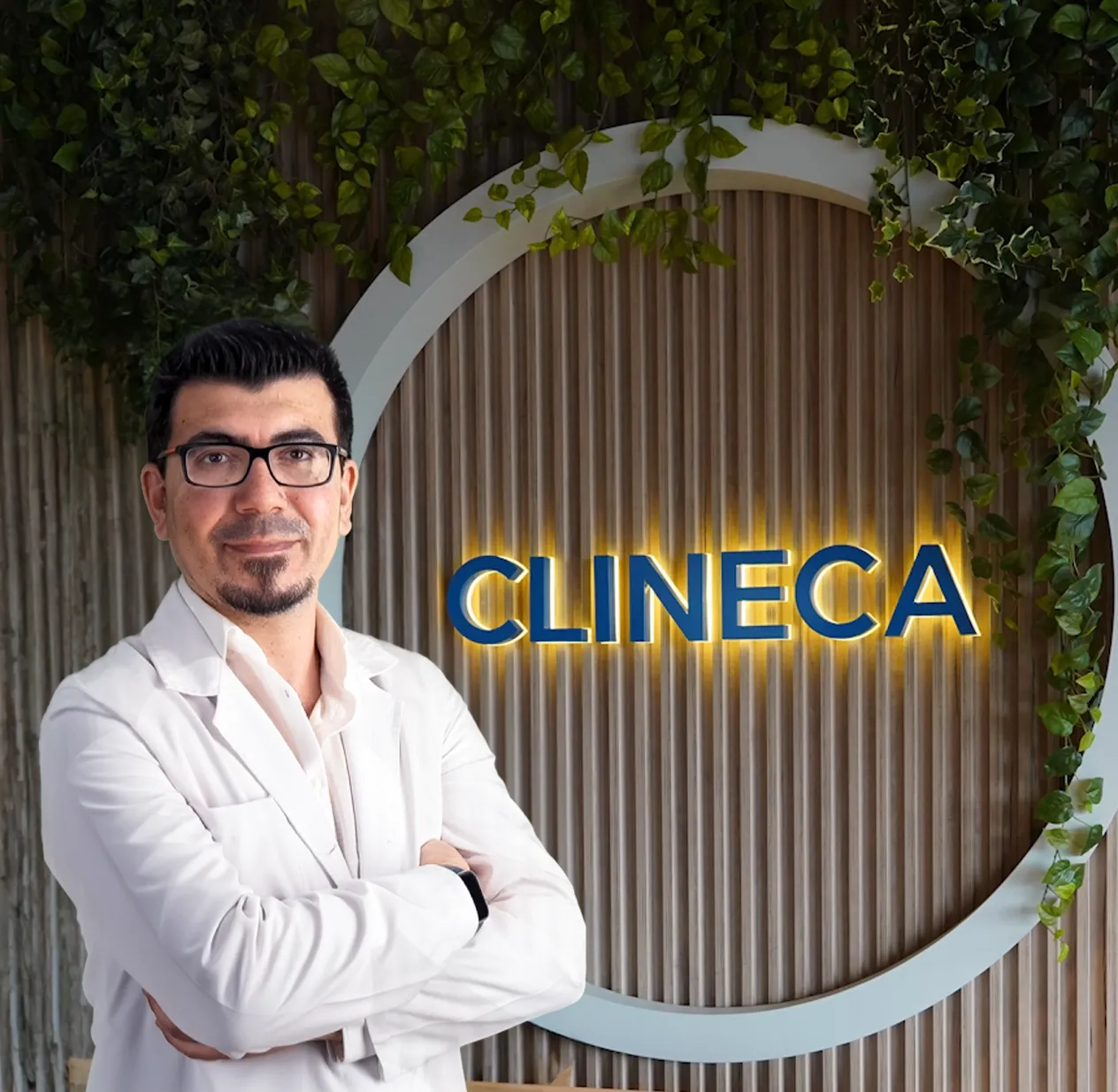 Clineca SpecialistErkan PinegözPlastic & Reconstructive Surgery
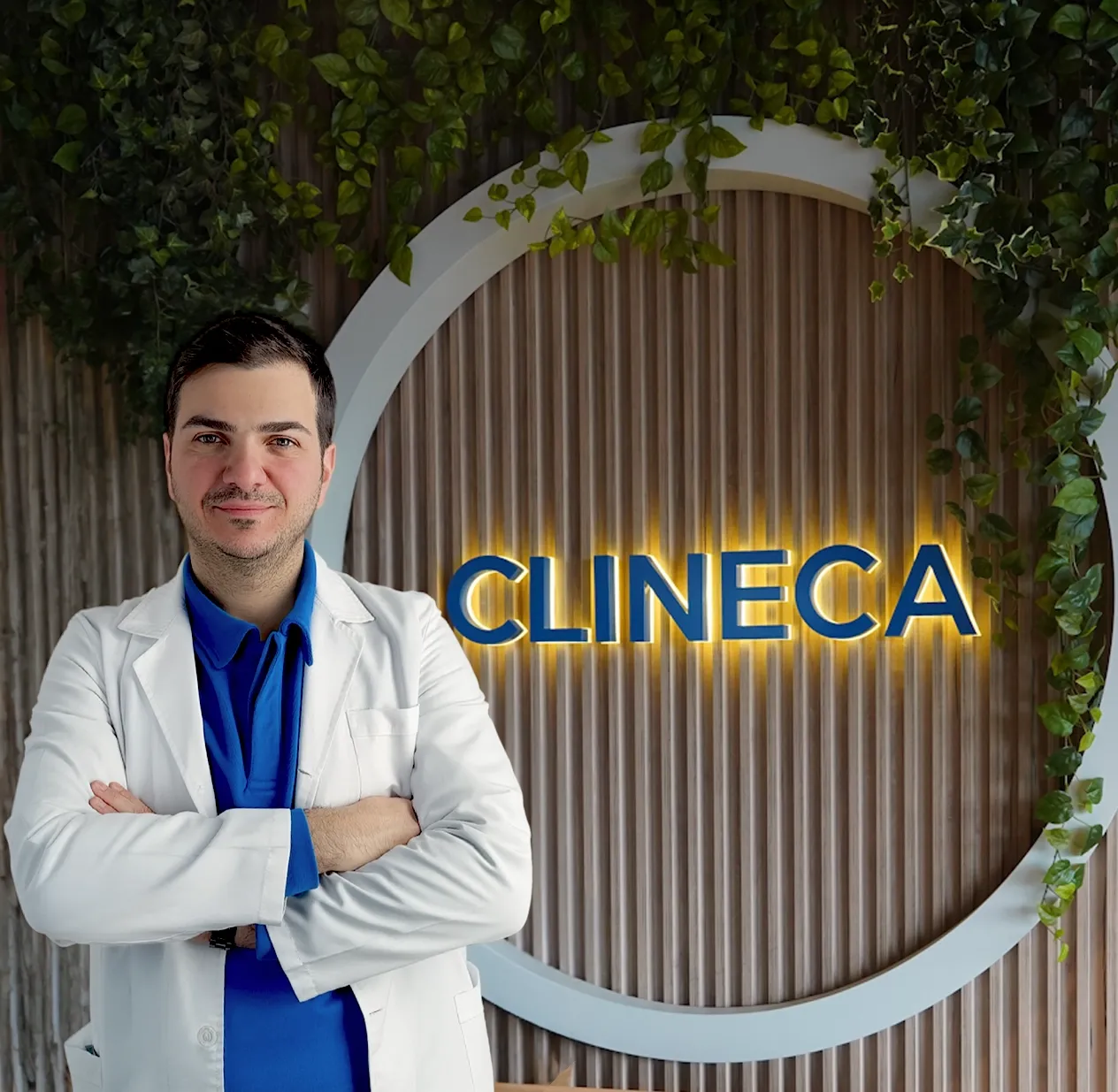 Clineca SpecialistHakan AktaşPlastic & Reconstructive Surgery
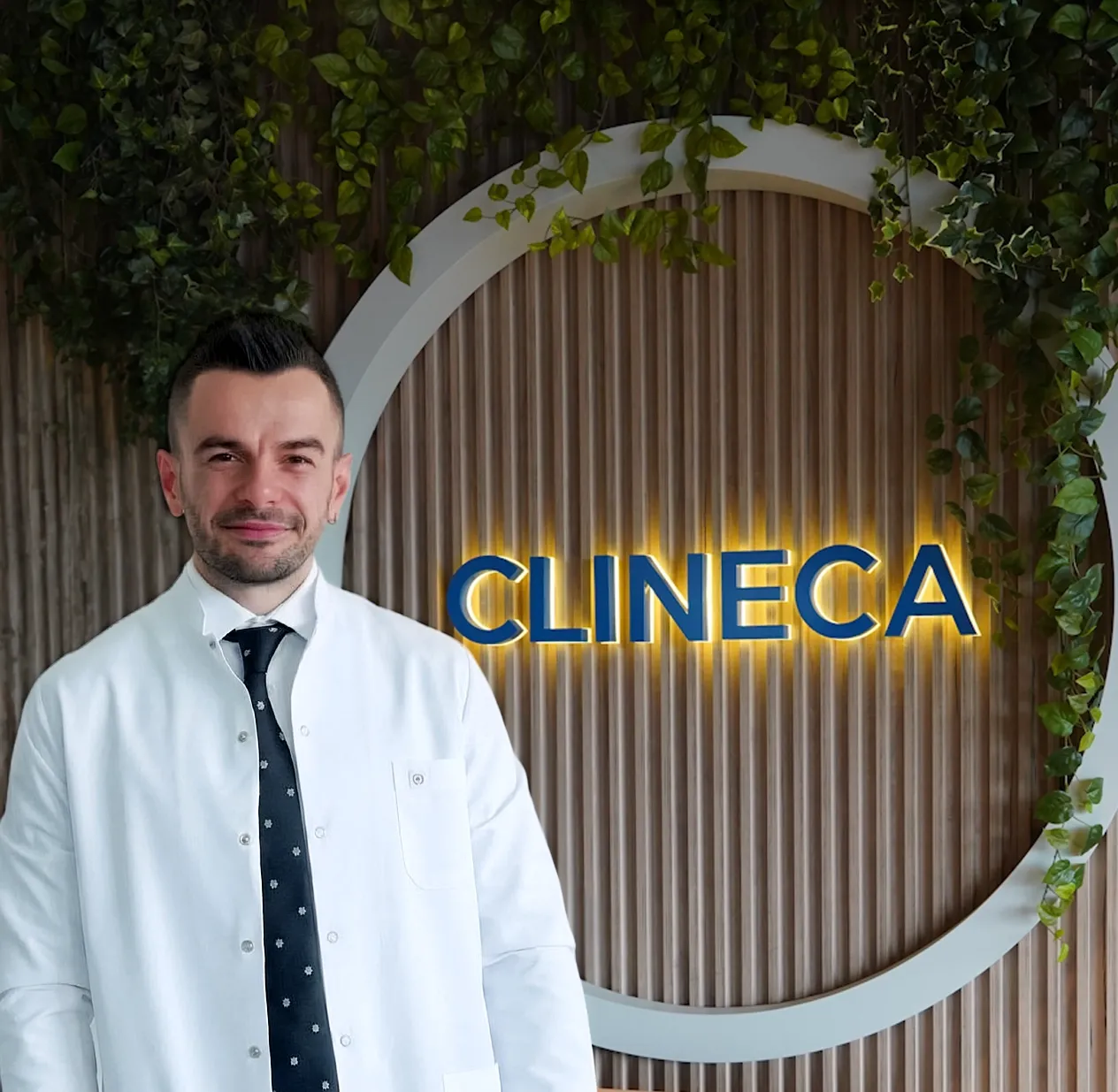 Clineca SpecialistOrkun UzuneyüpoğluPlastic & Reconstructive Surgery
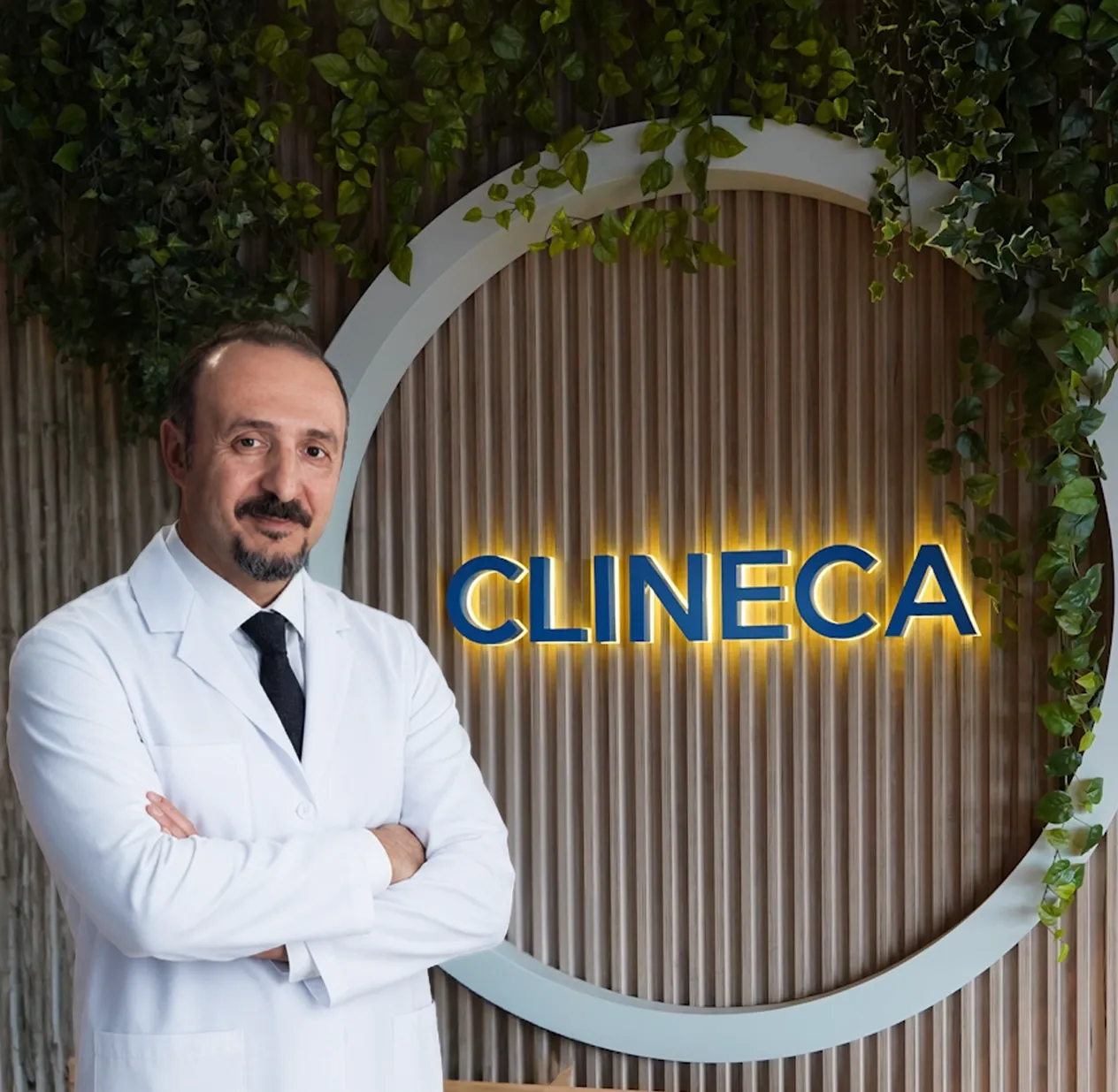 Clineca SpecialistSalim İskenderPlastic & Reconstructive Surgery
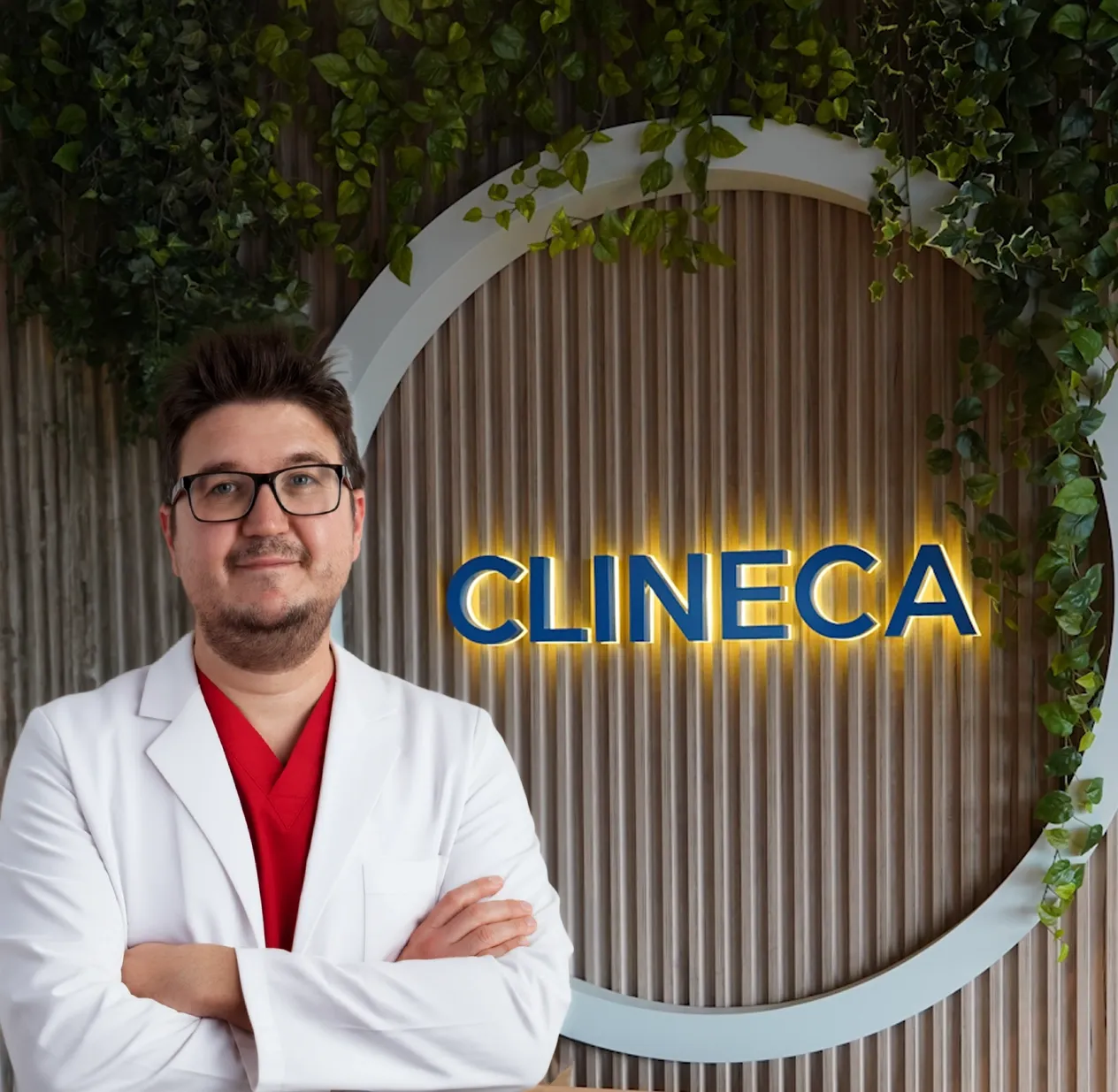 Clineca SpecialistEngin SelamioğluPlastic & Reconstructive Surgery
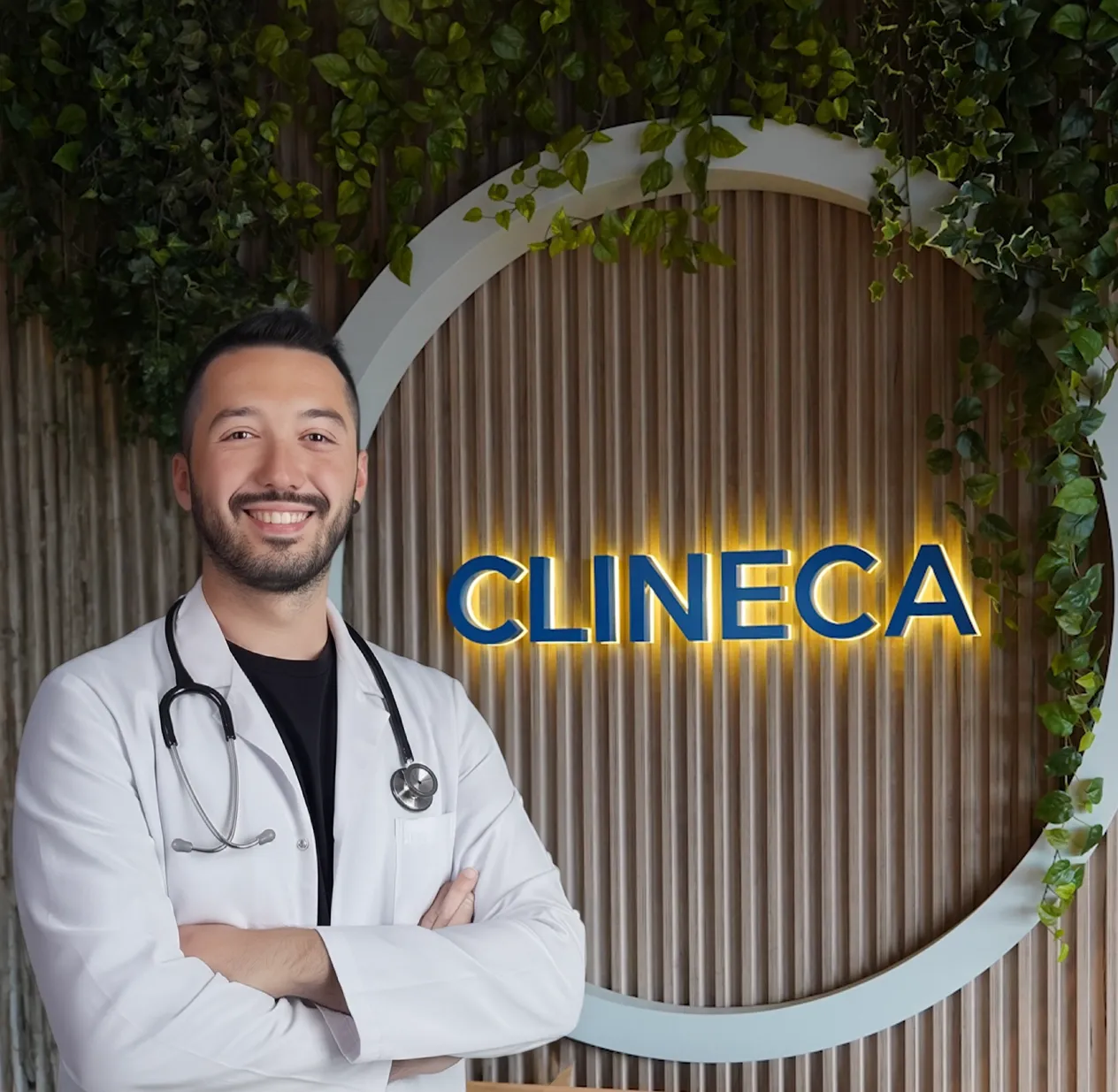 Clineca SpecialistCem AydınPlastic & Reconstructive Surgery
 Clineca SpecialistAlperen ÖnalEar, Nose & Throat (ENT)