Have a question about Facelift?
In this article
- What does a mini facelift actually mean at 40?
- Are you a good candidate for a mini facelift at 40?
- How is a mini facelift different from a full facelift?
- What results can you realistically expect in your 40s?
- What is recovery like after a mini facelift?
- How long should you stay in Turkey for a mini facelift?
- What affects the cost of a mini facelift?
- Is a mini facelift at 40 safe, especially in Turkey?
A mini facelift at 40 can be a good option if your main concerns are early jowling, mild skin looseness, and a softer jawline rather than heavy neck sagging or deep facial descent. It usually means a shorter recovery than a full facelift, but it is still real surgery, and whether it is worth it depends on your anatomy, goals, and how long you want the result to hold.
What does a mini facelift actually mean at 40?
The first thing to know is that mini facelift is a marketing and patient-friendly term, not one single operation. One surgeon may mean a short-scar lift focused on the jawline. Another may mean a lower facelift with limited skin undermining, deeper tissue tightening, or even added neck work through small incisions. That is why two clinics can both offer a “mini facelift” and be describing different operations.
At 40, the usual reason people start looking into this surgery is not severe ageing. It is more often that the face looks a bit tired, the jawline has lost definition, or early jowls show up in photos. Skin quality may still be fairly good, which is one reason a smaller lift can work well in selected patients.
A mini facelift usually targets the lower face. That means it can help with the jawline, early jowls, and some looseness around the cheeks. It may have less effect on the neck than a full facelift, especially if there is visible banding, heavier tissue under the chin, or more pronounced skin laxity.
According to the American Society of Plastic Surgeons, facelift surgery is intended to improve visible signs of ageing in the face and neck, including sagging in the midface, deep creases, jowls, and loose skin. The key point for someone in their 40s is that you may not need treatment for all of those areas yet. A smaller operation can sometimes match the problem more closely.
A 2013 review in Clinics in Plastic Surgery also noted that face and neck lifting techniques can be performed with different anaesthetic approaches, including local anaesthesia with sedation in selected cases. That does not mean every patient should have it done that way, but it does show how much technique and planning can vary.
If you are comparing options, it helps to review a dedicated facelift treatment page for general background, then use your consultation to pin down the exact method being proposed for your face rather than relying on the word “mini” alone.
📋 Important point A mini facelift is not a universal technique. Always ask what layers are lifted, whether the neck is included, and where the scars will sit.
A mini facelift is usually a shorter-scar facelift designed for earlier signs of ageing, especially around the lower face and jawline. In your 40s, it can suit mild to moderate laxity, but the term is not standardised, so techniques, scar length, and what is lifted vary a lot between surgeons.
Are you a good candidate for a mini facelift at 40?
Age alone does not make you a candidate. Some people at 40 have only slight lower-face changes and may do well with skin care, injectable treatments, or energy-based options for a while. Others develop jowls early and feel that non-surgical treatment is no longer giving a clean jawline.
In practical terms, a mini facelift tends to suit you if your main issue is mild to moderate tissue descent, especially around the lower cheeks and jaw. You also need realistic expectations. A mini lift can refresh and tighten, but it usually does not replace the broader correction of a full facelift when ageing changes are more advanced.
It may be less suitable if your concerns include a heavier neck, loose muscle bands in the neck, a lot of skin excess, or major volume loss through the cheeks and temples. In those cases, the surgeon may suggest a standard facelift, a facelift combined with a neck lift, or a plan that includes volume restoration rather than tightening alone.
You may also be advised to delay or avoid surgery if you smoke and cannot stop around the operation, because nicotine raises the risk of poor wound healing and skin problems. The NHS explains that all cosmetic surgery carries risks such as bleeding, infection, scarring, and problems linked to anaesthesia, and those risks matter even more when healing is impaired.
Common reasons a surgeon may say you are not a good mini facelift candidate include:
- ✓Significant neck sagging or platysmal banding, meaning the neck muscle shows as vertical cords
- ✓Uncontrolled high blood pressure, diabetes, or other conditions that increase surgical risk
- ✓Active smoking or nicotine use that cannot be paused safely before and after surgery
- ✓Blood-thinning medicines that cannot be managed appropriately
- ✓Body dysmorphic concerns or expectations that surgery will transform your life or erase every sign of ageing
- ✓Very poor skin elasticity, where limited lifting may not hold well
A good consultation should include a full medical history, medication review, and a face-by-face discussion of what the operation can and cannot improve. That matters more than the number on your birthday cake.
Early jowls, mild lower-face sagging, decent skin elasticity, stable health, and realistic goals.
Heavy neck laxity, major skin excess, advanced facial descent, or expectations of a dramatic full-face change.
If the neck is the main issue, a fuller facelift or added neck procedure may make more sense than a limited lift.
The best candidates are usually healthy people in their 40s with mild to moderate sagging, early jowls, and reasonable skin elasticity. It is less suitable if you have significant neck laxity, marked skin excess, uncontrolled medical conditions, or expectations that a mini lift will create a dramatic full-face change.
How is a mini facelift different from a full facelift?
This is the comparison most patients in their 40s need. The question is not which operation is “better” in general. It is which operation matches the amount and pattern of ageing on your face.
A mini facelift is often attractive because recovery can be easier and scars may be shorter. That said, if the lift is too limited for your anatomy, the result may feel underpowered. Paying for a smaller operation only makes sense when a smaller operation is enough.
A full facelift usually allows wider release and repositioning of deeper facial tissues. In plain language, that means the surgeon has more room to reshape descent in the cheeks, jawline, and neck. For someone at 40 with early ageing, that may be more than necessary. For someone whose neck and lower face have changed faster than expected, it may be the more honest recommendation.
⚠️ Do not choose by scar length alone The least invasive-looking option is not always the best result. A limited lift can disappoint if your neck or deeper facial tissues need more correction.
A mini facelift is usually less extensive, with shorter scars and a narrower treatment area focused on the lower face. A full facelift generally addresses broader facial ageing and often the neck as well. The trade-off is that the mini option may mean less downtime, but also less correction in patients with more advanced sagging.
What results can you realistically expect in your 40s?
This is where being honest helps. The best mini facelift results in your 40s often look subtle to other people and meaningful to you. Friends may think you look more rested, less drawn, or simply better in photos. That is usually the sweet spot.
What it will not do on its own is correct everything that contributes to ageing. If you have hollow cheeks, under-eye changes, sun damage, or a heavier neck, those may still be visible unless they are treated separately. A surgeon may discuss adding fat transfer, eyelid surgery, or skin treatments, but those are separate decisions, not automatic extras.
Technique matters here. Some surgeons focus more on skin tightening. Others lift the deeper support layer, often called the SMAS, which is the fibrous layer under the skin that helps shape the lower face. For longevity and a natural result, many experienced facelift surgeons prefer deeper tissue support rather than skin pull alone. That is one reason you should ask exactly what is being tightened.
A useful way to judge the likely outcome is to ask what the surgery will improve in three areas: jowls, jawline, and neck. If the answer is vague, the planning may be vague too.
- →Expected win: a neater jawline and softer early jowls.
- →Possible limit: only modest neck change unless neck work is added.
- →Natural trade-off: subtle improvement usually ages more naturally than an over-tight look.
- →Key variable: your own skin elasticity and facial volume matter as much as age.
At 40, the most realistic goal is a fresher lower face and a cleaner jawline, not a completely different face. Many patients look less tired and less heavy around the jowls after healing. Results depend on skin quality, facial volume, technique, and whether neck ageing is also part of the problem.
What is recovery like after a mini facelift?
Mini does not mean no downtime. Most patients are up and walking quickly, but looking presentable and feeling fully normal are not the same thing. The early recovery is usually about swelling, bruising, tenderness, and sleeping with the head elevated.

The first several days are the most inconvenient. You may feel tight around the ears and jawline, and your face can look uneven before swelling settles. That is common. Some numbness near the ears or along the lower cheeks can also happen and may take longer to improve.
By the second week, many people feel much more comfortable. Visible bruising is often fading, though not always gone. Swelling can still be obvious to you even when other people notice it less. If you work on video calls, this is often the phase where patients start thinking they could return, depending on how private they want to be.
More refined healing takes longer. The jawline keeps settling, the skin softens, and the scars mature over months rather than weeks. The NHS notes that scarring is a normal part of healing after cosmetic surgery, and while facelift scars are usually placed discreetly, they do not vanish overnight.
📋 Travel timing matters If you are travelling to Turkey, build in enough time for early checks and the most visible swelling before flying home.
Recovery after a mini facelift is usually measured in weeks, not days. Most people see the biggest swelling and bruising settle first, then move into a quieter healing phase where tightness, numbness, and mild asymmetry improve gradually. You should plan time away from work, social events, and long-haul travel while early healing settles.
How long should you stay in Turkey for a mini facelift?
For international patients, logistics matter almost as much as the surgery itself. A well-organised trip usually includes a consultation review after arrival, the operation day, a short period of supervised recovery, and one or more follow-up checks before departure.
The exact stay depends on technique, anaesthesia, whether any neck work is added, and how you are healing. If you are combining procedures, the stay usually needs to be longer. Even when recovery is straightforward, flying too soon can make swelling and discomfort harder to manage.
You also need a realistic social recovery plan. Many patients prefer to stay in Turkey until dressings are off and they feel comfortable in public spaces. That makes everyday things like airport queues and passport control much less stressful.
If you are planning surgery abroad, ask for a written schedule that covers airport transfers, hotel or recovery accommodation, in-person reviews, emergency contact arrangements, and what happens if you need to stay longer than expected. A soft first step is to request a consultation and use it to clarify the travel timeline rather than to rush into booking.
- ✓Ask how many in-person follow-ups are planned before you fly.
- ✓Confirm who you contact out of hours if swelling, bleeding, or severe pain develops.
- ✓Check whether your package includes medication, dressings, and transfer support.
- ✓Make sure your return flight can be changed if your surgeon advises extra review time.
For a mini facelift in Turkey, you should plan to stay long enough for pre-op assessment, surgery, early monitoring, and at least one follow-up review before flying home. Even with a lighter recovery than a full facelift, rushing travel adds stress and makes it harder to spot early healing issues.
What affects the cost of a mini facelift?
Since mini facelift is not one fixed technique, quotes can differ for good reasons. A short-scar lower-face lift under one anaesthetic plan is not the same operation as a deeper tissue lift with added neck contouring, overnight nursing, and more follow-up support.
When comparing quotes, focus on what is included rather than chasing the lowest figure. A lower price can reflect a simpler case, but it can also mean fewer checks, fewer logistics, or a more limited operation than you assumed.
For international patients, the practical side matters a lot. Travel support, accommodation arrangements, language coordination, post-op garments or dressings, medication, and in-person review schedules can all affect the final package. The most useful quote is one that is itemised clearly and matched to your treatment plan.
⚠️ Compare like with like A cheap quote for a limited lift is not a bargain if your anatomy really needs a fuller facelift or added neck correction.
The cost of a mini facelift depends less on the label and more on what is actually being done. Price is shaped by the surgeon’s experience, anaesthesia, hospital standards, whether the neck is included, how complex your anatomy is, and what support is built into the quote. A personalised quote should follow consultation and assessment.
Is a mini facelift at 40 safe, especially in Turkey?
No cosmetic surgery is risk-free. According to the NHS, general risks of cosmetic procedures include bleeding, infection, blood clots, anaesthetic problems, and scarring. Facelift-specific concerns can also include nerve weakness, fluid collection, delayed healing, asymmetry, and skin loss, especially in smokers.
Turkey can be a reasonable option for facial surgery, but the safe way to approach it is to verify details rather than rely on social media. Ask who will actually perform the operation, where it will happen, what that hospital or surgical facility is licensed for, and who monitors you after surgery. If the answers are vague, that is a red flag.
The trust checks that matter most are concrete ones:
- ✓The surgeon’s recognised specialty training and registration status
- ✓Hospital or surgical facility accreditation and licensing
- ✓Whether an anaesthesiologist is involved when appropriate
- ✓A documented pre-operative assessment, not just photo approval by message
- ✓A clear aftercare pathway, including in-person reviews and emergency contact
- ✓Transparency about likely scars, limits, and complication management
If you are reviewing a clinic, the most useful pages are often the factual ones, such as the team and surgeon background. A good starting point is the clinic’s doctors page and about page, but you should still ask for procedure-specific credentials and where your surgery would be carried out.
You should also ask how mini facelift techniques vary in that practice. Some surgeons use local anaesthesia with sedation in selected cases, which was discussed in the 2013 Clinics in Plastic Surgery review. Others prefer general anaesthesia. Neither approach is automatically better for everyone; the safer choice is the one that fits your health, anxiety level, and surgical plan.
A trustworthy surgeon will also tell you when not to have a mini facelift. That includes active smoking you cannot pause, unstable health conditions, untreated blood pressure problems, unrealistic expectations, or facial ageing patterns that need a different operation.
This article is for informational purposes only and does not constitute medical advice. Always consult a qualified surgeon for personalised guidance.
Clear surgeon credentials, accredited facility, proper consent process, written aftercare plan, and honest discussion of limits and risks.
Only package sales talk, no named surgeon, no facility details, pressure to book quickly, or no plan for follow-up if healing is not straightforward.
A mini facelift can be safe when it is performed on a suitable patient by a properly qualified surgeon in an accredited hospital setting with good follow-up. The main safety issue is not the country alone but whether you verify the surgeon’s credentials, the facility’s accreditation, your medical assessment, and the aftercare plan before you travel.
Frequently Asked Questions
References
- 📎Cosmetic face, neck, and brow lifts with local anesthesia — Clinics in Plastic Surgery, 2013
- 📎NHS Cosmetic Procedures
- 📎American Society of Plastic Surgeons Cosmetic Procedures
- 📎PubMed search: facelift SMAS lower face rejuvenation
Related Articles

You Might Also Like



Related articles


Our specialists
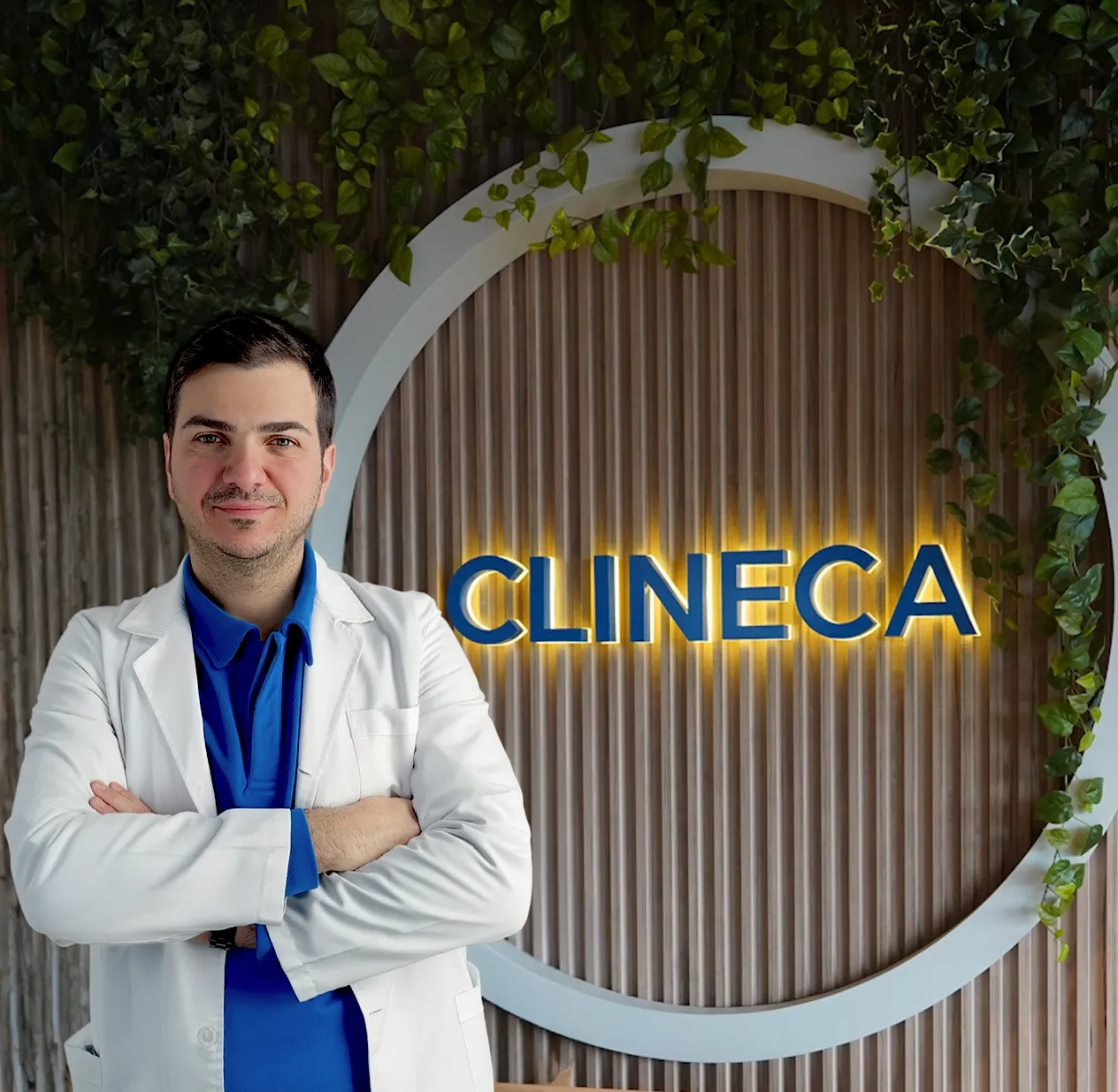
 Clineca SpecialistErkan PinegözPlastic & Reconstructive Surgery
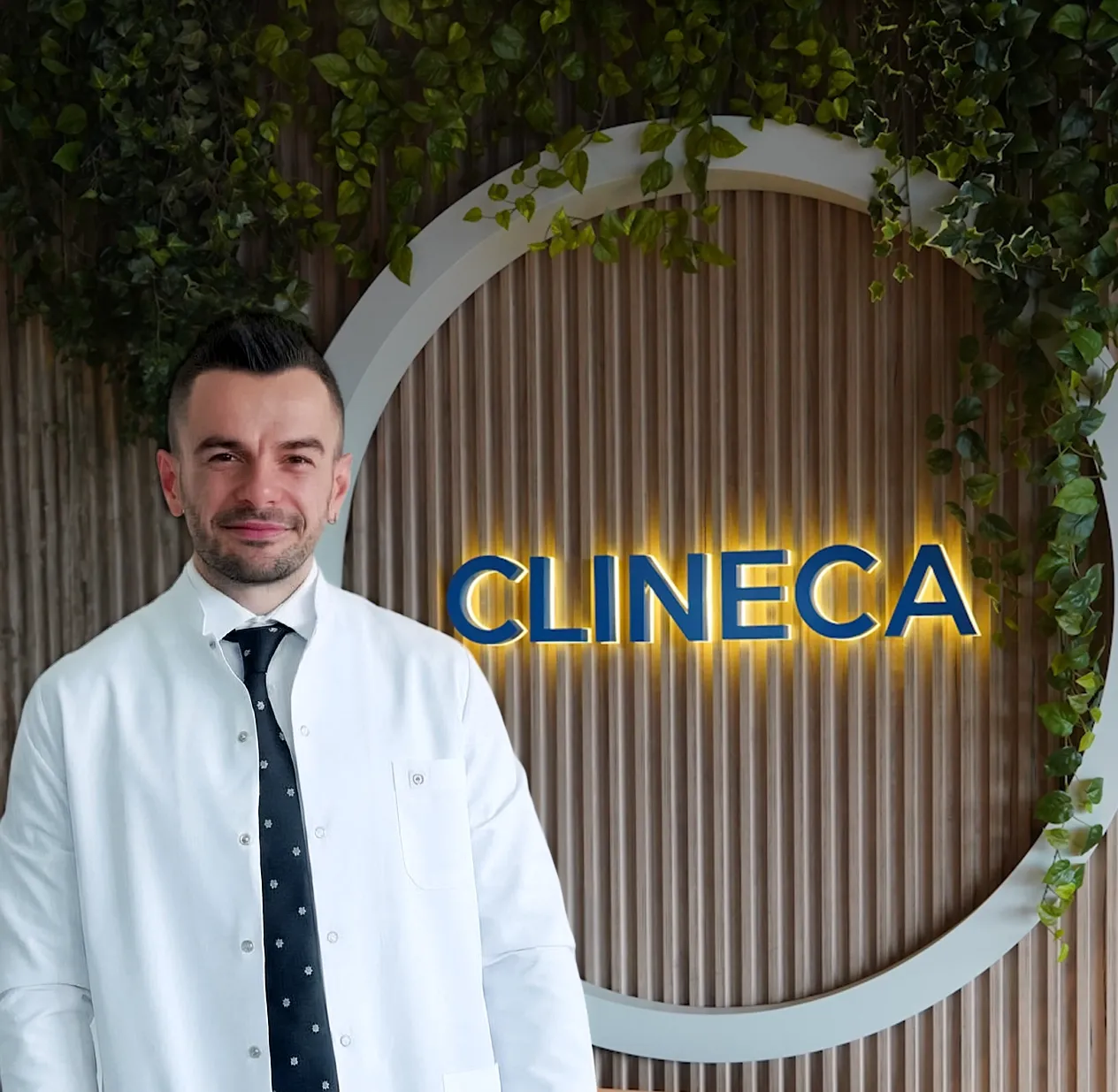
 Clineca SpecialistHakan AktaşPlastic & Reconstructive Surgery
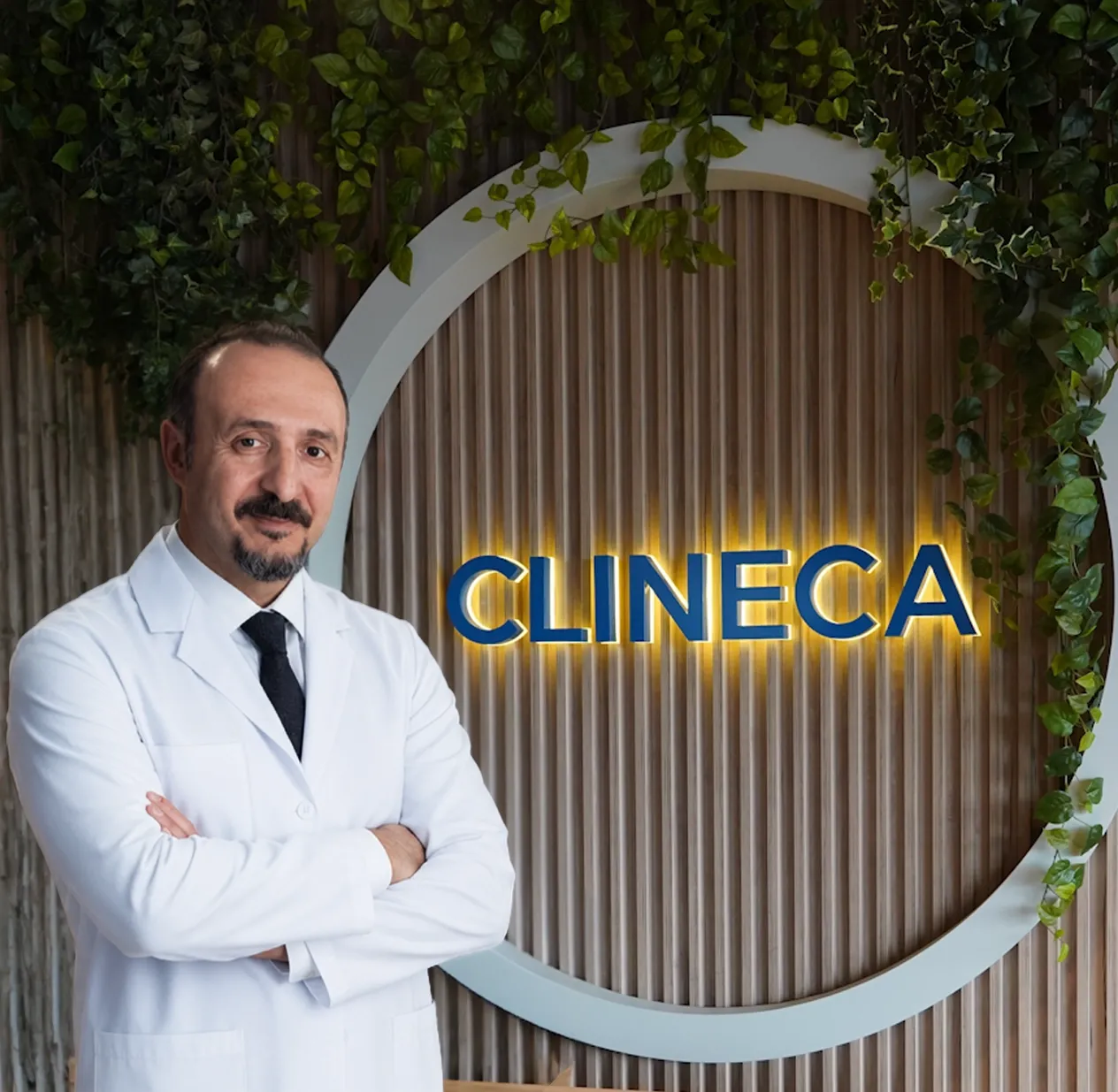
 Clineca SpecialistOrkun UzuneyüpoğluPlastic & Reconstructive Surgery
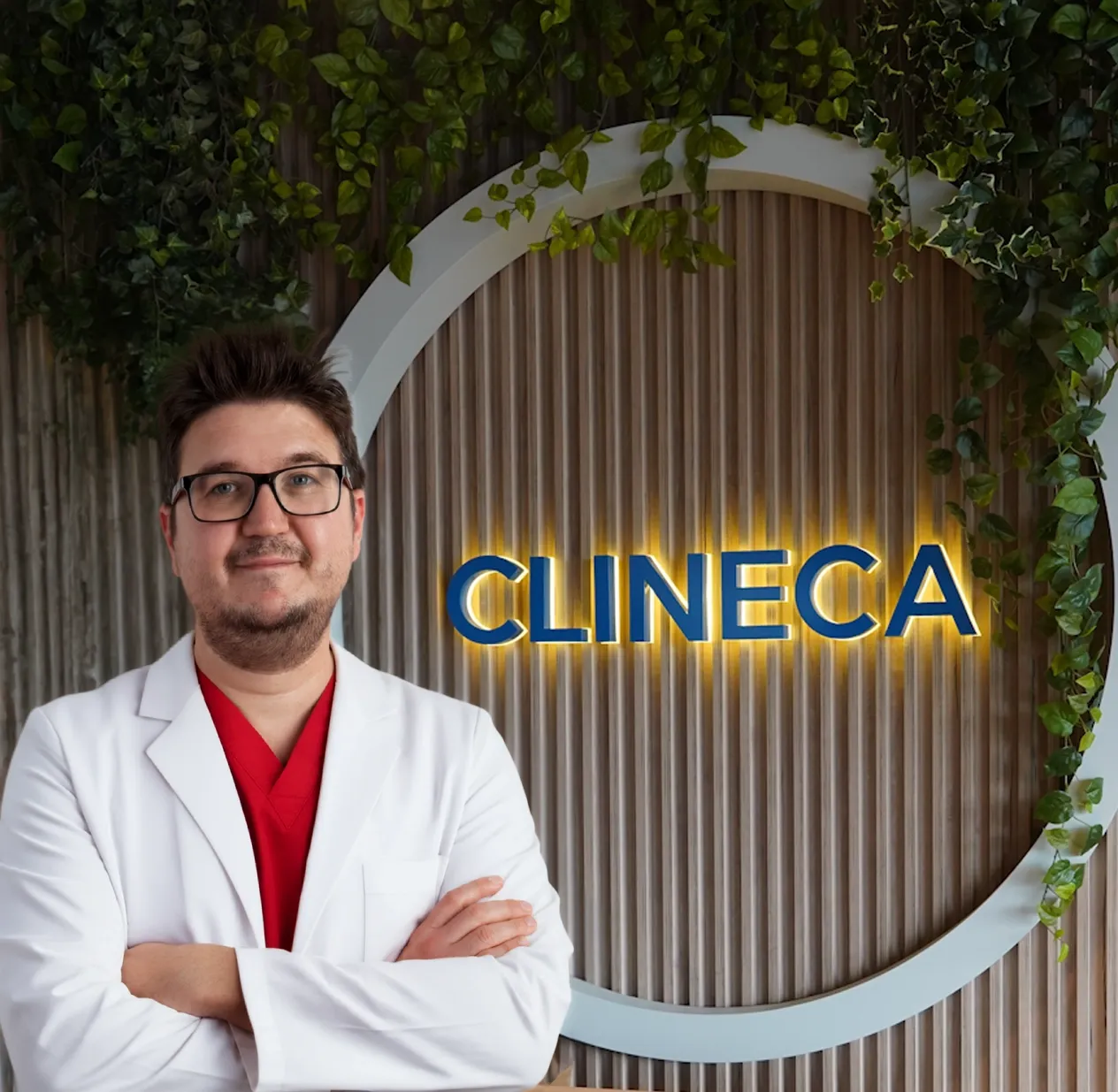
 Clineca SpecialistSalim İskenderPlastic & Reconstructive Surgery
 Clineca SpecialistEngin SelamioğluPlastic & Reconstructive Surgery
 Clineca SpecialistCem AydınPlastic & Reconstructive Surgery
 Clineca SpecialistAlperen ÖnalEar, Nose & Throat (ENT)