
Have a question about Gynecomastia?
In this article
- What is gynecomastia surgery and who is it for?
- How is gynecomastia surgery done in Turkey?
- What affects the cost and value of gynecomastia surgery in Turkey?
- How long is recovery and how many days should you stay in Turkey?
- Is gynecomastia surgery in Turkey safe?
- How does Turkey compare with the UK or Europe for gynecomastia surgery?
- How do you choose a clinic and surgeon for gynecomastia surgery in Turkey?
- What should you do before travelling for surgery?
Gynecomastia surgery Turkey can be a practical option for men who want a flatter chest, but the right choice depends less on a headline price and more on your anatomy, the surgeon’s plan, and how safely your trip is organised. In most cases, recovery is manageable over a couple of weeks, final pricing is personalised after consultation rather than fixed, and safety comes down to proper assessment, accredited facilities, and realistic aftercare planning.
What is gynecomastia surgery and who is it for?
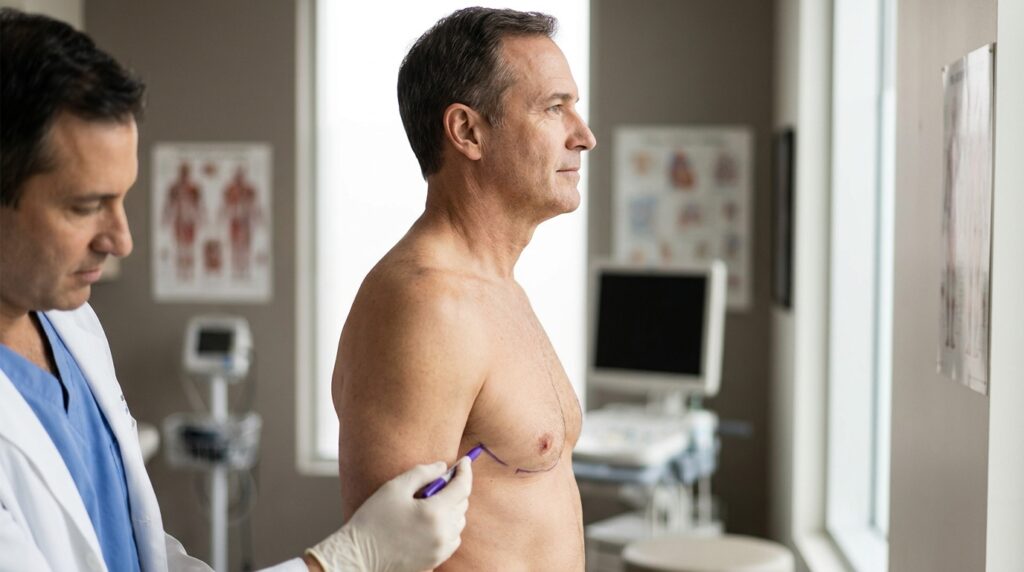
Gynecomastia surgery removes excess gland tissue, fat, or loose skin from the male chest to create a flatter shape. It suits some men with persistent breast enlargement, but not everyone is a good candidate. A surgeon needs to check the cause, skin quality, weight stability, and whether non-surgical issues should be addressed first.
Gynecomastia means enlargement of male breast tissue. Some men mainly have extra fat in the chest area. Others have firm gland tissue under the nipple, or a mix of both. That difference matters, because treatment is not one-size-fits-all.
In simple terms, gynecomastia surgery Turkey usually involves one or both of these steps:
- ✓Liposuction to remove extra fat
- ✓Direct excision to remove dense gland tissue
- ✓Skin removal in more severe cases, especially after major weight loss
According to the NHS, gynecomastia can have several causes, including puberty, ageing, weight gain, some medicines, hormone imbalance, and use of anabolic steroids. That is why a proper assessment matters before anyone talks about surgery. If the chest change is new, painful, one-sided, or linked to nipple discharge, that needs medical review rather than a quick cosmetic booking.
Good candidates are often men who:
- ✓Have had stable chest fullness for a long enough period that it is unlikely to settle on its own
- ✓Are at a steady weight
- ✓Do not smoke, or can stop before and after surgery
- ✓Understand that surgery improves chest shape but does not create a bodybuilder chest on its own
- ✓Can follow recovery rules, including wearing a compression garment
If your chest fullness is mostly related to body fat, the surgeon may explain that weight loss could improve the result before surgery. If you have significant loose skin after major weight loss, the plan may need skin excision rather than liposuction alone.
For background on the procedure itself, the clinic’s gynecomastia surgery page outlines the treatment in general terms, but your own plan should still be based on a surgeon-specific assessment rather than a standard package.
⚠️ A chest lump is not always cosmetic gynecomastia If the change is sudden, painful, clearly one-sided, or comes with discharge, seek a medical assessment first. Cosmetic surgery should not replace checking for an underlying cause.
- ✓Best suited to stable, persistent chest enlargement
- ✓Treatment depends on fat, gland tissue, skin excess, or a combination
- ✓A surgeon should review medical history, medicines, hormones if relevant, and weight stability
- ✓Results are usually better when expectations are realistic and aftercare is followed carefully
How is gynecomastia surgery done in Turkey?
The operation is usually planned as a day-case or short-stay procedure, depending on the extent of surgery and your general health. The exact technique depends on what the surgeon finds on examination and what has been agreed during planning.
Common approaches include:
- ✓Liposuction only: often used when the chest is soft and fatty, with good skin tone
- ✓Gland excision plus liposuction: common when there is a firm disc of tissue under the nipple
- ✓Skin reduction techniques: more likely in larger or more sagging chests
Anaesthesia is not identical for every patient. Smaller cases may sometimes be treated with local anaesthetic and sedation, while many surgeons prefer general anaesthetic for comfort and control, especially when gland removal is planned. The right choice depends on the size of the case, your health, the hospital setup, and the anaesthetist’s assessment.
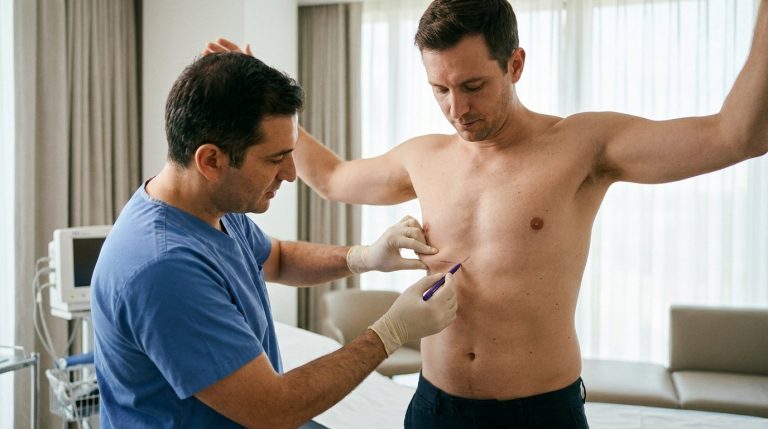
Scars are usually placed around the areola edge, in the chest crease, or in small liposuction entry points. Larger chests may need longer scars. A careful surgeon should tell you this plainly before you travel, because scar trade-offs are part of the decision.
Some men also ask whether chest contouring can be combined with another body procedure, such as liposuction elsewhere. Sometimes it can, but adding surgery may increase swelling, recovery demands, and time in Turkey. The safer plan is not always the biggest plan.
What affects the cost and value of gynecomastia surgery in Turkey?
Gynecomastia surgery in Turkey starts from around €3,150. That is a starting point, not a guaranteed quote — your own figure is confirmed after consultation, once the surgeon has assessed whether the problem is mostly glandular tissue or fat, how much skin has to retract afterwards, and whether liposuction is added.
Beyond that starting point, there is no single standard price for gynecomastia surgery in Turkey because the final cost depends on your anatomy, the technique, the hospital, the anaesthetic plan, and what is included in aftercare. The most useful comparison is value: what you are paying for, what is excluded, and how likely the plan is to suit your case safely.
For this topic, it is more honest to talk about cost structure than to post a simple figure. A personalised quote is usually confirmed after consultation, once the surgeon knows whether you need liposuction only, gland removal, skin tightening, or a more complex chest reshaping plan.
What usually changes the price most:
- ✓Whether your case needs liposuction alone or excision as well
- ✓Whether loose skin also needs to be removed
- ✓The operating time
- ✓General anaesthetic versus local anaesthetic with sedation, if clinically appropriate
- ✓Hospital standards and theatre fees
- ✓Pre-op tests
- ✓Compression garment and medications
- ✓Follow-up care and whether revision policy is clearly explained
- ✓Airport transfers, hotel, interpreter support, and other travel-related items if included
When patients compare Turkey with the UK or Western Europe, the appeal is often overall value rather than just the procedure line item. In many cases, the total pathway may be more affordable, but a lower quote is not automatically a better deal if it leaves out important parts of care.
A useful way to compare quotes is to ask for an itemised breakdown. Even if clinics package services differently, you should still be able to see what you are paying for and what would count as an extra cost later.
Questions worth asking about value
- ✓Is surgeon consultation included, and will I speak to the operating surgeon before travel?
- ✓Are blood tests, anaesthetist review, and hospital fees included?
- ✓Is compression wear included, and how many garments are provided?
- ✓What follow-up happens before I fly home?
- ✓If a small asymmetry settles slowly, how is that handled? If a revision is ever needed, what parts would be charged?
The table below gives a better framework for judging value than a single headline price.
📋 Personalised quotes are normal A careful clinic usually avoids confirming a final fee before reviewing photos, medical history, and the likely technique. That is a sign of planning, not evasiveness.
The quote explains surgeon fees, hospital fees, garments, follow-up, and what happens if you need an extra review before flying home.
The package sounds cheap but key items are vague, especially anaesthesia, hospital accreditation, or aftercare responsibilities once you return home.
How long is recovery and how many days should you stay in Turkey?
Most men can walk around the same day, return to desk work within about a week, and resume heavier exercise after several weeks, but recovery is not identical for every case. Many patients should plan to stay in Turkey for several days after surgery, with flying home timing confirmed by the operating team rather than assumed in advance.
Recovery after gynecomastia surgery is often easier than patients expect, but it is still real surgery. The chest usually feels tight, swollen, and sore rather than sharply painful. If gland tissue has been removed, tenderness around the nipple area can last longer than after liposuction alone.
A typical recovery pattern looks like this:
- ✓First 24 to 72 hours: swelling, pressure, and limited arm movement are common
- ✓First week: bruising and chest tightness are usually at their most noticeable
- ✓Around 1 week: some men feel ready for desk-based work, depending on discomfort and travel demands
- ✓2 to 3 weeks: day-to-day movement feels easier, though swelling is still present
- ✓Several weeks onward: gradual return to gym training, lifting, and chest workouts if the surgeon agrees
- ✓Several months: final contour becomes clearer as deeper swelling settles
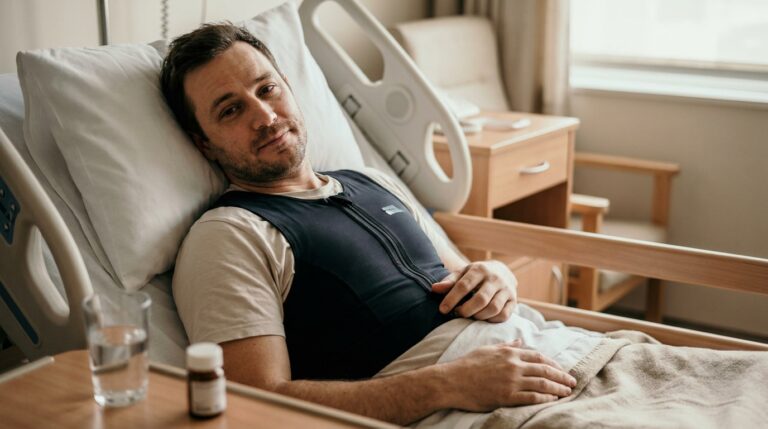
Compression garments are commonly worn for a few weeks, but the exact schedule depends on the surgeon’s method. Drains are not used in every case, but if they are used, that may affect your first few recovery days and how long you stay locally.
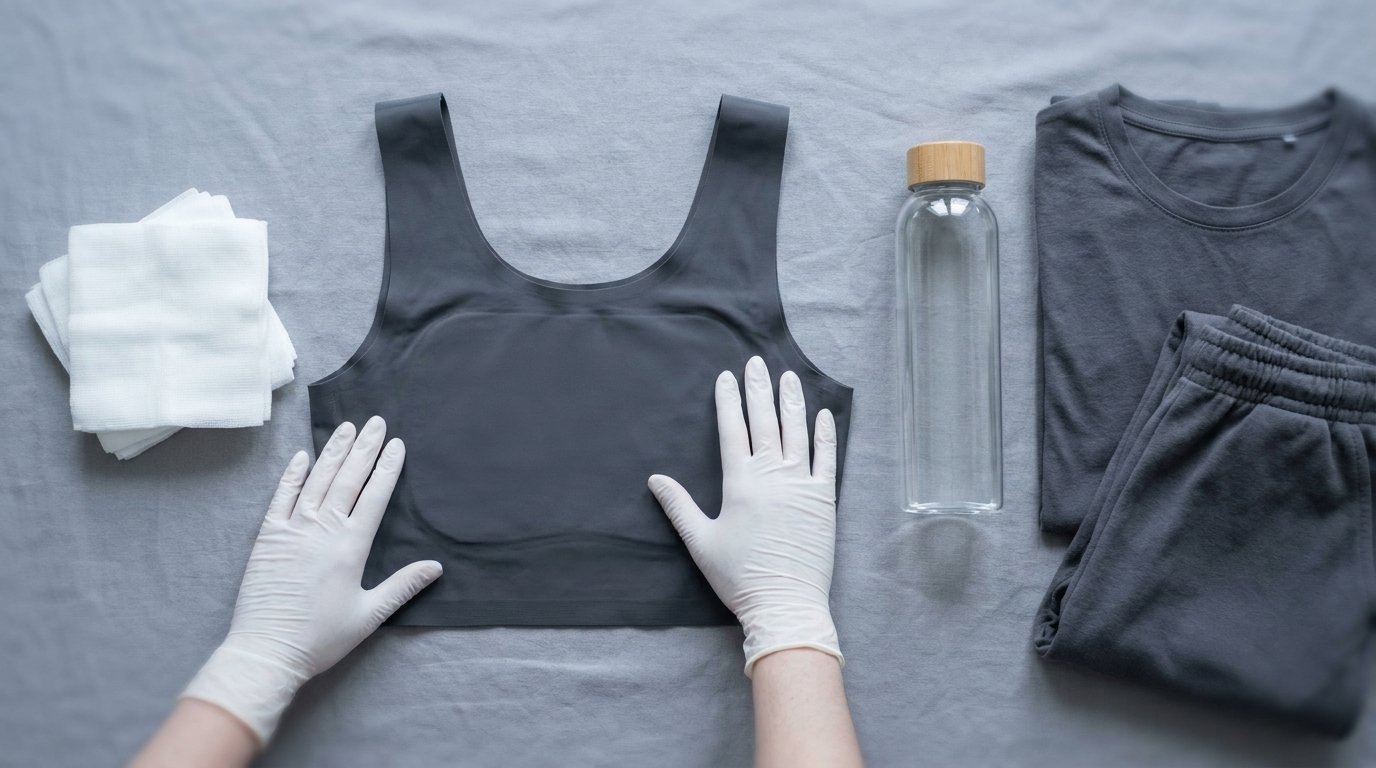
Flying home should never be reduced to a generic rule. It depends on the extent of surgery, your mobility, whether drains were used, whether there were any early wound concerns, and your surgeon’s and anaesthetist’s advice. Smaller straightforward cases may be cleared to fly sooner than larger excision cases, but it is safer to plan your return around a medical review rather than your cheapest flight option.
According to the American Society of Plastic Surgeons (ASPS), swelling and bruising are expected after male breast reduction, and activity limits are a routine part of recovery. The Mayo Clinic also notes that post-operative garments may be used to support healing and reduce swelling after chest contouring procedures.
If you are travelling for surgery, build in a little buffer. A rushed departure can turn a manageable recovery into a stressful one.
⚠️ Do not book your return flight too tightly The safest fly-home date depends on your own recovery review. If swelling, drainage, or wound healing needs extra observation, staying longer may be the better option.
Is gynecomastia surgery in Turkey safe?
Gynecomastia surgery in Turkey can be safe when it is carried out in an appropriate hospital setting by a properly qualified surgeon with good pre-op screening and follow-up. The main risks are not unique to Turkey; they are linked to poor patient selection, low-quality facilities, unclear aftercare, and pressure to treat every case the same way.
The country itself does not determine safety. Planning and standards do.
Any operation carries risk. For gynecomastia surgery, that can include:
- ✓Bleeding or fluid build-up
- ✓Infection
- ✓Contour irregularity or asymmetry
- ✓Changes in nipple sensation
- ✓Visible scarring
- ✓Delayed healing
- ✓Need for a revision procedure in some cases
The NHS advises that cosmetic surgery carries risks and that patients should make sure the surgeon is properly qualified and that the procedure is done in a suitable setting. That advice applies whether surgery is in Turkey, the UK, or elsewhere.
A safer pathway usually includes:
- ✓A real medical history review, including medicines, smoking, previous chest surgery, and clotting risk
- ✓Clear discussion about whether the problem is fat, gland, skin, or a combination
- ✓An anaesthetist review when general anaesthetic or sedation is planned
- ✓Surgery in an accredited hospital or licensed operating facility
- ✓Written instructions for compression, showering, exercise, and flying
- ✓Follow-up before you leave the country
Be cautious if you feel pushed toward surgery without enough questions being asked. A surgeon who sometimes says, “You should wait,” or “You need further checks first,” is often giving safer advice than one who approves every case immediately.
For patients who want to review credentials and background information, the clinic’s doctors page and about page are more useful than marketing slogans, but you should still ask direct questions about who will operate, where the operation takes place, and who handles aftercare.
You are asked for clear photos, medical history, medications, smoking status, and details about weight changes before a treatment plan is suggested.
You are promised a perfect chest, given almost no recovery detail, or encouraged to combine multiple procedures without a strong clinical reason.
If weight is still changing, smoking is ongoing, or the diagnosis is unclear, waiting and reassessing may be better than rushing into surgery.
- ✓Ask who will perform the operation, not just who did the consultation call
- ✓Ask whether the facility is a hospital or licensed surgical centre
- ✓Ask what follow-up happens if swelling or fluid collection appears after you return home
- ✓Ask what symptoms would count as urgent aftercare
How does Turkey compare with the UK or Europe for gynecomastia surgery?
Turkey is often chosen for lower overall treatment costs and easier package logistics, while the UK or nearby European options may feel simpler for follow-up close to home. The best choice depends on how much you value in-person aftercare, travel convenience, surgeon fit, and whether the quote is transparent about what is included.
Patients often compare destinations because they are balancing three things at once: budget, trust, and convenience. It helps to compare the whole treatment journey, not just the operation itself.
Turkey may offer:
- ✓More all-in-one planning for international patients
- ✓Easier access to surgery dates
- ✓Lower overall treatment spend in many cases
- ✓Hotel and transfer coordination
The UK or local European care may offer:
- ✓Easier in-person follow-up if you prefer being close to home
- ✓Simpler communication with your GP if any non-urgent issue appears later
- ✓Less travel while sore and swollen
The trade-off is straightforward. Travelling can improve value, but it adds logistics during recovery. Staying local may cost more overall, but some patients feel more comfortable with nearby follow-up.
The real comparison is whether you are choosing a well-assessed, well-supported surgical plan. A carefully organised trip can be a sensible option. A rushed bargain trip usually is not.
How do you choose a clinic and surgeon for gynecomastia surgery in Turkey?
Choose the team the way you would choose any serious elective surgery provider: look for proper qualifications, honest case assessment, accredited facilities, and clear aftercare. The strongest signs are transparency and specificity. If answers stay vague on who operates, where surgery happens, or when you can safely fly home, keep looking.
The easiest mistake is choosing from social media before checking basics. Photos can be useful, but they do not replace proper screening, a named surgeon, and a clear operating plan.
Ask these questions directly:
- ✓Who is the operating surgeon, and what is their background in chest contouring?
- ✓Will I have a consultation with that surgeon before surgery?
- ✓What technique do they expect for my chest, and why?
- ✓Where will the operation take place?
- ✓Who provides the anaesthetic?
- ✓How many nights, if any, are advised locally?
- ✓What is the follow-up plan before and after I fly home?
A good consultation should also cover what surgery cannot do. For example, if your chest muscles are underdeveloped, surgery can flatten the chest but will not replace muscle-building. If your skin quality is poor, the flatter result may still involve some looseness or more visible scars.
You can use the clinic’s consultation page to start the assessment process, but it is wise to treat the first contact as the beginning of your research, not the end of it.
🚨 Be wary of identical plans for every patient Gynecomastia surgery should be tailored. If every patient is told they need the same anaesthetic, the same stay length, and the same technique without proper review, that is a warning sign.
- ✓Named surgeon and clear credentials
- ✓Hospital or licensed surgical facility
- ✓Surgeon-specific plan based on your photos and history
- ✓Clear explanation of scars, garment use, and recovery limits
- ✓Written aftercare and fly-home guidance
- ✓Transparent quote with inclusions and exclusions
What should you do before travelling for surgery?
Good preparation lowers stress and helps recovery go more smoothly.
Before you travel, make sure you have:
- ✓Recent clear chest photos from the angles requested
- ✓A full list of medicines and supplements
- ✓Honest information about smoking, vaping, steroids, or recreational drug use
- ✓Time off work that matches a realistic recovery window
- ✓A compression-friendly wardrobe with loose tops
- ✓A return flight that can be adjusted if the surgeon advises a longer stay
If you have had major weight changes, chest skin looseness, or previous chest surgery, say so early. Those details can change the plan.
It also helps to arrange basic recovery support for when you get home. Most men can manage daily tasks, but lifting luggage, carrying children, or going straight back to heavy work is often harder than expected in the first days.
For general travel planning details, the main clinic website and contact page can help with logistics, but your medical preparation should come first.
Frequently Asked Questions
References
- 📎NHS – Breast enlargement in men (gynecomastia)
- 📎NHS – Cosmetic surgery
- 📎American Society of Plastic Surgeons – Gynecomastia Surgery
- 📎Mayo Clinic – Gynecomastia
Related Articles


You Might Also Like

Related articles

Our specialists
 Clineca SpecialistErkan PinegözPlastic & Reconstructive Surgery
 Clineca SpecialistHakan AktaşPlastic & Reconstructive Surgery
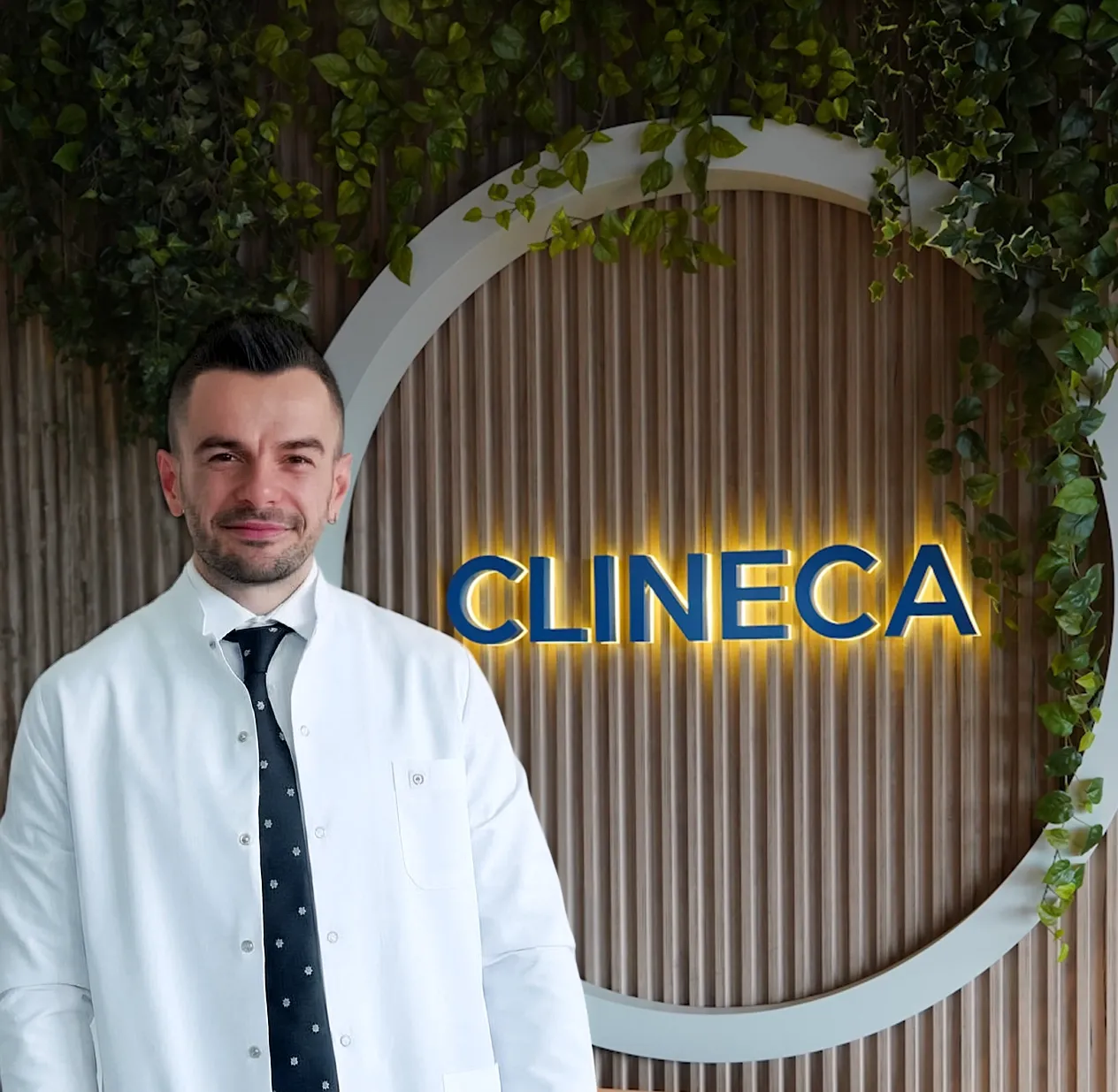 Clineca SpecialistOrkun UzuneyüpoğluPlastic & Reconstructive Surgery
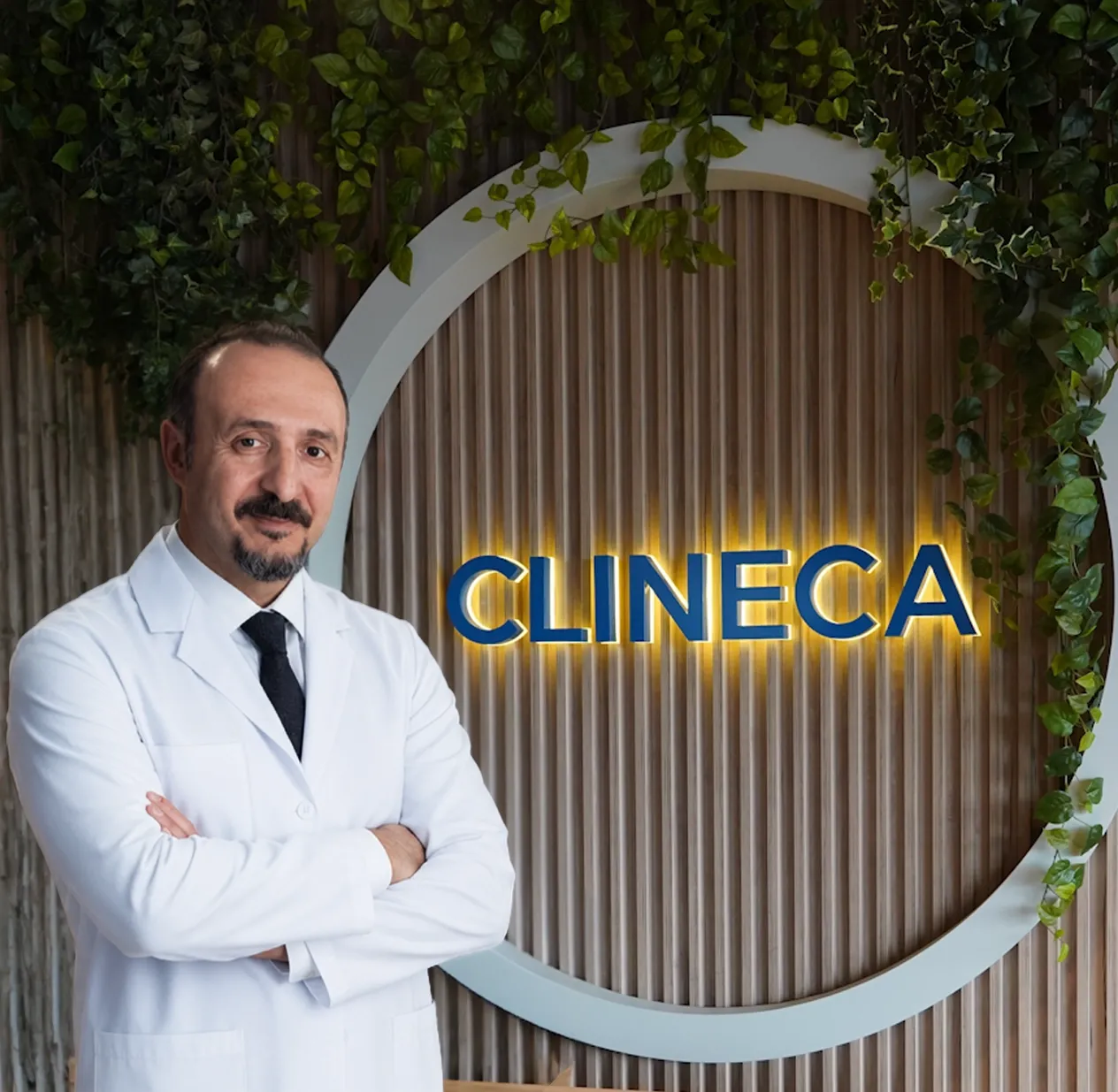 Clineca SpecialistSalim İskenderPlastic & Reconstructive Surgery
 Clineca SpecialistEngin SelamioğluPlastic & Reconstructive Surgery
 Clineca SpecialistCem AydınPlastic & Reconstructive Surgery
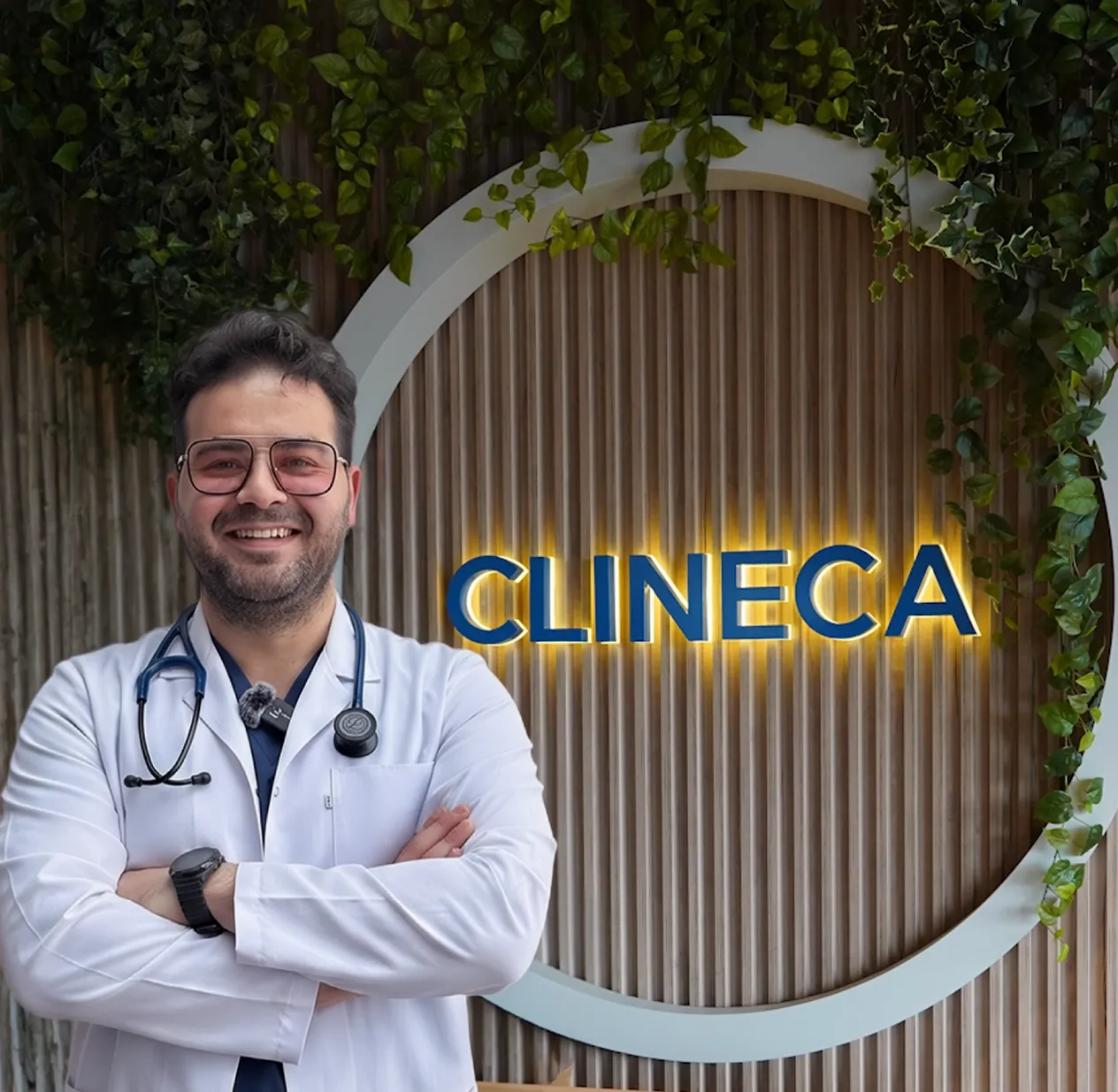 Clineca SpecialistAlperen ÖnalEar, Nose & Throat (ENT)