
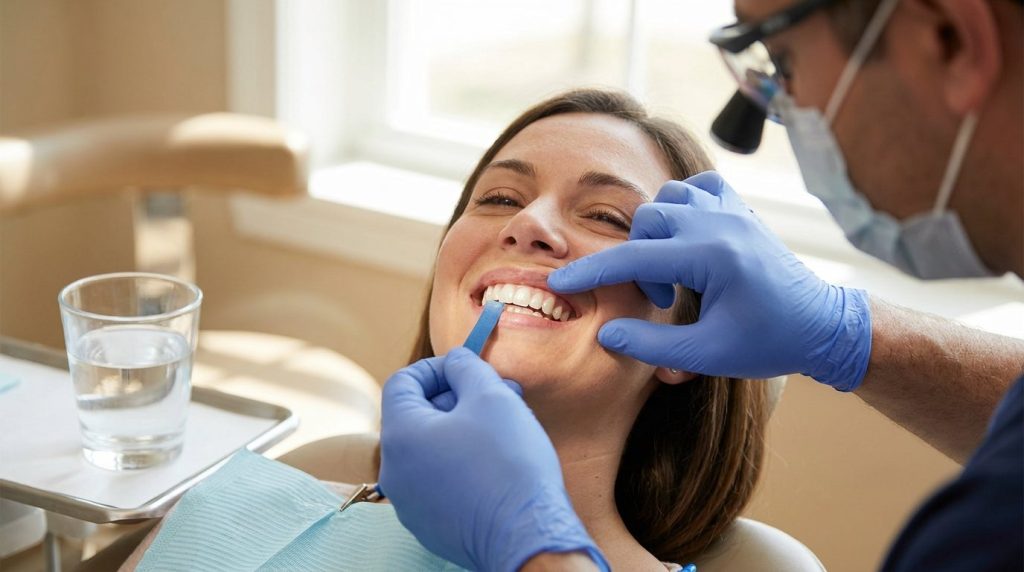
Have a question about Veneers?
In this article
Cold water hits a freshly veneered tooth and you get a sharp, electric twinge — and suddenly you are wondering whether something has gone wrong. It is one of the most common questions patients ask after treatment: veneer sensitivity, how long does it actually last, and when does it stop being normal? The honest answer depends on how much enamel was reduced, what your teeth were like beforehand, and how your bite settled afterwards.
Why do teeth feel sensitive after veneers?
To seat a porcelain veneer, a thin layer of the front of the tooth is usually reshaped. Once some enamel is removed, you are closer to the dentine — the softer layer underneath, which is full of microscopic tubules that connect to the nerve. When cold air, cold drinks or sweet things reach those tubules, you feel it as a quick, sharp twinge. Dentists call this dentine hypersensitivity, and it is the main reason teeth feel sensitive after veneers.
There are usually several things happening at once. The preparation itself mildly irritates the nerve inside the tooth. The bonding process involves etching and adhesive, which temporarily opens up the dentine surface. If you wore temporary veneers for a week or two, those are not sealed as tightly as the final ones, so cold leaks through more easily.
A slightly high bite matters too. If one veneer touches a fraction early when you close, that tooth absorbs more force than it should and can feel tender to pressure rather than to cold. That version of sensitivity does not fade on its own — it needs a two-minute bite adjustment.
Gum irritation adds another layer. The margin of a veneer sits right at the gum line, so gums are often a little inflamed and tender for the first week, which can be mistaken for tooth sensitivity.
📋 Sharp and short is the usual pattern Typical post-veneer sensitivity is a quick zing that stops within seconds of removing the trigger. Pain that lingers for minutes, throbs on its own or wakes you at night is a different signal and should be assessed.
How long does veneer sensitivity last?
For most people this is a matter of days to a few weeks, not months. Sensitivity is usually at its sharpest in the first two to three days after the final veneers are bonded, noticeably calmer by the end of the second week, and largely settled by around six weeks as the dentine seals itself and the nerve quietens down.
The curve is rarely perfectly smooth. Many patients have a good day followed by a twitchy one, especially if they have had cold drinks, a dental clean or a stressful week of clenching. What matters is the trend: each week should be better than the last.
Several factors stretch the timeline out. More aggressive enamel reduction, pre-existing gum recession, grinding at night, a history of sensitive teeth or acid reflux, and treating many teeth in one appointment all tend to mean a longer settling period. Minimal-preparation veneers on intact enamel often cause very little sensitivity at all.
The pattern below reflects what dental teams commonly describe for straightforward porcelain veneer cases; your own experience may run faster or slower.
What you can do to settle sensitivity faster
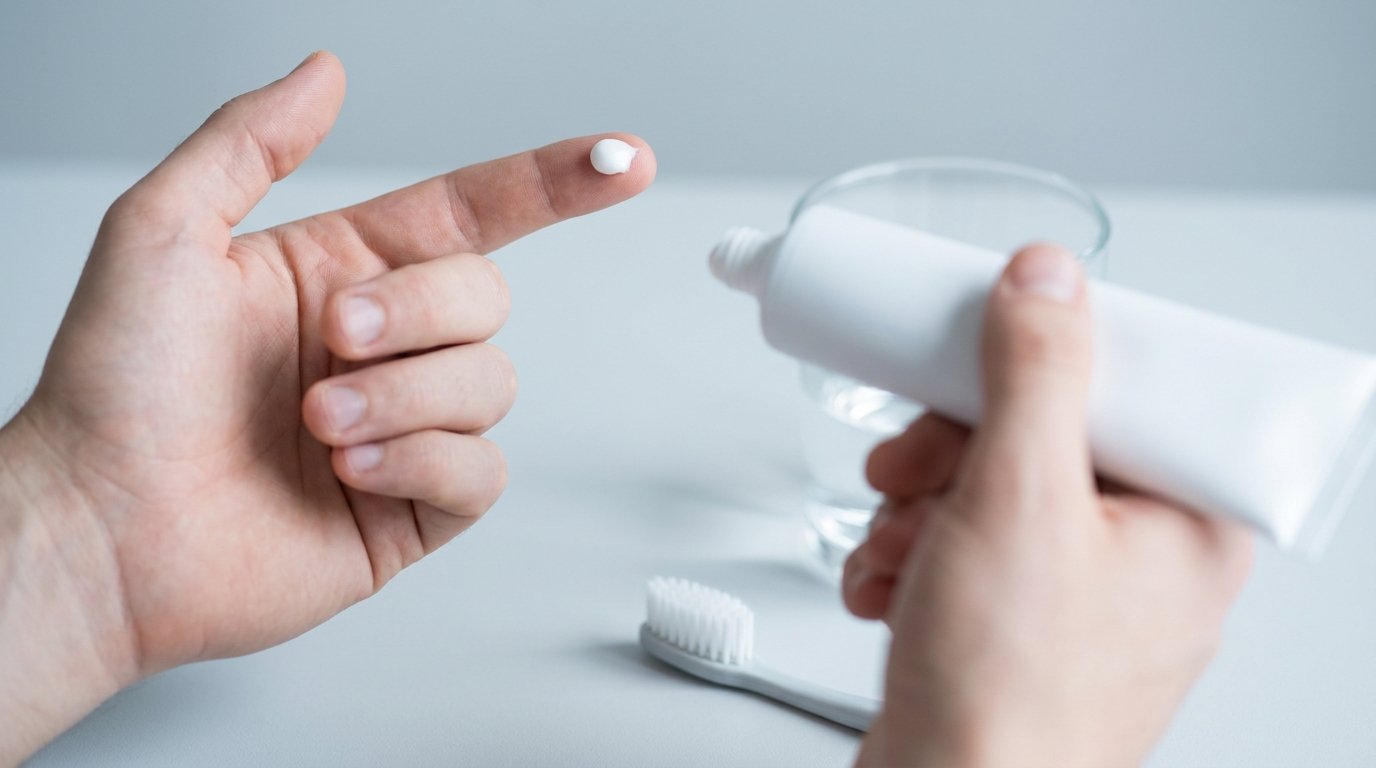
Most of what helps is unglamorous and genuinely effective. A desensitising toothpaste with potassium nitrate or stannous fluoride, used twice a day, is the backbone of home care — and smearing a little onto the sensitive tooth with a fingertip at bedtime and not rinsing it off gives it longer to work.
Temperature control buys you comfort while the tooth settles. Skip ice water and very hot drinks for the first week or two, and use a straw if cold drinks are your main trigger. Acidic things — citrus, fizzy drinks, vinegar dressings — keep dentine tubules open, so easing off them for a couple of weeks genuinely shortens the sensitive phase.
If you grind or clench, a night guard is worth asking about early rather than after six weeks of discomfort. Grinding loads veneer margins, irritates the nerve and can keep sensitivity going indefinitely.
Brushing matters more than people expect. Hard bristles and heavy scrubbing at the gum line irritate exactly the area where the veneer meets the tooth, so a soft brush and light pressure help.
⚠️ Do not self-treat whitening sensitivity on top Whitening gels on natural teeth next to new veneers can add a second layer of sensitivity and will not change the porcelain shade. If you want a brighter overall result, discuss whitening before veneers are made.
- ✓Desensitising toothpaste, twice daily: Give it at least two weeks before judging it. Dabbing a little directly on the tooth at night helps.
- ✓Lukewarm, low-acid diet for 1-2 weeks: Avoid ice, very hot drinks, citrus and fizzy drinks while the dentine seals.
- ✓Soft brush, light pressure, fluoride rinse: Protects the gum line and veneer margins without scrubbing.
- ✓Mention any high bite immediately: Pressure tenderness on one tooth usually means an adjustment, not healing time.
- ✓Night guard if you clench or grind: Reduces nerve irritation and protects the porcelain long term.
Normal healing versus a warning sign
The distinction patients find most useful is duration and trigger. Short, sharp, stimulus-driven twinges that fade within seconds fit normal post-bonding sensitivity. Pain that builds on its own, lingers after the trigger is gone, responds to heat, or needs painkillers to sleep points towards nerve inflammation (pulpitis) rather than ordinary dentine sensitivity.
Sensitivity that appears weeks or months after everything had settled is also a flag. It can mean a bonding margin has started to leak, decay has formed behind or beside a veneer, a veneer has a hairline crack, or gum recession has exposed root surface at the edge. None of these improve with toothpaste.
Also watch for sensitivity paired with other symptoms: a bad taste, gum swelling, bleeding that will not settle, a tooth that feels looser, or a visible dark line at the edge of a veneer. Those deserve an appointment rather than a wait-and-see week.
Quick cold twinge that stops in seconds, mild gum tenderness in week one, steady week-on-week improvement, no pain between triggers.
Throbbing or spontaneous pain, sensitivity to heat, pain lasting minutes, night pain, swelling, bad taste, or sensitivity that worsens after week three.
One tooth feels tender when you bite or chew but is fine with cold. Usually fixed by a small occlusal adjustment in a single short visit.
Does veneer type change how sensitive your teeth will be?
How much tooth structure is removed is the single biggest predictor of post-treatment sensitivity, and that is driven by the type of restoration and your starting point. Minimal-preparation porcelain veneers that sit on enamel usually cause the least disturbance. Conventional veneers involve more reshaping, so more dentine is exposed. Full crowns, which wrap the whole tooth, involve the most reduction and therefore more potential for sensitivity in the early weeks — the same pattern described in our guide to what to expect after a dental crown.
Composite bonding sits at the gentle end because little or no enamel is usually removed. It is less stain-resistant and shorter-lived than porcelain, which is the real trade-off rather than comfort.
If you are weighing up options before booking, our overview of dental veneers in Turkey explains the process end to end, and there is a separate discussion of timing veneers around facial surgery if you are planning more than one treatment.
Managing sensitivity when you had veneers abroad
Travelling for treatment adds a planning problem: sensitivity often peaks in exactly the window when you are flying home. Cabin pressure does not damage veneers, but a tooth that is already irritated can feel more reactive on a flight, and airline drinks are usually served either very hot or full of ice.

The practical fix is to build the trip so that the final veneers are bonded with at least a day or two to spare before you fly. That gives the clinic time to check your bite after you have eaten normally, polish any rough margin and adjust anything that feels high — all of which are far easier in the chair than over a video call. Many patients find the bite feels slightly different after a few real meals, so that second check is valuable.
Before you leave, ask for three things in writing: who to contact if sensitivity worsens, what the clinic’s policy is on adjustments or remaking a veneer, and a copy of your records including the shade, material and any lab details. A dentist at home can act far more quickly with that information.
What drives the cost, and what a quote should include
Veneer pricing is shaped by the number of teeth, the material and laboratory, whether a digital smile design or diagnostic mock-up is part of the plan, how much preparatory work you need — treating decay, gum therapy or a night guard — and how many appointments the plan requires. A transparent quote also sets out consultation, imaging, temporaries, the final bonding visit, follow-up checks, and any guarantee or remake terms. Clinics give a personalised figure only after an examination and X-rays, because a plan built from photographs alone can miss the very issues that cause lingering sensitivity.
Choosing a clinic with sensitivity in mind
The clinics that produce the least post-treatment discomfort tend to be the ones that check the basics first: gum health, decay, existing fillings, grinding habits and bite. Ask whether a mock-up or trial smile is used before any enamel is touched, how conservative the preparation will be, and who reviews your bite before you travel home. A clinician who is willing to tell you that fewer teeth — or orthodontics instead of veneers — would serve you better is usually a good sign.
If you are also considering whitening as part of the plan, our article on how long teeth whitening sensitivity lasts explains how to sequence the two so you are not dealing with both at once.
This article is for informational purposes only and does not constitute medical advice. Always consult a qualified dentist for personalised guidance.
🚨 Get urgent advice for these symptoms Severe or throbbing pain, facial or gum swelling, fever, a tooth that feels loose, or a veneer that comes off need prompt dental care wherever you are — do not wait for your next scheduled review.
Frequently Asked Questions
References
Related Articles


You Might Also Like



Related articles


Our specialists
 Clineca SpecialistErkan PinegözPlastic & Reconstructive Surgery
 Clineca SpecialistHakan AktaşPlastic & Reconstructive Surgery
 Clineca SpecialistOrkun UzuneyüpoğluPlastic & Reconstructive Surgery
 Clineca SpecialistSalim İskenderPlastic & Reconstructive Surgery
 Clineca SpecialistEngin SelamioğluPlastic & Reconstructive Surgery
 Clineca SpecialistCem AydınPlastic & Reconstructive Surgery
 Clineca SpecialistAlperen ÖnalEar, Nose & Throat (ENT)