

Have a question about Veneers?
In this article
- The realistic day-by-day veneer timeline in Turkey
- Why some veneer trips run longer than a week
- Can veneers be done in three or four days?
- One trip or two: which plan suits your case
- The part of the timeline nobody mentions: enamel, lifespan and repairs
- What drives the cost of a veneer trip, and what a quote should include
- Choosing the clinic and planning the week around it
If you are trying to work out how many days for veneers in Turkey you should book, the honest planning figure for a straightforward porcelain case is about five to seven days, built around two main chair appointments. Everything else — the scans, the lab time, the try-in, the bite checks — fits between those two visits, and that is where trips quietly stretch or shrink. Below is what each day actually involves, and what makes the difference between a comfortable week and a rushed one.
The realistic day-by-day veneer timeline in Turkey
Most clinics build a veneer trip around two key appointments: one where the teeth are assessed and prepared, and one where the finished veneers are tried in and bonded. The days in between belong to the dental laboratory, and you spend them wearing temporary veneers.
A single case rarely fits a rigid template. Some patients arrive with healthy gums and simple front-tooth work and finish comfortably inside five days. Others need gum treatment, a root canal or a crown first, and the schedule opens up to accommodate that. The table below reflects a typical uncomplicated porcelain case covering the front teeth.
The last day matters more than people expect. A final review appointment gives your dentist a chance to polish contact points, check how the veneers meet when you bite and chew, and correct small pressure spots while you are still in the country. Flying home the same afternoon you are bonded removes that safety net.
📋 Keep one spare day Lab remakes, a shade you are not happy with or a bite that needs more refinement all cost a day. Booking a flexible return flight is cheaper than booking a second trip.
Why some veneer trips run longer than a week
Veneers only sit well on a healthy foundation, so anything that needs fixing first adds days. Active gum inflammation usually has to be treated and settled before preparation, because gums that are bleeding or swollen make the margins and the final shade unpredictable. Old failing fillings, decay under a tooth due for a veneer, or a tooth that needs root canal treatment all add appointments.
The number of teeth also changes the rhythm. A few front teeth can be prepared and bonded quickly, whereas a full upper and lower arch means longer chair sessions, more lab work and more bite checking. If you are considering the broader full-arch look, our guide to a Hollywood smile in Turkey and how many veneers it involves explains how tooth count affects both the schedule and the plan.
Material choice plays a role too. Thin bonded porcelain, pressed ceramic and milled zirconia-based restorations have different lab workflows and different preparation needs. A 2026 study in Clinical Oral Investigations tested CAD/CAM veneer materials at different thicknesses and found that both the material and the restoration thickness influenced load-bearing capacity — which is one reason your dentist may recommend a slightly different design for a back tooth or a heavy bite rather than simply matching what you saw in a photo. If crowns are part of your plan, the differences are covered in our comparison of zirconia versus porcelain crowns.
Things that commonly add one to several days
- ✓Gum treatment or deep cleaning before preparation
- ✓Root canal treatment on a tooth being restored
- ✓Implants or extractions in the same plan, which often require healing months rather than days
- ✓A full upper and lower arch rather than front teeth only
- ✓A trial smile or mock-up stage before any enamel is touched
- ✓A lab remake because the shade or shape was not right at try-in
Can veneers be done in three or four days?
You will see compressed schedules advertised, and technically a small number of veneers can be prepared and bonded inside three or four days when the laboratory is in-house and the case is simple. Whether that is a good idea depends on what gets cut.
What tends to disappear in a rushed plan is the try-in stage and the follow-up review. The try-in is your one realistic chance to say that a shade is too bright, an edge is too long or a tooth looks wider than its neighbour, while the veneers can still be remade. Once they are cemented, changing them means removing and replacing them.
There is also a practical reason not to fly straight after bonding. Minor bite interferences often only reveal themselves once the anaesthetic has worn off and you have eaten a couple of normal meals. Being in the same city as your dentist for 24 to 48 hours after cementation turns a small adjustment into a five-minute appointment instead of a problem you take home.
⚠️ Be cautious with same-day promises A plan that prepares and bonds your teeth on the same day leaves no window for a try-in, no lab remake option and no bite review. Ask specifically when your try-in appointment is scheduled.
One trip or two: which plan suits your case
Most cosmetic veneer cases are completed in a single trip. A two-trip plan becomes the sensible option when the mouth needs preparatory treatment, when implants are involved, or when you want a mock-up stage and time to live with a proposed design before anything is drilled.
If implants are part of your plan, the timeline changes completely, because bone needs months to integrate around an implant — our article on how many trips dental implants in Turkey need sets out those intervals.
Composite bonding is added to the tooth surface rather than requiring the same preparation, and it can usually be completed in fewer days. It chips and stains more readily and needs more frequent maintenance — the trade-offs are set out in our comparison of composite bonding and veneers.
The part of the timeline nobody mentions: enamel, lifespan and repairs
Traditional porcelain veneers require your dentist to remove a thin layer of enamel so the restoration sits flush and bonds reliably. That enamel does not grow back. Once prepared, those teeth will need a veneer, a crown or some other restoration for the rest of your life, which is why the decision deserves more thought than the travel dates do.
Veneers are also not permanent fixtures. They are long-lasting restorations, not a one-off purchase: with good hygiene and a protective night guard where grinding is a factor, many patients get years of service, but replacement at some point is the realistic expectation rather than the exception. Budget mentally for a replacement cycle, not for a result that never needs touching.
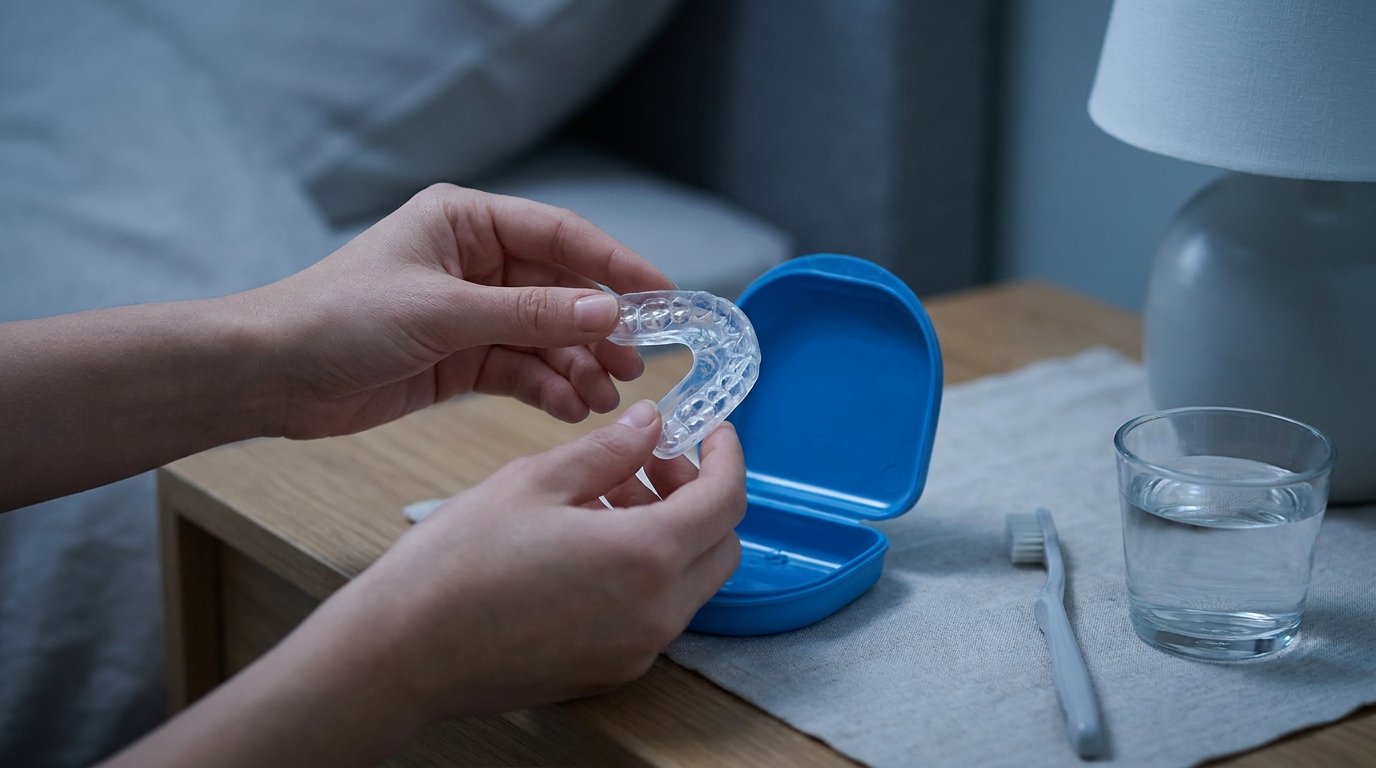
Things that genuinely go wrong include debonding, where a veneer comes loose and needs re-cementing; chipping or fracture, often on a biting edge or in patients who grind; gum irritation around a margin; and sensitivity in the first weeks, which usually settles — our article on how long veneer sensitivity lasts covers what is normal and what is not. Bite problems are the most common complaint once patients are home, because a high spot that felt tolerable on day seven can become a sore tooth or jaw ache by week three.
That is the real argument for planning a full week rather than a long weekend, and for agreeing in writing before you travel who handles adjustments, remakes and repairs once you are back in your own country. Our overview of dental veneers in Turkey, including the process and safety considerations goes further into aftercare arrangements.
🚨 Enamel removal cannot be undone Ask your dentist exactly how much tooth structure your plan requires and whether a less invasive option could achieve a similar result. If the answer is vague, get a second opinion before you book flights.
What drives the cost of a veneer trip, and what a quote should include
We do not publish figures, because a meaningful veneer price depends on your mouth rather than a list. What matters when you compare quotes is whether they describe the same work, the same materials and the same number of days.
Ask for your quote in writing, with the material named, the number of teeth itemised, any preparatory treatment listed separately, and the warranty or remake terms spelled out. A quote that covers only “veneers” while gum treatment and root canals appear as surprises on day two is not a quote you can compare with anything. A personalised price is confirmed after a consultation and a review of your scans. For a wider look at what shapes dental quotes and stay length, see our guide to Turkey teeth costs and quote drivers.
Choosing the clinic and planning the week around it
Days only mean something if the right person is using them. Confirm that the dentist performing your treatment is licensed in Turkey, ask how many veneer cases of your type they handle, and ask to see unedited before-and-after photos of patients with similar teeth rather than a gallery of identical white arches.
Practical planning is simple once the clinical plan is clear. Book accommodation close to the clinic, because you will be travelling back and forth more than you expect. Keep the first two days light, since preparation day can leave your gums tender. Expect to eat softly while you are wearing temporaries, and avoid anything hard or sticky that could pull one off before your real veneers arrive. If you are also planning facial surgery, the sequencing matters, and our article on whether veneers should come before or after facial surgery explains why.
Before you fly home, make sure you leave with your treatment notes, the material and shade used, photographs of the finished work and a named contact for problems. A local dentist can adjust a bite far more easily when they know exactly what was placed.
This article is for informational purposes only and does not constitute medical advice. Always consult a qualified dentist for personalised guidance.
A written treatment plan with the material named, a scheduled try-in appointment before bonding, a review visit before your flight, clear warranty terms, and a dentist who tells you when veneers are not the right answer for your teeth.
A fixed price quoted before any scans, a three-day plan with no try-in, pressure to treat far more teeth than you asked about, no named treating dentist, and vague answers about who handles repairs after you go home.
Frequently Asked Questions
References
- 📎The effect of different CAD/CAM materials and thickness on the immediate load-bearing capacity of occlusal veneers — Clinical Oral Investigations, 2026
- 📎NHS — Cosmetic procedures
Related Articles


You Might Also Like



Related articles


Our specialists
 Clineca SpecialistErkan PinegözPlastic & Reconstructive Surgery
 Clineca SpecialistHakan AktaşPlastic & Reconstructive Surgery
 Clineca SpecialistOrkun UzuneyüpoğluPlastic & Reconstructive Surgery
 Clineca SpecialistSalim İskenderPlastic & Reconstructive Surgery
 Clineca SpecialistEngin SelamioğluPlastic & Reconstructive Surgery
 Clineca SpecialistCem AydınPlastic & Reconstructive Surgery
 Clineca SpecialistAlperen ÖnalEar, Nose & Throat (ENT)