
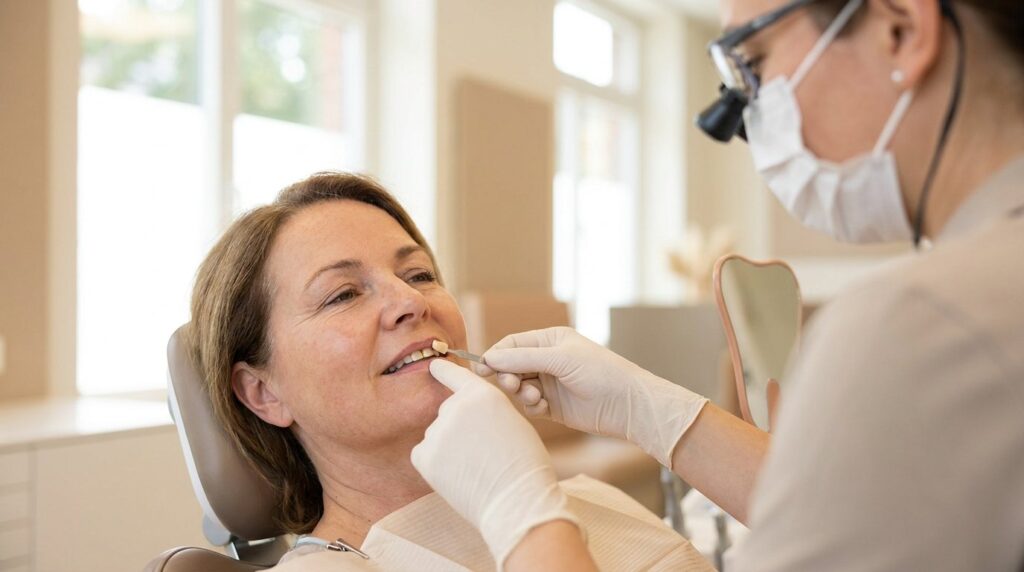
Have a question about Bonding?
In this article
- How long does dental bonding usually last?
- What makes dental bonding last longer or fail sooner?
- When does dental bonding need repair instead of replacement?
- What are the signs your bonding may need attention?
- How is bonded tooth repair done, and is it a big procedure?
- How do bonding, veneers, and crowns compare for longevity and maintenance?
- How can you make dental bonding last as long as possible?
- What affects the cost of bonding repair and treatment planning?
- How do you choose a safe clinic for dental bonding abroad?
If you are asking how long does dental bonding last and when does it need repair, the honest answer is that bonding is durable but not permanent. Many bonded teeth look good for several years, but lifespan depends heavily on where the bonding sits, how you bite, and how well you look after it.
How long does dental bonding usually last?
A practical answer first: dental bonding often lasts several years rather than decades, and small cosmetic bonding on front teeth may stay in good shape longer than bonding placed on an edge that takes a lot of bite pressure. In published dental literature, survival varies by case type, tooth position, and follow-up period, which is why you will see different timeframes quoted online.
A useful way to think about it is this: bonding can be an excellent medium-term cosmetic fix, but it is usually more maintenance-dependent than porcelain veneers or crowns. Studies in journals such as the Journal of Adhesive Dentistry and Clinical Oral Investigations have reported good short- to medium-term survival for composite restorations, while also showing that chipping, staining, wear, and margin defects become more common over time.
That matters because “lasting” does not always mean “still perfect.” A bonded tooth may remain functional, yet need polishing, edge reshaping, or a small repair before it needs full replacement. The FDI World Dental Federation repair criteria and published research on composite restoration repair support a conservative approach where dentists often repair localized defects instead of replacing the whole restoration straight away.
If you are comparing options for a small chip, gap, or shape change, dental bonding treatment is often chosen because it is quick and preserves more natural tooth. The trade-off is that you should expect touch-ups to be part of the long-term picture.
What makes dental bonding last longer or fail sooner?
The biggest factor is location. Bonding on a front tooth surface that mainly changes shape or colour tends to age better than bonding placed on the biting edge of a tooth, where it absorbs repeated force every day. If you grind your teeth, bite your nails, chew ice, or open packets with your teeth, bonding usually wears out faster.
Material quality and technique matter too. Composite resin is placed in layers and shaped by hand, so good moisture control, careful bonding steps, and proper polishing all affect how well it performs. A well-planned case with clean bite contacts tends to last longer than bonding that is too thin at the edges or placed in a way that leaves it taking too much pressure.
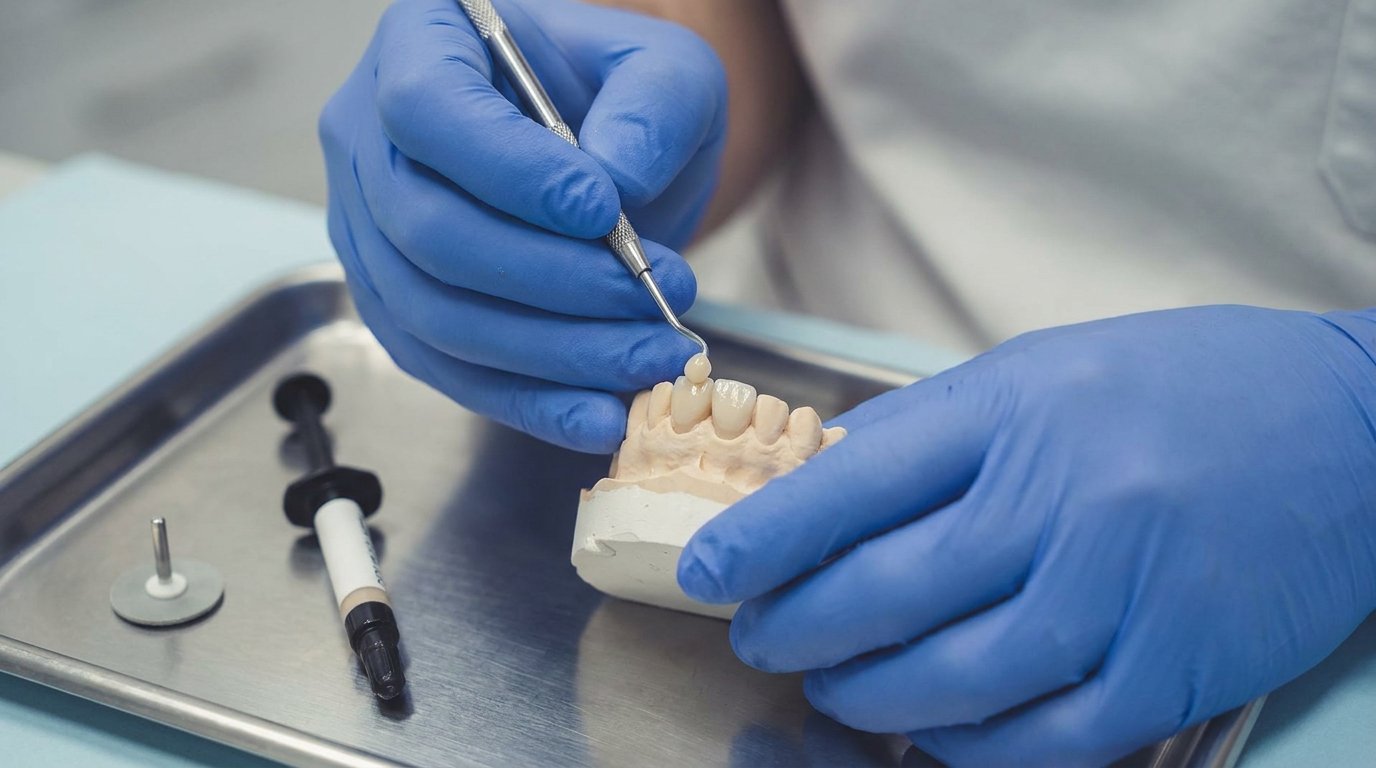
Your habits play a large part. Smoking, frequent coffee, tea, red wine, and strongly coloured foods do not always damage bonding structurally, but they can stain it sooner. Unlike natural enamel, bonded resin does not respond in the same way to whitening treatments, so colour mismatch can appear over time if the surrounding teeth lighten or the bonding darkens.
Oral hygiene matters in a less obvious way. Bonding itself cannot decay, but the natural tooth around it can. If plaque gathers around the margins, you can develop staining, gum irritation, or decay where the resin meets the tooth. That is one reason dentists usually want regular reviews even when the bonding still looks intact.
- ✓Bonding on biting edges usually wears faster than bonding on smoother front surfaces.
- ✓Teeth grinding and clenching can shorten the life of bonding considerably.
- ✓Smoking and dark drinks often cause staining before they cause breakage.
- ✓Small defects can often be repaired without removing all the original bonding.
When does dental bonding need repair instead of replacement?
Repair is often possible when the problem is small and localised. That includes a minor chip at the edge, a rough surface, a small stain line, or slight wear that affects shape. In these cases, a dentist may be able to roughen the surface, add fresh composite, reshape it, and polish it again.
This matters because repairing bonded restorations is usually more conservative than starting over. The FDI repair position and peer-reviewed studies on composite repair support preserving sound parts of the restoration where possible. In plain terms, if only one corner has chipped, there may be no good reason to remove everything.
Replacement becomes more likely when the bonding has widespread staining, repeated fractures, poor fit at the edges, decay underneath, or a bite problem that keeps breaking the same area. If the tooth has changed a lot since the original treatment, the dentist may also advise a fresh restoration so the shape, colour, and bite can be corrected properly.
If bonding keeps failing on the same tooth, that usually means it is time to review the plan rather than simply patch it again. Sometimes the better long-term choice is a different treatment, such as porcelain veneers, dental crowns, or enamel reshaping in carefully selected cases.
A small edge chip, minor roughness, or slight local staining can often be repaired or polished without replacing the full bonding.
Repeated breakage, widespread staining, decay at the margin, or a poor bite fit usually push treatment toward full replacement.
A more durable option such as veneers or crowns may be worth discussing if the same bonded area keeps failing.
What are the signs your bonding may need attention?
Some signs are obvious, and some are easy to miss. A visible chip, a rough edge you can feel with your tongue, or a piece that suddenly looks shorter than the tooth next to it usually means the bonding should be checked.
Colour change is another common reason people come back. Bonding may pick up surface stain or lose its original polish, making it look duller than the surrounding enamel. Sometimes this can be improved with professional polishing. Sometimes the colour change runs deeper and the restoration needs replacement.
You should also pay attention to function. If floss keeps catching between teeth, if you notice a new bite interference, or if the bonded tooth feels sensitive when you bite, that can point to a margin problem, crack, or excess pressure on the restoration.
Do not ignore gum changes either. Redness or bleeding around one bonded tooth can mean plaque retention around a rough or overhanging edge. That does not always mean the bonding has failed, but it does mean the area needs assessment.
⚠️ See a dentist sooner if the bite feels wrong A small bonded edge can chip again quickly if it is hitting first when you close your teeth.
How is bonded tooth repair done, and is it a big procedure?
In many cases, repair is simple and done in one visit. The dentist examines the tooth, checks the bite, and decides whether polishing alone is enough or whether fresh composite resin should be added. If more material is needed, the old surface is prepared so the new resin can bond to it, then the shape is rebuilt and polished.
That said, not every repair is tiny. If the bonding has failed because of grinding, a deep chip, or decay under the restoration, the appointment can become more involved. The dentist may need to remove weak material, treat the underlying tooth, or recommend another solution if bonding is no longer the best fit.
For international patients, this is one of the advantages of bonding compared with more complex restorative work. Small repairs are often straightforward to plan during a short stay, while larger aesthetic redesigns may need more than one step. If you are travelling for treatment, ask in advance whether the clinic expects a same-day repair, a review visit, or extra time for colour matching and bite adjustments.
How do bonding, veneers, and crowns compare for longevity and maintenance?
Bonding is usually the most conservative option because it often needs little or no drilling. It is also the easiest to repair in small areas. The compromise is that it generally stains and chips more easily than porcelain.
Veneers tend to offer better colour stability and surface polish over time, but they are a bigger commitment and not ideal for every tooth or bite pattern. Crowns cover more of the tooth and can be appropriate when the tooth is already heavily restored or structurally weak, though they involve more reduction of natural tooth tissue.
The best option depends on what is being corrected. A tiny front-tooth chip and a full smile redesign are not the same problem, so they should not have the same answer.
How can you make dental bonding last as long as possible?
The most effective step is protecting bonding from force. If you clench or grind at night, ask whether a night guard is sensible. Avoid using your front teeth as tools, and try not to bite hard foods directly with bonded edges.
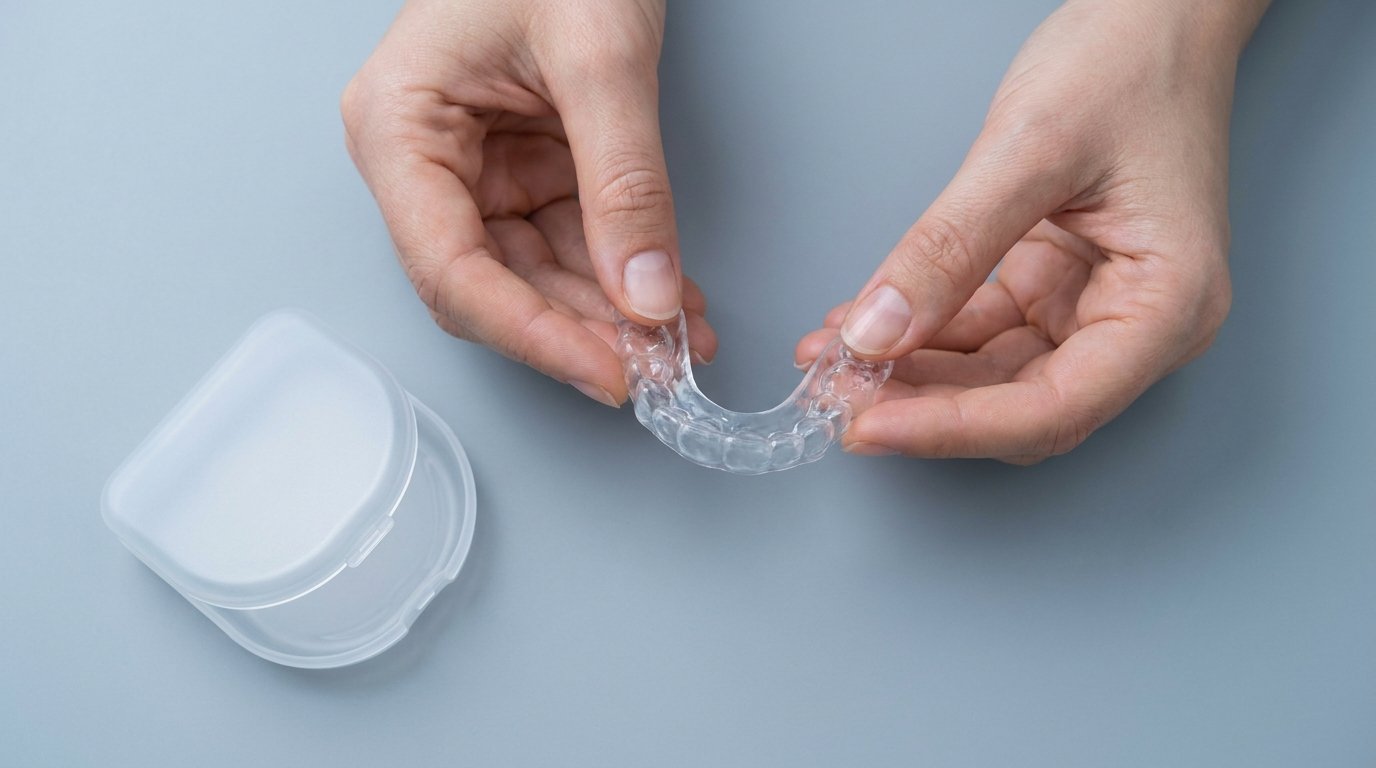
Daily care is simple but important: brush with a non-abrasive toothpaste, floss carefully, and keep up with routine check-ups. A professional polish can often refresh bonding that has gone dull or picked up surface stain before the problem becomes more obvious.
If you are thinking about whitening, discuss the order of treatment. Natural teeth may whiten, but existing bonding will not lighten in the same way. Dentists often plan whitening first and bonding afterwards when the goal is colour matching.
For travellers, follow-up planning matters as much as the treatment itself. Before you book, ask who will handle reviews, what happens if a small chip occurs after you go home, and whether the clinic can share records with your regular dentist. If you want to discuss suitability and aftercare planning, a dental consultation should cover not just the smile result but also maintenance and repair expectations.
- →Avoid biting ice, pens, fingernails, and hard crusts with bonded front teeth.
- →Use a night guard if your dentist confirms grinding or clenching.
- →Book reviews if you notice roughness, staining, or a change in bite.
- →Ask for a written care plan if you are having treatment while travelling.
What affects the cost of bonding repair and treatment planning?
The quote is usually shaped by how much work is needed, not just by the fact that a tooth is bonded. A quick polish is very different from rebuilding a fractured edge, replacing several old bonded areas, or correcting a bite issue that caused the damage.
If you are comparing clinics, ask what the treatment plan includes. Good questions are whether the quote covers photographs, examination, bite assessment, polishing, shade matching, and any review visit needed shortly after treatment. For patients travelling to Turkey, it is also sensible to ask about remote follow-up, whether records can be shared with your home dentist, and what the clinic advises if a minor repair is needed later.
The safest way to get a realistic figure is a personalised assessment. Photos can help with early planning, but the final recommendation is usually confirmed after the dentist examines the tooth directly.
📋 Look beyond the headline price For bonding, the real value is in diagnosis, colour matching, bite control, and a clear repair plan if problems arise later.
How do you choose a safe clinic for dental bonding abroad?
Start with the dentist, not the marketing. Ask who will assess your bite, who will actually place the bonding, and what experience they have with cosmetic composite work rather than only general dentistry. Before-and-after photos are useful, but they should be backed by a proper examination and a realistic discussion of maintenance.
Look for a clinic that explains limits as well as benefits. Good providers will tell you when bonding is a smart conservative option and when another treatment may last better. They should also explain that repairs are sometimes part of normal long-term care, not automatically a sign that the whole treatment was poor.
For patients travelling internationally, logistics matter. Ask how long you should stay, whether same-week review is advised, and what support is available once you return home. It is also reasonable to ask about the clinical team on the doctors page or contact the clinic directly through the contact page if you want written answers before travelling.
Clear explanation of repair versus replacement, bite assessment, realistic longevity discussion, and a defined follow-up plan.
Promises that bonding is permanent, no discussion of staining or chipping risk, or pressure to choose a larger procedure without clear reasons.
Frequently Asked Questions
References
- 📎PubMed search: composite bonding longevity anterior teeth survival repair
- 📎PubMed search: direct composite restoration repair FDI criteria
- 📎PubMed search: composite restoration staining polishing aftercare review
- 📎NHS: Cosmetic procedures
Related Articles


You Might Also Like



Related articles



Our specialists
 Clineca SpecialistErkan PinegözPlastic & Reconstructive Surgery
 Clineca SpecialistHakan AktaşPlastic & Reconstructive Surgery
 Clineca SpecialistOrkun UzuneyüpoğluPlastic & Reconstructive Surgery
 Clineca SpecialistSalim İskenderPlastic & Reconstructive Surgery
 Clineca SpecialistEngin SelamioğluPlastic & Reconstructive Surgery
 Clineca SpecialistCem AydınPlastic & Reconstructive Surgery
 Clineca SpecialistAlperen ÖnalEar, Nose & Throat (ENT)