
Have a question about Breast Augmentation?
In this article
- Can breast augmentation and rhinoplasty be done together?
- Who is a good candidate for combining them instead of staging them?
- What are the real advantages and trade-offs of doing both at once?
- How does recovery work when breast augmentation and rhinoplasty are combined?
- How long should you stay in Turkey after combined surgery?
- Is it safe to combine breast augmentation and rhinoplasty?
- How are quotes and costs usually handled for this combination?
It is common to want one trip, one anaesthetic and one recovery period instead of spacing surgeries out for months. If you are wondering whether can breast augmentation and rhinoplasty be done together, the real question is not just whether it is possible, but whether it makes sense for your body, your recovery tolerance and your travel plans.
Can breast augmentation and rhinoplasty be done together?
Yes, they can be combined in selected patients, and this is one of the more common mixed face-and-body combinations people ask about. The decision is less about the idea itself and more about whether the total operating time, your general health, and the recovery demands stay within a sensible limit.
Breast augmentation and rhinoplasty affect different areas, so they do not directly interfere with each other in the way some same-area combinations can. That said, you are still asking your body to recover from chest surgery and nose surgery at the same time. You may have chest tightness when moving your arms, nasal congestion, facial swelling, and sleep restrictions all in one recovery period. Some patients like the efficiency of that. Others find a staged approach easier physically and emotionally.
In day-to-day practice, this is not unusual. Among patients who book breast augmentation with another procedure, rhinoplasty is one of the combinations seen regularly. That matters because it suggests the pairing is practical when planning is careful, not an odd exception.
Recognised professional bodies such as the ASPS and BAAPS emphasise that suitability for cosmetic surgery depends on overall health, realistic expectations and proper surgical assessment rather than a one-size-fits-all rule. A combined operation may be reasonable if you are well enough for the planned anaesthetic, your surgeon expects a safe operative length, and there is a clear benefit to combining rather than staging.
⚠️ Possible does not mean ideal for everyone A combination that works well for one patient may be a poor fit for another if there are breathing issues, smoking, complex revision surgery or a long expected operation time.
Who is a good candidate for combining them instead of staging them?
The best candidates are usually healthy non-smokers or people willing to stop nicotine properly before and after surgery, with straightforward goals for both areas. A first-time breast augmentation paired with a standard primary rhinoplasty is often simpler to plan than a revision nose surgery or a breast operation that also needs a lift.
You may be better suited to combining the procedures if your weight is stable, you do not have major untreated medical conditions, and you can realistically manage the aftercare. You will need to sleep on your back, avoid strenuous activity, protect your nose from pressure, and limit upper-body effort while the chest heals. If that sounds manageable, one recovery window can be attractive.
Staging often makes more sense if one operation is already complex on its own. Examples include difficult breathing problems needing functional nasal work, revision rhinoplasty, major breast asymmetry, or breasts that need lifting as well as implants. If your surgeon feels either procedure needs closer monitoring on its own, separating them can improve comfort and reduce decision fatigue during recovery. Seen across our own patients who want two procedures, the split is lopsided: only about one in ten spread them over two trips, and the rest have both in one stay. Staging is the minority route, not the wrong one — the real question is whether your case is the complex one.
If you are still deciding whether implants are the right breast procedure at all, it helps to understand the difference between volume and lift. This article on breast lift vs implants is useful before you build a combined surgical plan around the wrong breast operation.
Good general health, stable weight, realistic goals, a standard primary rhinoplasty and a straightforward breast augmentation.
Revision rhinoplasty, breathing concerns, a likely breast lift, nicotine use, or any reason the total operation would become too demanding.
What are the real advantages and trade-offs of doing both at once?
The main advantage is efficiency. You go through one pre-op process, one anaesthetic, one travel plan and one early recovery phase. For international patients, that can mean less time away from work or family and fewer separate flights. If travel planning is a big part of your decision, this guide to combined surgery in Turkey explains how clinics usually organise these cases.
There can also be a psychological upside. Some patients prefer not to recover from one cosmetic surgery, wait months, and then start again with another. Getting the chest and nose done in one stage can feel cleaner and more practical.
The trade-off is that the first week can feel more intense. After rhinoplasty, the nose often feels blocked and the face looks puffy. After breast augmentation, the chest can feel tight and heavy, and using your arms is less comfortable. Neither issue is usually surprising on its own, but together they can make daily tasks slower. Washing your hair, getting in and out of bed, and sleeping comfortably may take more planning.
Another trade-off is that if one area heals faster than the other, you still need to follow the slower timeline. Most patients feel socially presentable from breast augmentation earlier than the final nose result settles. So even if your chest is progressing well, the rhinoplasty timeline often becomes the one that shapes travel, photos, major events and patience.
For readers comparing logistics, the two procedures overlap well enough to combine, but not so neatly that recovery becomes easy. That is the honest middle ground.
- ✓One anaesthetic and one early recovery period
- ✓One trip can be simpler for international patients
- ✓Less overall disruption than two separate operations
- ✓The first week may feel more demanding because chest discomfort and nasal congestion happen together
How does recovery work when breast augmentation and rhinoplasty are combined?
Recovery is usually manageable, but it helps to think of it as one timeline with two different speeds. The breast recovery tends to be more about physical restriction in the first days and weeks. The rhinoplasty recovery is more about swelling, congestion and appearance changes that keep evolving for much longer.
In the first few days, you may feel pressure in the chest, tiredness, mouth-breathing from nasal blockage, and a strong need to rest. Sleeping on your back with your head elevated suits both procedures, which is helpful. Walking around the room and short indoor movement are encouraged early, but upper-body effort, lifting and exercise need more patience.

By the end of the first week, many patients feel clearly better, but they are not ready for normal life. Breast soreness often starts to ease, while the nose may still feel stuffy and look quite swollen. If a nasal splint is used, the period around splint removal is often the point where people feel encouraged, even though swelling is far from finished.
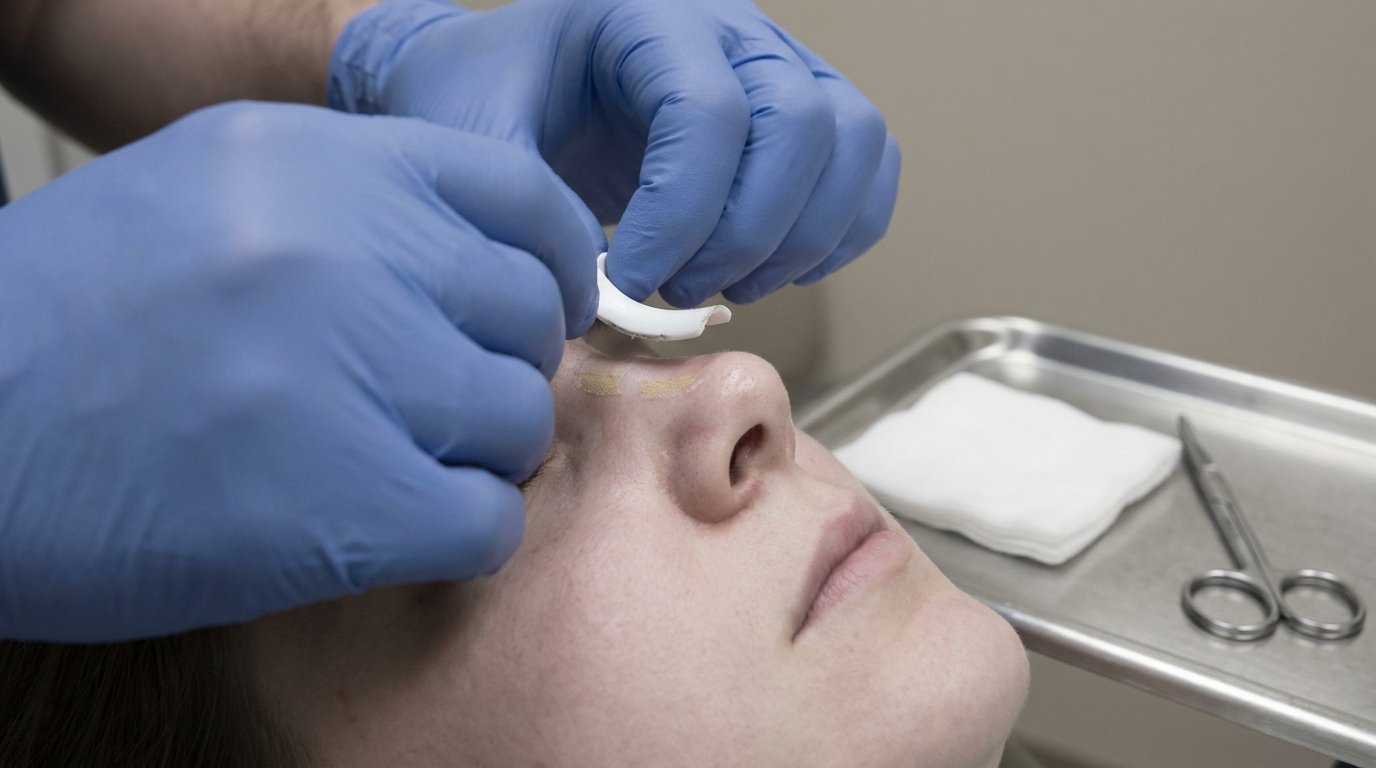
Weeks two to six are where planning matters. Breast augmentation patients usually return to lighter routines sooner than they return to full exercise. Rhinoplasty patients often look much improved early, but subtle swelling continues to settle for months. If you want more detail on the breast side, our article on breast augmentation recovery week by week goes deeper into how movement, soreness and swelling tend to change.
For the nose-specific side, this piece on rhinoplasty recovery and planning helps explain why the visible healing curve can feel longer even when you are functioning fairly normally.
The NHS notes that recovery after cosmetic surgery varies by procedure and by patient, which is especially true in combined operations. The practical point is simple: plan for the tougher recovery, not the best-case one.
How long should you stay in Turkey after combined surgery?
For international patients, the stay is usually a little longer than for breast augmentation alone, because the rhinoplasty follow-up often shapes the schedule. You need enough time for early checks, dressing or splint management where relevant, and a review to make sure you are fit to fly.
The right length depends on how your surgeon performs the nose surgery, whether drains are used for the breasts, how quickly swelling settles, and whether there are any early concerns that need watching. It also depends on practical details such as hotel support, transfers and whether you are travelling alone.
This is one reason many patients prefer an organised medical-travel plan. It is not just about transport from the airport. It is about reducing unnecessary effort during the first week, when carrying luggage, finding pharmacies and moving between appointments can feel harder than expected. If you are reviewing package-style care, this article on what an all-inclusive surgery package usually includes can help you compare support more clearly.
If your trip is centred more on the breast side, our guide on how long to stay in Turkey for breast surgery gives a useful framework. For this combination, though, your surgeon will usually plan around the nose recovery milestones as well.
📋 Do not book a tight return flight too early Combined surgery needs room for review appointments and the possibility that your surgeon may want to see you again before clearing you to travel.
Is it safe to combine breast augmentation and rhinoplasty?
It can be safe in the right patient, with the right surgical team, in the right setting. Safety depends less on the fact that there are two procedures and more on whether the total plan is proportionate. That includes your health, the expected anaesthetic time, blood clot risk, airway considerations, and the quality of postoperative monitoring.
This is where clinic choice matters. Look for a surgeon who performs the specific procedures you want, not someone who talks in very broad cosmetic terms. Ask whether your case would be done in an appropriately equipped hospital, who gives the anaesthetic, what overnight monitoring is available if needed, and how concerns are handled after discharge. EBOPRAS is relevant here because board-level specialist training and recognised standards matter when a plan becomes more complex than a single short procedure.
The ASPS and Mayo Clinic both stress that all surgery carries risks such as bleeding, infection, anaesthetic complications and healing problems. With rhinoplasty, there can also be prolonged swelling, asymmetry or breathing concerns. With implants, there are longer-term issues to understand too, such as capsular contracture, implant rupture and future revision needs. Combining operations does not create those risks from nowhere, but it does mean your pre-op assessment needs to be thoughtful.
A careful team should be willing to say no to a combined plan. That is usually a good sign, not a disappointment.
Clear discussion of risks, realistic recovery advice, named surgeon and anaesthetist involvement, proper follow-up, and no pressure to add extra procedures.
Promises of an easy recovery, vague answers about who operates, no discussion of hospital standards, or pressure to book quickly without a full review.
How are quotes and costs usually handled for this combination?
A combined quote is usually built from the breast procedure, the rhinoplasty, anaesthesia, hospital or theatre use, implants where relevant, medication, garments, follow-up and travel-support elements if those are included. The exact total is personal because both procedures have variables. On the breast side, implant type, incision plan and whether a lift is also needed can change the quote. On the nose side, primary versus revision surgery, structural work and surgical complexity matter a great deal.
This is why a meaningful quote should come after photos, health history and a proper consultation review, not as a generic number sent in one line. If you receive a package figure, ask what is actually inside it. Transfers, hotel, translation support, surgical bra, medicines and follow-up can be included in some plans and excluded in others.
The most useful way to compare offers is not to chase the lowest headline price. Compare what level of assessment happens before you travel, who performs the surgery, where it takes place, whether aftercare is structured, and what happens if you need extra review before flying home. A slightly higher quote can still be the better-value option if it includes the things that make a combined recovery smoother.
Frequently Asked Questions
References
- 📎American Society of Plastic Surgeons: Cosmetic Procedures
- 📎NHS: Cosmetic procedures
- 📎Mayo Clinic: Tests and procedures
- 📎EBOPRAS
Related Articles



You Might Also Like



Related articles


Our specialists
 Clineca SpecialistErkan PinegözPlastic & Reconstructive Surgery
 Clineca SpecialistHakan AktaşPlastic & Reconstructive Surgery
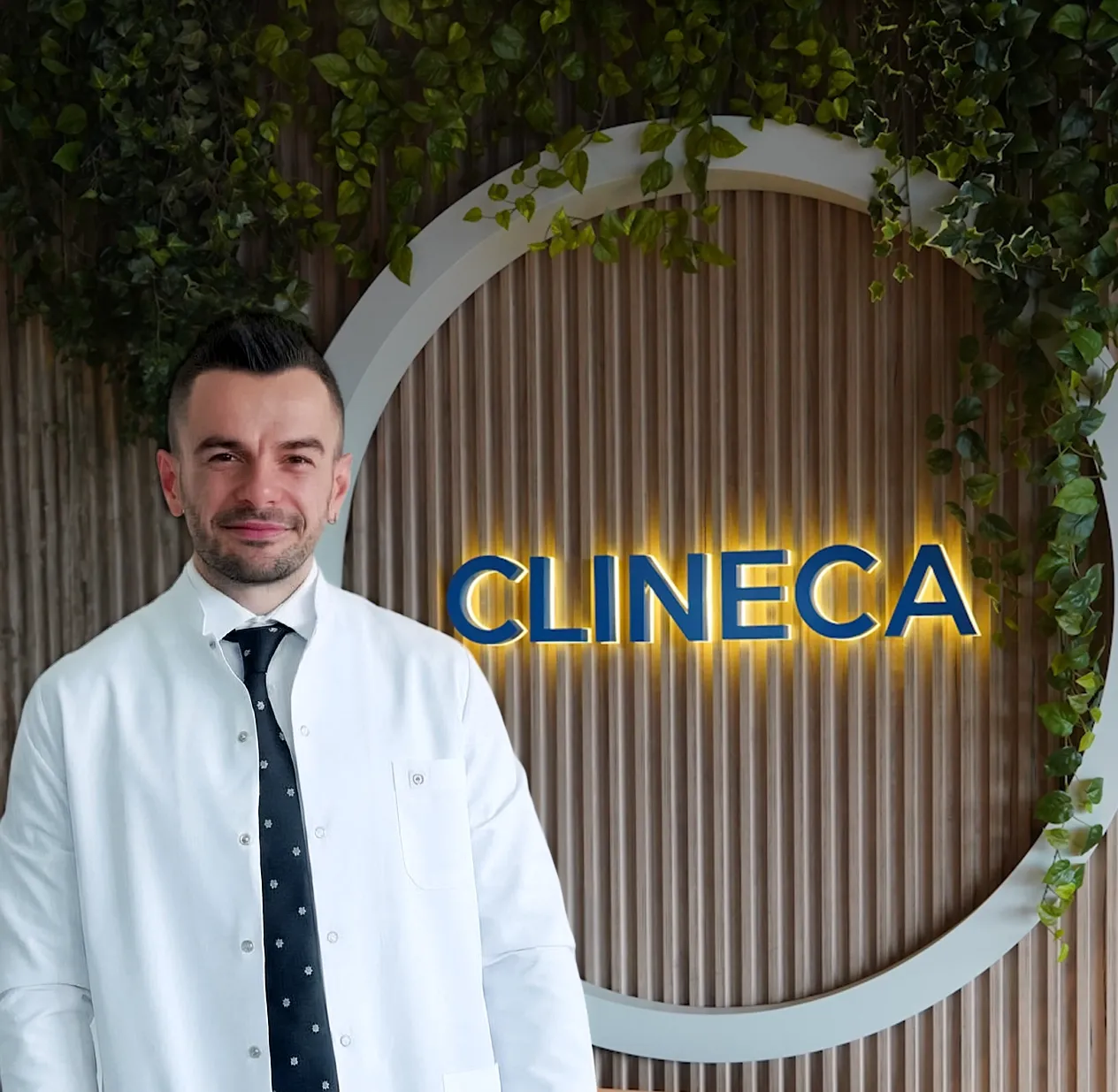 Clineca SpecialistOrkun UzuneyüpoğluPlastic & Reconstructive Surgery
 Clineca SpecialistSalim İskenderPlastic & Reconstructive Surgery
 Clineca SpecialistEngin SelamioğluPlastic & Reconstructive Surgery
 Clineca SpecialistCem AydınPlastic & Reconstructive Surgery
 Clineca SpecialistAlperen ÖnalEar, Nose & Throat (ENT)