

Have a question about Nipple Correction in Turkey: Cost, Safety, Recovery?
In this article
Nipple correction surgery in Turkey covers a small family of procedures that rarely get discussed openly, even though the concerns behind them are extremely common — a nipple that sits inward instead of outward, one side that behaves differently from the other, or projection that makes certain clothes uncomfortable. Because the operation itself is short and done under local anaesthesia in many cases, patients often assume there is nothing much to plan for. In practice the details that matter most are the ones people ask about last: which technique suits the grade of inversion, what the scar will look like, and how honest the surgeon is about the chance of the problem coming back.
What nipple correction surgery actually treats
The phrase covers several different problems, and the operation changes completely depending on which one you have. The most frequent reason people seek it out is an inverted nipple — a nipple that sits on a plane deeper than the surrounding areola rather than projecting outward. This can affect one side or both, and it may have been present since puberty or appeared later.
Other patients come for the opposite concern: a nipple that projects too much, or is wider than they would like. That is a reduction rather than a release, and it is done by removing a small wedge or ring of tissue and reshaping what remains. A third group wants the areola itself made smaller or rounder, which is a separate operation often performed alongside a lift — you can read more about how areola reduction fits into a breast lift if that is closer to your situation.
Asymmetry is its own category. It is normal for the two sides of the chest to differ slightly, and a surgeon who promises a perfect mirror image is overselling. What is realistic is bringing the two sides much closer in projection and shape so the difference is no longer the first thing you notice.
Why the grade of inversion changes the plan
Inverted nipples are usually described in grades. A mild one pops out with stimulation or gentle traction and stays out for a while. A moderate one can be coaxed out but retracts quickly. A severe one will not come out at all, because fibrous bands and shortened milk ducts are tethering it down from underneath.
That difference is not cosmetic hair-splitting — it decides the technique. Mild cases may respond to a simple release of the tethering bands through a tiny incision at the base of the nipple, with a purse-string suture to hold the new position. Severe cases usually need the surgeon to build structural support underneath so the nipple has something to rest on. Published work in Aesthetic Plastic Surgery describes flap-based repairs — including dermal flap and traction methods and, in a 2022 paper, a technique using two crossed dermal areolar flaps — specifically for the more challenging, tightly tethered nipples where sutures alone tend to fail.
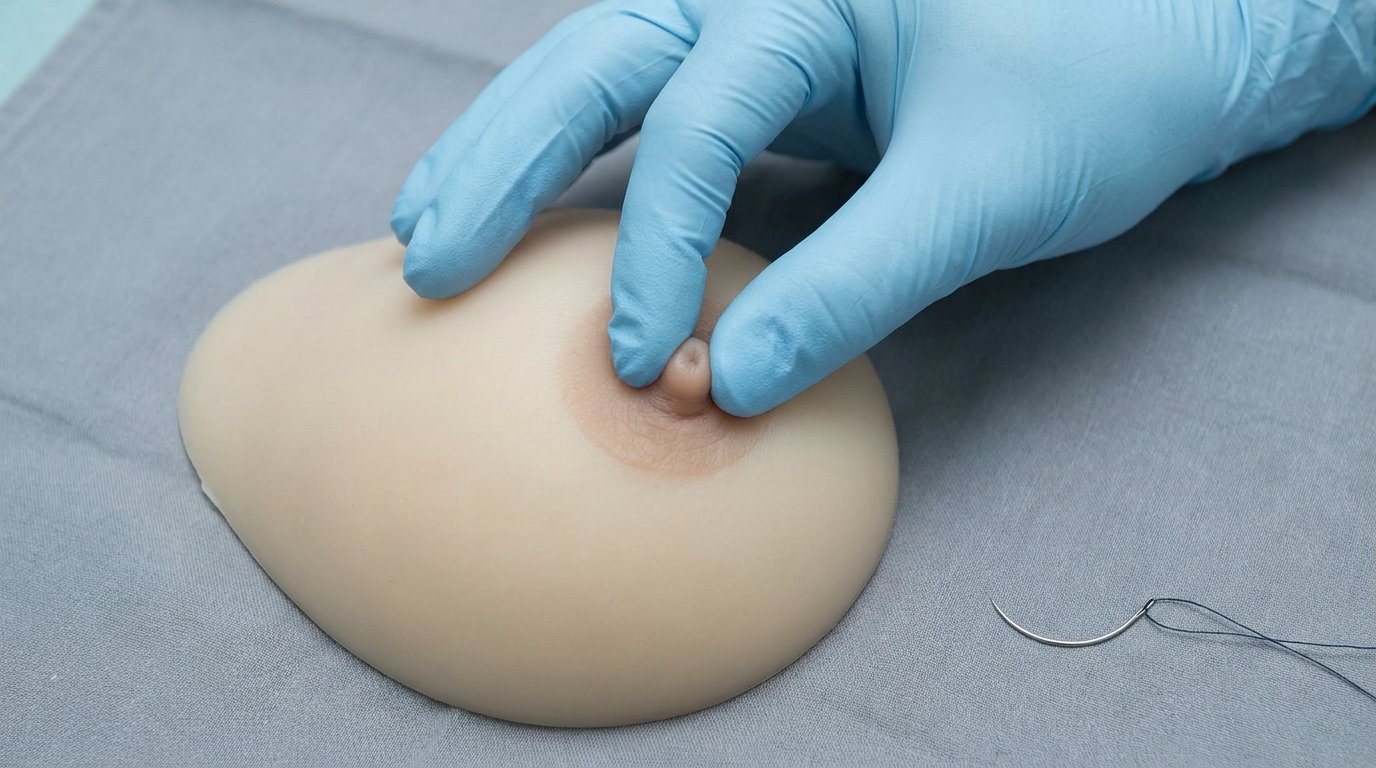
📋 A newly inverted nipple needs checking first If a nipple that always projected normally has started pulling inward on its own, or there is discharge, a lump or skin change, that needs a medical assessment before any cosmetic planning. New-onset inversion in one breast is investigated, not simply corrected.
Am I a good candidate?
Most healthy adults who are bothered by the appearance or function of the nipple are candidates, and this is one of the few aesthetic procedures where age and body weight matter very little. What matters more is your timing and your plans.
Breastfeeding is the main one. Some techniques divide the milk ducts to release a tethered nipple, which can affect future breastfeeding. Others try to preserve the ducts, but preservation limits how much release is possible — that is the central trade-off in severe inversion. If you hope to breastfeed in the future, say so at consultation, because it changes which technique is appropriate and may change the advice about waiting. Patients who have recently finished breastfeeding are usually asked to allow the breast to settle first, and the same logic applies to timing breast surgery after breastfeeding more generally.
Smoking is the other honest barrier. Nipple and areola tissue depends on a delicate blood supply, and nicotine narrows those small vessels. Surgeons routinely ask patients to stop for several weeks before and after, and that request is about tissue survival rather than box-ticking.
Mild to moderate inversion, stable weight, no plans to breastfeed in the near future, a clear idea of what bothers you, and realistic expectations about scar lines and small residual asymmetry.
Severe grade III inversion, a previous repair that relapsed, or a strong wish to breastfeed later. These cases are still treatable, but the technique choice, the recurrence risk and the staging all need discussing properly before you book.
New inversion in one breast without explanation, active infection or inflammation of the nipple, ongoing smoking, or an untreated breast concern that has not yet been assessed.
What affects the cost of nipple correction surgery in Turkey
One of the questions patients ask first is price, and it is also the question that is hardest to answer in the abstract — because inverted nipple surgery is not a single fixed operation. A mild release on one side under local anaesthesia and a flap reconstruction of severe bilateral inversion under sedation sit at genuinely different points on the scale.
What Turkey changes is the overall cost structure rather than the surgery itself: hospital overheads, staffing costs and the exchange rate mean the same level of surgical care is generally priced lower than in the UK or Western Europe, which is the pattern behind the wider comparison of plastic surgery prices in Turkey versus the UK, Germany and the Netherlands. Lower price should never mean a thinner package, and the only way to compare two quotes fairly is to look at what each one actually contains.
A proper written quote normally covers the surgeon’s fee, the facility and anaesthesia, your dressings and medication, and the scheduled follow-up before you fly home. Many clinics in Turkey also bundle airport transfers and hotel nights, which is why an all-inclusive figure can look higher than a bare surgical fee while costing less in total — the logic is set out in more detail in our guide to what an all-inclusive surgery package in Turkey includes.
Your own price is confirmed only after a consultation, because until a surgeon has seen how tethered the nipple is and whether one or both sides need work, any number is guesswork.
⚠️ Compare like for like Ask every clinic the same three questions: is anaesthesia included, is follow-up before departure included, and what happens — clinically and financially — if a revision is needed later. A quote without those answers is not comparable to one that has them.
Is it safe, and what are the real risks?
This is a small, superficial operation on well-vascularised tissue, and for most patients it is uneventful. That does not make it risk-free, and the honest risk list is short but specific.
Recurrence is the one patients underestimate. Because inverted nipples are held down by fibrous bands, any technique that releases them has to resist the pull of healing tissue that wants to go back. Research on dermal flap and traction repairs published in Aesthetic Plastic Surgery in 2014 lists recurrence alongside lactation problems, pale scarring within the areola and loss of sensation as the recognised complications of inverted nipple surgery. A 2009 case report in the same journal describes a dedicated flap technique developed specifically to treat a severe inverted nipple that had already relapsed after earlier surgery — a reminder that relapse happens even in experienced hands, and that it can be fixed.
Changed sensation is the second. Temporary numbness or hypersensitivity in the nipple is common in the early weeks and usually settles. A degree of permanent change is possible, and it is worth weighing up if nipple sensation matters a lot to you.
Infection, delayed healing and visible scarring make up the rest. Scars sit at the nipple base or within the areola, where the colour change tends to camouflage them well, but a pale line can remain visible at close range. We cover the full picture in more depth in our article on whether nipple correction surgery is safe and its main risks.
On the safety side of travel, the things that genuinely reduce risk are unglamorous: a licensed hospital or surgical facility rather than a treatment room, a surgeon who holds a recognised plastic surgery qualification, a written consent discussion in a language you understand, and a documented plan for what happens if something does not heal as expected after you fly home.
🚨 Contact the clinic if you notice these Spreading redness, increasing pain after day three, cloudy or foul-smelling discharge, fever, or a nipple that turns dark or dusky. These need to be looked at promptly rather than waited out — ask for a 24/7 contact before you travel home.
Recovery week by week
Recovery from nipple correction is much easier than most breast operations, mainly because nothing is lifted, moved or implanted deeper in the breast. Discomfort is usually described as soreness and tenderness rather than pain, and simple painkillers are generally enough.
The part that surprises people is the protection phase. Many techniques rely on a dressing, a protective shield or a small splint that keeps pressure off the nipple while it heals in its new position — because an accidental knock or a tight bra in the first days can undo the result. Expect to be careful about what touches your chest for longer than you expect to be sore.
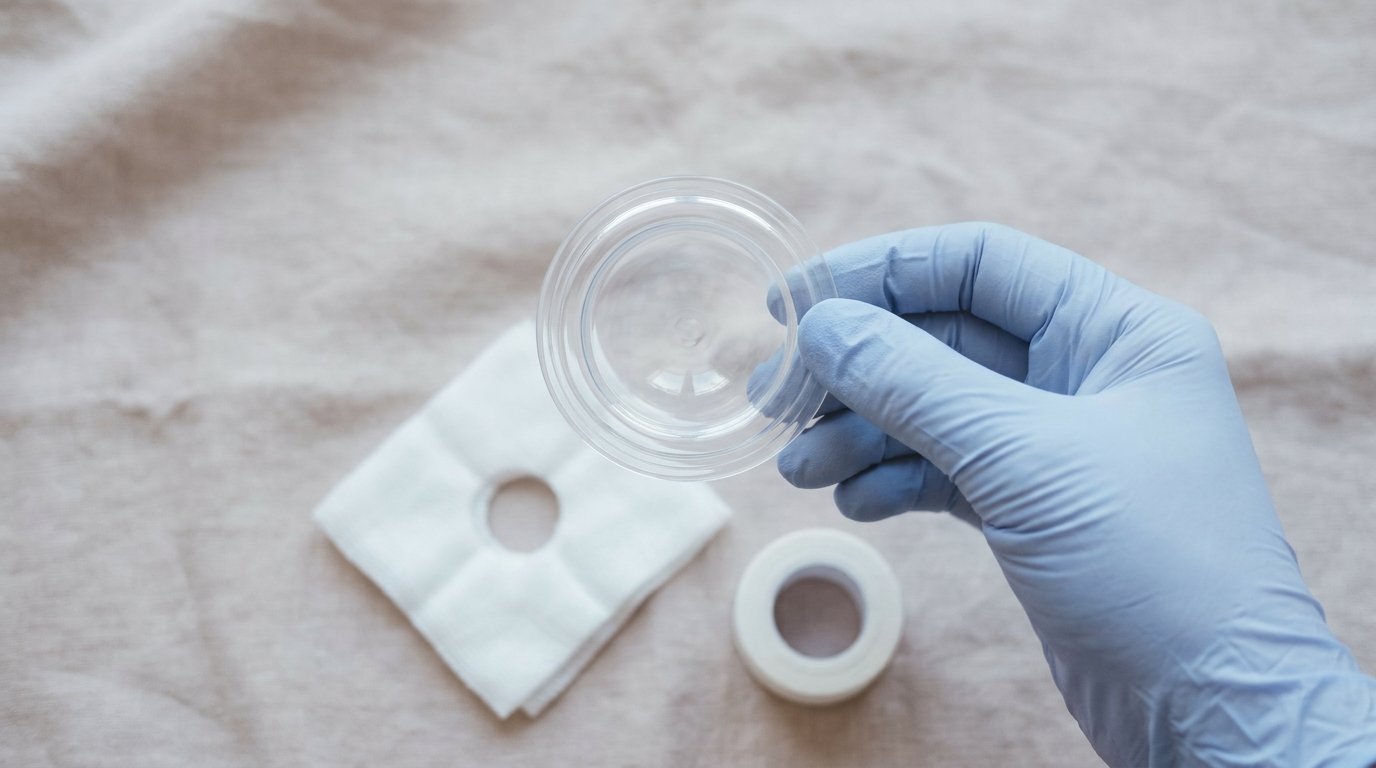
Stitches are typically absorbable or removed at around a week to ten days. Light desk work is usually possible within a couple of days, while gym work, swimming and anything that involves chest pressure or heavy sweating waits until the surgeon clears it. Our detailed walk-through of nipple correction recovery after surgery covers the day-to-day practicalities.
How long to stay in Turkey, and what the trip looks like
For an isolated nipple correction, most surgeons want you in the country for roughly four to six nights. The reason is not the surgery — it is the first dressing change and wound check, which should happen before you get on a plane. Flying with an unchecked wound and no local support is the avoidable part of medical travel.
A typical schedule is an arrival day with face-to-face consultation and any pre-op tests, surgery the following day as a day case, two or three quiet days at the hotel, then a review appointment before departure. If you are combining the correction with a lift, reduction or augmentation, plan for longer — our guide to how long to stay in Turkey for breast surgery sets out the realistic windows.
Accommodation and transfers are the logistics patients ask about most after price, and for good reason: a hotel within short reach of the hospital makes the follow-up appointment effortless, while a cheap room an hour away in traffic does not. Most clinics arrange airport pick-up, hospital transfers and a hotel used to post-surgical guests, and it is reasonable to ask in writing exactly which transfers are covered.
Two practical points worth planning for. First, bring soft, front-opening tops and avoid underwired or compressive bras for the first weeks. Second, book your flight home with some flexibility if you can, so a delayed wound review does not force you into a bad decision.
- ✓Before you fly: Confirm your surgeon’s name and qualification, get the quote and its inclusions in writing, stop smoking if you can, and pause any blood-thinning supplements your surgeon lists.
- ✓On arrival: Expect a proper in-person examination — a good surgeon may adjust the plan after seeing how tethered the nipple actually is.
- ✓Before departure: Have the wound checked, collect written aftercare instructions and medication, and save a direct contact for questions once you are home.
- ✓After you get home: Send photos at the intervals the clinic asks for, and arrange a local check if anything concerns you rather than waiting for a remote reply.
Choosing a clinic and surgeon you can trust
Nipple correction is often treated as a minor add-on, which is exactly why it is worth checking that your surgeon treats it as real surgery. The technique choice for a severe inverted nipple is a judgement call, and judgement comes from having done a lot of them.
The credential to ask about is specialist plastic surgery training, and whether the surgeon is recognised by a national or European body such as EBOPRAS. Ask who will actually operate — not who answers your messages. Ask to see before-and-after photos of nipple correction specifically, taken in consistent lighting, including a case with the same grade of inversion as yours. Requests for before-and-after images are one of the most common things patients ask for, and a clinic that handles that request properly, with consent-based photos and without overclaiming, usually handles the rest well too.
Communication speed and organisation matter more than most patients expect. The clinics patients are happiest with are not always the cheapest — they are the ones that answer clearly, set expectations before surgery rather than after, and do not change the plan at the last minute.
This article is for informational purposes only and does not constitute medical advice. Always consult a qualified surgeon for personalised guidance.
A named, specialist-qualified plastic surgeon; an in-person examination before the final plan; a frank discussion of recurrence and sensation; a licensed hospital or surgical facility; written aftercare and a clear revision policy.
A fixed price quoted before anyone has examined you; promises of a guaranteed or ‘permanent’ result; pressure to book with a deadline discount; no clarity about who operates; and no plan for follow-up once you have flown home.
For mild inversion, suction devices and nipple retractors can improve projection temporarily and are sometimes tried first. They do not release the fibrous bands underneath, so the effect tends to fade — but they are low-risk and may be a reasonable starting point if you are undecided or still planning a pregnancy.
Frequently Asked Questions
References
- 📎Inverted nipple correction with dermal flaps and traction — Aesthetic Plastic Surgery, 2014
- 📎A New Technique in Correction of Nipple Inversion Using Dermal C Flaps — Aesthetic Plastic Surgery, 2022
- 📎Correction of recurrent grade III inverted nipple with antenna dermoadipose flap — Aesthetic Plastic Surgery, 2009
- 📎NHS — Cosmetic procedures
Related Articles

You Might Also Like


Related articles

Our specialists
 Clineca SpecialistErkan PinegözPlastic & Reconstructive Surgery
 Clineca SpecialistHakan AktaşPlastic & Reconstructive Surgery
 Clineca SpecialistOrkun UzuneyüpoğluPlastic & Reconstructive Surgery
 Clineca SpecialistSalim İskenderPlastic & Reconstructive Surgery
 Clineca SpecialistEngin SelamioğluPlastic & Reconstructive Surgery
 Clineca SpecialistCem AydınPlastic & Reconstructive Surgery
 Clineca SpecialistAlperen ÖnalEar, Nose & Throat (ENT)