
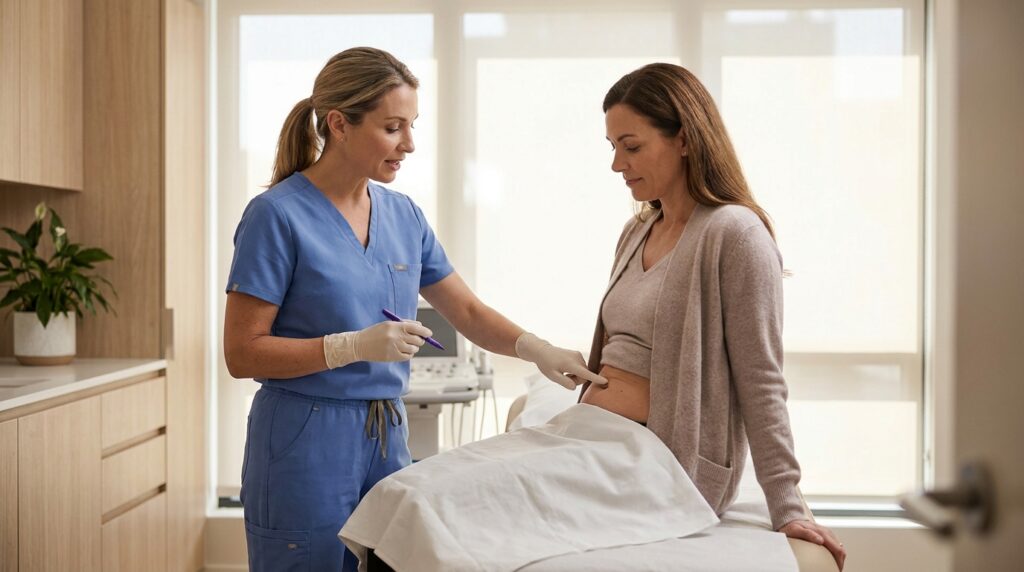
Have a question about Labiaplasty?
In this article
- What does good labiaplasty preparation actually involve?
- When should you start preparing before surgery?
- What should you tell your surgeon before labiaplasty?
- Which medicines, supplements and habits may need to change?
- How should you plan work, exercise, sex and flying after labiaplasty?
- What should you do in the week before surgery?
- How do you choose a safe clinic and surgeon for labiaplasty?
- What recovery issues should you expect and when should you ask for help?
If you are asking how should I prepare for labiaplasty surgery, the short answer is this: plan for a full pre-op assessment, stop smoking well in advance if you smoke, avoid medicines and supplements your surgeon tells you to pause, and set up a recovery period of roughly one to two weeks off work with longer restrictions on sex and exercise. Preparation is not only about the day of surgery; it also includes choosing a qualified surgeon, timing the procedure around your cycle and travel plans, and understanding that healing can take several weeks even when pain is manageable.
What does good labiaplasty preparation actually involve?
The best way to prepare is to think in phases. First comes decision-making: why you want the surgery, what result is realistic, and whether surgery is the right answer for your symptoms or concerns. Then comes medical preparation, where your surgeon reviews your health, medicines, allergies, previous surgery, and whether you are fit for the procedure.
After that, practical planning matters just as much. Labiaplasty is usually a day-case procedure, but the area can feel sore and swollen for days. Walking is possible, yet friction can be uncomfortable. That is why many patients do better when they arrange quiet time at home, loose clothing, simple meals, pads, and help with children or errands for the first few days.
The NHS cosmetic procedures guidance stresses the importance of taking time to consider your decision and making sure consent is informed, not rushed. That matters here. Labiaplasty can improve comfort for some patients, but it will not create a perfectly identical or “ideal” appearance, because natural asymmetry is common.
ASPS also advises patients having cosmetic surgery to be open about smoking, medications, and medical history because these affect wound healing and safety. In labiaplasty, this is especially important because the tissues are delicate, the area stays warm and moist, and tension or friction can slow healing if you return to normal activity too quickly.
📋 A realistic goal matters Preparation starts with knowing what you want changed and what you want left alone. Bringing reference questions is useful; expecting a perfectly uniform result is usually not.
Good preparation for labiaplasty means more than following a fasting rule the night before surgery. It usually includes a medical review, clear consent, smoking cessation, medication checks, practical recovery planning, and realistic expectations about swelling, hygiene, work leave, sex, exercise, and travel after the procedure.
When should you start preparing before surgery?
A rushed cosmetic operation is rarely a good idea. In practice, many of the most important steps happen in the two to four weeks before surgery. If you smoke or vape nicotine, you may need a longer lead-in because nicotine can reduce blood flow to healing tissue. Surgeons often ask for a nicotine-free period before and after surgery, although the exact timing varies.
If you are travelling for treatment, start earlier than you think you need to. You will want time to send medical information, discuss your expectations in detail, review photographs if requested, and understand the aftercare plan before booking flights. It is also smart to avoid scheduling surgery right before a wedding, sports event, beach holiday, or a period when you cannot take time off.
Many surgeons also prefer to avoid operating during your menstrual period when possible, simply because recovery and hygiene may feel more awkward. It is not always an absolute barrier, but it is worth discussing while dates are still flexible.
- →Around 2 to 4 weeks before: consultation, health review, medication and supplement check, smoking cessation plan, and recovery logistics.
- →In the final week: confirm fasting instructions, transport, prescriptions, pads, loose underwear or clothing, and time off work.
- →On the day before and day of surgery: follow washing, shaving, fasting, and arrival instructions exactly as your surgical team gives them.
Most patients should start preparing at least two to four weeks before labiaplasty, and earlier if they smoke, need tests, or are travelling. That window gives time for medication review, smoking cessation, practical planning, and any changes your surgeon wants before confirming the operation date.
What should you tell your surgeon before labiaplasty?
Your surgeon needs a full picture, not a filtered one. That includes prescription medicines, over-the-counter painkillers, herbal supplements, contraception, weight-loss injections, and anything you use regularly. Even products that seem harmless can affect bleeding, anaesthesia, or healing.
You should also mention recurrent thrush, urinary infections, vulval skin irritation, eczema, psoriasis, or a history of scarring problems. If intercourse is painful, if certain clothes rub, or if one side catches during exercise, say so clearly. Those details help the surgeon understand whether your goal is mainly comfort, appearance, or both.
This is also the right time to discuss emotional preparation. If your expectations are based on heavily edited images or anxiety about normal anatomy, a good surgeon should address that honestly rather than simply agreeing to operate.
The surgeon explains what can and cannot be changed, asks about symptoms as well as appearance, and talks through healing in practical terms.
You are pushed toward a quick booking without much discussion of risks, alternatives, aftercare, or whether your anatomy may already be within a normal range.
Tell your surgeon about every medical condition, medicine, supplement, allergy, prior surgery, smoking or vaping habit, and any history of poor healing or bleeding. For labiaplasty, details about recurrent infections, skin conditions, pain, and your reasons for surgery are also especially relevant.
Which medicines, supplements and habits may need to change?
This part is individual, so the rule is simple: do not guess. Ask for a written list. In cosmetic surgery, common concerns include aspirin-containing products, anti-inflammatory painkillers, blood thinners, and supplements such as fish oil, vitamin E, ginkgo, or garlic tablets because they may affect bleeding. But some medicines must be continued, and only your medical team can tell you which is which.
Smoking is one of the clearest modifiable risks. Nicotine narrows blood vessels, which can impair healing. Mayo Clinic and ASPS guidance on surgery preparation both support smoking cessation before procedures because it helps reduce complications and supports recovery.
Alcohol is also worth mentioning. Many surgeons advise limiting or avoiding it around surgery because it can worsen dehydration, interact with medicines, and increase swelling for some patients. The same goes for recreational drugs, which can affect anaesthesia and should be disclosed honestly.
Do not shave the surgical area unless your surgeon specifically tells you to. Shaving can irritate the skin or cause tiny cuts, which is not ideal just before an operation.
⚠️ Do not stop prescribed medicines without advice Blood pressure tablets, thyroid medication, antidepressants, diabetes medication and many other prescriptions may need a tailored plan rather than simply being stopped.
Many patients are told to stop smoking, pause certain supplements, and avoid some medicines that can raise bleeding risk before labiaplasty. Never stop prescribed medication on your own, though. Your surgeon and anaesthetist should tell you exactly what to continue, stop, and when.
How should you plan work, exercise, sex and flying after labiaplasty?
This is where many patients under-prepare. Labiaplasty is often described as a relatively small operation, but the recovery restrictions are real because the area is exposed to friction, moisture, pressure, and movement all day.
For desk work, many people take about one week off, while others prefer up to two weeks if swelling, tenderness, or commuting discomfort would make sitting difficult. If your job is active, involves lifting, cycling, long periods on your feet, or tight uniform clothing, you may need closer to two weeks or more. Final advice should come from your surgeon after reviewing your procedure plan.
Sex usually needs the longest pause. A common guide is 4 to 6 weeks before penetrative sex or any activity that puts tension on the healing tissues, but some surgeons advise longer if swelling or tenderness persists. Strenuous exercise often follows a similar timeline. Gentle walking is usually encouraged early, while running, cycling, horse riding, gym classes, and heavy lower-body training generally need to wait until healing is further along.
Flying is less about danger from the labiaplasty itself and more about comfort, swelling, access to care, and immobility during travel. Short flights may be reasonable after several days if your surgeon agrees and you are comfortable walking, toileting, and keeping the area clean. Long-haul travel right away is less ideal. If you are coming from abroad, many patients prefer to stay until an early review has taken place and the first high-swelling days have passed.
📋 Travel planning for international patients If you are travelling for surgery, ask exactly when you should have your first review, who to contact after hours, and whether any stitches need checking before you fly home.
A typical plan is about 7 to 14 days away from work, around 4 to 6 weeks before sex, and roughly 4 to 6 weeks before vigorous exercise, though your own surgeon may clear you earlier or later. Flying is often easier after the first few days, but timing depends on healing, comfort, and trip length.
What should you do in the week before surgery?
The final week is about reducing surprises. Confirm your arrival time, whether you need someone to accompany you, when to stop eating and drinking, what underwear or pads to bring, and which pain relief or aftercare products will be provided.
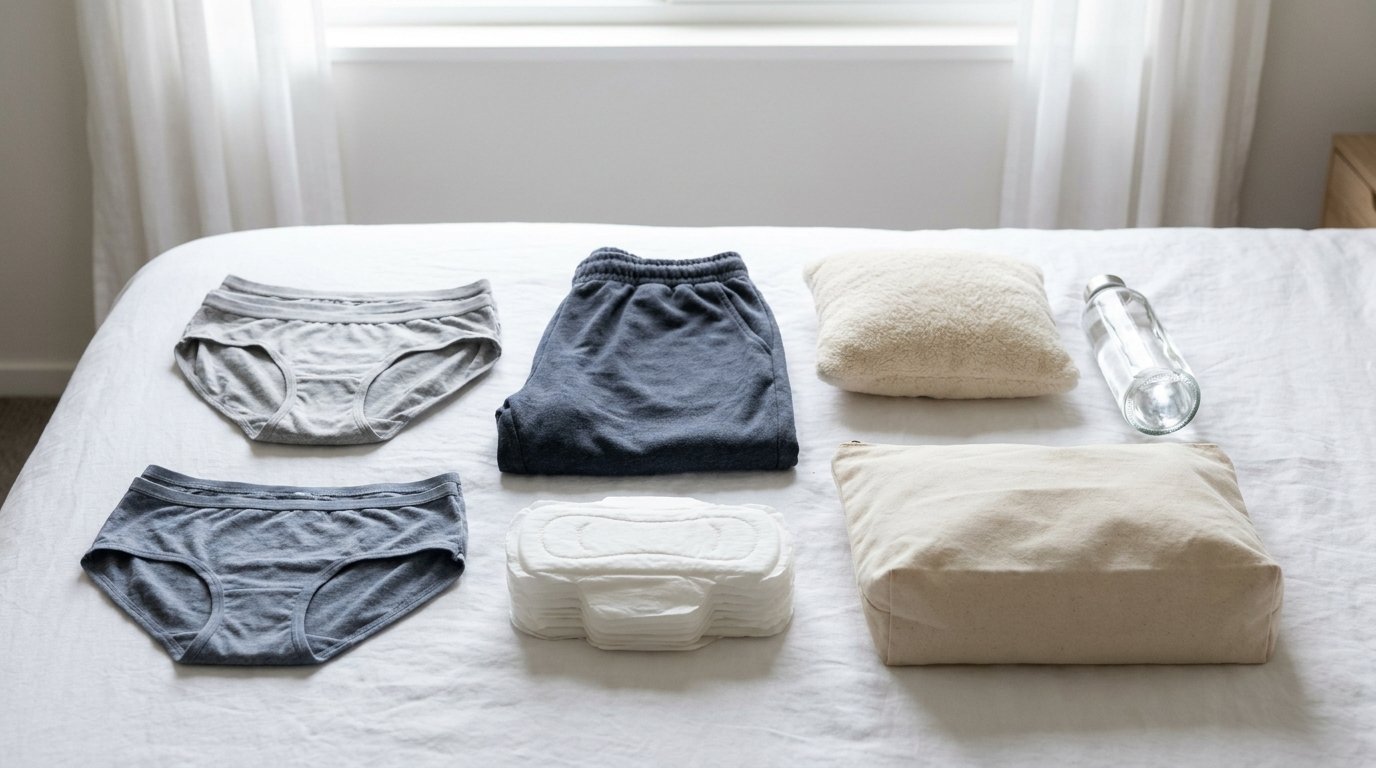
At home, set up a simple recovery space. You will usually want loose cotton underwear, loose trousers or a nightshirt, unscented sanitary pads, water, easy food, and a few days with as little rushing around as possible. Ice packs are sometimes suggested, but use them only if your surgeon recommends them and always with a cloth barrier, never directly on the skin.
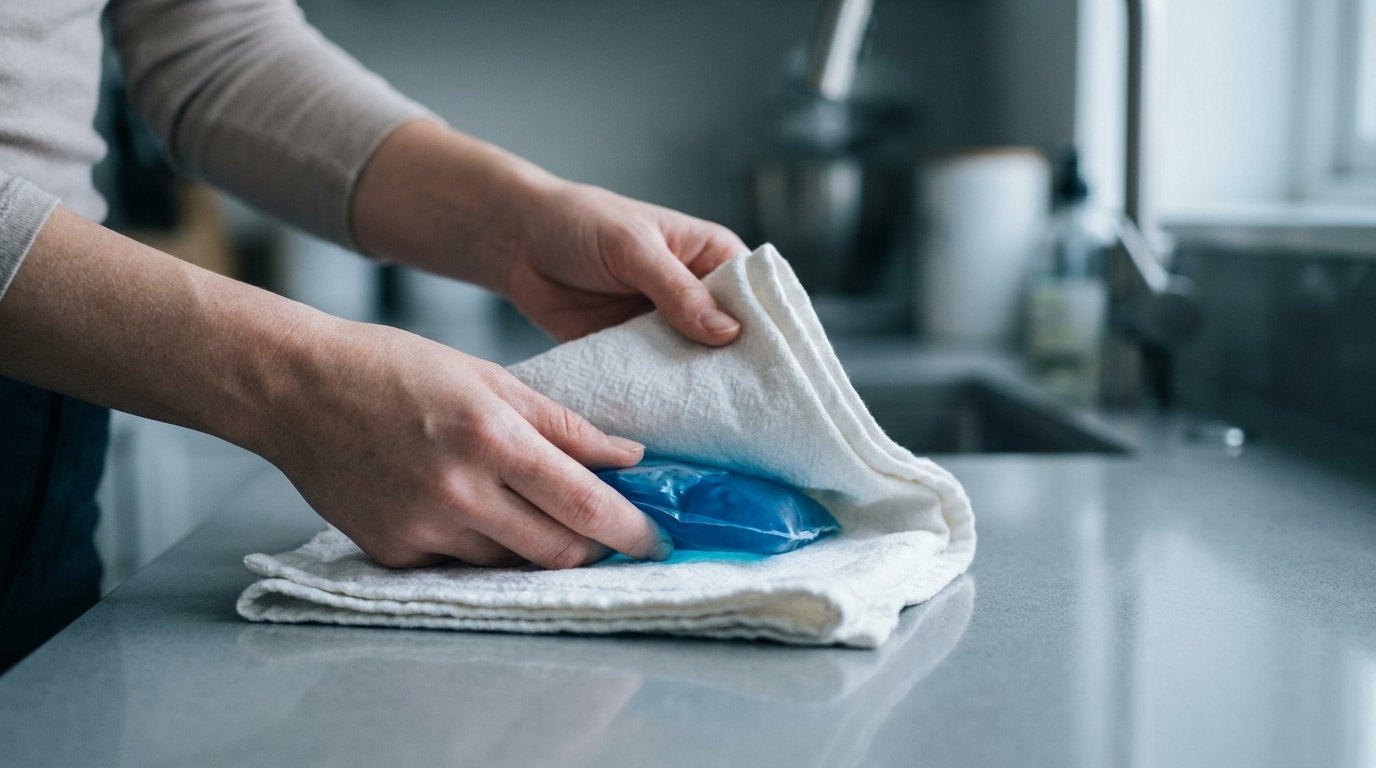
Try not to plan anything that needs long sitting, lots of walking, or social energy in the first few days. Even if the pain is mild, swelling and sensitivity can make you want more rest than you expected.
- ✓Read your consent papers and aftercare instructions again before the operation day.
- ✓Arrange transport and, if needed, someone to stay with you the first night.
- ✓Prepare loose clothing and avoid anything tight at the crotch.
- ✓Pick up any prescribed medicines before surgery if your team allows this.
- ✓Remove pressure from your calendar for at least several days after the procedure.
How do you choose a safe clinic and surgeon for labiaplasty?
A safe choice starts with credentials, but it should not end there. Ask who will perform the surgery, where it will take place, what anaesthesia is planned, what happens if you have a wound problem after discharge, and how follow-up works if you live abroad.
The NHS advises patients considering cosmetic procedures to check the practitioner carefully and to make sure they have enough time to think before agreeing. That is especially important for an intimate procedure where embarrassment can lead patients to ask fewer questions than they should.
For international patients, logistics are part of safety. You should know how many days you are expected to stay, whether you will be seen before you travel home, and who will answer urgent questions later. If you want to review provider information or arrange a consultation, you can use the clinic’s doctors page and consultation page, but the key point is to use those conversations to get specific answers, not just a booking date.
You receive written aftercare instructions, realistic timelines for sex and exercise, a named contact for concerns, and a clear plan for review before and after travel.
Vague answers about who operates, no discussion of risks, pressure to pay quickly, or no clear process for follow-up if swelling, bleeding, or wound separation happens.
Choose a surgeon with relevant training in genital cosmetic surgery or vulval surgery, clear consent processes, and structured aftercare. Safety is not only about the operating room. It also includes honest consultation, infection prevention, emergency contact access, and follow-up once you go home.
What recovery issues should you expect and when should you ask for help?
Even with good preparation, the first days can be awkward. Swelling often looks worse before it looks better. That alone does not mean something is wrong. Small amounts of spotting, local tenderness, and discomfort with friction are common parts of early healing.
Hygiene matters. Follow your surgeon’s washing and drying advice carefully. Many patients are told to rinse gently, pat dry rather than rub, keep the area clean, and avoid products with fragrance. NHS surgical wound advice broadly supports keeping wounds clean and watching for signs such as increasing redness, heat, discharge, or worsening pain.
You should ask for medical advice sooner rather than later if symptoms change sharply instead of gradually improving. Heavy bleeding, a bad smell, pus-like discharge, spreading redness, fever, severe one-sided swelling, difficulty passing urine, or a wound that seems to split open are all reasons to contact your surgical team.
If you are exploring treatment options or broader intimate procedures, there is also a general overview on female genital rejuvenation. Still, preparation and recovery instructions for labiaplasty should always come from the surgeon managing your own case.
This article is for informational purposes only and does not constitute medical advice. Always consult a qualified surgeon for personalised guidance.
🚨 Seek prompt advice for red-flag symptoms Heavy bleeding, fever, increasing redness, foul-smelling discharge, severe worsening pain, trouble urinating, or wound opening should not be ignored.
Swelling, bruising, spotting, stinging when you pass urine, and tenderness are common early on after labiaplasty. Contact your surgeon promptly if pain suddenly worsens, bleeding is heavy, the wound opens, fever develops, or redness and discharge suggest infection.
Frequently Asked Questions
References
- 📎NHS Cosmetic Procedures
- 📎American Society of Plastic Surgeons: Cosmetic Procedures
- 📎Mayo Clinic: Tests and Procedures
- 📎Labiaplasty outcomes and techniques — PubMed search
Related Articles



You Might Also Like


Related articles



Our specialists
 Clineca SpecialistErkan PinegözPlastic & Reconstructive Surgery
 Clineca SpecialistHakan AktaşPlastic & Reconstructive Surgery
 Clineca SpecialistOrkun UzuneyüpoğluPlastic & Reconstructive Surgery
 Clineca SpecialistSalim İskenderPlastic & Reconstructive Surgery
 Clineca SpecialistEngin SelamioğluPlastic & Reconstructive Surgery
 Clineca SpecialistCem AydınPlastic & Reconstructive Surgery
 Clineca SpecialistAlperen ÖnalEar, Nose & Throat (ENT)