Have a question about Temporal Lift?
In this article
- How long does temporal lift recovery usually take?
- What does recovery look like week by week?
- What can make temporal lift recovery faster or slower?
- When can you fly, work out, and go back to normal life?
- Which risks and complications can affect recovery?
- How should you choose a clinic and understand the quote?
If you are asking how long does temporal lift recovery usually take, you are probably trying to plan real life around surgery, not just read a generic timeline. That matters, because a temporal lift often looks subtle from the outside, but the first days and weeks still come with swelling, tenderness, activity limits, and a recovery pace that can vary from one patient to another.
How long does temporal lift recovery usually take?
For most patients, the early recovery period after a temporal lift is measured in days to a few weeks, while the settling phase is measured in weeks to a few months. In practical terms, many people feel presentable for light social contact after the first week or two, but that does not mean the tissues are fully healed. Small areas of swelling, tightness, numbness, and sensitivity around the temples or hairline can last longer.
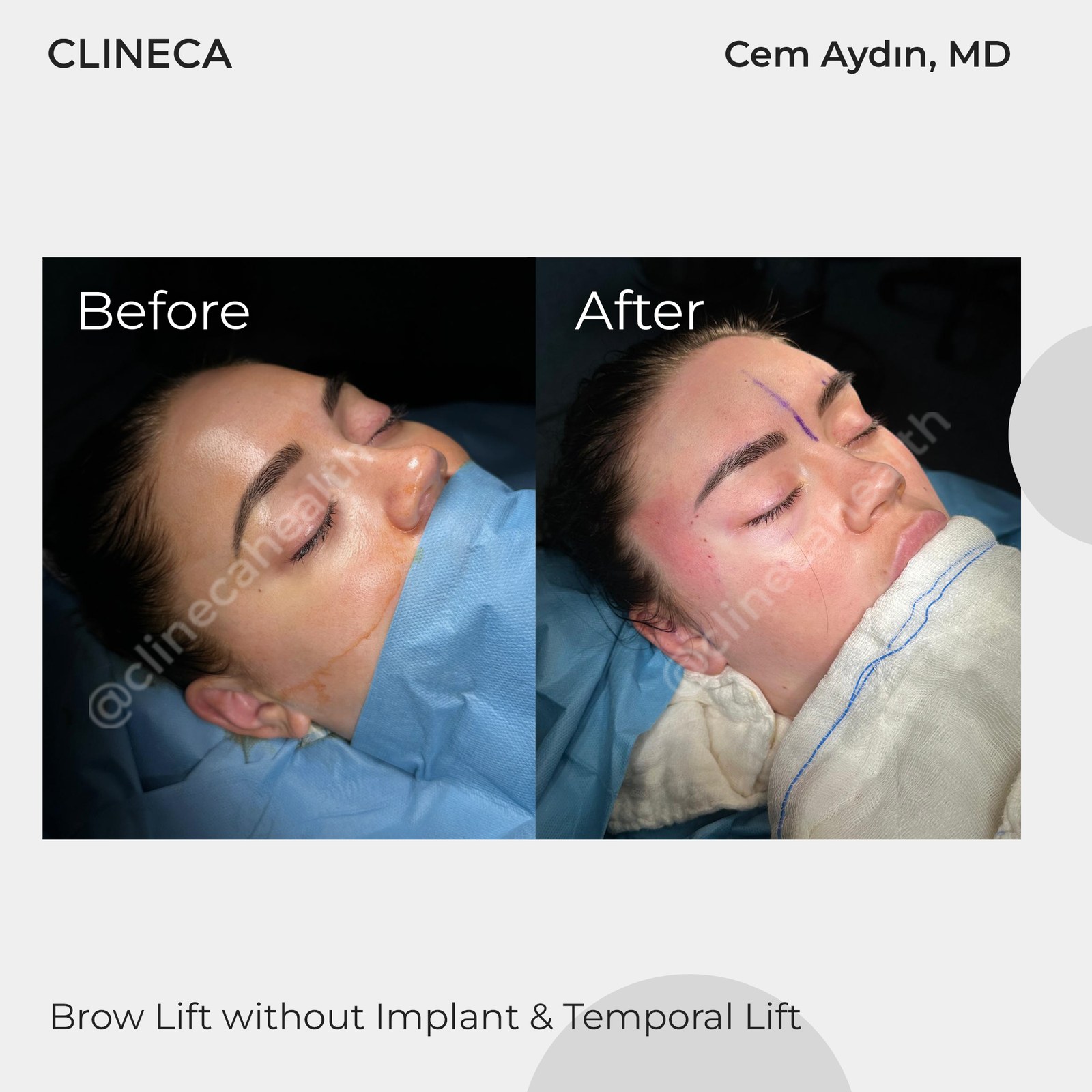
A temporal lift, sometimes called a lateral brow lift, lifts the outer brow and temple area rather than treating the full forehead. Because the surgery is more limited than a full brow lift or facelift, recovery may be easier for some patients. Even so, there is no single “usual” timeline that fits everyone. The pace depends on the surgical technique, whether the procedure was combined with another facial surgery, how much swelling you develop, your skin and hairline, and how closely you follow your surgeon’s aftercare plan.
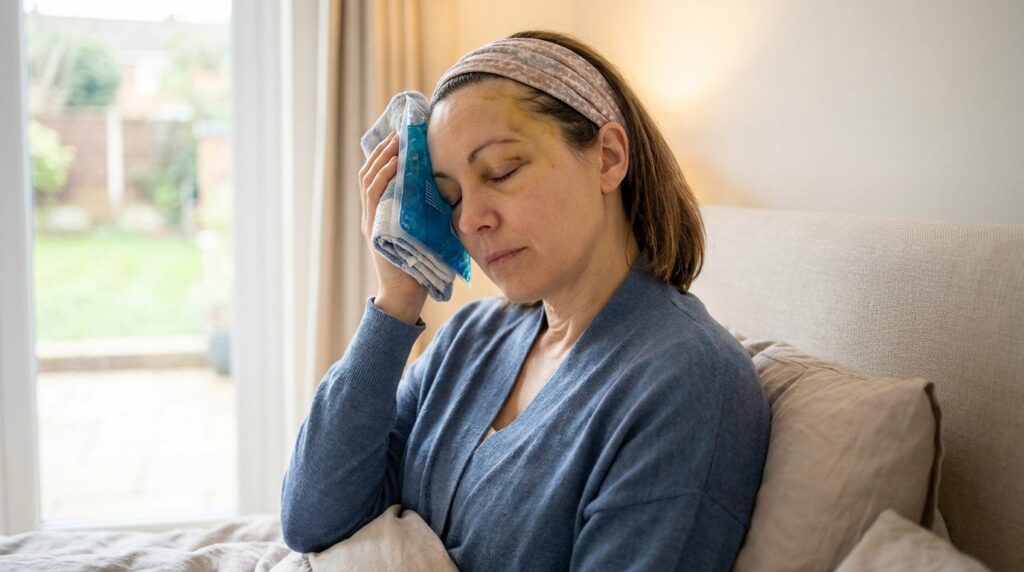
The American Society of Plastic Surgeons explains that brow lift recovery involves swelling, bruising, and a healing period that varies by approach and by patient. The NHS also notes that cosmetic surgery recovery is individual and that you should follow the advice of the surgeon responsible for your care rather than comparing yourself too closely with other people online.
A sensible way to think about recovery is this: the first few days are about rest and swelling control, the first two weeks are about getting back to normal daily life carefully, and the following several weeks are about waiting for the brow position and scars to soften and settle.
If your surgery plan includes other procedures, such as an eyelid procedure or a broader forehead lift, the timeline may be longer than for an isolated temporal lift. If you are comparing options, a wider brow lift procedure may also have a different recovery pattern depending on incision length and tissue dissection.
📋 Recovery is not a stopwatch A patient may look socially presentable before the tissues are fully healed. Swelling and brow tightness often improve in stages rather than all at once.
What does recovery look like week by week?
The first day or two usually brings the most noticeable swelling and a sense of pressure or tightness at the temples. Mild oozing from incision sites can happen early on, especially if the cuts sit in the hairline. Many patients describe discomfort as manageable rather than severe, but that depends on the exact technique used and their own pain tolerance.

By the end of the first week, bruising and swelling often start to come down, though one side may settle faster than the other. That uneven stage can be unsettling, but it is common in facial healing. Hair washing, sleeping position, and activity limits matter during this period because extra pressure and bending can make swelling more obvious.
Around the second week, many people are back to desk work or light daily routines if they feel well and their surgeon agrees. The brow area may still feel firm, slightly numb, or over-tight, and small incision lines can remain pink for some time. Those changes usually improve gradually rather than disappearing on a set date.
From the third week onward, most visible swelling is often much better, but subtle swelling can linger. Final brow position, scar maturation, and return of normal sensation may take longer. According to Mayo Clinic guidance on brow lift recovery, temporary swelling, numbness, and changes around the incision area can persist while healing continues.
Below is a general planning guide, not a promise of what every patient will experience.
What can make temporal lift recovery faster or slower?
Technique matters. A smaller incision hidden in the hairline may heal differently from a more extensive lift, and fixation methods can affect early tightness and tenderness. If a temporal lift is combined with eyelid surgery, fat transfer, or a facelift, the overall recovery usually reflects the bigger operation, not just the temple incisions.
Your own healing pattern matters too. Some people swell easily. Some bruise very little. Smoking, poor sleep, blood-thinning medicines or supplements, and returning to activity too soon can all make the early phase harder. The NHS warns that smoking raises the risk of surgical complications and can slow wound healing.
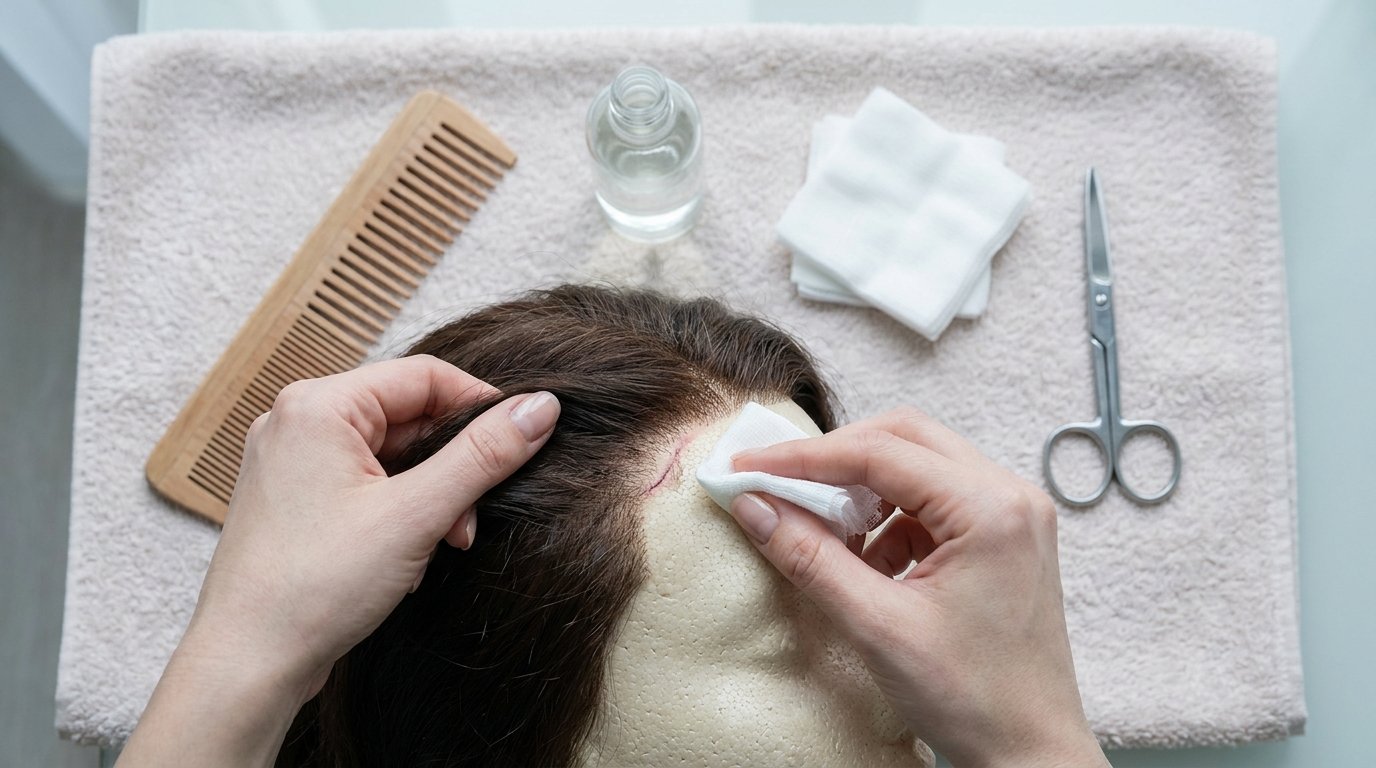
Hairline design is another real-world issue that patients do not always think about in advance. If your incisions sit close to the hairline, there may be temporary tenderness when brushing or washing your hair. A few patients notice local hair shedding near the incision, and while this may improve, it should be discussed clearly before surgery because it affects how the result looks during recovery.
Choosing an experienced surgeon also changes the recovery experience. Look for clear information about qualifications, where the operation takes place, who will see you after surgery, and how revision or complication care is handled. If you are researching providers, it is reasonable to ask about surgeon background and aftercare through a formal consultation request before making travel plans.
Your surgeon explains the likely recovery range for your exact procedure, not just a generic cosmetic surgery timeline.
A provider tells you recovery is always quick or that you will definitely look normal by a fixed date.
When can you fly, work out, and go back to normal life?
This is where patients often need the most practical advice. There is no universal fit-to-fly date after a temporal lift, because it depends on swelling, wound healing, the type of anaesthetic used, and whether you are travelling alone. In health tourism, surgeons often prefer patients to stay long enough for at least one early review before flying home. That gives time to check the incision sites, remove or review dressings if needed, and make sure swelling is behaving as expected.
For desk work, many patients aim for roughly one to two weeks, but that is still only a rough guide. If your job is public facing, you may want longer because bruising can linger. If your job is physical, expect a slower return. Strenuous exercise, heavy lifting, and activities that sharply raise blood pressure are commonly restricted in the first part of recovery because they may worsen swelling or raise the risk of bleeding.
Travel planning should also be built around the fact that a temporal lift can look better before it feels normal. You may be walking around comfortably while the brow still feels tight or slightly numb. That is not ideal for a rushed airport transfer, solo luggage handling, or a packed sightseeing schedule.
If you are travelling to Turkey for surgery, ask exactly how many nights the surgeon wants you to remain locally, who reviews you before departure, and how aftercare works once you are home. Patients often look at related facial procedures such as brow lift surgery or eyelid surgery during the planning stage, but combining procedures usually means a more demanding recovery and a longer stay.
- →Ask for a written aftercare plan before you book flights.
- →Do not assume you can travel alone comfortably in the first days.
- →Plan flexible return dates in case swelling or wound checks delay clearance.
- →Confirm who to contact if you have concerns after you are back home.
Which risks and complications can affect recovery?
Most temporal lift recoveries are uneventful, but it is important to know what can go wrong because complications change both the timeline and the final result. As with other facial cosmetic operations, possible problems include bleeding under the skin that causes a collection of blood called a hematoma, infection, delayed wound healing, noticeable scarring, asymmetry, persistent swelling, and changes in skin sensation.
There are also risks that matter specifically in the temple and hairline area. Some patients develop numbness, tingling, or tenderness from irritation of small sensory nerves. Temporary weakness affecting brow movement is less common but should be discussed before surgery. Mayo Clinic notes that brow lift surgery can involve numbness, hair loss around incisions, and uneven eyebrow position among its potential risks. The ASPS also lists bleeding, infection, poor wound healing, fluid collection, and changes in sensation among recognized surgical risks across facial lifting procedures.
Hairline issues deserve a direct mention. Depending on incision placement, some patients notice widened scars, visible scars when the hair is pulled back, or local thinning near the incision. These are not the most common outcomes, but they are relevant because a temporal lift result is closely tied to the temple and brow frame.
Urgent red flags are not subtle. Increasing one-sided swelling, severe pain that is getting worse rather than better, fever, spreading redness, foul-smelling drainage, sudden facial weakness, shortness of breath, or chest pain need prompt medical attention. If you are abroad, you should know in advance whether your operating surgeon, the clinic coordinator, or a local hospital is the right first contact.
A careful pre-op assessment, clear instructions, and proper follow-up lower risk, but they do not remove it completely.
⚠️ Get urgent help for red flags Rapid swelling, worsening pain, bleeding, fever, spreading redness, sudden facial weakness, chest pain, or breathing problems should be assessed urgently.
How should you choose a clinic and understand the quote?
A personalised quote for a temporal lift should come after a proper consultation, because the price depends on more than the lift itself. What changes the quote is the surgeon’s experience, where the surgery takes place, the type of anaesthetic, whether another procedure is added, the complexity of your anatomy, and how much aftercare is included.
A useful quote usually makes clear what is and is not included. That may cover surgeon and hospital fees, anaesthesia, routine follow-up, medication, garments or dressings if needed, airport or hotel logistics, and whether revision policy is addressed. If something is vague, ask for it in writing. Cheap-looking quotes can become less attractive once you add extra nights, translation support, separate tests, or unplanned follow-up.
When checking the clinic itself, look beyond marketing photos. Ask who performs the operation, what board training or specialist credentials the surgeon holds, where the procedure is carried out, and what happens if you need urgent review after hours. In Europe, patients often look for specialist plastic surgery training and recognized credentials such as EBOPRAS-related standards alongside local licensing. You can also review the provider’s team information and surgeon profiles through pages such as doctor profiles and the clinic’s about page before arranging a consultation.
Frequently Asked Questions
References
- 📎American Society of Plastic Surgeons — Cosmetic Procedures
- 📎NHS — Cosmetic Procedures
- 📎Mayo Clinic — Tests & Procedures
- 📎EBOPRAS
Related Articles

You Might Also Like


Related articles

Our specialists
 Clineca SpecialistErkan PinegözPlastic & Reconstructive Surgery
 Clineca SpecialistHakan AktaşPlastic & Reconstructive Surgery
 Clineca SpecialistOrkun UzuneyüpoğluPlastic & Reconstructive Surgery
 Clineca SpecialistSalim İskenderPlastic & Reconstructive Surgery
 Clineca SpecialistEngin SelamioğluPlastic & Reconstructive Surgery
 Clineca SpecialistCem AydınPlastic & Reconstructive Surgery
 Clineca SpecialistAlperen ÖnalEar, Nose & Throat (ENT)