Have a question about Brow Lift?
In this article
- What is the difference between an endoscopic brow lift and a traditional brow lift?
- Who is a better candidate for each type of brow lift?
- How do scars, hairline changes and forehead sensation compare?
- Is recovery easier after an endoscopic brow lift?
- Which option is safer, and what risks are different?
- How does the cost compare, and what should a quote include?
- How long should international patients stay, and how do you choose a clinic safely?
The main difference between an endoscopic brow lift and a traditional brow lift is how the surgeon reaches and lifts the forehead tissues: an endoscopic brow lift uses several small incisions and a camera, while a traditional brow lift uses a longer incision with wider exposure. In practice, that usually means smaller scars and often a quicker early recovery with the endoscopic approach, but it is not automatically the best choice for every forehead shape, hairline, or degree of brow droop.
What is the difference between an endoscopic brow lift and a traditional brow lift?
If you are asking what is the difference between an endoscopic brow lift and a traditional brow lift, the simplest answer is that they aim for the same broad goal but get there in different ways.
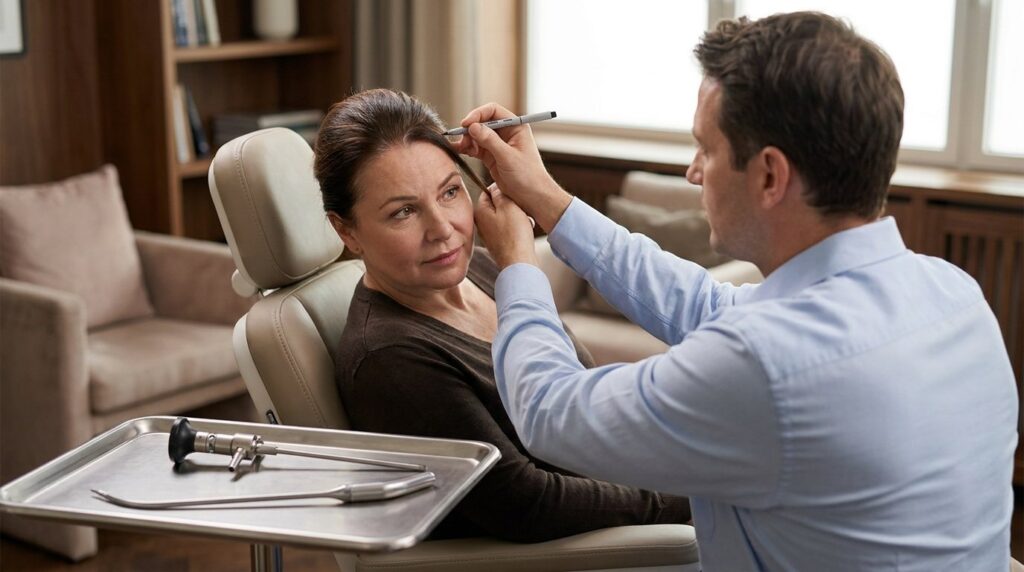
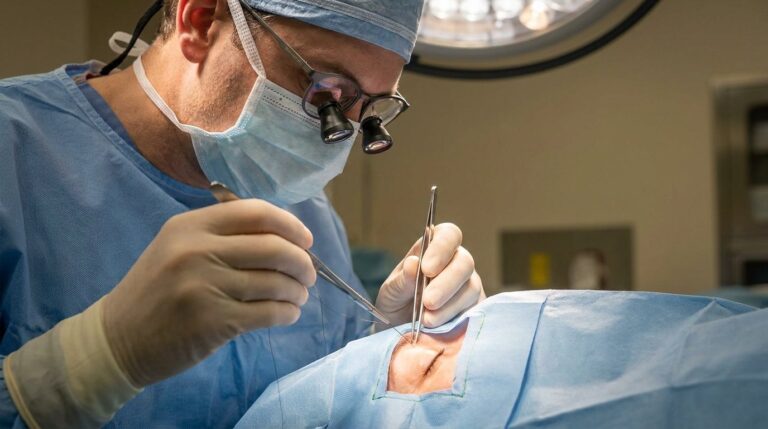
In an endoscopic brow lift, the surgeon makes several short cuts just behind the hairline and inserts a tiny camera. That lets them release and elevate the tissues of the forehead and brow while seeing the anatomy on a screen. Because the access points are smaller, there is usually less visible scarring and less numbness across a large area of the scalp, although temporary tightness and altered sensation can still happen.
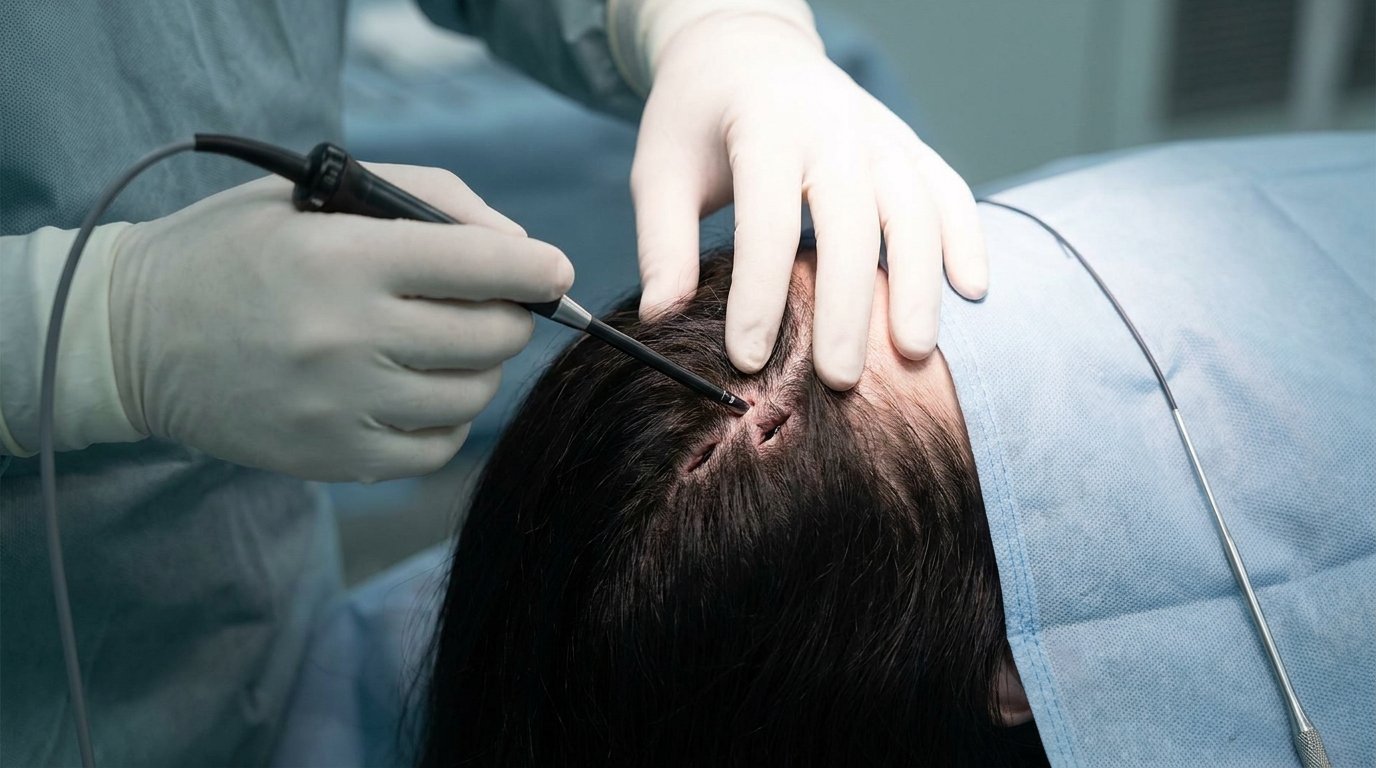
A traditional brow lift, sometimes called a coronal or open brow lift depending on the incision pattern, uses a longer cut across or near the scalp. That gives the surgeon a wider view and more direct control over thicker tissue, stronger muscle activity, and more advanced sagging. It can also be useful when the operation needs to address forehead creases more aggressively or when brow position and hairline position need to be planned together.
According to the American Society of Plastic Surgeons, brow lift surgery generally repositions soft tissue to improve brow descent and forehead lines. In published surgical literature indexed on PubMed, endoscopic techniques are often discussed as less invasive options, while open techniques remain important in selected patients rather than being “outdated” alternatives.
For a general overview of the procedure itself, readers sometimes also compare these approaches with a broader brow lift procedure guide before deciding which questions to ask at consultation.
📋 Same goal, different route Both operations lift the brow and soften a tired or heavy look. The better option depends more on anatomy and surgical planning than on which technique sounds newer.
An endoscopic brow lift is done through small incisions hidden in the hair, using a camera and specialised tools to lift the brow with less scalp dissection. A traditional brow lift uses a longer incision and broader access, which can suit heavier tissue, deeper forehead lines, or more complex hairline issues.
Who is a better candidate for each type of brow lift?
This is where the real decision usually happens. Technique follows anatomy.
An endoscopic brow lift often suits someone whose brows have dropped but not dramatically, whose forehead skin still has some elasticity, and whose hairline allows those small scalp incisions to stay hidden. It can be a good fit for patients who want brow elevation without a long scar and who do not need major skin removal.
A traditional brow lift may make more sense if the forehead is heavier, the descent is stronger, the asymmetry is more marked, or the hairline itself needs careful management. A patient with a very high hairline, thinning hair, or a pattern of forehead ageing that calls for broader reshaping may not be the best match for the endoscopic route.
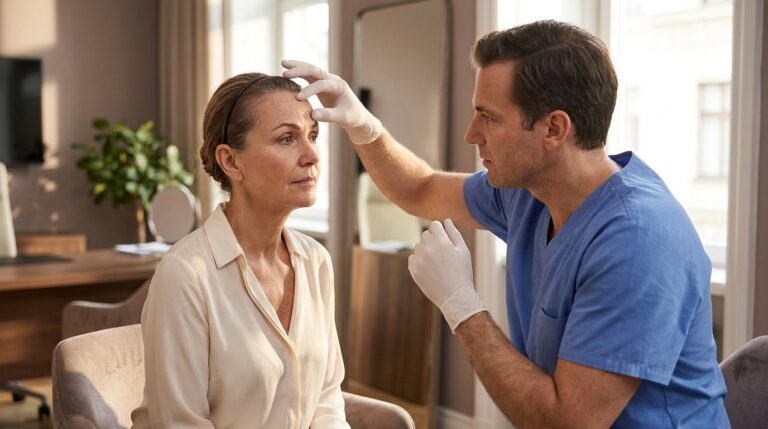
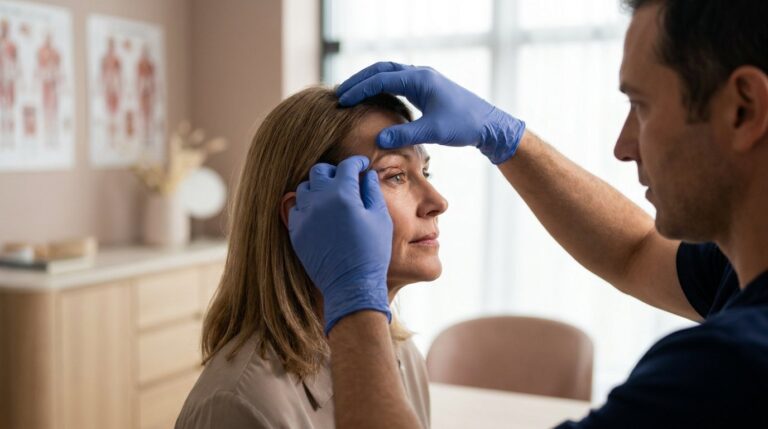
Contraindications are just as important as indications. Surgeons are cautious in patients with uncontrolled high blood pressure, bleeding disorders, active smoking that has not been stopped, poor wound healing history, untreated eye dryness, or unrealistic expectations about symmetry and scarring. Prior forehead surgery can also change the plan, because scar tissue may alter the blood supply and the way tissues can be moved safely.
Some patients think they need a brow lift when the main issue is actually upper eyelid hooding. In others, both problems exist together. That is why brow position should be assessed before talking about eyelid surgery alone, and why a surgeon may compare brow surgery with upper eyelid surgery rather than treating them as interchangeable.
Mild to moderate brow droop, smaller need for skin excision, and a stable hairline with enough hair coverage.
Heavier tissue, deeper forehead ageing, stronger asymmetry, or a hairline issue that needs direct planning.
Active smoking, poorly controlled medical conditions, untreated eye surface problems, or expectations that surgery can produce perfect symmetry.
Endoscopic brow lift candidates often have mild to moderate brow descent, decent skin elasticity, and enough hair to hide small incisions. Traditional brow lift candidates may have heavier forehead tissues, deeper creases, significant asymmetry, or hairline features that make an open approach more practical and predictable.
How do scars, hairline changes and forehead sensation compare?
Patients often focus on the word “endoscopic” because it sounds less invasive, and in many cases it is. But smaller incisions do not mean scar-free surgery.
With an endoscopic brow lift, the scars are usually short and placed behind the hairline. If the hair is dense and the healing is uncomplicated, they may be hard to notice once mature. The trade-off is that the surgeon has less direct access than with an open approach, so it is not always ideal when there is a lot of heavy tissue to reposition.
Traditional brow lift scars are longer. Even when they are hidden in the hair, they matter more in patients with thin hair, a receding hairline, or a tendency to form raised scars. Depending on the exact open technique, there may also be more effect on the hairline position. That can be helpful in some cases and unhelpful in others, which is why pre-operative planning should include photos and discussion of how you wear your hair.
Temporary numbness or odd sensations in the scalp can happen with both methods. Mayo Clinic notes, in general cosmetic surgery guidance, that bruising, swelling and temporary sensory changes are common after facial surgery. In practical terms, many patients describe early tingling, tightness, or a patch of reduced feeling that improves over weeks to months rather than overnight.
⚠️ Hairline matters more than many patients expect A technique that looks ideal on paper may be a poor fit if you have a high forehead, thinning hair, or visible scalp at the temples.
Endoscopic brow lift usually leaves shorter scars hidden in the scalp and may reduce the area of numbness, but it still involves scalp incisions and temporary sensory changes are common. Traditional brow lift creates a longer scar and can have more noticeable tightness or numbness early on, though scar visibility depends heavily on hairline and incision design.
Is recovery easier after an endoscopic brow lift?
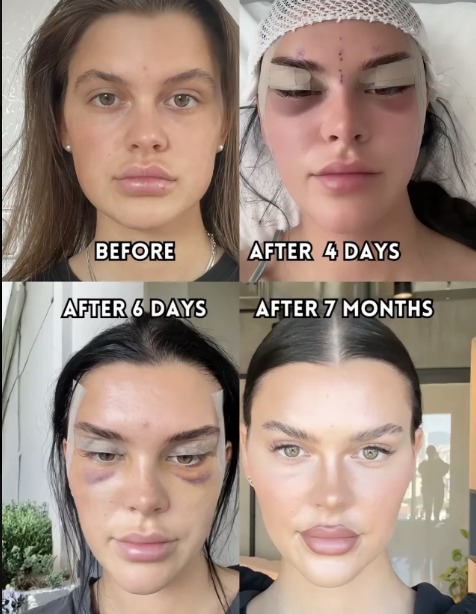
In many patients, yes, the first part of recovery feels easier after an endoscopic brow lift. That does not mean easy in the casual sense. You should still expect swelling, bruising around the forehead and eyes, tenderness, and a feeling of tightness.
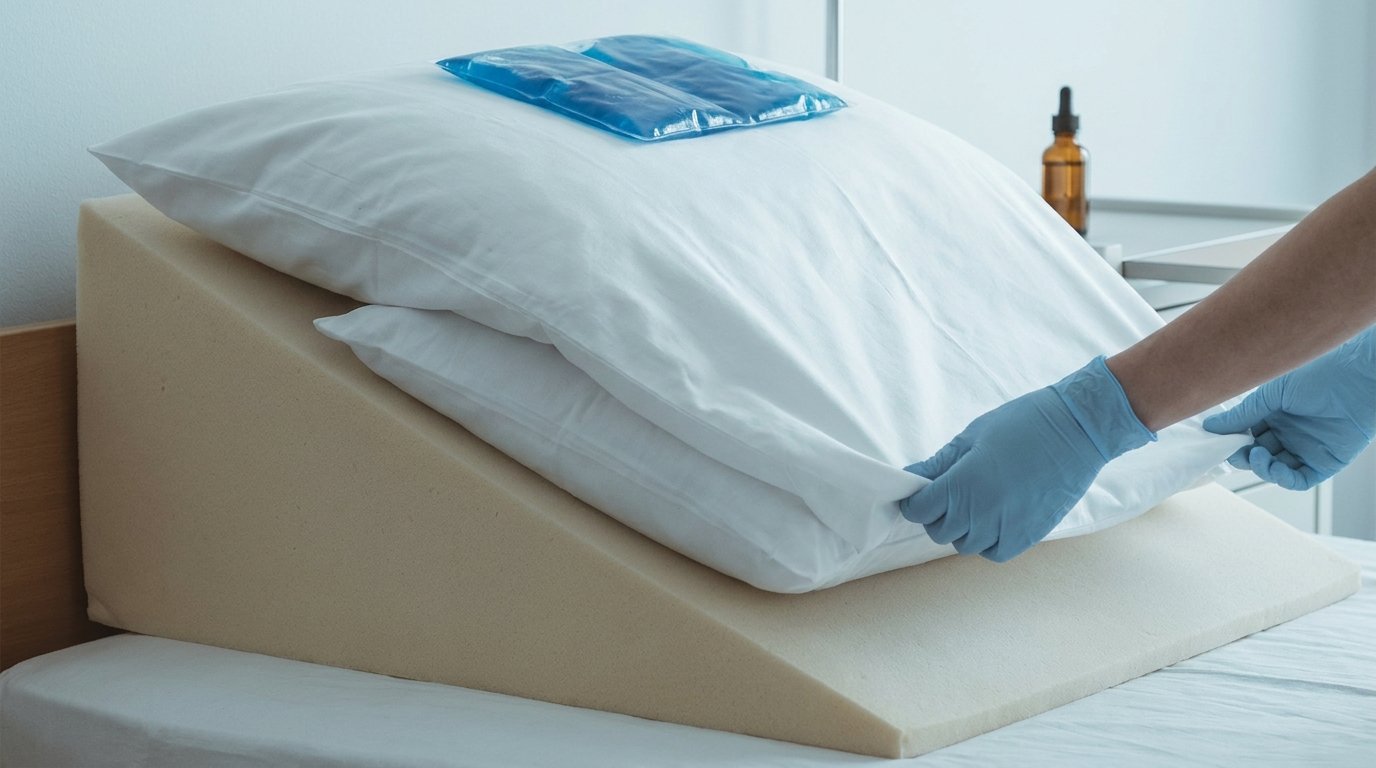
The NHS advises that cosmetic surgery recovery varies by procedure and by patient, and that time off normal activities is often needed. For brow lift patients specifically, the practical timeline usually looks less like a single finish line and more like phases.
Typical recovery timeline
The first few days are usually the most uncomfortable. You may feel pressure, tightness, and heaviness rather than sharp pain. Swelling often peaks early, and bruising may move down around the eyes.
By the end of the first to second week, many people feel presentable enough for light social contact, especially after an endoscopic lift. Staples or sutures, if used, are commonly removed during this period depending on the surgeon’s technique. A traditional brow lift can still be at this stage too, but visible swelling and scalp numbness may linger a bit more.
By the following weeks, most day-to-day tasks are easier, but the brow can still feel firm, slightly over-elevated, or uneven as swelling settles. Final softening and scar maturation continue well beyond the early recovery window. That is one reason surgeons advise patients not to judge the result too quickly.
- ✓Plan a calm first week rather than a rushed sightseeing schedule.
- ✓Sleep with your head elevated if your surgical team advises it.
- ✓Avoid heavy exercise until you are cleared.
- ✓Do not book an important event too soon after surgery.
Early recovery is often easier after an endoscopic brow lift, with less extensive swelling, tightness and scalp numbness for some patients. Still, both operations usually involve bruising, swelling and a staged recovery: social downtime is measured in days to a few weeks, while final settling takes longer.
Which option is safer, and what risks are different?
Safety depends less on the label of the operation and more on patient selection, surgical skill, anaesthetic planning, and aftercare.
Known brow lift risks include bleeding, infection, poor scarring, asymmetry, hair loss around scars, nerve irritation or injury, persistent numbness, under-correction, and over-correction. ASPS patient guidance on cosmetic procedures notes that risks and recovery vary by operation and should be discussed case by case rather than treated as minor details.
The endoscopic approach can lower some trade-offs, especially scar length and the amount of scalp dissection. But it is still real surgery, and the instruments work near important sensory and motor nerves. A traditional brow lift can be very safe in experienced hands, particularly when direct access is needed for reliable correction.
One area patients should ask about clearly is dry eye risk and eyelid closure comfort after surgery. If the brow is lifted too aggressively in someone with eye surface symptoms, recovery can be more bothersome. That is why a history of dry eyes, prior laser eye treatment, or facial nerve problems matters during consultation.
🚨 A newer-sounding technique is not automatically safer The safer operation is the one that matches your anatomy, medical history and goals, and is performed in an appropriate accredited setting.
Neither method is universally safer. Both are established surgical techniques when performed by an appropriately trained surgeon in a suitable setting. The difference is in the risk profile: endoscopic surgery may reduce scar length and some early recovery issues, while traditional surgery may offer better control in complex anatomy but with a longer incision and potentially more prolonged numbness.
How does the cost compare, and what should a quote include?
An endoscopic brow lift is not always the cheaper or more expensive choice. The final quote depends on several moving parts, including the complexity of the operation, operating time, the facility where it is performed, the anaesthesia plan, and whether it is combined with procedures such as eyelid surgery or a facelift.
For international patients, travel logistics also matter. A lower headline price can become less attractive if it excludes pre-operative tests, medication, garment or dressing supplies, transfers, interpreters, or follow-up checks. That is why comparing quotes line by line is more useful than comparing one top-level figure with another.
A personalised price is normally confirmed after consultation, photographs, and medical review. If you are comparing clinics abroad, ask for the quote in writing and make sure it states exactly what happens if you need an extra night, a medication change, or a follow-up visit after you return home.
Cost is not just about whether the brow lift is endoscopic or traditional. Pricing usually reflects the surgeon’s experience, the hospital or clinic setting, anaesthesia, whether other facial procedures are combined, and the complexity of your anatomy. A proper quote should explain what is included and what follow-up care covers.
How long should international patients stay, and how do you choose a clinic safely?
For health tourism, the operation itself is only one part of the plan. You need time for assessment, the procedure, the first recovery phase, and a face-to-face check before travel home. A very short trip can be risky because swelling, wound issues, or medication adjustments may appear after the first day or two rather than immediately.
Ask who will assess you before surgery, who performs the operation, where it takes place, and who you contact after discharge. A safe provider should be comfortable discussing qualifications, the limits of the chosen technique, and what happens if your recovery is slower than expected.
Good clinic selection is usually less about glossy marketing and more about boring but important details. Look for a clearly identified surgeon, a transparent consent process, realistic before-and-after discussions, and written aftercare instructions. If you want to review provider information, pages such as the clinic’s surgeon information page and about page can be a starting point, but they should not replace a proper medical consultation.
⚠️ Be careful with all-in-one promises Fast scheduling and broad promises are not signs of quality on their own. What matters is careful selection, informed consent and realistic recovery planning.
- →Ask about accreditation: Confirm where the surgery takes place and whether the operating facility meets recognised standards.
- →Ask about follow-up: You should know who removes sutures or staples, who checks healing, and what support is available once you return home.
- →Ask about candidacy limits: A trustworthy surgeon should explain when endoscopic is not the best option instead of pushing one technique for everyone.
- →Ask about travel timing: Do not book return travel before the surgical team is satisfied that your early recovery is stable.
For a brow lift abroad, you need enough time for pre-operative assessment, surgery, early recovery and at least one in-person review before flying home. Safe planning means choosing a qualified surgeon, checking facility accreditation, understanding aftercare, and avoiding clinics that rush consent or promise a perfect result.
Frequently Asked Questions
References
- 📎PubMed search: endoscopic brow lift traditional brow lift comparison
- 📎PubMed search: brow lift complications forehead rejuvenation
- 📎American Society of Plastic Surgeons: Cosmetic Procedures
- 📎NHS: Cosmetic procedures
Related Articles
You Might Also Like

Related articles
Our specialists
 Clineca SpecialistErkan PinegözPlastic & Reconstructive Surgery
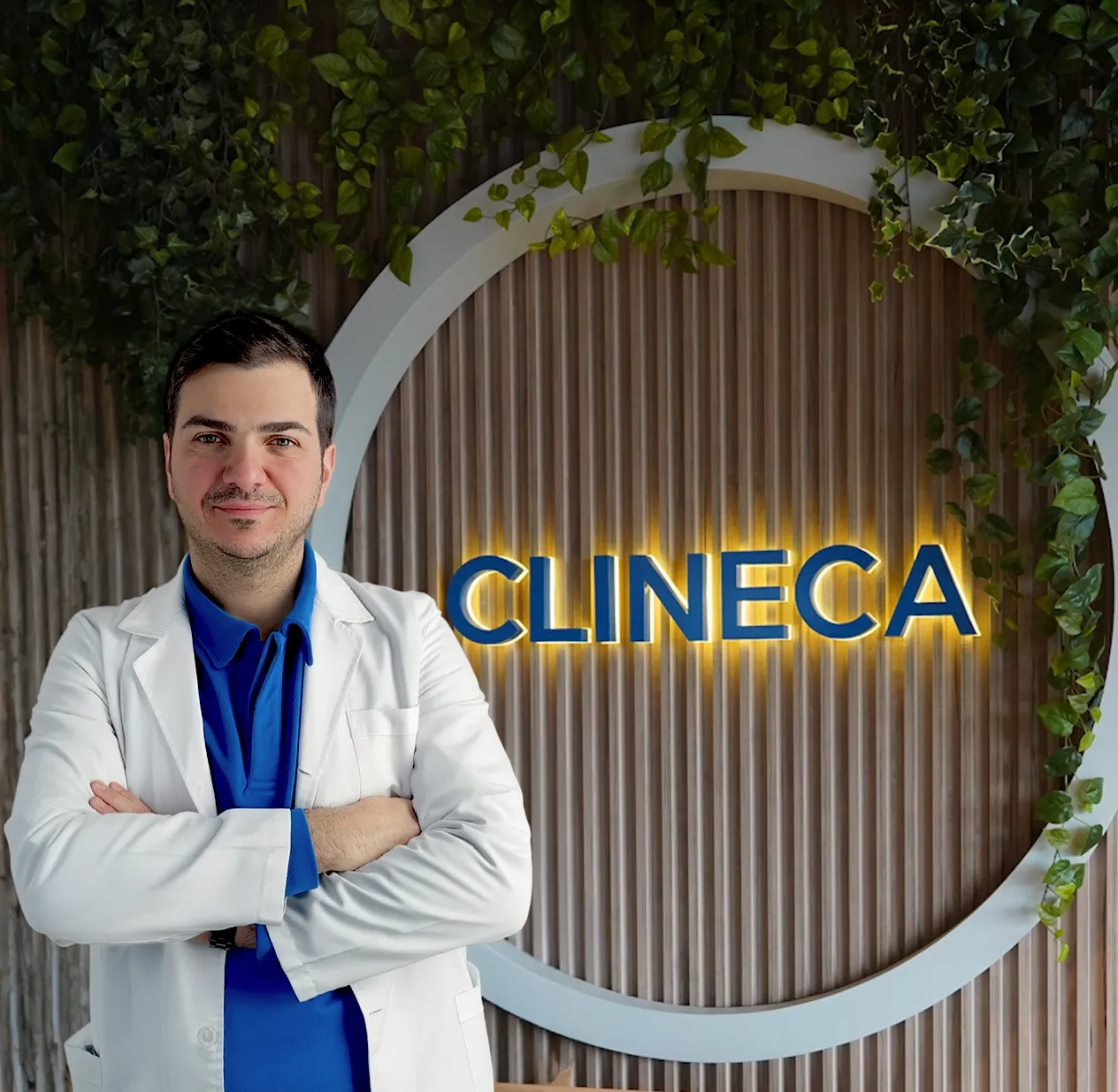 Clineca SpecialistHakan AktaşPlastic & Reconstructive Surgery
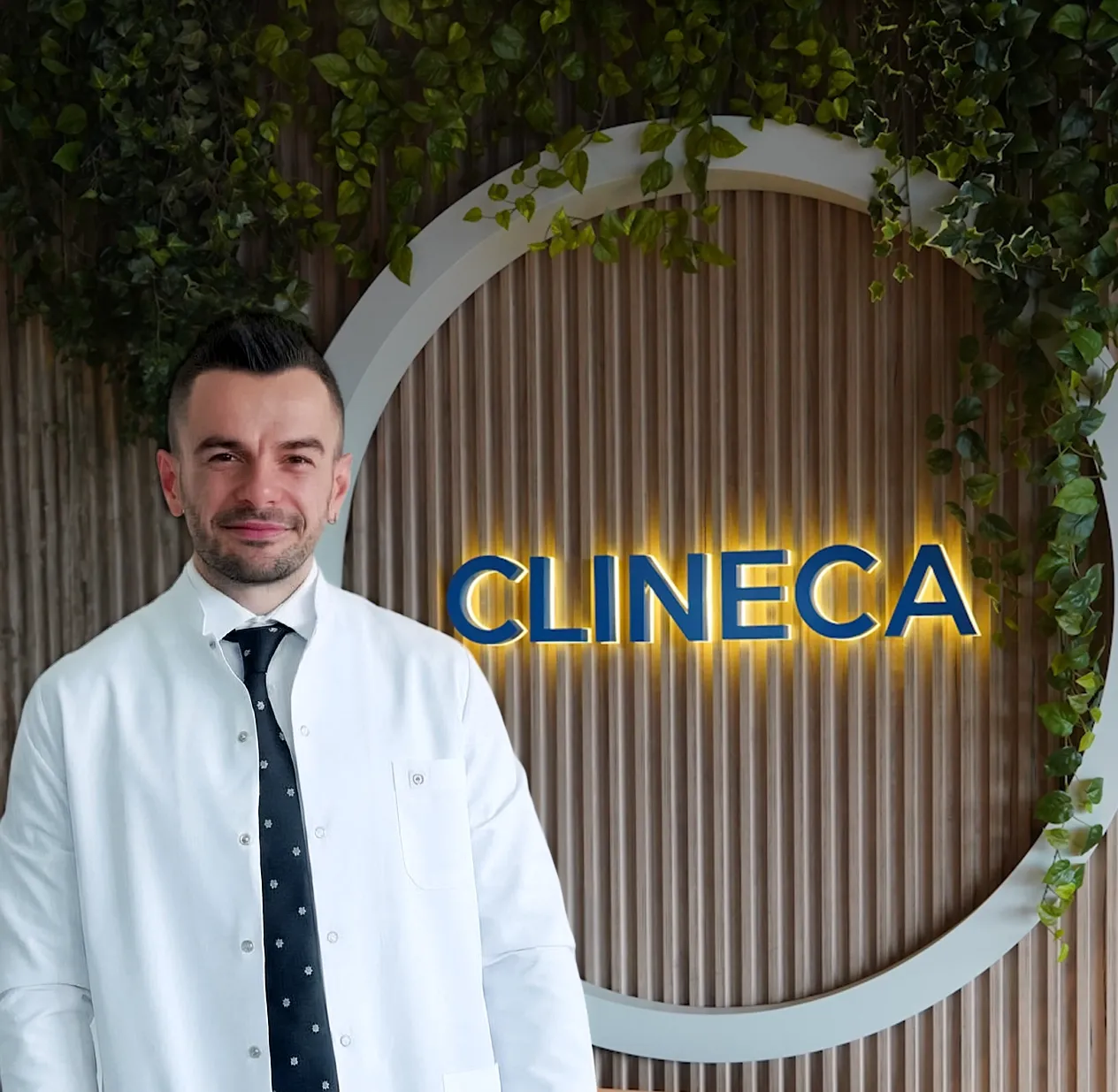 Clineca SpecialistOrkun UzuneyüpoğluPlastic & Reconstructive Surgery
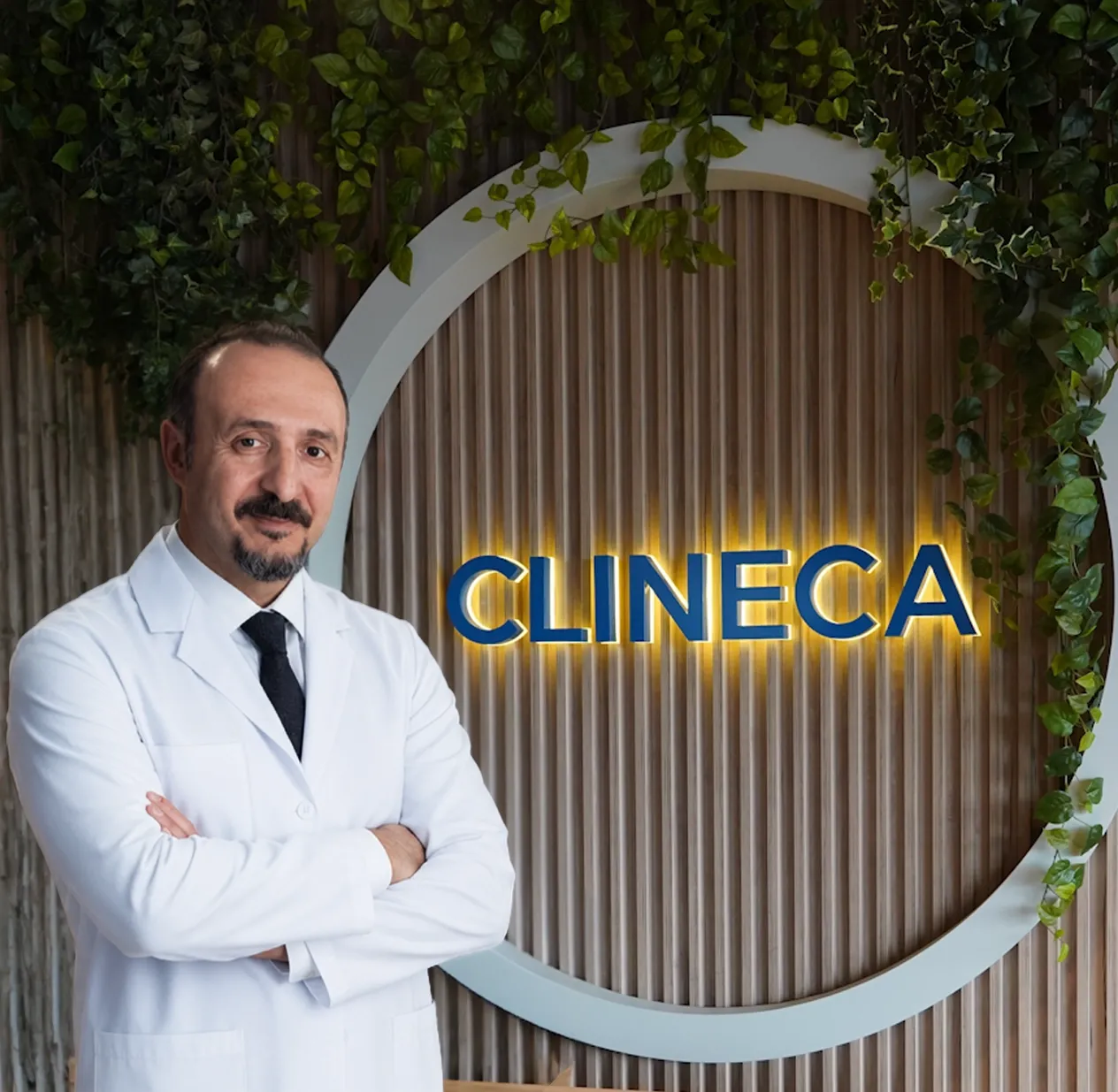 Clineca SpecialistSalim İskenderPlastic & Reconstructive Surgery
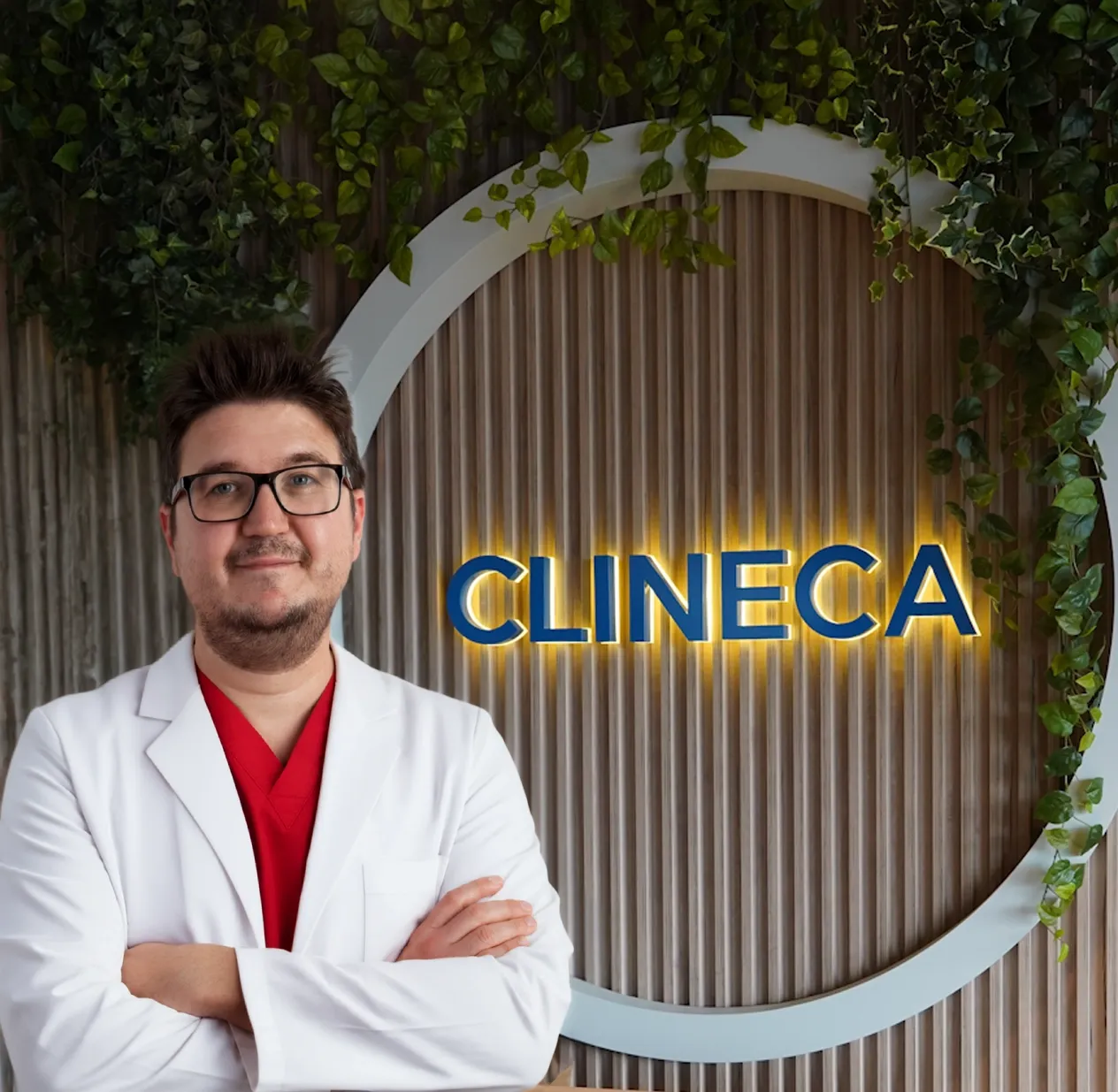 Clineca SpecialistEngin SelamioğluPlastic & Reconstructive Surgery
 Clineca SpecialistCem AydınPlastic & Reconstructive Surgery
 Clineca SpecialistAlperen ÖnalEar, Nose & Throat (ENT)