
Have a question about Nipple Correction?
In this article
- How long does recovery after inverted nipple surgery usually take?
- What will the first few days feel like?
- How do dressings, showering, and bras work during recovery?
- When can you go back to work, exercise, and travel?
- What risks or warning signs should you watch for during healing?
- Will nipple sensation and breastfeeding be affected?
- How should you choose a clinic and plan treatment abroad safely?
What to expect during nipple correction recovery after inverted nipple surgery is usually a short healing period with mild to moderate soreness, swelling, dressings over the nipple, and a gradual return to normal activity over days to weeks. The main caveat is that recovery is not identical for everyone, because healing depends on the surgical technique, whether milk ducts were preserved, and your surgeon’s instructions on showering, exercise, travel, and bra use.
Medical review: Reviewed by Dr. Cem Berkay Sinaci, MD, FEBOPRAS (plastic, reconstructive and aesthetic surgeon). Review date: 8 July 2026. Evidence policy: this article uses established patient guidance and peer-reviewed medical literature for recovery, risks, nipple sensation, recurrence, and breastfeeding considerations; where surgeon technique changes recovery advice, that is stated clearly.
How long does recovery after inverted nipple surgery usually take?
Recovery after nipple correction is often easier than patients expect, but it is still surgery. In the first few days, the focus is protecting the corrected nipple, keeping the area clean and dry as advised, and avoiding pressure from tight clothing, stomach sleeping, or strenuous movement.
For many patients, the hardest part is not severe pain but being careful with the dressing. The nipple may look more swollen, firm, or prominent than expected at first. That does not automatically mean the final result will stay that way. Early shape is influenced by swelling, stitches, and the support used to hold the nipple outward.
A typical pattern is this: the first week is about soreness, dressings, and reducing friction; the second week is when many people feel more normal; and the following weeks are about settling. If your technique involved preserving the milk ducts, the surgeon may have been more conservative in the correction, which can also affect how the nipple looks early on.
Exact milestones vary. Showering, flying, gym exercise, underwire bras, and sleeping positions depend on the method used, how the nipple is dressed, and whether your surgeon wants the area protected for longer to lower the risk of recurrence.
📋 Why recovery advice differs There is more than one way to correct an inverted nipple. Recovery can differ depending on whether the surgeon releases tight tissue only, divides some ducts, or uses a support stitch or splint to hold the nipple out.
Most people feel noticeably better within a few days and return to desk-type routines quite quickly, but full settling takes longer. Dressings and swelling are usually most relevant in the first one to two weeks, while final shape, scar softening, and nipple sensitivity may continue to change for several weeks or months.
What will the first few days feel like?
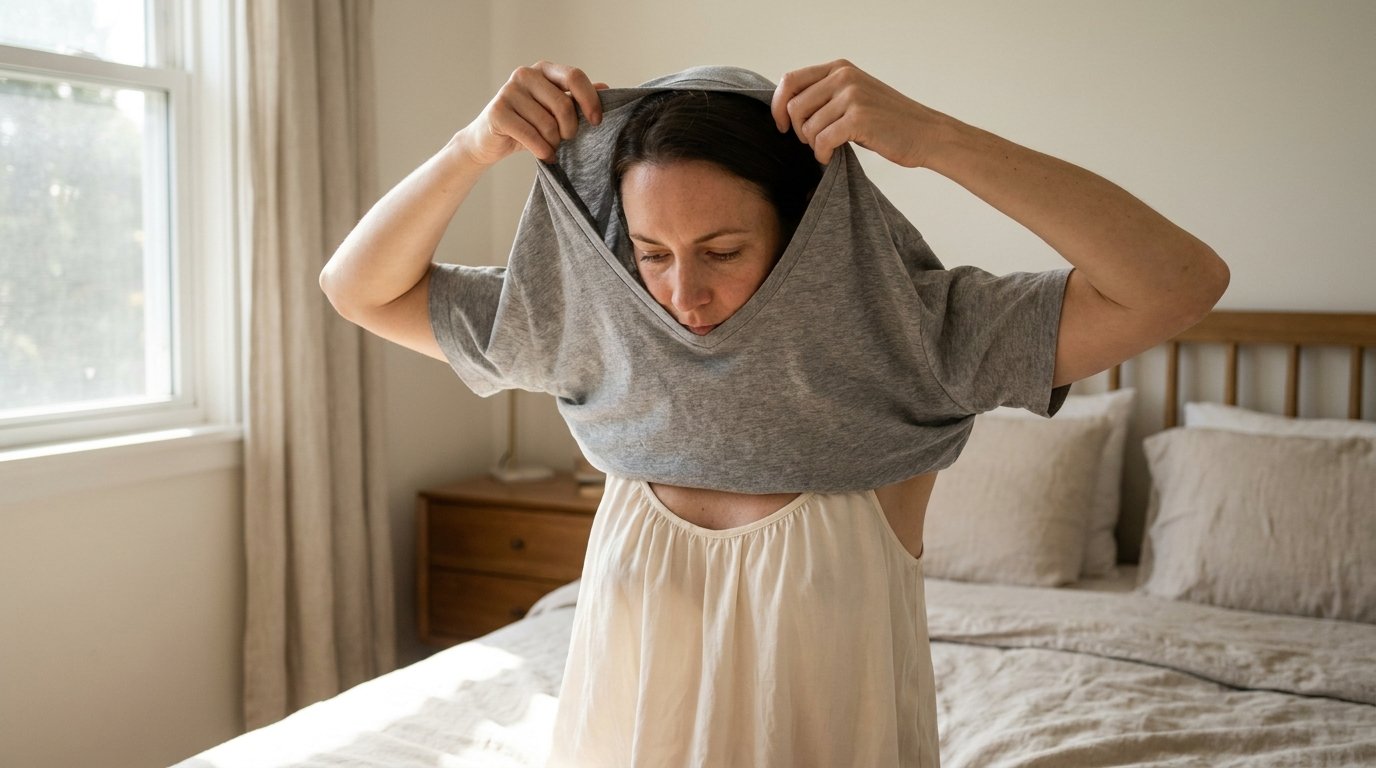
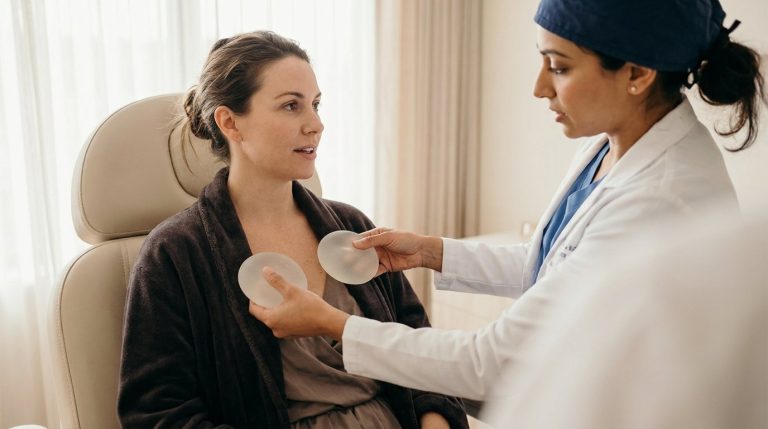
Right after surgery, the nipples are often covered with a protective dressing or a small shield. This is there for a reason: the early result can be disrupted by rubbing, pressure, or accidental pulling. Even putting on a T-shirt too quickly can be uncomfortable if you are not careful.
Pain is often described as mild to moderate rather than intense. Simple pain relief is commonly enough, but take only the medicines your surgeon recommends. If one breast becomes much more painful, swollen, hot, or red than the other, that is not something to simply watch for days.
The nipples may look uneven early on. One side can swell more than the other. There may also be temporary numbness, extra sensitivity, or a tingling feeling as the tissues recover. Changes in sensation are a recognised issue in nipple surgery and breast surgery more broadly, although the degree and duration vary from person to person.
Some patients are surprised by how visible the dressing is under clothing. Soft, loose tops are usually more comfortable than anything fitted. If you are combining this procedure with another breast procedure, recovery instructions may be stricter. In that case, follow the main operation’s aftercare plan.
- ✓Wear soft clothing that does not rub the nipples
- ✓Sleep in the position advised by your surgeon, often on your back at first
- ✓Take photos only if your surgeon has asked for them for follow-up
- ✓Avoid checking or touching the nipple repeatedly, which can irritate healing tissue
The first few days are usually more awkward than painful. Expect tenderness, swelling, light spotting on the dressing, and a feeling that the nipple is very exposed or more projected than normal. Most patients can walk around and manage basic daily tasks, but they need to protect the area carefully.
How do dressings, showering, and bras work during recovery?
This is where generic internet advice often goes wrong. One surgeon may allow a careful shower after a short interval if the dressing stays dry or is replaced in a specific way. Another may want the dressing left untouched longer, especially if a nipple splint or support device is being used.
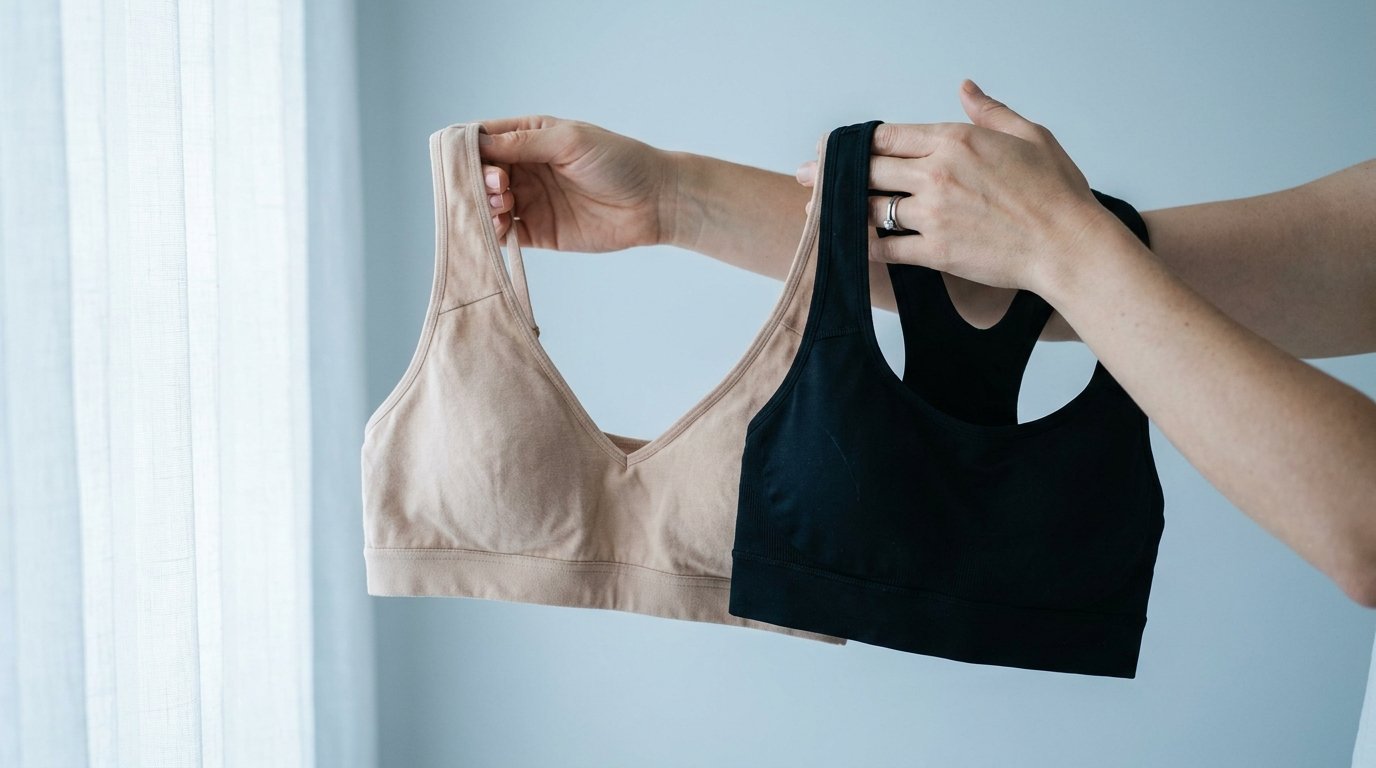
The same is true for bras. Some patients are told to wear a soft supportive bra day and night for comfort, while others are told to avoid direct compression over the nipple itself. A tight sports bra can feel secure, but if it presses directly on the corrected nipple too soon, it may not be helpful.
If you are travelling for surgery, ask these questions before the operation, not after: when can I shower, what do I do if the dressing gets wet, what kind of bra should I bring, and who do I contact if the nipple starts to flatten? Clear practical instructions matter more than broad recovery promises.
You can arrange a pre-treatment discussion through the consultation page if you need personalised planning before travel, but your operating surgeon’s written aftercare remains the main source for dressing and shower guidance.
⚠️ Do not copy another patient’s shower timeline Exact shower timing depends on the technique used and the dressing method. If your instructions say to keep the area dry until review, that advice overrides any general recovery article.
Dressings are one of the most important parts of recovery because they protect the new nipple position. Some patients have a simple dressing, while others have a stent, shield, or stitch support. Showering and bra guidance are not one-size-fits-all, so follow the exact plan your surgeon gives you.
When can you go back to work, exercise, and travel?
If your work is sedentary, you may feel well enough to return quite soon. The bigger issue is comfort and protecting the nipple from friction, sudden arm movements, or crowded commuting. Jobs that involve lifting, repeated reaching, or physical contact usually need more time.
Exercise deserves a careful approach. Light walking is often encouraged because it supports general recovery, but anything that causes bouncing, chest strain, sweating under dressings, or accidental rubbing can be a problem in the early phase. Swimming should wait until the wounds are sealed and your surgeon says the infection risk is low enough.
Flying is not always restricted for long after a small procedure, but there is no universal rule. Your surgeon may want to see the nipple first, especially if the dressing needs review or changing. If you are travelling from abroad, it is sensible to stay long enough for at least an early post-operative check, because recurrence, dressing issues, or signs of infection tend to show up early rather than months later.
For patients researching the wider team and credentials before travel, the surgeon information page and clinic background page can help with planning, but recovery timing should still be confirmed directly for your case.
Short walks, gentle daily tasks, and desk-based work are often manageable once you feel comfortable.
Running, upper-body gym work, swimming, contact sport, and anything that presses or rubs the nipple should usually wait for formal clearance.
Many people return to light desk work within a few days, but exercise and travel need more caution than work does. Short walking is usually fine early on, while gym sessions, chest-focused exercise, swimming, and long travel should wait until your surgeon confirms the nipple is stable and the dressing plan allows it.
What risks or warning signs should you watch for during healing?
No recovery guide is complete without the trade-offs. Inverted nipple correction can be a relatively small operation, but it still carries real risks. Published literature describes recurrence, infection, scarring, altered nipple sensation, and possible effects on breastfeeding, especially when ducts are divided as part of the correction.
A small amount of spotting on the dressing can be normal. What is less reassuring is active bleeding that soaks dressings, increasing swelling on one side, or pain that rises instead of slowly easing. Likewise, some tenderness and redness near the incision can happen, but spreading redness, heat, or discharge may point to infection.
Nipple colour matters. If the nipple looks pale, grey, purple, or unusually dark and that is getting worse rather than better, contact your surgical team urgently. Blood flow problems are not common, but they are important.
Recurrence is another practical issue. Early flattening does not always mean the operation has failed, because swelling and dressings can distort the look. Still, if the nipple seems to retract again after initially projecting well, it is worth reporting. Early review can help clarify whether this is normal settling or true recurrence.
🚨 Seek prompt medical advice if you notice these signs Rapid swelling, worsening one-sided pain, fever, spreading redness, pus, foul-smelling discharge, or a nipple that looks increasingly pale, blue, purple, or black needs urgent review.
The main things to watch for are infection, bleeding, wound problems, recurrence of inversion, and concerning changes in nipple colour or sensation. Mild swelling and tenderness are expected, but worsening pain, spreading redness, bad-smelling discharge, fever, or a nipple that looks dusky or poorly perfused should be reported quickly.
Will nipple sensation and breastfeeding be affected?
This is one of the most important pre-operative conversations, especially if you may want to breastfeed in future. Some inverted nipple operations are designed to preserve the milk ducts where possible. Others involve dividing tight ducts or fibrous tissue to achieve a stronger correction. That choice can affect both recurrence risk and future breastfeeding potential.
Sensation can also change. Temporary numbness or hypersensitivity may settle as healing progresses, but there is no honest way to promise that feeling will return exactly to baseline. Nipple sensation is delicate, and recovery is individual.
If future breastfeeding matters a great deal to you, say that clearly at consultation. It does not always rule surgery out, but it may influence whether surgery is advised, which technique is chosen, or whether a more conservative correction makes sense. A good consent discussion should explain the trade-off in plain language rather than glossing over it.
They can be affected, and this should be discussed before surgery. Some patients have temporary numbness or extra sensitivity during recovery, and some notice lasting change. Breastfeeding may be more affected when the technique divides milk ducts, while duct-preserving methods aim to lower that risk but may not suit every degree of inversion.
How should you choose a clinic and plan treatment abroad safely?
When patients travel for a smaller procedure, they sometimes underestimate aftercare. That is a mistake. The operation may be brief, but the nipple still needs review, protection, and a plan if the dressing comes loose or the result starts to change.
Ask practical questions, not just cosmetic ones. Who does the follow-up? Will you receive written instructions? How do you send photos if there is a concern after you return home? Is there a clear answer on how long to stay nearby before travelling? These details often tell you more about safety than a polished sales message.
A trustworthy clinic should also be open about uncertainty. No careful surgeon should guarantee a perfect permanent projection, preserved sensation, and preserved breastfeeding in every case at the same time. Real surgical planning is about balancing your priorities and anatomy.
If you are comparing providers, it helps to review clinician credentials and contact routes directly through the doctor profiles and contact page. Final suitability and a personalised quote are confirmed only after consultation, because price depends on the technique, surgeon, facility, and follow-up plan rather than a standard package.
There is no single standard price for this procedure. The final quote depends on surgical method, surgeon fees, facility costs, and follow-up needs, and is confirmed after consultation.
Choose the surgeon first, then the clinic and travel plan around that. You want clear information on the surgeon’s credentials, the operating facility, aftercare arrangements, what happens if the nipple re-inverts or gets infected, and how long you should stay locally before flying home.
Frequently Asked Questions
References
- 📎NHS: Inverted nipples
- 📎PubMed search: inverted nipple correction breastfeeding sensation recurrence
- 📎PubMed search: inverted nipple surgery complications review
- 📎PubMed search: nipple surgery sensation breastfeeding ducts
You Might Also Like

Related articles
Our specialists
 Clineca SpecialistErkan PinegözPlastic & Reconstructive Surgery
 Clineca SpecialistHakan AktaşPlastic & Reconstructive Surgery
 Clineca SpecialistOrkun UzuneyüpoğluPlastic & Reconstructive Surgery
 Clineca SpecialistSalim İskenderPlastic & Reconstructive Surgery
 Clineca SpecialistEngin SelamioğluPlastic & Reconstructive Surgery
 Clineca SpecialistCem AydınPlastic & Reconstructive Surgery
 Clineca SpecialistAlperen ÖnalEar, Nose & Throat (ENT)