

Have a question about Dimple Surgery?
In this article
- What is dimple surgery and how does it work?
- Who is a good candidate for dimple surgery?
- What affects the cost of dimple surgery in Turkey?
- What is recovery like after dimple surgery?
- Is dimple surgery safe?
- How long should you stay in Turkey for dimple surgery?
- How do you choose a clinic and surgeon for dimple surgery in Turkey?
Dimple surgery Turkey is usually a short facial procedure with a fairly quick recovery, but the right choice depends more on technique, surgeon judgement, and aftercare than on speed alone. Costs are usually given as a personalised quote after consultation rather than a fixed public price, and safety depends on careful patient selection, realistic expectations, and choosing an experienced surgeon in an accredited setting.
What is dimple surgery and how does it work?
Dimple surgery, often called dimpleplasty, is a minor cosmetic procedure that creates a cheek dimple by making a small connection between the skin and the muscle inside the cheek. It is usually done from inside the mouth, so there is typically no visible outer scar, but the final look can soften over time.
If you are researching dimple surgery Turkey, the basic idea is simple: the surgeon creates a small indentation in the cheek so that a dimple appears when you smile, and sometimes at rest in the early healing phase.
The procedure is usually done through the inside of the cheek. A small stitch is placed to join the inner cheek muscle and the underside of the skin. That connection creates the dimple effect. In the first days or weeks, the dimple often looks deeper than expected. It usually settles as swelling goes down and the tissue relaxes.
A consultation matters because not every face suits the same dimple position or depth. A good surgeon will look at:
- ✓Your natural smile pattern
- ✓Cheek fullness
- ✓Facial symmetry
- ✓Whether you want one dimple or two
- ✓How subtle or noticeable you want the result to look
This is also why copying a celebrity photo rarely works perfectly. Dimples look natural when they fit your own face, not when they are placed as an exact template.
You can read more about the procedure page for dimple surgery in Turkey if you want a treatment-specific overview before booking a consultation.
📋 A natural result is not always a very deep result Many patients ask for a strong visible dimple, but very deep dimples can look less natural once swelling settles. Subtle planning often ages better.
- ✓Usually performed through the inside of the cheek
- ✓Often done under local anaesthetic
- ✓Normally a short procedure
- ✓Early results are not the final results
Who is a good candidate for dimple surgery?
The best candidates are healthy adults who want a small, specific change rather than a major facial transformation. You should have realistic expectations and understand that healing, symmetry, and long-term appearance can vary.
You may be a reasonable candidate if:
- ✓You are in good general health
- ✓You do not have an active oral infection or significant gum disease
- ✓You understand that perfect symmetry cannot be promised
- ✓You are happy with a subtle cosmetic change rather than a dramatic one
You may need more caution if you:
- ✓Smoke or vape regularly
- ✓Heal poorly or scar unpredictably
- ✓Have facial nerve problems or certain cheek anatomy concerns
- ✓Tend to grind your teeth or frequently bite the inside of your cheeks
A responsible clinic should ask about your medical history, medicines, allergies, past cosmetic procedures, and dental or oral health. If that discussion feels rushed, it is worth slowing down.
Healthy patient, clear goals, realistic expectations, and good oral hygiene.
Someone seeking a perfect copied look, hiding a medical issue, or expecting an instant final result.
What affects the cost of dimple surgery in Turkey?
Dimple surgery in Turkey starts from around €2,925. That is a starting point, not a guaranteed quote — your own figure is confirmed after consultation, once the surgeon has assessed where you want the dimple placed, whether you are having one or two, and how your cheek tissue behaves when you smile.
Beyond that starting point, there is no single standard price for dimple surgery in Turkey. The final cost is usually confirmed after consultation because it depends on the surgeon, clinic setting, whether you want one or two dimples, anaesthetic plan, aftercare, and whether travel support is included.
For this treatment, it is more accurate to talk about what drives the cost than to quote a fixed figure. Public pricing can be misleading because two patients asking for “dimple surgery” may need very different planning.
Common cost factors include:
- ✓Whether you want one dimple or two
- ✓The surgeon’s experience with facial procedures
- ✓The clinic or hospital setting
- ✓Local anaesthetic alone or added sedation, if offered and appropriate
- ✓Pre-op assessment and post-op follow-up
- ✓Whether hotel, transfers, or a patient coordinator are included
- ✓Whether any revision or extra review is needed later
If you are comparing clinics, ask what the quote actually covers. A lower starting figure can become less attractive if it excludes aftercare, medication, translation support, or transport.
For next steps, many international patients start with an online cosmetic surgery consultation to discuss suitability and receive a personalised quote.
⚠️ Be careful with fixed-price promises If a clinic offers a guaranteed final price before reviewing your photos, medical history, and goals, that is a reason to ask more questions.
What is recovery like after dimple surgery?
Recovery after dimple surgery is usually manageable, with mild swelling, tenderness, and a tight or over-deep look at first. Many people return to desk work quickly, but the cheeks can take several weeks to settle. You should plan your trip around check-ups, oral hygiene, and time for early swelling to improve.
Recovery is often easier than with larger facial surgery, but it is still surgery. The first thing many patients notice is that the dimples may be visible even when not smiling. That can be normal early on.
Typical recovery points include:
- ✓Mild to moderate swelling for the first few days
- ✓Tenderness inside the cheek
- ✓A tight feeling when smiling or chewing
- ✓A dimple that looks deeper at first
- ✓Gradual softening over the following weeks
Most people can do light daily activities quickly, but you should still avoid putting pressure on the area and follow the aftercare plan carefully. Soft foods may feel more comfortable for a short period, especially if both cheeks were treated.
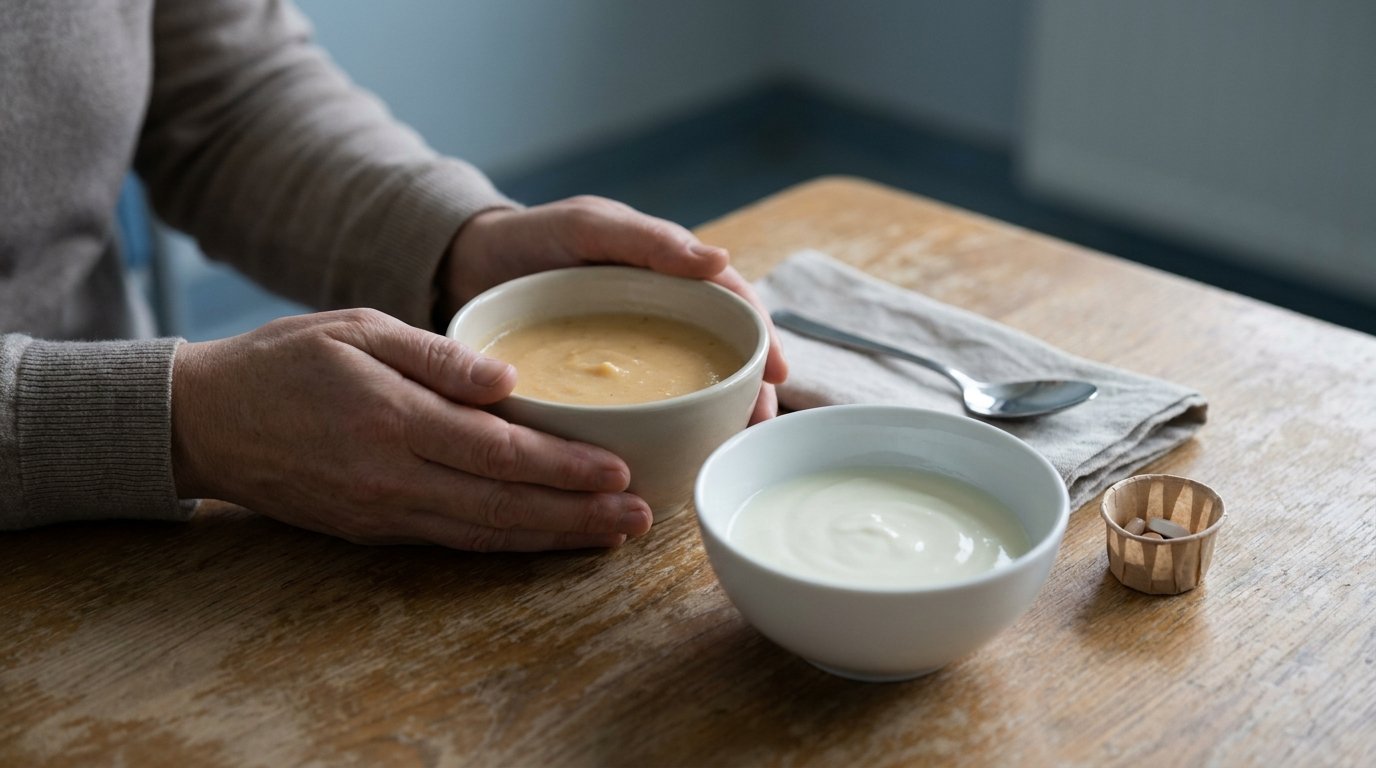
Good aftercare usually includes:
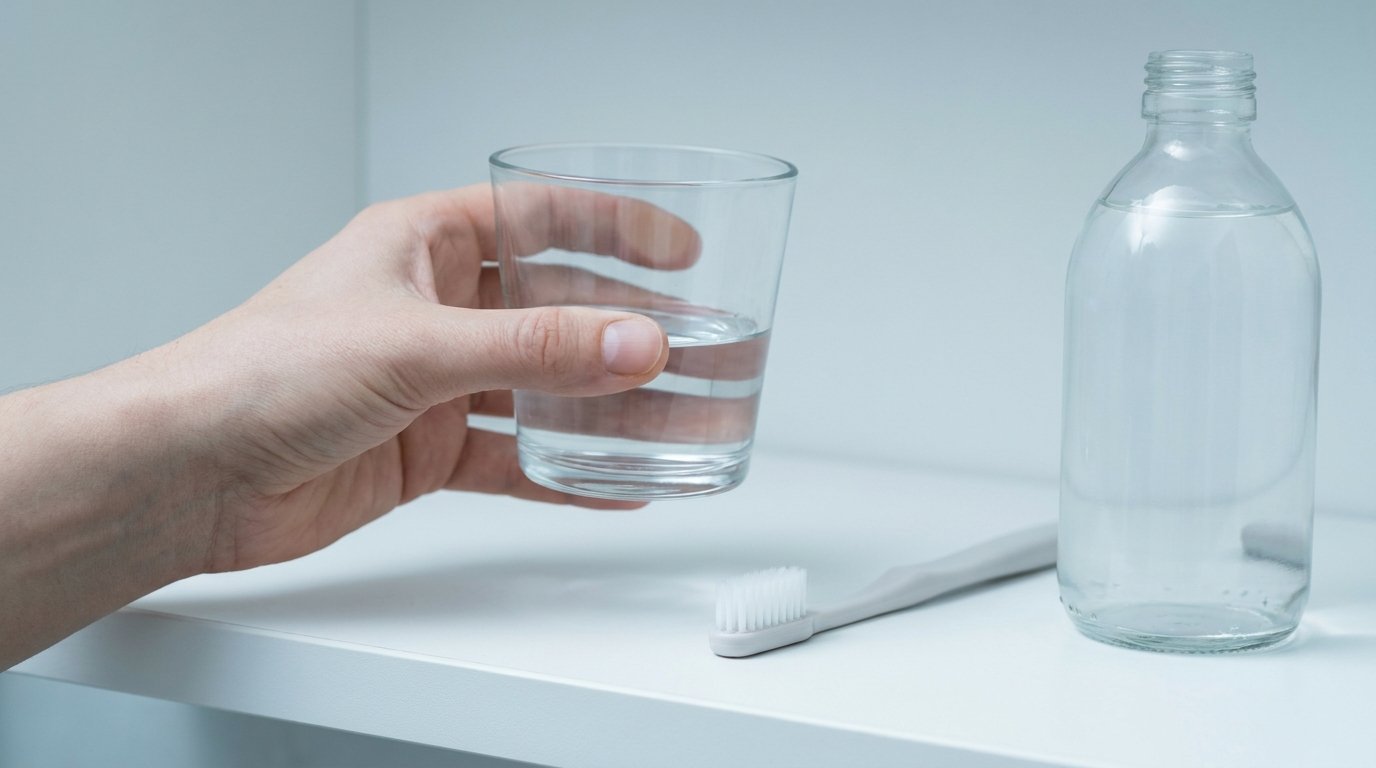
- ✓Keeping the mouth clean as instructed
- ✓Taking prescribed medication exactly as directed
- ✓Avoiding smoking if your surgeon advises this before and after surgery
- ✓Attending follow-up checks before flying home
Because the incision is typically inside the mouth, oral hygiene matters. Food debris and poor mouth care can raise the chance of irritation or infection.
A realistic travel plan
International patients should not plan this like a same-day beauty treatment. Even though the procedure is brief, it is wiser to stay long enough for review appointments and early healing checks. In practice, that often means a short stay rather than flying in and out immediately.
If you are already exploring other facial balance procedures, some patients also compare dimples with options such as cheek augmentation or chin augmentation, but the recovery experience and goals are quite different.
- ✓Arrange a follow-up before your return flight
- ✓Choose soft, easy-to-chew foods for the first days
- ✓Ask when you can resume exercise, alcohol, and smoking
- ✓Save your surgeon’s after-hours contact details
Is dimple surgery safe?
Dimple surgery is generally considered a small elective procedure, but small does not mean risk-free. Possible problems include infection, bleeding, asymmetry, an unsatisfactory depth, fading, or a dimple that looks too fixed. Safety depends on proper assessment, clean technique, and good aftercare.
In experienced hands, dimple surgery is often straightforward. Still, it involves tissue, stitches, healing, and judgement. That means risks are real, even if they are usually limited.
Possible risks and downsides include:
- ✓Infection inside the mouth or cheek
- ✓Swelling or bruising
- ✓Asymmetry between the two sides
- ✓Dimples that are too deep, too shallow, or not in the best position
- ✓Fading of the result over time
- ✓A dimple that is visible when you are not smiling
- ✓Dissatisfaction with the cosmetic look
The American Society of Plastic Surgeons (ASPS) advises patients considering cosmetic surgery to check the surgeon’s qualifications, understand risks and recovery, and make sure the procedure is performed in an appropriate facility. Those principles are especially useful when you are travelling abroad for treatment.
Safety is not just about the operation day. It also includes:
- ✓Honest screening before surgery
- ✓Clear instructions in English you can follow
- ✓Access to review appointments
- ✓A plan for what happens if you have a problem after you return home
A trustworthy clinic should be happy to explain who performs the procedure, where it takes place, and how aftercare works for international patients.
🚨 Do not choose on photos alone Edited social media images can hide poor placement, asymmetry, or unnatural dimples at rest. Ask for consistent before-and-after images and a clear explanation of risks.
Clear consent process, named surgeon, structured aftercare, and realistic discussion of limits.
Pressure to book fast, vague answers about who operates, or claims of zero risk.
How long should you stay in Turkey for dimple surgery?
Although dimpleplasty is a short procedure, it still makes sense to stay long enough for assessment, treatment, and at least one early review. That gives the team time to check healing, answer questions, and make sure you are comfortable before travel.
A sensible trip plan often includes:
- ✓Arrival before the procedure day if possible
- ✓Time for an in-person assessment
- ✓The procedure itself
- ✓A short recovery window for swelling and oral care
- ✓A follow-up visit before departure
Avoid building a very tight travel schedule. A little flexibility makes the experience less stressful, especially if your cheeks are more swollen than expected or you want another check before flying.
If you want to review the clinic background before travelling, you can read about the team and medical approach on the clinic about page and the doctors page.
How do you choose a clinic and surgeon for dimple surgery in Turkey?
Choose a clinic and surgeon by looking past marketing. You want clear credentials, a proper consultation, transparent aftercare, and realistic planning for an international patient. The best sign is not a perfect sales pitch; it is a careful, consistent process that makes room for questions and says no when needed.
This is where many patients make either a very good decision or a rushed one. Dimple surgery may look simple online, but facial cosmetic work is very visible. Small choices in placement can change the whole result.
Ask direct questions such as:
- ✓Who will perform the procedure?
- ✓How often do they do dimple surgery?
- ✓Where exactly will the dimple be placed, and why?
- ✓What should I expect in the first week and first month?
- ✓What happens if I am unhappy with the depth or symmetry?
- ✓How does follow-up work once I am back home?
Also pay attention to the quality of communication. Good clinics do not just send a price. They ask for clear smiling photos, review your goals, and explain what may or may not suit your face.
If you are ready to ask questions directly, the safest next step is usually a proper enquiry through the contact page rather than booking purely through social media messages.
This article is for informational purposes only and does not constitute medical advice. Always consult a qualified surgeon for personalised guidance.
- →Check credentials: Ask about the surgeon’s training and facial cosmetic experience.
- →Check the setting: Confirm where the procedure takes place and what support is available on the day.
- →Check aftercare: Make sure you know who to contact if you have swelling, pain, or concerns after returning home.
Frequently Asked Questions
References
- 📎Cosmetic surgery: How to choose a plastic surgeon — American Society of Plastic Surgeons
You Might Also Like


Related articles


Our specialists
 Clineca SpecialistErkan PinegözPlastic & Reconstructive Surgery
 Clineca SpecialistHakan AktaşPlastic & Reconstructive Surgery
 Clineca SpecialistOrkun UzuneyüpoğluPlastic & Reconstructive Surgery
 Clineca SpecialistSalim İskenderPlastic & Reconstructive Surgery
 Clineca SpecialistEngin SelamioğluPlastic & Reconstructive Surgery
 Clineca SpecialistCem AydınPlastic & Reconstructive Surgery
 Clineca SpecialistAlperen ÖnalEar, Nose & Throat (ENT)