
Have a question about Rhinoplasty?
In this article
- What septoplasty fixes — and what it leaves untouched
- Septoplasty, septorhinoplasty or valve surgery: how surgeons decide
- The operation day and the first week
- Recovery timeline week by week
- What drives the cost of septoplasty in Turkey
- How long to stay in Turkey, and when you can fly home
- Who should try treatment before surgery
- Safety and how to tell you are in the right clinic
A blocked nose is easy to tolerate until you notice how much of your day it quietly shapes — broken sleep, a dry mouth every morning, sprays that worked once and now barely touch it. Septoplasty in Turkey has become a common reason to travel, partly because the operation is often combined with other nasal work in a single trip. This guide walks through what straightening the septum actually changes, how the first weeks really feel, what moves a quote up or down, and how to check that the clinic in front of you is the right one.
What septoplasty fixes — and what it leaves untouched
The septum is the dividing wall inside your nose, made of cartilage at the front and thin bone further back. When it is bent — from a knock in childhood, a sports injury, or simply the way it grew — one side of the airway narrows and airflow becomes uneven. Septoplasty straightens, trims or rebuilds the bent part so air can move through both sides more evenly.
It is a functional operation, not a cosmetic one. A straightforward septoplasty works entirely inside the nose, so the shape of the bridge and tip is normally left as it is. People who want their breathing improved and their profile changed are usually looking at septorhinoplasty, which is a different plan with a different recovery.
It also helps to be realistic about what else contributes to a blocked nose. Swollen turbinates (the ridges of tissue that warm and humidify air), allergy, chronic inflammation and nasal valve collapse can all narrow the airway on their own. That is why many surgeons assess and sometimes treat these at the same time — turbinate reduction alongside deviated septum surgery is a common pairing rather than an upsell.
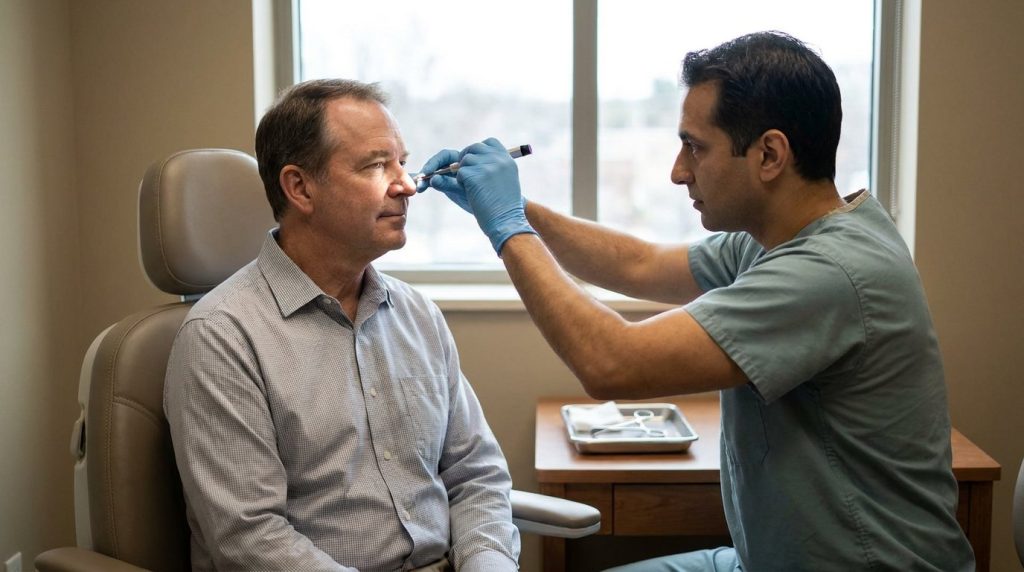
📋 Breathing surgery is assessed, not assumed A proper consultation should include looking inside the nose with an endoscope or speculum, not just reviewing photos of the outside. If no one has examined your airway, no one can honestly tell you a septoplasty will help it.
Septoplasty, septorhinoplasty or valve surgery: how surgeons decide
A mildly bent septum can often be corrected through a limited approach with small internal incisions. A severely twisted septum is a bigger job: the cartilage may need to be removed, straightened and reinforced before being put back, which inevitably interacts with the structures that hold up the tip of the nose.
That interaction is well documented. A 2016 study in JAMA Otolaryngology–Head & Neck Surgery measured nasal tip projection and rotation after open-approach extracorporeal septoplasty — rebuilding a badly deviated septum outside the nose and replacing it — performed without any simultaneous rhinoplasty, precisely because the tip can shift when the septum is substantially reconstructed. The practical lesson for patients is that major septal work needs a plan for tip support, even when nothing cosmetic is being requested.
The airway rarely misbehaves in isolation either. Research in Annals of Plastic Surgery (2016) on extracorporeal septoplasty combined with valve surgery notes that patients with severely deviated septums often have deformed nasal valve systems too, so correcting the septum alone may leave part of the obstruction behind. And a 2025 paper in Aesthetic Plastic Surgery describing modified low septal strip septoplasty within dorsal preservation rhinoplasty shows how septal manoeuvres are used deliberately to influence tip rotation and projection in aesthetic cases.
If the shape of your nose bothers you as much as the breathing, it is worth reading how the two are planned in one session before you commit to either: see our guide on whether septoplasty and rhinoplasty can be done together.
The operation day and the first week
Septoplasty is usually done under general anaesthesia, and the surgery itself is typically shorter than a full rhinoplasty. Most patients either go home the same evening or stay one night, depending on the hospital’s protocol and whether other work was added.
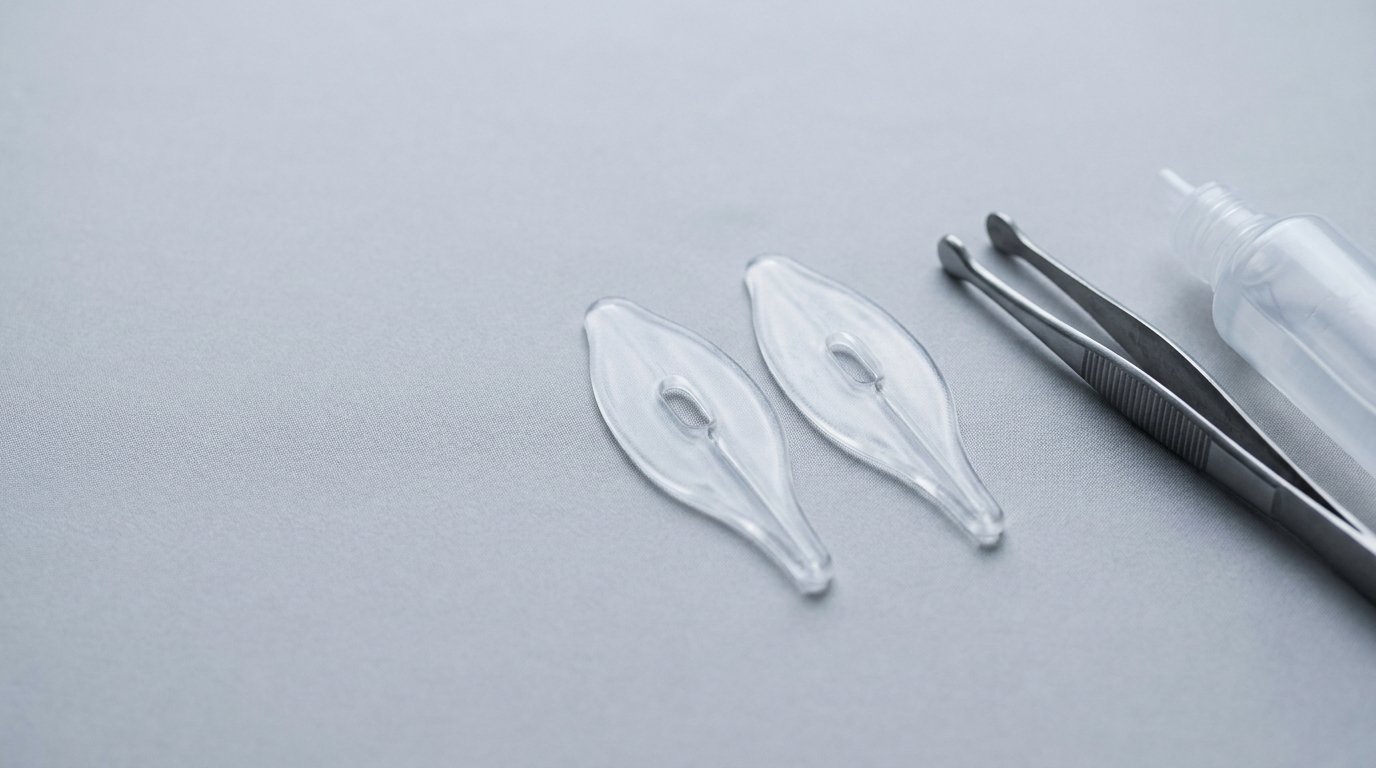
Afterwards you will normally have soft internal splints or silicone sheets inside the nose for several days to hold the septum straight while it settles, and dissolving stitches you never need removed. Heavy nasal packing is used far less than it once was. Expect your nose to feel more blocked than before for the first few days — that is swelling and crusting, not failure.
Bleeding in the first 24 hours is the main thing teams actively manage. A 2024 systematic review and meta-analysis in Plastic and Reconstructive Surgery – Global Open examined tranexamic acid as a way of reducing perioperative bleeding in rhinoplasty and septoplasty, which gives you a sense of how routinely bleeding control is studied and planned for rather than left to chance.
Pain is usually described as pressure and congestion rather than sharp pain, and is generally controlled with simple painkillers. Sleeping propped up helps, and saltwater rinses become your closest ally once your surgeon clears them — see our notes on sleeping elevated after nose surgery.
⚠️ Do not judge your breathing in week one Internal swelling and crusting can make the nose feel worse than it did before surgery for the first week or two. Clearer airflow usually arrives gradually, and the honest assessment comes months later, not days.
Recovery timeline week by week
Recovery from an isolated septoplasty is generally quicker and less visible than recovery from a cosmetic nose operation — there is often little or no bruising, because the outside of the nose has not been reshaped. If turbinate work, valve support or rhinoplasty is added, plan around the longer timeline of the two, not the shorter one.
The table below reflects a typical uncomplicated course. Your surgeon’s instructions always override it.
- ✓Rinse with saline as often as your surgeon advises — it shortens the crusting phase more than anything else
- ✓Avoid blowing your nose until you are told it is safe; sneeze with your mouth open
- ✓Keep glasses off the bridge if any bony or cosmetic work was done
- ✓Report heavy bleeding, fever or a sudden increase in pain rather than waiting for your next appointment
What drives the cost of septoplasty in Turkey
Turkey’s appeal for nasal surgery is a combination of surgeon volume, hospital capacity and lower overall running costs, not a single fixed price list. Two patients can be quoted differently for what sounds like the same operation, and the reasons are usually visible on the plan rather than hidden in it.
The biggest variable is how much work the septum actually needs. A limited correction of a mild deviation is a different operation from rebuilding a severely twisted septum with cartilage grafting, and adding turbinate reduction, valve support or a cosmetic element changes theatre time, implant or graft requirements and the length of your stay.
Anything quoted as a package should make clear what is inside it. Ask whether the figure covers the pre-operative tests, the anaesthetist, the hospital night if one is planned, medication, splint removal, your follow-up review, airport transfers and hotel nights — and what happens financially if a revision is ever needed. A personalised price is only meaningful after a consultation in which someone has examined your nose and agreed the plan with you.
🚨 Treat an unusually low all-in figure as a question If a quote is far below everything else you have seen, ask specifically what has been left out — anaesthetist, hospital night, follow-up, or the surgeon actually named on your paperwork.
How long to stay in Turkey, and when you can fly home
For an isolated septoplasty, most clinics plan around a week in the country: a consultation and pre-operative tests, surgery, a quiet few days, then a review where splints come out and you are formally cleared to travel. Flying before that check is the thing surgeons most often push back on, because cabin pressure and dry air are unkind to a freshly operated nasal lining and an early bleed is far easier to manage in the city where you were treated.
If you are combining the septum work with cosmetic reshaping, budget a slightly longer stay and expect your visible recovery to continue at home for weeks. The practical side of the trip — where to stay, who meets you, how far the hotel is from the hospital — matters more than people expect when your nose is blocked and you are tired; our notes on accommodation and transfers for nose surgery patients cover how that is usually arranged.
Book a flexible return ticket if you can. Plans shift by a day or two more often than anyone likes, and a cheap fixed fare becomes expensive the moment you are tempted to fly against advice.
Who should try treatment before surgery
Not every blocked nose needs an operation, and a good surgeon will say so. If your obstruction swings with the seasons, worsens around dust or pets, or improves on antihistamines, inflammation rather than a bent septum may be doing most of the blocking — and straightening cartilage will not fix an allergic lining.
A reasonable sequence before committing to surgery usually includes a proper trial of medical treatment and, where relevant, allergy assessment. It is also worth separating two different complaints: a crooked septum can make sleep worse, but it is not a treatment for obstructive sleep apnoea. If apnoea has been diagnosed, CPAP remains the mainstay, though some patients find nasal surgery makes a mask easier to tolerate — a question for the clinician managing your apnoea, not a reason on its own to operate.
Age is less of a barrier than people assume in both directions. Surgery is normally deferred in teenagers whose nose is still growing, while at the other end of the scale breathing surgery is routinely performed in older patients; a 2024 paper in the Ear, Nose & Throat Journal specifically examined transseptal suturing septoplasty in elderly patients. Our own experience points the same way: about one in eight of the people we treat for nose surgery is over 40, so arriving for a breathing problem in your forties or fifties puts you in familiar territory rather than at the edge of it.
A full six to eight week course with correct technique calms a swollen lining. Many people who think a spray failed had either stopped early or aimed it at the septum.
Testing and targeted treatment of dust mite, pollen or pet allergy can change how blocked you feel without touching the septum.
Daily irrigation and avoiding very dry indoor air help crusting and congestion, and are often used as a baseline before deciding on surgery.
Mainly a diagnostic clue rather than a cure: if a strip across the bridge transforms your night-time breathing, the nasal valve may be contributing and should be assessed.
An ongoing sinus infection, uncontrolled nasal allergy, smoking that you are not ready to stop around surgery, or a nose still growing in adolescence.
Safety and how to tell you are in the right clinic
Functional nose surgery is well established and generally low-risk in appropriate hands, but it is still real surgery under general anaesthesia. Recognised risks include bleeding, infection, crusting and dryness, a small persistent hole in the septum, temporary changes in smell or front-tooth numbness, residual deviation, and the possibility that your breathing improves less than you hoped because another cause was also at play. A surgeon who names these without being pushed is a better sign than one who promises a perfect airway.
Who holds the knife matters. Septoplasty sits at the border of ENT and plastic surgery, and either specialty can be the right answer — what you want is someone who operates on noses regularly, examines your airway personally, and can explain how the septal work will affect tip support if the reconstruction is extensive. Verify the named surgeon’s registration and specialty, not just the clinic’s branding; our guide on choosing a nose surgeon in Turkey covers the questions worth asking in writing.
The practical green flags are consistent across good clinics, and the warning signs are just as consistent.
This article is for informational purposes only and does not constitute medical advice. Always consult a qualified surgeon for personalised guidance.
Your nose is examined inside, ideally with an endoscope; the surgeon who will operate is named in your paperwork; surgery is scheduled in a licensed hospital with a resident anaesthetist; the written plan separates functional from cosmetic work; follow-up, splint removal and a revision policy are documented; and nobody rushes you towards a deposit.
A price quoted before anyone has looked inside your nose; refusal to name the surgeon; before-and-after images that cannot be tied to that surgeon’s own cases; pressure tactics and countdown discounts; and a plan that quietly adds cosmetic reshaping you never asked for.
Frequently Asked Questions
References
- 📎Tranexamic Acid in Rhinoplasty and Septoplasty: A Systematic Review and Meta-analysis of Randomized Controlled Trials — Plastic and Reconstructive Surgery Global Open, 2024
- 📎Outcomes of Open-Approach Extracorporeal Septoplasty Without Simultaneous Rhinoplasty: Effects on Nasal Tip Projection and Rotation — JAMA Otolaryngology–Head & Neck Surgery, 2016
- 📎Extracorporeal Septoplasty Combined With Valve Surgery in Rhinoplasty Patients — Annals of Plastic Surgery, 2016
- 📎Transseptal Suturing Septoplasty in Elderly — Ear, Nose & Throat Journal, 2024
- 📎Mayo Clinic: Tests and Procedures (general further reading)
Related Articles



You Might Also Like



Related articles

Our specialists
 Clineca SpecialistErkan PinegözPlastic & Reconstructive Surgery
 Clineca SpecialistHakan AktaşPlastic & Reconstructive Surgery
 Clineca SpecialistOrkun UzuneyüpoğluPlastic & Reconstructive Surgery
 Clineca SpecialistSalim İskenderPlastic & Reconstructive Surgery
 Clineca SpecialistEngin SelamioğluPlastic & Reconstructive Surgery
 Clineca SpecialistCem AydınPlastic & Reconstructive Surgery
 Clineca SpecialistAlperen ÖnalEar, Nose & Throat (ENT)