Have a question about Breast Augmentation?
In this article
- Quick summary: cost, safety, and recovery at a glance
- What affects the cost of breast augmentation in Turkey?
- Is breast augmentation in Turkey safe?
- What is recovery really like after breast augmentation in Turkey?
- How long should you stay in Turkey after surgery?
- What symptoms are normal, and what are red flags?
- How do you choose a clinic and surgeon wisely?
Breast augmentation in Turkey can be a practical option for patients who want surgery abroad, but the real decision comes down to three things: what your personalised quote includes, how carefully safety is handled, and whether you can allow enough recovery time before flying home. This breast augmentation in Turkey cost safety and recovery guide explains those trade-offs clearly, with one important caveat: the right plan depends on your anatomy, implant choice, medical history, and the standards of the surgeon and hospital involved.
Quick summary: cost, safety, and recovery at a glance
If you are comparing clinics, start with what is actually included rather than looking for a headline bargain. A lower quote can reflect fewer services, a shorter stay, less detailed follow-up, or a different implant option rather than a true like-for-like saving.
Safety matters more than convenience. The NHS notes that breast implant surgery carries risks including bleeding, infection, scarring, implant problems, and the possible need for further surgery later on. The American Society of Plastic Surgeons (ASPS) also stresses that breast augmentation recovery takes time, even when the early days go smoothly.
In practical terms, most patients should plan for an in-person review soon after surgery, a protected first week, and a slower return to full activity than many social media diaries suggest. If you are looking at a breast augmentation treatment page, use it as a starting point, then ask for your own surgical plan in writing.
Your quote separates surgery, anaesthesia, hospital stay, implants, medicines, garments, transfers, and follow-up rather than hiding everything inside one vague package.
You are pushed to book quickly before your questions about implant brand, hospital standards, and aftercare have been answered clearly.
Early swelling, tightness, tiredness, and asymmetry can be normal in the first days. Final shape settles over weeks to months, not overnight.
Breast augmentation in Turkey is not one fixed package. Cost depends on the implant, hospital setting, surgeon’s experience, tests, aftercare, and whether travel support is included. Safety is strongest when surgery is planned in an accredited hospital with clear follow-up. Recovery usually means several days of close rest, around one to two weeks away from desk work, and longer before gym exercise.
What affects the cost of breast augmentation in Turkey?
Breast augmentation in Turkey starts from around €3,100 with round implants. That is a starting point, not a guaranteed quote — your own figure is confirmed after consultation, once the surgeon has assessed your chest measurements, the implant type and placement, and whether a lift is needed as well. Anatomic (teardrop) implants start higher, at around €3,780.
For a search phrase like breast augmentation in Turkey cost safety and recovery guide, the word that often causes the most confusion is cost. Patients usually expect a single market rate, but beyond that starting point there is no one-size-fits-all figure. A quote changes when the implant profile changes, when the incision plan changes, and when surgery is combined with another procedure such as a lift.
The biggest cost drivers are usually the surgeon’s experience, the hospital or operating facility, the implant brand and warranty terms, the length of stay needed for review, and whether your package includes logistical support. If your breasts are naturally uneven, if the skin is looser after weight change or pregnancy, or if a lift is needed with the implants, surgery becomes more complex and the quote often changes accordingly.
It also matters whether you are booking straightforward primary augmentation or a more demanding operation such as breast implant revision. Revision surgery is usually harder because the surgeon may need to deal with scar tissue, implant position problems, or older pockets created during prior surgery.
Ask for a written breakdown before you commit. That is the easiest way to compare offers fairly.
⚠️ Do not compare quotes by headline price alone A cheaper quote may exclude implant paperwork, medicines, hotel nights, revision policy details, or in-person checks after surgery.
The cost of breast augmentation in Turkey is driven less by geography alone and more by what you are buying. Implant type, surgeon experience, hospital fees, anaesthesia, pre-op checks, compression bra, medicines, hotel support, transfers, and the follow-up plan all affect the final quote. A personalised price is normally confirmed after consultation and review of your photos or examination.
Is breast augmentation in Turkey safe?
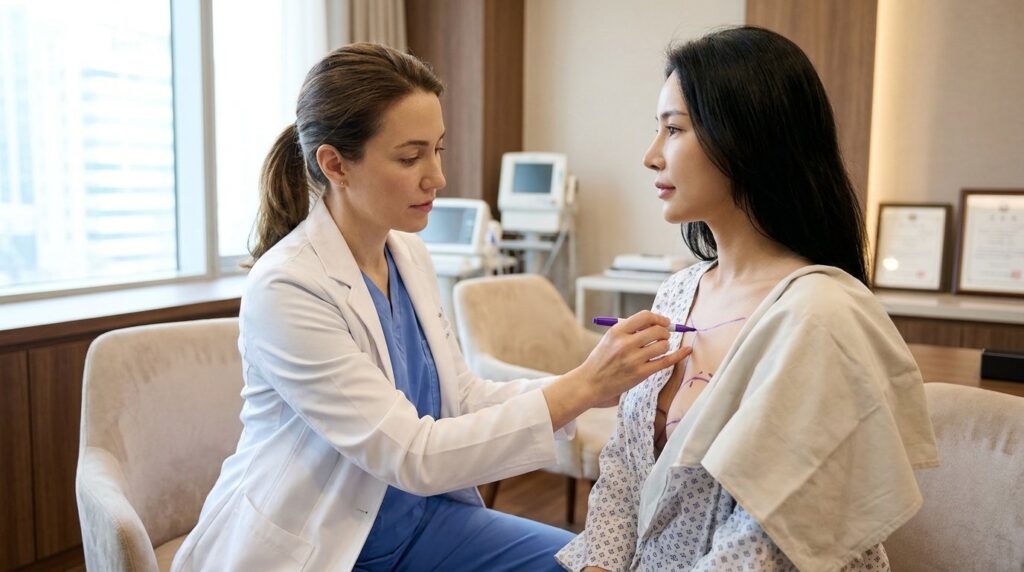
A better safety question is not simply, “Is Turkey safe for surgery?” It is, “How is this specific operation being organised, by whom, and where?” Good safety systems look familiar in any country: proper consultation, medical history review, realistic sizing, informed consent, blood tests when needed, anaesthesia assessment, sterile operating conditions, and a plan for reviews after surgery.
The NHS states that all surgery carries risk, and breast implants may need replacement or further surgery in the future. Mayo Clinic also notes that breast augmentation can lead to complications such as capsular contracture, changes in nipple or breast sensation, implant leakage or rupture, and cosmetic dissatisfaction that may require another operation. Those are not reasons to panic, but they are reasons to choose carefully.
You should know the name of the surgeon, be able to verify their credentials, and understand where the operation will happen. A legitimate provider should be open about the doctor, the hospital, the implant brand, and what happens if you need help after discharge or once you return home. You can review the clinic background through the about page and doctor information on the surgeon listing, but still ask direct questions yourself.
What to look for before booking
The safest clinics are usually the least vague. They answer the awkward questions without irritation. They explain who is and is not a suitable candidate, and they do not promise a perfect result.
A sensible pre-booking checklist includes:
- ✓The surgeon’s name, qualifications, and experience with breast surgery
- ✓The hospital or licensed surgical facility where the operation will take place
- ✓The implant brand, size planning process, and warranty or implant card documentation
- ✓The aftercare schedule, including your in-person review before flying home
- ✓What happens if you develop a problem after returning to your home country
- ✓Whether a lift may be needed instead of, or as well as, implants for the result you want
If you are told that implants alone can fix significant sagging, ask for a more realistic explanation. Some patients need a breast lift with augmentation to achieve upper fullness and nipple position at the same time.
You receive a detailed consultation, implant discussion, written consent information, and a clear timeline for review before travel.
No one can tell you the operating hospital, the implant brand, or who will see you if you have swelling, fever, or sudden pain after surgery.
Breast augmentation in Turkey can be safe when it is performed by an appropriately qualified surgeon in a licensed, accredited hospital with proper pre-operative checks and clear follow-up. The bigger risk is not the country itself but poor screening, unclear accountability, weak aftercare, or choosing on price alone.
What is recovery really like after breast augmentation in Turkey?
This is the part many patients underestimate. Recovery is not usually dramatic, but it is restrictive. Your chest can feel tight, heavy, swollen, and awkward to move, especially when standing up from bed, reaching overhead, or opening doors in the first days.
ASPS guidance explains that recovery varies by patient and surgical technique, but swelling and soreness are expected early on. Most people need help with luggage and should avoid strenuous activity while healing progresses. If implants are placed partly under the chest muscle, early tightness may feel more noticeable.
For health-tourism planning, staying long enough for at least one in-person post-op review is sensible. Many patients are mobile within a day, but that is not the same as being travel-ready for a long journey with bags, airport queues, and jolting movement. Build in time for rest, a check with your surgeon, and flexible travel planning in case swelling or pain is greater than expected.
A practical recovery timeline
The early pattern is often more useful than a day-by-day promise. Expect improvement, not perfection.
📋 Travel tip Even when you feel fairly well, airport logistics can be more tiring than expected after chest surgery. Ask for assistance if you have a long walk through the terminal.
- ✓Arrange an adult companion if possible for the first day or two.
- ✓Use a small, easy-to-carry bag for the return journey.
- ✓Book accommodation that allows quiet rest, not a rushed hotel change.
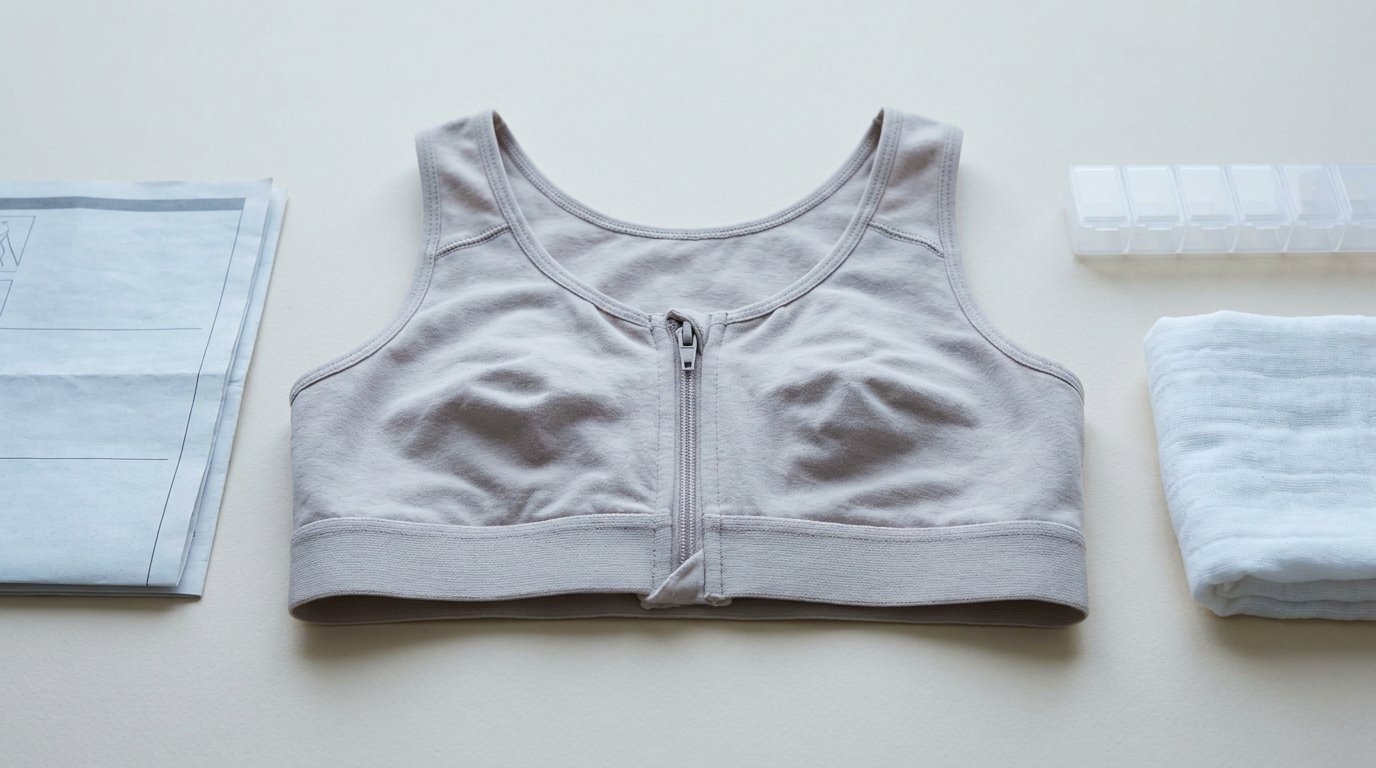
- ✓Wear the support bra exactly as instructed.
- ✓Ask before taking any medicine or supplement not already approved.
Recovery is usually most uncomfortable in the first few days, then gradually easier over one to two weeks. Many patients can return to light desk work after that early period, but lifting, gym training, and sleeping normally often take longer. A follow-up check before flying home is important.
How long should you stay in Turkey after surgery?
This is where medical planning and travel planning meet. A short stay can look convenient on paper, but breast surgery is not a same-day tourism activity. You need enough time for your immediate recovery, dressing checks, and confirmation that you are fit to travel.
A good provider will tell you when they want to see you after the operation and whether your flight date should stay flexible. If you are combining procedures, the stay is often longer. For example, augmentation done as part of a mommy makeover plan is more demanding than augmentation alone.
When you book, ask who to contact out of hours, whether you will receive written discharge instructions, and how remote follow-up works once you are back home. The easiest route is to request this during your consultation rather than after you have already paid a deposit.
It may be safer to postpone than to compress surgery and travel into the shortest possible window. Recovery does not always follow your original itinerary.
You should stay long enough for surgery, immediate recovery, and at least one proper follow-up review before flying. The right length depends on how you heal, the complexity of your operation, and your surgeon’s instructions. Rushing home too early makes normal checks and early problem management harder.
What symptoms are normal, and what are red flags?
Patients often worry because normal recovery can look untidy at first. Breasts may sit high, feel firm, or look uneven in the early stage. That alone does not mean something is wrong.
What matters more is the direction of change. If discomfort, swelling, and movement are slowly improving, that is usually reassuring. If they are getting worse, especially on one side, you need assessment.
Use this quick checklist and do not wait it out if something feels off.
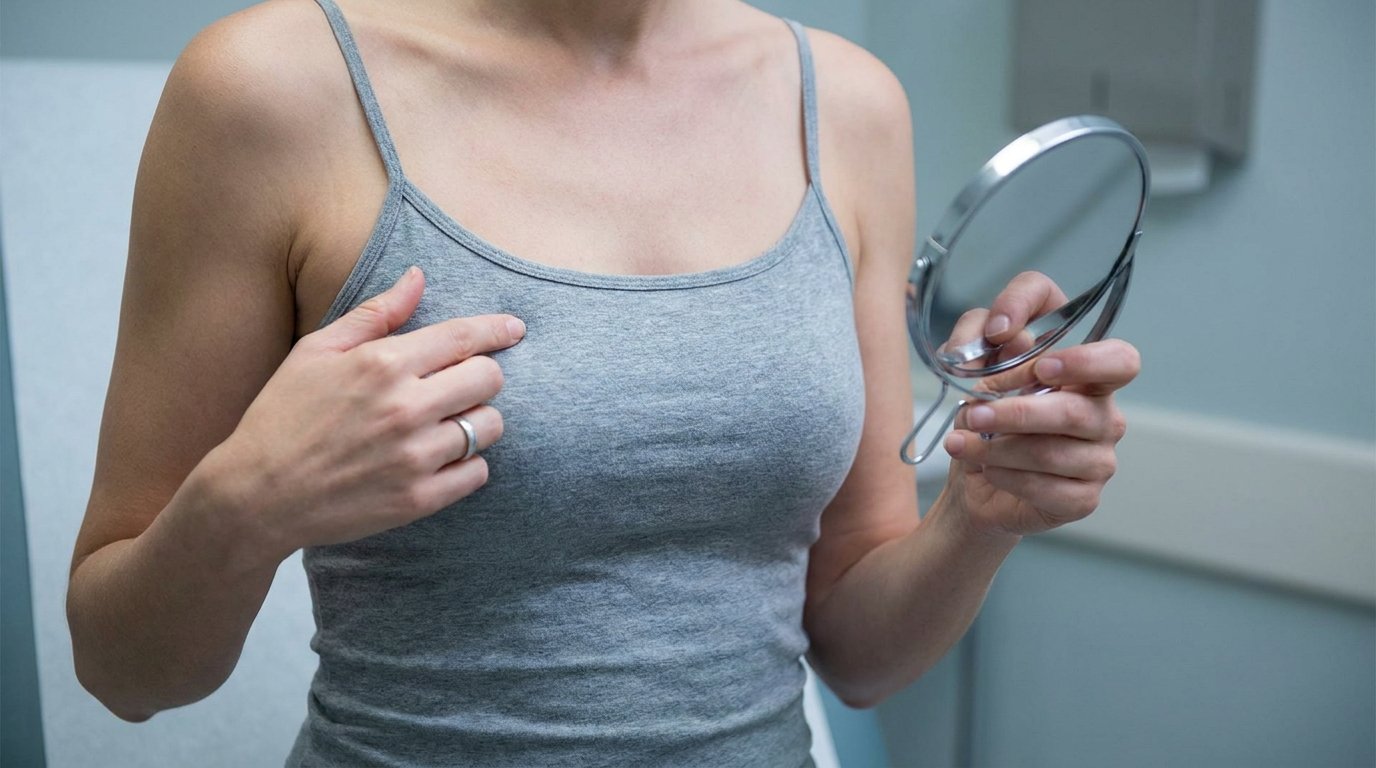
🚨 Do not self-diagnose online A photo forum cannot rule out a haematoma, infection, or another complication. If symptoms are worsening, speak to your surgical team or a local doctor promptly.
- ✓Usually expected early on: tightness, soreness, swelling, bruising, reduced arm range, tiredness, breasts sitting high at first
- ✓Contact your surgical team promptly: increasing one-sided swelling, worsening redness, fever, persistent vomiting, unusual wound discharge, severe pain not controlled by prescribed medicine
- ✓Seek urgent medical help: chest pain, sudden shortness of breath, fainting, or any symptom that suggests a medical emergency
- ✓Late concerns worth checking: new firmness, visible rippling, change in shape, persistent asymmetry, or a breast that becomes painful after the early recovery period
Mild to moderate pain, tightness, swelling, bruising, and tiredness are common early on. Red flags include increasing rather than improving pain, marked one-sided swelling, fever, worsening redness, sudden shortness of breath, or fluid leaking from the wound. These need prompt medical advice.
How do you choose a clinic and surgeon wisely?
The best decision-making usually happens before the deposit, not after it. Ask for the surgeon’s name, the hospital details, the implant brand, and a realistic explanation of what surgery can and cannot do for your body shape.
Look for signs that your case is being assessed individually. Some patients want more upper fullness but really need a lift as well as implants. Others ask for very large implants when their tissue may not support them well. A responsible surgeon should explain those trade-offs clearly.
If you are researching providers, the clinic homepage can give you the broad picture, but the important part is the consultation quality. You should leave that conversation understanding the incision options, implant placement, likely scar positions, expected recovery limits, and what revision policy exists if the result needs further discussion.
You can also ask whether there are alternatives to implants for your goal. For some women with loss of volume after pregnancy or weight change, a lift, reduction, or combined approach may suit better than implants alone.
Clear answers, realistic sizing, no pressure to rush, written aftercare instructions, and easy access to a coordinator or nurse after discharge.
Stock photos instead of case discussion, vague surgeon identity, no clear hospital information, or dismissing questions about complications and revision.
Depending on your anatomy and goals, a lift, reduction, or staged approach may be more suitable than straightforward augmentation.
Choose on transparency, not marketing polish. You want a named surgeon, a licensed hospital setting, clear implant information, realistic sizing advice, proper consent, and a follow-up plan that still works after you return home. A good clinic answers difficult questions plainly.
Frequently Asked Questions
References
- 📎NHS cosmetic procedures guidance
- 📎ASPS cosmetic procedures guidance
- 📎Mayo Clinic procedures guidance
- 📎PubMed search: breast augmentation complications recovery implants
Related Articles


You Might Also Like



Related articles
Our specialists
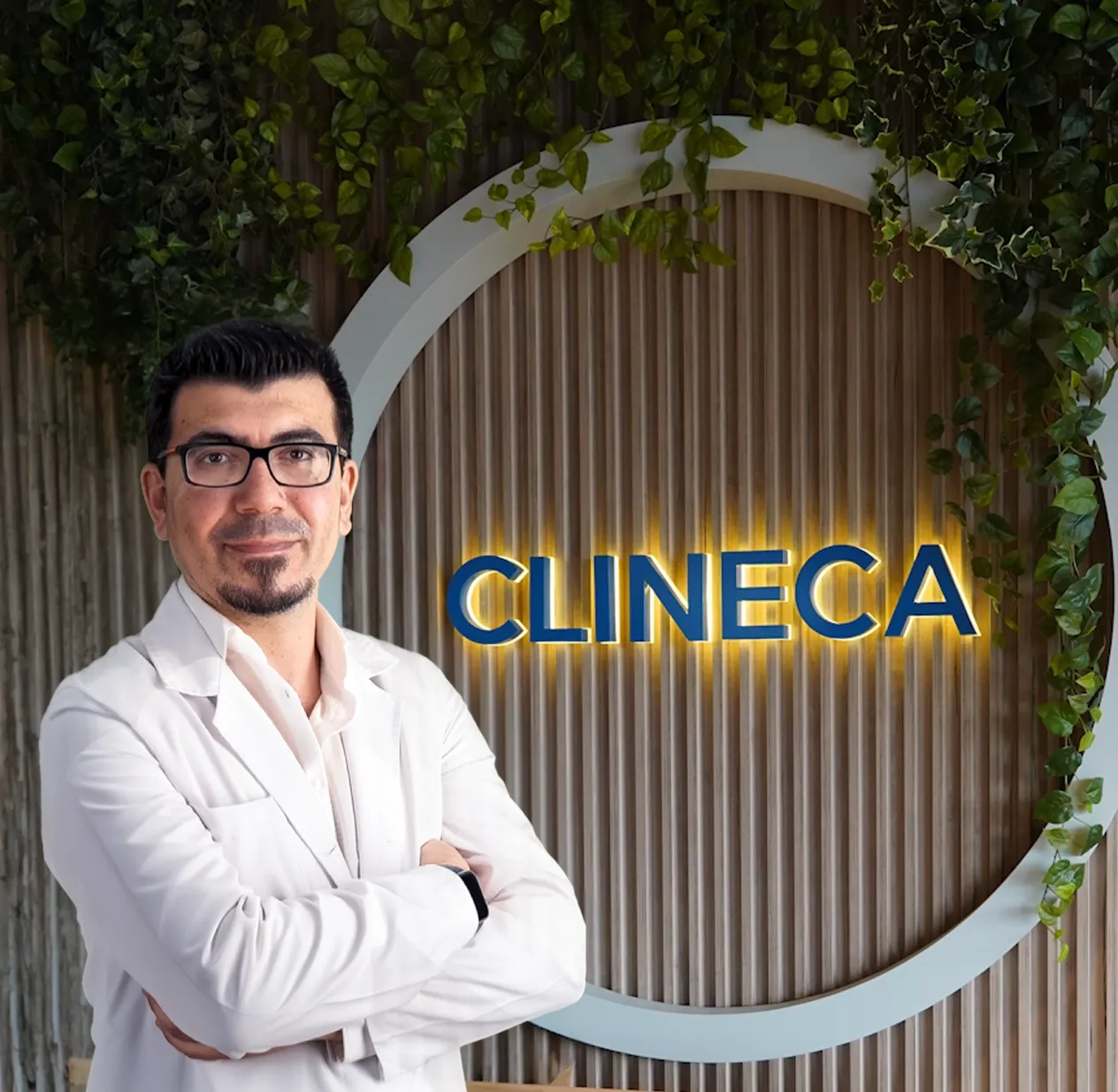 Clineca SpecialistErkan PinegözPlastic & Reconstructive Surgery
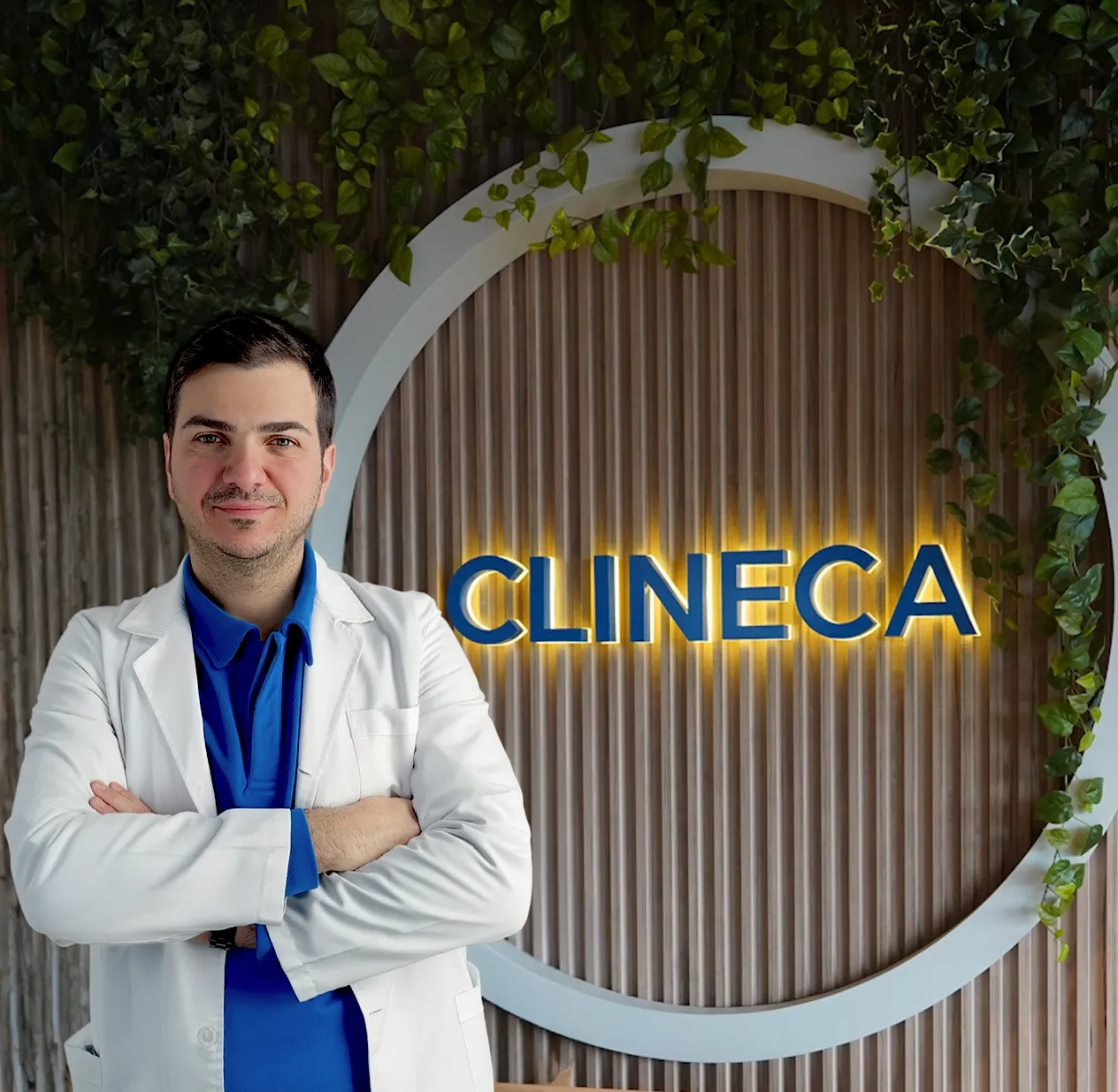 Clineca SpecialistHakan AktaşPlastic & Reconstructive Surgery
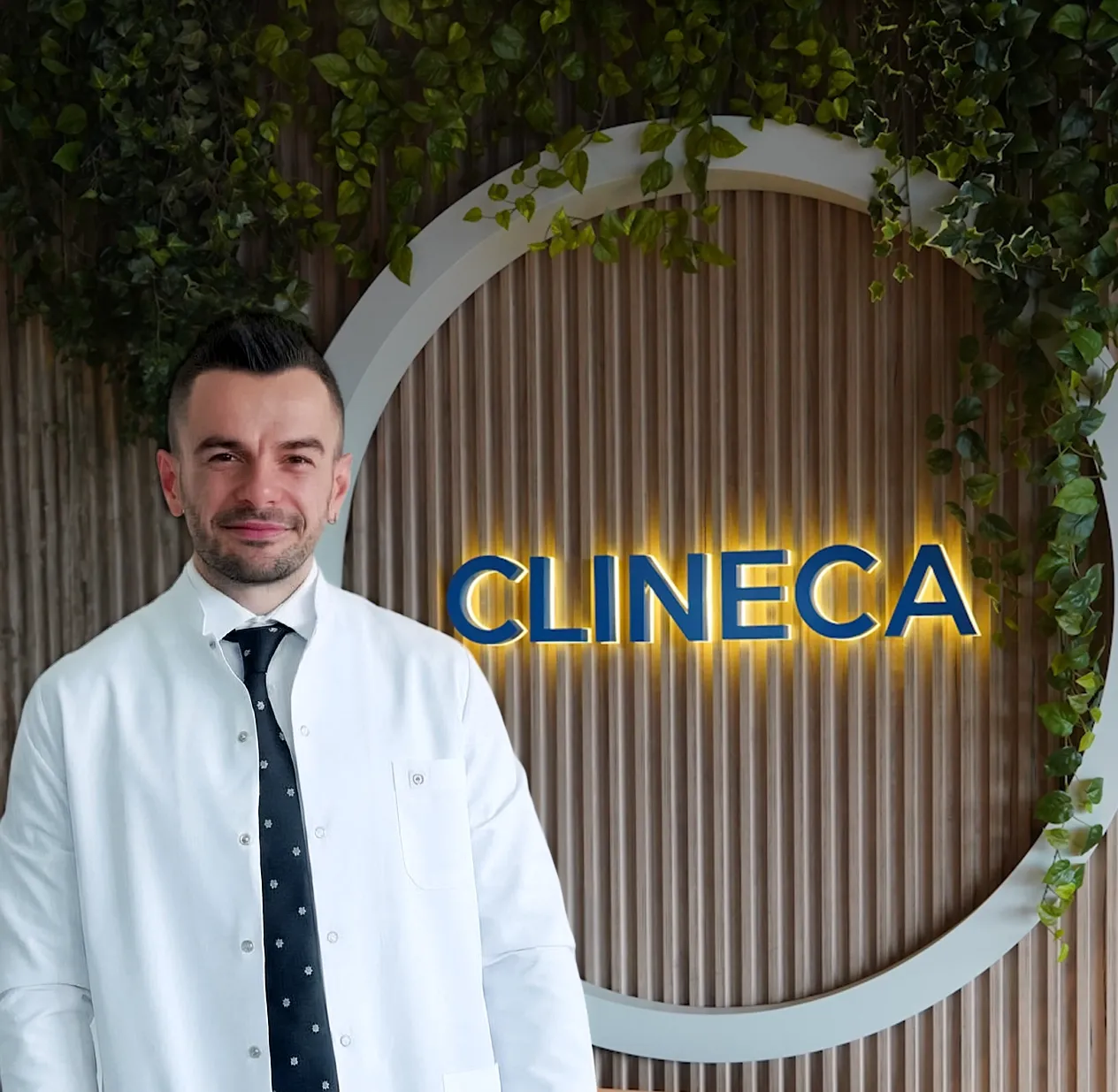 Clineca SpecialistOrkun UzuneyüpoğluPlastic & Reconstructive Surgery
 Clineca SpecialistSalim İskenderPlastic & Reconstructive Surgery
 Clineca SpecialistEngin SelamioğluPlastic & Reconstructive Surgery
 Clineca SpecialistCem AydınPlastic & Reconstructive Surgery
 Clineca SpecialistAlperen ÖnalEar, Nose & Throat (ENT)