
Have a question about Breast Augmentation?
In this article
- Can breast augmentation and breast lift be done together?
- Who is a good candidate for doing both in one surgery?
- When is it better to stage the lift and implants separately?
- What are the benefits and trade-offs of combining the procedures?
- How does recovery compare when both are done together?
- What risks should you discuss before choosing a combined procedure?
- How should you compare quotes and choose a clinic in Turkey?
- What should you decide before your consultation?
A lot of women like the idea of improving breast volume and breast position in one operation, but they are rightly cautious about whether that is sensible for their body. If you are asking can breast augmentation and breast lift be done together, the important part is not just whether it is possible, but when it is a good idea, when it is better staged, and what that choice means for scars, healing and travel.
Can breast augmentation and breast lift be done together?
Yes, breast augmentation and a breast lift can be done together in one operation. Surgeons often call this an augmentation-mastopexy. The implant adds fullness, especially in the upper part of the breast, while the lift reshapes the breast tissue and moves the nipple-areola complex higher on the chest.
That said, “can” is not the same as “should.” These two procedures solve different problems. Implants mainly add size and upper-pole fullness. A lift mainly treats droop, stretched skin and a nipple that sits too low or points downward. If a patient has both volume loss and sagging, combining them may make sense. If she mainly wants one change, doing both can add scars, complexity and recovery demands without much extra benefit.
One of the most useful ways to think about it is this: a lift tightens the skin envelope, while an implant pushes outward from inside that tighter envelope. Those goals can work well together, but they also place tension on the tissues. That is why combined surgery needs careful planning, realistic sizing and a surgeon who does this operation regularly.
If you are still unsure which part of your concern is size and which part is droop, it helps to read about the difference between a lift and implants in plain terms in breast lift or implants: what each one fixes.
📋 Why patients consider doing both at once The main appeal is one anaesthetic, one recovery period and one overall reshaping plan rather than treating size and sagging separately.
Who is a good candidate for doing both in one surgery?
The best candidates are usually women who have lost fullness and also developed visible sagging after pregnancy, breastfeeding, weight changes or simply over time. In practical terms, a surgeon looks at nipple position, skin quality, breast asymmetry, how much native breast tissue you have, and whether you want a modest or larger size increase. Pregnancy hangs over this decision more than the brochures admit. Pregnancy or breastfeeding comes up in about one in four of the conversations we have with women weighing breast surgery. If another pregnancy is on the cards, say so at the first consultation — it changes how the lift is planned and when it is worth doing.
A combined operation tends to work more predictably when the lift needed is moderate rather than extreme, the skin has enough quality to heal well, and the implant choice is proportionate to the chest and existing tissue. Very large implants can make a fresh lift work harder to hold shape over time. That does not mean larger implants are never used, but it does mean the trade-off should be discussed very honestly.
You may be a less straightforward candidate if you smoke, have poorly controlled medical conditions, have very thin tissues, have severe droop, or are starting with marked asymmetry. In those cases, some surgeons recommend staging the surgery. That means doing the lift first and placing implants later, or sometimes placing implants first and lifting later, depending on the anatomy.
If your main concern is sagging after major weight change, you may also find it helpful to read breast lift after weight loss: candidacy, signs and next steps.
Volume loss plus mild-to-moderate droop, with realistic goals about size, shape and scarring.
Very heavy implants, poor skin quality, smoking, severe droop or major asymmetry can make one-stage surgery less predictable.
A lift with fat transfer may suit some women who want a softer, more modest volume increase without implants.
When is it better to stage the lift and implants separately?
Staging is often advised when the breast shape is difficult enough that trying to perfect lift, size and symmetry all at once may increase the risk of wound problems or compromise the final shape. This is especially relevant in severe ptosis, which is the medical term for sagging, in stretched skin after major weight loss, or when a patient wants a bigger implant than the tissue can comfortably support during a fresh lift.
A staged plan can feel slower, but it may give safer tissue healing and more control over the final result. The first operation lets the tissue settle. The second refines volume or shape once the blood supply, scars and lower-pole support are more stable.
This is one of the clearest trade-offs in cosmetic breast surgery: one operation is more convenient, but two smaller steps can sometimes be the wiser technical choice. A careful surgeon should explain not just what is possible, but what is most reliable for your anatomy.
According to guidance for patients on cosmetic breast surgery from the NHS, every procedure carries its own risks and revision surgery may sometimes be needed. In combined surgery, that principle matters even more because two reshaping goals are being pursued together.
⚠️ Staging is not a sales tactic when explained properly If a surgeon recommends two stages, ask exactly which anatomical issue makes one-stage surgery less reliable for you. The answer should be specific to your breast shape, skin and implant goals.
What are the benefits and trade-offs of combining the procedures?
The biggest benefit is efficiency. You go through one anaesthetic, one main recovery period and one travel window if you are coming to Turkey. For the right candidate, that can be a very sensible way to restore both fullness and a lifted shape.
The trade-offs are just as important. A breast lift creates scars that augmentation alone does not. Recovery can feel more restrictive than implant surgery on its own because the skin has been tightened and the breast reshaped externally as well as internally. The breast also changes over the first months, so early asymmetry, tightness and high implant position can be more emotionally challenging if you are expecting a polished result too soon.
There is also the question of longevity. An implant can improve upper fullness, but it does not stop natural ageing, weight fluctuations or future pregnancy-related changes. A lift improves position, but heavier implants may contribute to tissue stretch over time. This does not mean the operation is short-lived. It means long-term shape depends partly on tissue quality and implant choice, not just the surgery itself.
For some women who want to avoid implants altogether, breast lift with fat transfer as an alternative to implants is worth discussing, though the volume gain is usually more modest than with implants.
How does recovery compare when both are done together?
Recovery after a combined breast lift and augmentation is usually more involved than recovery after implants alone. Most patients feel tightness, swelling, soreness and reduced arm comfort in the first days. If the lift is extensive, the skin incisions often feel like the limiting factor more than the implant itself.
The first week is usually the most inconvenient. You will need to sleep on your back, avoid lifting, and move carefully when getting in and out of bed. Many patients are comfortable walking around indoors quickly, but they do not feel socially normal straight away.
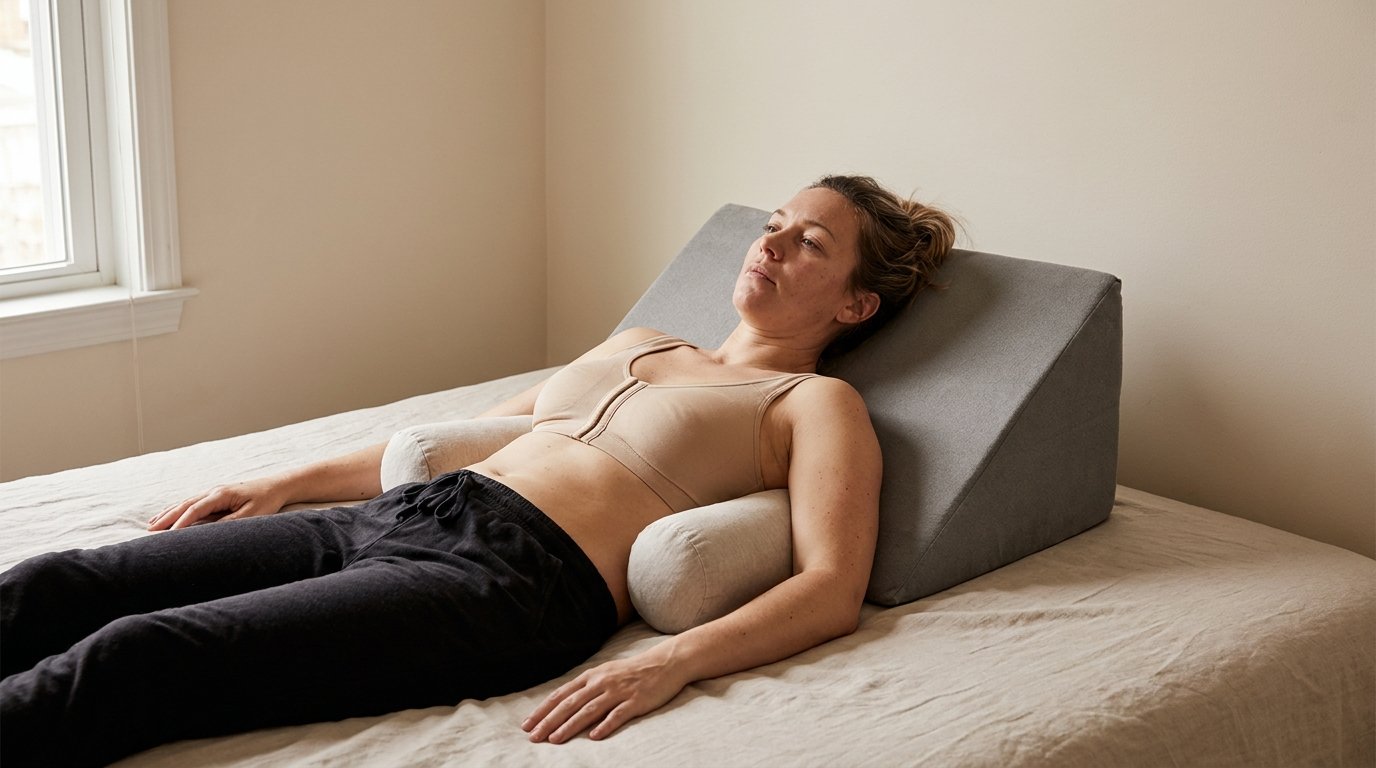
By the second week, day-to-day movement is often easier, though swelling and breast firmness are still very normal. Light desk work may be possible depending on your job and how your recovery is going, but workouts, heavy lifting and upper-body strain still need to wait. It also takes time for the implants to settle and for the lifted breast shape to soften.
A useful rule is to separate “functional recovery” from “settled appearance.” You may feel much better before the breasts look final. That can take several months. If you want a fuller sense of the implant side of healing, healing after breast augmentation week by week gives a more detailed timeline.
A realistic travel timeline for Turkey
If you are travelling for surgery, do not plan this as a quick city-break procedure. You need time for pre-operative assessment, the operation itself and early checks before flying home. The exact stay varies by surgeon and by how extensive the lift is, but combined breast surgery generally needs a longer, more careful travel plan than very minor cosmetic procedures.
Your quote should make clear whether the package includes hotel, transfers, surgical bra, medications, follow-up visits and who answers you after hours if you have concerns. If you are comparing options, what an all-inclusive surgery package in Turkey usually includes can help you ask better questions.
What risks should you discuss before choosing a combined procedure?
The risks include those of implants and those of a breast lift, plus the extra challenge of doing both together. That means bleeding, infection, delayed wound healing, visible scarring, asymmetry, changes in nipple sensation, implant malposition, and the possibility of revision surgery. Implant-specific issues such as capsular contracture can still happen later, even if the initial surgery heals well.
The American Society of Plastic Surgeons notes that breast augmentation carries risks including implant rupture, capsular contracture and changes in nipple or breast sensation. A lift adds its own concerns around scarring and skin healing. Combined surgery is not automatically unsafe, but it is less forgiving of poor planning, oversized implants and rushed aftercare.
One of the key safety questions is whether the surgeon is board-certified in plastic surgery and whether the operating facility is properly accredited. In Europe, EBOPRAS is one recognised board for plastic, reconstructive and aesthetic surgery. That is not the only credential that matters, but it is the kind of formal training marker worth checking alongside actual experience in breast surgery.
You should also ask who handles complications if you return home and develop a problem. Good medical travel planning is not only about the operation day. It is about communication speed, clear follow-up instructions and a named route for urgent advice.
🚨 A red flag in consultation Be cautious if you are offered a large implant without a clear discussion of skin quality, nipple position, scar pattern and wound-healing risk.
- ✓Ask which part of your anatomy makes you suitable for one-stage surgery rather than staged surgery.
- ✓Ask what scar pattern is expected and where those scars usually sit.
- ✓Ask what implant size range is considered safe for your tissue quality.
- ✓Ask how aftercare works once you are back home.
How should you compare quotes and choose a clinic in Turkey?
When you compare providers, the most useful question is not “who is cheapest?” but “what exactly is being planned, by whom, and with what aftercare?” Combined breast surgery is not a standardised product. The surgeon’s assessment of your droop, tissue quality and implant goals changes the whole plan.
A proper quote should explain what is included around the surgery, not just the operation itself. That usually means consultation steps, hospital fees, anaesthesia, garments, medications, hotel and transfers if offered, as well as the timing of follow-up checks. Personalised pricing is normally confirmed after your photos or examination are reviewed.
Communication matters more than many patients expect. Slow replies, vague answers and copy-paste recommendations often predict a stressful experience later. Good coordination should feel clear rather than pushy. You should know who your point of contact is, when the surgeon reviews your case and what happens if the plan changes after your in-person assessment.
For a broader look at breast surgery travel planning, breast augmentation in Turkey: cost, safety and recovery and how long to stay in Turkey for breast surgery are useful next reads.
What should you decide before your consultation?
Before speaking to a surgeon, it helps to decide which matters most to you: more volume, a higher breast position, less droop in clothes, more upper fullness, smaller areolas, or avoiding implants if possible. Many patients say they want “bigger breasts,” but on examination the real issue may be that the nipples sit low or the breast has emptied at the top.
It is also worth deciding how you feel about scars. A lift can make a breast look more youthful and better positioned, but it does this by trading extra scars for better shape. That trade is acceptable to many women, but it should be a conscious decision.
Finally, be honest about your timeline. If you have a big event, a beach holiday or a tight work schedule, mention it early. Combined surgery can be very rewarding in the right candidate, but it is not the operation to choose if you need to look completely settled almost immediately.
This article is for informational purposes only and does not constitute medical advice. Always consult a qualified surgeon for personalised guidance.
Frequently Asked Questions
References
- 📎American Society of Plastic Surgeons — Cosmetic Procedures
- 📎NHS — Cosmetic Procedures
- 📎EBOPRAS
- 📎BAAPS
Related Articles



You Might Also Like


Related articles


Our specialists
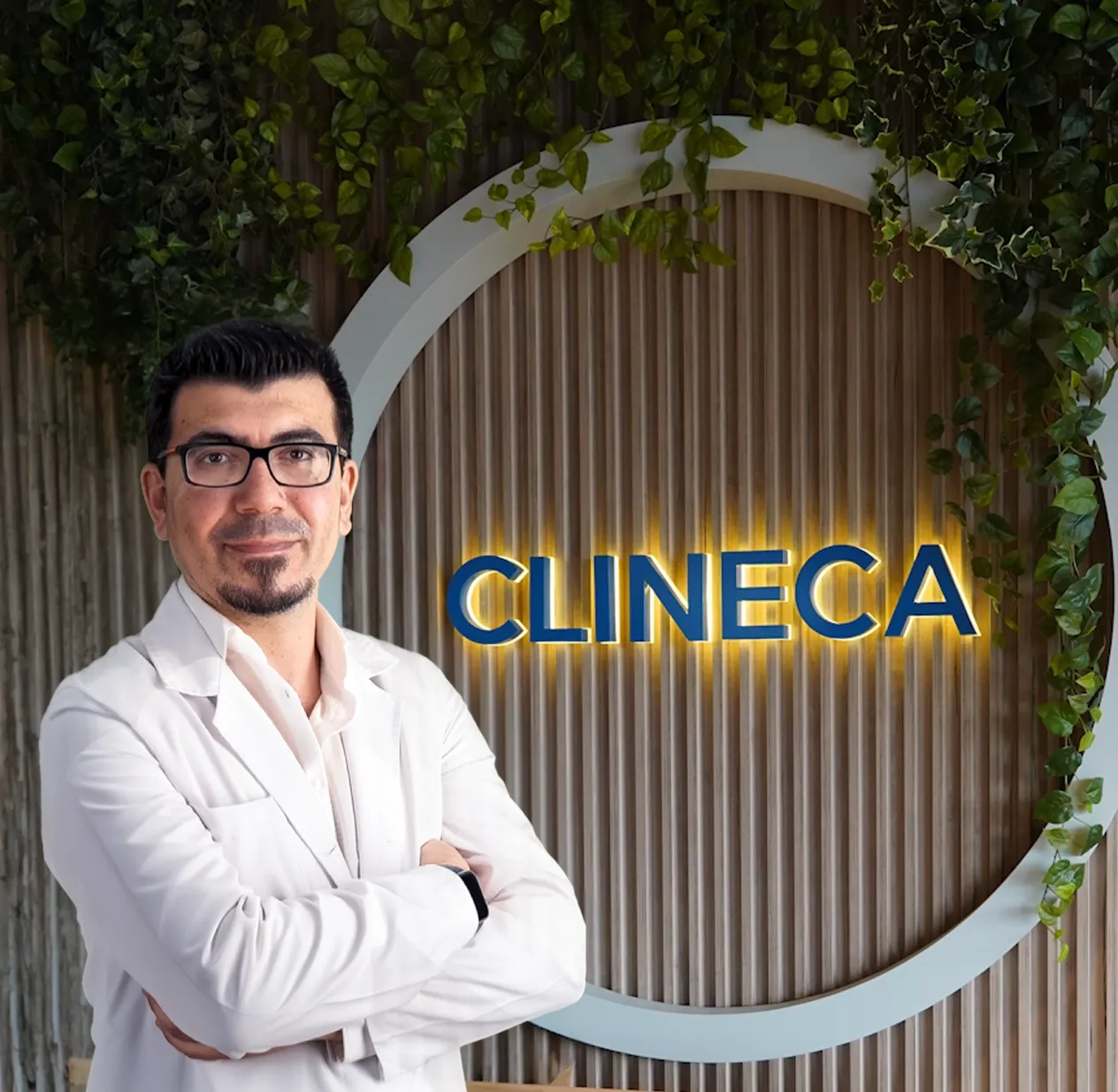 Clineca SpecialistErkan PinegözPlastic & Reconstructive Surgery
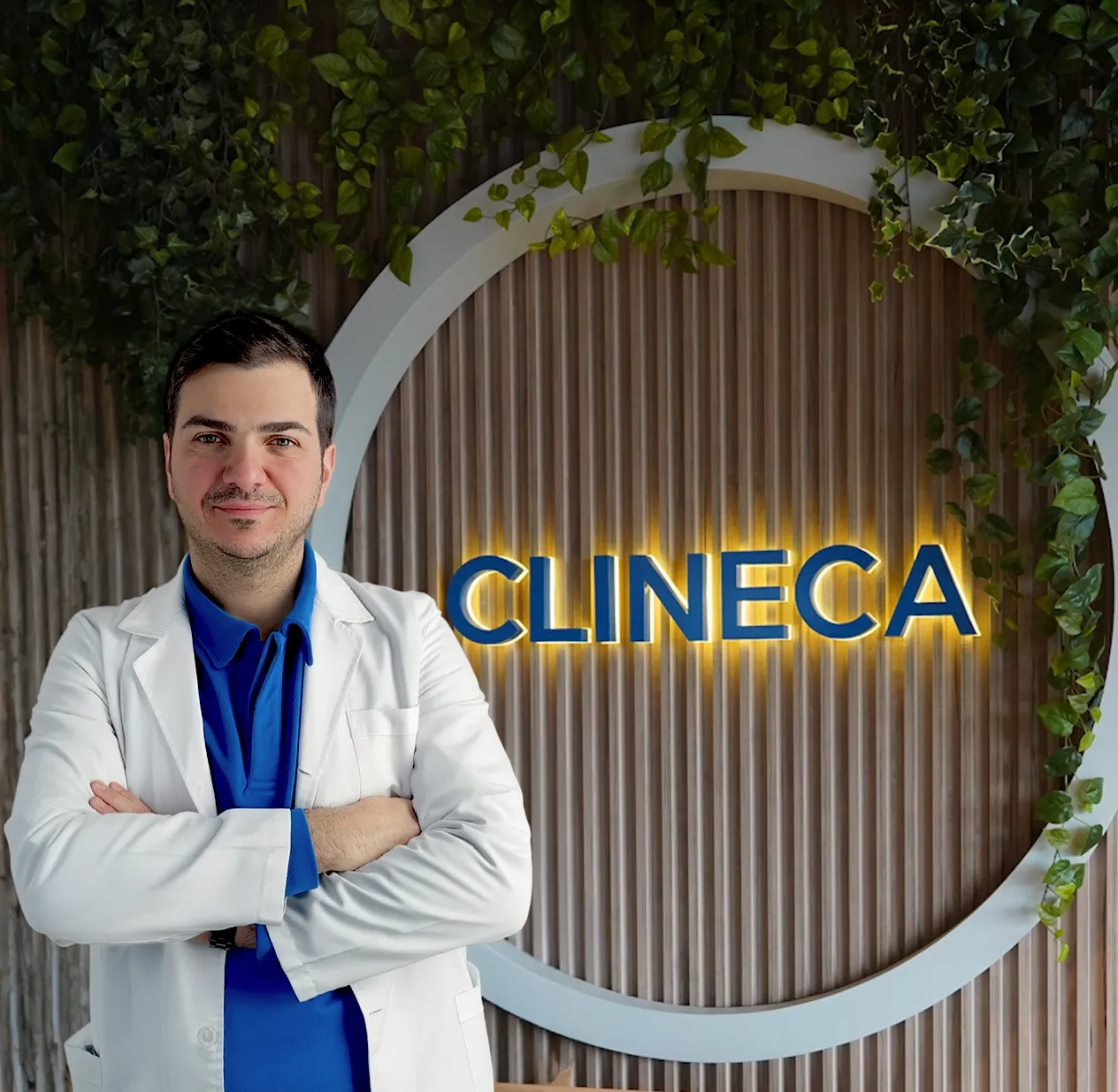 Clineca SpecialistHakan AktaşPlastic & Reconstructive Surgery
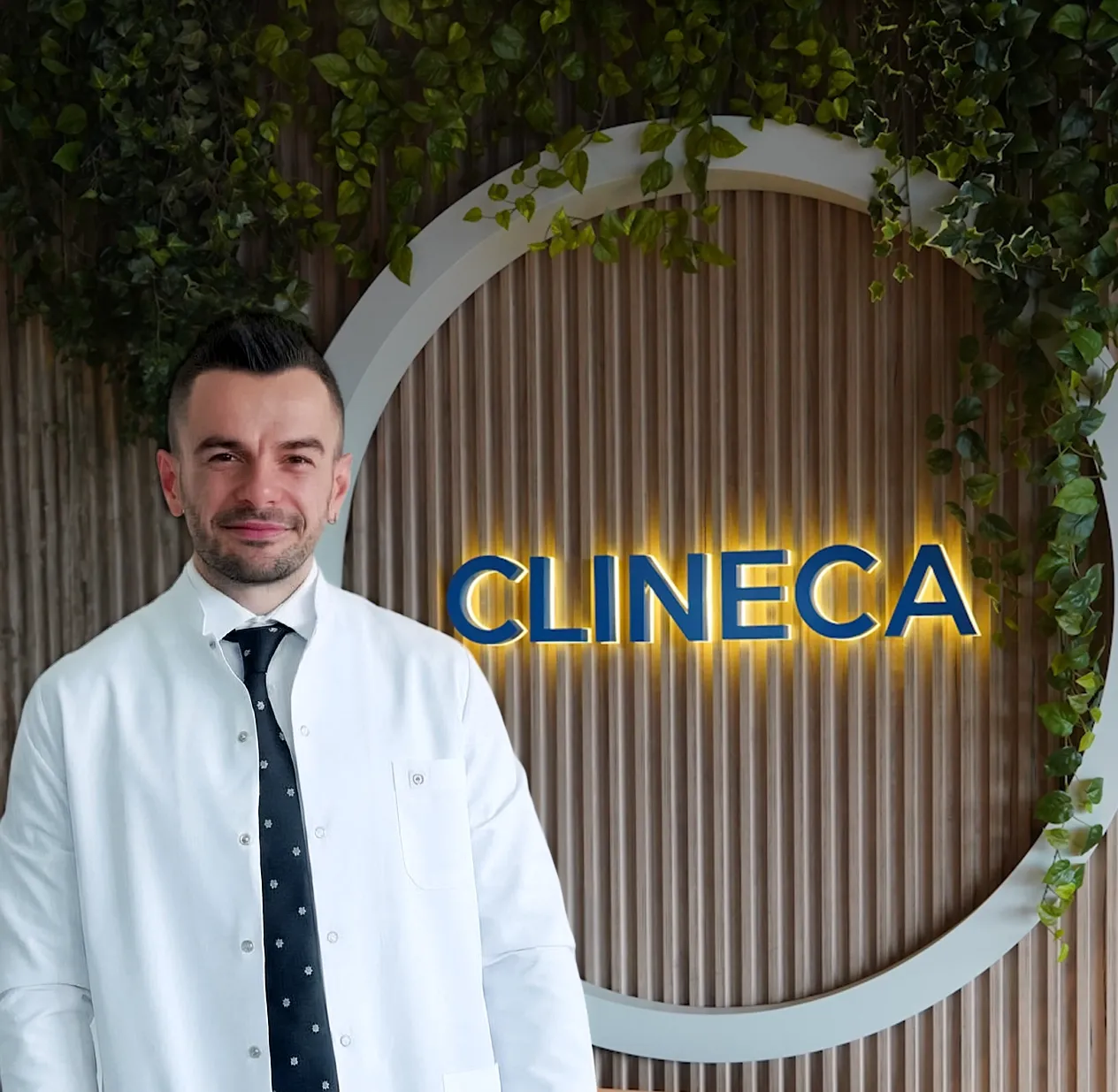 Clineca SpecialistOrkun UzuneyüpoğluPlastic & Reconstructive Surgery
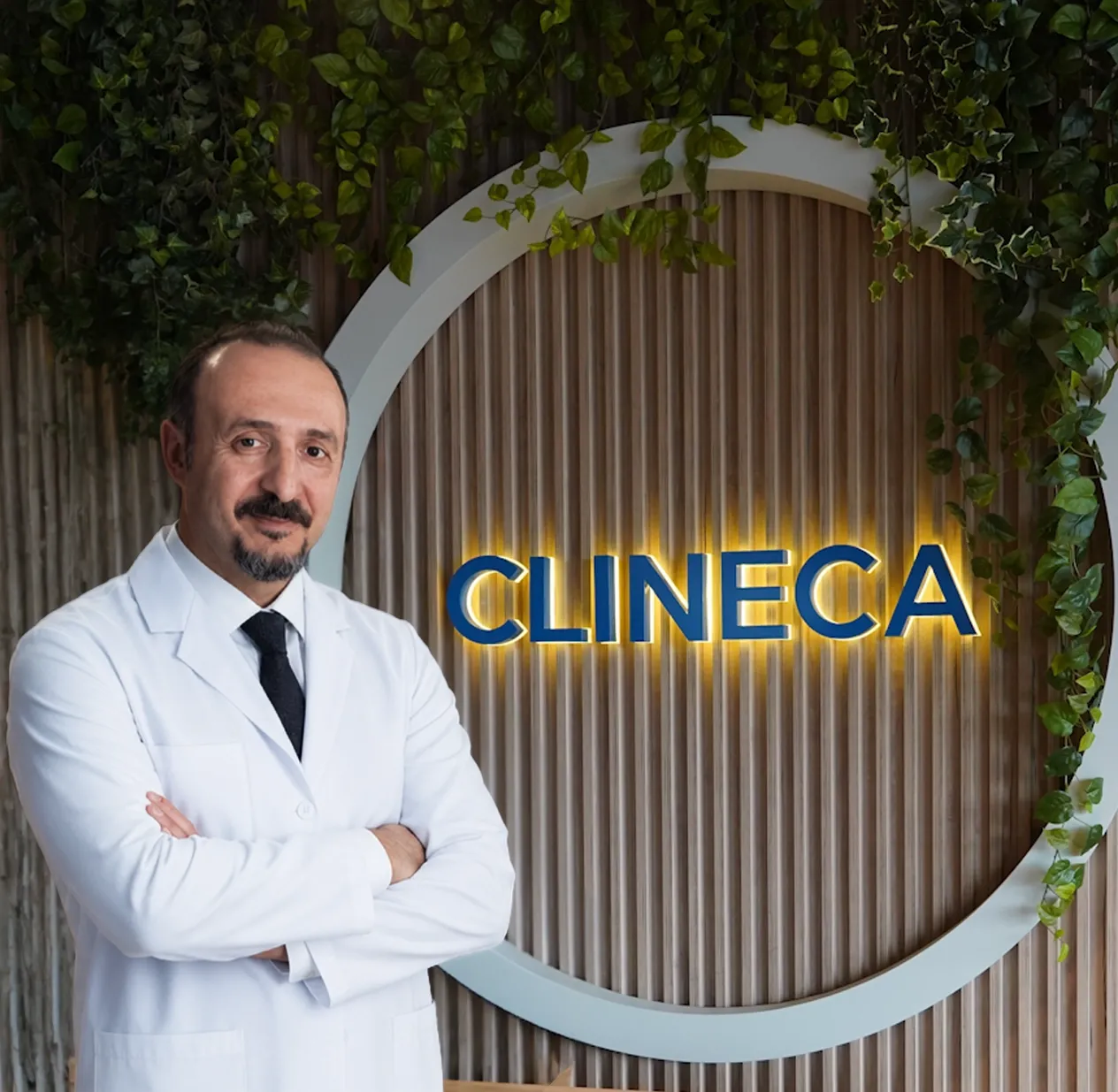 Clineca SpecialistSalim İskenderPlastic & Reconstructive Surgery
 Clineca SpecialistEngin SelamioğluPlastic & Reconstructive Surgery
 Clineca SpecialistCem AydınPlastic & Reconstructive Surgery
 Clineca SpecialistAlperen ÖnalEar, Nose & Throat (ENT)