
Have a question about Rhinoplasty?
In this article
- Can you have septoplasty and rhinoplasty at the same time?
- What is the benefit of combining them in one operation?
- Who is suitable for septorhinoplasty?
- How much does combined septoplasty and rhinoplasty cost?
- How long does it take to recover from septoplasty and rhinoplasty together?
- Is it safe to combine septoplasty and rhinoplasty?
- How long should international patients stay after surgery?
- How do you choose the right surgeon and clinic pathway?
Yes — if you need both breathing correction and shape changes, septoplasty and rhinoplasty can often be done at the same time in one operation, commonly called septorhinoplasty. In most cases, recovery is similar to rhinoplasty alone, but whether this is the right plan depends on your anatomy, goals, and whether functional nose surgery inside the nose is genuinely needed.
Can you have septoplasty and rhinoplasty at the same time?
If you are asking can I have septoplasty and rhinoplasty at the same time, the short answer is usually yes. Septoplasty treats a deviated septum, which is the wall of cartilage and bone that divides the two sides of the nose. Rhinoplasty changes the outer shape of the nose. When both problems are present, many surgeons plan them together.
This can make sense because the septum and the outer nose are closely linked. A crooked septum may contribute to blocked breathing, and the septum can also affect how straight or balanced the nose looks from the outside. In some cases, septal cartilage is even used during a nose job to support the bridge or tip.
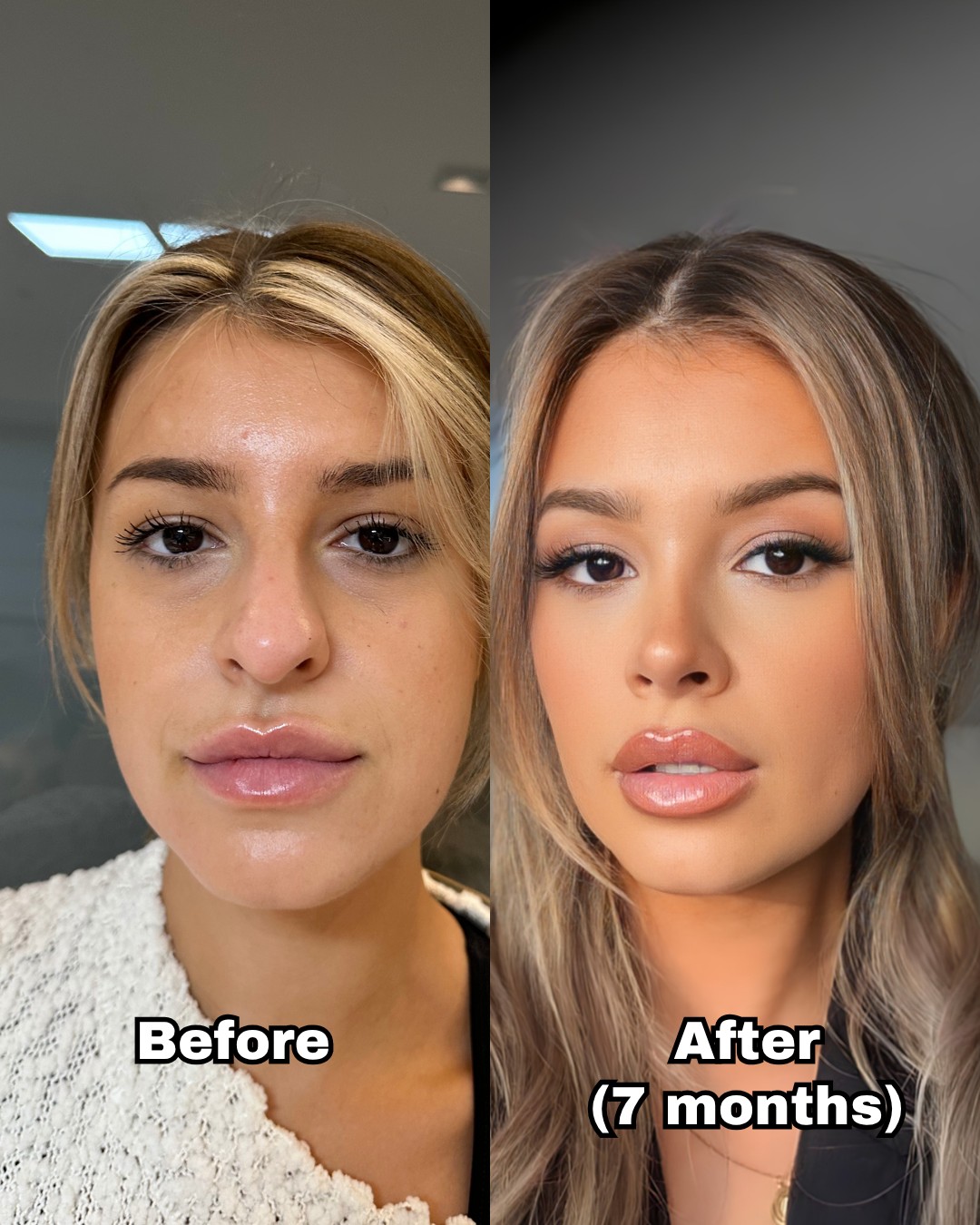
That said, combining the two is not automatic. Some people think they need septoplasty because they feel blocked, but the real issue may be allergies, swollen internal tissues, or valve collapse rather than a septum problem alone. Others want cosmetic changes only and do not need functional work. A careful exam matters more than the label.
If you are comparing options, it helps to understand the terms clearly. A standard septoplasty focuses on airflow. A cosmetic rhinoplasty focuses on appearance. A septorhinoplasty addresses both in one operation.
For a general overview of rhinoplasty, readers often start with the clinic’s rhinoplasty page, then arrange a personalised review through the consultation page.
📋 Useful term to know When septoplasty and rhinoplasty are combined, surgeons often call it septorhinoplasty.
Yes. Septoplasty and rhinoplasty are often combined in one operation when a patient wants to improve breathing and change the shape of the nose at the same time. This combined approach is commonly called septorhinoplasty. It can reduce the need for two separate recoveries, but it is not suitable for every nose or every goal.
What is the benefit of combining them in one operation?
For the right patient, doing both together is often practical. The surgeon can assess the structure of the whole nose in one plan rather than trying to fix function first and shape later, or the other way round. This matters because changes to the septum can influence tip support, symmetry, and the final look.
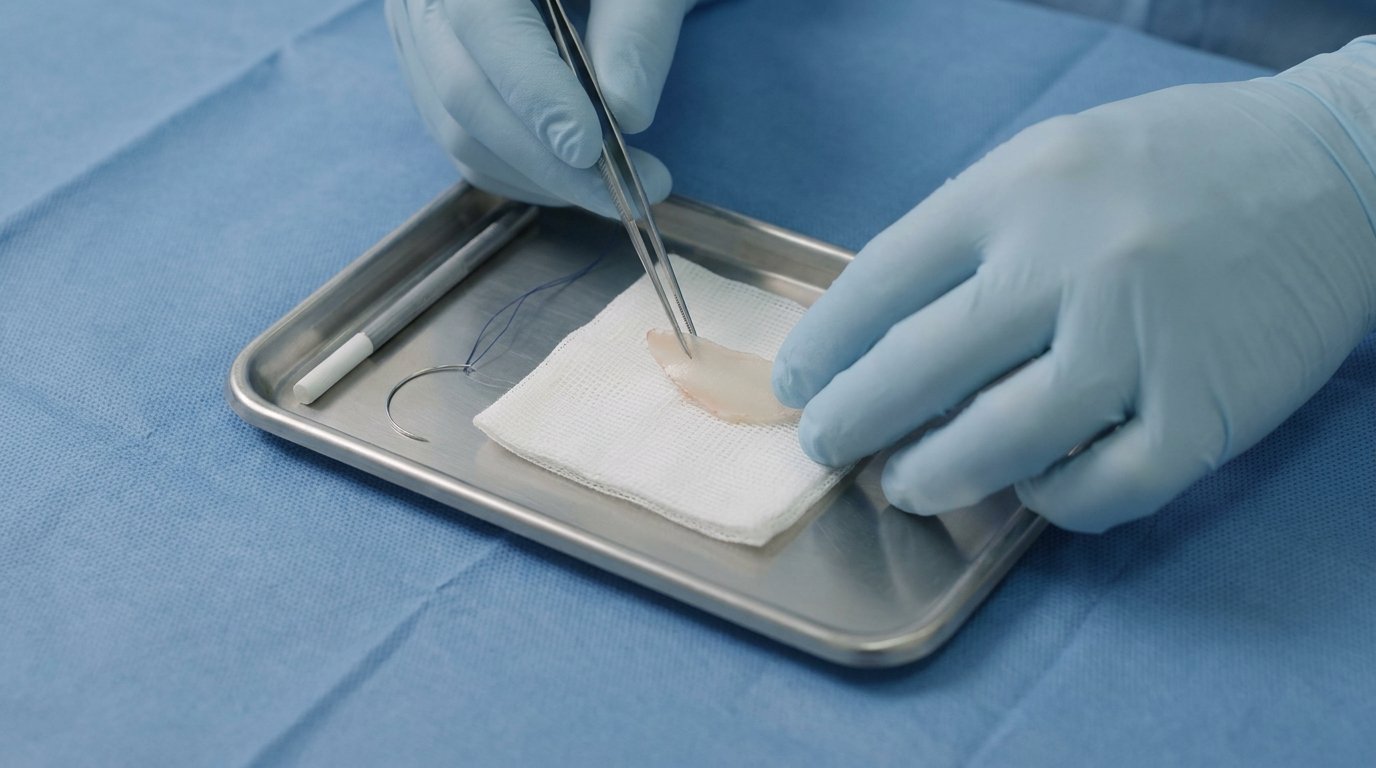
There is also a recovery advantage. Instead of going through two separate operations, two rounds of swelling, and two periods away from work or travel, you recover once. That does not make healing quick, but it can make the overall process simpler.
The trade-off is that combined surgery is more detailed than a basic nose jobs procedure aimed at one issue only. A patient who only wants a small cosmetic refinement may not need septoplasty. Equally, a patient with breathing symptoms may need more than a septoplasty if the outer nose also contributes to airway collapse.
A 1996 paper in Plastic and Reconstructive Surgery described a septoplasty technique designed for use when functional problems exist alongside cosmetic nasal surgery. The point is not that one technique suits everyone, but that surgeons have long recognised the value of treating structure and appearance together when the case calls for it.
You have both cosmetic concerns and a clear structural breathing problem confirmed during examination.
Your goals are minor, your breathing issue is not septum-related, or your surgeon recommends a staged plan for safety or precision.
The main benefit is that one operation can address breathing and appearance together. That usually means one anaesthetic, one recovery period, and one surgical plan for the whole nose. The trade-off is that the operation can be more complex and planning needs to be more precise than with a simple cosmetic rhinoplasty alone.
Who is suitable for septorhinoplasty?
Suitable candidates are usually people who have both functional and cosmetic concerns. That might mean a visibly crooked nose with a deviated septum, long-term blockage on one side, or breathing trouble after an injury along with shape concerns.
You will usually need a proper nose exam rather than a quick photo review. Surgeons look at the septum, the turbinates inside the nose, the skin thickness, tip support, prior injury, and whether previous surgery has changed the internal structure. They also ask about allergies, sinus symptoms, smoking, and how realistic your goals are.
A good consultation should also cover what cannot be promised. A nose job before and after gallery can be useful for style and proportion, but your result depends on your own starting anatomy, healing pattern, and scar behaviour. No ethical surgeon should guarantee a specific final look.
If you are travelling for treatment, it is also reasonable to ask exactly how care is organised. Clineca presents itself as a medical travel facilitator and patient-coordination service; the operation itself should be carried out by the treating surgeon and hospital team identified to you before you commit. You can review background information on the about page and surgeon profiles on the doctors page.
- ✓You want both better airflow and a cosmetic change.
- ✓A deviated septum or related structural issue has been confirmed on examination.
- ✓You understand that swelling can hide the final result for months.
- ✓You are fit enough for surgery and can follow recovery instructions carefully.
How much does combined septoplasty and rhinoplasty cost?
For this topic it is more useful to understand what changes the price than to rely on a headline figure. Septorhinoplasty is not priced like a standard product. Two patients can both be told they need a nose job, yet one may need simple straightening while another needs internal reconstruction, grafts, and more operating time.
In practical terms, the quote usually reflects surgical complexity, whether the nose has been operated on before, whether cartilage grafts are needed, where the surgery is carried out, and what is included in aftercare. Travel logistics can also affect the overall spend for international patients, especially if a longer stay is recommended.
You should also ask what happens if the surgeon finds that the internal support of the nose needs more work than expected. Sometimes this is visible in advance; sometimes it becomes clearer during the operation. That does not mean the plan is vague, but it does mean a proper quote has to follow a real consultation, not just a message asking “how much rhinoplasty cost?”.
⚠️ Price should not be the only filter For combined functional and cosmetic nose surgery, a very low headline price may leave out important details such as surgeon review, hospital fees, or structured follow-up.
There is no single fixed price for combined septoplasty and rhinoplasty. The cost is highly variable and depends on the complexity of the nose surgery, the surgeon’s experience, the hospital, anaesthesia, aftercare, and whether revision work or grafting is needed. A personalised quote is usually confirmed only after consultation.
How long does it take to recover from septoplasty and rhinoplasty together?
Recovery after combined surgery is usually driven more by the rhinoplasty part than the septoplasty part. In other words, the first week is often about swelling, a blocked feeling, tenderness, and adjusting to a splint if one is used. Many people are presentable enough for light public activity after around 10 to 14 days, but they do not look fully healed.
Breathing can be a little confusing early on. Some patients expect immediate relief because the septum has been straightened, but internal swelling can temporarily make the nose feel more blocked before it improves. That is normal in many cases.
According to Mayo Clinic guidance on rhinoplasty, swelling can continue to change the appearance of the nose for many months. The NHS also advises that recovery from cosmetic nasal surgery takes time, with swelling and bruising expected in the early period. That is why a realistic timeline matters more than a dramatic before and after in the first few weeks.
A 2015 study in European Archives of Oto-Rhino-Laryngology looked at symptom relief after septoplasty and found that long-term satisfaction with breathing symptoms is not uniformly perfect across all patients. That is useful context: surgery can help the right person, but it is not magic, and expectations need to be grounded in anatomy and healing.
Most people feel noticeably better after the first one to two weeks, but full recovery is much longer. You can expect bruising, swelling, and congestion early on, with the nose still changing over several months. Final refinement, especially at the tip, often takes close to a year and sometimes longer.
Is it safe to combine septoplasty and rhinoplasty?
In many cases, combining the operations is a reasonable and established approach. The question is not whether it can ever be done safely, but whether it is appropriate for your nose, your goals, and your health.
The risks are broadly similar to rhinoplasty and septoplasty done separately: bleeding, infection, prolonged swelling, scarring inside the nose, ongoing breathing symptoms, cosmetic asymmetry, and the chance that you may want or need further surgery later. The American Society of Plastic Surgeons explains that rhinoplasty carries risks such as bleeding, infection, poor wound healing, and the need for additional surgery in some cases.
A 2020 study in European Archives of Oto-Rhino-Laryngology examined a limited-approach septoplasty technique in selected patients and reported short- and mid-term results while aiming to minimise complications. The important part for patients is not the named technique itself, but the principle: a less extensive internal operation may be appropriate in selected noses, while other noses need a more traditional approach.
There is also a 2015 Laryngoscope study on septoplasty performed at the same time as certain throat operations. It is not a rhinoplasty study, so it should not be used to claim safety data for septorhinoplasty directly. At most, it shows that researchers do examine how septoplasty behaves when combined with other procedures, but your own risk discussion should stay specific to nose surgery.
🚨 Revision risk is real Even well-planned nose surgery can leave persistent breathing or cosmetic concerns. Patients should understand that revision surgery is sometimes needed, especially in complex or previously operated noses.
Combined septoplasty and rhinoplasty can be appropriate when planned carefully by an experienced surgeon, but it still carries the normal risks of nose surgery. These include bleeding, infection, persistent blockage, asymmetry, dissatisfaction with appearance, and the possibility of revision surgery. Safety depends on patient selection, surgical setting, and honest planning.
How long should international patients stay after surgery?
If you are travelling for rhinoplasty for nose concerns and internal breathing correction together, plan for more than a quick weekend trip. The surgeon usually needs to see you in the first postoperative period, often around the time a splint is removed and early healing is checked.
For most international patients, staying roughly 7 to 10 days is a practical minimum, and some cases need longer. If the surgery is more complex, if packing or splints need staged review, or if bruising and swelling are significant, extra days may be sensible. Flying too soon is mainly uncomfortable rather than automatically dangerous, but congestion, pressure, and the need for early review make rushing home unwise.
You should also know who to contact once you return home, how remote follow-up is handled, and what would happen if you developed heavy bleeding, fever, worsening pain, or increasing asymmetry. Good planning matters as much as the flight itself.
- →Ask for the name of the treating surgeon and hospital before booking travel.
- →Confirm how many in-person follow-up visits are expected before you fly home.
- →Avoid planning major sightseeing in the first few days; you may feel tired and congested.
- →Arrange a flexible return flight in case swelling or review timing changes.
How do you choose the right surgeon and clinic pathway?
For a combined functional and cosmetic operation, experience with both aspects matters. A surgeon who only thinks about appearance may miss airway problems. A surgeon who focuses only on septal straightening may not fully address the cosmetic part you actually care about. You want someone who can explain the whole nose in plain language.
Ask who will perform the operation, what their background is, where the surgery will take place, and whether the hospital is properly accredited. If you are booking from abroad, ask for a clear written plan covering pre-op tests, anaesthesia, follow-up, and what is included if you need extra review after you return home.
It also helps to look for specific, not vague, communication. A strong consultation usually covers what rhinoplasty can improve, what it may not improve, how thick skin or prior trauma affects the result, and whether your breathing symptoms are likely to change. If the conversation feels sales-led rather than medically grounded, pause.
This article is for informational purposes only and does not constitute medical advice. Always consult a qualified surgeon for personalised guidance.
You are told the operating surgeon’s name, the hospital setting, the realistic limits of surgery, and the expected recovery timeline.
You are promised a perfect before-and-after result, given a price without a real assessment, or rushed to book without discussing risks.
Frequently Asked Questions
References
- 📎Long-term symptom relief after septoplasty — Eur Arch Otorhinolaryngol, 2015
- 📎The back-and-forth septoplasty — Plast Reconstr Surg, 1996
- 📎Hybrid Dorsal Preservation Rhinoplasty: Reediting an Aesthetic Dorsum — Aesthetic Plast Surg, 2024
- 📎Does septoplasty performed at the same time as oropharyngeal surgery increase complication rates? — Laryngoscope, 2015
- 📎Short- and mid-term results of limited approach septoplasty — Eur Arch Otorhinolaryngol, 2020
- 📎NHS cosmetic procedures guidance
- 📎ASPS cosmetic procedures guidance
- 📎Mayo Clinic procedures guidance
Related Articles



You Might Also Like


Related articles



Our specialists
 Clineca SpecialistErkan PinegözPlastic & Reconstructive Surgery
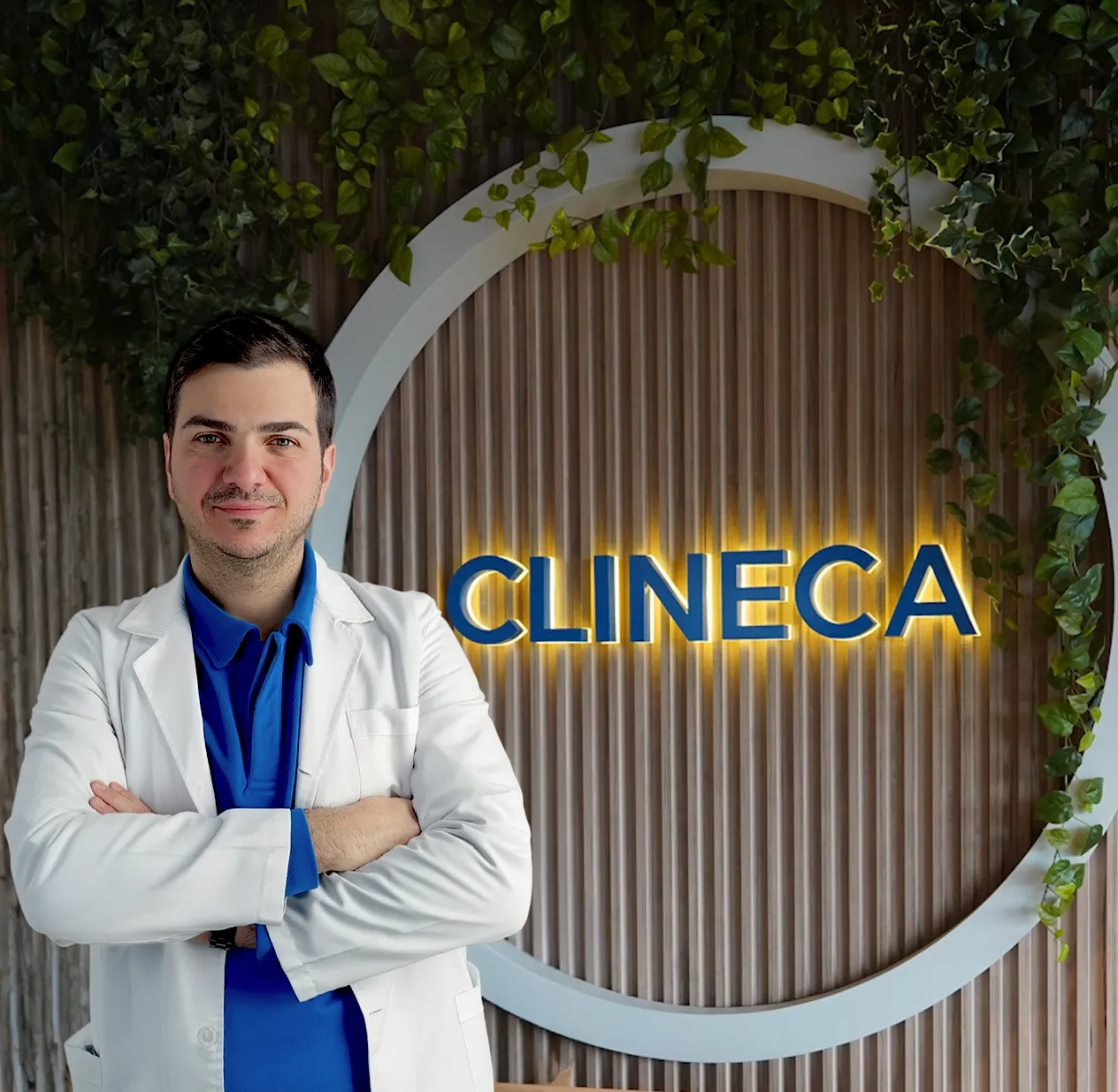 Clineca SpecialistHakan AktaşPlastic & Reconstructive Surgery
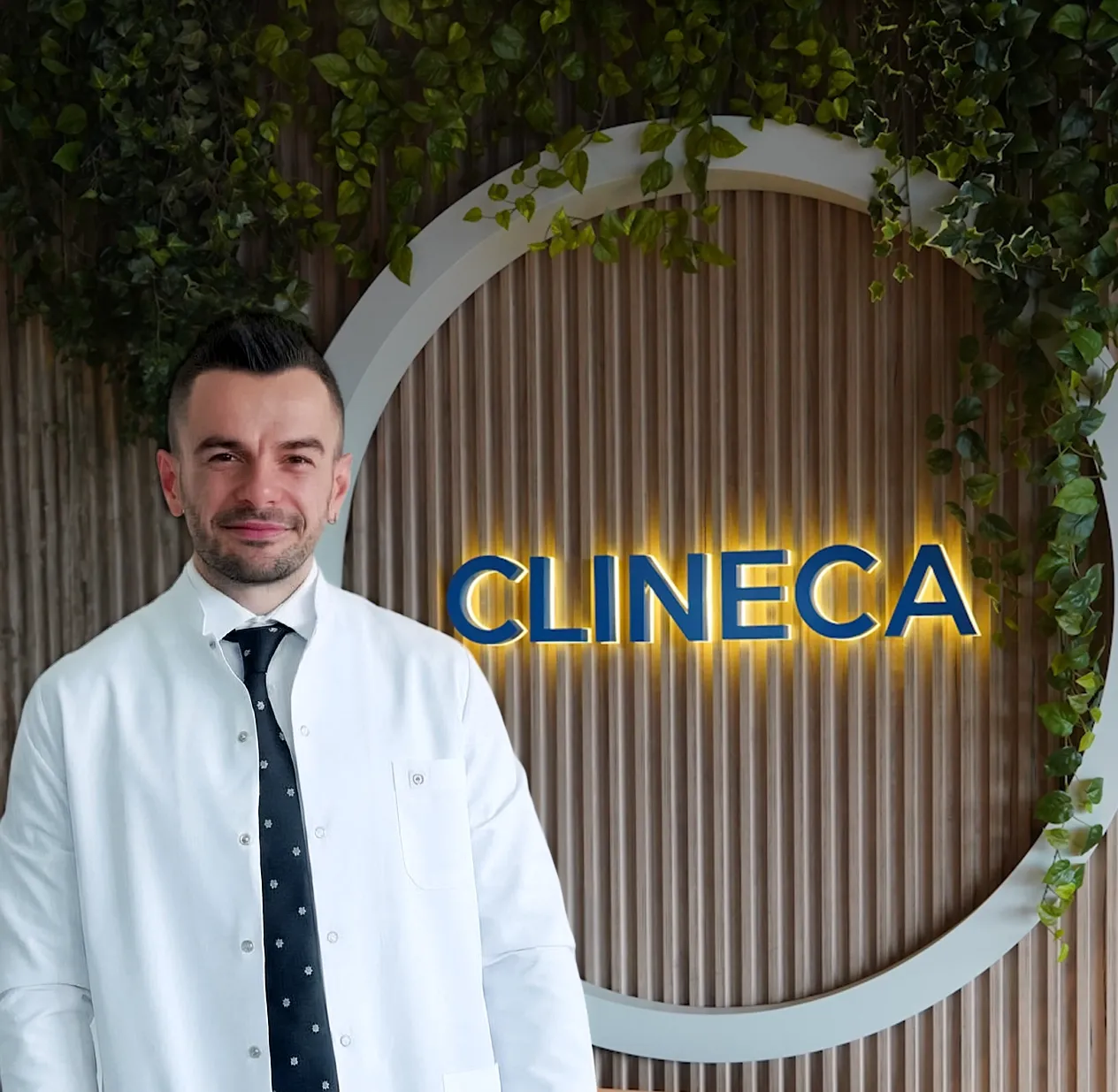 Clineca SpecialistOrkun UzuneyüpoğluPlastic & Reconstructive Surgery
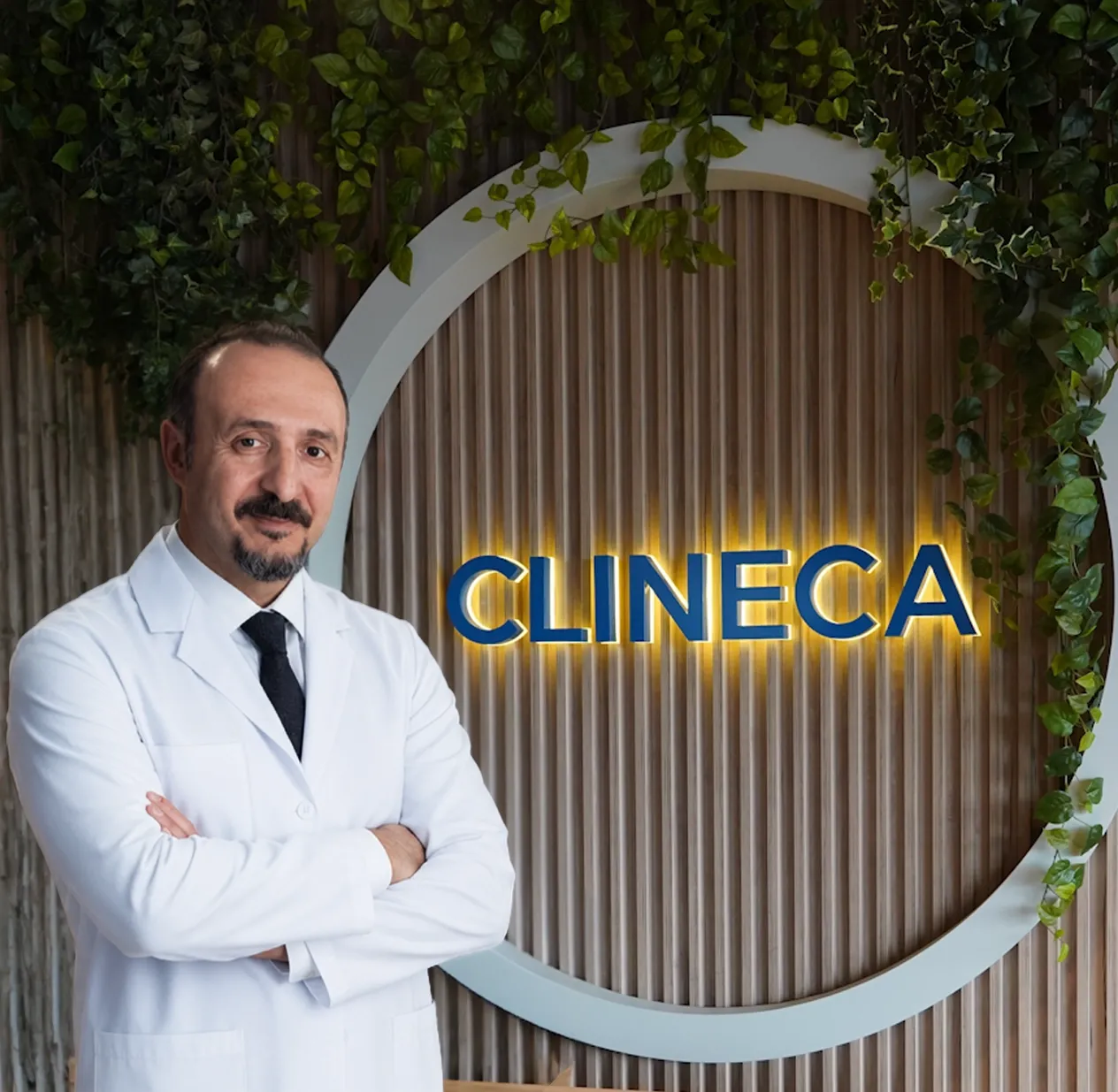 Clineca SpecialistSalim İskenderPlastic & Reconstructive Surgery
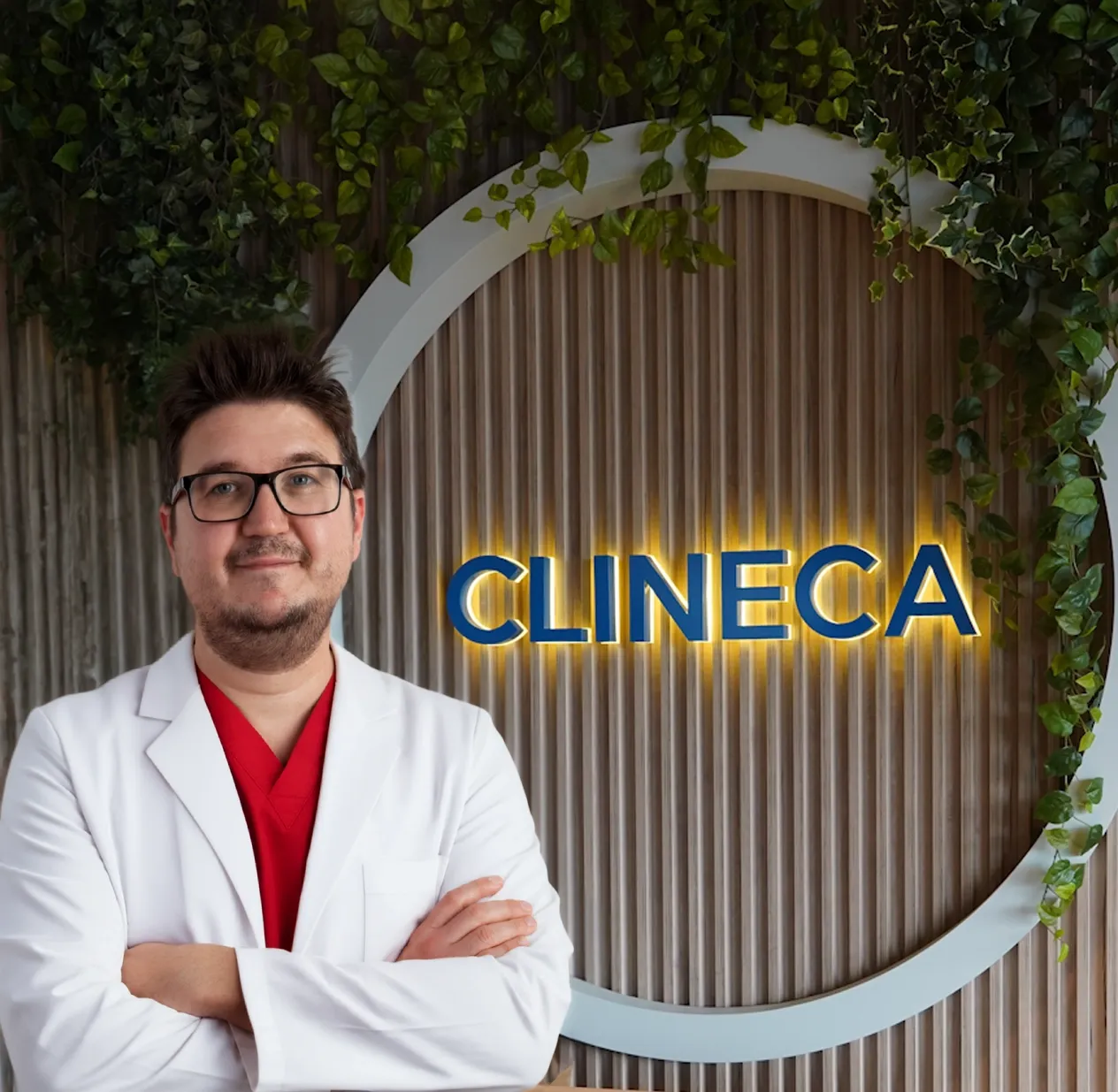 Clineca SpecialistEngin SelamioğluPlastic & Reconstructive Surgery
 Clineca SpecialistCem AydınPlastic & Reconstructive Surgery
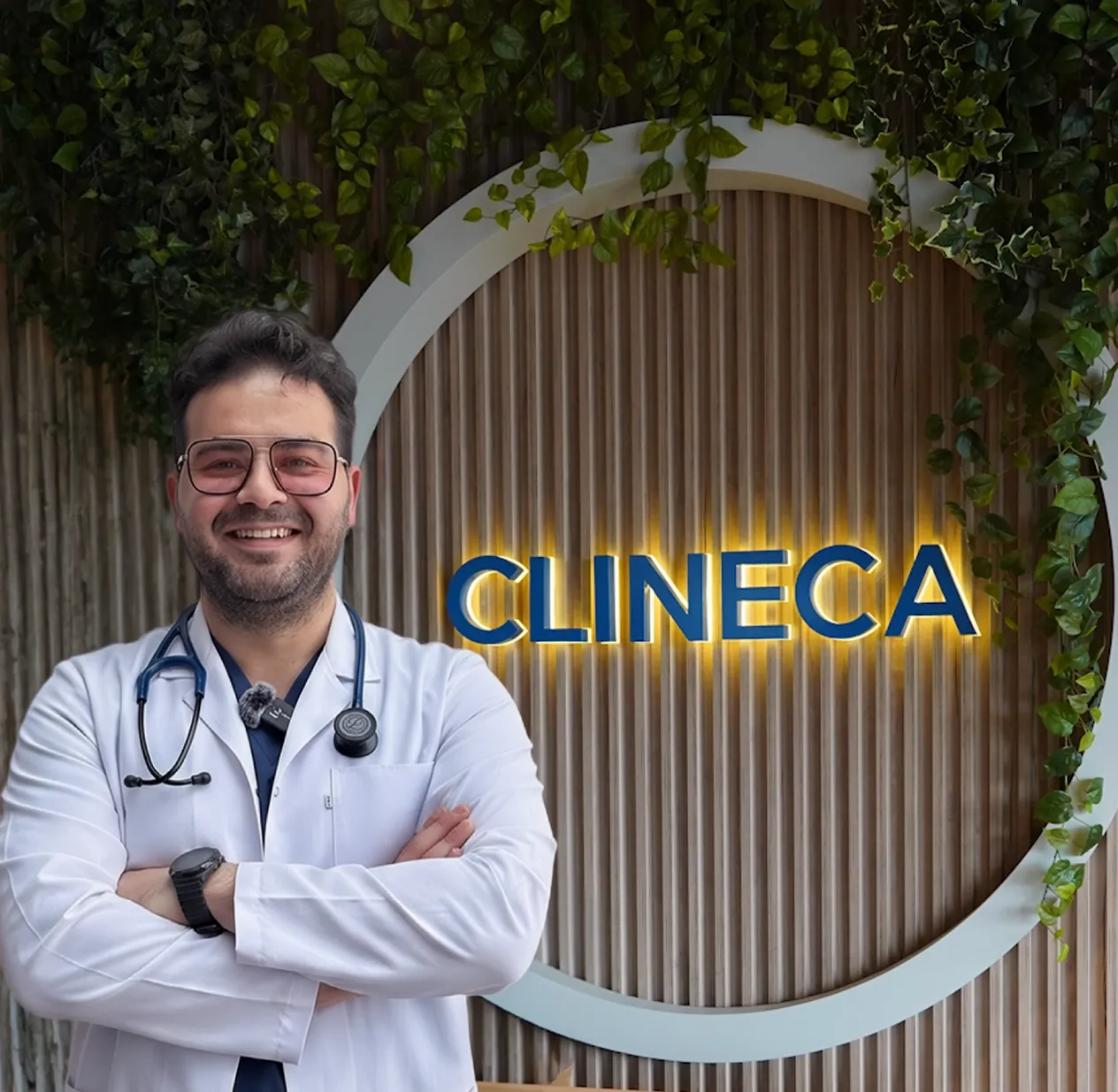 Clineca SpecialistAlperen ÖnalEar, Nose & Throat (ENT)