
Have a question about Rhinoplasty?
In this article
- What is normal numbness after rhinoplasty?
- How long does numbness usually last after a nose job?
- Why does the tip of the nose stay numb longer?
- When should numbness after rhinoplasty be checked?
- Can you do anything to help numbness improve?
- How long does it take to recover from rhinoplasty overall?
- Does cost affect numbness risk or recovery?
How long does numbness last after rhinoplasty? For most people, numbness after a nose job is most noticeable in the first few weeks and gradually improves over several weeks to a few months, although the tip of the nose can stay less sensitive for longer. The exact timeline varies, and if numbness is getting worse, staying very one-sided, or still clearly unchanged after several months, it is sensible to ask your surgeon to review it.
What is normal numbness after rhinoplasty?
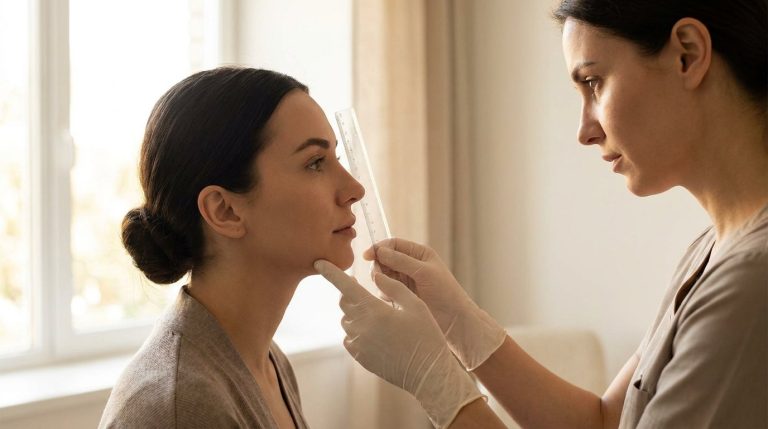
Rhinoplasty, also called a nose job or nose surgery, reshapes the nose and often involves lifting the skin away from the framework underneath. That process can temporarily affect small sensory nerves. As a result, the nose may feel numb, stiff, heavy, or oddly disconnected even when it looks as expected from the outside.
This is usually most obvious at the tip of the nose. Many patients also describe reduced feeling when washing the face, applying makeup, or touching the nostrils. Some notice that the upper lip or the area just under the nose feels different too, especially early on.
The British Association of Aesthetic Plastic Surgeons and standard postoperative advice in rhinoplasty literature both recognise temporary altered sensation as part of recovery after nasal surgery. PubMed-indexed rhinoplasty recovery literature also describes sensory changes that improve as swelling settles and small nerves recover over time.
It helps to know that numbness and swelling often travel together. A numb nose can also feel hard or tight. That does not always mean anything is wrong; it often means the tissues are still healing.
If you want a general overview of the procedure itself, see this page on rhinoplasty treatment.
📋 A common early symptom Reduced feeling after rhinoplasty is usually a temporary healing effect, not automatically a sign of nerve damage in the serious sense patients often fear.
Some numbness after rhinoplasty is common because the skin and soft tissue nerves around the nose are disturbed during surgery. It usually affects the tip, the skin over the bridge, and sometimes the upper lip or front teeth area. In most cases it improves gradually rather than disappearing all at once.
How long does numbness usually last after a nose job?
The short answer is that most people notice steady improvement, not a sudden switch back to normal feeling. Early numbness is common in the first days and weeks. By two to three months, many patients feel much closer to normal, but the tip of the nose is often still less sensitive than before.
This longer recovery at the tip makes sense anatomically. The tip has delicate skin and soft tissue, and it is often the area with the most swelling after rhinoplasty for nose reshaping. In open rhinoplasty, where a small incision is made across the strip of skin between the nostrils, temporary changes in sensation can also involve the skin around that area.
Published rhinoplasty studies indexed on PubMed describe ongoing healing for months, especially in the nasal tip. The Mayo Clinic also notes more broadly that nerves can take time to recover after surgery, which is why altered sensation may improve slowly rather than week by week in a neat pattern.
A practical way to think about it is this:
- ✓First 1 to 2 weeks: numbness is very common, especially with swelling and dressings.
- ✓Weeks 3 to 6: some feeling often starts to return, but the nose may still feel firm and unnatural.
- ✓Months 2 to 3: many patients notice clear improvement, though the tip may still feel reduced or strange.
- ✓Months 6 to 12: finer sensation can continue to improve, particularly in thicker skin or more complex revision cases.
That timeline is only a guide. A small, straightforward nose jobs procedure may settle faster than a revision rhinoplasty, tip work, or surgery inside the nose combined with structural grafting.
Most rhinoplasty numbness improves clearly within the first 6 to 12 weeks, but full return of normal sensation can take several months. The tip often takes the longest. In a smaller number of patients, subtle numbness may last 6 to 12 months or even longer before it fully settles.
Why does the tip of the nose stay numb longer?
Patients often worry because the bridge starts to feel better while the tip still seems dull months later. In rhinoplasty, that pattern is common. The tip is a delicate area, and many surgical changes in a rhinoplasty nose job focus there, especially when refining width, rotation, projection, or asymmetry.
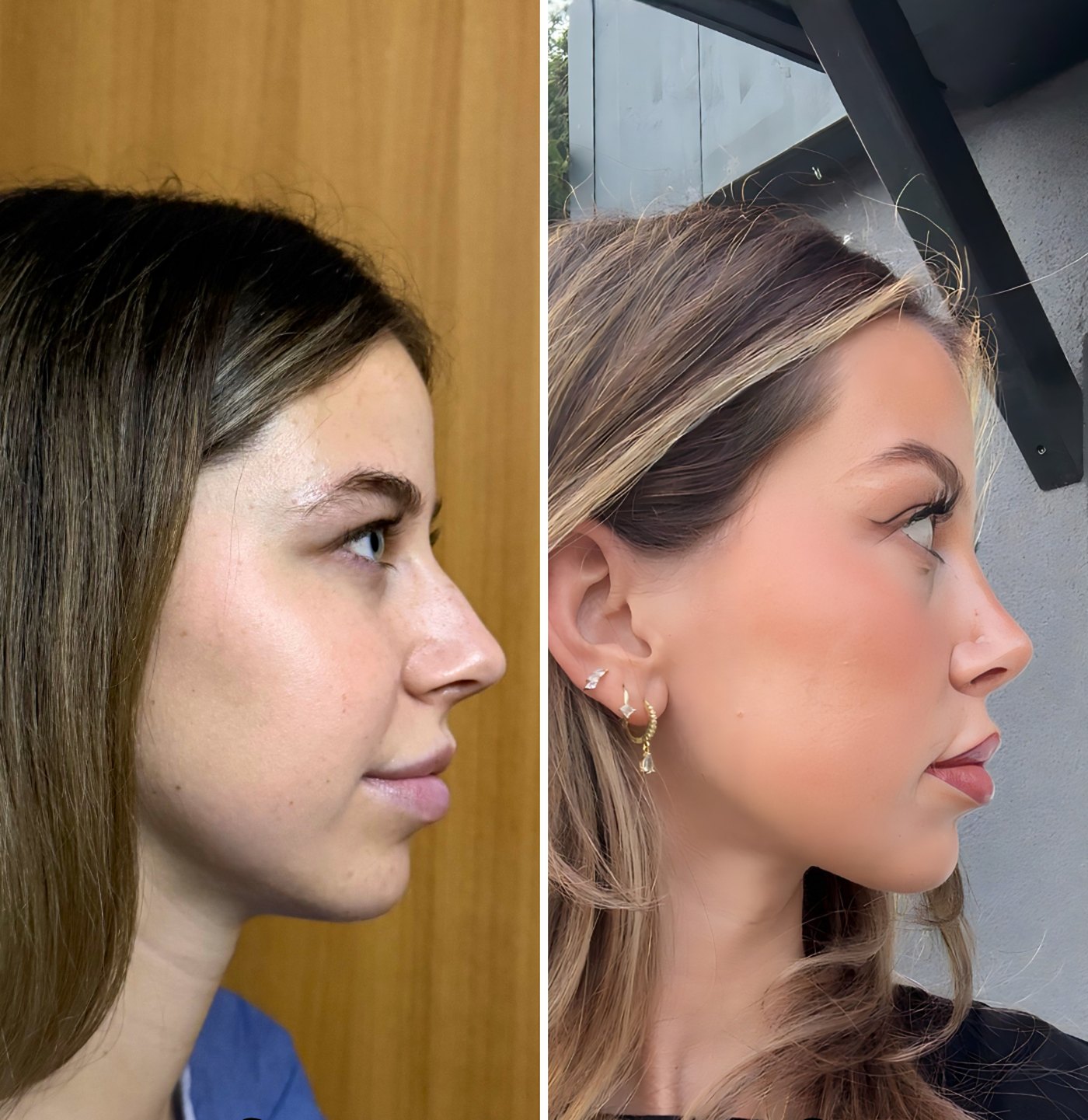
Swelling also lingers longer in the tip. When tissue remains thick and puffy, normal sensation can feel muted. Some people describe this as touching the skin through a glove. Others feel brief tingles, itching, or small electric-shock sensations. Those feelings can happen as the nerves wake up.
Revision surgery can make the timeline longer. So can thicker skin, more extensive reshaping, or cartilage grafts. That does not mean recovery is poor; it usually means recovery is slower and less linear.
The area between the nostrils, called the columella, can also stay oddly sensitive or numb for a while if you had an open approach. That usually settles with time.
Bridge feels more normal first; tip remains numb longer.
Tingling or brief prickly sensations may be part of sensory return.
The tip often stays numb longest because it usually swells more, heals more slowly, and its small sensory nerves are more affected by the lifting and reshaping done during rhinoplasty. This does not automatically mean a problem. In many patients, the tip is simply the last area to feel normal again.
When should numbness after rhinoplasty be checked?
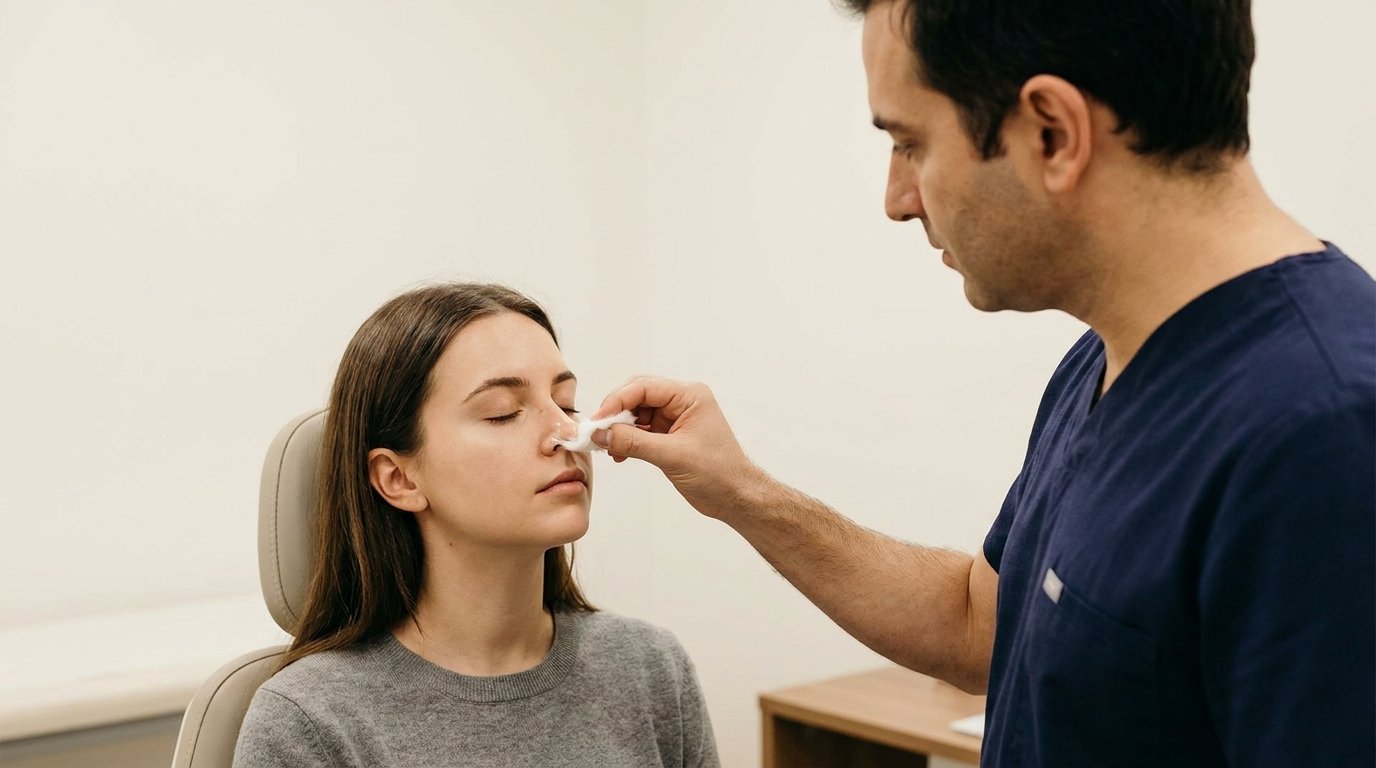
Most numbness improves slowly and quietly. What matters more than the exact day or week is the overall direction. If the numb area is gradually shrinking, that is usually reassuring. If new numbness appears suddenly after the early healing period, or if the area becomes painful, very pale, very dark, or increasingly swollen, contact your surgical team promptly.
You should also ask for review if one side feels very different from the other for a prolonged period, or if sensation is still almost completely absent without change after several months. That does not always mean permanent nerve injury, but it is not something to ignore.
The NHS advises patients after surgery to seek medical advice for concerning symptoms such as worsening pain, signs of infection, or unexpected changes in healing. In rhinoplasty specifically, surgeon follow-up matters because swelling, scar tissue, and circulation issues can sometimes mimic each other early on.
Signs that deserve earlier review
- ✓Numbness that is getting worse rather than better
- ✓Marked one-sided numbness that stays unchanged
- ✓Severe pain, increasing redness, heat, or discharge
- ✓Skin that looks pale, dusky, or unusually dark
- ✓Fever or feeling generally unwell
If you are recovering away from home after nose surgery, make sure you know who to contact out of hours and how your follow-up is arranged before you travel.
⚠️ Do not rely on internet photos alone Nose job before and after images cannot tell you whether numbness is normal in your case. Sensation problems need assessment in real life if warning signs are present.
Temporary numbness is common, but it should be reviewed if it is worsening, very uneven, linked with skin colour change, severe pain, or no meaningful improvement over months. Persistent or clearly asymmetric sensory loss does not always mean a serious problem, but it deserves professional review.
Can you do anything to help numbness improve?
You cannot force nerves to recover faster, but you can avoid making healing harder. The basics matter more than people expect. Protect the nose from bumps, follow cleaning instructions, avoid smoking if possible, and keep all follow-up appointments.
Do not massage the nose unless your surgeon has specifically told you to. The same goes for taping, creams, or facial devices you have seen online. Well-meant self-treatment can irritate healing tissue.
Good general recovery habits support healing overall. That means sleeping with your head raised if advised, keeping activity within the limits you were given, and avoiding glasses on the nose if your surgeon has told you not to wear them early on.
If you are unsure whether your symptoms match normal recovery, ask directly instead of guessing. A proper postoperative review is more useful than comparing your timeline with someone else’s rinoplastia diary online.
- ✓Follow the aftercare plan exactly as given
- ✓Avoid pressure, rubbing, and accidental knocks to the nose
- ✓Do not smoke if you can avoid it during healing
- ✓Ask before massaging, taping, or using any device on the nose
How long does it take to recover from rhinoplasty overall?
This is where many patients get caught out. They hear that the splint comes off in about a week and assume recovery is nearly done. In reality, that is only the first stage. Bruising and obvious swelling usually improve earlier than fine tip swelling and sensory changes.
In day-to-day life, many people feel comfortable going out after one to two weeks, depending on bruising. Exercise, sleeping positions, glasses, and travel plans can still need some adjustment. The nose may also feel blocked inside even when the outside looks better.
So if you are asking how long does it take to recover from rhinoplasty, the honest answer is that visible recovery and internal recovery are not the same thing. Numbness belongs to the slower, quieter part of healing.
If you are still deciding whether surgery is right for you, a proper preoperative discussion matters more than searching for “rhinoplasty near me” and comparing photos alone. You can read about the team background on the doctors page or request personalised advice through the consultation page.
Overall rhinoplasty recovery is longer than the first visible healing stage. Many people are socially presentable after a couple of weeks, but swelling, stiffness, and numbness can continue improving for months. Final healing, especially in the nasal tip, often takes much longer than patients expect.
Does cost affect numbness risk or recovery?
People often ask, how much is rhinoplasty, or how much does a rhinoplasty cost, while also worrying about recovery. Those are fair questions, but numbness recovery is not something you can judge by price alone.
A more complex rhinoplasty for nose reshaping, tip work, breathing correction, or revision surgery may involve more swelling and a longer sensory recovery simply because more tissue work is being done. That does not make it unsafe by itself, but it does mean the healing timeline can be longer.
For this reason, the useful question is not only what is rhinoplasty or how much is a nose job. It is also what exactly is being changed, what approach is planned, and what follow-up will happen if healing is slower than average. Final pricing is usually confirmed after consultation because anatomy, goals, and surgical complexity vary from person to person.
Price alone does not predict how much numbness you will have or how quickly it will settle. What matters more is the complexity of the surgery, whether it is primary or revision rhinoplasty, the surgical approach used, and the quality of assessment and follow-up. A personalised quote is normally given after consultation.
For a full breakdown of prices, packages and safety checks, see our rhinoplasty in Turkey cost and safety guide.
Frequently Asked Questions
References
- 📎PubMed search: rhinoplasty recovery sensation numbness
- 📎PubMed search: nasal tip sensation after rhinoplasty
- 📎NHS: Cosmetic procedures
- 📎Mayo Clinic: Tests and procedures
Related Articles

You Might Also Like


Related articles
Our specialists
 Clineca SpecialistErkan PinegözPlastic & Reconstructive Surgery
 Clineca SpecialistHakan AktaşPlastic & Reconstructive Surgery
 Clineca SpecialistOrkun UzuneyüpoğluPlastic & Reconstructive Surgery
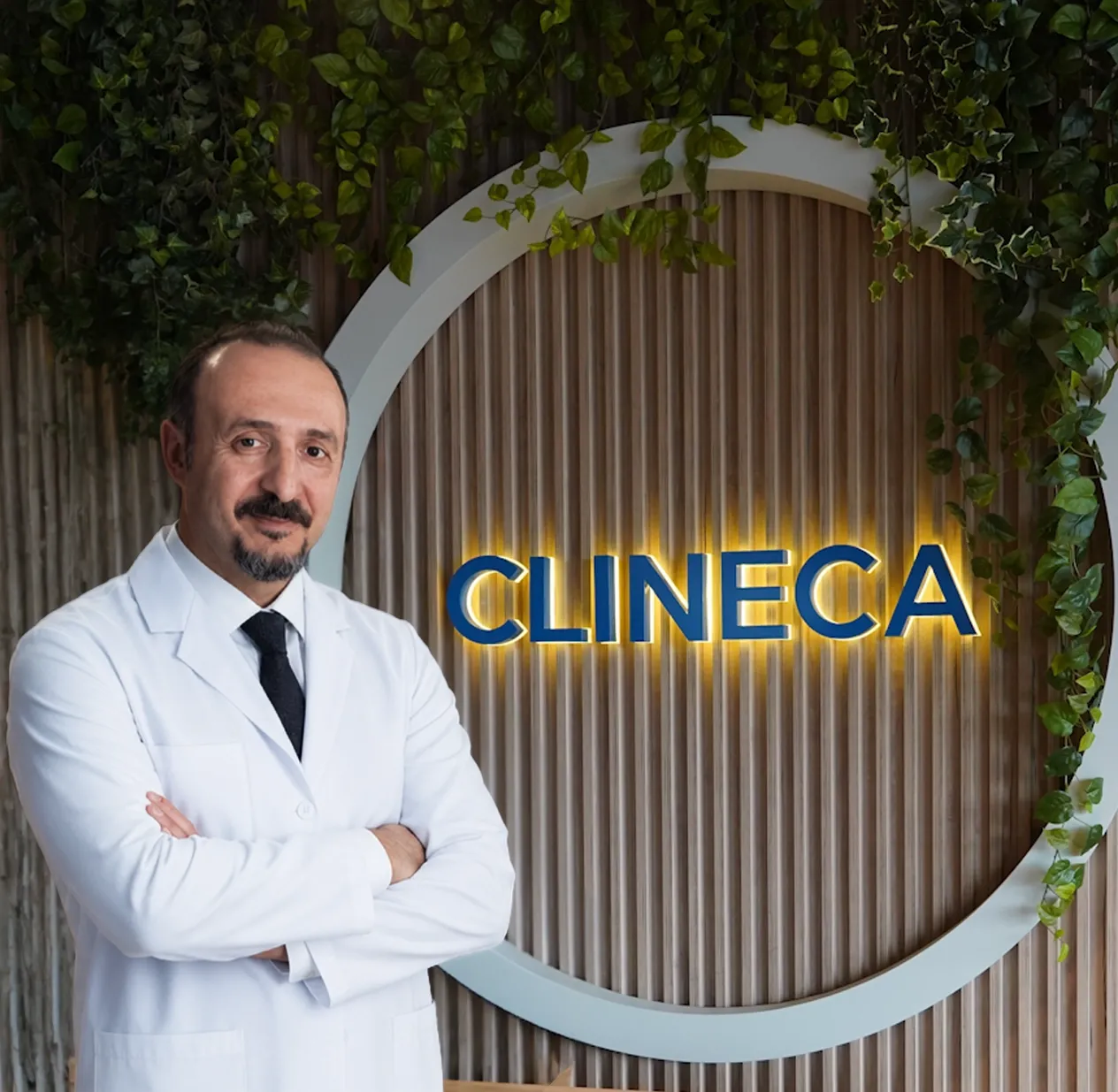 Clineca SpecialistSalim İskenderPlastic & Reconstructive Surgery
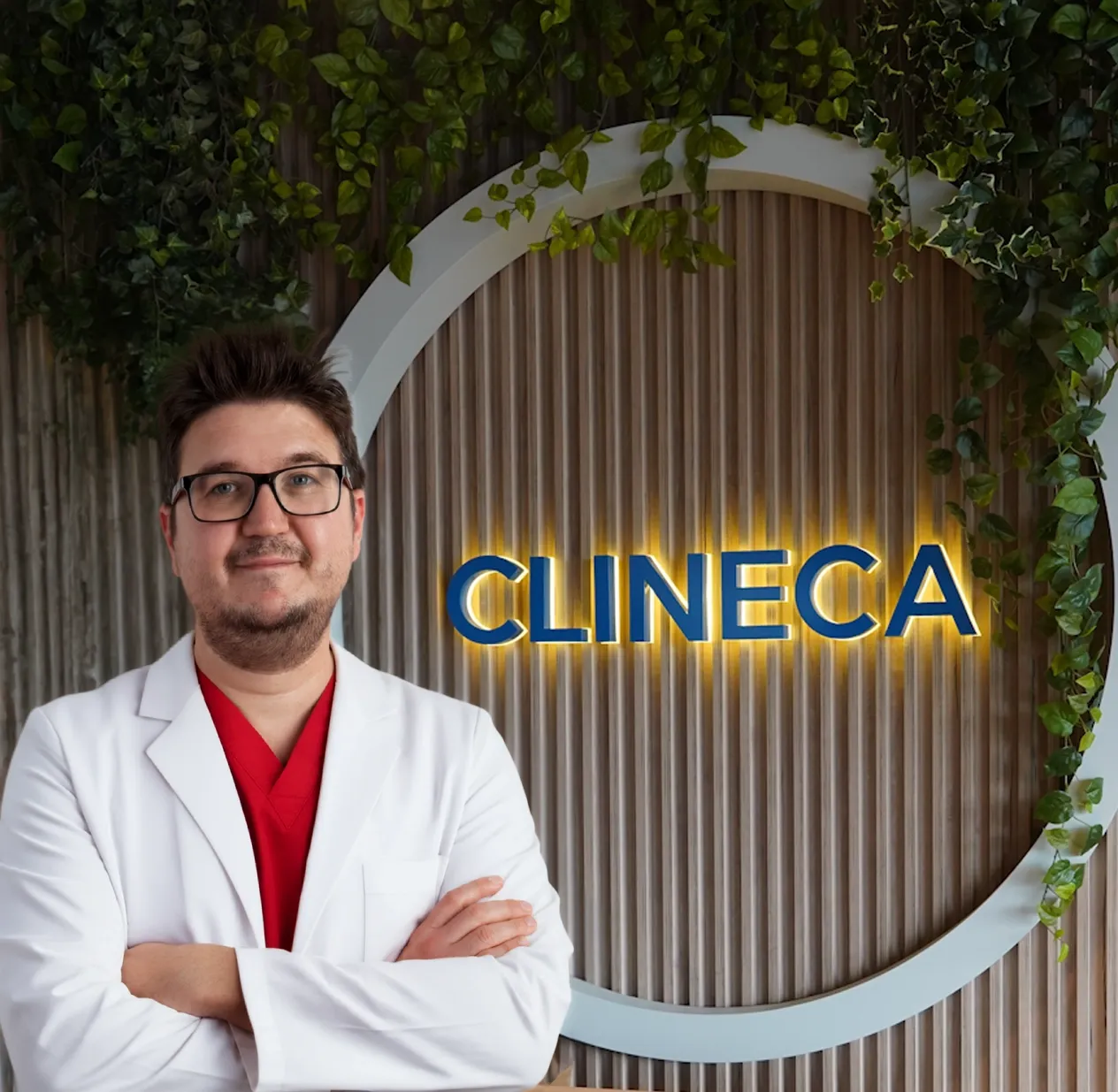 Clineca SpecialistEngin SelamioğluPlastic & Reconstructive Surgery
 Clineca SpecialistCem AydınPlastic & Reconstructive Surgery
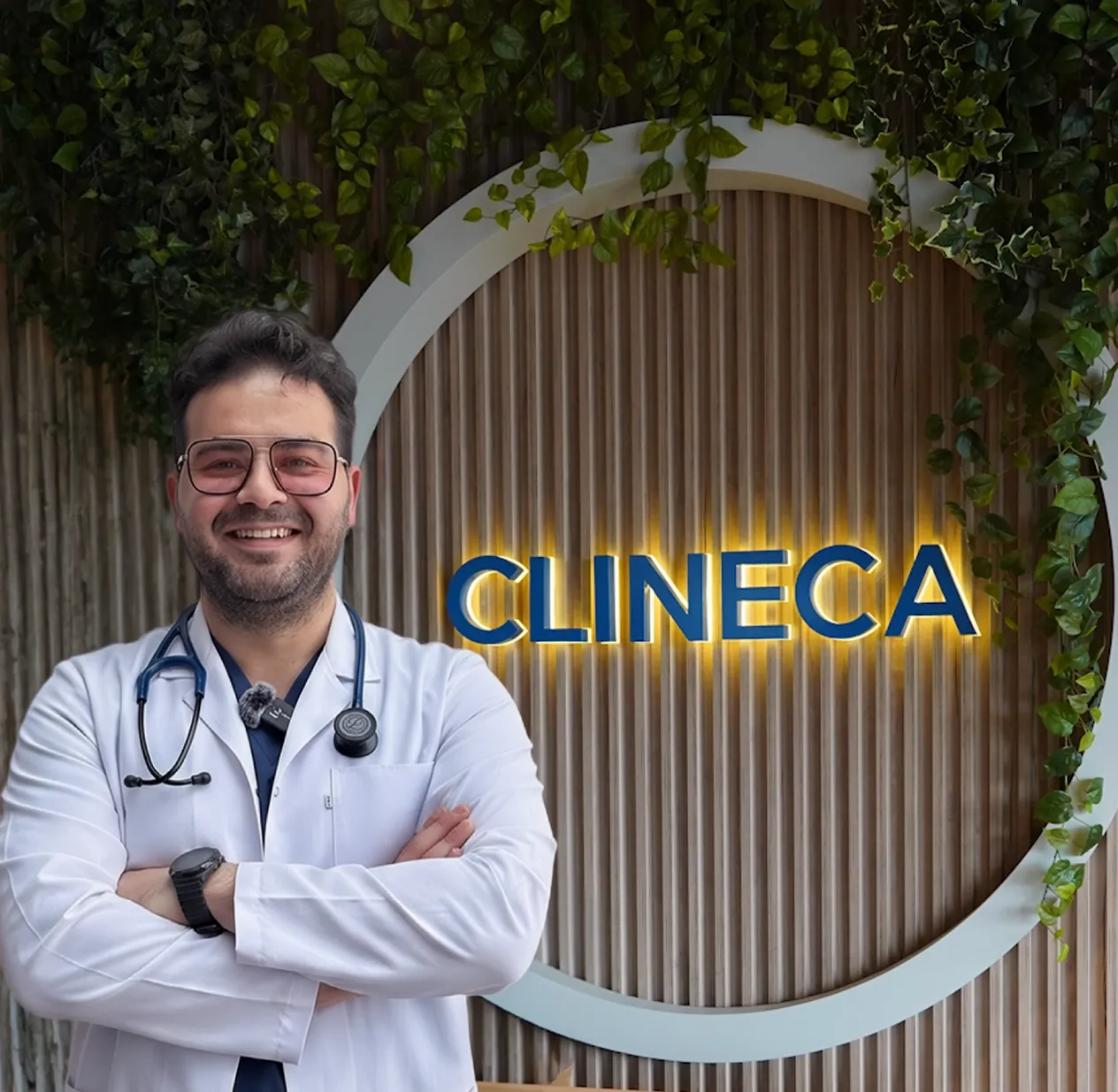 Clineca SpecialistAlperen ÖnalEar, Nose & Throat (ENT)