
Have a question about Rhinoplasty?
In this article
- What is the difference between tipplasty and full rhinoplasty in simple terms?
- Who is usually a better fit for tipplasty and who needs full rhinoplasty?
- How do the surgical techniques differ?
- Is recovery easier after tipplasty than full rhinoplasty?
- What are the risks and complications of tipplasty and full rhinoplasty?
- How does the price differ and what affects the quote?
- How long should medical tourists stay after each procedure?
- How do you choose a surgeon or clinic safely for nose surgery?
- Which option gives a more natural result?
The main answer to what is the difference between tipplasty and full rhinoplasty is this: tipplasty changes only the tip of the nose, while full rhinoplasty can reshape the bridge, tip, nostrils, and sometimes improve breathing as well. Tipplasty is usually a smaller operation with a more limited recovery, but it is not automatically easier or better; the right choice depends on exactly which part of your nose bothers you and whether structure or airflow also need attention.
What is the difference between tipplasty and full rhinoplasty in simple terms?
Tipplasty focuses on the lower part of the nose only, usually refining the tip shape, projection, width, or rotation. Full rhinoplasty is a broader nose reshaping procedure that can change the bridge, tip, nostrils, septum, and overall balance. The key difference is scope, not simply how big the scars or swelling look.
Tipplasty is a tip-only nose operation. It is used when the concern sits mainly in the soft cartilage at the end of the nose. Common examples are a bulbous tip, drooping tip, tip that feels too wide, or a tip that lacks definition.
Full rhinoplasty is a whole-nose reshaping operation. It can include the tip, but it may also change the bridge, reduce or build up a hump, narrow the nasal bones, alter nostril shape, or correct a deviated septum if breathing is part of the problem.
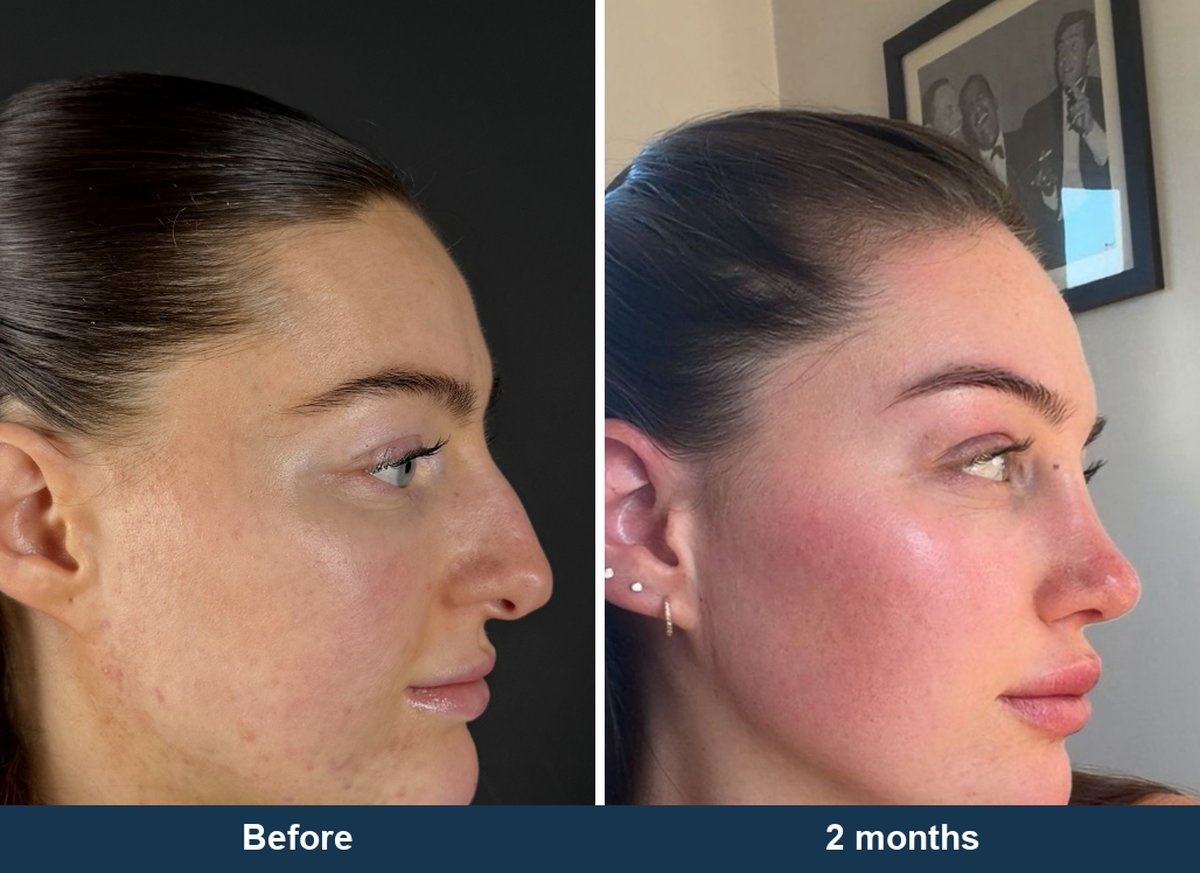
That means the decision is not really about choosing the “lighter” version. It is about choosing the procedure that matches the anatomy.
A simple way to think about it:
- ✓Tipplasty = lower third of the nose
- ✓Full rhinoplasty = the nose as a whole
- ✓Septorhinoplasty = rhinoplasty plus septum work to help structure and often breathing
If someone dislikes a dorsal hump, broad nasal bones, or crooked nose, tipplasty alone will usually not solve that. On the other hand, if the bridge is already balanced and the concern is only the tip, a full rhinoplasty may be more surgery than necessary.
For general background on nose reshaping, patients often start with a page such as rhinoplasty treatment information, then narrow the discussion during a consultation.
- ✓Tipplasty addresses the nasal tip only.
- ✓Full rhinoplasty can change the tip, bridge, bones, nostrils, and internal structure.
- ✓Breathing issues often point toward a fuller structural assessment, not just tip surgery.
Who is usually a better fit for tipplasty and who needs full rhinoplasty?
Tipplasty tends to suit people whose nose is already fairly balanced from the side and front, but the tip looks too round, too low, too pinched, or poorly defined. The skin quality matters too. Thick skin can limit how sharp the final tip definition looks, even with good surgical technique.
Full rhinoplasty is more often advised when there are several concerns at once, such as:
- ✓A hump on the bridge
- ✓A crooked nose
- ✓A wide bony upper nose
- ✓Visible asymmetry through the whole nose
- ✓Tip issues combined with bridge issues
- ✓Previous injury
- ✓Breathing problems or collapse in the nasal valves
The American Society of Plastic Surgeons (ASPS) describes rhinoplasty as surgery that can change the size, shape, and proportions of the nose and may also correct impaired breathing caused by structural problems. That is a useful distinction, because many patients use the word “nose job” for every type of nose surgery, even when the goals are quite different.
A surgeon usually decides between these options after examining:
- ✓The cartilage strength in the tip
- ✓Bridge shape and bone width
- ✓Skin thickness
- ✓Facial proportions
- ✓Airflow and septum position
- ✓Whether this is first-time or revision surgery
A practical rule of thumb
If your concern is only at the tip, tipplasty may be enough. If your concern includes the bridge, bones, crookedness, or breathing, full rhinoplasty is more likely to be appropriate.
That said, patients often underestimate how much the bridge affects the look of the tip. A tip can seem too large simply because the bridge is low, high, wide, or uneven. This is why photo-based online advice is limited.
Your bridge already looks balanced and your concern is limited to tip width, droop, projection, or definition.
You want bridge changes, have a crooked nose, had trauma, or need functional assessment for breathing.
How do the surgical techniques differ?
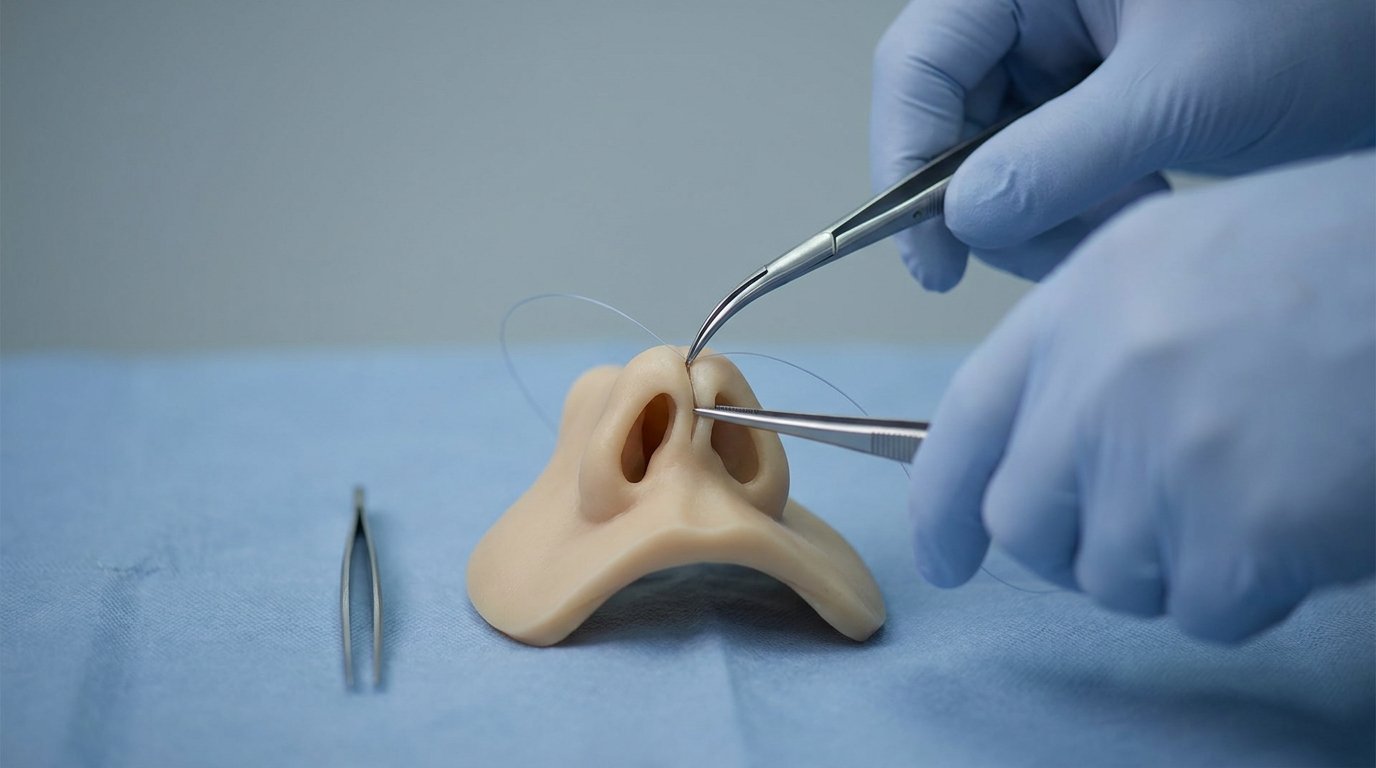
Tipplasty mainly reshapes the tip cartilages and may use stitches or small cartilage adjustments to refine shape and support. Full rhinoplasty can include those same tip steps plus work on the bridge, nasal bones, septum, and nostrils. The difference is how much of the nose is being structurally changed.
In tipplasty, the surgeon usually works on the alar cartilages — the flexible cartilages that form the tip. The goal may be to rotate the tip slightly upward, reduce roundness, create more definition, or improve support so the tip does not droop.
Common tipplasty methods include:
- ✓Cartilage reshaping
- ✓Stitch techniques to narrow or refine the tip
- ✓Support grafts using cartilage, where needed
- ✓Minor reduction of excess soft tissue in selected cases
In full rhinoplasty, the operation may include all of the above plus work on the rest of the nose, such as:
- ✓Hump reduction on the bridge
- ✓Straightening a crooked nose
- ✓Narrowing the nasal bones
- ✓Septal correction
- ✓Grafts to support shape or airflow
- ✓Nostril base reduction in selected cases
Both operations can be done through either a closed approach (incisions inside the nose) or an open approach (a small incision across the columella, the strip between the nostrils), depending on what needs to be changed. An open approach is often chosen when visibility and precision are more important, especially in more complex shaping or revision work.
A smaller procedure does not mean the planning is simple. Tip shape is one of the hardest parts of nose surgery to control, because even tiny changes in cartilage support can affect symmetry, rotation, and long-term healing.
📋 Small area, high precision Tip surgery sounds limited, but the nasal tip is delicate and highly visible. Minor differences in cartilage strength, skin thickness, and healing can affect the final look.
Is recovery easier after tipplasty than full rhinoplasty?
Recovery after tipplasty is often somewhat easier because less of the nose is changed, especially if the nasal bones are not broken or repositioned. Even so, swelling in the tip can last a long time. Full rhinoplasty usually brings more bruising, congestion, and a longer healing timeline before the final shape settles.
For many patients, tipplasty involves less bruising and less disruption than a full rhinoplasty, particularly when the bridge and nasal bones are untouched. You may still have swelling, tenderness, blocked-nose feeling, and visible puffiness at the tip for weeks to months.
Full rhinoplasty often has a broader recovery because more structures may be altered. If the nasal bones are repositioned, bruising around the eyes is more common. Congestion can also feel more noticeable in the early period.
The NHS notes that after rhinoplasty, it can take several weeks for swelling around the nose to improve, and many months for the final shape to fully develop. That applies even more to the tip, which is often the slowest part to settle.
Here is the practical difference many patients notice:
- ✓Tipplasty: usually less bruising, sometimes less downtime, but tip swelling can linger
- ✓Full rhinoplasty: more likely to involve visible bruising and a longer social recovery if bridge and bones are treated
Some people are surprised that a tip-only procedure can still look swollen for quite a while. This is especially true with thick skin, revision surgery, or stronger cartilage work.
⚠️ Do not judge the result too early The tip often stays firm and puffy longer than patients expect. Early asymmetry can improve as swelling settles, but persistent concerns need proper follow-up.
What are the risks and complications of tipplasty and full rhinoplasty?
Both procedures carry real surgical risks, including bleeding, infection, asymmetry, prolonged swelling, scarring, and the possibility of revision surgery. Full rhinoplasty may add risks linked to broader structural work, while tipplasty has its own challenge: small tip changes can be very noticeable if healing is uneven or support is insufficient.
This is the part patients should hear clearly. Neither operation is risk-free, and “smaller” does not mean risk-free either.
The Mayo Clinic explains that rhinoplasty carries risks such as bleeding, infection, an adverse reaction to anaesthesia, difficulty breathing through the nose, numbness, pain, swelling, scarring, skin discolouration, and the possibility of needing additional surgery. Those points are relevant whether the operation is tip-only or more extensive, although the exact risk profile varies by case.
Important possible complications include:
- ✓Bleeding: usually limited, but sometimes more than expected
- ✓Infection: uncommon, but possible after any operation
- ✓Asymmetry: the nose is naturally asymmetrical to begin with, and healing can exaggerate small differences
- ✓Prolonged swelling: especially common in the tip
- ✓Scar concerns: more relevant if an open approach is used, though the scar is usually small
- ✓Breathing change: can improve, stay the same, or sometimes worsen if support is not ideal
- ✓Revision surgery: some patients need a second procedure for persistent cosmetic or functional issues
Tipplasty-specific concerns often include:
- ✓Tip still looking round because of thick skin
- ✓Over-rotation or under-rotation
- ✓Pinched appearance if too much support is removed
- ✓Visible unevenness in definition
Full rhinoplasty-specific concerns may also include:
- ✓Residual hump or bridge irregularity
- ✓Persistent crookedness
- ✓Bone healing issues after narrowing
- ✓More noticeable internal scarring or airflow issues in complex cases
Revision risk deserves honest discussion. Nose surgery has one of the higher revision rates in facial cosmetic surgery, not because every operation goes wrong, but because the nose heals unpredictably, millimetres matter, and patient expectations are often very detailed.
That is why choosing a surgeon with regular rhinoplasty experience matters more than choosing the most aggressive before-and-after promise.
🚨 Seek urgent medical advice if you develop Heavy bleeding, worsening pain, fever, spreading redness, foul-smelling discharge, sudden breathing trouble, or marked one-sided swelling.
- ✓Ask how the surgeon handles asymmetry and revision cases.
- ✓Ask what result is realistic with your skin thickness.
- ✓Ask whether breathing could change, even if your goal is cosmetic.
How does the price differ and what affects the quote?
Tipplasty often costs less than a full rhinoplasty because the surgery may be shorter and less extensive, but there is no reliable fixed price that fits every patient. The final quote depends on anatomy, complexity, whether breathing work is needed, the surgeon’s approach, hospital fees, and whether this is revision surgery.
For this topic, it is better to stay realistic than to give a neat number that may mislead you. A personalised quote is normally given after consultation because nose surgery pricing varies a lot.
In general, tipplasty may be priced lower than full rhinoplasty when the work is limited to the tip. But that is not always the case. A difficult tip with thick skin, weak cartilage, or prior surgery can be technically demanding.
Factors that commonly affect the quote include:
- ✓Whether the bridge, bones, or septum also need work
- ✓Open versus closed approach
- ✓Primary surgery versus revision surgery
- ✓Need for cartilage grafts
- ✓Anaesthesia and hospital costs
- ✓Length of surgery
- ✓Complexity of aftercare and follow-up
If you are comparing clinics in Turkey or elsewhere, look at what is included, not just the headline figure. A lower quote may not include tests, medication, transfers, translator support, hotel stay, or revision policy details.
A proper written quote should be clear about:
- ✓Surgeon fees
- ✓Hospital or theatre fees
- ✓Anaesthesia
- ✓Pre-op tests
- ✓Medicines and garments or splints if relevant
- ✓Accommodation or transport if part of a medical travel package
- ✓Follow-up plan
How long should medical tourists stay after each procedure?
If you are travelling for surgery, plan around safe follow-up, not just flight cost. Even when tipplasty is more limited, you still need early checks for swelling, splint care if used, wound review, and confirmation that there are no immediate concerns.
A full rhinoplasty often needs a slightly more cautious stay because there may be more swelling, more aftercare, and more need to review healing before flying home. The exact timeline depends on the surgeon’s protocol and whether internal work was done.
Useful points to ask before booking flights:
- ✓How many in-person reviews are needed?
- ✓When is the splint removed, if one is used?
- ✓When is it considered safe to fly?
- ✓What happens if swelling or bleeding increases before departure?
- ✓Who handles follow-up once you are back home?
For patients comparing providers, it is reasonable to review the surgeon profile on a page such as medical team information, but the more important step is asking direct case-specific questions rather than relying on general marketing language.
- →Do not book a return flight so early that you miss the first key review.
- →Leave room for unexpected swelling or a schedule change.
- →Make sure you have written aftercare instructions before you travel home.
How do you choose a surgeon or clinic safely for nose surgery?
Choose based on qualifications, regular rhinoplasty experience, clear consent, hospital standards, and honest discussion of limits and revision risk. Be cautious if a provider pushes one operation before examining your breathing, skin, cartilage strength, and whole-face balance. Good decision-making matters as much as the operation itself.
A safe choice is rarely the one with the fastest sales process. It is usually the one with the clearest assessment.
Look for:
- ✓A surgeon who performs rhinoplasty regularly, not only occasional facial cases
- ✓Clear explanation of whether your concern is tip-only or structural
- ✓Discussion of breathing as well as appearance
- ✓Realistic before-and-after examples with similar noses to yours
- ✓A hospital setting with proper anaesthesia support
- ✓A written consent process covering risks, recovery, and revision possibility
The NHS advises patients considering cosmetic procedures to check who will do the procedure, their qualifications, and what aftercare is provided. That is especially relevant in nose surgery, where revision can be complex and expensive.
Useful warning signs include:
- ✓Being promised a perfect or guaranteed result
- ✓Pressure to book quickly
- ✓Little discussion of risks or breathing
- ✓No explanation of why tipplasty versus full rhinoplasty is being advised
- ✓Before-and-after photos that do not match your anatomy
If you want to ask questions before making plans, a neutral step is simply requesting an assessment through a consultation form and comparing the quality of the answers you receive.
Clear diagnosis, realistic planning, honest talk about swelling and revision, and proper follow-up arrangements.
Guaranteed outcomes, vague surgeon details, no discussion of breathing, or a quote given without reviewing your anatomy.
Which option gives a more natural result?
A natural result does not come from choosing the bigger or smaller operation. It comes from choosing the right operation.
Tipplasty can look very natural when the bridge already fits the face and the tip is the only part that needs refining. Full rhinoplasty can also look natural when the nose needs broader balancing. In fact, if the bridge is out of proportion, doing tip surgery alone may make the nose look less harmonious rather than more natural.
The best question is not “Which one looks better?” It is “Which one fixes the actual cause of what I see in the mirror?”
A careful plan should consider:
- ✓Front view and side view
- ✓Skin thickness
- ✓Chin and overall facial balance
- ✓Whether the nose is already over-operated from past surgery
- ✓How subtle or noticeable a change you want
Patients sometimes ask whether a non-surgical nose job is an alternative. It can sometimes camouflage small contour issues with filler, but it cannot reduce size, narrow the nose, correct cartilage structure, or treat breathing problems. It also carries its own risks and is not a substitute for every surgical case.
Frequently Asked Questions
References
- 📎Rhinoplasty
- 📎Rhinoplasty
- 📎Rhinoplasty
Related Articles



You Might Also Like



Related articles


Our specialists
 Clineca SpecialistErkan PinegözPlastic & Reconstructive Surgery
 Clineca SpecialistHakan AktaşPlastic & Reconstructive Surgery
 Clineca SpecialistOrkun UzuneyüpoğluPlastic & Reconstructive Surgery
 Clineca SpecialistSalim İskenderPlastic & Reconstructive Surgery
 Clineca SpecialistEngin SelamioğluPlastic & Reconstructive Surgery
 Clineca SpecialistCem AydınPlastic & Reconstructive Surgery
 Clineca SpecialistAlperen ÖnalEar, Nose & Throat (ENT)