
Have a question about Bonding?
In this article
- What composite bonding and veneers actually are
- Bonding or veneers: which problem does each one solve best?
- Composite bonding vs veneers cost: what actually drives the quote
- How long does each one last, and what happens when it fails?
- Appointments, downtime and how long to stay in Turkey
- Safety, reversibility and whether you can switch later
- Choosing a clinic and a dentist you can trust
- So which should you choose?
If you want a straighter-looking, brighter smile without a mouthful of dental work, the decision usually narrows to composite bonding vs veneers. Both can hide chips, close small gaps and even out worn edges, yet they are made from different materials, treat your natural tooth differently, and age in very different ways. The honest comparison is less about which one is "better" and more about which one suits your teeth, your habits and how much of your own enamel you want to keep.
What composite bonding and veneers actually are
Composite bonding uses a soft, tooth-coloured resin — the same family of material used for white fillings. The dentist sculpts it directly onto your tooth by hand, shapes the edge and surface, then hardens it with a light and polishes it. It is additive work, so in many cases little or no enamel (the hard outer shell of the tooth) needs to be removed.
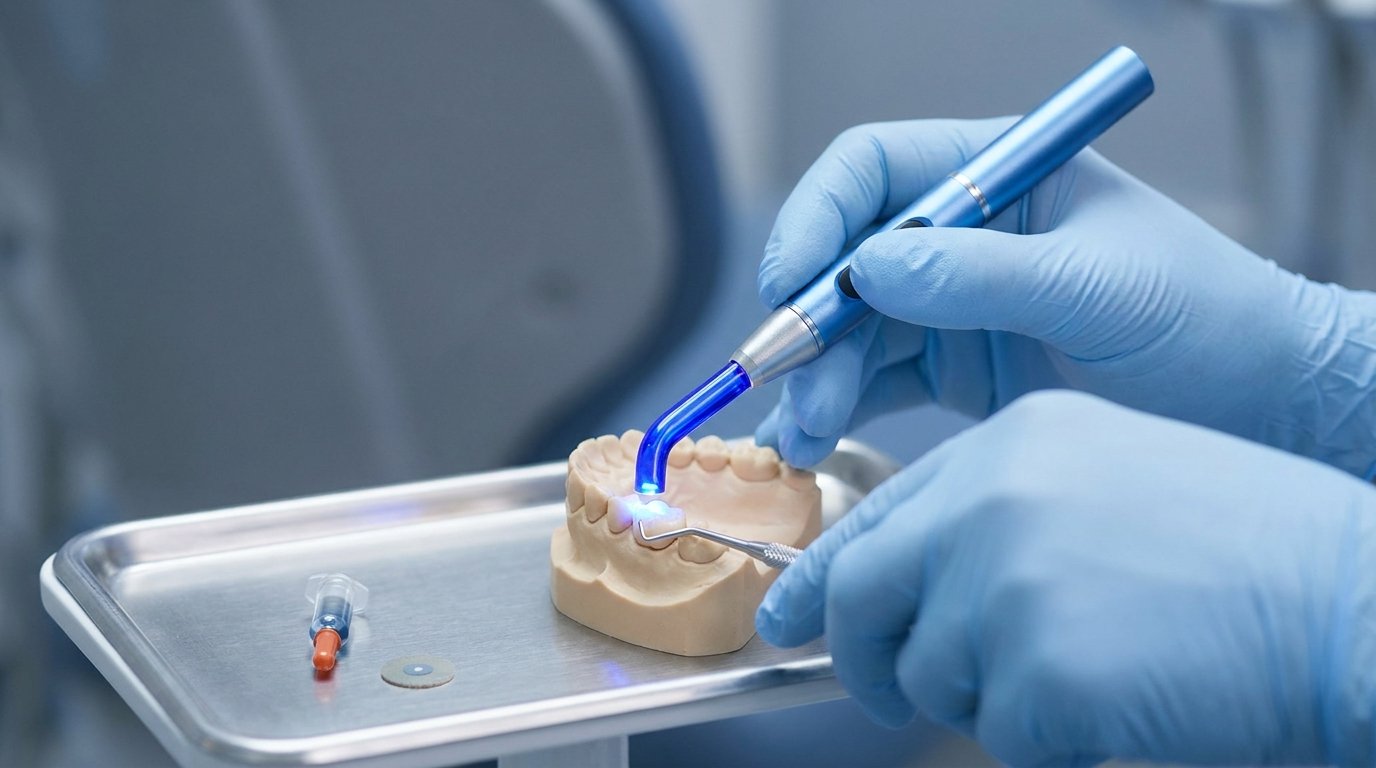
Porcelain veneers work the other way round. These are thin ceramic shells made outside your mouth, in a dental laboratory, from an impression or a digital scan. To make room for the shell and keep the tooth from looking bulky, a small amount of enamel is usually trimmed from the front and edge. The finished veneer is then cemented in place at a second appointment.
There is also a middle option that confuses a lot of patients: composite veneers. These are still resin, but they are built up over the whole visible surface of the tooth rather than patched onto one corner. They sit between a small bonding repair and a porcelain veneer in both ambition and price. If you want the full picture of each treatment on its own, we cover them separately in our guides to composite bonding in Turkey and dental veneers in Turkey.
Bonding or veneers: which problem does each one solve best?
Bonding is at its best when the problem is small and local. A chipped front corner, a slightly short tooth, a thin gap between the two front teeth, an uneven edge after years of grinding — these are quick, conservative wins. Because the dentist works freehand, a single tooth can be blended into the ones beside it without touching anything else.
Veneers earn their keep when the change you want is bigger than a repair. Deep internal staining that whitening cannot shift, teeth that are slightly rotated or set back, generalised wear across the whole front of the mouth, or a complete change of shape and shade across six to ten teeth: that is porcelain territory. Ceramic holds a chosen colour and surface texture more predictably across many teeth than hand-sculpted resin does.
Neither treatment moves teeth. Both can camouflage mild crowding, but if your teeth are genuinely crooked or your bite is off, aligners or braces first will almost always give a healthier, longer-lasting result — and often mean less drilling afterwards.
⚠️ Be cautious about trimming healthy teeth If your teeth are already a good shape and only the colour bothers you, removing enamel for veneers is a big step for a cosmetic gain. Ask your dentist to show you exactly how much preparation your case needs, and whether whitening plus minor bonding could get you close enough.
Composite bonding vs veneers cost: what actually drives the quote
We cannot publish prices here, and any figure you see online is meaningless until someone has looked at your teeth. What we can explain is what moves the number. Bonding is almost always the cheaper route per tooth, because there is no laboratory stage and no ceramic material cost — you are paying for the dentist’s time and artistry. Veneers carry the cost of the technician, the ceramic itself, a digital design or wax-up, and a second fitting appointment.
The other big variable is how many teeth you treat. Most people only see four to ten teeth when they smile, so a quote built around that number looks very different from one covering the whole upper arch. A clinic that quotes per tooth without first asking how far your smile line extends is guessing.
For travelling patients, ask what the quote actually includes before comparing it to anything at home. Our breakdown of what drives dental treatment quotes in Turkey goes into this in more detail. Your personalised price is confirmed after a consultation, photos or scans, and an X-ray review.
How long does each one last, and what happens when it fails?
This is where the two treatments really separate. Composite resin is softer and slightly porous, so coffee, tea, red wine, curry and smoking gradually dull the shine and can leave a darker line where the resin meets the tooth. Thin edges can chip if you bite nails, open packaging with your teeth or grind at night. The upside is that repairs are simple: your dentist adds fresh resin, reshapes and re-polishes, often in a single short appointment. Many patients plan on a polish every year or so and a refresh after a few years — we go through the detail in our guide to how long dental bonding lasts.
Porcelain behaves differently. The glazed surface keeps its colour far better, and ceramic bonded to enamel can serve for many years. A prospective clinical trial published in the Journal of Adhesive Dentistry in 2004 followed porcelain veneers placed on front teeth and assessed their performance at both five and ten years, with 93% of the restorations still available for review at the ten-year recall — a reminder that porcelain veneering is a long-studied restoration rather than a trend. That said, when a veneer does fracture or debond, it usually has to be remade, and the tooth underneath has already been prepared, so going back to bare enamel is no longer an option.
Both materials depend heavily on the foundation. Active gum disease, untreated decay or heavy nighttime grinding will shorten the life of either one, which is why a decent clinic treats those first and often supplies a night guard afterwards.
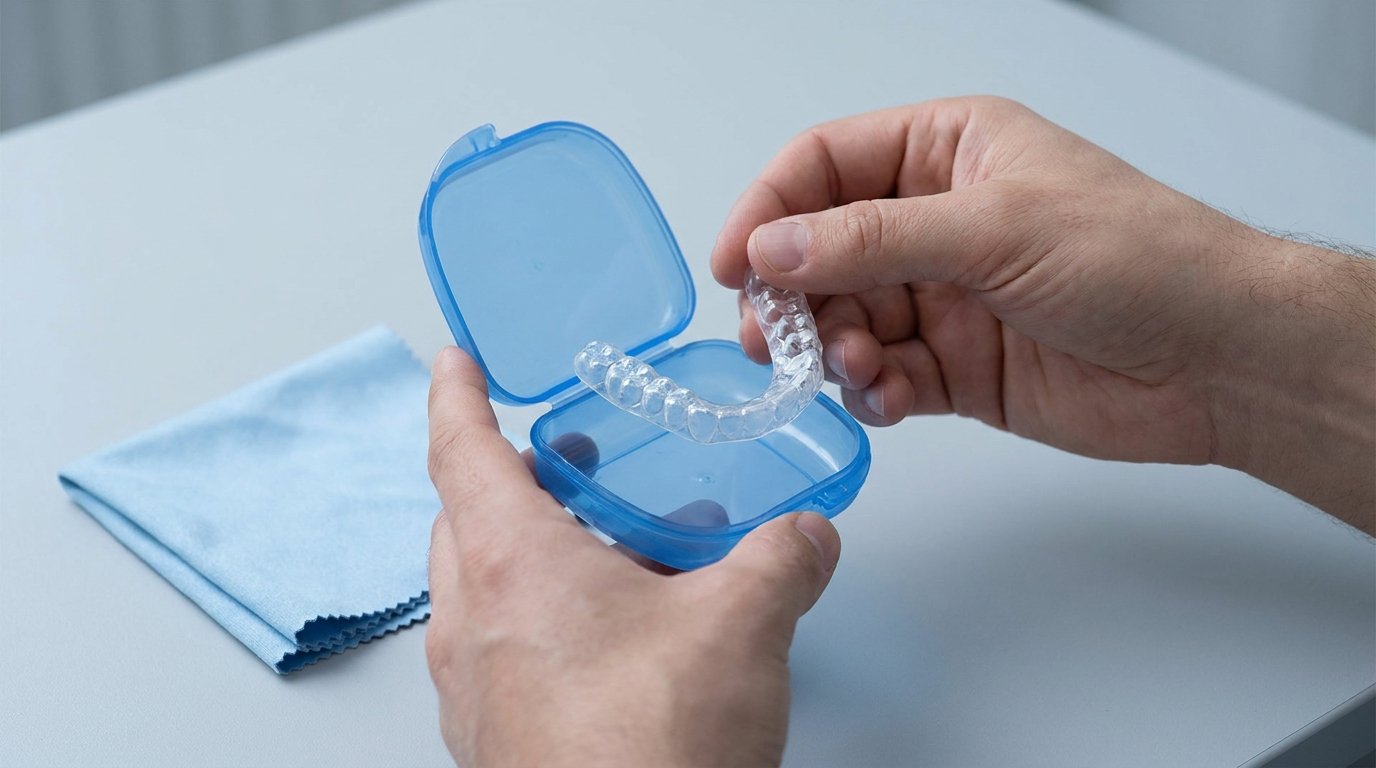
📋 Grinders, read this twice If you clench or grind, ceramic can chip and resin can wear flat. A protective night guard is not an upsell in these cases — it is what protects the work you paid for.
Appointments, downtime and how long to stay in Turkey
Bonding is the easier trip. A small repair on one or two teeth can be done in a single appointment, sometimes without any numbing, and you can eat and drink normally the same day. The main instruction is to avoid deeply coloured food, drink and smoking for the first day or two while the surface settles, and to stop using those teeth as tools.
Veneers need a staged plan. A typical course runs: consultation with X-rays and photographs on arrival, preparation and scanning, temporary veneers while the laboratory works, a try-in to check shade and shape, then final bonding. In practice that usually means planning around a week in the country, with a couple of free days in the middle. Patients combining a full upper-and-lower makeover should budget a little more. Our Hollywood smile guide walks through how veneer count affects the schedule.
There is no real recovery period with either treatment, but veneers can leave teeth sensitive to cold for a few days to a few weeks after enamel preparation, which is normal and settles — veneer sensitivity and how long it lasts covers what is expected and what is not. Book your flight home for at least a day after the final fitting so there is room for small adjustments.
Safety, reversibility and whether you can switch later
Bonding is considered a low-risk, conservative treatment when it is placed on sound teeth by someone who takes the time to isolate the tooth and finish the margins properly. Because little or nothing is removed, you keep the option of changing your mind later, including upgrading to veneers if your priorities shift. We look at this specifically for front-tooth chips in our article on whether dental bonding is safe for small chips.
Veneers are a commitment. Once enamel has been reduced, those teeth will need some form of covering for life — a veneer, and in heavily prepared cases a crown. That is not an argument against them; it is an argument for being sure, and for choosing a dentist who prepares minimally and shows you a mock-up before touching anything. No-preparation or very thin veneers are possible in selected cases, usually where teeth are small or set back rather than crowded.
Technology has made the planning stage considerably more transparent. A 2025 review in Bioinformation on recent advances in cosmetic dentistry highlighted progress across digital imaging, composite materials and bonding techniques, and digital design now lets many patients preview a proposed smile before any treatment starts. Ask for that preview — it is the cheapest way to discover you dislike a shape.
Choosing a clinic and a dentist you can trust
Cosmetic dentistry is a craft skill, and the single biggest variable in your result is the person holding the instrument. Look for a dentist who does this work routinely, shows unedited before-and-after photos of real patients with similar teeth to yours, and is willing to tell you that you need something other than what you asked for.
Ask directly about the laboratory, the ceramic system used, what happens if a veneer chips after you fly home, and who you contact in the first weeks. A clinic that answers those questions in writing is a clinic that expects to be held to them.
A full examination with X-rays and gum assessment before any cosmetic plan; a digital or wax mock-up you approve first; minimal-preparation technique discussed openly; written aftercare and a clear warranty or repair policy.
A fixed price quoted from a single selfie; pressure to treat twenty teeth when you only show eight; vague answers about who makes the veneers; no mention of gum health, decay or grinding; before-and-after photos that all look like the same mouth.
So which should you choose?
If the issue is one or two chipped or slightly short front teeth, a small gap, or you simply want to test a different shape before committing, bonding is usually the sensible first move. It is quicker, kinder to your enamel and easy to adjust. If you want a uniform colour and shape across your whole visible smile, your teeth are deeply discoloured or worn, and you want something that holds its appearance with less maintenance, porcelain veneers justify their extra cost and the enamel they require.
It is also worth checking whether you need either. Professional whitening, careful edge polishing or short-term aligner treatment can solve a surprising number of complaints at a fraction of the cost and with nothing permanent attached to your teeth. A good consultation should put those options on the table before the drill comes out — including simple teeth reshaping for minor chips and uneven edges.
This article is for informational purposes only and does not constitute medical advice. Always consult a qualified surgeon for personalised guidance.
If shape is fine and only shade bothers you, whitening is the least invasive starting point — and it sets the target colour your bonding or veneers will be matched to.
Straightening crowded teeth often reduces how much reshaping or enamel removal is needed afterwards, and protects your bite long term.
A tooth that is heavily filled, root-treated or badly broken may need full coverage rather than a thin veneer, since a veneer needs sound tooth structure to bond to.
Frequently Asked Questions
References
- 📎A prospective ten-year clinical trial of porcelain veneers — Journal of Adhesive Dentistry, 2004
- 📎Recent advances in cosmetic dentistry: A review — Bioinformation, 2025
- 📎NHS: Cosmetic procedures
Related Articles


You Might Also Like



Related articles

Our specialists
 Clineca SpecialistErkan PinegözPlastic & Reconstructive Surgery
 Clineca SpecialistHakan AktaşPlastic & Reconstructive Surgery
 Clineca SpecialistOrkun UzuneyüpoğluPlastic & Reconstructive Surgery
 Clineca SpecialistSalim İskenderPlastic & Reconstructive Surgery
 Clineca SpecialistEngin SelamioğluPlastic & Reconstructive Surgery
 Clineca SpecialistCem AydınPlastic & Reconstructive Surgery
 Clineca SpecialistAlperen ÖnalEar, Nose & Throat (ENT)