In this article
- What chin reduction actually changes — and what it cannot
- What drives the cost of chin reduction in Turkey
- How safe is chin reduction, and what are the real risks?
- Chin reduction recovery, week by week
- How long should you stay in Turkey?
- Choosing a surgeon and clinic you can trust
- Is chin reduction worth it, honestly?
A chin that projects too far forward or sits too long for the rest of the face tends to dominate the profile, and no amount of contouring makeup softens bone. That is why people start looking into chin reduction surgery in Turkey, where cost, safety and recovery questions usually arrive at the same time. The honest answers depend on which technique your face actually needs, and that is where this guide starts.
What chin reduction actually changes — and what it cannot
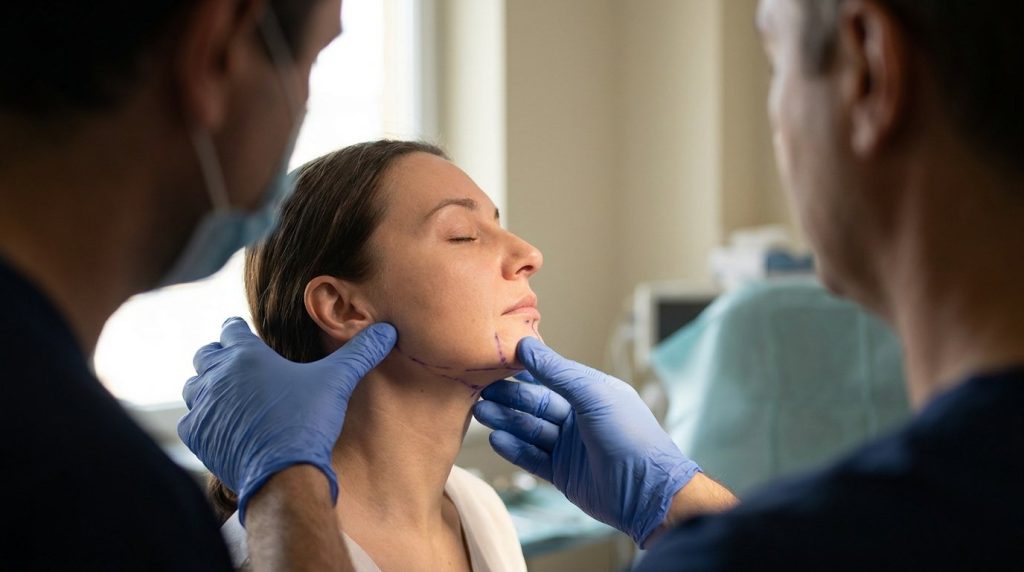
Chin reduction is a form of genioplasty, the surgical term for reshaping the chin bone. Surgeons use it to reduce forward projection, shorten a long chin, narrow a square or wide chin, or correct mild asymmetry. The work happens on the lower border and front surface of the chin, usually through a small incision inside the lower lip so there is no visible external scar.
There are two main routes. The simpler one is bone shaving, sometimes called burring or chin filing, where the surgeon reduces the prominent bone with a fine rotating instrument. It suits modest reductions and chins that are a little too pointed or too wide. The more structural option is a sliding genioplasty, where a section of chin bone is cut, repositioned backwards or upwards, and fixed with small titanium plates and screws. That is the technique for a chin that genuinely sits too far forward or is too tall vertically.
What surgery cannot do is change your bite or move your whole jaw. If your lower teeth sit well in front of the upper ones, the issue may be the jaw position rather than the chin point, and that is corrected with orthognathic (jaw-realignment) surgery alongside an orthodontist. A good consultation separates those two situations early. Soft tissue matters too: skin and muscle do not always shrink neatly over a smaller bone, so a reduction that is too aggressive can leave a soft, saggy chin pad rather than a crisp one.
It is also worth asking whether reduction is the right direction at all. Plenty of people who dislike their profile are actually looking at a weak chin paired with a prominent nose, and the fix is the opposite operation. Our comparison of chin implant versus chin reduction for facial balance walks through how surgeons decide.
📋 Photos beat guesswork Ask for profile and three-quarter photo analysis, and ideally an X-ray or CT scan, before any technique is promised. A chin that looks heavy in photographs is sometimes a neck and submental fat issue instead, which needs a completely different plan.
What drives the cost of chin reduction in Turkey
Turkey’s pricing advantage comes from lower clinic overheads, staff costs and currency effects rather than from cutting corners on implants or instruments, which is the same reason a wide range of plastic surgery prices in Turkey compare favourably with the UK, Germany and the Netherlands. Within Turkey, though, quotes for chin reduction vary a lot, and the variation is rarely random.
The single biggest factor is technique. Bone shaving is shorter, needs no fixation hardware and often runs under sedation with local anaesthetic, so it sits at the lower end of chin surgery pricing. A sliding genioplasty takes longer, requires general anaesthesia, uses titanium plates and screws, and demands a surgeon comfortable with facial skeletal work, so it sits noticeably higher. Combining chin reduction with rhinoplasty or a neck procedure raises the total but usually costs less than two separate trips, as explained in our guide to combined surgery in Turkey.
We do not publish figures here because a number without a diagnosis is misleading. Your personalised price is confirmed after a consultation, once the surgeon knows which technique your anatomy needs, how long theatre time will be, and whether anything else is being done at the same time.
What a quote should spell out
Before you compare two clinics, make sure you are comparing the same package. Ask in writing whether the quote covers the surgeon’s fee, the anaesthetist, hospital or operating-theatre time, any plates and screws, pre-operative blood tests and imaging, medication, follow-up visits during your stay and a clear revision policy. Airport transfers and hotel nights are included by some clinics and charged separately by others — our breakdown of what an all-inclusive surgery package in Turkey includes is a useful checklist.
⚠️ Treat a very cheap quote as a question, not a bargain If a price is far below everything else you have been quoted, ask what has been removed from it: surgeon seniority, a proper hospital setting, a dedicated anaesthetist, imaging, or follow-up. Those are the items that usually go missing.
How safe is chin reduction, and what are the real risks?
Chin reduction is a well-established facial procedure performed by plastic surgeons and maxillofacial surgeons (specialists in the bones of the face and jaw). In a properly equipped hospital with a dedicated anaesthetist, serious complications are uncommon — but the operation sits close to an important nerve, so it is not risk-free.
The mental nerve supplies feeling to the lower lip and chin, and it runs through the area being reshaped. Temporary numbness or tingling of the lower lip and chin is common after surgery and usually settles over weeks to a few months. Permanent altered sensation is unusual but possible, and any surgeon who does not mention it is not giving you a full picture. Other risks include bleeding and bruising, infection of the intraoral wound, asymmetry, chin soft-tissue droop after a large reduction, visible or palpable hardware after a sliding genioplasty, and the general risks of anaesthesia.
Sensible screening lowers much of this. Expect blood tests, a review of your medication and any clotting problems, a stop-smoking instruction, and a conversation about dental health, since an infected tooth near the operating field is a reason to postpone. The NHS guidance on cosmetic procedures is a good neutral read on the questions to ask before committing to any surgery abroad, and both Mayo Clinic and ASPS are reliable sources for general procedure information.
Travelling for surgery adds one risk the brochure rarely covers: being far away when something needs checking. The fix is boring but effective — stay long enough for your first wound review, leave with written aftercare, keep a direct contact for the clinic’s coordinator, and agree in advance who sees you if you develop swelling or fever after you fly home.
🚨 Contact the clinic urgently if You develop a fever, spreading redness or increasing pain after the first few days, foul-tasting discharge from the mouth incision, numbness that suddenly worsens rather than improves, or swelling that interferes with breathing or swallowing. These need assessment, not waiting.
Chin reduction recovery, week by week
Recovery after chin reduction is less dramatic than most people fear, but it is slower to finish than it is to become presentable. Swelling in the chin and jawline peaks in the first two to three days, then falls steadily. Because the incision is usually inside the mouth, the first week revolves around oral hygiene: antiseptic mouth rinses, soft food, no stretching of the lower lip and careful brushing away from the wound.
Most people feel pressure, stiffness and a strange, wooden sensation in the lower lip rather than sharp pain. Talking feels odd for several days, and smiling can look slightly off while the chin muscle is swollen and partly numb — this is temporary and not a sign the result has gone wrong. Many patients wear supportive tape or a light chin dressing for the first few days if the surgeon asks for it.
Final shape takes time to emerge. The last of the deep swelling can linger for months, particularly after a sliding genioplasty, which is the same pattern seen after chin augmentation — our article on the chin implant swelling timeline describes the way facial contour keeps refining long after the bruising has gone.

- ✓Sleep with your head raised on two pillows for the first week to limit swelling
- ✓Rinse with the prescribed antiseptic mouthwash after every meal and drink
- ✓Stick to soft, lukewarm food and avoid chewy or crusty items until cleared
- ✓Avoid smoking and alcohol, which slow intraoral wound healing
- ✓Keep heavy lifting, contact sport and face-down massage out of the first month
How long should you stay in Turkey?
Plan on roughly seven to ten nights for a chin reduction trip. A typical schedule is consultation and tests on arrival day, surgery the next day, a quiet first few days in the hotel, then at least one wound check before you fly. For bone shaving alone, the shorter end of that window is usually enough; for a sliding genioplasty, the longer stay gives your surgeon a chance to review swelling and confirm everything is settling before you leave the country.
Short-haul flights are generally fine once the surgeon clears you, and swelling can briefly increase after flying. Keep hydrated, avoid alcohol in the air and bring your mouth rinse in hand luggage. Choose accommodation close to the hospital rather than the nicest view, since you will make the trip more than once — the same logic we cover in our piece on accommodation and transfers for surgery patients.
If you are considering chin reduction as part of a wider profile change, think about sequencing before you book flights. Chin and nose are read together, which is why so many consultations end up discussing rhinoplasty with chin work for profile balance, and why a heavy-looking lower face sometimes responds better to double chin liposuction than to bone surgery.
Choosing a surgeon and clinic you can trust
Chin reduction is a bone operation near a major sensory nerve, so credentials matter more than before-and-after galleries. Look for a surgeon with recognised specialist training in plastic and reconstructive surgery or oral and maxillofacial surgery, operating in a hospital licensed by the Turkish Ministry of Health, and ideally in a facility with international accreditation such as JCI. European board certification through EBOPRAS is another meaningful marker for plastic surgeons.
Ask to see cases that look like yours — same technique, same starting anatomy, photographed from the same angles with the same lighting. One flattering profile shot proves very little. You should also be told clearly which technique is planned and why, who performs the operation, who provides the anaesthesia, and what happens if you need a revision after returning home.
A named, specialist-trained surgeon you speak with directly; imaging or X-ray used in planning; written consent that spells out nerve and numbness risks; itemised quote; follow-up arranged before you fly; a clear revision policy in writing.
A price quoted before anyone has assessed your face; pressure to pay a deposit the same day; no surgeon’s name given; promises of a guaranteed or ‘perfect’ result; risks glossed over; surgery scheduled for the morning after your flight with no examination.
Whether a chin implant, a soft-tissue procedure or jaw-realignment surgery with an orthodontist would suit your anatomy better than reduction — and whether doing nothing to the chin but refining the nose would achieve the balance you want.
- →Which technique do you recommend for my chin, and what is the trade-off of the other option?
- →What is your specialist training, and how many chin genioplasty cases do you perform a year?
- →What are the chances of lasting numbness in my lower lip, in your own experience?
- →Which hospital will I be operated in, and who gives the anaesthetic?
- →Exactly what does my quote include, and what would a revision cost me?
- →How many nights should I stay, and who reviews me after I fly home?
Is chin reduction worth it, honestly?
For a chin that is genuinely over-projected or too long, reduction changes the profile in a way no filler, device or exercise can match, and the change is permanent. The incision is hidden inside the mouth, downtime is measured in days rather than months, and most people are back at a desk within about two weeks.
The trade-offs are equally real. Numbness of the lower lip is common early on and occasionally long-lasting, large reductions can leave soft tissue looking loose, and the final contour takes months to reveal itself. A modest, well-judged reduction that keeps the chin looking like yours usually ages better than an aggressive one. If your consultation feels like a sales pitch rather than an assessment, that is reason enough to get a second opinion before booking anything.
This article is for informational purposes only and does not constitute medical advice. Always consult a qualified surgeon for personalised guidance.
Frequently Asked Questions
References
- 📎NHS — Cosmetic procedures: what to consider before going ahead
- 📎American Society of Plastic Surgeons — Cosmetic Procedures
- 📎Mayo Clinic — Tests & Procedures
- 📎EBOPRAS — European Board of Plastic, Reconstructive and Aesthetic Surgery
You Might Also Like



Related articles

Our specialists
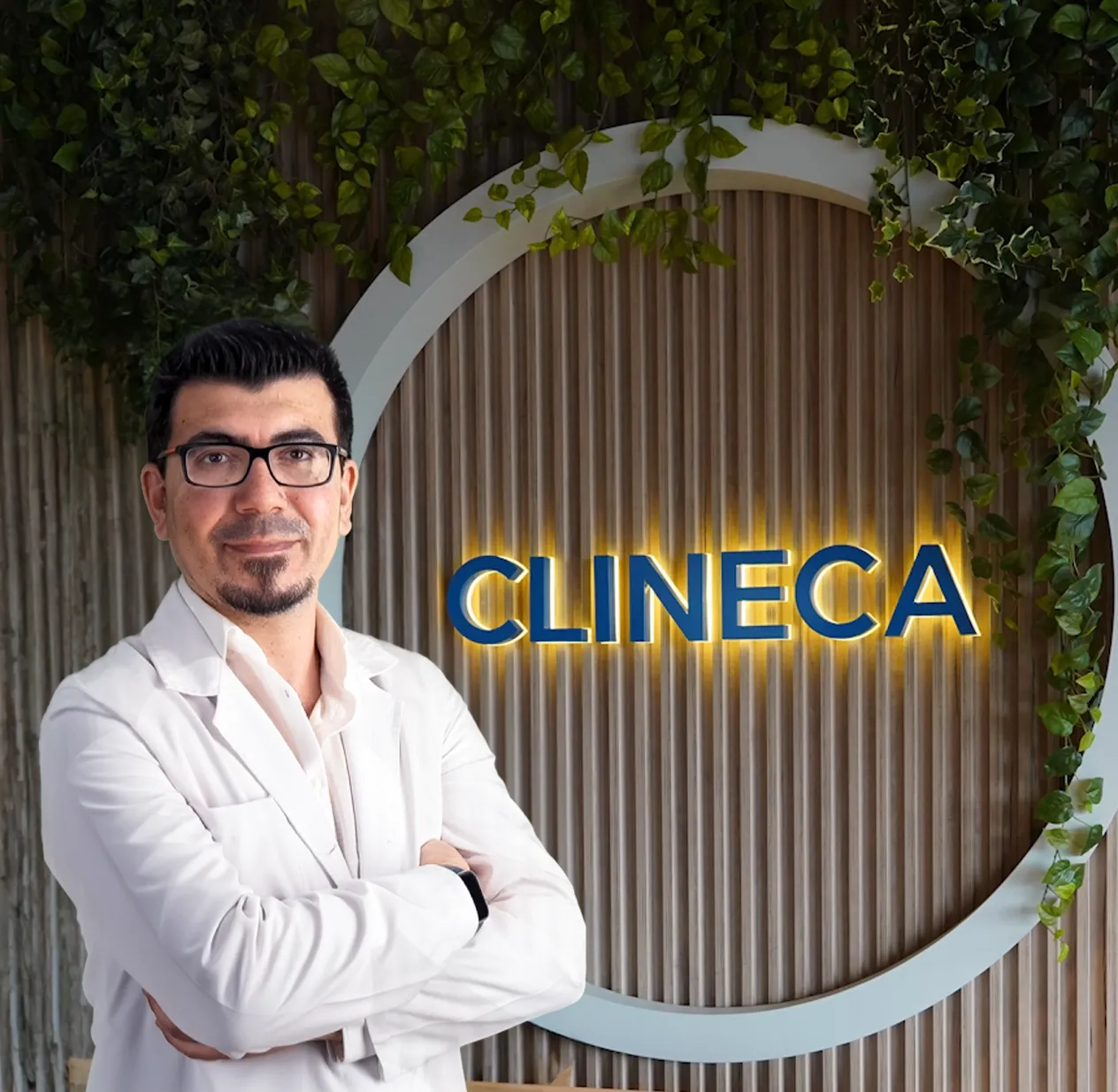 Clineca SpecialistErkan PinegözPlastic & Reconstructive Surgery
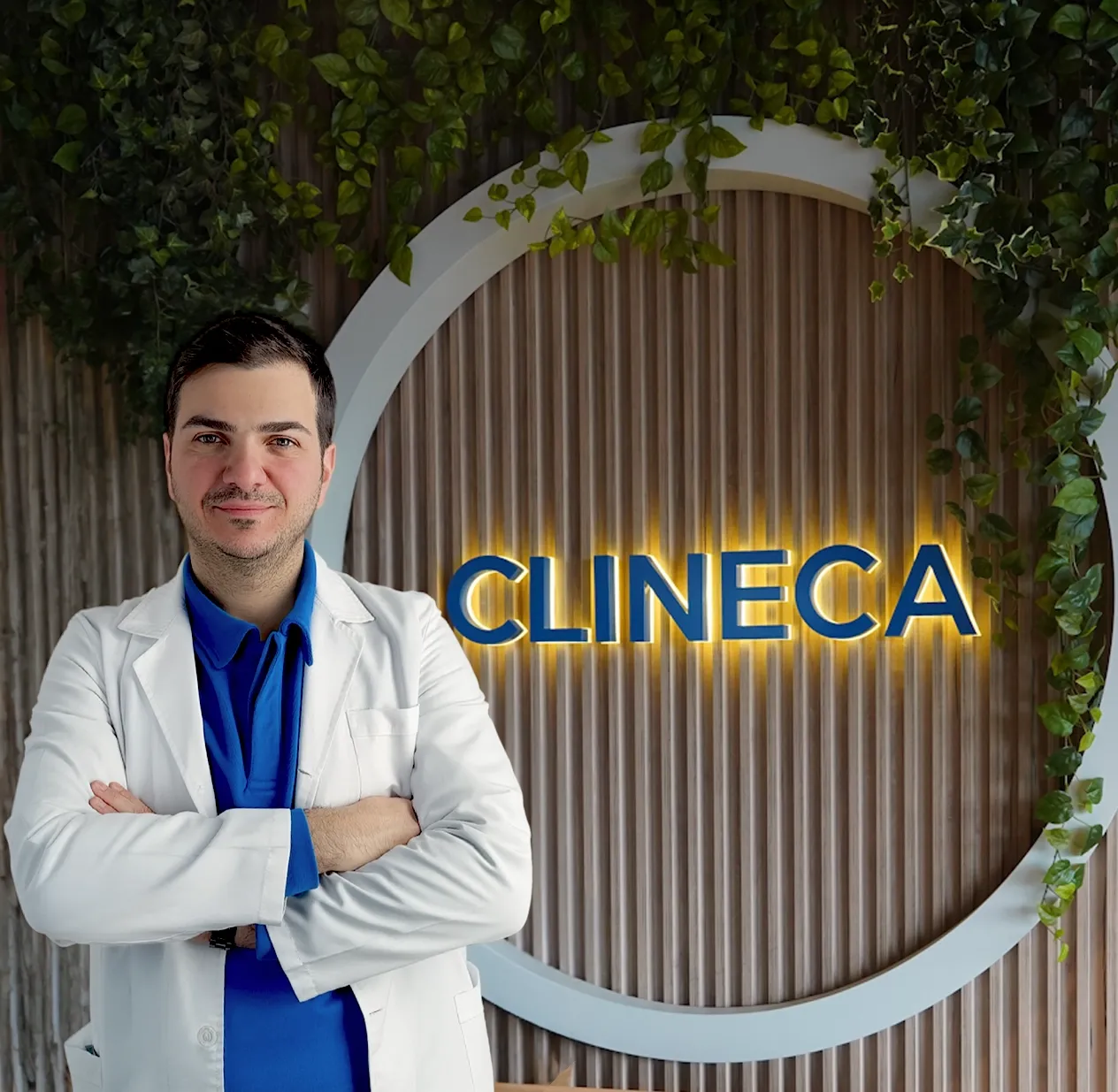 Clineca SpecialistHakan AktaşPlastic & Reconstructive Surgery
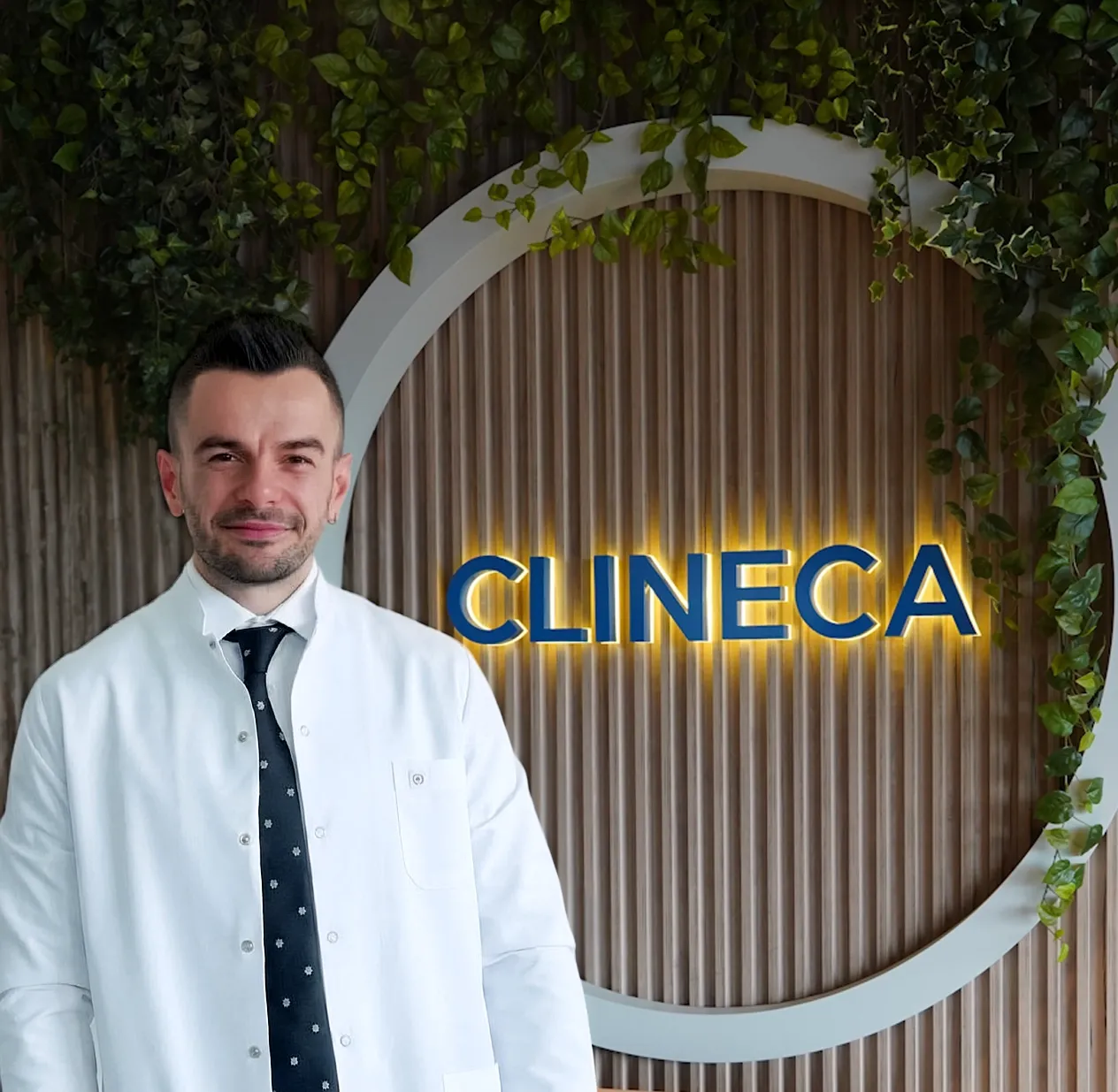 Clineca SpecialistOrkun UzuneyüpoğluPlastic & Reconstructive Surgery
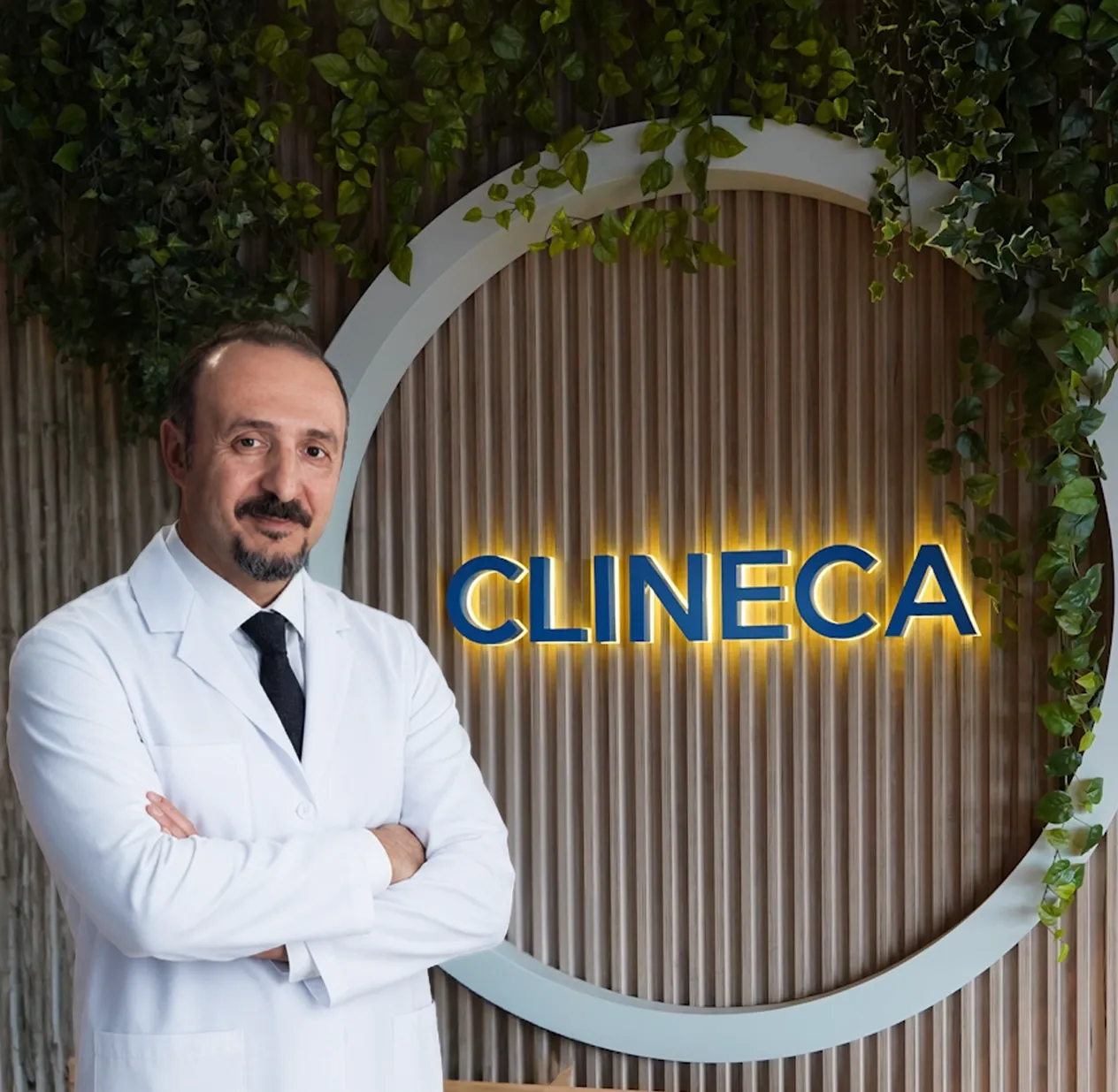 Clineca SpecialistSalim İskenderPlastic & Reconstructive Surgery
 Clineca SpecialistEngin SelamioğluPlastic & Reconstructive Surgery
 Clineca SpecialistCem AydınPlastic & Reconstructive Surgery
 Clineca SpecialistAlperen ÖnalEar, Nose & Throat (ENT)