
Have a question about Turbinate Reduction?
In this article
If you are wondering how long does swelling last after turbinate reduction, the honest answer is that it usually settles in stages rather than all at once. Many people feel blocked before they feel better, which can be frustrating if you expected immediate relief, especially in the first days after surgery.
What is a normal swelling timeline after turbinate reduction?
Most swelling after turbinate reduction is at its worst during the first few days, then gradually improves over the next couple of weeks. That does not always mean your nose feels clearly open right away. Internal swelling, dried blood, mucus and crusting can make the nose feel stuffy even when healing is going as expected.
For many patients, the most noticeable swelling settles within about 1 to 3 weeks. Even so, the inside of the nose can continue to heal for several more weeks. If your surgery included septoplasty as well as turbinate reduction, recovery often takes longer because more tissue inside the nose has been treated. The NHS notes that nasal surgery can cause swelling, blockage and crusting during recovery, and that follow-up advice from the treating team matters.
Technique also makes a difference. Turbinate reduction is not one single operation. Some surgeons use radiofrequency, some use microdebrider reduction, and some remove or reposition tissue more directly. A less invasive method may cause less early swelling, while a more extensive operation may bring a longer blocked phase before breathing improves. Reviews in ENT and facial plastic surgery literature consistently note that healing varies by surgical method and by whether other nasal procedures were done at the same time.
A common pattern looks like this: the first week feels more congested than expected, the second week is still uneven, and by weeks 3 to 6 many people notice steadier breathing. Subtle internal swelling can last longer than that. If your surgeon gave you a different timeline, follow that plan over any general guide because they know exactly which technique was used and how much work was done inside your nose.
📋 Why the nose can feel worse before it feels better Early blockage is often caused by internal swelling and crusting, not by treatment failure.
Why swelling can last longer in some people
The biggest reason timelines vary is that turbinate reduction covers several different techniques. A limited radiofrequency treatment may have a shorter recovery than a reduction that removes more tissue or is done together with septoplasty. If you also had correction of a deviated septum, your nose has more healing to do, and the blocked feeling may last longer.
Your own tissues matter too. Some people swell more strongly after any procedure. Allergies, chronic sinus inflammation, smoking, poor nasal care after surgery, and returning too soon to hard exercise can all keep the inside of the nose irritated for longer. If you catch a cold early in recovery, swelling and discharge may increase again for a while.
Packing or splints can also change what you feel. If your surgeon used internal packing, you may feel very blocked until it is removed. Even after removal, the nose does not instantly feel normal because the lining still needs time to calm down.
This is one reason broad internet timelines can mislead people. A patient who had isolated radiofrequency turbinate reduction in the clinic will not recover in exactly the same way as someone who had turbinate surgery plus septoplasty under general anaesthetic. Peer-reviewed studies indexed in PubMed and guidance from ENT services both support that recovery depends on the extent of surgery and the post-operative care plan.
Less invasive turbinate techniques done on their own may bring less swelling and a quicker return to easier breathing.
More extensive reduction, combined septoplasty, significant allergies or early nasal irritation can stretch the recovery timeline.
When does breathing usually improve?
Breathing improvement rarely arrives in one dramatic moment. It is more common to notice small changes: less pressure, fewer periods of total blockage, easier sleep, and less need to mouth-breathe. For some people that starts after the first week. For others it is closer to several weeks, especially if crusting is heavy or another nasal procedure was done at the same time.
This matters because patients sometimes assume ongoing stuffiness means the surgery did not work. In many cases, it simply means healing is still active. The inside lining of the nose is delicate, and when it swells, airflow can feel poor even though the long-term goal of the surgery is to create more space.
If you had surgery that involved the septum as well, your breathing may improve more gradually. That is not unusual. Surgeons often explain that early recovery is a poor time to judge the final result. General patient guidance from major ENT centres and post-operative instructions published by hospital departments typically make the same point: expect fluctuation, keep the nose moist with the advised care, and judge progress over weeks rather than day by day.
⚠️ Do not judge the result too early A blocked feeling in the first days or weeks does not reliably show the final outcome.
What helps swelling go down safely?
The best support for swelling is simple, steady aftercare. Saline rinses or saline spray are commonly recommended because they help loosen crusts and keep the lining moist. Your surgeon may also advise sleeping with your head raised, avoiding nose blowing for a set period, and taking prescribed medicines exactly as directed.

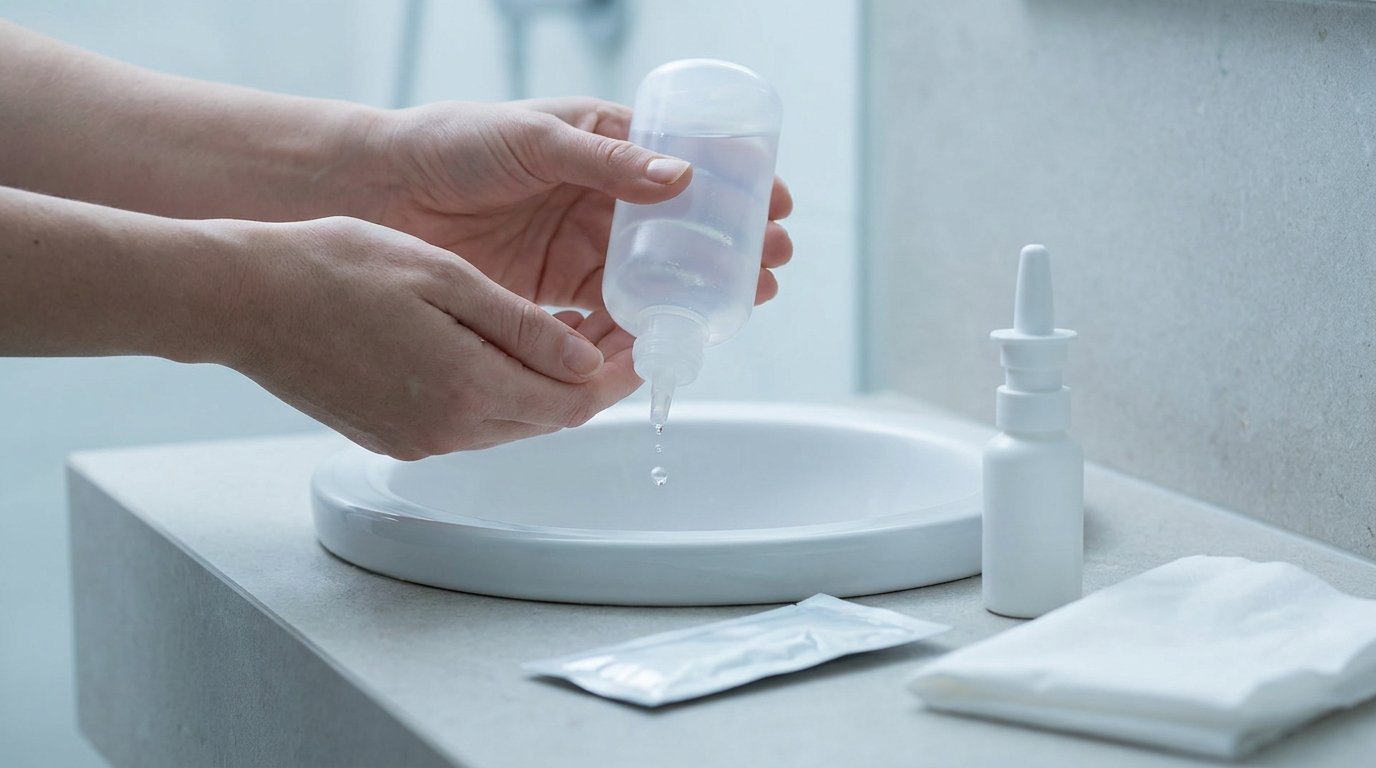
Try not to overdo cleaning. Gentle care helps; aggressive picking inside the nose does not. If crusting is stubborn, ask your surgeon’s team how they want you to manage it instead of forcing it loose at home.
A few practical habits tend to make recovery smoother:
- ✓Use saline exactly as instructed, because frequency varies by surgeon and by technique.
- ✓Avoid smoking and second-hand smoke, which can irritate the nasal lining and slow healing.
- ✓Skip hard exercise, heavy lifting and anything that raises pressure in your face until you are cleared.
- ✓Keep follow-up visits, because internal cleaning or inspection may be part of normal recovery.
If you are travelling for treatment, plan enough time for the first follow-up and for any early concerns to be checked in person if needed. Cost is usually affected by the surgical technique used, whether septoplasty or other nasal work is combined, the hospital setting, anaesthesia, medicines, and follow-up care. A quote should explain what is included and when extra care could add to the overall cost. The exact price is personal and should only be confirmed after consultation.
- ✓Follow the operating surgeon’s instructions over general online advice.
- ✓Use only the sprays, rinses and medicines you were specifically told to use.
- ✓Treat day-to-day congestion as part of a trend, not as a final result.
- ✓Ask before flying or returning to demanding activity if your recovery has been slower than expected.
When should swelling or blockage worry you?
Some congestion, light bleeding and discomfort are expected after turbinate surgery. What matters is whether symptoms are easing overall or moving in the wrong direction. Call your surgical team promptly if swelling seems to be increasing rather than improving, if bleeding becomes heavy, if pain is getting worse instead of better, or if you develop fever, a bad smell from the nose, or signs of dehydration because you cannot manage fluids well.
You should also seek advice if one side suddenly becomes much more painful or swollen, or if you feel short of breath in a way that seems out of proportion to normal nasal blockage. Severe complications are not the norm, but it is safer to check early than to wait.
Red flags that should not be ignored
Persistent blockage by itself is not always an emergency, but certain symptoms deserve faster review. Worsening facial pain, marked swelling around the eyes, heavy fresh bleeding, or symptoms that sharply worsen after initial improvement need medical attention. Your own post-operative instructions may include an emergency number and should take priority over any general checklist.
For factual safety guidance, it is reasonable to rely on major hospital ENT instructions, NHS advice on post-surgical recovery, and peer-reviewed studies rather than social media timelines. General educational material can help you know what is common, but it should never replace the plan given by the surgeon who performed your operation.
🚨 Get urgent advice if symptoms escalate Heavy bleeding, rising pain, fever, eye swelling, or sudden worsening after initial improvement should be assessed promptly.
How to choose care and follow-up if you are having nasal surgery abroad
For any functional nasal procedure, recovery support matters almost as much as the operation itself. Ask who will perform the surgery, what technique is planned, whether septoplasty might be added, and how follow-up is handled if swelling lasts longer than expected. If you are comparing providers, look for clear surgeon credentials, hospital accreditation, and a written aftercare plan rather than vague promises about quick recovery.
Organisations such as EBOPRAS are relevant for specialist training standards in plastic surgery, while ENT-specific experience is particularly important for turbinate procedures. If your surgery is being arranged through a provider, it is reasonable to ask for the operating doctor’s qualifications and the setting where the surgery will take place. A general background page such as the provider’s about page can tell you how the service is organised, but your decision should rest on the named surgeon, the facility, and the follow-up plan.
If you want to understand the people involved before travelling, a provider’s doctors page may help you identify the medical team. That said, general website information should not replace a direct consultation in which your nasal history, allergies, previous surgery and examination findings are reviewed.
A personalised treatment plan should explain what kind of swelling is expected in your case, how long you may need to stay nearby, when you can fly, and what happens if you need review after returning home. Those details are more useful than any one-size-fits-all promise.
Frequently Asked Questions
References
- 📎PubMed: turbinate reduction postoperative swelling recovery
- 📎PubMed: septoplasty turbinate reduction recovery outcomes
- 📎NHS: Septoplasty
- 📎EBOPRAS
Related Articles



You Might Also Like



Related articles



Our specialists
 Clineca SpecialistErkan PinegözPlastic & Reconstructive Surgery
 Clineca SpecialistHakan AktaşPlastic & Reconstructive Surgery
 Clineca SpecialistOrkun UzuneyüpoğluPlastic & Reconstructive Surgery
 Clineca SpecialistSalim İskenderPlastic & Reconstructive Surgery
 Clineca SpecialistEngin SelamioğluPlastic & Reconstructive Surgery
 Clineca SpecialistCem AydınPlastic & Reconstructive Surgery
 Clineca SpecialistAlperen ÖnalEar, Nose & Throat (ENT)