

Have a question about Breast Augmentation?
In this article
- Can both operations be done in one session?
- What decides whether it is safe for you
- One trip or two? The honest trade-off
- What combined recovery actually looks like
- What drives the cost of a combined plan
- How long to stay in Turkey, and how to plan the trip
- Choosing a surgeon and clinic for a two-procedure plan
Two very different parts of the body, two very different operations — and yet the question of whether breast augmentation and rhinoplasty can be done together comes up constantly, especially from people travelling abroad for surgery. The appeal is obvious: one flight, one anaesthetic, one block of time off work. What is less obvious is how surgeons decide whether that plan is sensible for a particular person, and what it actually feels like to heal from both at once.
Can both operations be done in one session?
In many cases, yes. Breast augmentation and nose surgery sit in separate surgical fields, they do not compete for the same tissue, and neither one makes the other technically harder. A surgical team can plan them as a single session under one general anaesthetic, usually with the nose done by a rhinoplasty surgeon and the breast by a breast and body surgeon, either working in sequence in the same operating room.
Combining is also a normal pattern rather than an unusual request. Close to a third of the women who come to us for breast augmentation have it alongside another procedure, most often a breast lift or a nose operation. For you, that mainly means the quote and the recovery plan you are given will probably describe two procedures — so comparing it against a single-procedure price you saw elsewhere will mislead you.
There is one genuinely interesting link between the two operations. When a nose needs strong structural support, surgeons sometimes use rib cartilage. A 2026 paper in Aesthetic Plastic Surgery described harvesting costal (rib) cartilage through the same incision used for breast augmentation in patients having both procedures, avoiding a separate scar on the chest wall. That is a specific scenario, not a routine plan, but it shows how carefully a combined case can be designed when both operations are in the picture.
If you want the wider picture on pairing operations in one trip, our guide to combining rhinoplasty with another surgery and our overview of combined surgery in Turkey go deeper.
📋 Who operates matters more than whether it is combined A combined plan is only as good as the two surgeons in it. Ask who performs each part, and confirm that the rhinoplasty is done by someone who does noses as a main part of their practice — not as an add-on.
What decides whether it is safe for you
The deciding factor is almost never the body areas involved. It is total time under anaesthesia, your general health, and how much blood loss and tissue trauma the combined plan adds up to. Breast augmentation on its own is a relatively contained operation, and primary rhinoplasty is too, so the combined time is often manageable for a healthy, non-smoking patient. A revision nose, a rib cartilage graft, or a breast lift added on top all push that time up — and that is where surgeons start to split the plan.
Both of these operations are among the most frequently performed cosmetic procedures worldwide. A 2020 review in Plastic and Reconstructive Surgery listed breast augmentation, liposuction, rhinoplasty, blepharoplasty and abdominoplasty as the five most common, and argued that safety has to be the foundation of all cosmetic surgery practice. Familiarity is reassuring, but it is not the same as being risk-free, and a combined case deserves more pre-operative scrutiny, not less.
Things your surgeon and anaesthetist will weigh before saying yes:
- ✓Your blood tests, heart and lung health, BMI and any clotting history
- ✓Smoking or vaping, which affects nose healing and breast wound healing
- ✓Whether the rhinoplasty is primary or revision, and whether rib cartilage is needed
- ✓Whether you also want a lift, which lengthens the breast part considerably
- ✓How mobile you will be afterwards, given both the chest and the face are healing
If anything on that list makes the session long, a good surgeon will say so and offer a staged plan. That is a sign of judgement, not of a clinic trying to sell you a second trip.
⚠️ Long single sessions are the real risk, not the combination itself Risk rises with anaesthesia time and total surgical load. Be cautious of any plan that stacks a revision nose, implants and a lift into one very long operation, and ask directly how many hours the team is estimating.
One trip or two? The honest trade-off
Doing both in one stay saves a flight, one period of time off work and one round of pre-operative tests. It also concentrates the discomfort: you will be swollen in the face and sore across the chest at the same time, in the same week.
Splitting the two is a completely respectable alternative. Among the people who come to us wanting two procedures, roughly one in ten chooses to space them across two separate trips rather than one stay. If you are nervous, or if your schedule only allows a short absence, that path is normal and nobody should push you off it.
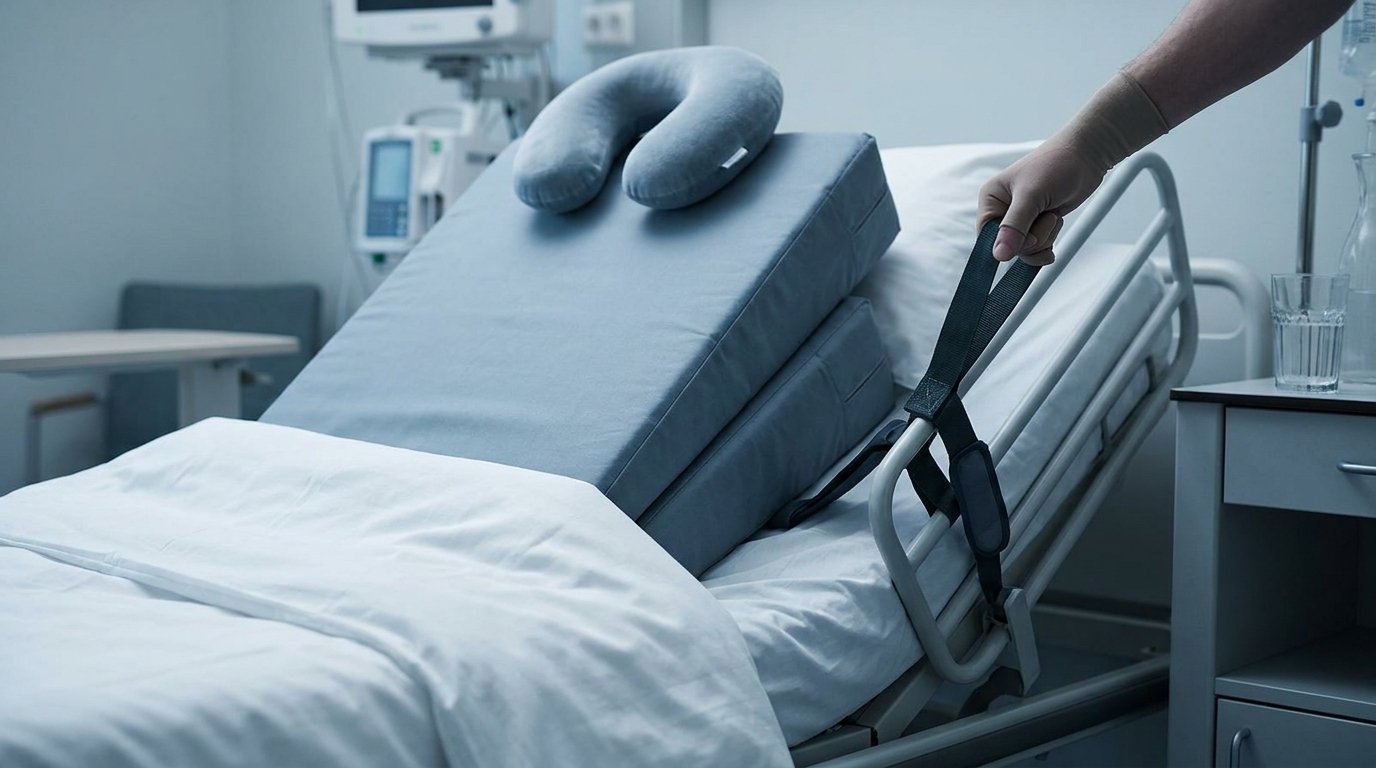
There is also a practical conflict worth knowing about. After rhinoplasty you are asked to sleep elevated and avoid knocks to the nose, while after breast augmentation you are asked to limit arm lifting and reaching. Getting in and out of bed without using your arms, while keeping your head propped up, is awkward for the first few days. It is manageable with help — it is much harder alone in a hotel room.
You are healthy and a non-smoker, the nose surgery is straightforward, you have someone with you for the first week, and you want a single recovery period rather than two.
The nose needs revision or rib cartilage, you also want a breast lift, you have any health flags, or you simply prefer to heal one thing at a time and judge each result on its own.
What combined recovery actually looks like
The timeline is set by whichever procedure heals slower — and that is almost always the nose, since nasal swelling settles over months rather than weeks. Your comfort in the first fortnight, though, is usually dominated by the breast: tightness, pressure and limited arm movement.
Facial bruising and swelling peak in the first few days, the nasal splint or tapes come off within about a week, and most people feel socially presentable somewhere in the second to third week. Breast soreness eases noticeably after the first week, with normal daily activity returning before any gym work does.
For the detail on each half, our week-by-week breast augmentation healing guide and the rhinoplasty recovery timeline read well side by side.
🚨 Call the clinic, not a search engine One-sided breast swelling or increasing pain, fever, calf pain or breathlessness, or heavy bleeding from the nose all need immediate contact with your surgical team or urgent local care.
What drives the cost of a combined plan
A combined quote is not simply two prices added together. Some costs are shared once — anaesthesia set-up, hospital admission, your tests, transfers and accommodation — while surgeon time and implant costs are specific to each procedure. That is why combining is usually more economical than two separate journeys, without ever being half price.
What moves the figure most is the complexity on each side: whether the nose is a first-time or revision case, whether rib or ear cartilage is needed, which implant brand and type you choose, and whether a lift is added to the breast part. Length of hospital stay, how many nights of hotel accommodation are included, and the number of follow-up checks all feed in as well.
A responsible clinic will only confirm a personalised price after a consultation with photographs and a medical history, because the plan has to come before the number. Our pages on what affects breast augmentation cost and what affects rhinoplasty cost explain the drivers for each procedure in more detail.
📋 Ask what the quote excludes The useful question is not only what is included, but what is not: revision policy, extra hotel nights if discharge is delayed, compression garments, medication and the cost of a companion’s stay.
For the rhinoplasty half of the plan, our rhinoplasty in Turkey cost and safety guide explains what shapes the quote and the recovery timeline.
How long to stay in Turkey, and how to plan the trip
For a combined breast augmentation and rhinoplasty, plan on a stay of roughly ten to fourteen days rather than the shorter window sometimes quoted for a single procedure. The nose dictates it: your surgeon will want to remove the splint, check the airway and clear you for flying before you leave. Fitness to fly is a clinical decision, not a calendar one.
Bring someone if you can. In the first few days you will want help with luggage, doors and anything above shoulder height, and a companion makes a combined recovery far less exhausting. Choose accommodation close to the hospital with a lift, and arrange airport transfers in advance rather than on the day.
Our guidance on how long to stay in Turkey for breast surgery and on accommodation and transfers for rhinoplasty patients covers the practical side, including what to expect from follow-up appointments before you fly home.
- ✓Book a flexible return ticket in case your surgeon wants an extra day or two
- ✓Pack front-fastening tops and a travel pillow to keep your head supported
- ✓Confirm who you contact, and how, once you are back home
- ✓Arrange a local doctor or clinic contact for wound checks after the flight
Choosing a surgeon and clinic for a two-procedure plan
Look for a hospital or clinic with proper accreditation and full anaesthesia cover, and for surgeons whose specialist registration you can verify. In Europe, board certification through bodies such as EBOPRAS is a reasonable marker of training, and national societies such as BAAPS and ASPS publish patient-facing information on how to check credentials.
Be wary of plans agreed entirely over messaging, with no medical history form, no photographs reviewed by the operating surgeon, and no discussion of what happens if a complication arises after you fly home. A clinic that slows you down and asks more questions than you expected is usually the safer one.
It is also worth taking the decision itself seriously. A 2023 summary in Plastic and Reconstructive Surgery – Global Open highlighted decision regret as a real, measurable outcome after elective surgery, and argued that surgeons should treat it as part of how results are judged. Regret tends to follow rushed choices and expectations nobody tested out loud — so if you feel pushed to add a second procedure because it is convenient for the trip, that is a reason to pause, not to book.
One more thing to raise early: if there is any chance of a future pregnancy, say so at the first consultation. Pregnancy and breastfeeding come up in around a quarter of the conversations we have with women weighing breast surgery, and it can genuinely shape implant choice, incision planning and timing.
This article is for informational purposes only and does not constitute medical advice. Always consult a qualified surgeon for personalised guidance.
Named, verifiable surgeons for each procedure; an anaesthetist consultation; a written plan with estimated operating time; clear follow-up and revision terms; no pressure to decide quickly.
A price quoted before any medical history is taken; refusal to say who performs the nose; vague ‘everything in one day’ promises; no named contact for complications once you are home.
Frequently Asked Questions
References
- 📎Combination of Autologous Costal Cartilage Harvest for Rhinoplasty and Breast Augmentation Through the Same Incision — Aesthetic Plastic Surgery, 2026
- 📎Cosmetic Surgery Safety: Putting the Scientific Data into Perspective — Plastic and Reconstructive Surgery, 2020
- 📎Decision Regret in Plastic Surgery: A Summary — Plastic and Reconstructive Surgery Global Open, 2023
- 📎EBOPRAS — European Board of Plastic, Reconstructive and Aesthetic Surgery
- 📎NHS — Cosmetic procedures
Related Articles


You Might Also Like



Related articles



Our specialists
 Clineca SpecialistErkan PinegözPlastic & Reconstructive Surgery
 Clineca SpecialistHakan AktaşPlastic & Reconstructive Surgery
 Clineca SpecialistOrkun UzuneyüpoğluPlastic & Reconstructive Surgery
 Clineca SpecialistSalim İskenderPlastic & Reconstructive Surgery
 Clineca SpecialistEngin SelamioğluPlastic & Reconstructive Surgery
 Clineca SpecialistCem AydınPlastic & Reconstructive Surgery
 Clineca SpecialistAlperen ÖnalEar, Nose & Throat (ENT)