

Have a question about Breast Augmentation?
In this article
- What does it really mean for breast augmentation results to last?
- How long do implants usually last before replacement or revision?
- What makes breast augmentation results last longer or change sooner?
- When should you worry that your implants may need to be checked sooner?
- Can breast augmentation last longer if it is combined with another procedure?
- What should international patients ask about cost, monitoring and long-term planning?
How long do breast augmentation results last? In practical terms, many patients enjoy their result for many years, but it is best to think in decades with the understanding that implants are not considered lifetime devices. That matters because “how long it lasts” can mean several different things at once: how long the fuller look stays attractive, how long the implants themselves remain problem-free, and how long it is before your body changes enough that you may want a revision even if nothing is medically wrong.
What does it really mean for breast augmentation results to last?
This question sounds simple, but there are really three clocks running after surgery. The first is the implant device itself. The second is the cosmetic result you see in the mirror. The third is your life and body, which can change the breasts even when the implants are still intact.
Most modern breast implants can stay in place for many years. ASPS explains that implants do not have an expiry date in the way people sometimes imagine, but they also are not expected to last forever. In other words, you should not assume automatic replacement after a set number of years, and you should not assume one operation will be the only breast surgery you ever need.
The look can also change before the implant fails. Skin stretches, breast tissue thins, weight goes up and down, and pregnancy can affect shape and upper-pole fullness. One of the timing questions that keeps surfacing in consultations is future pregnancy or breastfeeding. It comes up in about one in four of the conversations we have with women considering breast surgery, which is a good reminder to mention your plans early because they can affect the surgical plan, implant choice and whether a lift may matter as much as volume.
A useful way to think about longevity is this: the enhanced volume often lasts a long time, but the same exact shape and firmness usually does not. That is not necessarily a complication. It is normal ageing acting on breasts that happen to contain implants.
📋 A long-lasting result is not the same as a permanent device Breast implants often stay in place for many years, but they are not considered lifetime devices. Follow-up matters even when you feel well.
How long do implants usually last before replacement or revision?
There is no single deadline when every implant must be replaced. The better question is how often people need another operation over time. That depends on the implant type, surgical technique, your tissues, and whether the reason is medical or cosmetic.
ASPS states that many patients keep their implants well beyond ten years, but the chance of needing another surgery rises over time. The NHS also advises that breast implants may need to be removed or replaced in the future because they can rupture, harden, move, or lead to changes in appearance. Mayo Clinic makes a similar point: implants are durable, not permanent, and problems such as rupture or scar tightening around the implant can make further surgery necessary.
The strongest way to set expectations is to separate device lifespan from revision timing. An implant may still be intact while a patient chooses a revision for rippling, asymmetry, a change in size preference, sagging after pregnancy, or a desire to remove implants altogether. On the other hand, some patients need earlier surgery because of capsular contracture, rupture, malposition, or persistent discomfort.
Peer-reviewed studies in journals such as Plastic and Reconstructive Surgery and Aesthetic Surgery Journal consistently show that reoperation is a known long-term part of breast implant care. The exact percentages vary by implant generation, follow-up length and reason for reoperation, which is why responsible surgeons avoid giving one universal number that applies to everyone. What matters for a patient is the pattern: the first result may last a long time, but revision risk accumulates year by year rather than appearing suddenly at one fixed point.
If you are comparing options, this is why it helps to read not only about the first surgery but also about breast implant replacement or removal and how to tell and the signs that may suggest a problem, such as capsular contracture after breast implants. A realistic decision includes the possibility that you may want or need another breast procedure later.
What makes breast augmentation results last longer or change sooner?
A durable result starts with good matching between the implant and the body. An implant that fits your chest width, tissue thickness and skin quality usually ages better than an oversized implant chosen only for dramatic volume. Bigger implants can look appealing early on, but they may put more strain on tissues over the years and increase the chance of visible stretching or bottoming out, where the implant drops too low.
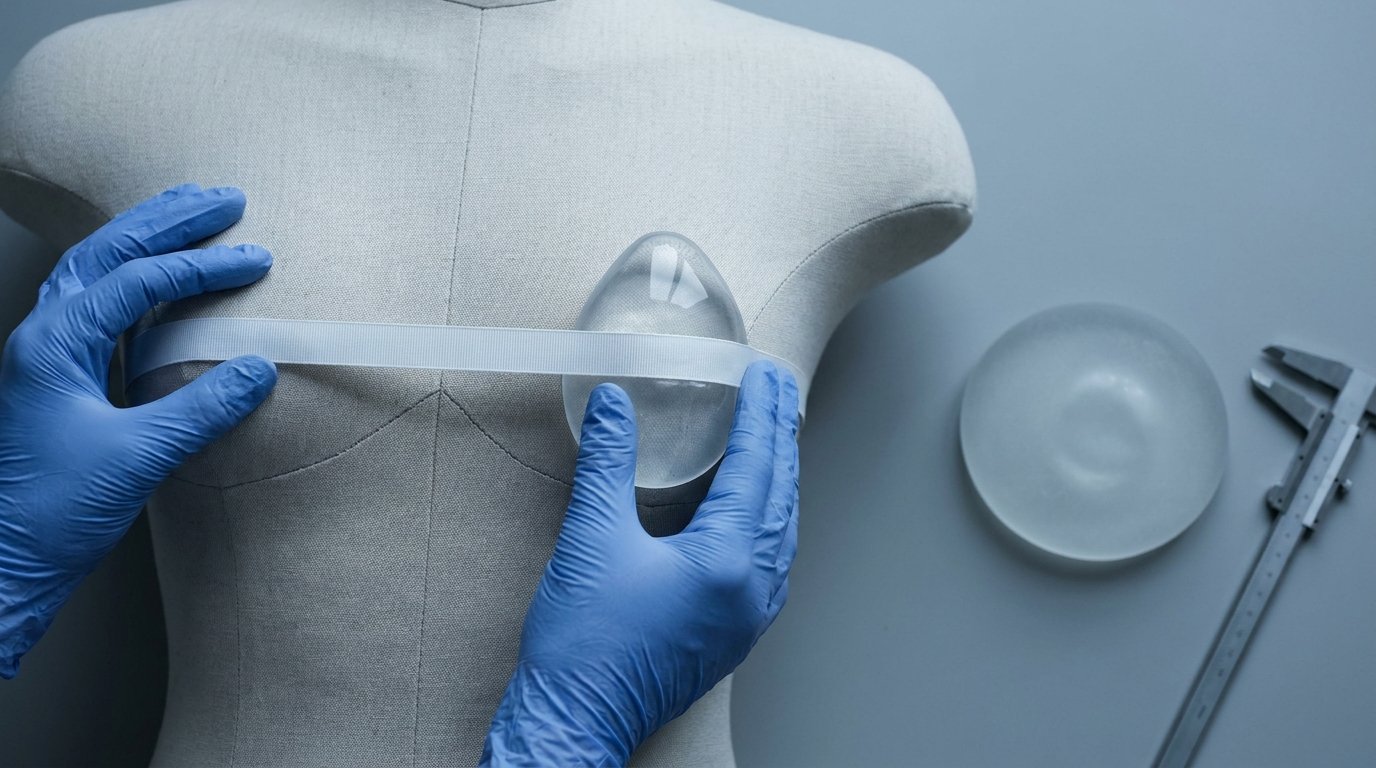
Surgical planning matters just as much. Implant placement, pocket control, symmetry work, and whether you actually need a lift can all influence longevity. Some patients focus only on cup size when the bigger issue is loose skin or low nipple position. In that situation, the implant may add fullness but not create the balanced shape they hoped would last.
Your body also has a strong vote. Major weight loss, pregnancy, breastfeeding and natural ageing can all change the breast envelope. That does not mean the surgery has failed. It means breasts keep living with you. If this is relevant for you, our article on breast surgery after breastfeeding timing month by month can help you plan the timing more realistically.
Smoking, poor wound healing, untreated infection and missed follow-up can also shorten the life of the result indirectly. They may not damage the implant itself, but they can affect scar quality, tissue support and complication risk.
Implant choice also affects the long game
There is no universally “best” implant for everyone. Smooth versus textured history, round versus anatomical shape, saline versus silicone gel, and profile choice all involve trade-offs. Many international patients now prefer silicone gel implants because they tend to feel more natural, but they also require proper monitoring because a rupture is not always obvious from the outside.
The FDA is often cited on imaging surveillance for silicone implants, but the practical patient point is straightforward: if your surgeon recommends periodic imaging, that is part of owning implants responsibly. Longevity is not only about what is placed in surgery. It is also about what is checked afterwards.
An implant size that fits your tissues, realistic volume goals and a plan that addresses sagging if sagging is already present.
Choosing volume far beyond your tissue support, ignoring existing droop or assuming implants alone can hold shape forever.
When should you worry that your implants may need to be checked sooner?
Many changes over time are expected, but some deserve an earlier review. A breast that becomes firmer, higher, rounder and less natural-feeling can be showing capsular contracture, which means the scar capsule around the implant has tightened. ASPS and the NHS both recognise this as a known complication.
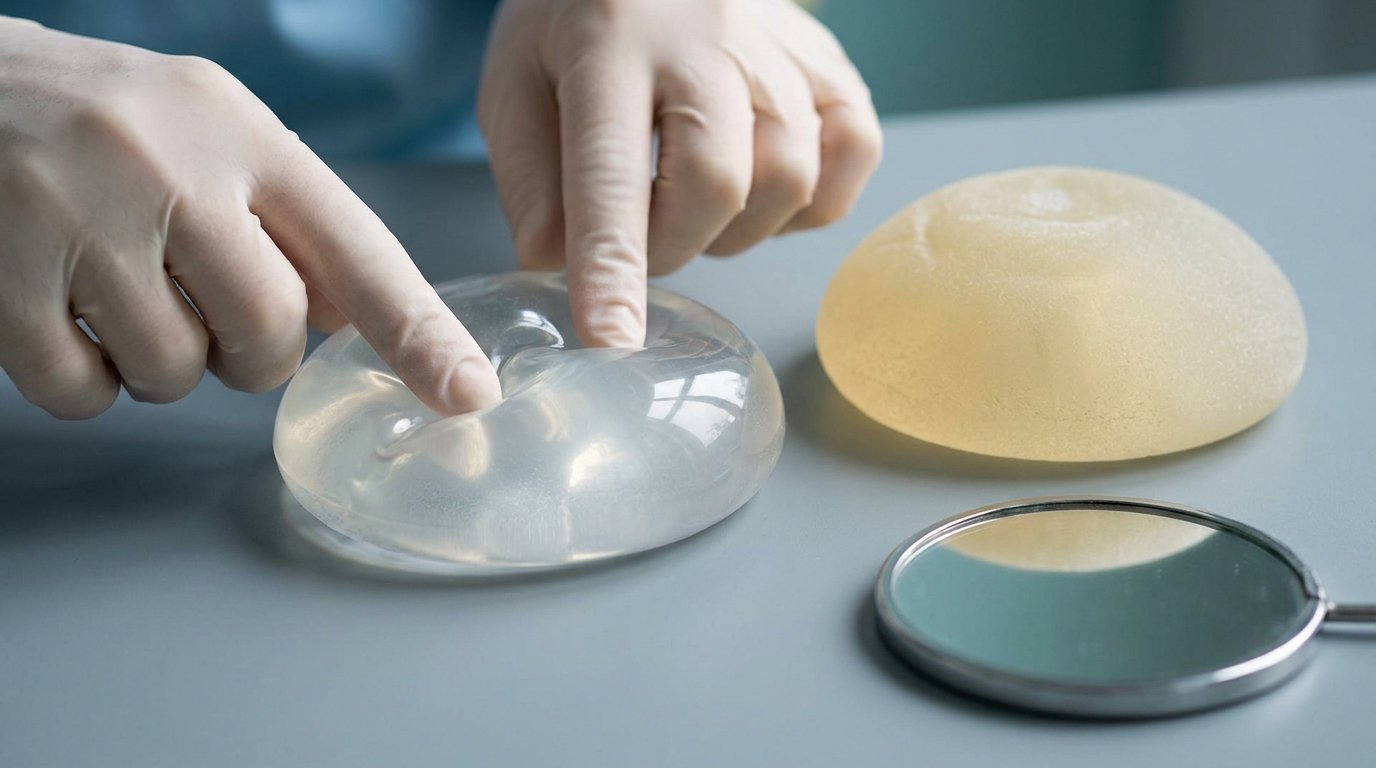
A sudden shape change, new asymmetry, persistent swelling, a breast that looks deflated, or pain that is getting worse rather than better should also be assessed. With silicone implants, rupture is sometimes called “silent” because the change may be subtle. That is one reason follow-up imaging can matter even when there is no dramatic symptom.
If you are several years out and something feels different, do not guess from photos online. See a qualified plastic surgeon for an exam and imaging if advised. Patients who travel for surgery should ask before booking how long-term follow-up works, what happens if they need ultrasound or MRI later, and how a revision is handled if a problem appears after they return home.
⚠️ Do not wait on progressive changes New firmness, distortion, persistent swelling, pain or obvious asymmetry should be assessed by a surgeon rather than watched indefinitely.
- ✓A breast feels increasingly hard or tight
- ✓The implant seems to have shifted position
- ✓There is new asymmetry or shape distortion
- ✓You notice persistent swelling or pain
- ✓One breast looks deflated or suddenly different
- ✓Your surgeon has advised routine imaging and it is overdue
Can breast augmentation last longer if it is combined with another procedure?
Sometimes yes, but not because combining surgery somehow protects the implant. The benefit is that a second procedure may fix a separate issue that implants alone cannot solve. The classic example is a breast lift for droop. If the nipple sits low or the skin envelope is loose, adding an implant without a lift may create extra volume but a less stable long-term shape.
This is why combined planning is so common in real practice. In the breast augmentation cases we see, about 32% are booked with at least one other procedure, most often a breast lift or rhinoplasty. For you, the practical meaning is simple: do not judge longevity only by implant brand or size if your breast shape problem is really a lift problem.
That does not mean everyone needs combined surgery. It means the operation should match the anatomy. If you are unsure which issue is the main one, breast lift or implants: what each one fixes is a useful starting point, and if both volume loss and droop are present, breast augmentation with lift: candidacy, recovery, safety explains the trade-offs more clearly.
What should international patients ask about cost, monitoring and long-term planning?
For medical travel, the important question is not only what happens on surgery day. It is what support exists later. A cheaper quote can look attractive until you realise it may not include implant warranty details, follow-up imaging advice, garments, medication, or what happens if you need a revision.
Ask for a written breakdown of what the quote includes, who performs the operation, what brand of implant is proposed, how many follow-up checks are built in, and how aftercare works once you are back home. A personalised price is usually confirmed after consultation because the plan changes depending on implant choice, whether a lift is needed, and whether surgery is combined with another procedure. Our article on breast augmentation cost, quote inclusions and trade-offs can help you compare offers more intelligently.
If you are travelling to Turkey, ask how long you should stay not only for the surgery itself but for early checks before flying home. For a broader logistics view, how long to stay in Turkey for breast surgery explains how stay length is planned around safety and follow-up rather than tourism convenience.
When choosing a surgeon, look for specialist plastic surgery training, clear complication counselling, hospital standards, and a willingness to discuss revision policy honestly. Bodies such as EBOPRAS and BAAPS are useful points of reference for training and professional standards. A clinic that avoids hard questions about rupture, revision or future imaging is not helping you make a durable decision.
Frequently Asked Questions
References
- 📎American Society of Plastic Surgeons: Cosmetic Procedures
- 📎NHS: Cosmetic procedures
- 📎Mayo Clinic: Tests and Procedures
- 📎PubMed search: breast implant reoperation rupture capsular contracture long term
Related Articles



You Might Also Like



Related articles



Our specialists
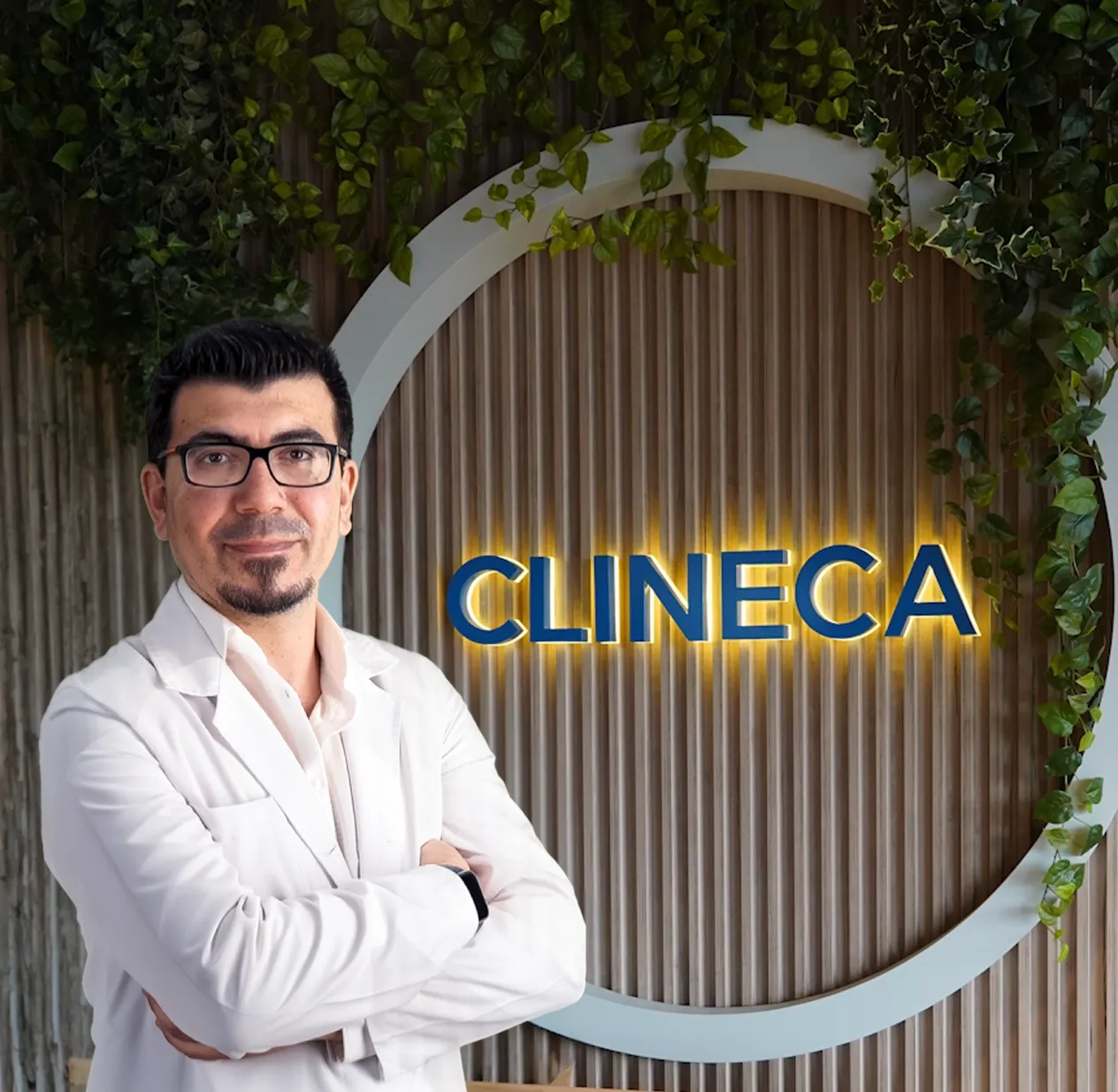 Clineca SpecialistErkan PinegözPlastic & Reconstructive Surgery
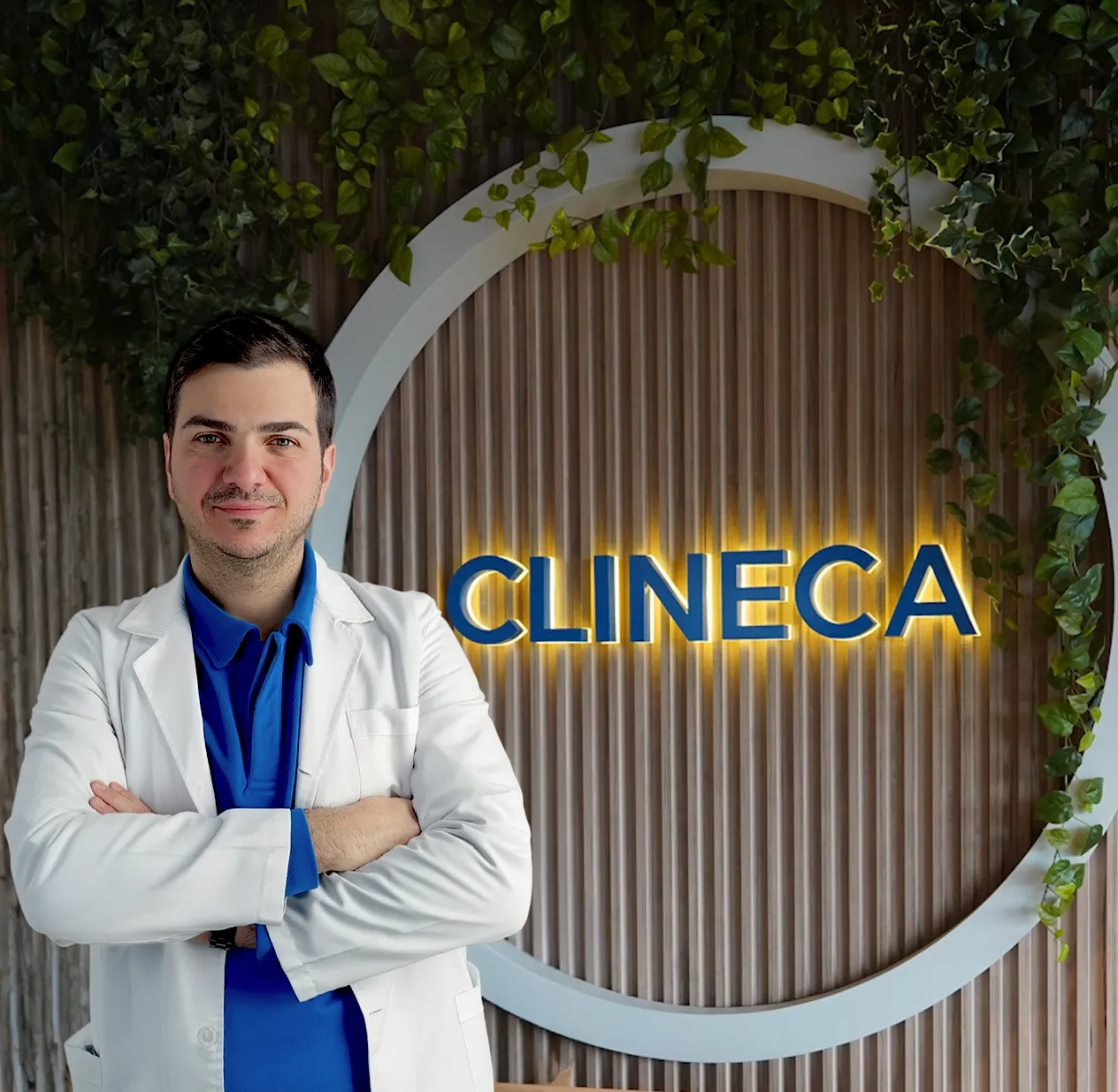 Clineca SpecialistHakan AktaşPlastic & Reconstructive Surgery
 Clineca SpecialistOrkun UzuneyüpoğluPlastic & Reconstructive Surgery
 Clineca SpecialistSalim İskenderPlastic & Reconstructive Surgery
 Clineca SpecialistEngin SelamioğluPlastic & Reconstructive Surgery
 Clineca SpecialistCem AydınPlastic & Reconstructive Surgery
 Clineca SpecialistAlperen ÖnalEar, Nose & Throat (ENT)