
Have a question about Rhinoplasty?
In this article
- What people actually mean by "ethnic features" on the nose
- Which parts can be refined and which are usually left alone
- Naming your goal precisely, because each wish maps to a different step
- Thick skin, definition and why the result reveals itself slowly
- Safety, breathing and the honest trade-offs
- What drives the cost of ethnic rhinoplasty in Turkey
- How long to stay, and whether to combine it with something else
- Choosing a surgeon who works on noses like yours
Most people arrive at a nose consultation with two wishes pulling against each other. They want a smoother bridge, a more defined tip or narrower nostrils, yet they do not want a nose that looks borrowed from someone else’s face — which is exactly why the question of whether ethnic rhinoplasty can refine your nose without changing your ethnic features comes up in the first few minutes of almost every conversation. The answer has far less to do with the label on the operation than with how the surgical plan is built, and which parts of your nose the surgeon agrees to leave alone.
What people actually mean by "ethnic features" on the nose
“Ethnic rhinoplasty” is not a single operation. It is a loose umbrella term for nose surgery in patients whose nasal anatomy differs from the narrow, high-bridged European nose that older textbooks used as a default. In practice, that covers a very wide range: thicker or oilier skin over the tip, softer and less springy tip cartilage, a lower or broader bridge, a wider nostril base, less tip projection, or a combination of these.
Those traits are anatomical, not cosmetic flaws. They also vary hugely inside a single family, so no surgeon can plan your nose from your background alone. What matters clinically is the actual thickness of your skin, the strength of your cartilage and how your nose sits against your cheeks, lips and chin.
The surgical literature has shifted in the same direction. Papers on ethnic and non-Caucasian rhinoplasty published in journals such as Plastic and Reconstructive Surgery and Aesthetic Plastic Surgery consistently frame the goal as refining the nose while preserving its ethnic character, rather than converting every patient toward one aesthetic ideal. That framing is worth repeating back to your surgeon, because it tells you quickly whether you are being heard.
Which parts can be refined and which are usually left alone
Refinement without erasure comes down to changing millimetres in a few specific places while protecting the features that give your face its signature. A slightly narrower bridge, a tip that holds its shape instead of drooping when you smile, and a nostril base that is brought in conservatively can all read as “my nose, tidied” rather than a new nose.
The modern approach is largely additive and structural. Rather than cutting away tissue to make a nose smaller, surgeons often use your own cartilage — from the septum inside the nose, sometimes the ear, occasionally a rib in complex or revision cases — to build support, lift the tip and create shadow and definition. Grafts and sutures shape the nose; heavy reduction is what tends to produce that generic, over-operated look.
An honest plan also names what will not change. If your bridge is naturally broad and low, turning it into a high, thin ridge is what makes a face look unfamiliar in photographs, and it can also strain the breathing passages.
⚠️ Over-reduction is the hardest thing to undo Cartilage and bone that have been removed cannot be put back without grafting from elsewhere. If a surgeon promises a dramatically smaller, sharper nose in one session, ask specifically how much tissue they plan to remove and how the airway will be supported afterwards.
Naming your goal precisely, because each wish maps to a different step
The single most useful thing you can do before surgery is turn a feeling into a description. Among the people who write to us about their nose, the wish that surfaces most often is a slimmer or thinner nose — roughly one in six — well ahead of a smaller nose, a straighter bridge or a more defined tip. “Natural” is said far less often than the marketing suggests. For you, that matters because “slimmer” can mean three completely different operations: narrowing the bony bridge, refining the tip cartilage, or bringing in the nostril base. Saying which one you mean is what keeps your plan from drifting toward a stock result.
Photographs help more than adjectives. Bring images of your own face from several angles, and ask to see the surgeon’s before-and-after cases in patients with skin thickness and cartilage similar to yours — not their most dramatic transformations. Digital simulations are useful for agreeing on direction, but they are a discussion tool and not a promise of outcome.
It is also worth separating the aesthetic goal from breathing. If you snore, block on one side or have had trauma, say so early, because septal or turbinate work changes the plan and sometimes the price.
- ✓Point to the exact part of your nose you dislike, in a mirror or on a photo
- ✓Say clearly which features you want left untouched
- ✓Mention any breathing problem, allergy or previous nasal injury
- ✓Ask which of your goals are achievable in one operation and which are not
Thick skin, definition and why the result reveals itself slowly
Thicker nasal skin is the most common reason a refined result takes time to appear. The skin acts like a blanket over the new framework, so definition emerges as swelling resolves rather than the moment the splint comes off. Surgeons compensate by building a stronger cartilage structure underneath, which is why how surgeons create definition in a thick-skinned nose is a fair question to put to your surgeon directly.
Expect the visible change to arrive in stages. The nose usually looks presentable within a couple of weeks, noticeably better by three months, and continues to settle over the first year, with the tip typically the last area to finish. In thicker skin, twelve to eighteen months before the final shape is fully clear is realistic. Our week-by-week rhinoplasty recovery timeline sets out what each stage looks like day to day.
Patience here protects the result. Judging your nose at week three, or asking for a revision at month four, is how people end up with two operations instead of one.
Safety, breathing and the honest trade-offs
Rhinoplasty is one of the most frequently performed facial procedures worldwide, according to statistics published by the American Society of Plastic Surgeons and ISAPS, but it is also one of the technically hardest, and revision rates are meaningful in every published series. The specific risks worth understanding are asymmetry, irregularities you can feel or see once swelling settles, prolonged numbness of the tip, graft visibility over time, and impaired breathing if support is reduced too much.
There are real trade-offs, not just risks. Narrowing the nostril base leaves small scars in the natural crease; they usually fade well but they exist. Adding tip definition in thick skin means a firmer, more structured tip that can feel stiff for months. Using rib cartilage adds a chest incision and a longer recovery. None of these are reasons to avoid surgery, but they should be stated in your consultation rather than discovered afterwards.
Anaesthesia and hospital standards matter as much as technique. General anaesthesia delivered by an anaesthetist in an accredited hospital, with an overnight stay if your surgeon advises it, is the baseline you should expect — not a shortcut worth trading for a cheaper quote.
📋 Breathing is part of the aesthetic result A nose that looks refined but blocks at night is a poor outcome. If a deviated septum or enlarged turbinates are contributing, ask whether that work should be done in the same session — it often can be.
What drives the cost of ethnic rhinoplasty in Turkey
Price is the question patients raise first, and it is a reasonable one. What we can be clear about is what moves it: complexity, technique and time in theatre — not simply the label “ethnic”. A nose that needs cartilage grafting to build definition, or one that combines cosmetic reshaping with breathing surgery, takes longer and costs more than a straightforward hump reduction. Personalised figures are given after a consultation and a proper assessment of your photos and history; a serious clinic will not quote a final price from a single selfie.
When you compare quotes, compare inclusions rather than headline numbers. A full quote normally covers the surgeon’s fee, anaesthesia, hospital and any overnight stay, standard follow-up and, in most health-tourism packages, airport transfers and hotel nights. Our breakdown of what affects rhinoplasty cost, your quote and your stay explains how those pieces fit together.
One honest caution: the cheapest quote is a weak filter for this particular operation. Preservation and structural grafting techniques are experience-dependent, and revision surgery costs far more than getting the first plan right.
How long to stay, and whether to combine it with something else
Most patients travelling for nose surgery plan around seven to ten days in Turkey. That allows pre-operative tests, surgery, the first dressing or splint change and a review before flying home. Our guide to rhinoplasty travel plans, stay length and transfers covers the practical side, including when flying is usually cleared.
Combining procedures is common, and it can make sense for a single trip. Upper eyelid surgery pairs neatly with a nose operation because both are facial, both are done under one anaesthesia and the recovery windows overlap. Some patients combine nose surgery with breast augmentation or a breast lift. When you combine, remember that the stay length and the recovery pace are set by the bigger operation, not the nose — plan your time off around that. It is worth reading about combining rhinoplasty with another surgery before you decide.
Age is rarely the limiting factor. Our nose patients are around thirty on average, and a meaningful share are over forty, so if you are weighing this later than you expected, you are well inside the usual range.
Choosing a surgeon who works on noses like yours
The best protection against losing your features is a surgeon who does not want to change them. That comes through in how they talk during a consultation: whether they ask what you like about your nose, whether they show you cases with anatomy resembling yours, and whether they say no to any part of your request.
Check credentials properly. Look for a surgeon registered as a plastic or facial plastic surgeon in Turkey, ideally with recognised board or European qualifications such as EBOPRAS, operating in a licensed hospital. The NHS guidance on cosmetic procedures makes the same core point for any country: verify the individual surgeon, not just the clinic’s brand, and never feel rushed into booking.
On communication, be realistic about what good coordination looks like. Fast, clear replies before surgery are a genuine signal, but the more important test is whether you know exactly who to contact in the weeks after you fly home, and whether you get a real answer when swelling looks uneven at month two.
The surgeon asks which features you want preserved, shows before-and-after photos of patients with similar skin and cartilage, discusses breathing, explains the graft plan and gives a swelling timeline in months rather than weeks.
A price quoted before any assessment, promises of a specific dramatic result, no named surgeon, no mention of the airway, pressure to book immediately, or portfolios where every nose looks identical.
A tip-focused operation may address your concern with less surgery than a full rhinoplasty. It suits a narrow set of patients, so it needs assessment rather than assumption.
Frequently Asked Questions
References
- 📎Ethnic rhinoplasty — peer-reviewed literature (PubMed search)
- 📎American Society of Plastic Surgeons — cosmetic procedures
- 📎ISAPS Global Survey — international procedure statistics
- 📎NHS — cosmetic procedures: what to consider
Related Articles



You Might Also Like



Related articles



Our specialists
 Clineca SpecialistErkan PinegözPlastic & Reconstructive Surgery
 Clineca SpecialistHakan AktaşPlastic & Reconstructive Surgery
 Clineca SpecialistOrkun UzuneyüpoğluPlastic & Reconstructive Surgery
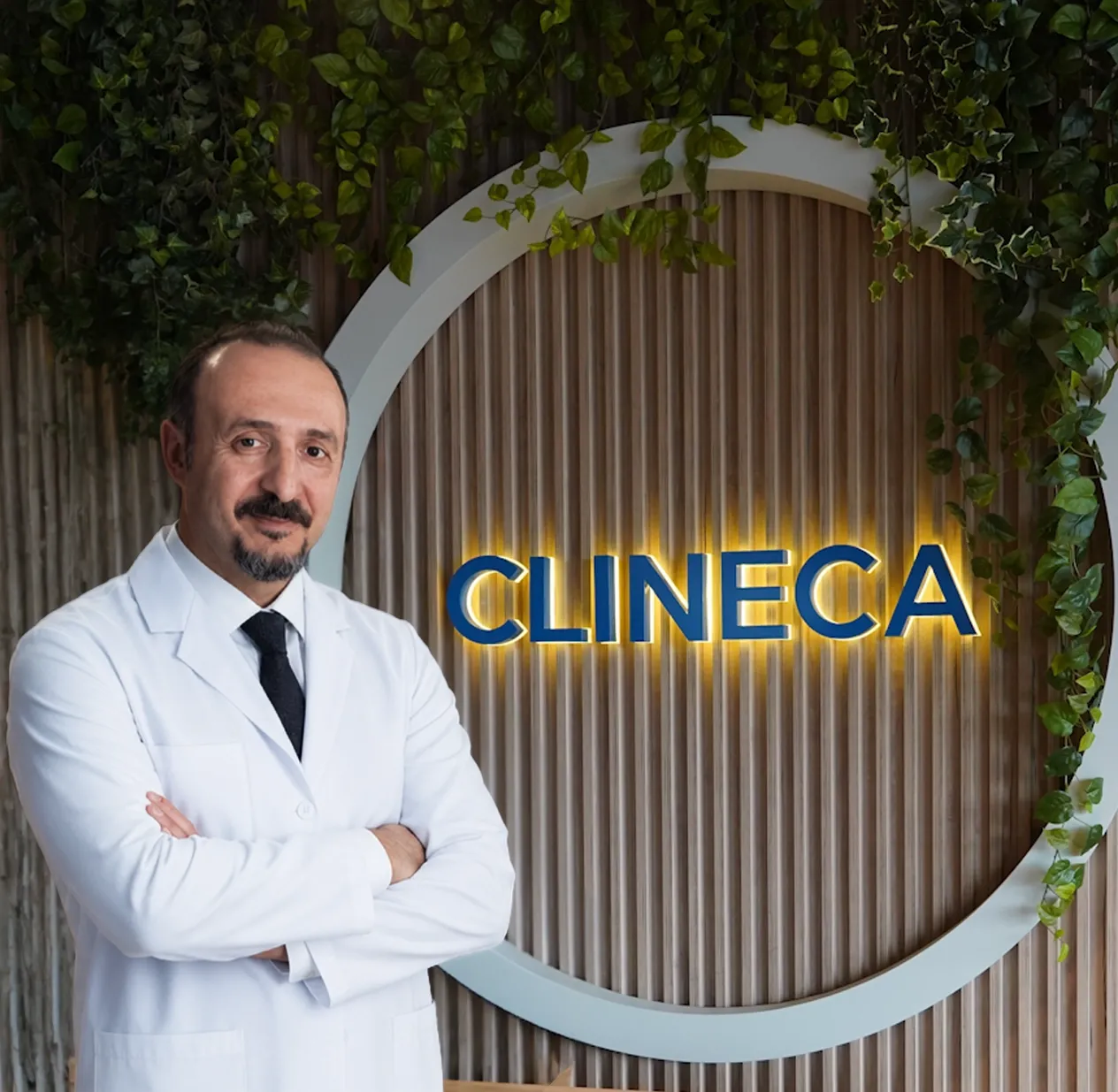 Clineca SpecialistSalim İskenderPlastic & Reconstructive Surgery
 Clineca SpecialistEngin SelamioğluPlastic & Reconstructive Surgery
 Clineca SpecialistCem AydınPlastic & Reconstructive Surgery
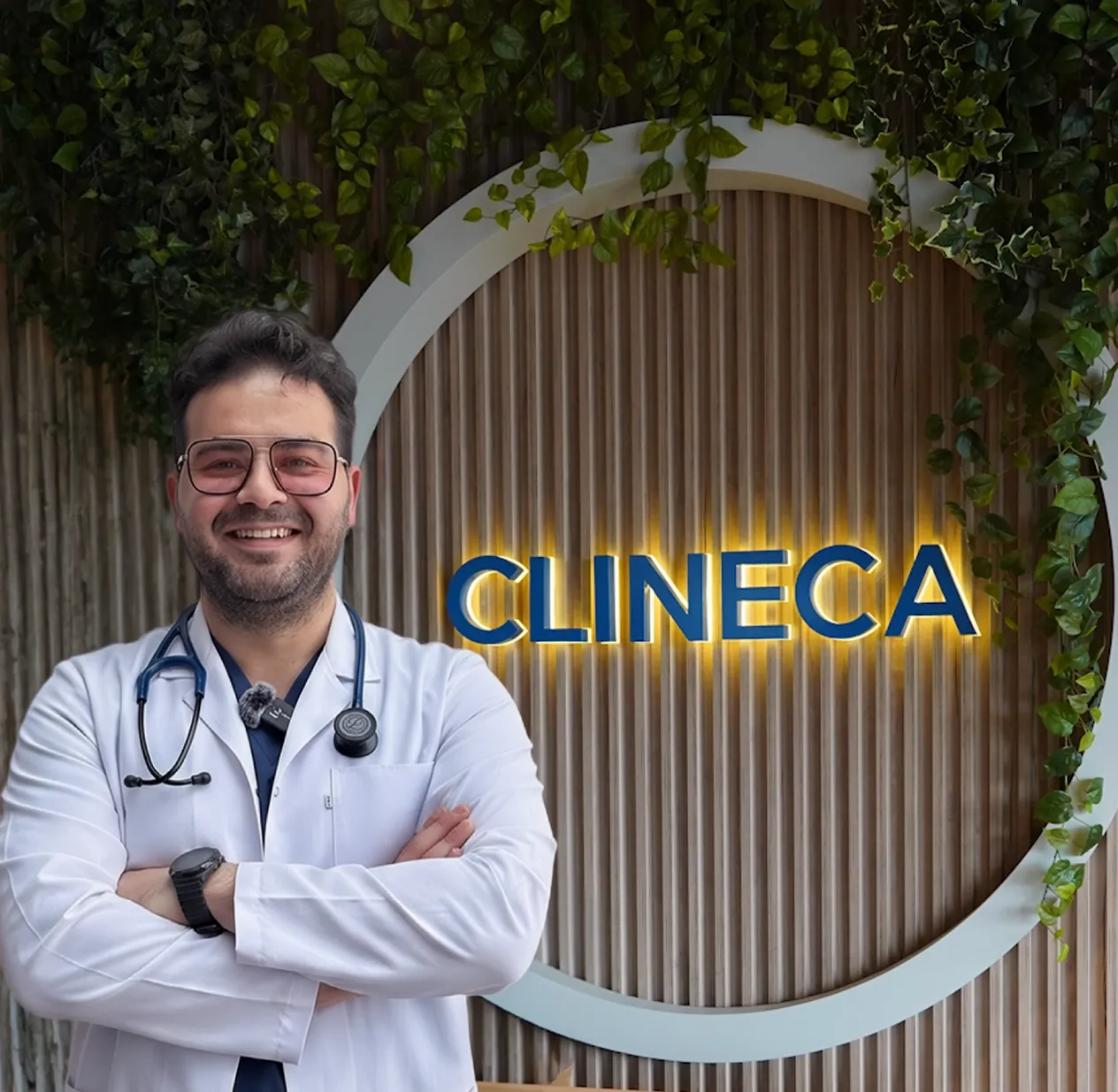 Clineca SpecialistAlperen ÖnalEar, Nose & Throat (ENT)