Have a question about Tipplasty?
In this article
- What is the short answer if I only want my nasal tip changed?
- Who is a good candidate for tipplasty alone?
- When is tipplasty not enough?
- How is tipplasty different from full rhinoplasty?
- What recovery should I realistically expect after tipplasty?
- What are the risks and safety points to know?
- How is tipplasty priced and what affects the quote?
- How should I choose a surgeon or clinic for tip-only nose surgery?
Yes, you may be able to get tipplasty if you only want to change the shape of your nasal tip, and in the right person it can avoid changing the rest of the nose. The caveat is that a tip-only procedure works best when the bridge, septum, and breathing are already acceptable, because some concerns that look like “just the tip” are actually caused by deeper nasal structure.
What is the short answer if I only want my nasal tip changed?
When people ask, can I get tipplasty if I only want to change the shape of my nasal tip, the practical answer is often yes. Tipplasty is usually considered when the main concern is a bulbous, droopy, wide, over-projected, under-projected, or slightly uneven tip, while the upper bridge and overall nasal bones are already in proportion.
This matters because the nasal tip is not an isolated piece. Its shape depends on cartilage strength, skin thickness, support from the septum, and the angle between the nose and upper lip. A surgeon may be able to refine the tip alone, but if the tip looks heavy because of a hump, a deviated septum, or weak internal support, a tip-only approach may leave you with an incomplete result.
The American Society of Plastic Surgeons (ASPS) describes rhinoplasty as surgery that can change the size, shape, and proportions of the nose, and may also correct structural problems that impair breathing. In other words, the cosmetic and functional parts can overlap. That is why a proper assessment matters more than the label “tipplasty.”
📋 Tipplasty is not always a completely separate operation In real practice, “tipplasty” often means a limited rhinoplasty focused on tip cartilage. The exact plan depends on anatomy, not marketing terms.
If your concern is truly limited to the lower part of the nose, tipplasty may be an appropriate option. It is a more focused form of rhinoplasty that reshapes tip cartilage rather than the whole nose, but it is not suitable when breathing problems, septal deviation, or bridge issues also need correction.
Who is a good candidate for tipplasty alone?
A tip-only approach tends to suit people whose concern is clearly localised. That may include a round or bulbous tip, a tip that droops when smiling, a tip that feels too wide from the front, or a tip that projects too far or too little in profile.
Skin quality plays a big part. Thick skin can limit how sharply the tip can be defined, even with technically good surgery. Thin skin can show tiny contour irregularities more easily. Neither automatically rules surgery out, but both change what is realistic.
You are more likely to be a good candidate if your bridge already looks balanced, your nose is not markedly bent, and you do not have untreated nasal blockage. People who want a subtle change often do well with a focused approach, provided they understand that subtle surgery also means subtle improvement.
A review of rhinoplasty research on PubMed consistently shows that nasal tip work depends heavily on anatomy, cartilage support, and skin thickness. Those factors matter more than the simple wish to “make the tip smaller.”
Your main concern is the tip, your bridge is already acceptable, and you do not have significant breathing issues.
If the tip concern is linked to a hump, crooked nose, trauma, or septal deviation, a broader operation may be more appropriate.
Good candidates usually have a tip-specific concern, stable expectations, and no major breathing or septal problems. Tip-only surgery is more likely to work well when the nasal bridge suits the face, the nose is not significantly crooked, and the skin and cartilage can support a refined tip shape.
When is tipplasty not enough?
This is the part many patients miss. A nose can look tip-heavy because the bridge is high, because the septum is pushing the nose off centre, or because the tip support is weak after injury or earlier surgery. If that is the case, reducing or reshaping the tip alone may not create balance.
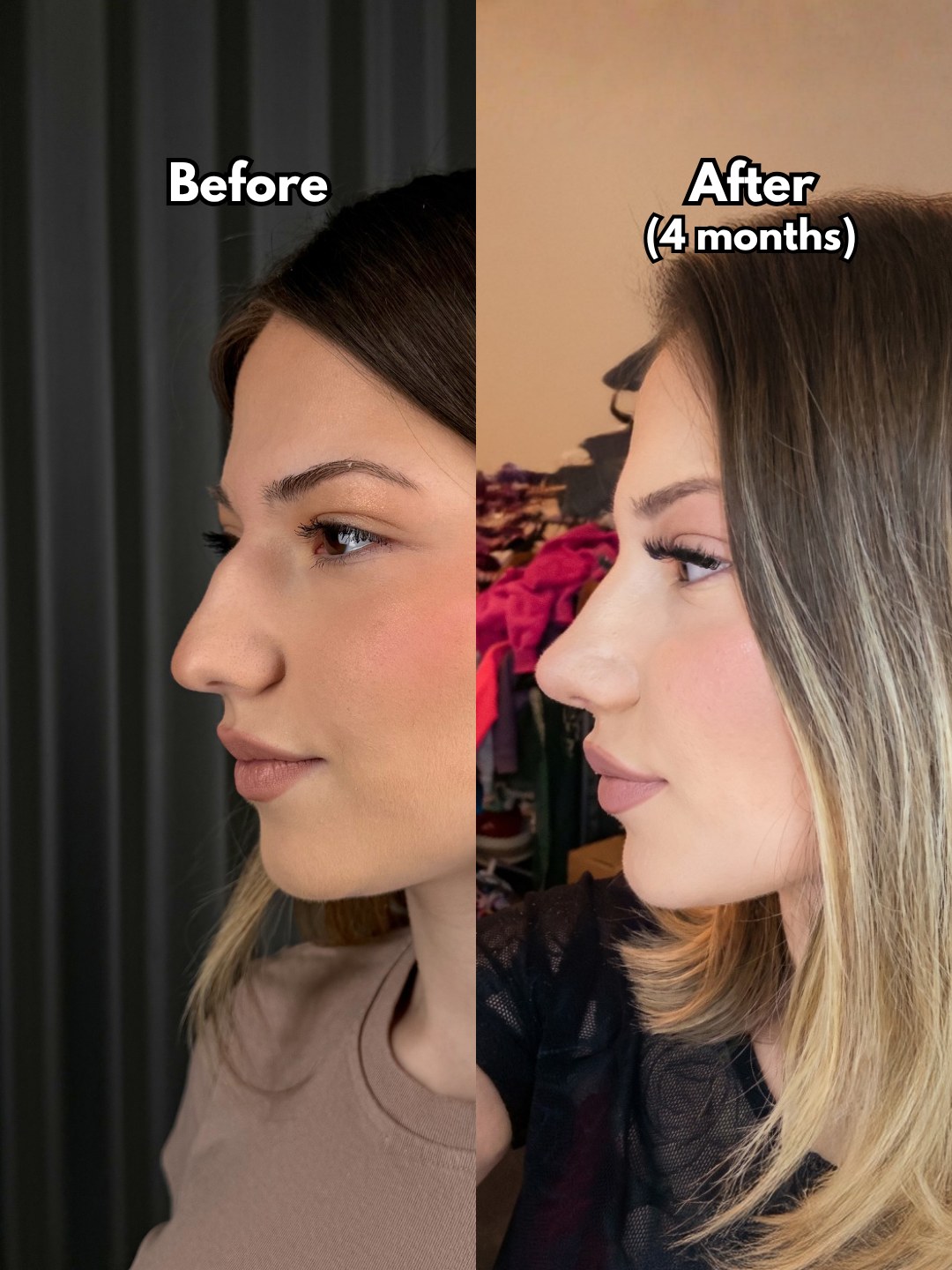
If you have ongoing nasal blockage, frequent mouth breathing, a history of trauma, or a visibly crooked nose, an ear, nose and throat specialist or a surgeon experienced in functional nasal surgery may need to assess you. Septorhinoplasty means correcting both appearance and structure, usually including the septum, which is the wall between the nasal passages. NHS guidance on cosmetic procedures also stresses the importance of understanding risks and choosing appropriately qualified professionals.
Tipplasty alone may also be a poor match if expectations are very specific but anatomy is limiting. For example, thick skin may prevent a very sharp “defined” tip, and weak cartilage may require support grafts rather than simple reduction.
When ENT or functional assessment is preferable
A more functional review is especially sensible if you have one or more of the following:
- ✓Long-term nasal obstruction or side-to-side blockage
- ✓Previous nasal fracture or sports injury
- ✓Snoring or sleep-related airflow concerns linked to the nose
- ✓Marked asymmetry or a clearly deviated septum
- ✓Prior rhinoplasty with collapse, pinching, or breathing change
In those cases, the best question is not just whether you can get tipplasty, but whether tipplasty would solve the right problem.
⚠️ Breathing symptoms should not be brushed aside If you struggle to breathe through your nose, cosmetic tip reshaping alone may miss an important structural issue.
Tipplasty may not be enough when the nose is crooked, the bridge also needs reshaping, breathing is affected, or previous surgery has weakened support. In these situations, full rhinoplasty, revision rhinoplasty, or functional septorhinoplasty may address the real cause more effectively than tip-only refinement.
How is tipplasty different from full rhinoplasty?
The simplest difference is scope. Tipplasty targets the lower third of the nose, especially the tip cartilages. Full rhinoplasty can include the bridge, nasal bones, septum, and internal structure as well as the tip.
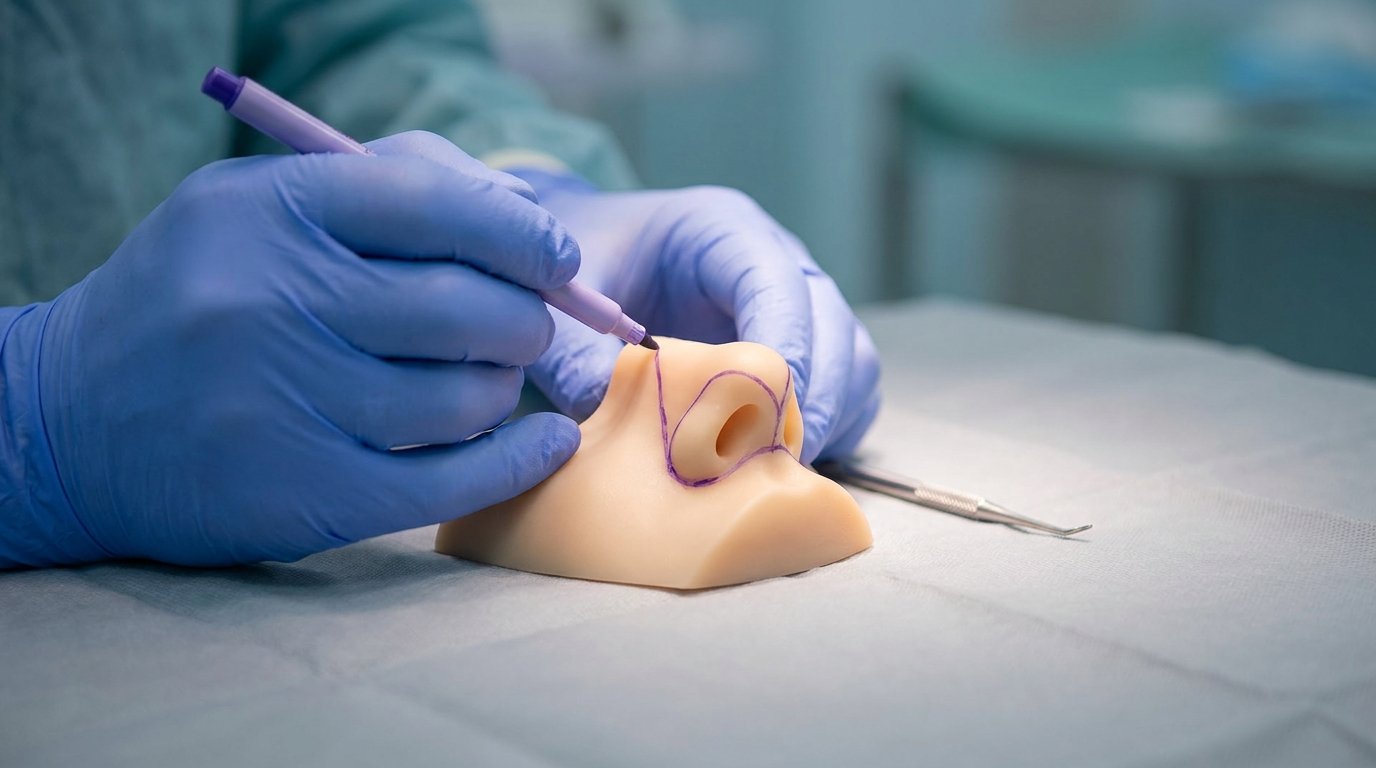
That narrower focus can mean less swelling in some cases and a shorter operation, but patients should not assume tip surgery is easy or minor. The nasal tip is one of the most delicate parts of rhinoplasty. Small changes can make a large visual difference, and over-reduction can create pinching, asymmetry, or a less natural look.
ASPS patient guidance on rhinoplasty notes that the operation may be performed for appearance, function, or both. For a patient deciding between a tip-only plan and broader rhinoplasty, the better option is usually the one that corrects the source of the concern rather than the one that sounds smaller.
Tipplasty focuses on the lower cartilage framework of the nose, while full rhinoplasty may change the bridge, bones, septum, and tip together. Tip-only surgery can be less extensive, but it is not automatically simpler, because small tip changes often need precise cartilage work and careful support.
What recovery should I realistically expect after tipplasty?
Recovery is often described too simply. The first stage is getting through swelling, congestion, and mild discomfort. The second stage is waiting for the tip to refine, which takes longer than many expect.
Mayo Clinic and ASPS both note that swelling after nasal surgery can persist for a prolonged period, especially in the tip. Even when the bridge looks settled early, the tip can stay firm or puffy for months. That is normal and not a sign that the result is final too soon.
For travel patients, the practical question is usually how long they need before flying home and being seen in public. That depends on whether only tip cartilage was treated or whether splints, grafts, or additional nasal work were involved. A limited tip procedure may allow a shorter immediate recovery than full rhinoplasty, but it still needs careful follow-up.
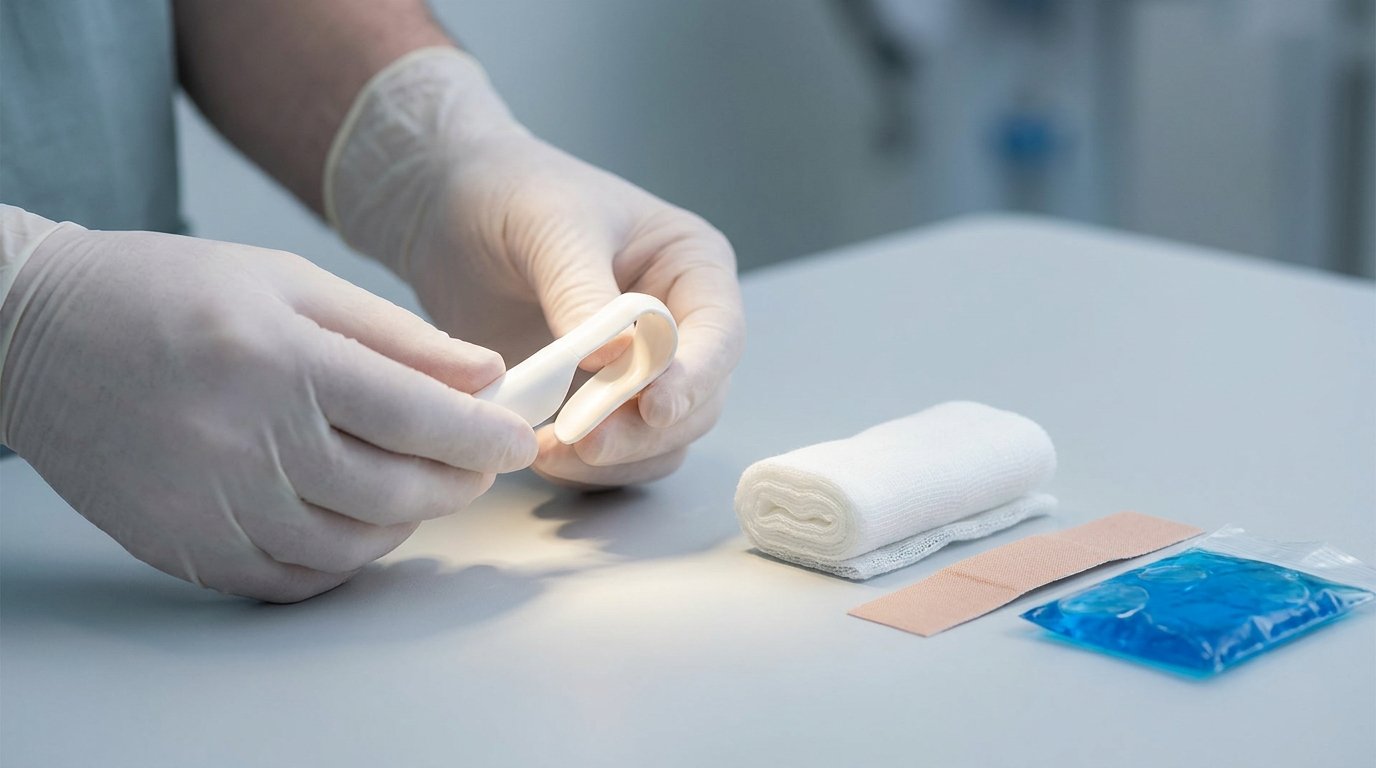
A realistic timeline
- ✓First few days: swelling, pressure, stuffiness, and tiredness are common.
- ✓About 1 week: many people are back to desk-based tasks, though the nose still looks visibly swollen.
- ✓2 to 4 weeks: bruising, if present, is usually much better; the tip may still feel stiff.
- ✓Several months: refinement continues gradually, especially in thicker skin.
- ✓Up to a year or longer: final tip definition can keep improving subtly.
If you are considering treatment abroad, ask specifically how long the operating team expects you to stay for early review, dressing or splint care if used, and clearance to travel. The exact plan is individual.
Most people feel socially presentable sooner than the tip is truly healed. Early swelling and tenderness improve over the first few weeks, but tip definition settles slowly. Many patients return to light routines within days to a week, while the final tip shape can take many months to show clearly.
What are the risks and safety points to know?
No cosmetic nose surgery is risk-free, even when it is limited to the tip. General surgical risks include bleeding, infection, anaesthetic risks, and delayed healing. Procedure-specific concerns include asymmetry, under-correction, over-correction, visible contour irregularities, numbness, and persistent swelling.
Because the tip supports nasal airflow, aggressive reshaping can also affect function. That is one reason modern rhinoplasty principles emphasise preserving or rebuilding support rather than simply removing cartilage. Peer-reviewed rhinoplasty literature on PubMed repeatedly supports this shift toward structural preservation.
Safety also means assessing whether now is the right time for surgery. Smoking, uncontrolled medical conditions, active skin infection, unrealistic expectations, and untreated body image concerns can all make surgery a poorer choice.
You should expect a proper consultation, a clear explanation of likely trade-offs, and standard pre-operative screening. If you are researching options, the surgeon profile page should make qualifications and area of practice easy to review, such as a transparent list of doctors rather than vague claims.
🚨 A smaller-looking operation is not a reason to lower safety standards Tip-only surgery still needs proper examination, planning, consent, and follow-up because the tip affects both appearance and support.
- ✓Ask whether the plan is tip-only or may need septal or structural work.
- ✓Ask how your skin thickness affects the likely result.
- ✓Ask what signs of infection, bleeding, or breathing change require urgent review.
- ✓Ask who provides follow-up if you return home before swelling settles.
Tipplasty is generally elective cosmetic surgery, so the safety threshold should be high. Risks include bleeding, infection, asymmetry, prolonged swelling, scarring, dissatisfaction, and breathing changes. Choosing a properly qualified surgeon and a suitable clinical setting matters as much as the operation itself.
How is tipplasty priced and what affects the quote?
For this topic, it is better to think about what changes the price rather than look for a single number. A straightforward primary tip reshaping is usually priced differently from revision surgery, thick-skin cases, or cases needing cartilage grafts for support.
The quote may also differ depending on whether imaging, blood tests, hospital fees, anaesthesia, medications, and early follow-up are included. A tip concern that turns out to involve the septum or wider rhinoplasty planning can also change the treatment plan and therefore the cost.
That is why a personalised assessment matters. If you want a formal opinion on whether your concern is truly tip-only, a dedicated consultation is usually the stage where treatment scope and pricing are clarified.
There is no one fixed cost for tipplasty. The final quote depends on anatomy, whether the surgery is primary or revision, whether grafts or functional correction are needed, the hospital setting, anaesthesia, and aftercare. A personalised price is usually confirmed only after consultation and examination.
For how rhinoplasty quotes are built in Turkey and what a package includes, see our rhinoplasty in Turkey cost and safety guide.
How should I choose a surgeon or clinic for tip-only nose surgery?
A good consultation for nasal tip surgery should feel detailed, not rushed. You should come away understanding what is possible, what probably will not change, how long swelling can last, and whether your breathing needs assessment too.
It also helps to review background information about the provider, such as their team and medical profiles, rather than relying on marketing language alone. Pages like about the clinic and the surgeon listing can be useful starting points, but the key test is the quality of the clinical discussion, not the website wording.
Be cautious if anyone treats tipplasty as automatically simple, promises a perfect nose, or brushes off questions about breathing, revision risk, or long-term support. For nose surgery, careful judgement is often a stronger sign of quality than an aggressive sales tone.
Your anatomy is examined carefully, breathing is discussed, and the limits of tip-only surgery are explained in plain language.
You are promised a guaranteed result, rushed toward a booking, or told that breathing symptoms are irrelevant.
Look for clear rhinoplasty experience, honest before-and-after discussions, transparent consent, and a setting that can explain both cosmetic and functional limits. Good providers do not push tipplasty as the answer for every tip concern; they explain when a fuller nasal assessment is actually safer or more effective.
Frequently Asked Questions
References
- 📎ASPS Cosmetic Procedures: Rhinoplasty
- 📎NHS Cosmetic Procedures
- 📎PubMed Search: nasal tip rhinoplasty review
- 📎PubMed Search: structural rhinoplasty nasal tip support
Related Articles



You Might Also Like


Related articles



Our specialists
 Clineca SpecialistErkan PinegözPlastic & Reconstructive Surgery
 Clineca SpecialistHakan AktaşPlastic & Reconstructive Surgery
 Clineca SpecialistOrkun UzuneyüpoğluPlastic & Reconstructive Surgery
 Clineca SpecialistSalim İskenderPlastic & Reconstructive Surgery
 Clineca SpecialistEngin SelamioğluPlastic & Reconstructive Surgery
 Clineca SpecialistCem AydınPlastic & Reconstructive Surgery
 Clineca SpecialistAlperen ÖnalEar, Nose & Throat (ENT)