
Have a question about Tipplasty?
In this article
- What is tipplasty recovery usually like in the first two weeks?
- What should you expect day by day after tipplasty?
- How much swelling, bruising, and congestion are normal?
- What can you do, and what should you avoid, in the first two weeks?
- Which symptoms are routine, and which are urgent red flags?
- How long should you stay in Turkey after tipplasty, and how do follow-ups work?
- How can you make the first two weeks easier?
What to expect during tipplasty recovery in the first two weeks is usually swelling, congestion, mild bleeding or oozing early on, and a nose tip that looks more swollen than the final result will be. Most people feel noticeably better by the end of week one, but the tip often stays firm and puffy into week two and beyond. The main caveat is that there is no single standard timeline: recovery, flying, glasses use, and return to exercise vary with the surgical technique used, whether only the tip was treated or a full rhinoplasty was done, and your own surgeon’s aftercare protocol.
What is tipplasty recovery usually like in the first two weeks?
Tipplasty is surgery focused on reshaping the nasal tip rather than changing the whole nose. In practice, though, the first two weeks can feel similar to a lighter rhinoplasty recovery because the skin, cartilage, and soft tissue at the tip still need time to settle.
The first few days are usually the most uncomfortable rather than truly painful. Expect pressure, blocked-nose feeling, mouth breathing at night, and some crusting around the nostrils. If your surgeon has used stitches inside the nose or small cartilage adjustments, the tip may feel tight and strangely hard when you smile or talk.
According to the NHS, cosmetic nose surgery can cause swelling, bruising, and a blocked nose for a few weeks. Mayo Clinic guidance on rhinoplasty also notes that swelling improves step by step rather than all at once. That is especially true for the tip, which often holds swelling longer than the bridge.
A common worry is that the nose tip looks too lifted, too bulbous, or slightly uneven in the first two weeks. Early on, that does not tell you the final result. Swelling is rarely perfectly symmetrical, and one side often settles faster than the other.
📋 Early shape changes are not the final result A tip that looks round, over-rotated, or uneven in the first two weeks is often showing swelling, not the settled long-term shape.
Tipplasty recovery is usually front-loaded. The first three to five days tend to bring the most swelling, stuffiness, and fatigue. By around one week, many people are more comfortable and presentable, especially if a splint is removed then. Week two is often easier, but the tip can still look round, stiff, and uneven because swelling settles slowly.
What should you expect day by day after tipplasty?
A simple timeline helps, but it is still only a guide. Your own recovery may be faster or slower depending on whether your tipplasty was open or closed, whether cartilage grafts were used, and whether you also had septum work done inside the nose.
Days 1 to 3
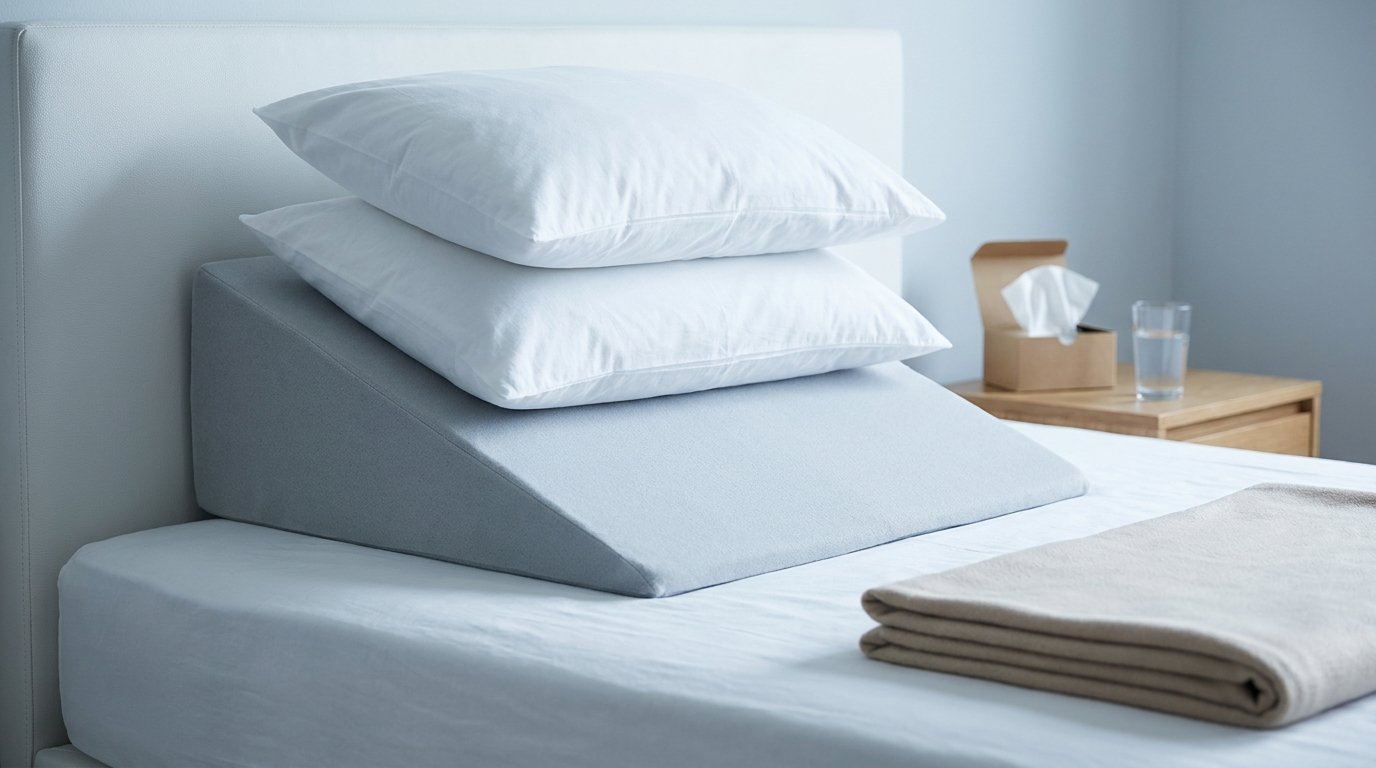
These are usually the peak swelling days. You may have a small external splint, tape, or dressings depending on technique. A little blood-stained drainage is common in the first 24 to 48 hours. Sleeping propped up can help with swelling and pressure.
You may also feel tired from the anaesthetic and from sleeping poorly with a blocked nose. This part often worries people more than it should because the nose can look dramatic before it starts to calm down.
Days 4 to 7
By this point, swelling often starts to soften, even if the tip still looks puffy. Bruising, if you have any, may fade from purple to yellow. Many people feel well enough to walk outside, answer emails, and do basic non-strenuous tasks.
If your surgeon removes a splint around one week, expect an emotional moment. The nose usually looks swollen, and many patients are surprised that it does not look neat and refined straight away. That reaction is common and does not mean something has gone wrong.
Days 8 to 14
Week two is often easier socially and physically. You may still sound slightly congested, and the tip can remain numb, firm, shiny, or tender if touched. Smiling may feel tight. If you had external stitches, they may already be removed, but internal healing continues.
This is also the stage when people are tempted to do too much because they feel more normal. That is where setbacks happen. Even if bruising is fading, the inside of the nose and the tip support structures are still healing.
Most people see the biggest change between day 1 and day 10. Days 1 to 3 are about rest, swelling, and drip-pad care if used. Days 4 to 7 often bring less pressure but more visible bruising or stiffness. In week two, people usually return to light daily tasks, although the tip still feels swollen and delicate.
How much swelling, bruising, and congestion are normal?
The tip is thick tissue compared with other parts of the nose, so it can hold fluid and feel dense for longer. That is why the early shape often looks blunter than expected. If your skin is naturally thicker, swelling may be more persistent.
Bruising is variable. Some people having limited tip work have very little bruising, while others bruise around the nostrils or under the eyes, especially if the surgery extended beyond the tip. Congestion is often more annoying than bruising. Saline sprays, if your surgeon advises them, can help keep the inside of the nose from feeling too dry and clogged.
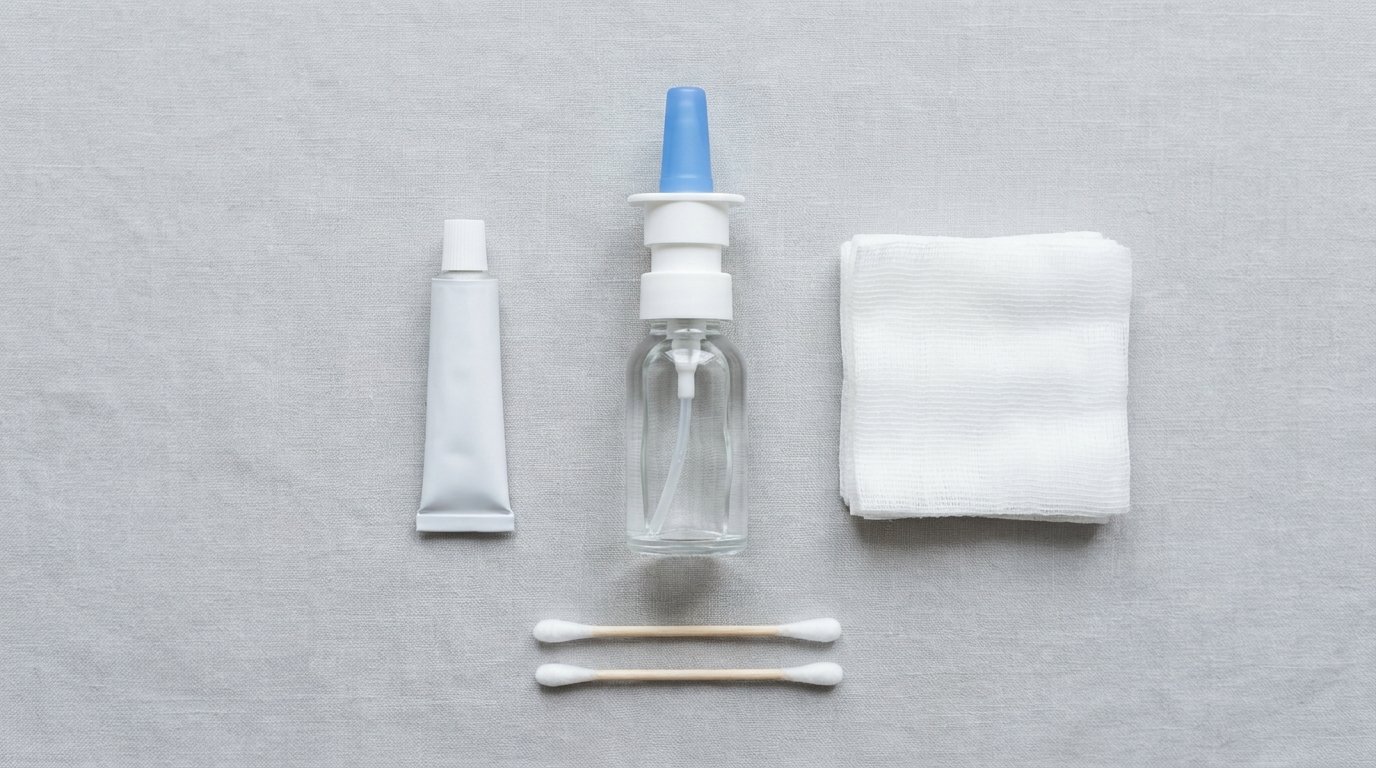
Do not pick crusts or blow your nose unless your surgical team says it is safe. The ASPS notes after rhinoplasty that patients should avoid trauma and follow cleaning instructions carefully during early healing. Small aftercare details make a real difference in the first two weeks.
If you are also reading about broader nose surgery recovery, this overview of rhinoplasty treatment information may help with context, but your own aftercare sheet should come first because tip-only surgery can follow a different plan.
Tip puffiness, blocked feeling, mild tenderness, uneven swelling, and temporary numbness are all common in the first two weeks.
Sudden one-sided swelling, increasing redness, worsening pain after initial improvement, or foul-smelling discharge should be reported to your surgeon.
Quite a lot of swelling at the tip is normal in the first two weeks, and it often lasts longer than people expect. Bruising may be minimal after isolated tip work, but congestion and crusting are common. If swelling worsens suddenly on one side, or pain rapidly increases, that needs medical advice rather than watchful waiting.
What can you do, and what should you avoid, in the first two weeks?
This is the part patients often want as a fixed rulebook, but tipplasty recovery does not work like that. Open tipplasty, closed tip surgery, cartilage grafting, internal splints, and combined septal work all change the instructions.
In general, light day-to-day activity is easier by the end of the first week. Most people can shower carefully, move around the hotel or home, eat normally, and do desk-based tasks if they feel up to it. What you usually need to avoid is strain, impact, heat, and pressure on the nose.
The most useful practical habits are these:
- ✓Sleep with your head elevated if advised, especially in the first few nights.
- ✓Keep glasses, sunglasses, or anything heavy off the nose if your surgeon says pressure could affect healing.
- ✓Avoid nose blowing until you are told it is safe.
- ✓Sneeze with your mouth open to reduce pressure if possible.
- ✓Skip gym sessions, swimming, contact sports, and heavy lifting until your surgeon clears you.
- ✓Protect the nose from accidental bumps, including from children, pets, and crowded travel.
Flying needs special mention because many medical tourists ask about it. There is no standard rule for all patients. Some surgeons clear short flights relatively early if there are no concerns, while others prefer a longer wait, especially after more involved nasal work or if splints are still in place. The same goes for wearing glasses and restarting exercise. Your surgeon’s protocol matters more than a generic online timetable.
If you are travelling for surgery, it is sensible to build in enough time for at least one in-person review before going home. If you need to arrange that discussion in advance, use the clinic’s consultation page to ask what their surgeon typically recommends after tipplasty, including timing for flying and follow-up.
⚠️ Do not copy another patient’s timeline Two people can have very different advice on flying, glasses, taping, and exercise because the operation details are different.
The safest approach is a quiet two weeks. Light walking is usually fine quite early, but strenuous exercise, nose blowing, heavy lifting, bending, and anything that could knock the nose are commonly restricted. There is no universal rule for flying, glasses, or gym return, so follow your own surgeon’s timeline rather than internet averages.
Which symptoms are routine, and which are urgent red flags?
It helps to separate three levels: normal recovery, problems that need a prompt surgeon review, and symptoms that may need urgent or emergency care.
Routine healing signs include a puffy tip, blocked feeling, light blood-stained discharge in the first day or two, dry mouth from mouth breathing, bruising, and a nose that feels strange when smiling. These are common and usually settle with time.
Symptoms that should trigger a same-day or next-day message to your surgeon include increasing redness around the nose, worsening pain after you had started improving, thick yellow or foul-smelling discharge, a splint or dressing coming loose too early, or swelling that suddenly becomes much worse on one side. These do not always mean a serious complication, but they should not be ignored.
Urgent or emergency symptoms are more serious. Seek urgent medical help if you have heavy bleeding that does not ease with the instructions you were given, significant breathing difficulty, chest pain, fainting, or signs of a severe allergic reaction such as facial swelling away from the surgical site, wheezing, or widespread rash. Fever on its own can have many causes, but fever with spreading redness, marked swelling, or severe pain needs medical review.
NHS advice on recovery after cosmetic procedures consistently stresses following your surgeon’s aftercare plan and getting medical help if you are worried about infection or unexpected deterioration. The important point is the direction of travel: mild symptoms that slowly improve are expected; symptoms that intensify or change sharply deserve attention.
- →Routine: Swelling, bruising, tip firmness, stuffiness, mild tenderness, small early ooze.
- →Prompt surgeon review: Worsening one-sided swelling, increasing redness, bad smell, thicker discharge, rising pain after earlier improvement.
- →Urgent or emergency help: Heavy ongoing bleeding, breathing trouble, chest pain, fainting, or severe allergic-type symptoms.
Routine symptoms include swelling, bruising, stuffiness, mild bleeding early on, tenderness, and a temporary uneven appearance. Urgent problems are different: heavy bleeding that does not stop, trouble breathing, severe worsening pain, fever with spreading redness, or signs of an allergic reaction. Those need prompt medical advice, and some need emergency care.
How long should you stay in Turkey after tipplasty, and how do follow-ups work?
For tipplasty abroad, logistics matter almost as much as the surgery itself. The first week is when swelling peaks, dressings may need checking, and early concerns are most likely to appear. That is why it is wise to ask in advance how many in-person visits are planned and what support is available if you are worried after returning home.
A well-organised plan should cover who reviews you after surgery, whether the surgeon or another clinician removes any splint or stitches, how you send photos if needed, and what happens if you develop a problem once you are back in your own country. Those are practical questions, not awkward ones.
If you want to check clinician profiles or background information before you travel, keep that secondary to the medical discussion itself. You can review the team on the doctors page and read general background on the about page, but the more important step is confirming your own surgeon’s specific aftercare timetable in writing.
Cost is also individual here. There is no single reliable public price for tipplasty recovery or follow-up needs. The final quote usually depends on surgical complexity, whether grafts or septal work are involved, what follow-up is included, and how long you may need to stay. A personalised quote after consultation is the sensible way to approach it.
For medical travel, a short stay is rarely ideal if nasal surgery aftercare is involved. Many patients are advised to remain long enough for an early post-op review and, where relevant, splint or stitch removal. The exact number of days depends on the technique, your recovery, and the surgeon’s protocol, so this should be confirmed before booking flights.
How can you make the first two weeks easier?
A smoother recovery is usually about patience and routine rather than special products. Prepare soft meals, extra pillows, saline if advised, and loose tops that do not need pulling over the head. Small practical steps reduce stress when you are tired and swollen.
Try to judge progress week by week, not hour by hour. The nose tip can look different in the morning and evening, and photos taken very close up often make swelling seem worse than it is. If you are unsure, send properly lit, straightforward photos to your surgeon’s team rather than relying on social media comparisons.
Finally, be careful with expectations. Tipplasty can refine shape, rotation, and projection, but the first two weeks are about healing, not about seeing the finished result. If you go into recovery expecting puffiness and unevenness before improvement, the process usually feels much easier to handle.
Frequently Asked Questions
References
- 📎NHS cosmetic procedures guidance
- 📎Mayo Clinic procedures overview
- 📎ASPS cosmetic procedures overview
- 📎PubMed search: rhinoplasty recovery complications postoperative care
Related Articles



You Might Also Like

Related articles


Our specialists
 Clineca SpecialistErkan PinegözPlastic & Reconstructive Surgery
 Clineca SpecialistHakan AktaşPlastic & Reconstructive Surgery
 Clineca SpecialistOrkun UzuneyüpoğluPlastic & Reconstructive Surgery
 Clineca SpecialistSalim İskenderPlastic & Reconstructive Surgery
 Clineca SpecialistEngin SelamioğluPlastic & Reconstructive Surgery
 Clineca SpecialistCem AydınPlastic & Reconstructive Surgery
 Clineca SpecialistAlperen ÖnalEar, Nose & Throat (ENT)