
Have a question about Tipplasty?
In this article
- What is the normal swelling timeline after tipplasty?
- Why does the tip stay swollen longer than the rest of the nose?
- When should you expect to see your final tip shape?
- What helps swelling go down after tipplasty?
- When is swelling normal, and when should you worry?
- Does travel affect swelling after tipplasty?
- What affects the quote for tipplasty if swelling treatment is a concern?
- How can you choose a clinic with realistic advice about swelling?
How long does tip swelling last after tipplasty? Most swelling settles a lot in the first few weeks, but the tip usually stays firm or puffy for several months, and final definition can take 6 to 12 months or longer in some people. That timeline varies with skin thickness, how much tip work was done, and whether the surgery was a first-time or revision procedure.
What is the normal swelling timeline after tipplasty?
The short answer is that early swelling and final swelling are not the same thing. Most patients see a clear improvement once the first few weeks pass, but the tip often remains rounder, stiffer, or less defined than expected for much longer. That does not always mean something is wrong.
According to the American Society of Plastic Surgeons (ASPS), swelling after nose surgery can continue for up to a year, and subtle changes may keep improving beyond the early healing phase. Mayo Clinic guidance on rhinoplasty also notes that minor swelling can persist and shape changes can continue gradually over time. Tipplasty follows the same pattern, but because the operation focuses on the lower part of the nose, patients tend to notice tip swelling more closely.
A practical timeline looks like this:
- ✓First 1 to 2 weeks: the tip is usually at its puffiest, especially after the dressing or splint comes off.
- ✓Weeks 3 to 6: much of the obvious swelling improves, but the tip may still look rounded.
- ✓Months 2 to 3: the nose starts to look more presentable in daily life, though the tip can still feel hard.
- ✓Months 6 to 12: finer tip definition continues to appear.
- ✓Beyond 12 months: some patients, especially those with thick skin or revision surgery, still see slow changes.
This is why surgeons often tell patients not to judge the final tip shape too early. A nose tip that looks too big at eight weeks may simply still be swollen.
📋 Why the tip takes longest The tip has delicate cartilage, soft tissue, and often thicker skin than the bridge. That combination makes swelling there fade more slowly.
After tipplasty, the biggest drop in swelling usually happens in the first 2 to 6 weeks. Even so, the nasal tip is often the slowest part to refine, and mild puffiness can last 6 to 12 months. In thick-skin or revision cases, final tip definition may take longer.
Why does the tip stay swollen longer than the rest of the nose?
Patients are often surprised that the bridge can look slim while the tip still looks blunt. That pattern is common. The lower nose simply heals more slowly.
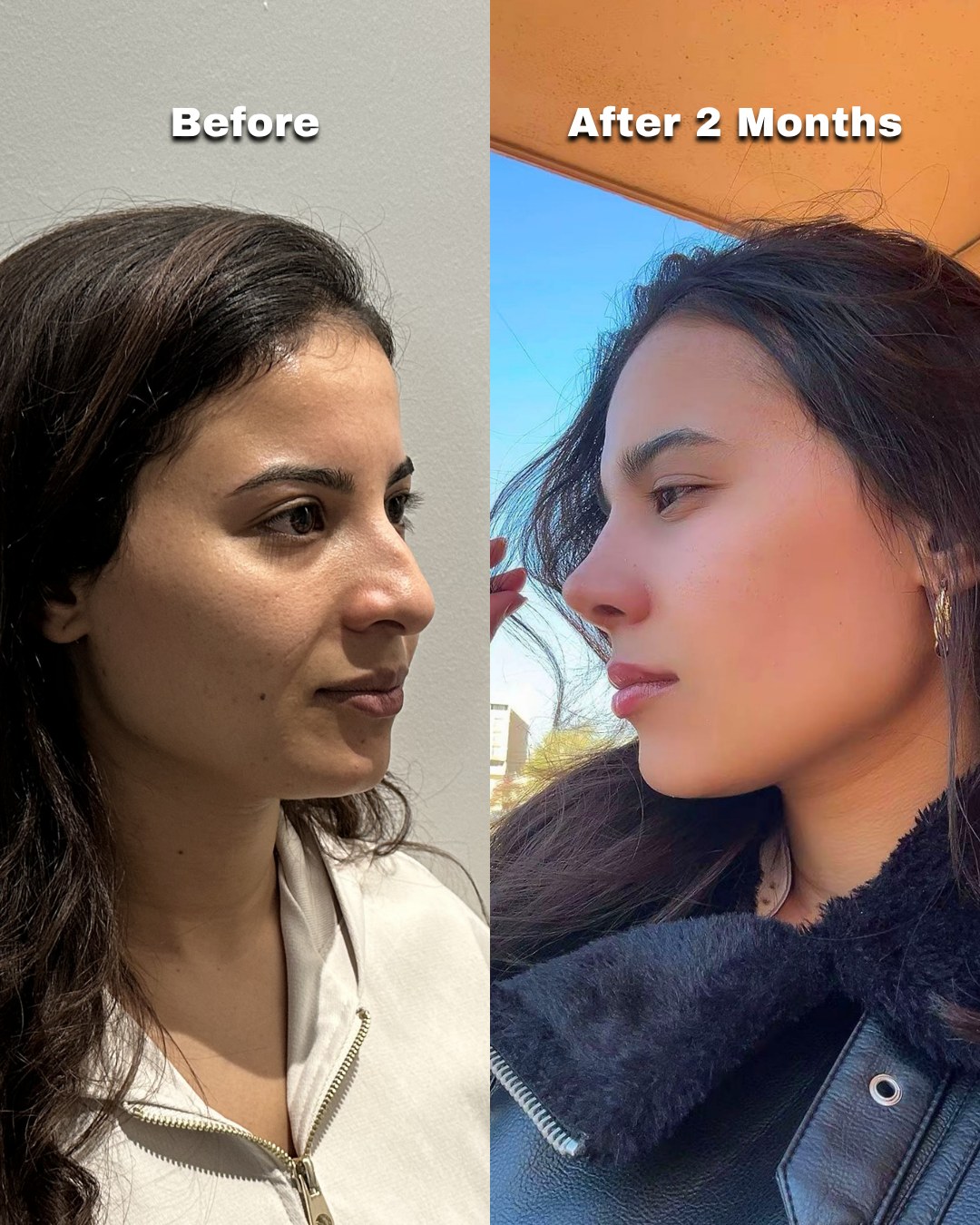
If you have thicker skin, swelling tends to hide the new cartilage shape for longer. If you had revision tipplasty, meaning surgery to correct a previous nose operation, healing may be slower because there is already scar tissue in the area. Both of these points are well recognised in rhinoplasty practice and discussed in peer-reviewed surgical literature on edema, scar formation, and long-term tip refinement.
The surgical details matter too. A very small tip adjustment often settles faster than more structural work, such as cartilage grafts, correction of asymmetry, or strengthening a weak tip. That does not make the surgery unsafe. It simply means the final look takes patience.
The tip can also feel hard, numb, or stiff while swelling is still present. Those sensations usually improve gradually. Feeling firm does not automatically mean the result is permanent swelling or scar tissue that needs treatment.
Tip swelling lasts longer because the skin and soft tissue in that area can be thicker, blood flow and lymph drainage recover gradually, and tip work often involves fine cartilage reshaping. The more support or correction needed, the longer the tip may look firm or puffy before it sharpens.
When should you expect to see your final tip shape?
This is the part most people want explained clearly. You do not need to wait a full year to look normal in public, but you may need many months before the tip looks truly crisp.
For a first-time tipplasty with average skin thickness, many surgeons consider the nose largely healed in day-to-day terms within a few months, while fine definition continues to improve over the rest of the year. For thick-skin noses, the soft tissue envelope can hold swelling longer, so a rounded tip at 6 months may still improve. For revision cases, scar tissue makes the timeline less predictable, and 12 to 18 months is often a more realistic window for final judgement.
That longer timeline is not just opinion. Peer-reviewed rhinoplasty studies commonly describe prolonged tip edema and delayed final definition, especially in thick-skinned and secondary cases. This is one reason experienced surgeons are cautious about offering early revision.
If you are comparing your nose week by week in the mirror, progress may feel slow. Monthly photos, taken in the same light and angle, are usually more useful. They show gradual change that is easy to miss day to day.
The tip still looks slightly round, feels firm, and improves little by little over months.
At 3 to 6 months, the result can look good socially but still not show its final definition.
A puffy tip at a few weeks or even a few months is usually not enough on its own to call the result poor.
Many patients see a socially acceptable result by 2 to 3 months, but the final tip shape usually takes longer. A reasonable expectation is 6 to 12 months for most first-time cases, with thick-skin and revision cases sometimes needing 12 to 18 months for full refinement.
What helps swelling go down after tipplasty?
You cannot force the tip to heal quickly, but you can avoid making swelling worse. Follow your surgeon’s aftercare closely. Simple steps often matter more than expensive creams or gadgets.
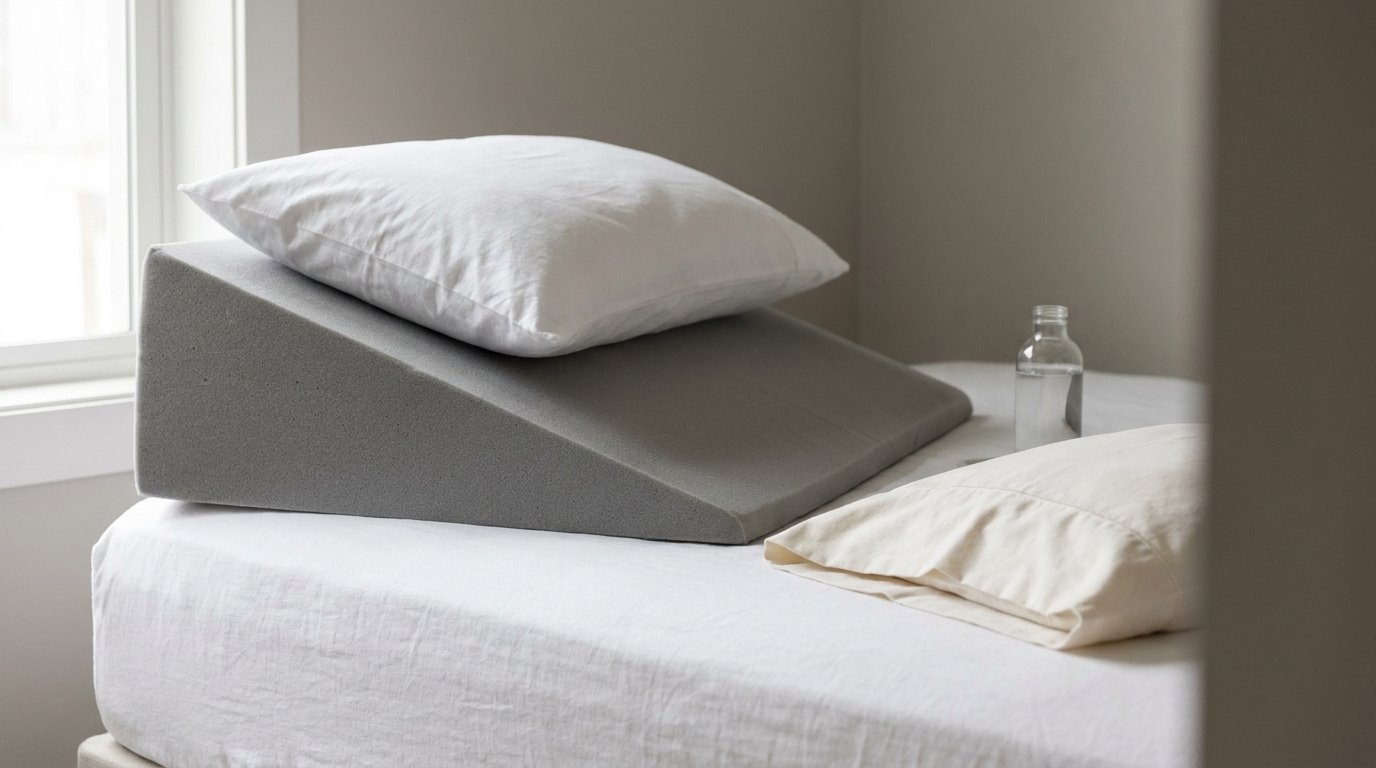
Keep your head elevated when resting in the early period. Avoid pressure on the nose, heavy exercise before you are cleared, and glasses resting on the nose if your surgeon has told you not to wear them. Salt, alcohol, heat, and intense workouts can make swelling look worse for some patients, especially in the first few weeks.
Cold compresses may help around the eyes in the very early stage if your surgeon advises them, but they should not be pressed directly onto the nose unless you have been told it is safe. Taping is sometimes used after rhinoplasty or tipplasty, though practices vary. It can help selected patients, but it is not a cure-all, and it needs to be done exactly as instructed.
If you are planning surgery abroad, ask in advance how follow-up is handled and who to contact once you are home. Patients considering treatment can use the clinic’s consultation page to ask about expected swelling, taping, and remote review arrangements before committing.
- ✓Sleep with your head raised in the early recovery period
- ✓Protect the nose from bumps, pressure, and accidental contact
- ✓Return to exercise only when your surgeon says it is safe
- ✓Follow taping, cleaning, and medication instructions exactly
- ✓Take progress photos monthly rather than judging the nose daily
When is swelling normal, and when should you worry?
It helps to separate routine healing questions from red flags.
Routine follow-up questions include a tip that still looks swollen after several weeks, one side healing a bit faster than the other, temporary numbness, or a tip that feels hard. Those issues are common and are usually discussed at scheduled reviews.
Urgent problems are different. The NHS advises seeking medical help after cosmetic procedures if you have signs of infection or feel very unwell, and standard surgical guidance also treats uncontrolled bleeding and tissue colour changes as warning signs. Contact your surgical team promptly or seek urgent local care if you notice:
- ✓Rapidly increasing swelling rather than gradual improvement
- ✓Fever or feeling unwell with worsening nasal pain
- ✓Spreading redness, warmth, or pus-like discharge
- ✓Bleeding that does not settle as instructed by your care team
- ✓Dark, pale, or dusky skin changes on the nose
- ✓Severe pain out of proportion to the expected recovery course
A separate group of issues is not usually an emergency, but still deserves review: swelling that seems unchanged for months, obvious new asymmetry after trauma, or scar-like fullness that appears late in healing. Those concerns often need a surgeon’s opinion, but not a panic response.
⚠️ Routine but worth asking about Persistent puffiness, firmness, numbness, and mild asymmetry are usually follow-up questions, not emergency signs.
🚨 Get urgent advice Seek urgent medical help for fever, pus, rapidly worsening swelling, uncontrolled bleeding, severe pain, or concerning skin colour changes.
Mild asymmetry, firmness, numbness, and a puffy tip are often normal during recovery. Urgent warning signs are different: spreading redness, worsening pain, fever, pus, sudden bleeding that does not stop, or skin colour changes. Less urgent concerns, such as persistent puffiness, usually need routine follow-up rather than emergency care.
Does travel affect swelling after tipplasty?
Travel does not usually create the swelling, but long journeys can make you feel more puffy and tired in the first phase of recovery. Cabin pressure is not the main issue for most patients. The bigger concerns are fatigue, dehydration, carrying luggage, and being away from your operating team if a problem comes up.
For medical travel, it is sensible to stay long enough for the first checks and for early swelling or bleeding issues to be assessed before flying home. The exact number of days depends on the surgeon’s plan and how straightforward the operation was. If tipplasty is being performed as part of a broader nose reshaping procedure, the timeline may be different from a very limited tip-only operation.
If you are also comparing approaches, reading about rhinoplasty treatment information can help you understand how tip work fits into wider nose surgery recovery. The key point is practical: do not book a rushed return flight that leaves no room for follow-up.
What affects the quote for tipplasty if swelling treatment is a concern?
Because this article is about swelling, it is more useful to explain what changes the quote than to give a generic figure. A personalised quote is normally confirmed after consultation, once the surgeon knows whether your concern is a simple tip refinement, a structural correction, or a revision case.
From a recovery point of view, revision surgery and thicker skin often mean more follow-up, a longer healing window, and sometimes more detailed aftercare planning. That does not automatically make one option better than another, but it does affect how your case is assessed.
If you are comparing clinics, ask what is included in the quote in practical terms: surgeon review, medicines, splint or dressings, follow-up appointments, and remote check-ins after you travel home. Those details matter more than a headline number when you are trying to understand the full recovery experience.
There is no single fixed price for tipplasty, and swelling itself is not usually priced as a separate issue. The quote depends on the complexity of the tip correction, whether it is revision surgery, the surgeon’s approach, anaesthesia, hospital fees, and how much follow-up care is included after surgery.
How can you choose a clinic with realistic advice about swelling?
A good consultation should make the swelling timeline feel clearer, not more confusing. If someone suggests your tip will be fully refined in a few weeks, that is usually not a realistic message.
Ask who will assess your skin thickness, whether your case is primary or revision, and what they think a sensible healing timeline is for your nose. You want specific answers, not sales phrases. A careful team should also explain what happens if you are still swollen months later and how follow-up is arranged for international patients.
You can review the provider’s surgeon information and use the contact page to ask direct recovery questions before booking. Focus on whether the answers are practical and consistent. For this topic, realism is a better sign than speed promises.
The team explains that tip swelling can last many months and may take longer in thick-skin or revision cases.
You are told the final tip shape will definitely be obvious very quickly, with little discussion of normal healing variation.
Frequently Asked Questions
References
- 📎American Society of Plastic Surgeons: Cosmetic Procedures
- 📎Mayo Clinic: Tests and Procedures
- 📎NHS: Cosmetic Procedures
- 📎PubMed search: rhinoplasty edema tip swelling thick skin revision
Related Articles



You Might Also Like



Related articles



Our specialists
 Clineca SpecialistErkan PinegözPlastic & Reconstructive Surgery
 Clineca SpecialistHakan AktaşPlastic & Reconstructive Surgery
 Clineca SpecialistOrkun UzuneyüpoğluPlastic & Reconstructive Surgery
 Clineca SpecialistSalim İskenderPlastic & Reconstructive Surgery
 Clineca SpecialistEngin SelamioğluPlastic & Reconstructive Surgery
 Clineca SpecialistCem AydınPlastic & Reconstructive Surgery
 Clineca SpecialistAlperen ÖnalEar, Nose & Throat (ENT)