
Have a question about Tipplasty?
In this article
- Who is a good candidate for tipplasty only?
- When is tipplasty not enough on its own?
- What can tipplasty realistically change?
- How is candidacy assessed before tipplasty?
- What are the risks and downsides of tipplasty?
- What is recovery like after tipplasty, and how long should I stay in Turkey?
- How should I choose a surgeon or clinic for tipplasty abroad?
- What affects the price if tipplasty costs are not listed?
Yes, you may be a candidate if your concern is limited to the nasal tip and the bridge, septum, and breathing do not also need correction. If you are asking, "am i a candidate for tipplasty if i only want to change the shape of my nasal tip," the short answer is that tip-only surgery can work well for the right anatomy, but it is not suitable for every nose and the final plan depends on an in-person assessment.
Who is a good candidate for tipplasty only?
Tipplasty is a focused form of nasal surgery that changes the lower part of the nose rather than reshaping the whole nose. It is usually considered when someone likes their bridge and overall nose size, but wants the tip to look narrower, less round, less droopy, or more defined.
In practical terms, the best candidates tend to have a specific tip complaint rather than a long list of concerns about the entire nose. For example, you may be suitable if your tip looks wide in photos, drops when you smile, or lacks definition because the tip cartilage is broad or weak. A surgeon will also look at your skin thickness, cartilage strength, facial proportions, and whether your expectations match what tip-only surgery can realistically achieve.
According to the American Society of Plastic Surgeons, rhinoplasty can change the size, shape, and proportions of the nose, but planning has to match the patient’s anatomy and goals. Peer-reviewed studies on nasal tip surgery also show that tip shape depends heavily on cartilage support and skin thickness, which is why two people with the same request may not be offered the same operation.
A good candidate also needs to be well enough for surgery, understand recovery, and accept that the tip often swells for longer than people expect. Final refinement can take many months, even when the change is small on paper.
Your concern is mainly a bulbous, droopy, boxy, rounded, or mildly uneven tip, and you are otherwise happy with the rest of your nose.
You also dislike a hump, crooked bridge, major nostril imbalance, or have breathing problems that may need septal or structural work.
You are often a good candidate for tipplasty if your main concern is the tip itself, such as bulbous shape, droop, poor definition, or mild asymmetry, and the rest of the nose is already in reasonable balance. If the bridge, septum, or breathing also need work, a fuller rhinoplasty may be the better option.
When is tipplasty not enough on its own?
This is the key trade-off. Tip-only surgery sounds simpler, and sometimes it is, but a smaller operation is not automatically the better operation. If the tip is changed without addressing the rest of the nose, the final result can look out of proportion.
For example, narrowing the tip may make a dorsal hump look more obvious. Lifting a droopy tip may reveal a bridge that now feels too prominent. If your septum is deviated or your internal nasal valves are weak, changing the tip alone will not reliably solve breathing issues. The NHS notes that cosmetic nose surgery should be approached carefully because expectations, function, and appearance all need proper assessment before treatment.
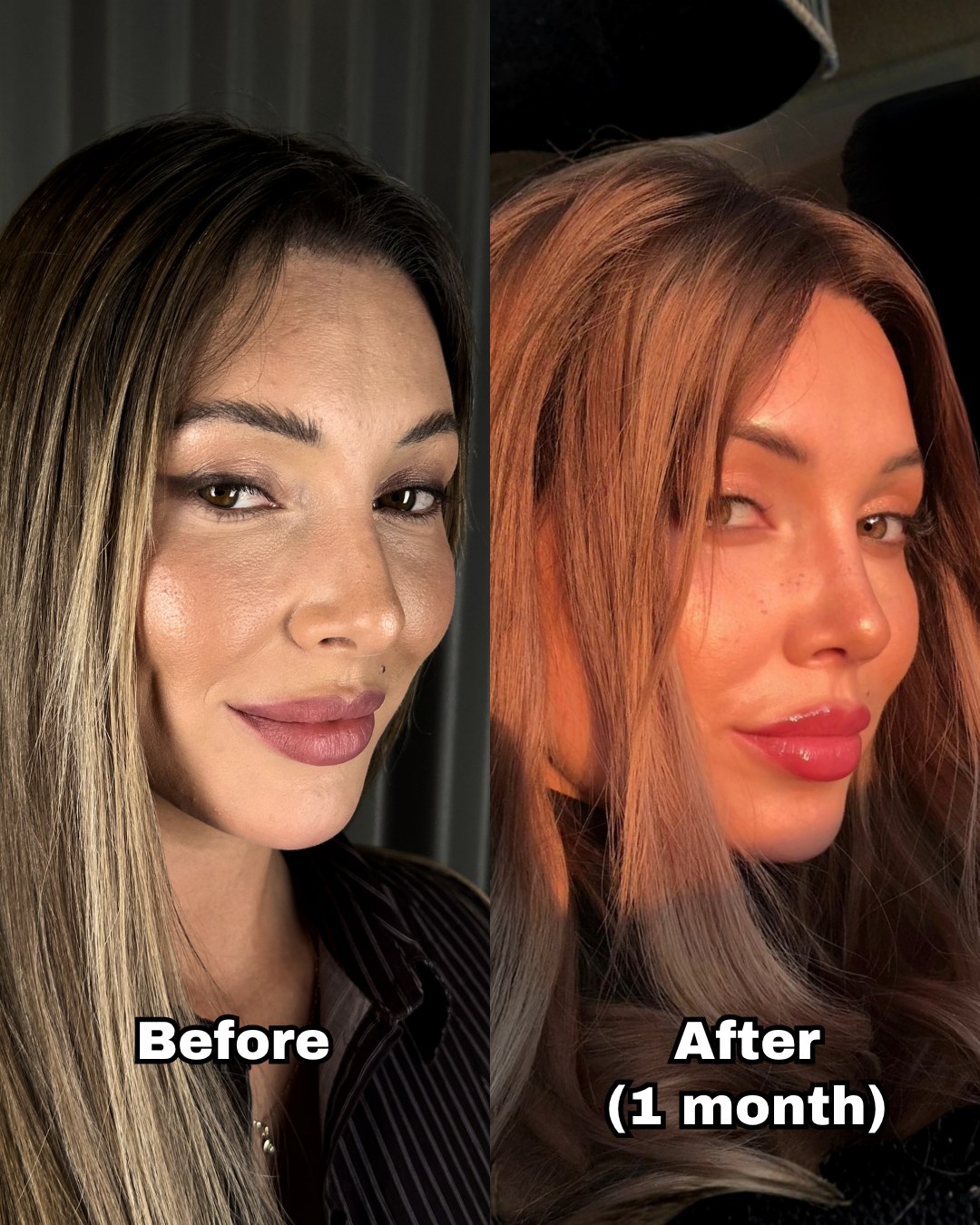
A careful consultation usually includes front, side, and base-view analysis, a discussion of your breathing, and often photo review. That matters because some patients come in asking for tipplasty, but what they really need is either full rhinoplasty or no surgery at all.
If you are unsure whether your concern is truly isolated to the tip, it helps to compare your own priorities in plain terms:
- ✓You may lean toward tipplasty if your bridge looks straight, your nose size feels fine, and your complaint is mainly a rounded, wide, or drooping tip.
- ✓You may lean toward full rhinoplasty if you want a smaller nose overall, straighter bridge lines, hump reduction, or breathing-related correction.
- ✓You may need revision-focused planning if you have had previous nose surgery and the tip now feels stiff, uneven, pinched, or unsupported.
- ✓You may be better with no surgery for now if your concern is minor, your expectations are perfection-focused, or you are not ready for the recovery timeline.
Tipplasty is not always enough if your goals involve the bridge, overall nose size, significant asymmetry, or airflow problems. In those cases, limiting surgery to the tip can leave the nose looking unbalanced or fail to fix the issue that bothers you most.
What can tipplasty realistically change?
A realistic plan is usually the difference between a patient who feels satisfied and one who feels disappointed. Tip surgery can refine shape, but it works within the limits of your natural cartilage and skin envelope.
If your tip looks broad because the cartilage is wide apart, the surgeon may reshape or support it. If the tip drops, extra support may be added so it sits better over time. If the tip lacks projection, structural grafts may sometimes be discussed. In plain language, grafts are small pieces of cartilage used to strengthen or shape the nose.
The limit most people underestimate is skin thickness. Thick skin can soften fine definition, which means the tip may look improved but not razor-sharp. Thin skin has the opposite issue: it may show tiny edges or asymmetries more easily. This is a common point in published rhinoplasty literature and one reason experienced nasal surgeons are cautious about promising a certain look.
It is also worth knowing that a subtle result is often the right result in tip-only surgery. The goal is usually balance, not a dramatic transformation.
Tipplasty can improve definition, reduce a bulbous look, support a drooping tip, and refine mild asymmetry. It cannot fully change thick skin, erase all irregularities, or safely create a tiny ‘designer’ tip on every nose. Results depend more on structure and skin than on wish photos.
How is candidacy assessed before tipplasty?
A proper assessment should feel more detailed than a quick sales conversation. The surgeon should ask what bothers you in day-to-day life, what you want to preserve, whether you have trouble breathing, whether the nose has been injured before, and whether you have had prior nasal surgery or filler.
They will usually check the tip from several angles and may gently feel the cartilage to understand strength and support. This matters because weak tip cartilage may need support rather than simple reduction. Mayo Clinic guidance on nasal surgery also stresses that planning has to consider structure, skin, healing, and goals together rather than in isolation.
For international patients, it is sensible to treat online photos and video calls as a starting point, not a final decision. Remote review can suggest whether tipplasty might suit you, but the surgical plan should still be confirmed after an in-person examination.
If you want to prepare well for a consultation, keep your questions simple and specific. Ask what exactly is being changed, what is not being changed, how thick your skin is, whether breathing could be affected, and what signs would make the surgeon recommend full rhinoplasty instead. If you want to arrange a formal review, the clinic’s consultation page is the appropriate place to start rather than relying on informal messaging alone.
📋 A good consultation should include limits If a surgeon talks only about the ideal result and not about what tipplasty cannot do in your nose, that is a reason to pause and ask more questions.
Candidacy is usually assessed through nose examination, skin and cartilage analysis, breathing history, photo review, and a discussion of your goals. The surgeon is looking for one main thing: whether a tip-only change will give a balanced result without creating new problems elsewhere.
What are the risks and downsides of tipplasty?
Because the nasal tip is delicate and highly visible, even a small irregularity can matter. That is why candidacy is not only about what can be changed, but also about whether the likely benefit is worth the healing and uncertainty for you.
Commonly discussed risks include bleeding, infection, prolonged swelling, numbness, stiffness, asymmetry, and dissatisfaction with the final shape. If an open approach is used, there is also a small scar across the columella, the strip of skin between the nostrils. In many patients this heals well, but scar quality is never fully predictable.
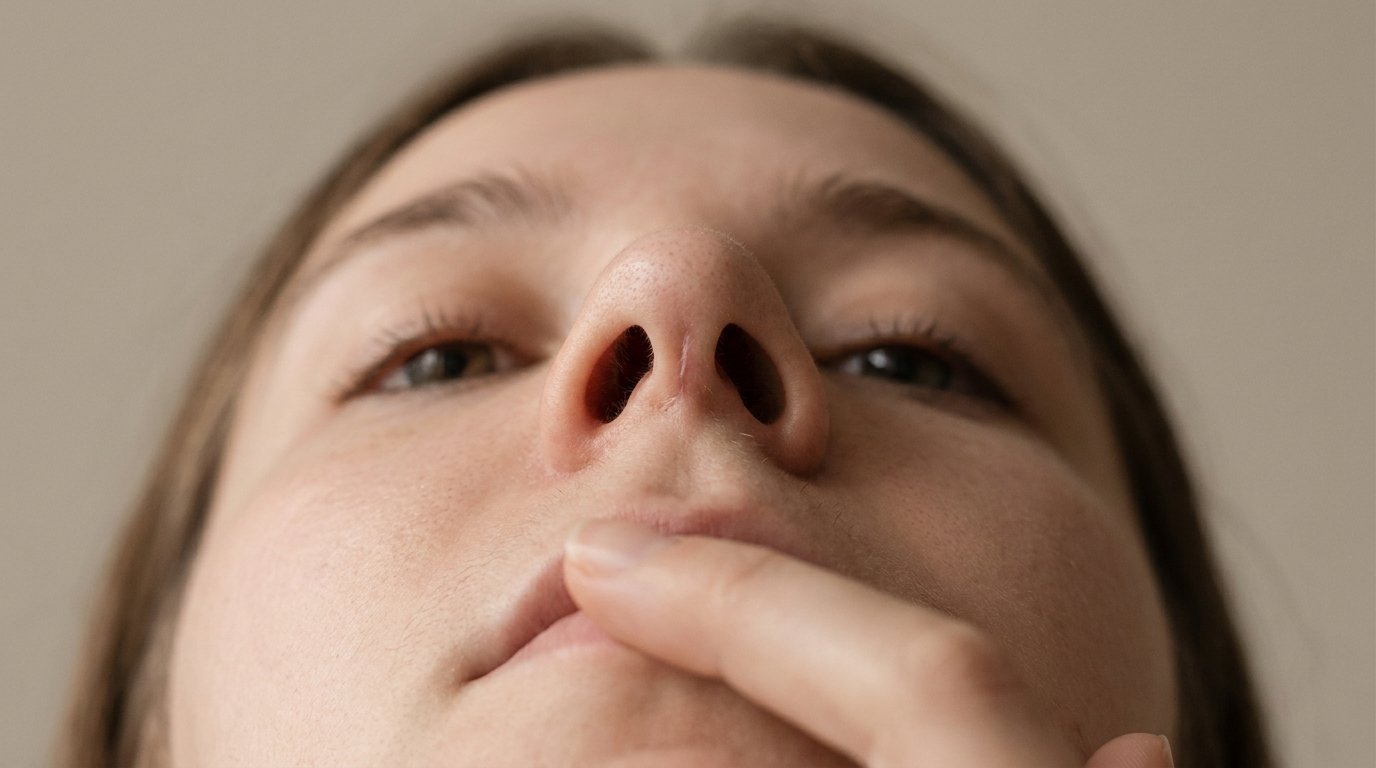
The tip often swells longer than patients expect. That does not always mean something is wrong, but it can make the early result look uneven or blunt. Revision is sometimes needed in rhinoplasty and tip surgery, especially when scar tissue, cartilage memory, skin thickness, or healing differences affect the outcome. PubMed literature on nasal tip surgery and revision rhinoplasty reflects this clearly: refinement is possible, but no surgeon can guarantee exact symmetry.
You should also ask how the planned changes might affect support. Over-reduction can create a pinched, weak, or unnatural tip. Modern rhinoplasty practice generally favours preserving or rebuilding support rather than simply cutting away cartilage.
⚠️ Small surgery does not mean trivial surgery Tip-only surgery may be more limited than full rhinoplasty, but it still needs careful planning because tiny changes in the nasal tip can be very noticeable.
Tipplasty is generally smaller in scope than full rhinoplasty, but it still has real risks. The main concerns include asymmetry, prolonged swelling, visible or hidden scar issues, under-correction or over-correction, breathing changes, and the possibility of revision if healing or shape is not as expected.
What is recovery like after tipplasty, and how long should I stay in Turkey?
Recovery is often easier than patients fear, but slower in the details than they expect. You may have mild to moderate swelling, congestion, tenderness, and a feeling of stiffness at the tip. Bruising can happen, though some patients have very little if the bridge is not being treated.
The main point to understand is that social recovery and final recovery are different. You may feel presentable in a week or two, depending on splinting and swelling, but tip definition continues to settle for months. That is normal in nasal surgery and is widely recognised in rhinoplasty guidance and peer-reviewed literature.
For medical travel, it is wise to stay long enough for pre-op assessment, surgery, and at least one early follow-up before you fly home. The exact stay depends on the surgeon’s plan and your progress, so it should be confirmed individually. If there are signs of unusual swelling, bleeding, or wound concerns, a longer stay may be safer.
Below is a practical recovery guide rather than a promise of how every patient heals.
Most people can walk around within a day or two, but swelling in the tip lasts much longer than social downtime. If you travel to Turkey, you should usually plan enough time for in-person review before flying home, even when the operation is relatively focused.
How should I choose a surgeon or clinic for tipplasty abroad?
This decision matters more than finding the fastest quote. Tipplasty is detail work. A surgeon who is comfortable with facial surgery in general is not automatically the best fit for nasal tip refinement.
Look for clear answers about who performs the operation, where it is performed, what accreditation the facility has, how breathing concerns are assessed, and what happens if you need follow-up after returning home. If you are comparing providers, ask to see examples of patients with similar tip concerns and similar skin thickness, not only the best showcase cases.
For background information, it is reasonable to review the surgeon profile on the clinic’s doctors page and check general clinic information on the about page. Still, the more important test is whether your consultation is thoughtful, specific, and balanced.
A trustworthy team should be comfortable explaining both benefits and limitations. If you feel rushed toward booking before your questions about shape, breathing, scarring, or revision are answered, keep looking.
- ✓Ask whether your concern is truly tip-only or part of a bigger nasal balance issue.
- ✓Ask what open or closed approach is planned and why.
- ✓Ask how thick skin may affect definition in your case.
- ✓Ask what support techniques may be needed to avoid a pinched or droopy result.
- ✓Ask how follow-up works once you return home.
Choose a surgeon and clinic based on nasal experience, clear planning, honest discussion of limits, and proper follow-up arrangements. For tip surgery especially, you want evidence of consistent natural results, not only dramatic before-and-after photos taken in ideal lighting.
What affects the price if tipplasty costs are not listed?
It is sensible to ask about price, but tipplasty is not a one-size-fits-all service. A simpler tip refinement may involve a different level of operating time and planning than a case with thick skin, weak cartilage, prior trauma, or revision surgery.
That is why responsible clinics often avoid publishing one fixed figure for this topic. The final cost can change depending on whether you need tip support grafts, whether the operation is open or closed, whether breathing-related issues are addressed at the same time, and what is included in your care plan.
For patients travelling to Turkey, it also helps to think beyond the procedure itself. Accommodation, transport, time away from work, and the possibility of needing a longer stay if swelling or follow-up requires it are all part of the real-world budget.
The fairest way to compare options is to ask for a written breakdown after consultation, including what is included, what is not, and what happens if your surgeon advises a different plan after examining you in person.
📋 Price should follow the plan For tipplasty, a personalised quote after proper assessment is more meaningful than a headline price, because the right operation is not identical for every patient.
When no standard public price is given, the final quote usually depends on how complex the tip work is, whether grafts or septal work are needed, the surgeon’s experience, facility fees, anaesthesia, and follow-up needs. A personalised quotation is normally confirmed after consultation.
For how rhinoplasty quotes are built in Turkey and what a package includes, see our rhinoplasty in Turkey cost and safety guide.
Frequently Asked Questions
References
- 📎PubMed search: nasal tip rhinoplasty
- 📎PubMed search: revision rhinoplasty nasal tip
- 📎NHS: Cosmetic procedures
- 📎ASPS: Cosmetic procedures
Related Articles



You Might Also Like



Related articles



Our specialists
 Clineca SpecialistErkan PinegözPlastic & Reconstructive Surgery
 Clineca SpecialistHakan AktaşPlastic & Reconstructive Surgery
 Clineca SpecialistOrkun UzuneyüpoğluPlastic & Reconstructive Surgery
 Clineca SpecialistSalim İskenderPlastic & Reconstructive Surgery
 Clineca SpecialistEngin SelamioğluPlastic & Reconstructive Surgery
 Clineca SpecialistCem AydınPlastic & Reconstructive Surgery
 Clineca SpecialistAlperen ÖnalEar, Nose & Throat (ENT)