

Have a question about Bonding?
In this article
- When is dental bonding a safe choice for a chipped front tooth?
- What can make bonding less safe or less suitable?
- How long does bonding last, and what is recovery like?
- Is dental bonding material itself safe?
- How does bonding compare with veneers, crowns, and doing nothing?
- What affects the cost, and what should a quote include?
- What should international patients check before booking?
Yes — is dental bonding safe for repairing small chips in front teeth? In many cases, yes, it is a safe and conservative option when a qualified dentist examines the tooth, checks your bite, and confirms bonding is the right repair. The caveat is that safety depends on the size of the chip, the health of the tooth, and habits such as nail-biting or teeth grinding, because bonding is not the best choice for every front-tooth chip.
When is dental bonding a safe choice for a chipped front tooth?
For a small chip on a front tooth, bonding is often one of the safest first treatments because it is conservative. The dentist places a tooth-coloured resin over the chipped area and shapes it to match the tooth. In many cases, there is little drilling, and sometimes none at all beyond light surface preparation.
That matters because keeping healthy tooth structure is usually a good thing. The NHS explains that cosmetic dental work can involve irreversible changes, so a treatment that preserves more of the natural tooth may be preferable when it can do the job well. For a minor chip, bonding often fits that description better than a crown or a more aggressive cosmetic option.
Safety also depends on the reason the tooth chipped. If the damage is truly small and only affects the outer part of the tooth, bonding is usually straightforward. If the chip is deeper, if the tooth is painful, loose, darkening, or sensitive to hot and cold, the dentist may need to rule out a crack, nerve injury, or damage below the gumline before recommending bonding.
At Clineca, treatment is performed by qualified dentists at the clinic, rather than being described only as a general facilitation service, so patients should still ask which dentist will assess the chip and carry out the repair. That is especially important if you are travelling for care and want clarity before you book.
You can read more about the treatment itself on the clinic’s dental bonding page.
📋 Why bonding is often chosen first For a small chip, bonding can repair the edge without removing much natural tooth. That makes it a conservative option when the tooth is otherwise healthy.
A small visible chip, healthy tooth root, no major bite problems, and realistic expectations about maintenance.
A large fracture, severe grinding, repeated edge breakage, untreated decay, or pain that suggests deeper damage.
Dental bonding is generally safe for small front-tooth chips when the tooth is healthy, the nerve is not affected, and the repair does not need to carry heavy biting force. It works best as a minimally invasive fix because little or no natural tooth usually needs to be removed first.
What can make bonding less safe or less suitable?
The main safety issue is not usually the bonding material itself. It is choosing bonding for the wrong tooth or the wrong type of damage. A small edge chip is very different from a tooth with a deep fracture, a damaged nerve, or a bite pattern that keeps knocking the repair off.
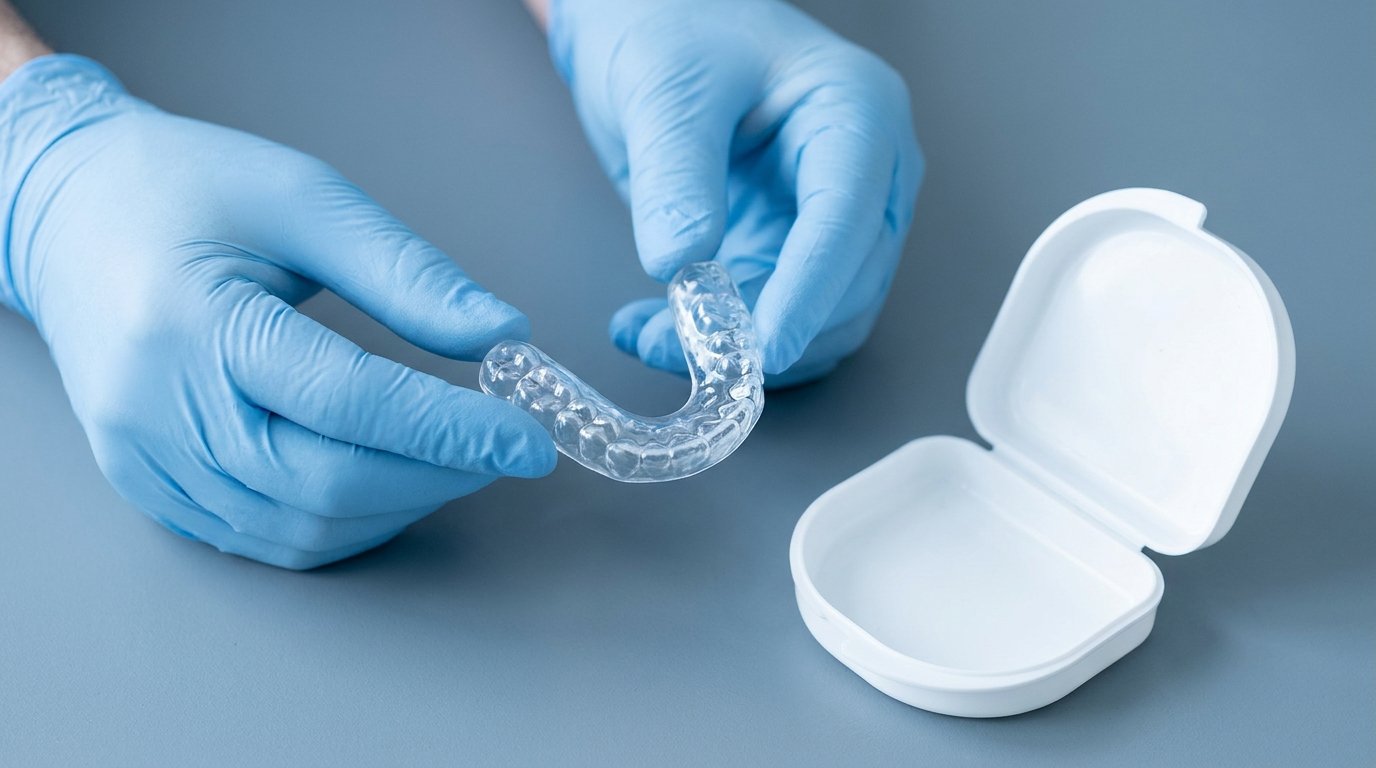
If you clench or grind your teeth, especially at night, a bonded edge can chip again. The repair may still be possible, but the dentist should say clearly that the result may need more maintenance and that a night guard might be advised. The same applies if you bite pens, open packets with your teeth, chew ice, or have a habit of biting your nails.
There is also a cosmetic limit. Bonding can look very natural, but very large repairs on front teeth may stain, wear, or show edges more easily over time than porcelain alternatives. That does not make bonding unsafe. It just means there are trade-offs between preserving tooth structure and getting a longer-lasting or more stain-resistant finish.
A careful dentist should also ask whether the chip was caused by trauma. If it followed a fall, sports injury, or blow to the mouth, the tooth may need further checks even if the chip looks small from the outside.
⚠️ Do not ignore trauma symptoms If the chip happened after an injury and the tooth feels sore, loose, or looks darker later, ask for an urgent dental review. A tooth can have hidden damage even when the visible chip seems minor.
- ✓A small enamel chip is usually the simplest case for bonding.
- ✓Pain, lingering sensitivity, or a darkening tooth can point to deeper injury.
- ✓Grinding and clenching increase the chance of the bonded edge breaking again.
- ✓Repeated repairs may mean the bite needs to be adjusted or a different restoration considered.
Bonding becomes less suitable when the chip is large, the tooth has decay or a crack, or the front teeth take heavy force from grinding or a poor bite. In those cases, the main concern is not that bonding is dangerous, but that it may fail sooner or mask a problem that needs different treatment.
How long does bonding last, and what is recovery like?
Recovery is one of bonding’s strongest points. For a simple chip, there is usually no surgical healing period, no stitches, and no major downtime. You can normally eat and speak as usual quite soon after treatment, although your dentist may suggest avoiding very hard foods on the repaired edge for the first day or so.
What people notice more often than pain is awareness. The tooth may feel a little unfamiliar against the lip or when the upper and lower teeth meet. That is normal at first, but if the bite feels high or the tooth keeps tapping first, it should be adjusted. Leaving a bite that feels wrong can make the bonding chip faster.
As for longevity, there is no honest one-size-fits-all answer. Small repairs on carefully selected teeth can last well, while edge bonding on someone who grinds may need earlier repair or replacement. Bonding is usually best thought of as a durable but maintenance-friendly treatment rather than a once-and-for-all fix.
If you are comparing options, the clinic also has pages on veneers and teeth reshaping, which may come up in the discussion for some cosmetic chips.
Recovery after front-tooth bonding is usually quick because the treatment is minimally invasive. Many people return to normal daily activity the same day, though the tooth can feel slightly different at first. Longevity varies with bite forces, habits, and how much bonding was placed on the chipped edge.
Is dental bonding material itself safe?
For most patients, the bonding resin itself is not the part to worry about most. Composite resin materials are used every day in dentistry for fillings and cosmetic repairs. The bigger questions are whether the tooth is suitable, whether the surface is prepared properly, and whether the final shape works with your bite.
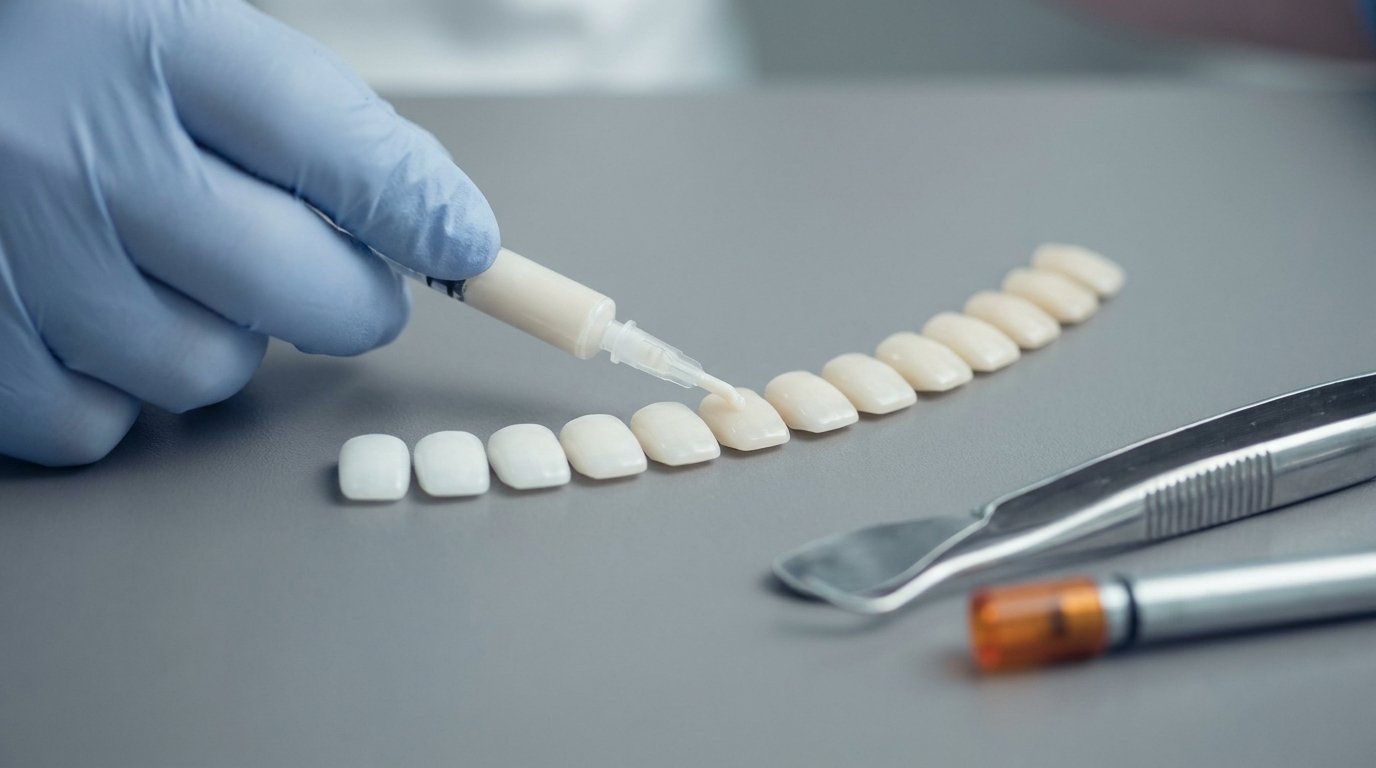
Some people do get temporary sensitivity after dental work, especially if the chipped area is close to dentine, the layer under the enamel. Usually this settles. If sensitivity continues, or if pain starts after the repair, that should be checked rather than simply watched.
A well-done bonded repair should feel smooth, blend with the neighbouring tooth, and let you bite without a knock or click. Rough edges, poor colour matching, or a bulky shape are not just cosmetic annoyances. They can affect comfort, cleaning, and how well the repair lasts.
The NHS also advises patients considering cosmetic dental work to understand both benefits and risks before treatment, and to make sure they know what follow-up care will be needed. That advice applies well to bonding because although it is less invasive than many alternatives, it still needs maintenance and realistic expectations.
The resin used for dental bonding is widely used in routine dentistry and is generally considered safe when placed properly by a qualified dentist. The more relevant practical risks are minor sensitivity, edge wear, staining, or breakage, rather than the material being inherently unsafe for most patients.
How does bonding compare with veneers, crowns, and doing nothing?
A tiny chip does not always need active treatment. If it is superficial, not sharp, and not affecting the strength or look of the tooth in a way that bothers you, smoothing the edge or simply monitoring it may be enough. A dentist can help decide that.
When treatment is needed, bonding often sits in the middle ground between doing nothing and choosing a more involved restoration. Veneers are thin porcelain coverings placed over the front of the tooth, while crowns cover the whole tooth. Those options can be helpful in the right case, but they usually involve more irreversible tooth preparation than simple bonding.
That is why many dentists start by asking the smallest sensible question: can this be repaired in a way that protects the tooth and still gives a stable result? For a small front-edge chip, the answer is often yes, and bonding is frequently the first option discussed.
If the issue is not just one chip but also colour, shape, and multiple front teeth, veneers may be part of the conversation.
If the tooth is badly broken, already heavily filled, or structurally weak, bonding may not give enough support.
Bonding is often the most conservative option for a small front-tooth chip because it usually preserves more natural tooth than a veneer or crown. Veneers and crowns may suit larger or more complex damage, while leaving a chip alone can be reasonable if it is tiny, smooth, and not weakening the tooth.
What affects the cost, and what should a quote include?
For a small front-tooth chip, cost is usually driven by how simple or demanding the repair is. A neat edge rebuild on one tooth is different from a case that needs trauma assessment, X-rays, bite correction, or cosmetic matching across several front teeth.
If you are travelling for treatment, ask exactly what the quote covers. That should include the examination, any imaging the dentist expects to need, the bonding procedure itself, and whether review visits or minor bite adjustments are included. A slightly higher quote may be more sensible if it includes proper assessment and aftercare rather than just the bonding placed on the day.
Personalised pricing is normally confirmed after consultation because photos alone do not always show how deep a chip is or how the upper and lower teeth meet. If you want to ask about your own case, the clinic’s consultation page is the right place to start.
📋 Ask for detail, not just a headline price A useful quote explains what is included, what may change after examination, and what happens if the repair needs adjustment.
The cost of front-tooth bonding depends more on complexity than on the word “bonding” alone. A personalised quote should reflect the size of the chip, the time needed for colour matching and shaping, whether X-rays or other checks are required, and any follow-up or bite adjustment included.
What should international patients check before booking?
Dental bonding for a minor front-tooth chip can suit a short trip, but only if the case is genuinely simple. If the tooth is painful, has had trauma, or may need more than bonding, you should allow enough time for reassessment and a change of plan. Rushing cosmetic dentistry just to fit flights is rarely wise.
Before booking, check who the treating dentist is, what their experience is with aesthetic composite work, and whether the clinic can explain the follow-up plan in plain English. Ask what happens if the bonding feels high, if the colour needs refinement, or if the tooth turns out to need a different treatment after examination.
It also helps to ask for practical guidance on eating, smoking, coffee, tea, and tooth brushing after treatment. Bonding does not usually create major travel restrictions, but fresh repairs still benefit from sensible care, especially if staining foods and drinks are a concern.
For background about the clinic and team, you can review the about page and doctors page. If you still have practical questions before travel, use the contact page.
⚠️ Do not treat every chip as purely cosmetic A small visible chip can still hide a crack or bite problem. The safest clinics assess the cause before they repair the edge.
- →Ask who will perform the bonding and what their dental credentials are.
- →Ask whether the tooth may need X-rays or trauma assessment first.
- →Ask how long to stay in case a review or bite adjustment is needed.
- →Ask what aftercare is included if the bonding chips or feels uneven soon after treatment.
If you are travelling for bonding, focus less on speed and more on diagnosis, dentist credentials, and aftercare. Small chip repairs can often fit into a short visit, but only if the tooth is uncomplicated. The safest plan leaves room for examination, treatment, and a review if the bite needs adjusting.
Frequently Asked Questions
References
- 📎NHS – Cosmetic procedures
- 📎PubMed search: dental bonding chipped incisor composite restoration
- 📎PubMed search: anterior tooth fracture composite resin restoration
Related Articles


You Might Also Like



Related articles


Our specialists
 Clineca SpecialistErkan PinegözPlastic & Reconstructive Surgery
 Clineca SpecialistHakan AktaşPlastic & Reconstructive Surgery
 Clineca SpecialistOrkun UzuneyüpoğluPlastic & Reconstructive Surgery
 Clineca SpecialistSalim İskenderPlastic & Reconstructive Surgery
 Clineca SpecialistEngin SelamioğluPlastic & Reconstructive Surgery
 Clineca SpecialistCem AydınPlastic & Reconstructive Surgery
 Clineca SpecialistAlperen ÖnalEar, Nose & Throat (ENT)