

Have a question about Inlays/Onlays?
In this article
- What is the difference between inlays and onlays for tooth repair?
- When is an inlay better, and when is an onlay the better choice?
- How do inlays and onlays compare with fillings and crowns?
- Who is not a good candidate for an inlay or onlay?
- What is the treatment process and how long is recovery?
- Are inlays and onlays safe, and what are the main risks?
- What affects the cost, and what should dental tourists ask before booking?
- How do you choose a good clinic and dentist for inlays or onlays?
The main difference between inlays and onlays for tooth repair is how much of the tooth they cover: an inlay fits inside the tooth’s chewing surface, while an onlay extends over one or more cusps, the raised edges used for biting. Both can be good options when a filling is too small and a full crown may remove more tooth than necessary, but the right choice depends on how damaged, cracked, or weakened the tooth is.
What is the difference between inlays and onlays for tooth repair?
If you are asking what is the difference between inlays and onlays for tooth repair, the clearest answer is about coverage. An inlay sits neatly inside the grooves of the tooth, rather like a shaped insert. An onlay does that too, but also extends over the top of one or more cusps when those edges need extra support.
Dentists usually consider both when a tooth has decay, an old failing filling, or a fracture that is too large for a standard filling but may not need a full crown. This is why inlays and onlays are often described as a middle ground between fillings and crowns.
The materials are often porcelain, composite resin, or sometimes gold. Porcelain is popular because it can be matched to the tooth colour and is made outside the mouth for a precise fit. The exact plan depends on the tooth, your bite, and whether the damaged area is mainly cosmetic, structural, or both.
Recognised dental guidance broadly supports this more conservative approach where appropriate. The NHS explains that indirect restorations such as inlays are made in a dental laboratory and are used when a tooth is too damaged for a filling but not damaged enough for a crown. That same logic is commonly extended to onlays in restorative dentistry.
An inlay repairs damage within the centre of a tooth, between the cusps. An onlay covers that inner area and also protects one or more cusps. In simple terms, an onlay treats a larger or weaker area than an inlay, while still preserving more natural tooth than a full crown in selected cases.
When is an inlay better, and when is an onlay the better choice?
An inlay tends to suit a tooth where the problem is fairly contained. Think of decay or an old filling that has been removed, leaving a cavity within the centre of the tooth, while the outer walls remain strong enough to keep doing their job.
An onlay is often preferred when the tooth needs more support. If a cusp is weakened, worn down, or cracked, leaving it uncovered may increase the chance of further breakage. Covering that cusp can help protect the tooth during chewing.
This is where the dentist’s judgement matters. Two cavities that look similar on an X-ray may not be treated the same way if one tooth has heavy bite pressure, fine cracks, or thin enamel around the edges. A person who clenches their teeth may also need a more protective plan than someone with a light, even bite.
You may also hear the term “partial crown.” In everyday practice, that often refers to an onlay. It still means the restoration covers only part of the tooth rather than the whole circumference, as a full crown does.
Damage is within the central chewing area, the cusps are intact, and enough strong tooth remains.
One or more cusps are weak, cracked, or undermined and need protective coverage.
The tooth is too broken down, heavily restored, or structurally weak for a partial restoration to last well.
An inlay is usually better when damage is contained within the biting surface and the cusps are still strong. An onlay is often chosen when one or more cusps are cracked, undermined, or weak and need covering. The decision is based on tooth strength, not just cavity size.
How do inlays and onlays compare with fillings and crowns?
The most useful comparison is not inlay versus onlay in isolation, but where both sit among other common repairs.
A filling is placed directly into the tooth during the appointment. It is often the least invasive option, but there is a limit to how much biting force a large filling can handle, especially on back teeth.
Inlays and onlays are made indirectly, which means the dentist prepares the tooth, takes a scan or impression, and the final piece is produced outside the mouth before being bonded into place. This can allow a more controlled shape and contact point, which is helpful for larger restorations.
A crown covers the whole visible part of the tooth above the gum line. That provides more protection, but it also usually means removing more natural tooth structure. In conservative restorative dentistry, preserving sound tooth tissue matters whenever possible.
If you are comparing options, it can help to read about related treatments such as dental crowns, dental bonding, or root canal treatment when deep damage affects the nerve.
Fillings are simpler and usually used for smaller repairs. Inlays and onlays are custom-made and can be more precise and durable for medium-sized damage. Crowns cover the whole visible part of the tooth and are used when far more support is needed. The best option balances strength with tooth preservation.
Who is not a good candidate for an inlay or onlay?
This part is important because a technically good restoration can still fail if the tooth is the wrong candidate.
People who grind or clench their teeth, called bruxism, place much higher force on back teeth. That does not automatically rule out inlays or onlays, but it can affect material choice, design, and whether a night guard is recommended after treatment. Without that protection, chipping, debonding, or further tooth fracture is more likely.
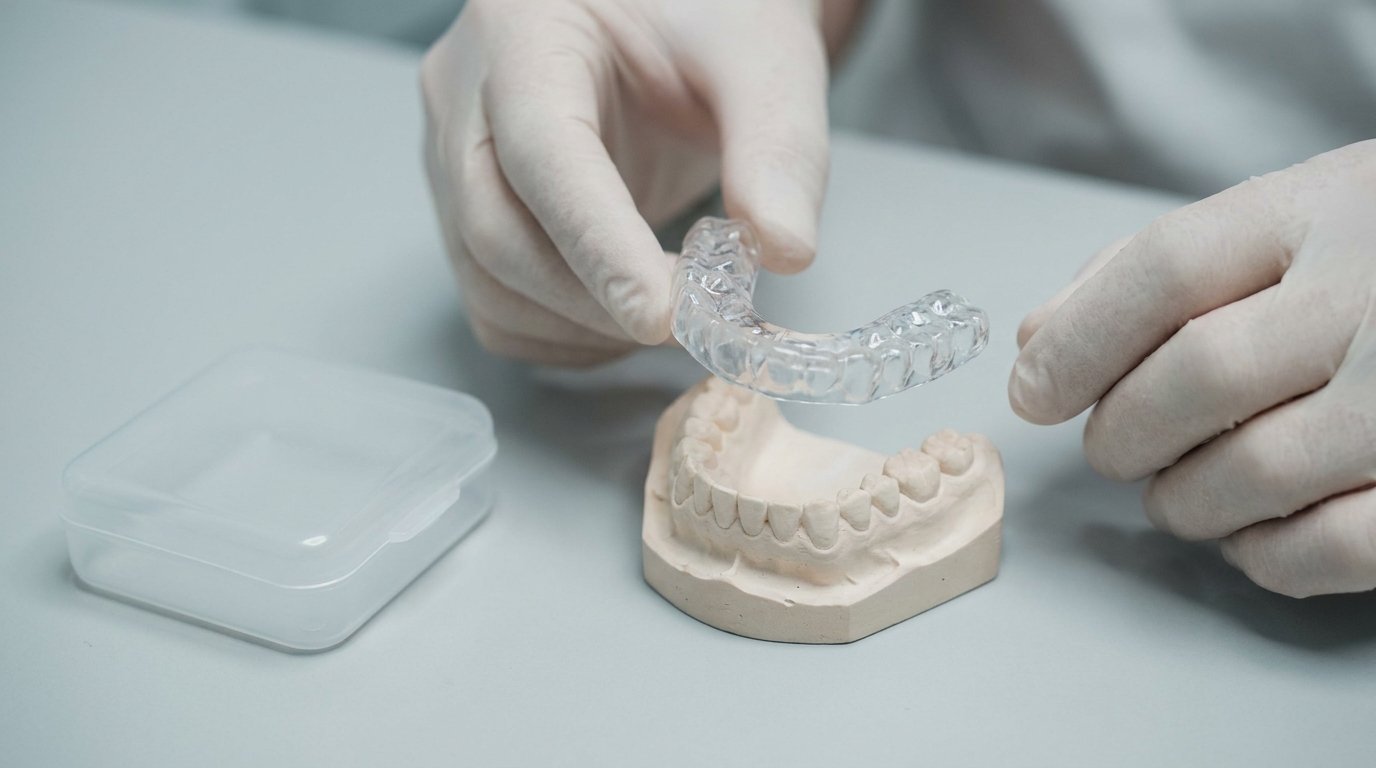
Very large cracks are another limit. If a crack runs deeply through the tooth, or if too much of the tooth is already missing, a partial restoration may not give reliable long-term support. In those cases a full crown may be more realistic, and if the crack extends into the root, the tooth may not be restorable at all.
Poor oral hygiene also matters. If plaque control is weak, new decay can form around the edges of any restoration. Gum inflammation can also make it harder to take accurate impressions or scans and may affect long-term stability.
A tooth that has pain from the nerve, deep decay close to the pulp, or signs of infection may need a different sequence of treatment. Sometimes the plan changes after decay is removed. What looked like an inlay or onlay case on the X-ray may end up needing root canal treatment first, followed by a more protective restoration.
NHS advice on restorative care is consistent with this practical approach: the final treatment can depend on how much healthy tooth remains after disease or old filling material is removed.
⚠️ Bruxism changes the risk profile If you grind or clench, tell the dentist early. It can affect whether an inlay or onlay is sensible and whether you need a night guard afterwards.
🚨 Deep cracks can change the treatment plan A tooth with a large crack may need a crown instead, and some cracked teeth are not suitable for repair if the crack extends too far.
Inlays and onlays are not ideal for every tooth. Heavy tooth grinding, very large cracks, poor oral hygiene, active gum disease, or damage reaching the tooth nerve can change the plan. In some cases a crown, root canal treatment, or even extraction may be more suitable than a bonded partial restoration.
What is the treatment process and how long is recovery?
The process is usually simpler than patients expect. At the first appointment, the dentist removes decay or the old filling, shapes the tooth, and takes a scan or impression. A temporary filling may be placed while the final restoration is being made.
At the second visit, the inlay or onlay is tried in, adjusted if needed, and then bonded in place. Some clinics can do this in a single day with in-house digital milling, but that depends on equipment, material, and case complexity.
Recovery is usually mild. You can generally eat and drink later the same day, although it makes sense to avoid very hard or sticky foods until the dentist says the bond has fully settled and the numbness is gone. Mild hot-and-cold sensitivity can happen for a few days and sometimes a little longer, especially if the repair is deep.
The key practical point is your bite. If the tooth feels high when you close, or if you notice a sharp contact on chewing, do not ignore it. A small bite adjustment can make a big difference and may help prevent pain or damage.
For travellers, this is a treatment that often fits well into a short stay if the clinic uses digital workflows, but if a laboratory step is needed you may need extra days between visits. A personalised timeline is usually confirmed after consultation.
Treatment often takes two visits, although some clinics use same-day digital systems. Recovery is usually straightforward: mild sensitivity or tenderness for a few days is common, and most people return to normal activity the same day. The bite should feel comfortable quickly; if not, it should be adjusted.
Are inlays and onlays safe, and what are the main risks?
These restorations have a long track record in modern restorative dentistry, but safe does not mean risk-free. The common short-term issues are sensitivity to temperature, tenderness when biting, or a restoration that feels slightly high.
Longer-term risks are usually mechanical or biological. Mechanical problems include chipping, wear, or debonding. Biological problems include recurrent decay at the margins or irritation of the pulp, the soft tissue inside the tooth.
This is also why case selection matters so much. Research literature on indirect restorations consistently focuses on remaining tooth structure, adhesive technique, and bite forces as major factors in success. A beautifully made onlay is still under pressure every time you chew.
You should contact the clinic or your own dentist if you have severe pain, swelling, a bite that feels wrong after the numbness fades, or sensitivity that keeps getting worse instead of better.
- ✓Mild sensitivity for a few days can be normal
- ✓Sharp pain on biting is not something to ignore
- ✓A high bite can often be corrected with a simple adjustment
- ✓Good brushing, flossing, and regular reviews help protect the margins
Inlays and onlays are established restorative treatments and are generally safe when used for the right tooth and bonded properly. The main risks are sensitivity, bite problems, edge leakage, fracture of the restoration or tooth, and the possibility that the tooth later needs root canal treatment if the pulp becomes inflamed.
What affects the cost, and what should dental tourists ask before booking?
Cost is best understood as a set of variables rather than a single figure. The material matters, the complexity of the tooth matters, and so does whether the case is straightforward or involves deep decay, crack assessment, or replacement of an older restoration.
A molar under heavy chewing force may be more demanding than a smaller tooth. Digital scanning, same-day production, and the experience of the treating dentist and laboratory can also influence the quote. If root canal treatment, gum treatment, or a temporary restoration is needed first, that changes the plan again.
For international patients, logistics matter almost as much as the restoration itself. Ask whether your case is likely to take one visit or two, how many days you should stay in Turkey, and whether a review appointment is recommended before you fly home. If your bite needs a small adjustment after fitting, knowing the aftercare process in advance is useful.
If you are exploring treatment options, the clinic’s inlays and onlays page gives a starting point, and you can request a personalised assessment through the consultation page. A tailored quote is normally confirmed after the dentist has reviewed your tooth, images, and treatment goals.
📋 Price should be personalised A reliable quote usually comes after a dental examination and review of X-rays or scans, not from a generic price list alone.
There is no single standard price for an inlay or onlay. The final quote depends on the material, tooth position, complexity, imaging, laboratory work, and whether other treatment is needed first. If you are travelling, ask about the number of visits, turnaround time, aftercare, and what happens if the bite needs adjusting later.
How do you choose a good clinic and dentist for inlays or onlays?
For this kind of tooth repair, the best clinic is not simply the one with the fastest offer. You want a dentist who looks carefully at the tooth structure, the bite, and whether the tooth is actually a good candidate for a partial restoration.
Ask what material is planned and why. Ask whether the tooth may need a crown instead if more damage is found after removing the old filling or decay. A careful answer is usually a good sign because it shows the plan is based on the tooth, not a preset sales pathway.
For dental tourism, make sure you understand the follow-up plan before you travel. If there is temporary sensitivity or the bite needs a small adjustment, ask whether that is handled locally before you return home or whether support is coordinated afterward. You can also review the clinic information on the about page and clinician details on the doctors page.
The dentist explains why an inlay, onlay, or crown is recommended for your specific tooth and discusses alternatives.
You are pushed toward treatment without clear X-rays, crack assessment, or discussion of what happens if the tooth is more damaged than expected.
Will I need one visit or two, and what is the plan if my bite feels high after fitting?
Frequently Asked Questions
References
- 📎NHS cosmetic and restorative dentistry overview
- 📎PubMed search: dental inlays onlays indirect restorations review
- 📎PubMed search: partial coverage restorations onlays crowns survival
- 📎PubMed search: postoperative sensitivity bonded ceramic inlays onlays
You Might Also Like



Related articles


Our specialists
 Clineca SpecialistErkan PinegözPlastic & Reconstructive Surgery
 Clineca SpecialistHakan AktaşPlastic & Reconstructive Surgery
 Clineca SpecialistOrkun UzuneyüpoğluPlastic & Reconstructive Surgery
 Clineca SpecialistSalim İskenderPlastic & Reconstructive Surgery
 Clineca SpecialistEngin SelamioğluPlastic & Reconstructive Surgery
 Clineca SpecialistCem AydınPlastic & Reconstructive Surgery
 Clineca SpecialistAlperen ÖnalEar, Nose & Throat (ENT)