
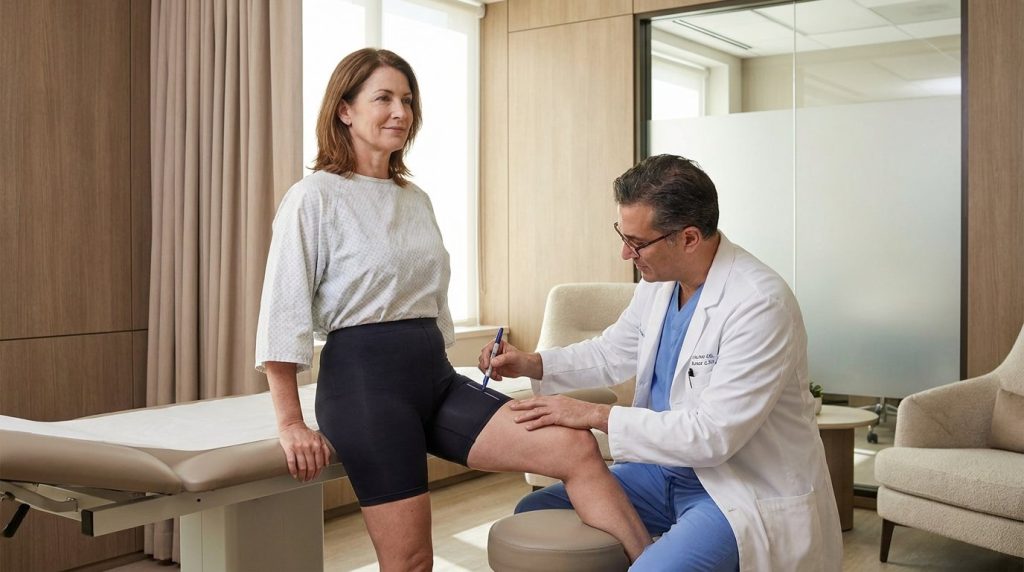
Have a question about Thigh Lift?
In this article
- Short answer: what matters most before you book
- What changes the quote for a thigh lift in Turkey
- How safe is thigh lift surgery in Turkey if you are travelling for it
- How long should you stay in Turkey after a thigh lift
- What recovery really feels like week by week
- How to choose a surgeon and clinic without relying on marketing alone
A thigh lift can make a real difference after weight loss or years of skin laxity, but it is not a small treatment and it should not be planned like one. If you are looking into thigh lift in Turkey cost safety and recovery, the details that matter most are usually the ones hidden between the headline promises: how the quote is built, how long you need to stay, what scars really involve, and how to judge whether a clinic is set up to look after you properly.
Short answer: what matters most before you book
The quote for a thigh lift is driven less by a single flat fee and more by the surgical plan itself. The main variables are whether you need an inner thigh lift or a more extended lift, whether liposuction is being added, whether another body procedure is planned in the same anaesthetic, the hospital level, the surgeon’s background, and what practical items are included such as tests, garments, transfers, hotel support and follow-up care. This page does not list price ranges because a compliant quote has to match the actual operation, rather than encourage a misleading comparison between unlike plans.
Safety starts with the basics: the surgeon should be appropriately qualified, the operation should take place in a properly equipped hospital, your health screening should be thorough, and the team should be clear about clot prevention, wound care, scar placement and what happens if you need help after discharge. The NHS notes that cosmetic surgery carries general surgical risks such as bleeding, infection, blood clots and poor wound healing, and those risks matter more in body contouring procedures where longer incisions are involved.
For travel, most patients should expect to stay in Turkey for more than a long weekend. A reasonable plan is to remain until you are walking comfortably, your wounds have been checked more than once, drains have been removed if used, and your surgeon is content that you are fit to fly. Recovery is gradual rather than dramatic: the first two weeks are the most restrictive, swelling eases over several weeks, and scar maturation takes much longer than the trip itself.
⚠️ Do not book a thigh lift around a tight holiday window This operation needs room for swelling, wound checks and slower walking in the first days. Rushing flights and social plans is one of the commonest planning mistakes.
What changes the quote for a thigh lift in Turkey
A thigh lift quote can look simple on paper, but the important part is what sits underneath it. Two patients can both say they want a thigh lift and need quite different operations. One may need a limited inner thigh lift for rubbing and loose skin high on the thigh, while another may need a longer incision after major weight loss, often with liposuction to improve contour and help the skin redrape.
That is why a headline comparison across clinics can be deceptive. A lower quote may reflect a shorter operation, fewer inclusions, a different hospital setting, less aftercare, or the exclusion of items that appear later. It is worth asking for a line-by-line explanation of what is included in the surgical fee, hospital fee, anaesthesia, compression garments, medications, tests, transport, hotel support and follow-up.
There is another practical reason single-procedure comparisons often fail. Around 80% of the people who come to us for a thigh lift end up booking it with at least one other procedure, most often another lifting surgery. That means many real-world quotes are built around a combined plan rather than a thigh lift alone, so your budget decision should be based on the operation you actually need, not the cheapest isolated version of it.
If you are also considering contouring elsewhere, it helps to read about combined surgery in Turkey and what is usually covered in an all-inclusive surgery package in Turkey. Those details often explain why one quote feels more expensive but is easier to manage once you arrive.
How safe is thigh lift surgery in Turkey if you are travelling for it
The country itself does not make an operation safe or unsafe; the standard of the surgeon, hospital and planning does. A well-run trip should feel medically organised rather than sales-led. You should know who is operating, where the surgery is taking place, what pre-op tests are required, how risks are reduced, and who you contact after hours if you are worried once back at the hotel.
Thigh lift surgery has specific issues that deserve a direct conversation. These include visible scarring, wound healing problems in areas of movement and friction, fluid build-up, asymmetry, numb patches, delayed healing and blood clots. The NHS includes infection, bleeding, scarring and venous thromboembolism among the recognised risks of cosmetic surgery, and body contouring after weight change may carry added healing challenges because skin quality varies so much from one patient to another.
The strongest safety sign is not a perfect sales pitch. It is a clinic that tells you where the limits are. If your weight is still changing, if you smoke, if you have poorly controlled diabetes, if you have a history of clotting problems, or if your expectations do not match what scars can achieve, a careful surgeon may ask you to wait or change the plan. That is usually a good sign, not a rejection.
If your main issue is loose skin after major weight loss, you may also find it useful to read am I a candidate for a thigh lift after major weight loss. The candidacy questions often overlap with the safety questions.
🚨 A thigh lift is not a scar-free tightening treatment Anyone presenting it that way is not describing the operation honestly. Skin removal means permanent scars, even when they usually soften over time.
The team asks for detailed medical history, explains scar location clearly, discusses clot prevention, and does not rush you into a date.
You cannot confirm the surgeon’s credentials, the hospital setting stays vague, or the conversation focuses on discounting rather than suitability and risks.
How long should you stay in Turkey after a thigh lift
For most international patients, it is sensible to plan for roughly one to nearly two weeks in Turkey, not just the operation day and a quick flight home. The exact stay depends on the extent of the lift, whether drains are used, how mobile you are, whether another procedure is being done at the same time, and whether your surgeon wants another wound review before travel.
In practice, the first few days are about pain control, getting up to walk safely, checking the incisions and making sure swelling is behaving as expected. Many surgeons want to see you again before clearing you to fly, especially if dressings need changing or drains need removal. If your plan includes another body procedure, the stay is usually set by the larger combined recovery rather than the thigh lift alone.
Flying home is less about a fixed calendar day and more about meeting a few practical criteria. You should be able to walk short distances several times a day, get in and out of bed without major strain, keep pain controlled with standard medication, tolerate your compression garment if prescribed, and show no signs of early wound problems or a possible clot. During the journey home, you will usually be advised to move regularly, stay hydrated and follow the clinic’s guidance on compression and medication.
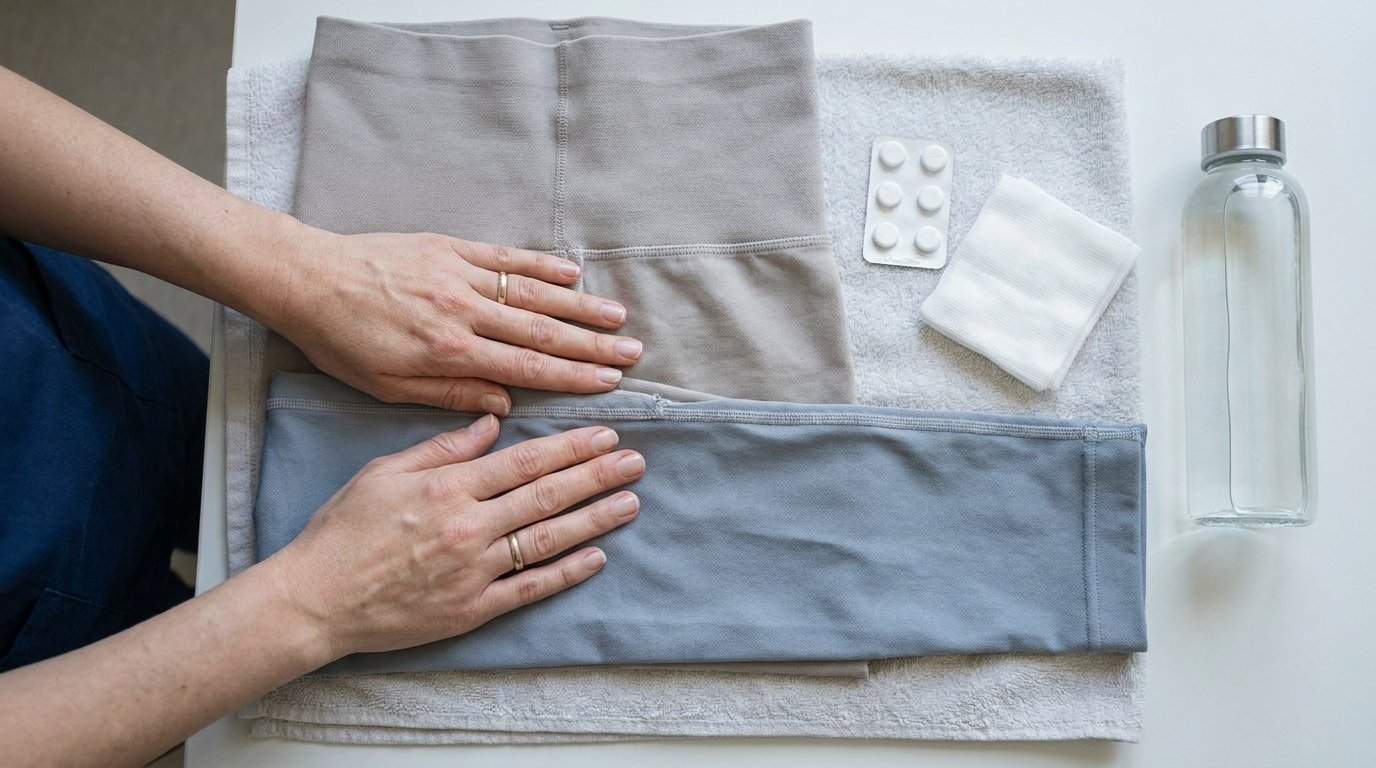
If you want a recovery reference point for swelling and mobility, our article on thigh lift recovery week by week gives a more detailed timeline.
- ✓Plan to stay until your surgeon has reviewed the wounds and is content with healing progress
- ✓Do not book your return flight before knowing whether drains are likely in your case
- ✓Choose accommodation with easy lift access rather than many stairs
- ✓Expect walking to be slow and slightly bent or cautious at first, especially after a more extensive lift
What recovery really feels like week by week
Recovery after a thigh lift is often more awkward than patients expect, not because the pain is always severe, but because the thighs move every time you sit, stand, walk or turn in bed. That constant motion is why the first week feels restrictive. You may feel tightness, swelling, bruising, pulling along the incision and tiredness that lasts longer than the worst soreness.
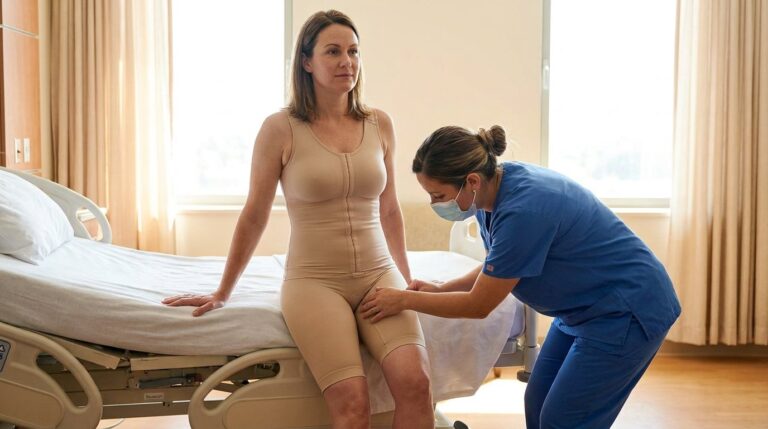
In the first week, most people are focused on gentle walking, wound care, medication and avoiding too much tension on the incision. Sitting and standing can feel clumsy. Clothing choice matters more than people realise, and loose garments are usually much easier than anything tight or rough at the seam.
By the second week, day-to-day movement is often easier, but this is also the stage where some patients do too much because they feel better before the tissues are strong. Swelling can still be obvious, and the incision line may look uneven, firm or puckered. That does not automatically mean anything has gone wrong. According to guidance used widely in plastic surgery, scars and swelling continue changing for months, not days.
From the third to sixth week, many patients feel more like themselves socially, but exercise, heavy lifting and full lower-body training are usually still restricted until the surgeon says the tissues are ready. Final shape also takes patience. The Aesthetic Surgery Journal and Plastic and Reconstructive Surgery literature on body contouring and thighplasty describe wound-healing issues and scar quality as central parts of recovery, which is one reason realistic planning matters so much.
If you have recovered from another body contouring procedure before, some patterns will feel familiar. Patients who have read our pieces on body lift recovery or liposuction recovery often find the pacing helpful, even though a thigh lift has its own scar and mobility issues.
📋 Bruising fades sooner than scars mature Patients often judge the operation too early because the bruising improves before the scars and final contour have settled.
How to choose a surgeon and clinic without relying on marketing alone
Start with credentials and setting, then move to communication. A body contouring surgeon should be able to explain why your scar needs to sit where it does, what can and cannot be fixed, and whether a thigh lift alone is enough. In Europe, board-level standards such as EBOPRAS are a useful reference point for specialist training expectations, while ISAPS provides broader information on plastic surgery standards and global practice.
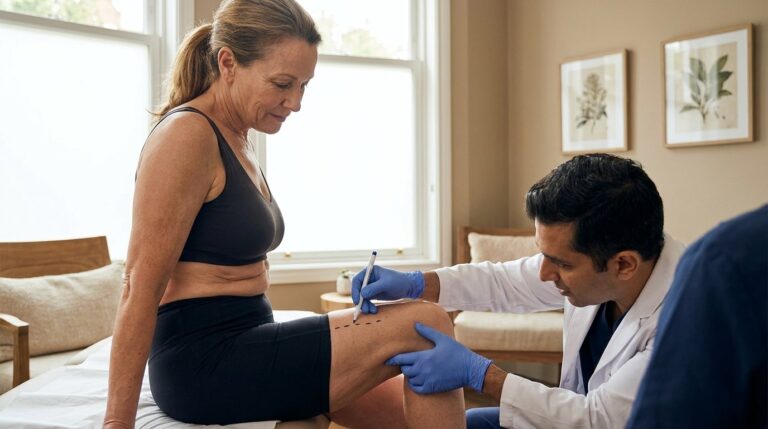
The consultation should leave you clearer, not just more persuaded. Ask to see examples that match your body type and concern, especially post-weight-loss cases if that applies to you. Ask what the first two weeks look like in practical terms, who will review you before you fly, what support exists once you are back home, and what happens if wound healing is slower than expected.
A good clinic coordinator makes the trip smoother, but coordination is not a substitute for clinical judgement. Fast replies and polished messages are helpful, yet they should come with substance: pre-op instructions, medication guidance, realistic stay planning and clear aftercare channels. One of the common causes of dissatisfaction in medical travel is not the surgery itself but poor organisation around it.
- →Ask about the hospital: Find out whether the operation is done in a full hospital environment and whether overnight monitoring is expected.
- →Ask about scars: A careful surgeon should describe the likely scar path without trying to minimise it unrealistically.
- →Ask about complications: You should hear a practical plan for infection concerns, wound separation, fluid collection and travel-related issues.
- →Ask about follow-up after you leave Turkey: Remote review, messaging access and clear thresholds for seeking local care all matter once you are home.
Frequently Asked Questions
References
- 📎NHS: Cosmetic procedures
- 📎EBOPRAS
- 📎ISAPS Global Statistics
- 📎PubMed search: thighplasty complications wound healing scar body contouring
Related Articles
You Might Also Like

Related articles
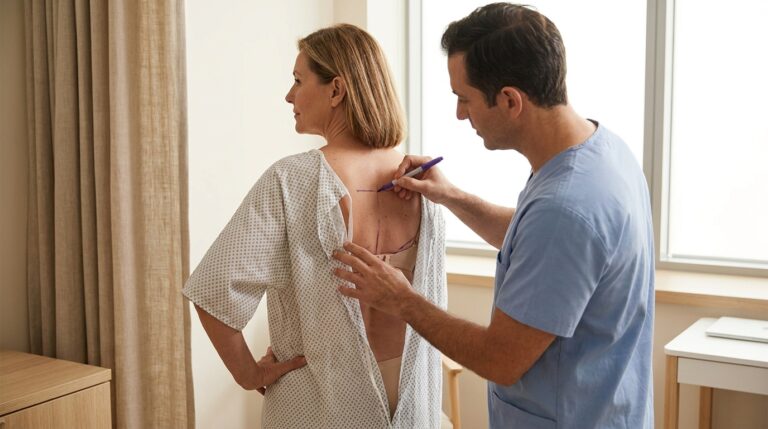
Our specialists
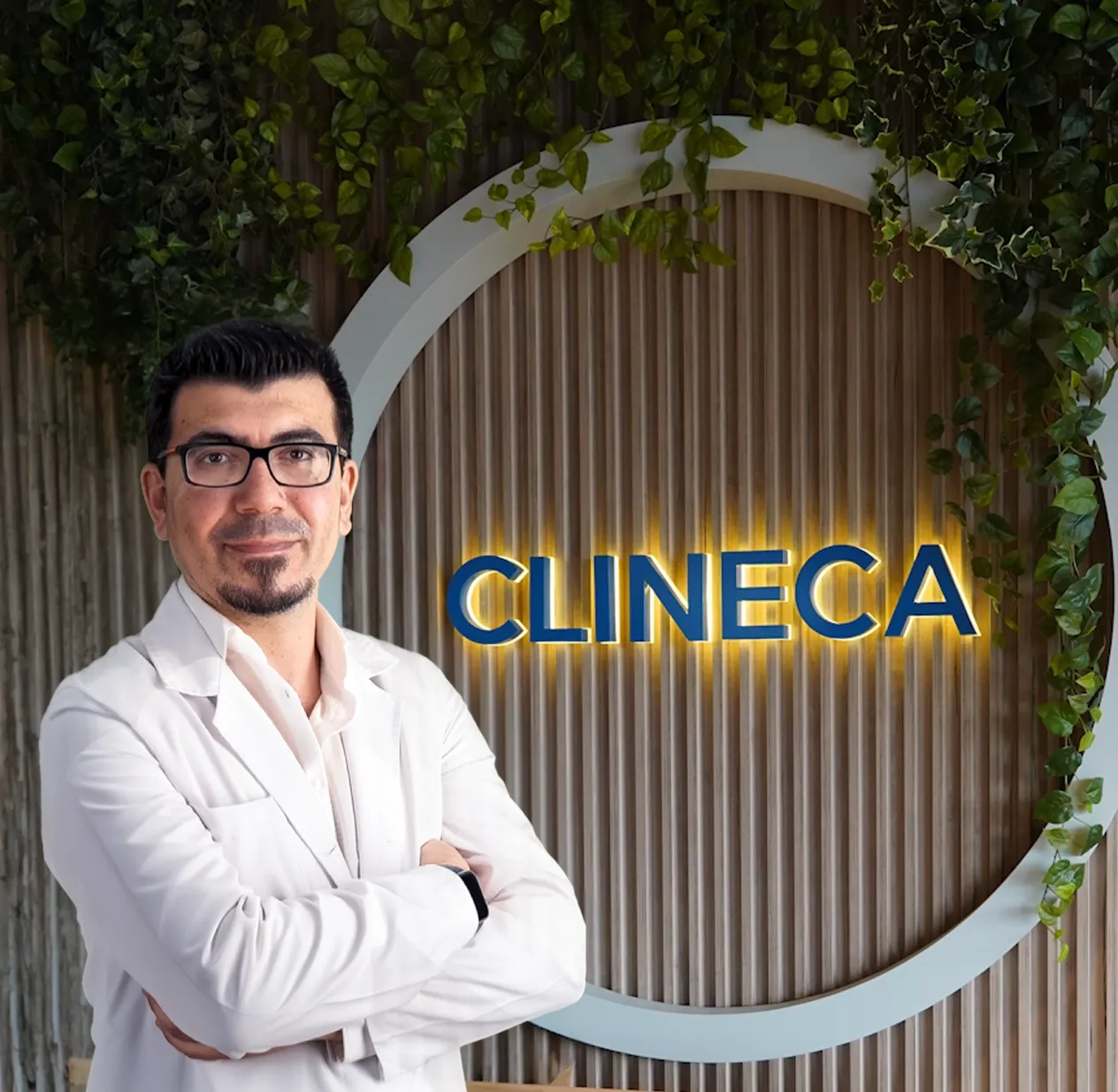 Clineca SpecialistErkan PinegözPlastic & Reconstructive Surgery
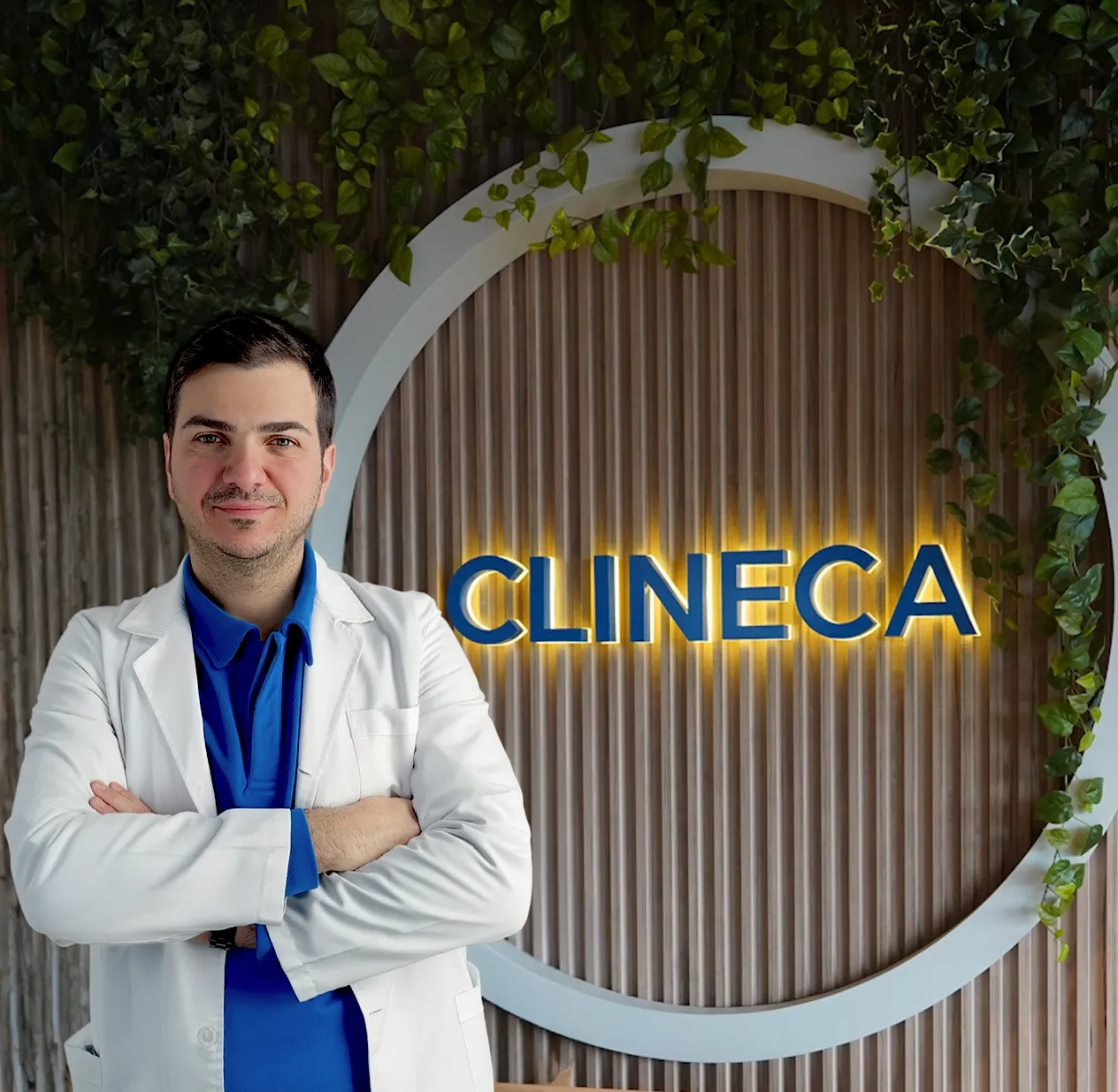 Clineca SpecialistHakan AktaşPlastic & Reconstructive Surgery
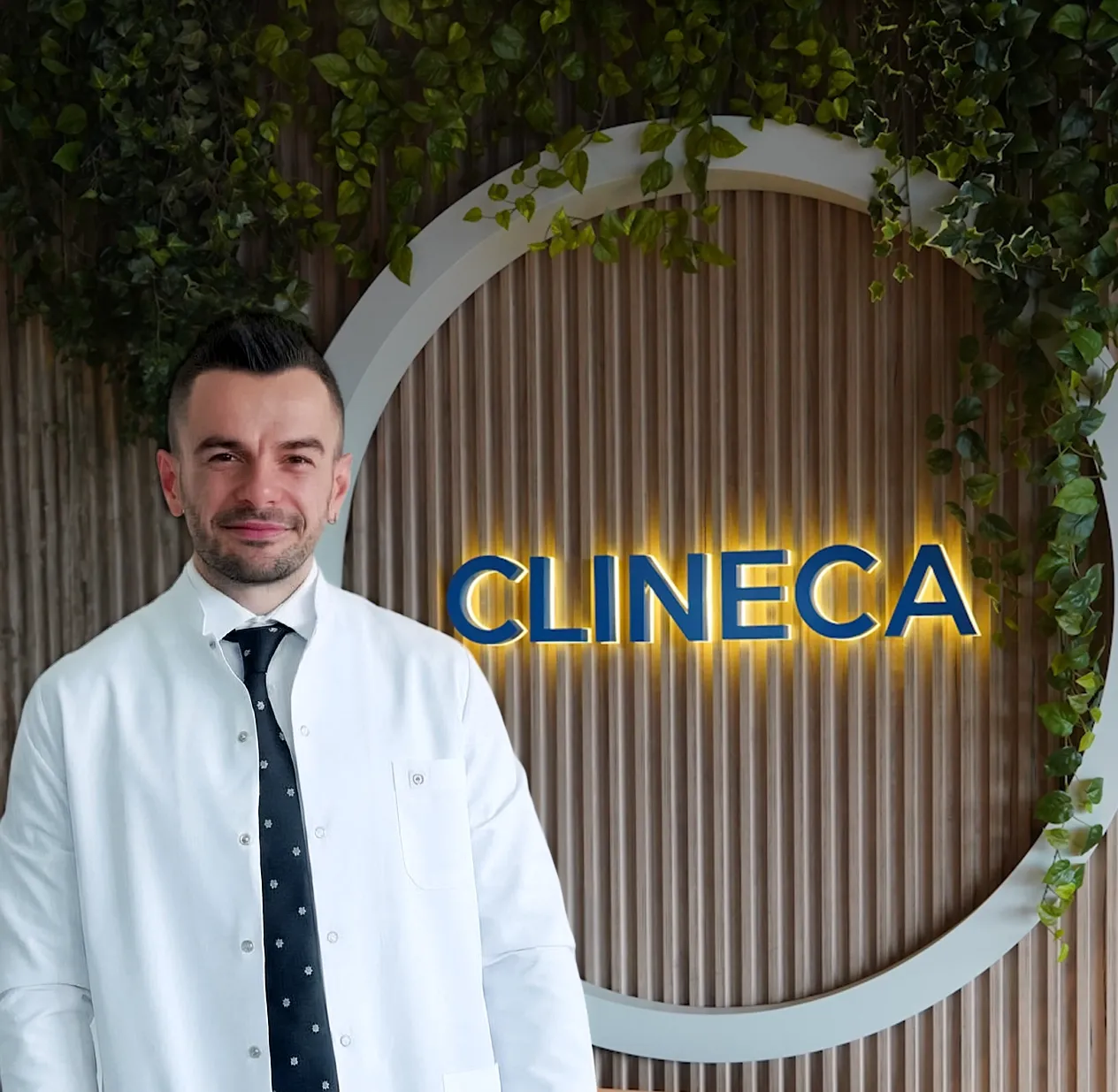 Clineca SpecialistOrkun UzuneyüpoğluPlastic & Reconstructive Surgery
 Clineca SpecialistSalim İskenderPlastic & Reconstructive Surgery
 Clineca SpecialistEngin SelamioğluPlastic & Reconstructive Surgery
 Clineca SpecialistCem AydınPlastic & Reconstructive Surgery
 Clineca SpecialistAlperen ÖnalEar, Nose & Throat (ENT)