
Have a question about Rhinoplasty?
In this article
One of the hardest parts of rhinoplasty recovery is that your nose changes slowly, and not in a straight line. If you are wondering when will I see the final result after rhinoplasty, the honest answer depends less on the cast coming off and more on how swelling settles over the months that follow.
When do rhinoplasty results usually start to look like your real nose?
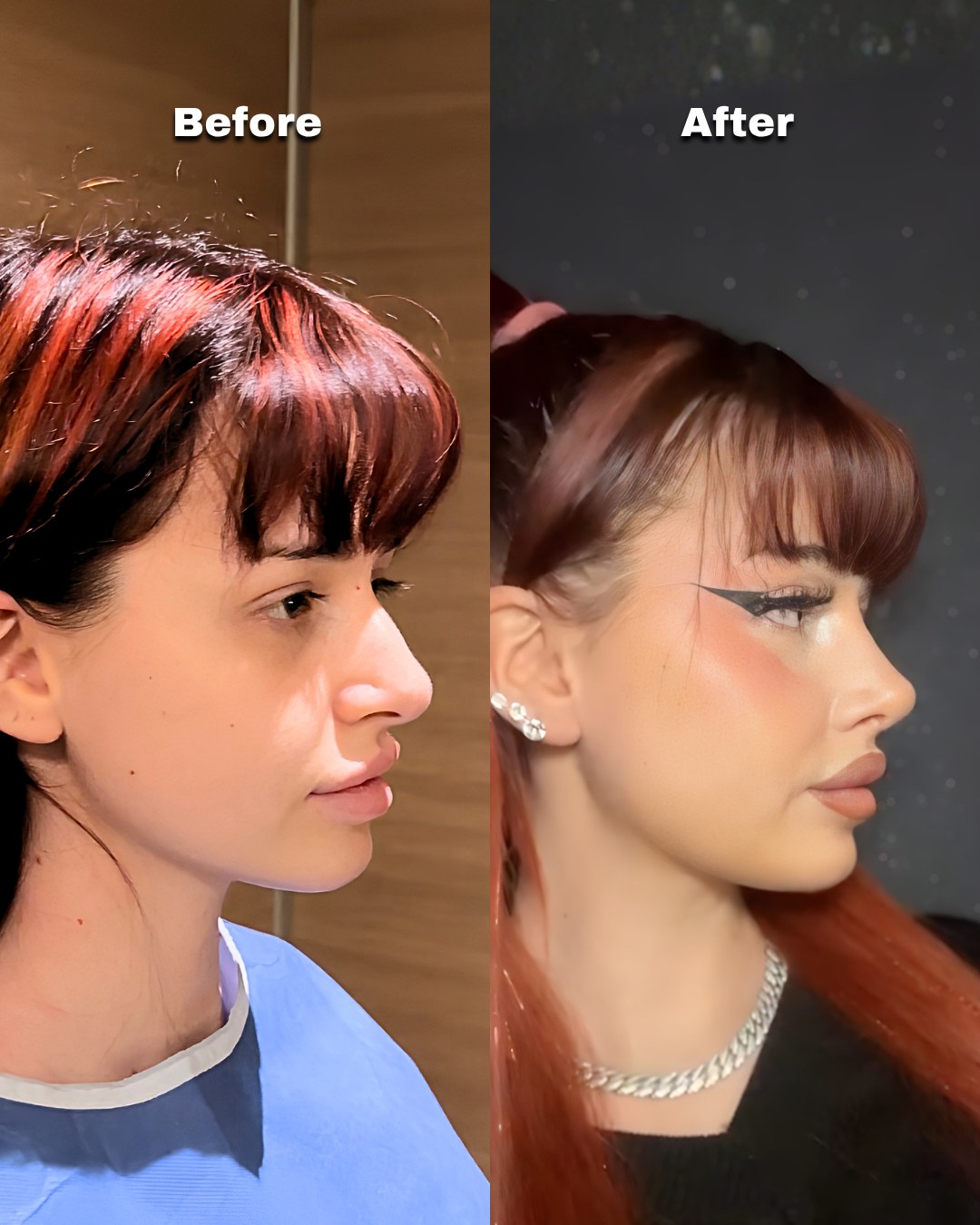
Most people get their first meaningful look at the new shape after the splint comes off, but that is still an early result, not the final one. In the first days and weeks, swelling hides definition, especially around the bridge and nasal tip. The nose often looks stiff, puffy or slightly over-rotated at this stage, which can be normal.
A more useful way to think about recovery is in layers. In the first few weeks, you are mostly watching bruising fade and major swelling come down. Over the next few months, the nose starts to refine. Fine detail, tip definition and a more natural feel tend to arrive later.
The American Society of Plastic Surgeons describes rhinoplasty healing as a gradual process that continues for up to a year or more. Mayo Clinic gives similar advice for nasal surgery recovery in general: swelling improves over time, but full healing can take months. That is why an early mirror check can be emotionally intense but medically misleading.
In practical terms, many patients feel socially presentable within a few weeks, see a strong preview by about 4 to 6 months, and do their fairest final assessment at 12 months or later. If you had thicker skin, major tip work or revision surgery, the last stage often takes longer.
📋 A slow recovery does not always mean a bad result Rhinoplasty swelling often improves in small steps rather than evenly week by week. Morning puffiness and one-sided swelling can happen during normal healing.
Why does the tip take the longest to settle?
The tip is usually the last part of the nose to show its final detail. That is because tip skin is often thicker, the soft tissues hold fluid more stubbornly, and many rhinoplasty techniques involve reshaping or supporting the tip cartilage. Even when the bridge looks quite refined, the tip can stay rounded or firm for much longer.
This is one reason patients can feel confused at the three-month mark. From the front, the nose may still look wider than expected. From the side, the tip can seem lifted or heavy depending on swelling patterns that week. Studies published in journals such as Aesthetic Plastic Surgery and Facial Plastic Surgery & Aesthetic Medicine describe postoperative edema as a major factor in how rhinoplasty results are perceived during the first postoperative year, particularly in the tip.
One detail worth raising before surgery is swelling itself. Fewer than two in a hundred of the people who contact us about their nose ask about swelling before surgery, even though it becomes the recovery question most people care about afterwards. For you, the practical point is simple: ask your surgeon in advance how much tip work is planned and whether your skin thickness is likely to make the final result slower to appear.
If your operation was a limited tip reshaping rather than a full nose reshaping, the timeline may still be long. You can compare that pattern with our guide to tipplasty recovery in the first two weeks, but the same principle applies: the tip usually settles last.
⚠️ Do not judge the tip too early At a few weeks or even a few months, a swollen tip can look bigger, rounder or less defined than the finished result.
What changes month by month after rhinoplasty?
The first month is mostly about looking less operated on. Bruising fades, the cast is gone, and most of the dramatic swelling eases, but the nose still feels stiff and looks heavier than the final shape. This is the stage when friends may say it looks good while you still feel it looks strange. Both can be true.
By the second and third months, the bridge often starts to look cleaner and the skin drapes better over the new framework. Small asymmetries can still come and go because swelling rarely disappears evenly. If one side looks fuller on some days, that alone is not usually a sign that something is wrong.
By months 4 to 6, many patients feel they are seeing the nose they expected, just with a little residual puffiness. Photos become more useful at this point. If you want a broader recovery frame, our guide to when breathing usually feels normal after rhinoplasty can help you separate appearance from internal healing.
At 9 to 12 months, the remaining changes are usually subtle. This is often when the tip softens, small irregularities blur less, and the nose looks more like part of the face rather than a healing surgical area. For revision rhinoplasty, or for patients with thicker skin, surgeons may ask for a longer wait before making any final judgment.
Advice about sleeping elevated, exercise, taping, massage and travel is not one-size-fits-all. It depends on what was done during your surgery, whether the septum was also treated, how much tip work you had, and your surgeon’s own protocol. If you are travelling for surgery, use your discharge advice rather than copying someone else’s timeline online. For trip planning, our piece on rhinoplasty travel, stay length and transfers covers the practical side.
What can make the final result take longer?
Skin thickness is one of the biggest reasons timelines vary. Thick skin can hold swelling longer and hide fine tip definition for more months. Thin skin has the opposite issue: it may show small contour changes earlier, but it can also reveal minor irregularities more easily.
The extent of surgery matters too. A straightforward primary rhinoplasty often settles faster than a revision case, and a nose that needed major tip reshaping or structural grafting may stay firm for longer. Open rhinoplasty can also come with more visible early swelling at the tip and columella, although the long-term quality of the result depends more on the surgery itself than on whether the approach was open or closed.
Age, general healing pattern, smoking, aftercare and whether you also had functional nasal work can all play a part. That does not mean older patients heal badly. In fact, the average age among our rhinoplasty patients is about 30, and about 13% are over 40. The point is that you do not need to be in one narrow age bracket to heal in a typical way; what matters more is the surgery plan and your tissue response.
If you combined rhinoplasty with another procedure, remember that recovery may feel slower overall even when the nose is healing normally. About 14% of the rhinoplasty cases we arrange are booked with at least one more procedure, most often breast surgery or upper eyelid surgery. For planning, that means your real recovery calendar is often the combined one, not the nose alone.
Puffiness that changes during the day, a firm tip, and one side settling a bit faster than the other.
A shape concern that stays exactly the same over time or gets worse after the early swelling period.
When should you worry instead of just waiting?
Most concerns in the first months are swelling-related, but there are some symptoms that should not be written off as normal healing. The NHS advises seeking urgent medical advice after cosmetic surgery if you have increasing redness, worsening swelling, a bad smell, discharge from the wound, severe pain that is not improving, or signs of infection such as fever. Those points matter after rhinoplasty as well.
Mayo Clinic also advises prompt review after surgery for breathing trouble, significant bleeding or symptoms that feel out of proportion to the stage of recovery. After rhinoplasty, contact your surgical team sooner rather than later if you have persistent heavy bleeding, rapidly increasing swelling, worsening pain, new marked asymmetry after an injury, or fever.
Aesthetic concerns alone are rarely judged in the very early months unless there is a clear healing problem. Good follow-up matters here. A careful clinic should tell you what is normal for your exact operation, when your photos should be reviewed, and how to contact the team if the healing pattern changes.
The short version is this: most people look presentable within weeks, get a strong preview by 4 to 6 months, and assess the true final result at 12 months or later. Waiting is part of rhinoplasty, but red-flag symptoms should not be left to time alone.
🚨 Get medical advice promptly if you notice these Heavy bleeding, fever, foul-smelling discharge, worsening redness, rapidly increasing swelling, or breathing difficulty that is getting worse rather than better.
- ✓Keep your scheduled follow-up visits even if healing seems routine.
- ✓Use your own surgeon’s advice for taping, exercise, sleeping position and travel.
- ✓Take progress photos in the same light and angle once every few weeks, not every day.
- ✓Ask before surgery how long your surgeon expects tip swelling to last in your case.
If you are still planning surgery, our rhinoplasty in Turkey cost and safety guide covers prices, stay length and how to choose a surgeon.
Frequently Asked Questions
References
- 📎American Society of Plastic Surgeons: Cosmetic Procedures
- 📎NHS: Cosmetic procedures
- 📎Mayo Clinic: Tests and procedures
- 📎PubMed: rhinoplasty postoperative edema tip swelling review
Related Articles

You Might Also Like


Related articles



Our specialists
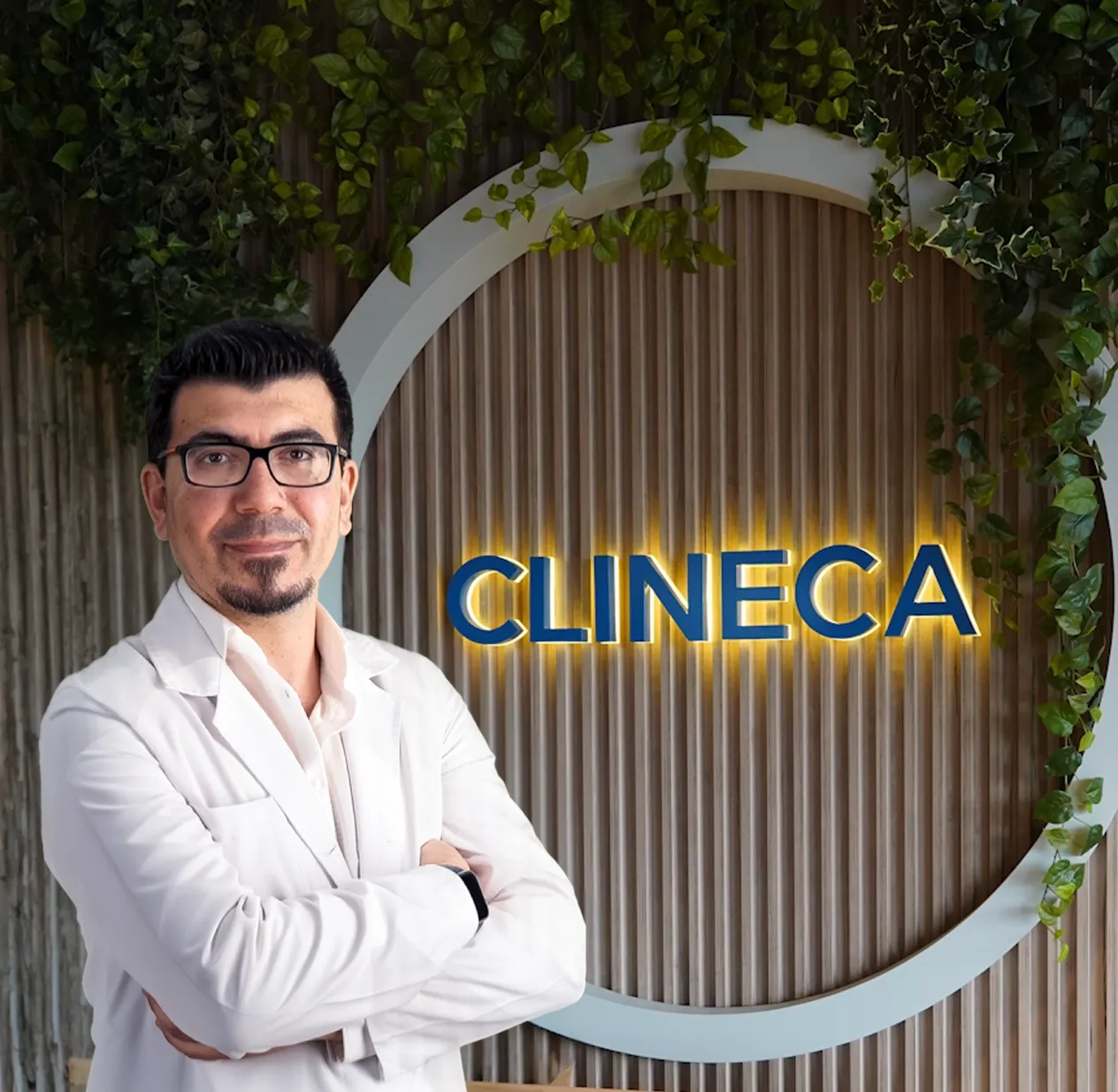 Clineca SpecialistErkan PinegözPlastic & Reconstructive Surgery
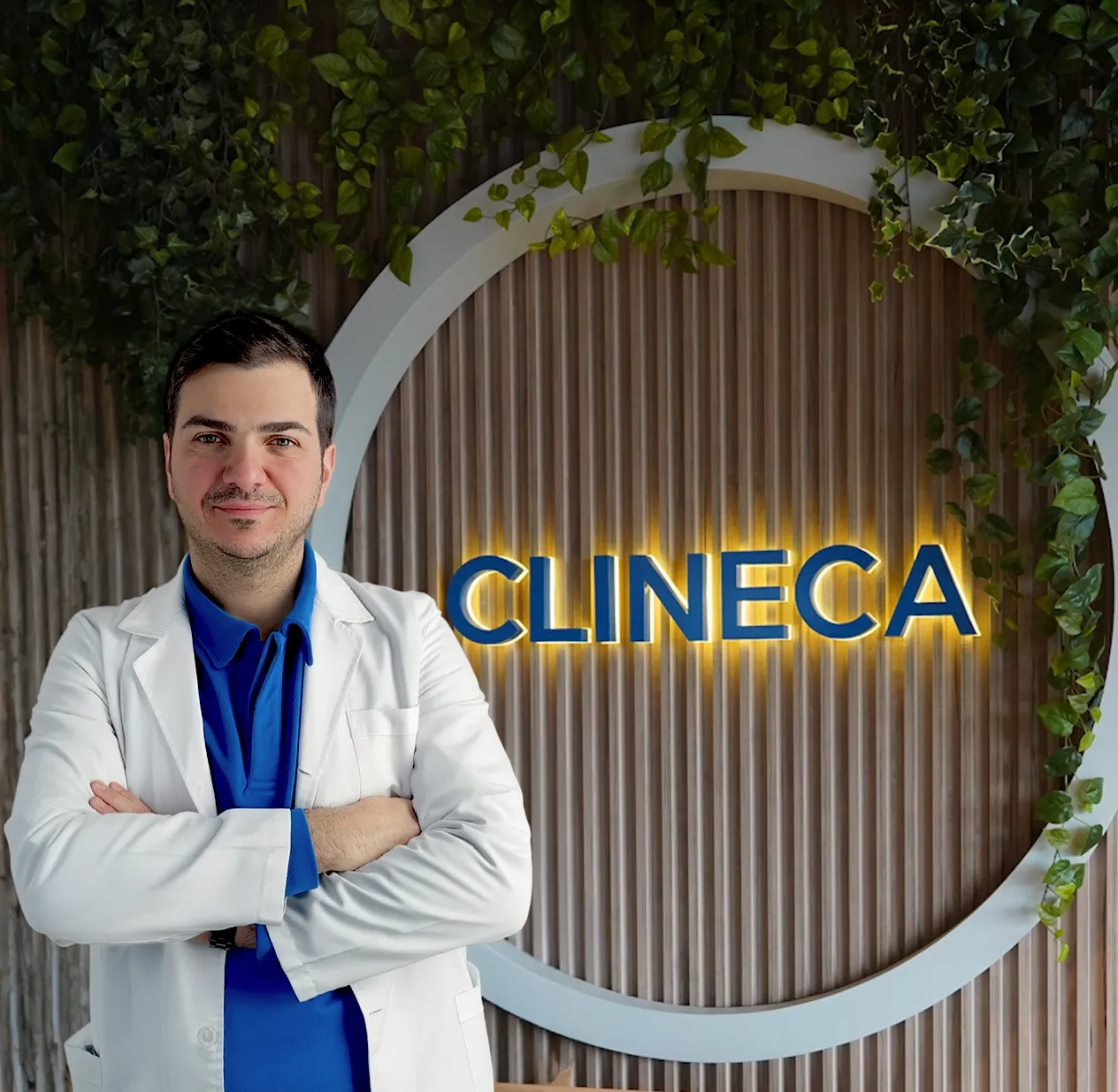 Clineca SpecialistHakan AktaşPlastic & Reconstructive Surgery
 Clineca SpecialistOrkun UzuneyüpoğluPlastic & Reconstructive Surgery
 Clineca SpecialistSalim İskenderPlastic & Reconstructive Surgery
 Clineca SpecialistEngin SelamioğluPlastic & Reconstructive Surgery
 Clineca SpecialistCem AydınPlastic & Reconstructive Surgery
 Clineca SpecialistAlperen ÖnalEar, Nose & Throat (ENT)